Explainer: Types of documents found in Donald Trump's residence by FBI during raid

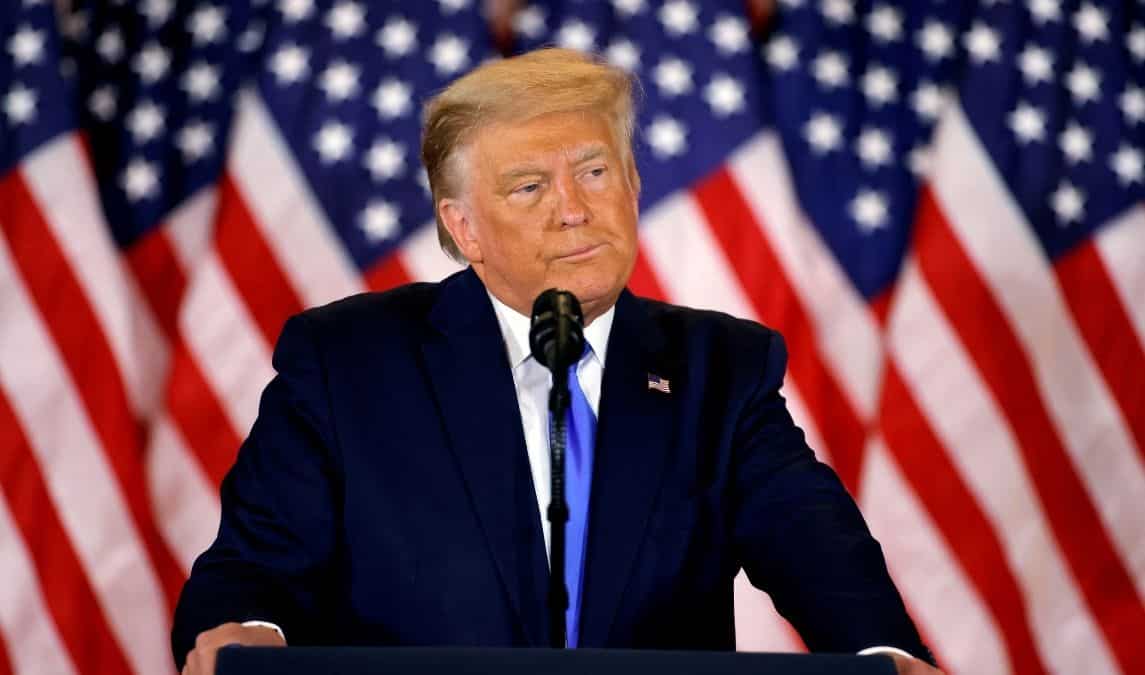
Donald Trump
The FBI raid at the Mar-a-Lago residence of former United States president Donald Trump has been the centre of controversy in the last few days. On August 8, the authorities raided the residence in Florida and according to a letter from the National Archives to Trump’s lawyer, they found around 700 pages of classified information. Around 15 boxes were found, according to various reports, containing documents that were said to contain “highly sensitive information”.
However, since the raid, Trump has been constantly criticising the authorities for targeting him deliberately ahead of the mid-term elections. He called the FBI “political hacks and thugs” and even criticised US Magistrate Judge Bruce Reinhart for granting FBI the permission to conduct the raid and hinted that the decision was taken due to the judge’s “animosity and hatred”.
Release of the affidavit
The case took a new direction on Friday when the Justice Department released a heavily redacted version of the affidavit filed in front of the judge while seeking permission for the raid.
The affidavit said that the FBI were looking to conduct the search after completing a number of interviews with witnesses and believed that the former US president was in possession of documents which contained “national defense information” and proof of “obstruction of justice”.
“There is probable cause to believe that additional documents that contain classified national defense information (NDI)or that are presidential records subject to record retention requirements currently remain at the premises. There is also probable cause to believe that evidence of obstruction will be found,” the affidavit said.
Classification of the documents
According to The Washington Post, the affidavit also said that 184 documents found in the boxes had “classification markings”. Among the documents mentioned in the affidavit, 67 of them were marked “CONFIDENTIAL,” 92 marked “SECRET,” and remaining 25 were marked as “TOP SECRET”.
“Top Secret” refers to the highest level of secrecy when it comes to government documents and it mostly refers to content which is crucial to national security or a similar important topic.
The affidavit claimed that “the documents could have involved sensitive matters such as confidential human sources, information that may not be released in any form to foreign governments and intelligence information derived from the monitoring of foreign communications signals”.
“Secret” is the second highest level of classification and although these are crucial documents, the number of people who have access to them is considerably greater in number. On occasions, these documents can also contain information about confidential technological advancements.
Finally, the “classified” level of classification applies to general government documents and they mainly contain various policies and strategies of the government. They can also contain information about the military and hence, can hold crucial data pertaining to national security.
WATCH WION LIVE HERE -