

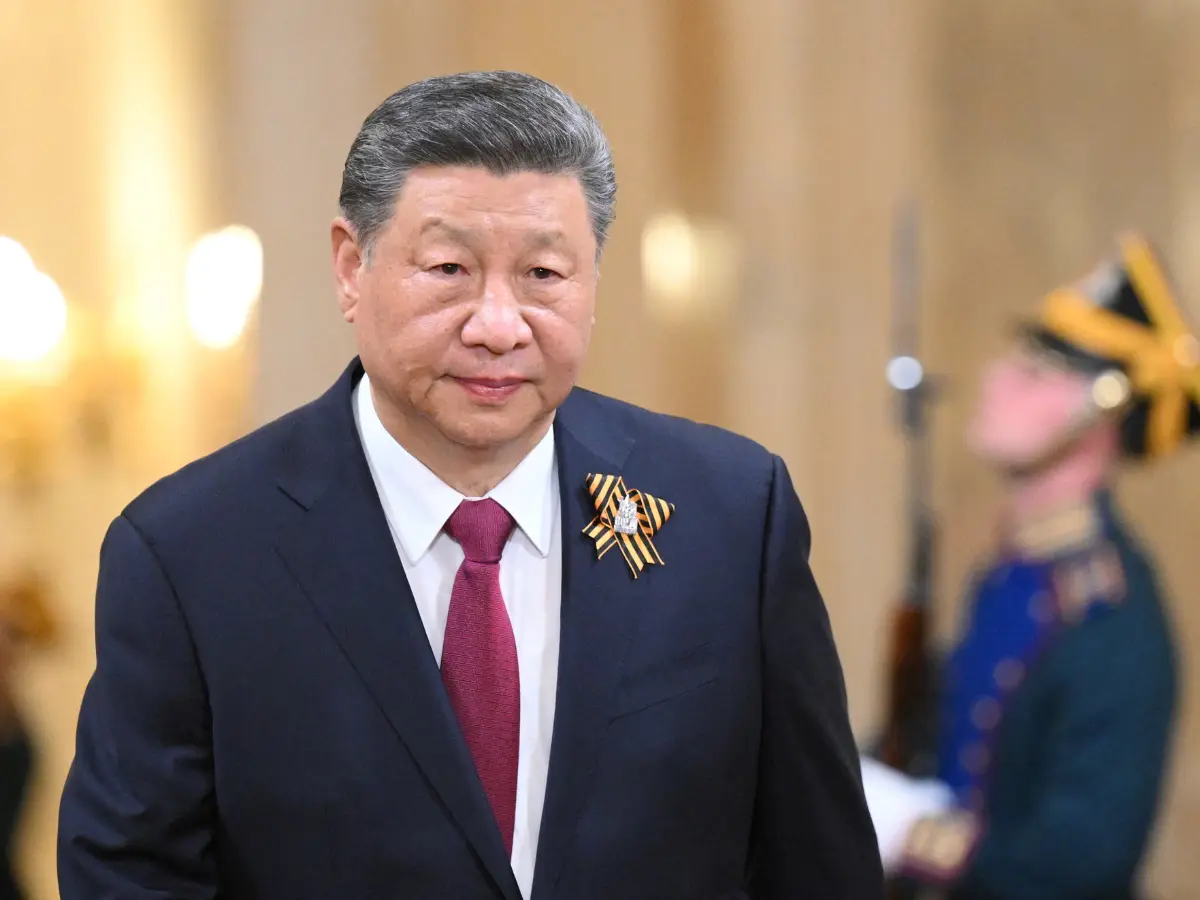
&imwidth=800&imheight=600&format=webp&quality=medium "China's Xi Jinping delivers 'ethnic unity' message during rare Taiwan visit amid conflict over Dalai Lama succession")
Chinese president Xi Jinping made a rare visit to Tibet on Wednesday (Aug 20) to mark the 60th anniversary of Tibet’s establishment as an autonomous region. This is his second-ever visit to Tibet - a region China calls Xizang Autonomous Region, and where Beijing is accused of human rights abuses. He last visited the Tibetan capital of Lhasa in 2021. His visit is seen against the backdrop of conflict over the Tibetan leader Dalai Lama's succession plans. A massive image of Xi Jinping towered over a gathering of around 20,000 people, including soldiers, students, and various Tibetan community members—many wearing traditional attire—according to state broadcaster CCTV. The event featured a parade with Tibetan dance performances, military formations, and slogan-covered floats.
Jinping's ‘ethnic unity’ message in Taiwan
Speaking in Tibet, Chinese President Jinping stressed that maintaining political and social stability, ethnic unity, and religious harmony is key to governing and developing the region. He said, "To govern, stabilise and develop Tibet, we must first safeguard political stability, social stability, ethnic unity and religious harmony." Without mentioning the Dalai Lama, Xi praised the local government for "engaging in a thorough struggle against separatism" - a reference to decades-old Tibetan resistance. He called for building a modern, united, and prosperous "new Xizang" aligned with socialist values. Xi also encouraged greater integration between Tibet and the rest of China through economic, cultural, and personnel exchanges, and urged Tibetan Buddhism to align more closely with socialist principles. While rights groups accuse Beijing of repressing Tibetan culture and enforcing strict surveillance, Chinese authorities argue their policies have brought stability and economic progress to the region.
China-Taiwan conflict
The conflict between China and Tibet centres on Tibet’s political status and cultural autonomy. In 1950, China’s People’s Liberation Army invaded Tibet, asserting control and incorporating it as an autonomous region. Since then, tensions have persisted over Beijing’s tight political control, restrictions on Tibetan religion and culture, and human rights abuses. Tibetan exiles, led by the Dalai Lama, seek greater autonomy or independence, while China insists Tibet is an inseparable part of its territory. The vast high-altitude area on the country's western edge, established as an autonomous region in 1965 -- six years after the 14th Dalai Lama fled into exile -- was once a hotbed for protest against Communist Party rule.

