&imwidth=800&imheight=600&format=webp&quality=medium "Artemis 2 crew on Fallon show: Tiny Earth, 6 miles per second fireball and other things they said")
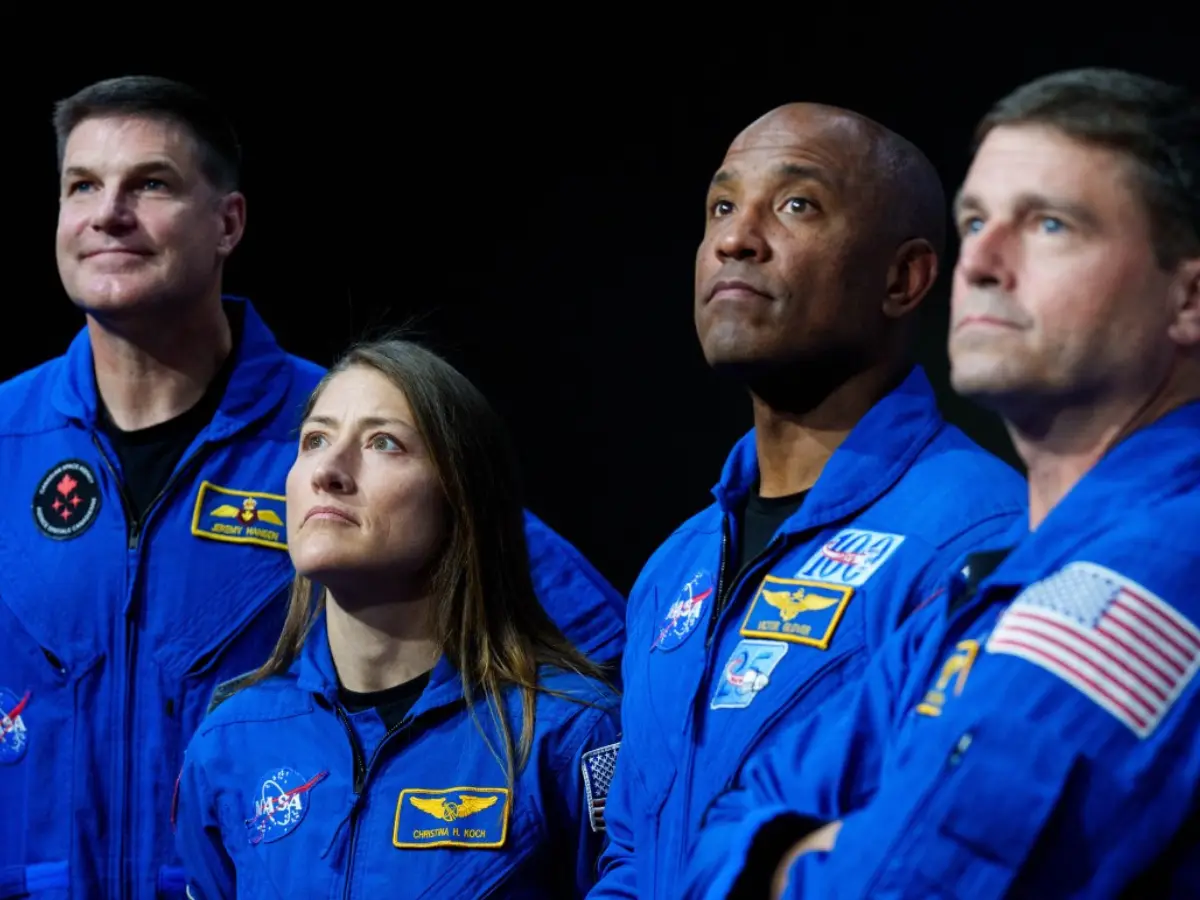
The Artemis II crew made an appearance on The Tonight Show Starring Jimmy Fallon and shared their experience of flying to the Moon. Reid Wiseman, Victor Glover, Christina Koch and Jeremy Hansen talked about the challenges they faced on the mission and the awe-inspiring moments they had in space. The crew also shared emotional moments, primarily naming a crater on the Moon after Wiseman's late wife, Carroll. As Fallon shared a photo of Wiseman looking out the window of Orion, and with a complete Earth visible, the astronaut revealed that by the third day, they had started calling their home planet, tiny Earth. Wiseman said, "Koch was looking out the window and called me over, and said, 'you should look at this'. I looked out and saw Earth." He added that the planet looked so small from far off in space that soon they started calling it tiny Earth. For most astronauts, such a moment has often been described as a moment of realisation, also known as the Overview Effect.
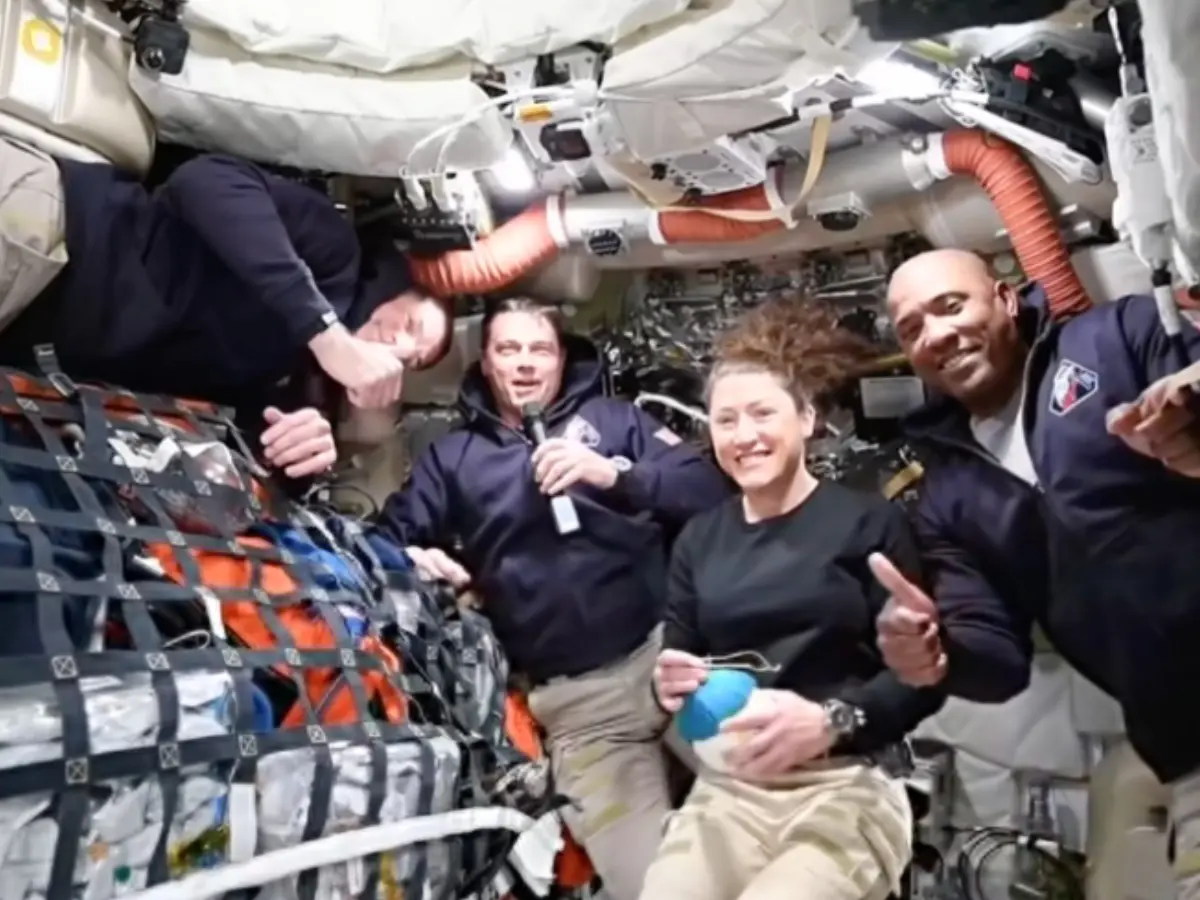
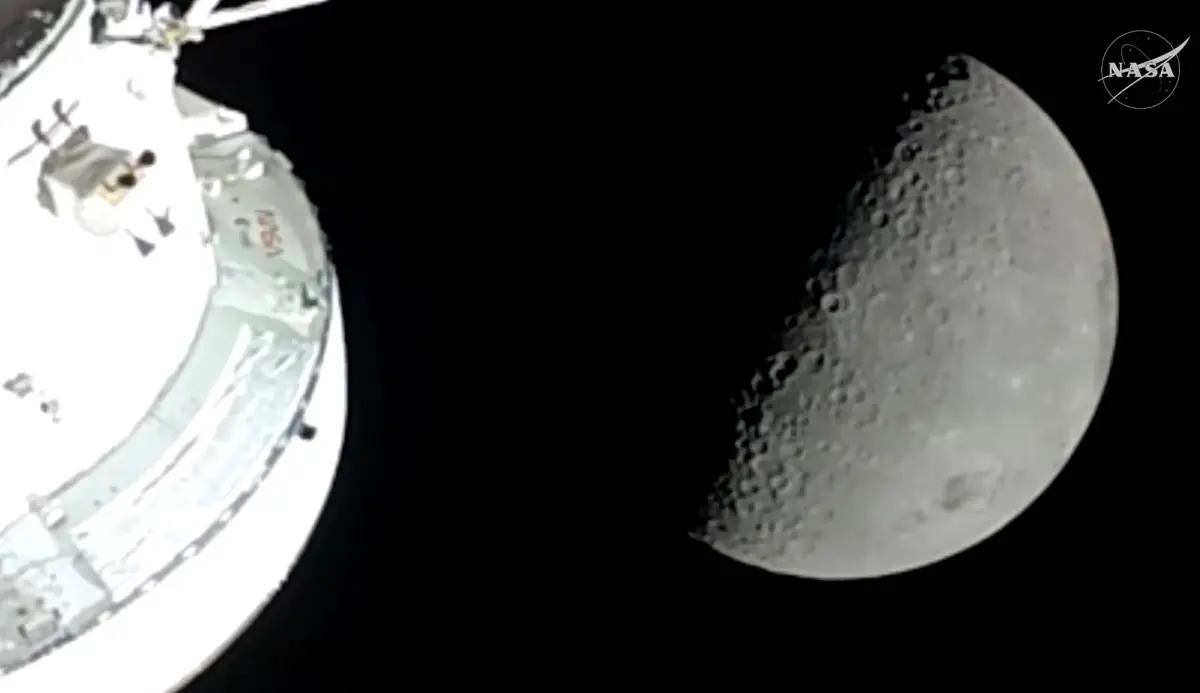
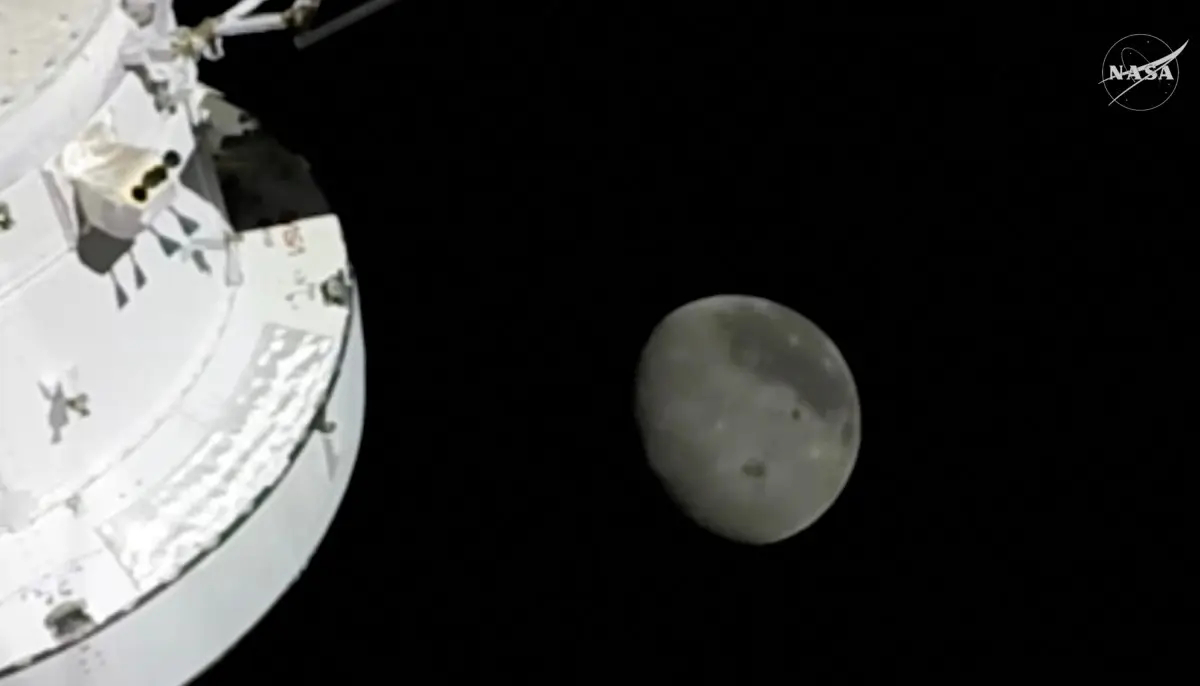
The crew admitted that out of everything that was happening, what stood out the most was the views. Glover said the views really got to them. "You could be eating, brushing, or getting ready for bed, and then you look out the window, and you see that Earth out there, it was amazing to see." They also talked about the challenged of being locked in the Orion, their spacecraft, for 10 days. Glover said it was like one minivan, as the crew put on a visual display of how chaotic it got. The Artemis II astronauts also saw the far side of the moon, catching views that no one had ever seen before. Hansen explained that before they actually got to the Moon, they started seeing parts that looked weird. This is when they realised they were looking at the far side.

Moon crater named after astronaut's late wife
Meanwhile, Wiseman revealed it was a crew decision to name a crater on the Moon after his wife. "Christina came up with it (the idea), and Hansen asked me before launch if that was something we should do as a crew. Jeremy gave one of the moving speeches. That was a great honour for my kids; they were in Mission Control at that time, and it was deeply moving for them."
Also Read: 'Not out of light...': NASA shares video compilation of far side of the Moon, riddled with pockmarks
Fireball spacecraft falling from space
Return to Earth was easily the most difficult part of the journey, Koch said, adding that it is a wild ride and the spacecraft is a literal ball of plasma, and you can see fire outside the window. Wiseman added that the spacecraft was moving at six miles per second and you "only feel the speed when it hits the atmosphere". NASA is now gearing up for the Artemis 3 mission, which is slated for 2027 before the agency lands humans on the Moon in 2028.