3I/ATLAS update: Parker Solar Probe saw interstellar comet when it was invisible from Earth

&imwidth=600&imheight=450&format=webp&quality=medium "3I/ATLAS update: Parker Solar Probe saw interstellar comet when it was invisible from Earth")
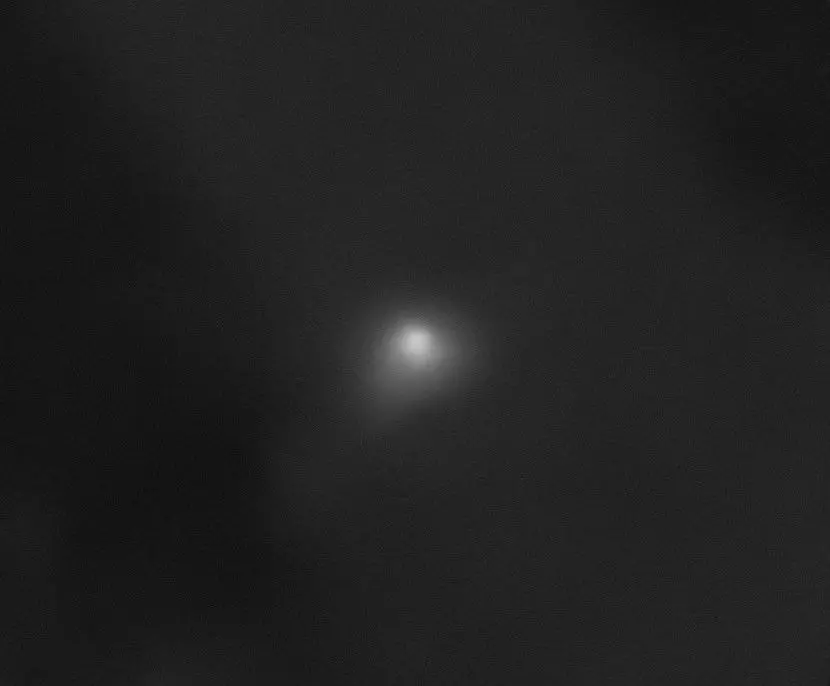
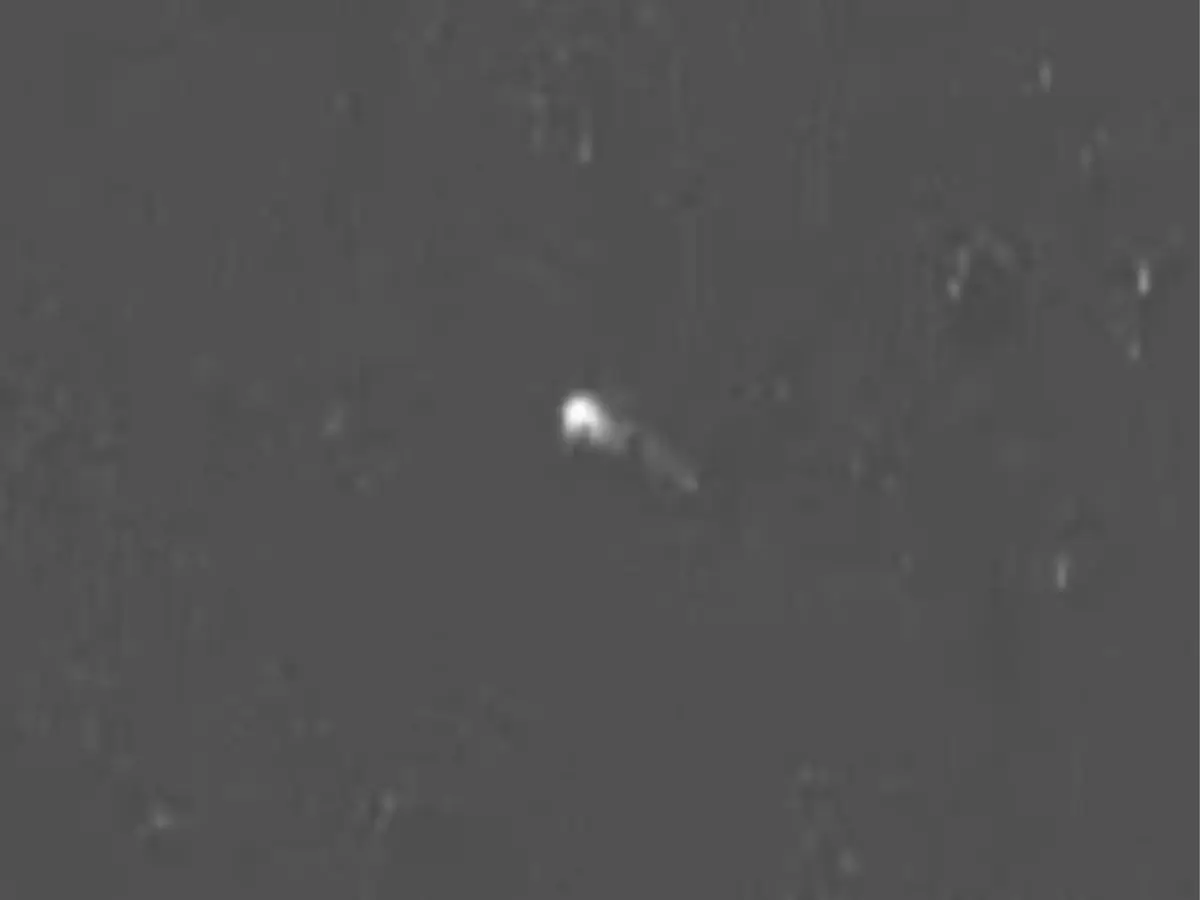
3I/ATLAS photo taken near the Sun by the Parker Solar Probe. Photograph: (NRL / NASA / JHUAPL / Guillermo Stenborg)
3I/ATLAS latest update: The Parker Solar Probe saw the interstellar comet racing behind the Sun. It took photos of 3I/ATLAS at a time when it had become invisible from Earth because of the glare from the Sun. The images are being processed to get a better look at the comet.
The Parker Solar Probe is the latest man-made spacecraft to observe 3I/ATLAS. The WISPR instrument on board the NASA probe took photos of the comet from October 18 to November 5. Members of the WISPR team said in a statement, “Parker Solar Probe snapped around 10 images of the comet per day." They added that during this time, Parker was speeding away from the Sun after undertaking its 25th solar flyby on September 15. At this time, the solar probe was at a point from where it spotted 3I/ATLAS going behind the Sun. “At the time, the comet was near its closest point to the Sun, at a distance of about 209 million km (130 million miles), placing it just outside the orbit of Mars," the Parker probe team added. Notably, the comet reached perihelion on October 29.
This observation is one of its kind since 3I/ATLAS had become invisible from Earth as it sped towards the sun. The glare of our star hid it from us, and none of the telescopes could see it. But this is right when Parker saw it, revealing what was going on with the comet. "The images offer a valuable look at the comet over a period when it couldn’t be seen from Earth because it appeared too close to the Sun from Earth’s perspective," the team said.
3I/ATLAS image near Sun captured by Parker
Notably, some scientists, who have been claiming that 3I/ATLAS could be an extraterrestrial probe sent by intelligent beings, had proposed that the object might use its time behind the Sun to slingshot itself using its gravity towards Earth. This is because it was practically invisible for days. However, thanks to Parker, we now have pictures of the comet from its time behind the Sun. The WISPR team is currently processing these images to remove stray sunlight and compensate for exposure times. It also appears to change brightness because of the difference in exposure times, the researchers added. Once the images are processed, the Parker team hopes to get a better insight into 3I/ATLAS.