Yearender: Top 10 most popular global political leaders in 2025, Modi tops list, Trump slips

PM Narendra Modi tops the list of the world’s most popular political leaders, while Donald Trump slips in the December rankings. Find out the top 10 leaders with the highest approval rating at the end of 2025.
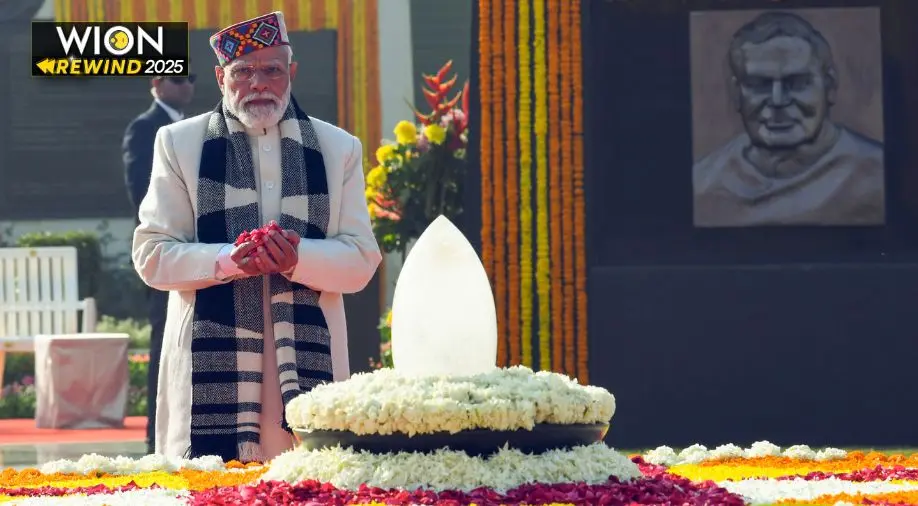
Narendra Modi- 71%
Indian Prime Minister Narendra Modi continues to be domestically favourite, after 11+ years of tenure, he continues to hold a 71 per cent approval rating. His tenure is characterised by strong pro-government policy. His majoritarian rhetoric has allowed him to translate Hindu religious fervour into voting behaviour. It remains to be seen whether 75-year-old Narendra Modi will seek another term in office or not.
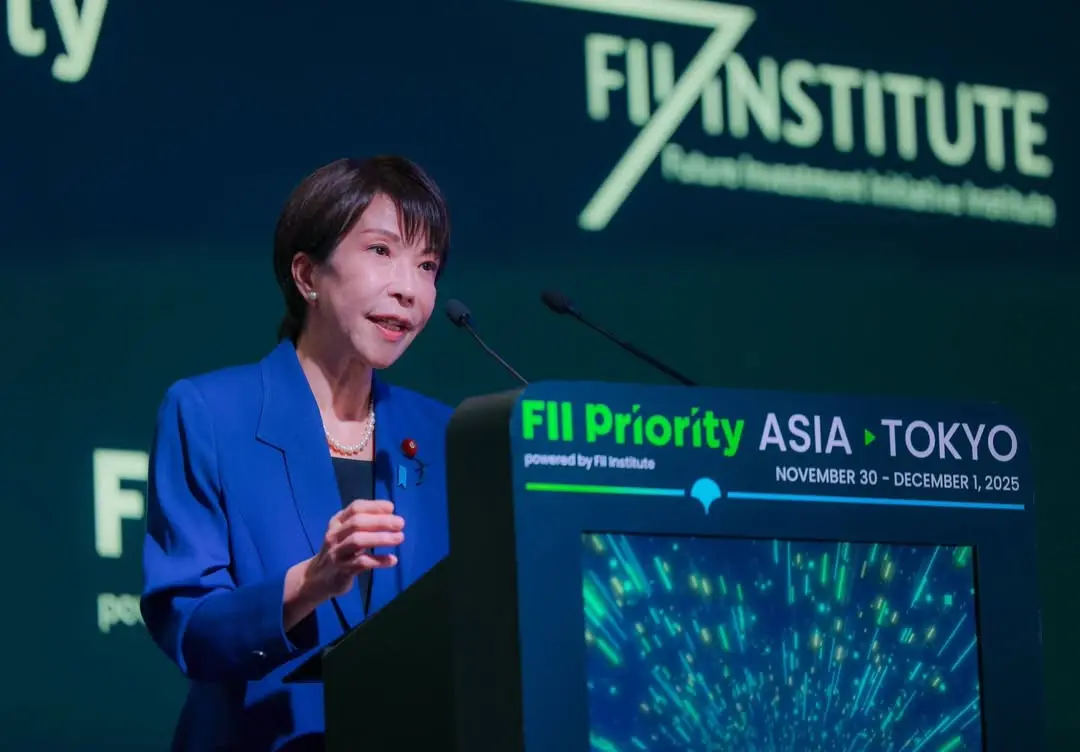
Sanae Takaichi- 61%
Japan’s Prime Minister Sanae Takaichi is second on the list due to her promise of economic revivalism, national security, and administrative reforms. The conservative leader is often called Japan's "Iron Lady." She was a long-time protege of the late Prime Minister Shinzo Abe and filled in the power vacuum after his assassination. Takaichi is the first female Prime Minister of Japan.
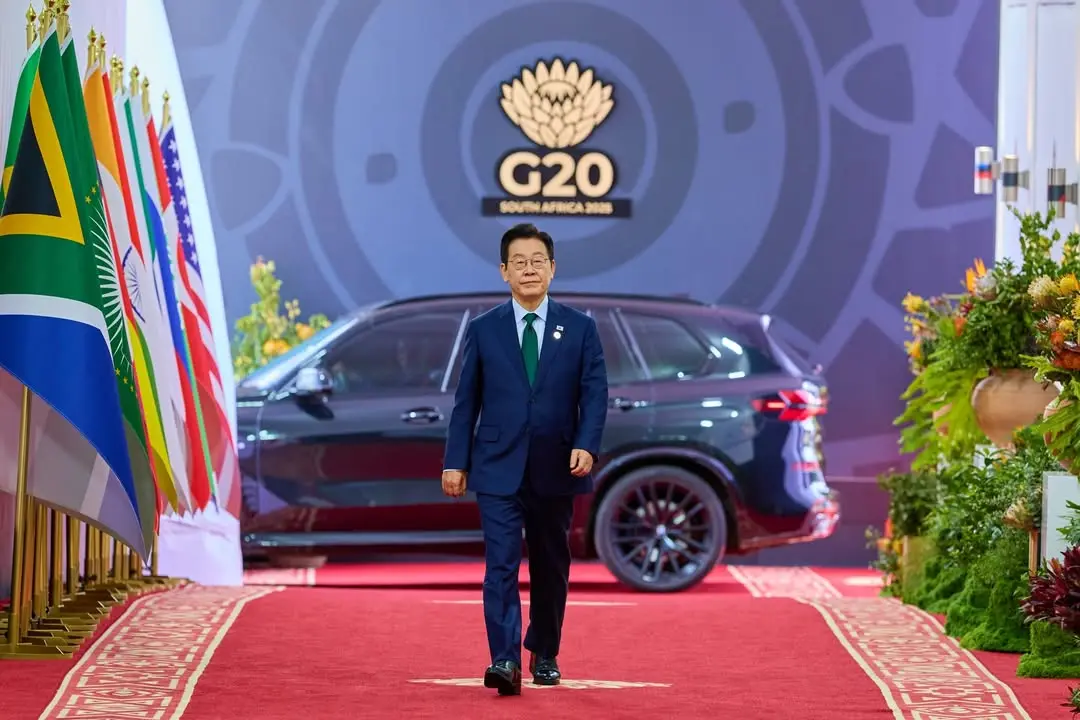
Lee Jae-myung-56%
South Korean President Lee Jae-myung secured a high approval rating due to his focus on social welfare, economic equity, and pragmatic governance. His leadership has appealed to voters seeking stability and reform in a politically polarised environment. The liberal politician grew up in poverty and worked as a child labourer, often called the “working class hero”.

Javier Millei-55%
The far-right Argentinian Javier Millei enjoys a relatively higher approval rating. He recently won the mid-term election by a landslide majority. However, consolidation of power, repression and austerity measures are characteristic of his tenure.
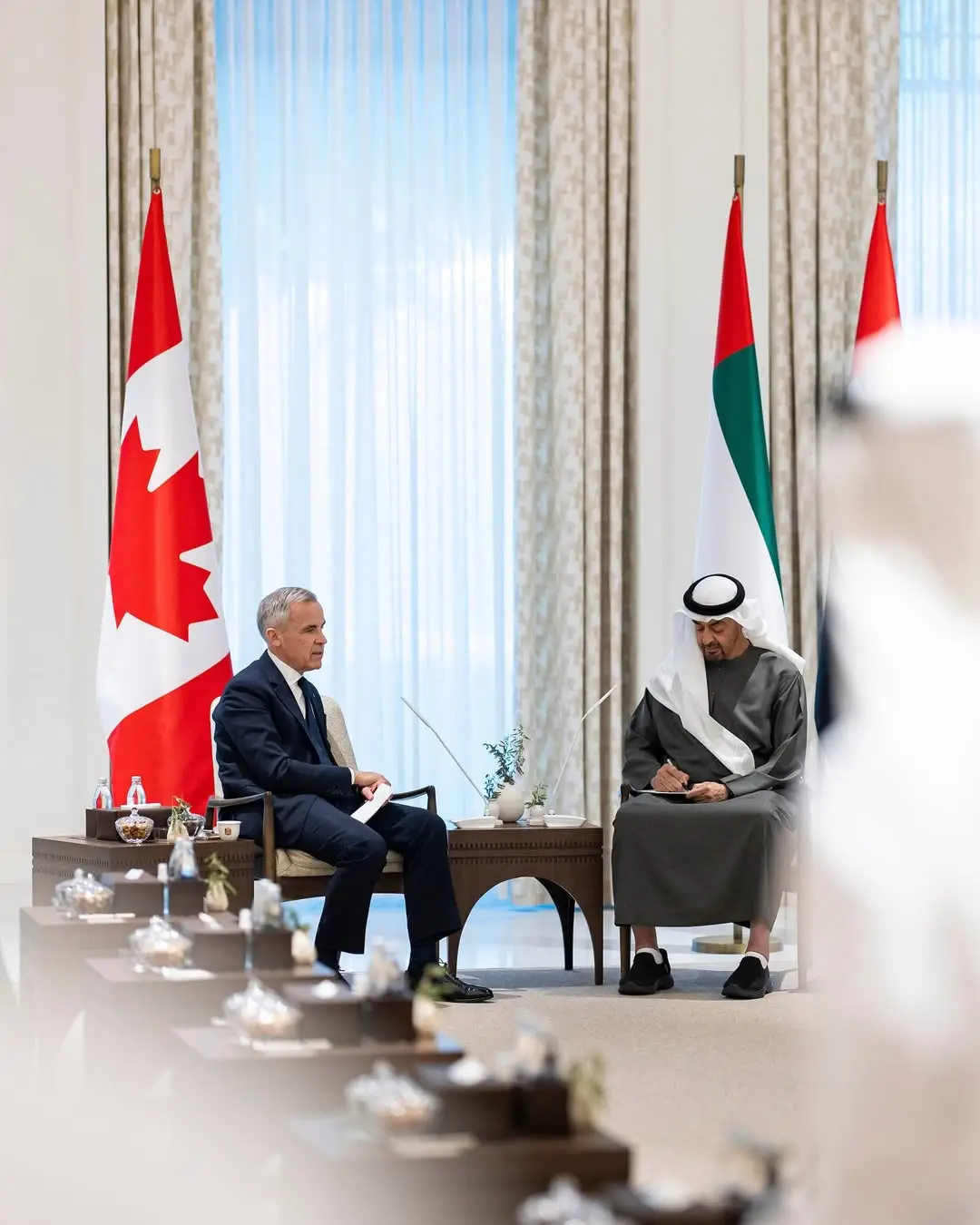
Mark Carney- 48%
Canadian Prime Minister Mark Carney took office from JustinTrudeau on March 14, 2025, and soon he called a snap election led liberals to a minority government. His economic policy is characterised by liberalisation, reduction of barriers, and pro-environmental legislation.
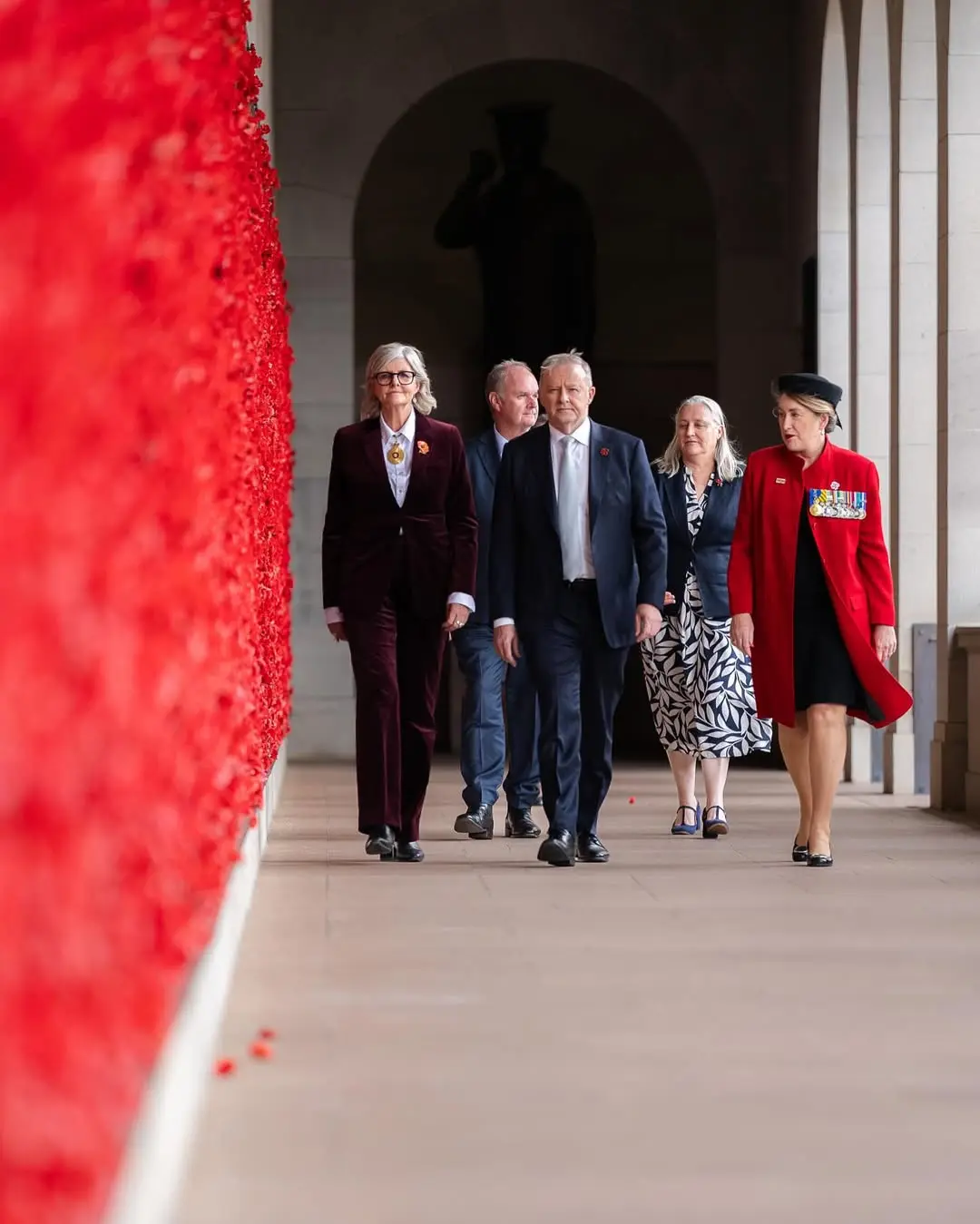
Anthony Albanese- 47%
Australia’s Prime Minister Anthony Albanese remains popular for his focus on cost-of-living relief, social inclusion, and strengthening regional ties. His pragmatic governance style has appealed to voters seeking balance rather than ideological confrontation.

Claudia Sheinbaum- 45 %
She is the first Jewish President of Mexico. Her administration has pushed for energy sovereignty, domestic manufacturing, judicial reforms like democratic election of judges and social welfare spending such as financial aid for senior citizens and women. Despite being the most popular leader in the country, her administration faced protests due to cartel-related violence, following the assassination of Mayor Carlos Manzo in Michoacán in November 2025.
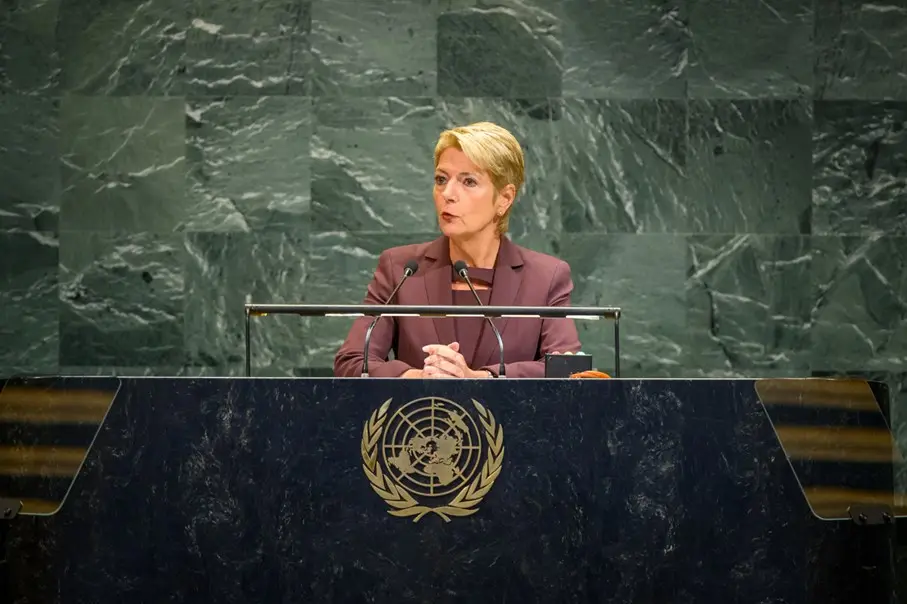
Karin Keller-Sutter- 43%
Swiss President Karin Keller-Sutter’s approval reflects confidence in her experience and Switzerland’s stable, consensus-driven politics. Her focus on financial stability, governance, and neutrality has resonated with the Swiss electorate.
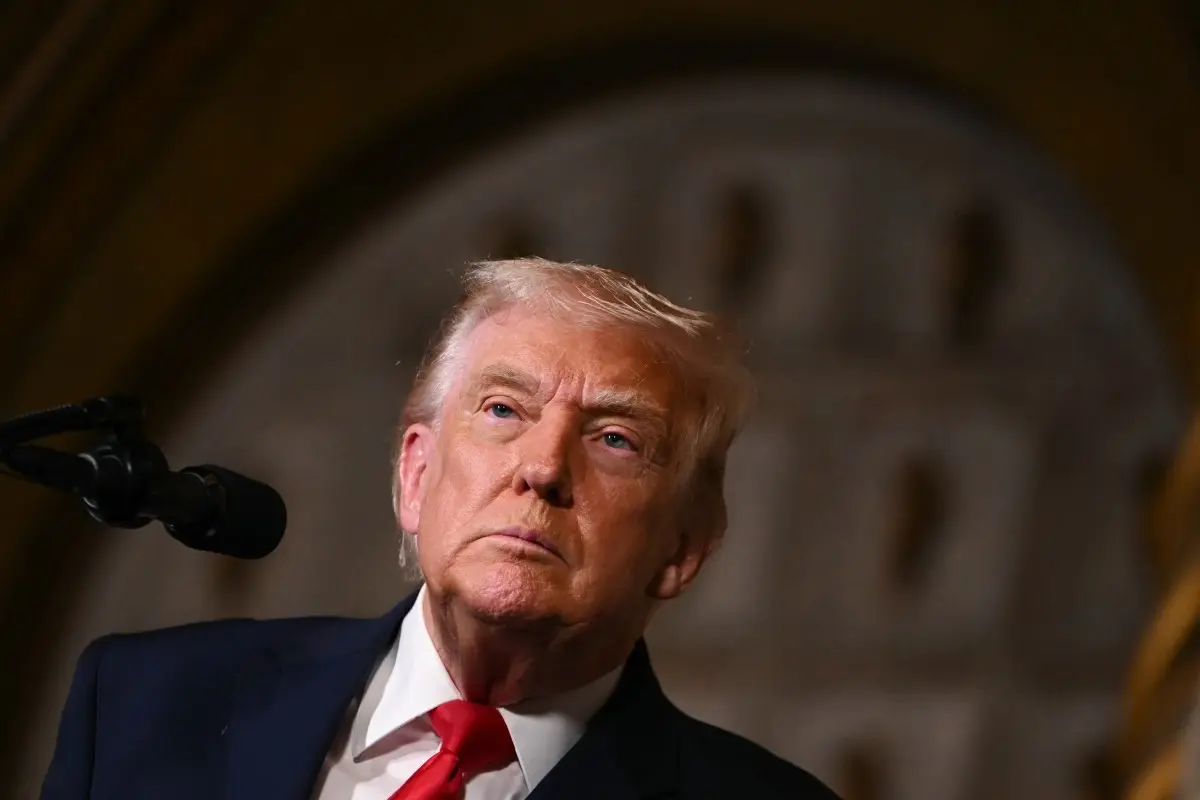
Donald Trump- 43%
US President Donald Trump has recently seen his approval rating fall. There had been massive protests and demonstrations from US citizens against his immigration policies and deployment of the National Guard. The Epstein Files scandal has reduced his popularity among his MAGA supporters.
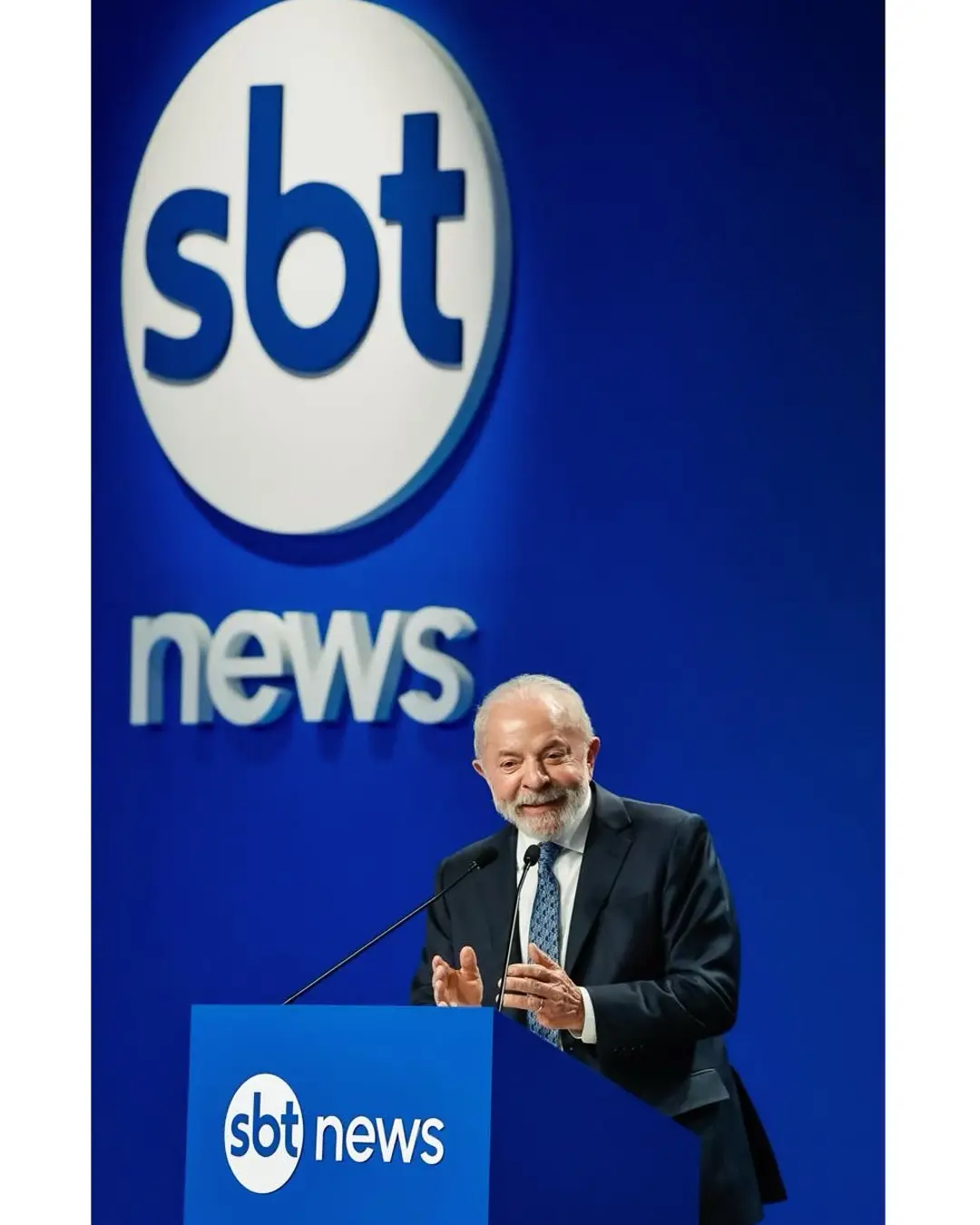
Luiz Inácio Lula da Silva -42%
Brazilian President Luiz Inácio Lula da Silva continues to draw support for his emphasis on social welfare, poverty reduction, and environmental protection. However, economic pressures and political divisions have kept his approval lower compared to some global peers.
)
)
)
)
)