Will opposition leader Juan Guaido topple Venezuela's President Nicolas Maduro?

Venezuela's history of military coups
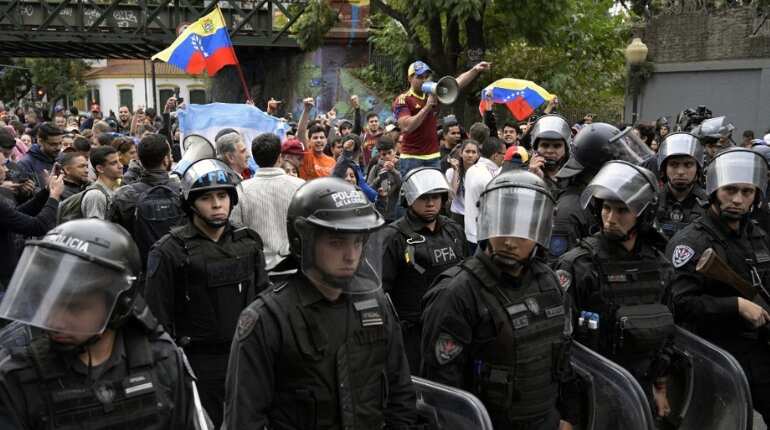
Venezuela has a long history of military rebellions and coups, notably the 1958 overthrow of dictator Marcos Perez Jimenez, and the failed attempt by Maduro's predecessor, Hugo Chavez, to take office by force in a 1992 army coup.
After being elected to office, Chavez himself survived a putsch a decade later.
Guadio's uprising against Maduro
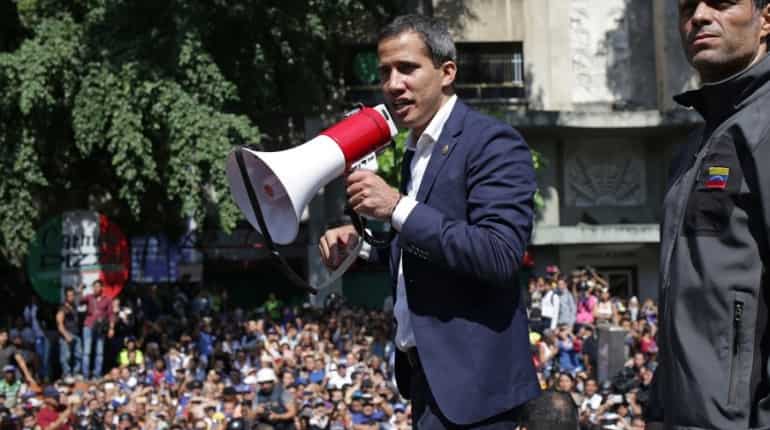
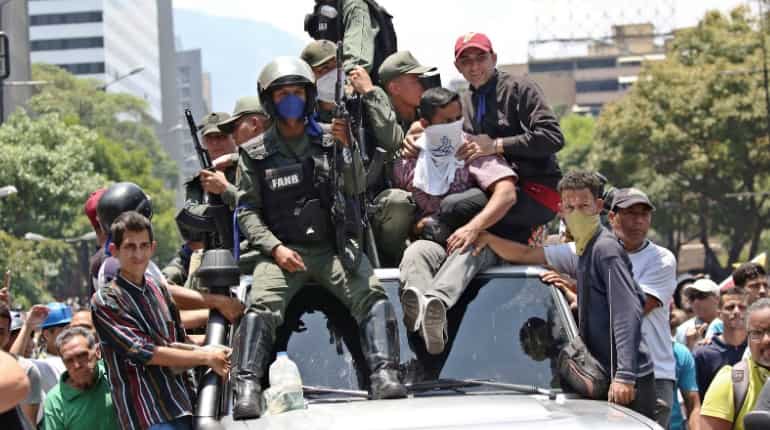
Now Guaido is seeking a widespread army uprising against Maduro, who has overseen a 50 per cent collapse in the economy and shortages of food, medicine that have led more than 3 million Venezuelans to leave the country since he took office in 2013.
Guaido asks for military cooperation
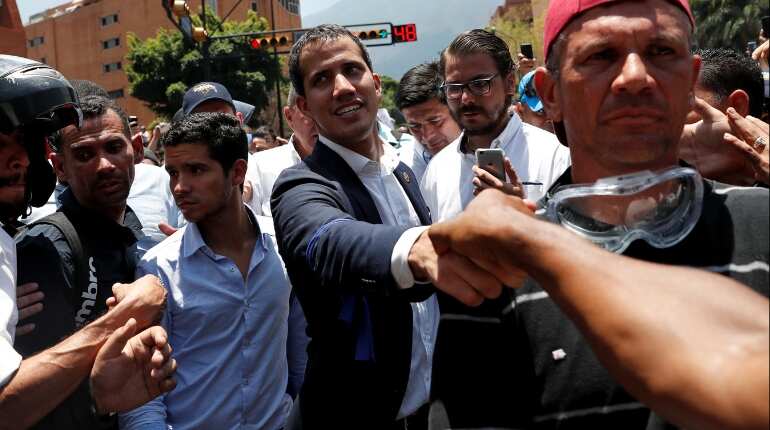
Since declaring himself interim president in January, Guaido has repeatedly made overtures to the military, offering amnesty from prosecutions if they join him, with only marginal success.
Several hundred soldiers have defected and left the country for Brazil or Colombia in recent weeks but not in numbers high enough to threaten Maduro's grip.
One risk is that a military split leads to prolonged violence among different armed factions.
Maduro's failed attempt at negotiations with Guaido
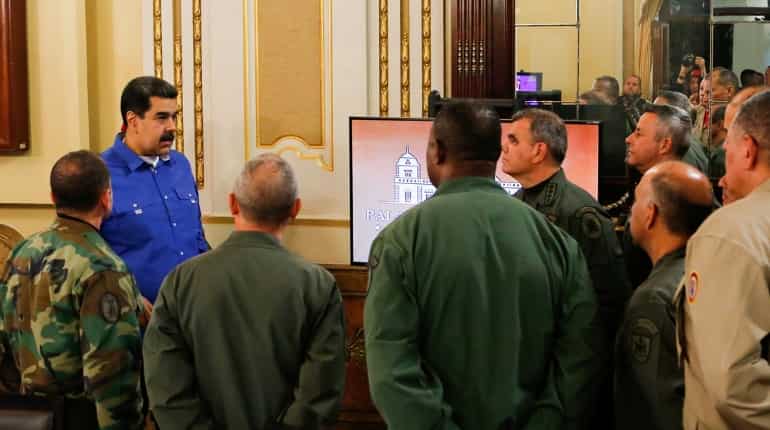
Maduro's offer of negotiations with Guaido, moderated by the Vatican, Mexico or Uruguay, has been rejected by the opposition, which says previous rounds of talks allowed the government to stall for time without making any real concessions.
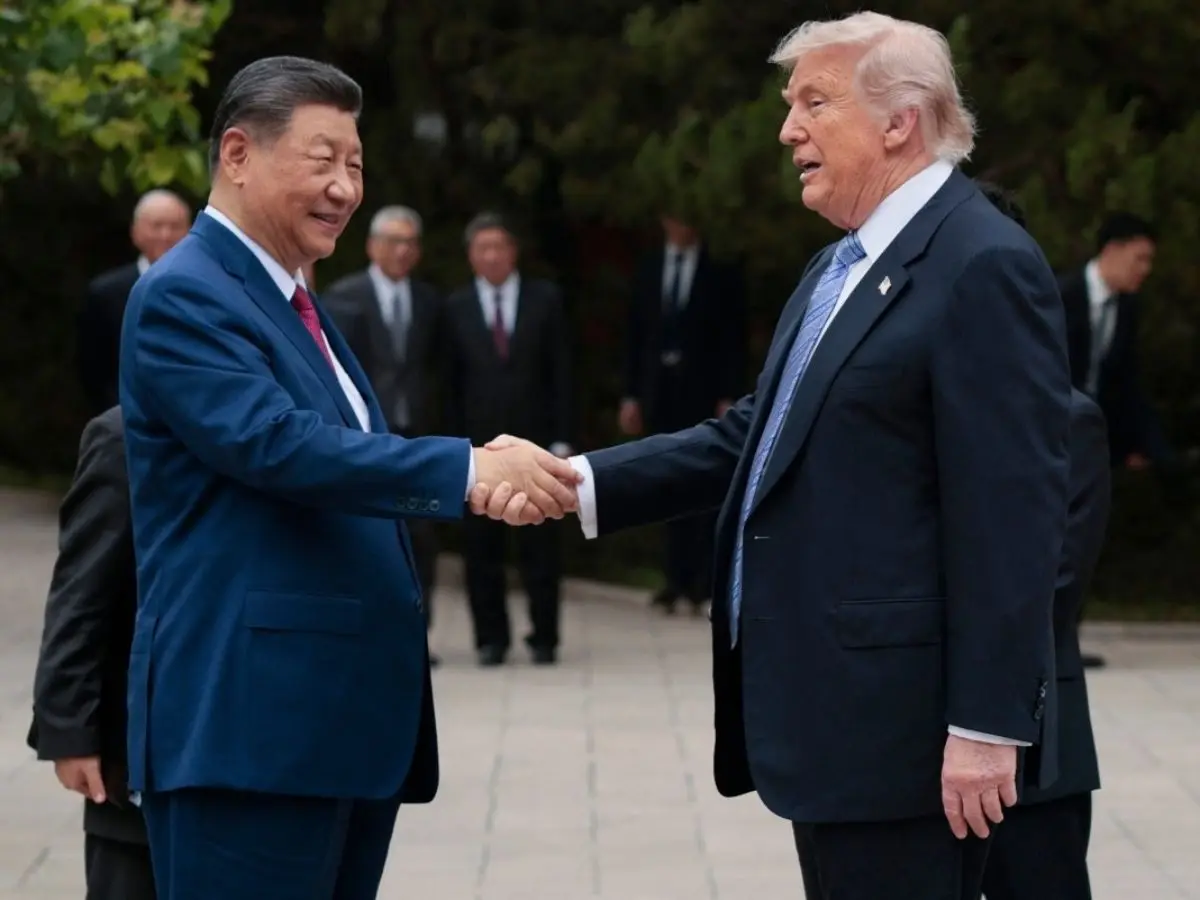
While some 50 nations, including the United States, have declared support for Guaido, Maduro still has powerful backers, notably Russia and China.
Others allies include Cuba, Iran and Turkey.
US wants Russia to backoff
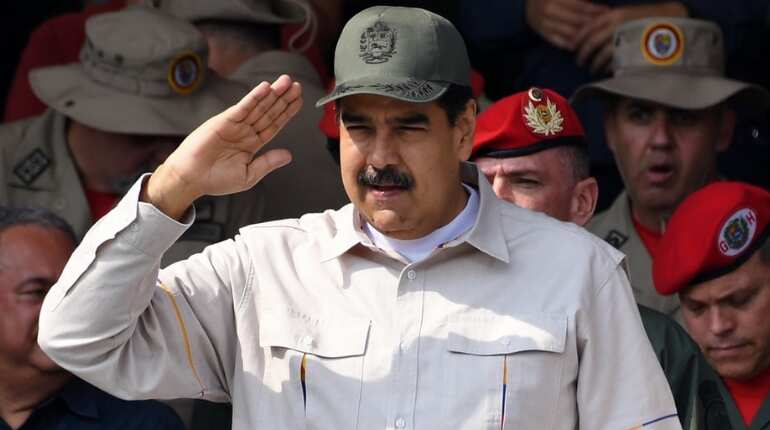
US National Security Advisor John Bolton has called on Russia to drop its support for Maduro, which includes military advisers.
Private army to topple Maduro?
Erik Prince - the founder of the private security firm Blackwater and a supporter of US President Donald Trump - has been pushing a plan to deploy a private army to help topple Maduro, sources told Reuters.
Prince's pitch will only add to speculation that the United States, while unlikely to invade Venezuela to bring down Maduro, might resort to irregular military action, such as the kind of intelligence service-backed covert operations used by Washington a number of times in 20th-century Latin America.
Last year's drone attack on President Maduro
A person familiar with the Trump administration's thinking said the White House would not support such a plan.
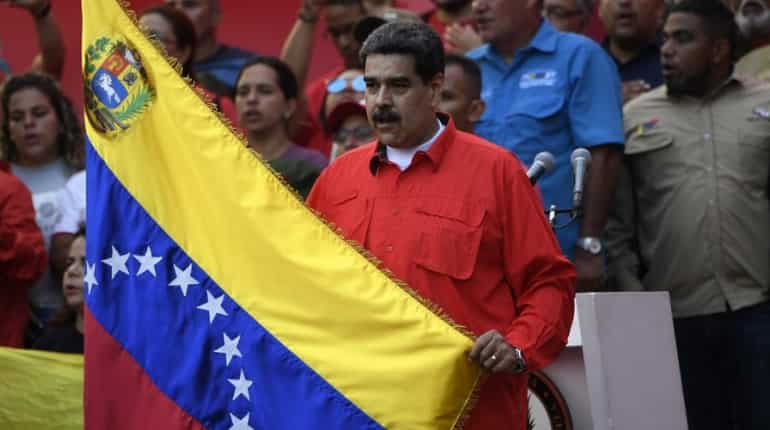
Although some former Venezuelan security officials opposed to Maduro are now based in Colombia and have claimed involvement in a drone attack on the president last year, there is little evidence that such operations are being prepared at the moment.
)
)
)
)
)