Will future fighter jets use directed infrared countermeasures instead of flares?

Future jets, such as the Tempest and AMCA, could integrate DIRCM with advanced radar and IR sensors, allowing automatic threat detection and countermeasure deployment. AI-assisted targeting ensures the system can react faster than a human pilot ever could.
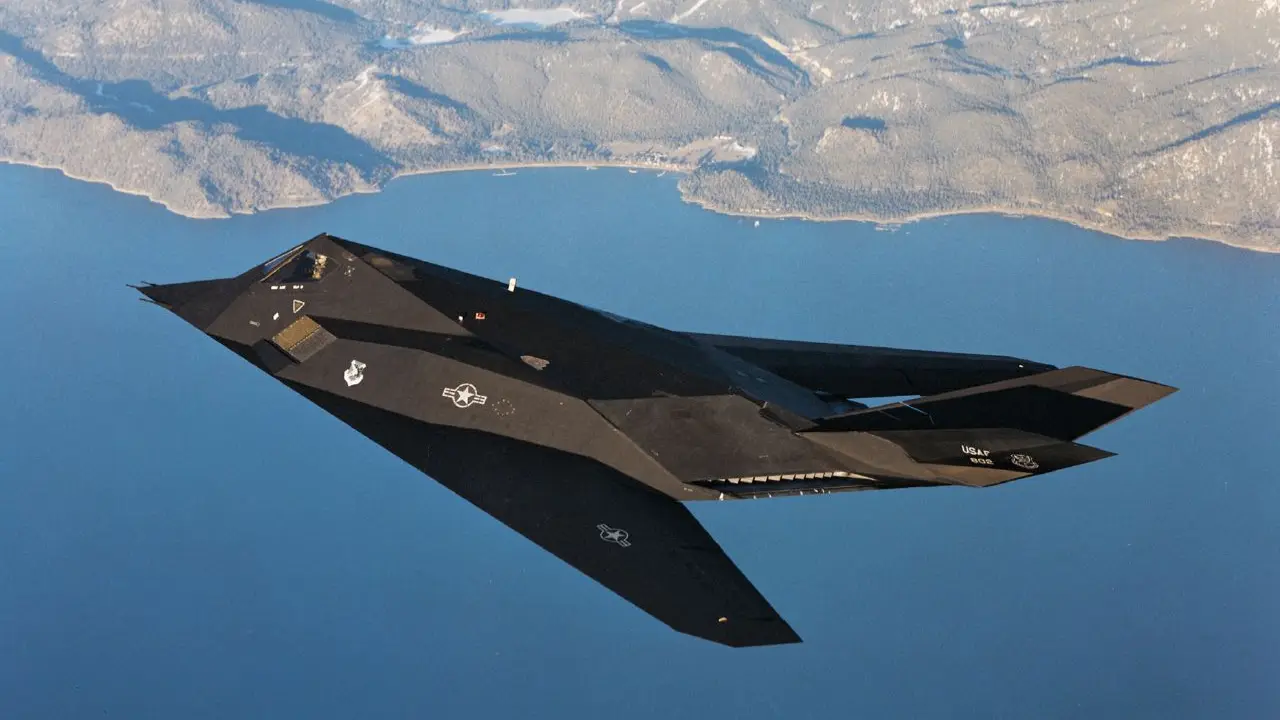
1. The limitations of traditional flares
Modern fighter jets currently rely on flares to divert infrared-guided missiles. While effective, flares are consumable, visible, and limited in quantity, forcing pilots to carry large stores and risking exposure in prolonged engagements.
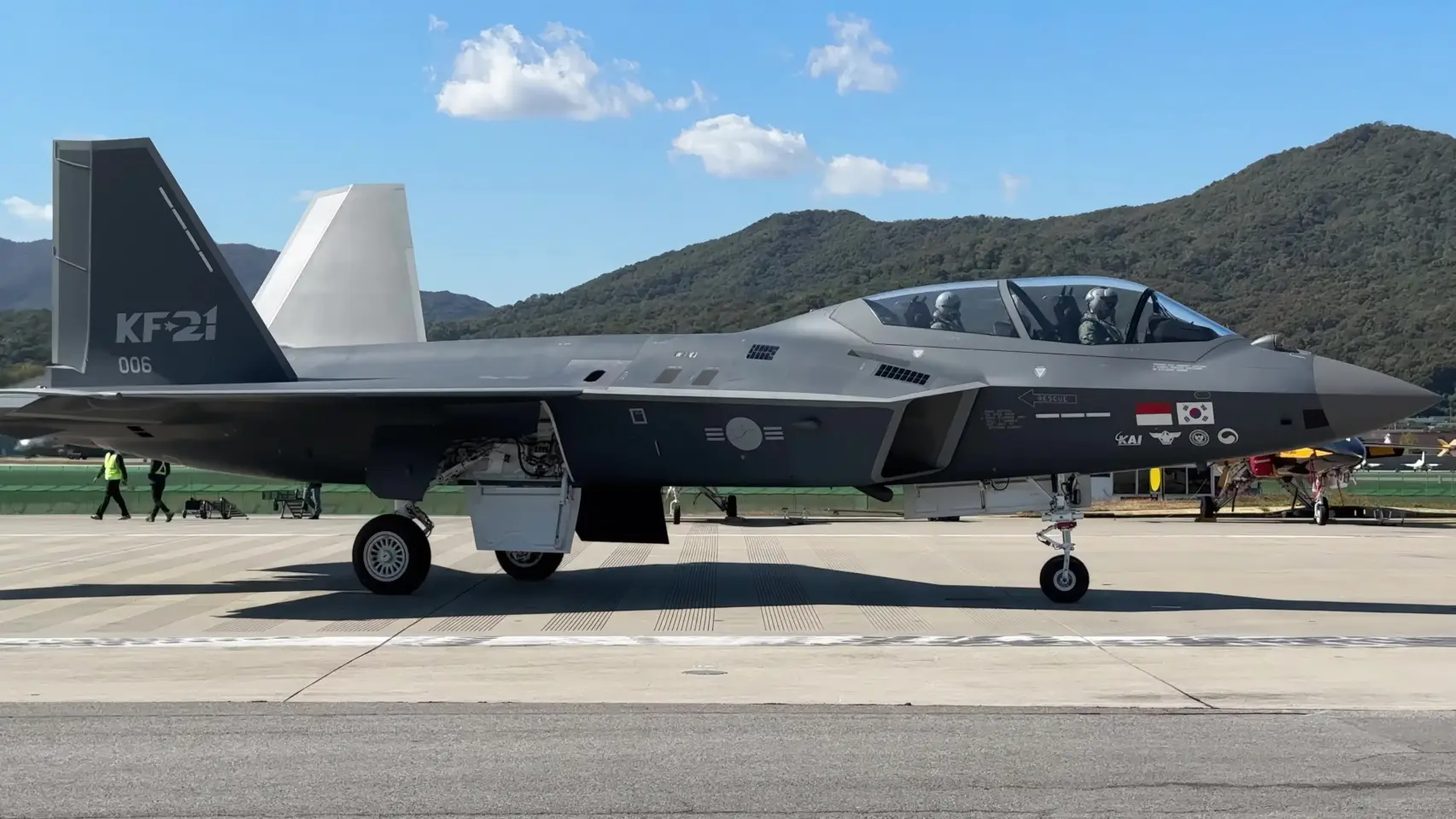
2. What directed infrared countermeasures (DIRCM) are
DIRCM systems use laser or infrared beams to track and disrupt the guidance systems of incoming missiles. Unlike flares, DIRCM can target the missile directly, actively confusing its sensors rather than passively creating a heat source elsewhere.
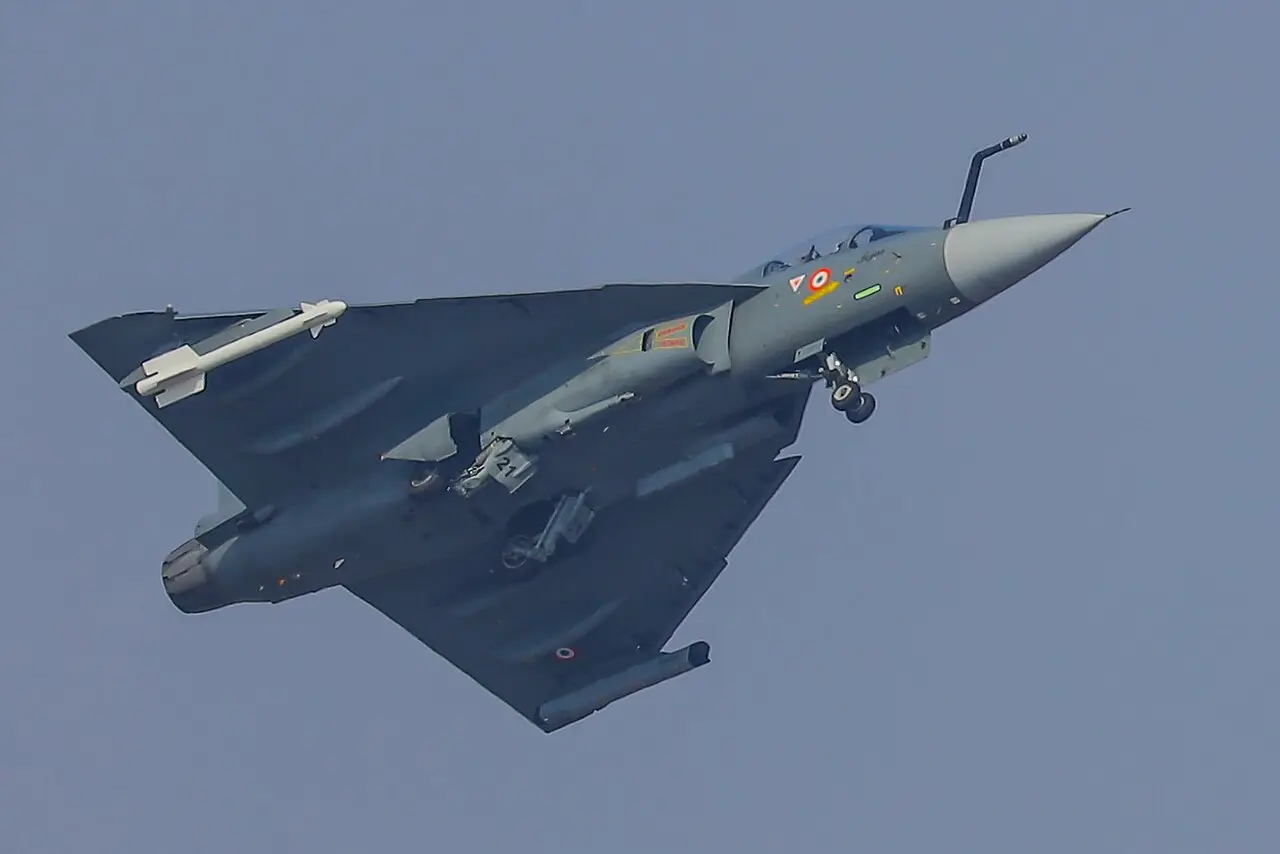
3. How DIRCM improves survivability
By precisely aiming countermeasure beams at the missile’s seeker, DIRCM can neutralise threats multiple times without human input, allowing aircraft to remain on mission without expending flares. This increases safety, combat endurance, and stealth.
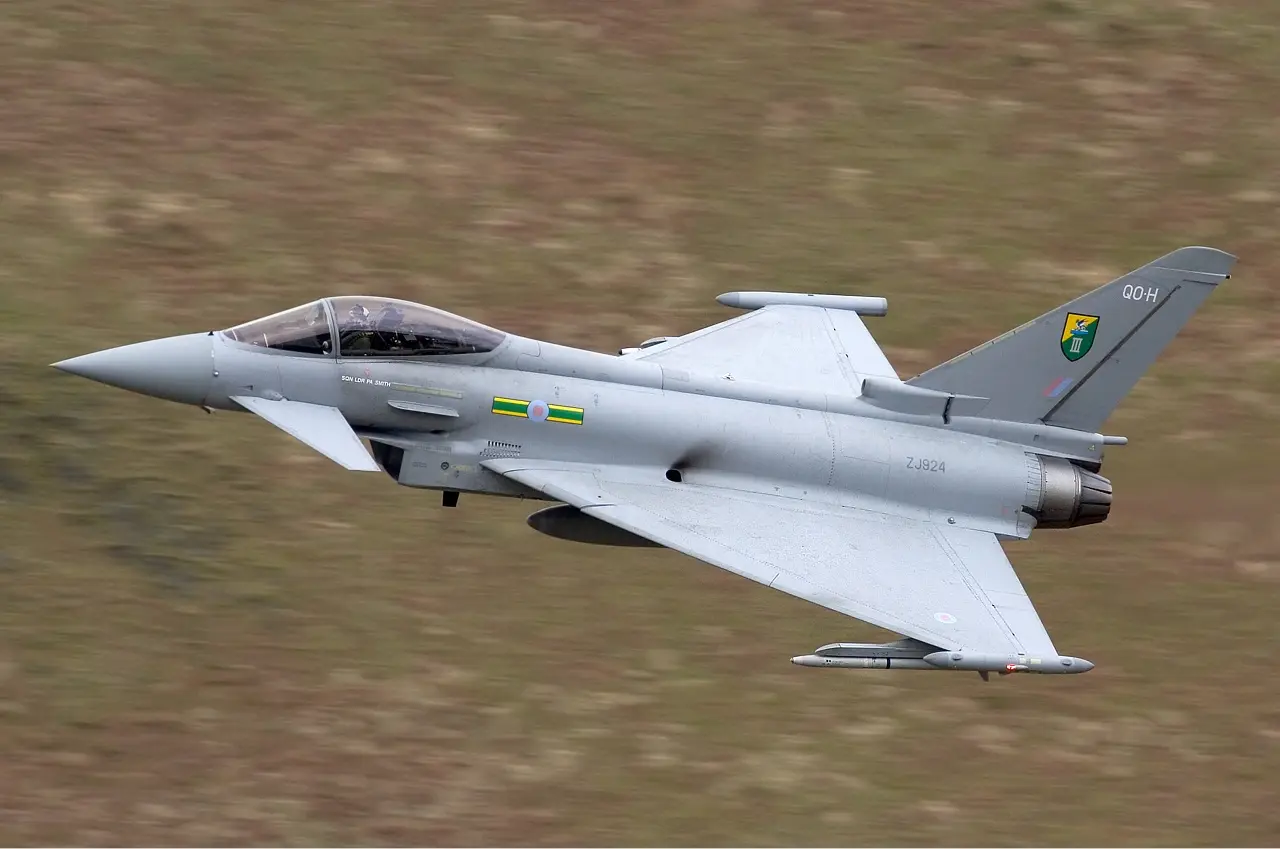
4. Current prototypes and field tests
Several nations, including the US, UK, and Israel, are testing DIRCM on helicopters, transport aircraft, and fighters. Systems like Northrop Grumman’s AN/AAQ-24 Nemesis and Elbit Systems’ C-MUSIC have demonstrated the ability to track and defeat missiles in flight under operational conditions.
5. Integration with next-generation fighters
Future jets, such as the Tempest and AMCA, could integrate DIRCM with advanced radar and IR sensors, allowing automatic threat detection and countermeasure deployment. AI-assisted targeting ensures the system can react faster than a human pilot ever could.
6. Engineering challenges
DIRCM requires compact, high-power lasers and precise tracking optics, all of which must function in extreme temperatures and under high-G manoeuvres. Power supply, cooling, and integration with other onboard systems remain key development hurdles.
7. The future of air combat countermeasures
As DIRCM matures, flares may become supplementary rather than primary. Aircraft could defend against modern infrared-guided threats with continuous, repeatable, and invisible countermeasures, enhancing survivability and reducing logistical burden.
)
)
)
)
)