Why was the Charkha so important to Mahatma Gandhi’s freedom movement?

Mahatma Gandhi used the Charkha to achieve economic independence from British rule. By promoting Khadi, he successfully united the masses, empowered women, dismantled social hierarchies, and turned the spinning wheel into a symbol of freedom.Untitled Summary
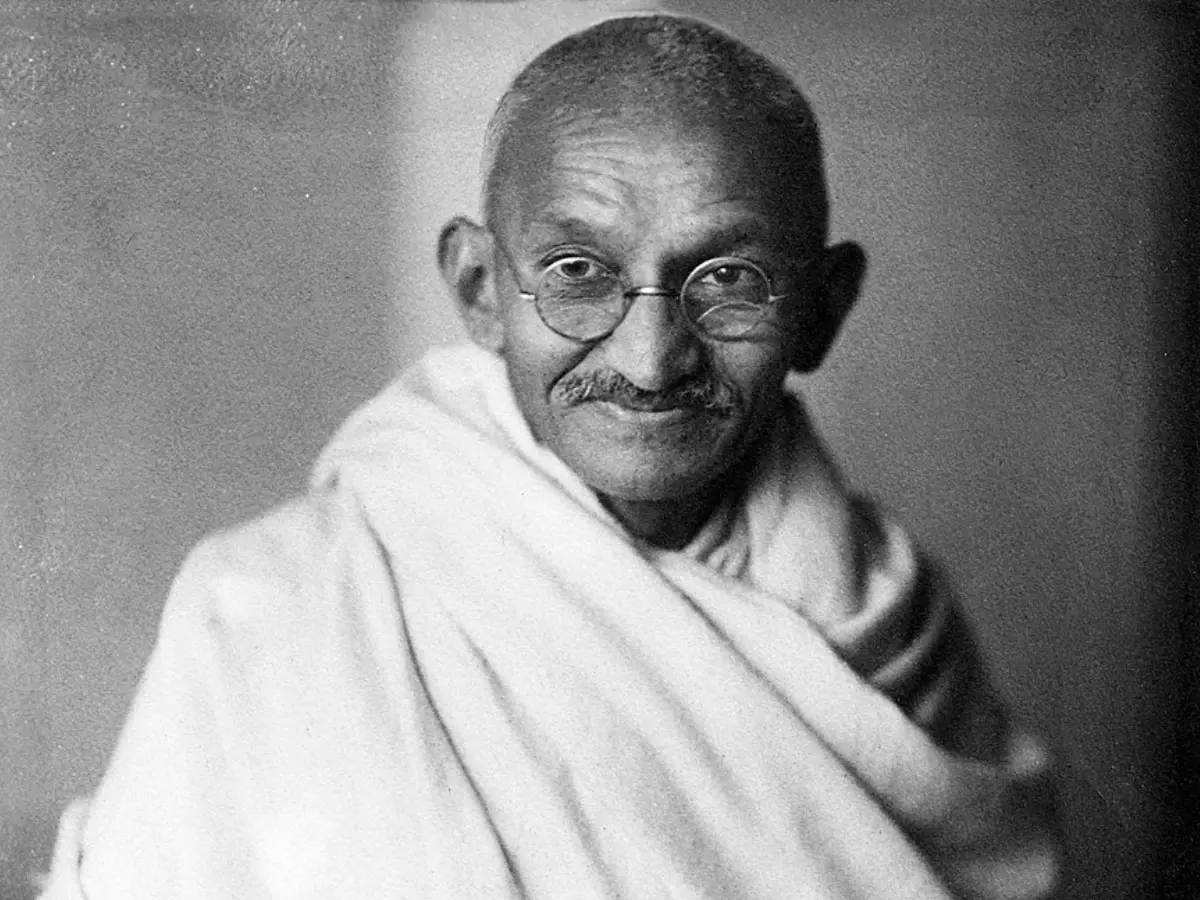
Economic Independence
The Charkha was a powerful weapon for economic self-reliance against British colonial rule. The empire forced Indians to export cheap raw cotton and buy back expensive manufactured cloth. Gandhi ji promoted the spinning wheel to completely shatter this exploitative economic cycle.
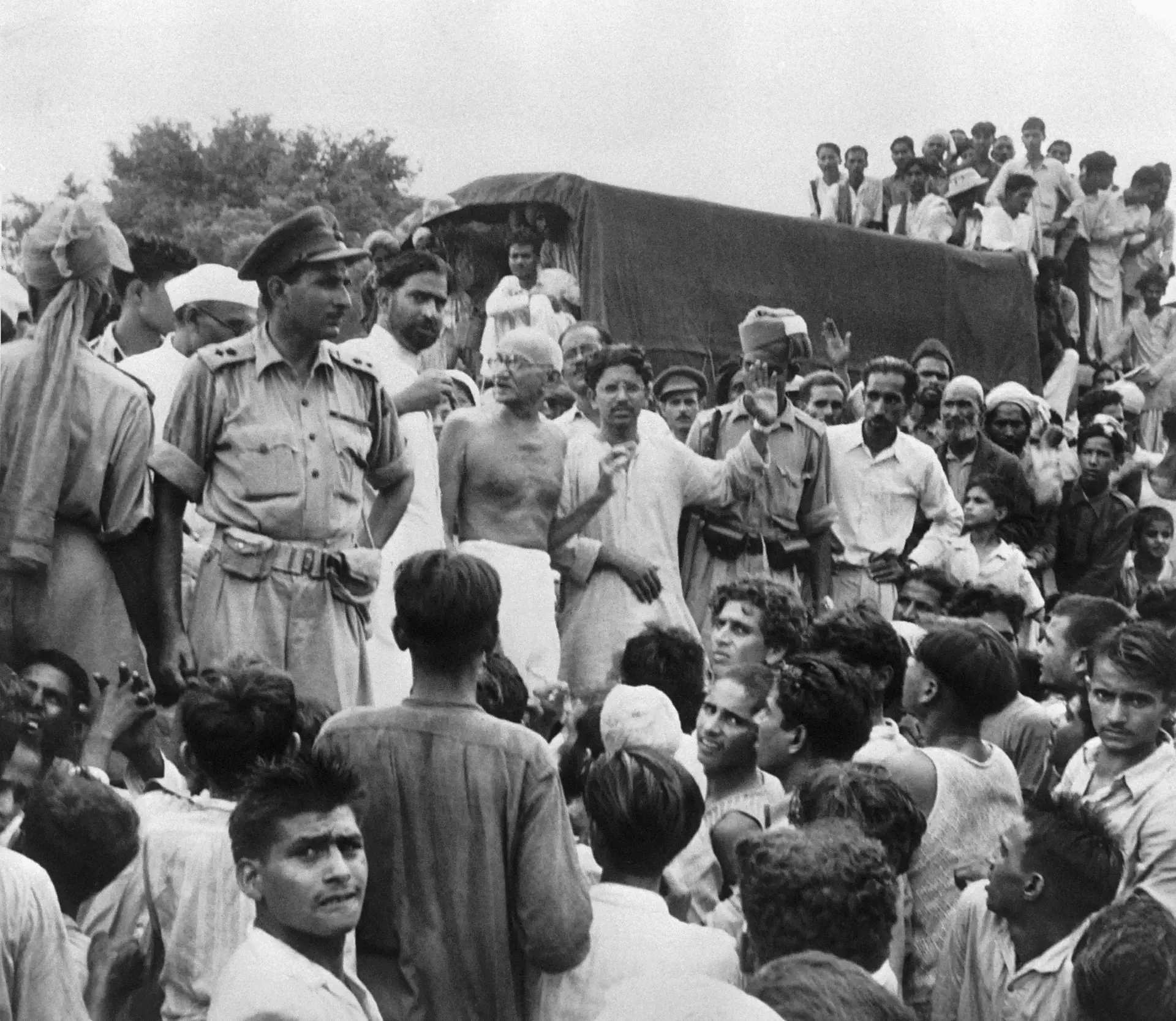
Boycotting Foreign Goods
Through the Swadeshi movement, Mahatma Gandhi urged citizens to actively boycott and burn imported British garments. Spinning their own Khadi cloth allowed millions of ordinary Indians to participate directly in the non-violent resistance.
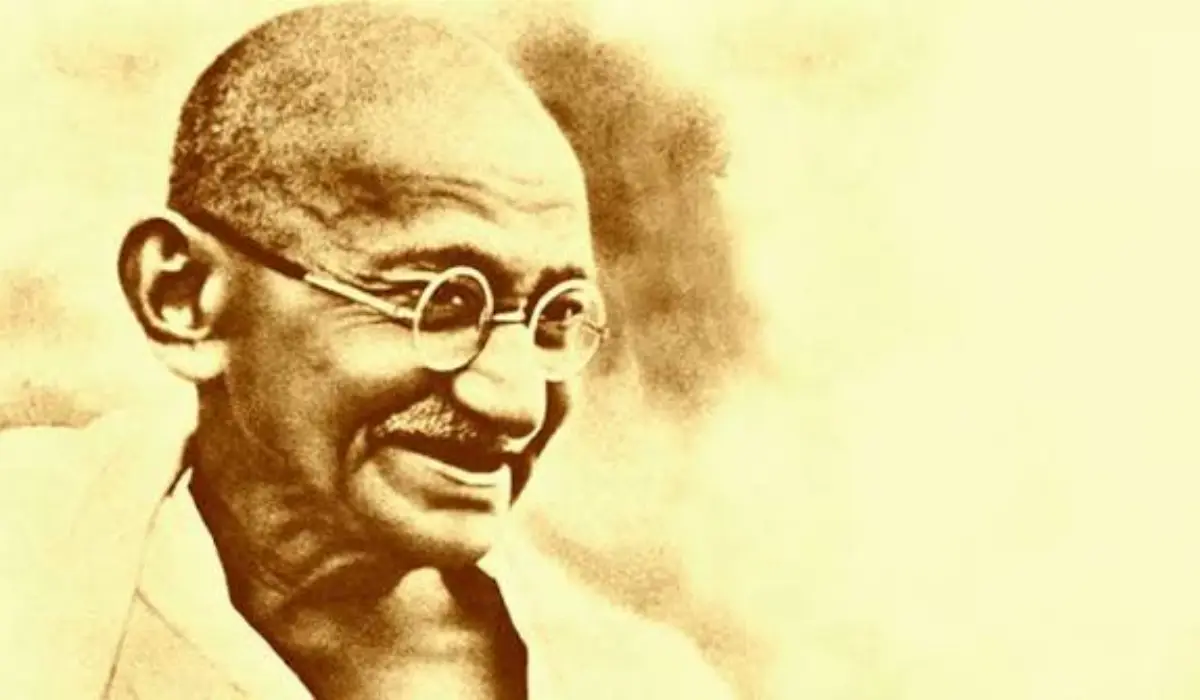
The Dignity of Labour
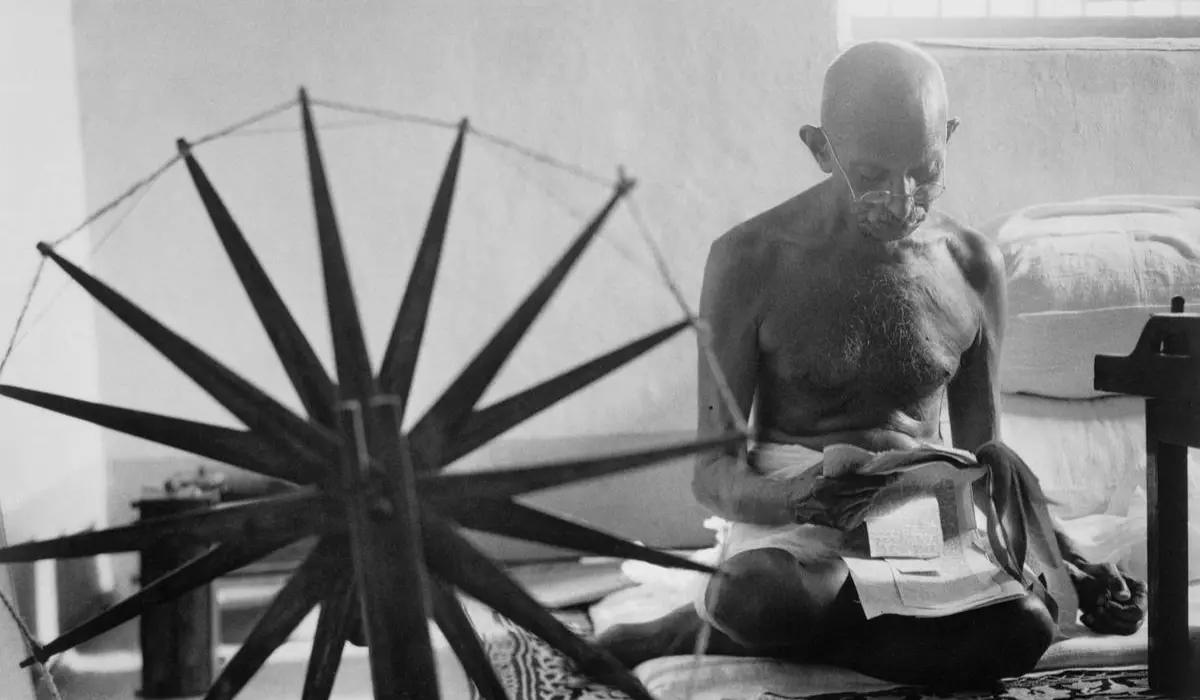
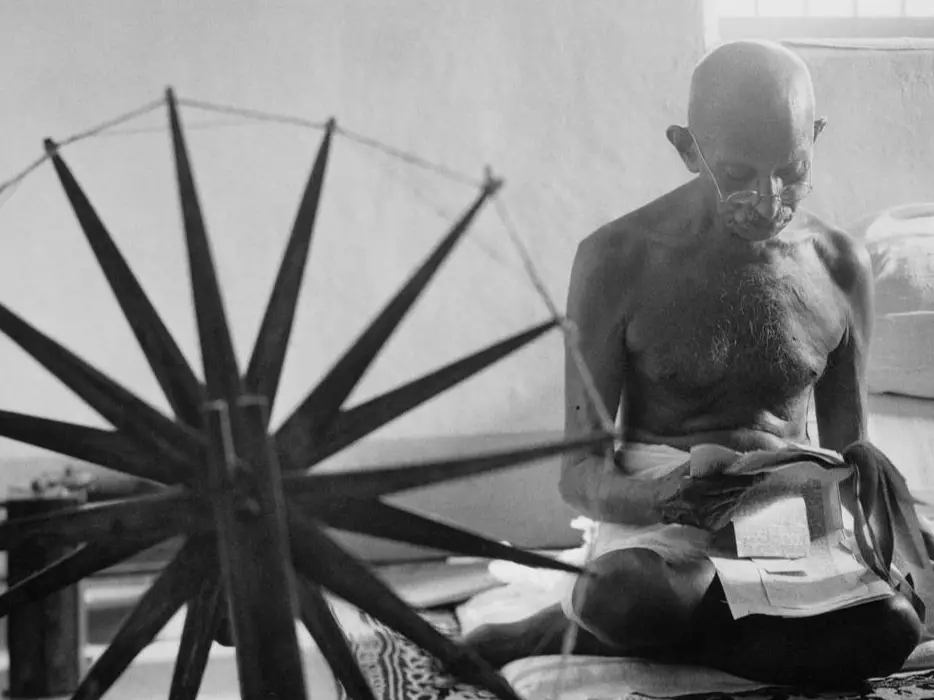
Gandhi ji believed that spinning eradicated the deep social stigma attached to manual labour in India. By operating the Charkha daily himself, he proved that physical work was dignified and essential for national discipline.
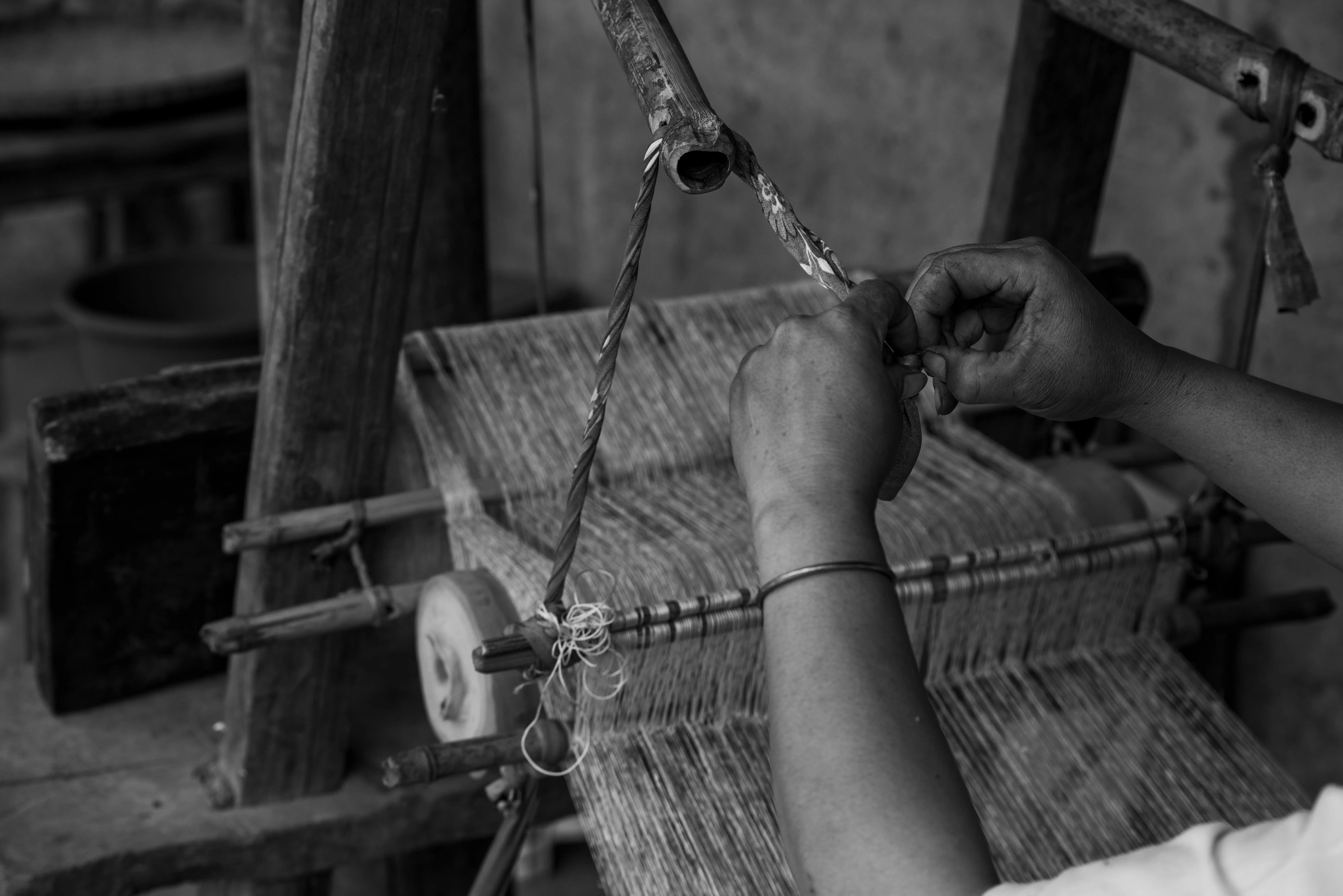
Connecting the Masses
The spinning wheel was an incredibly simple, affordable tool accessible to the poorest rural villagers. It successfully bridged the vast economic gap between wealthy urban elites and rural peasants, uniting them for independence.
Empowering Women
The Charkha brought thousands of Indian women out of their homes and directly into the political struggle. Spinning provided them with financial independence and a crucial, active role in the national freedom movement.
A Symbol of Equality
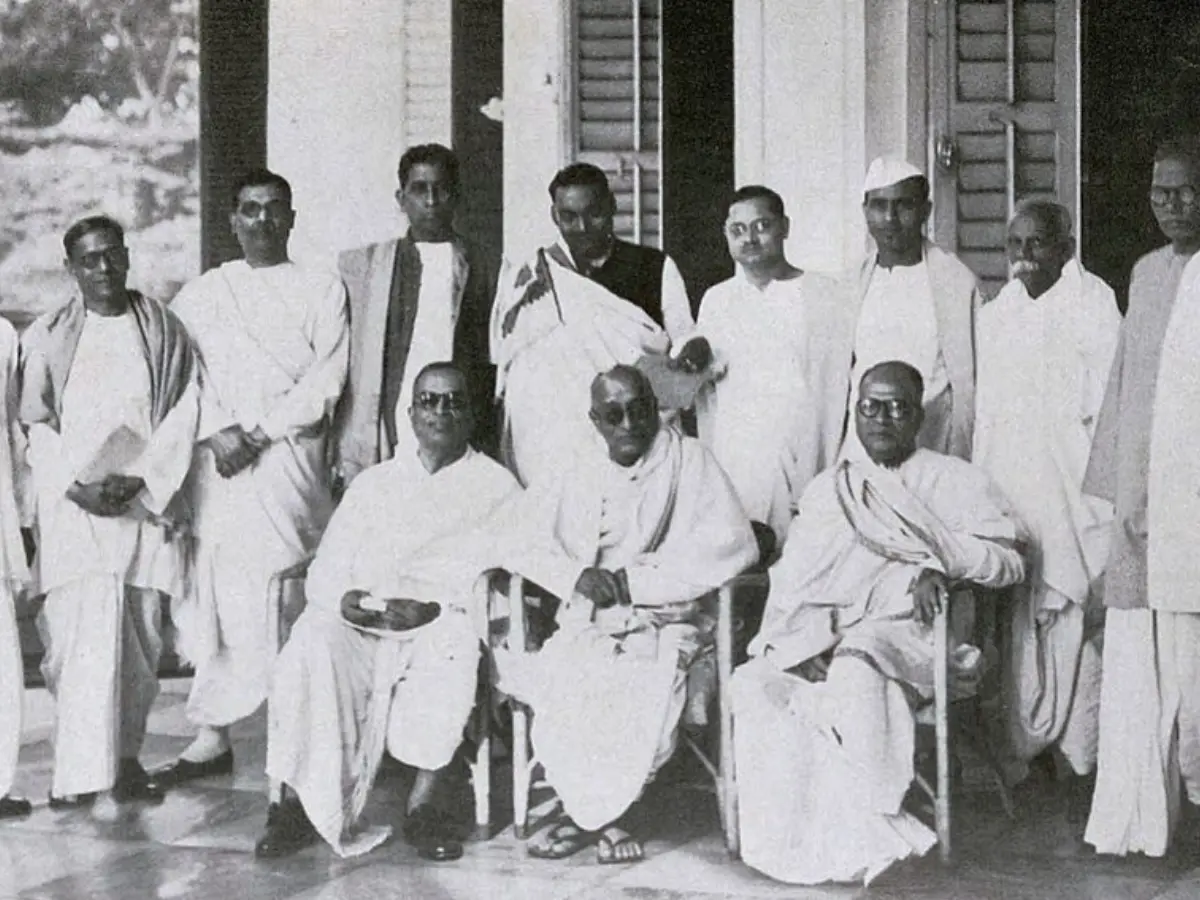
Mahatma Gandhi envisioned a united nation where everyone, regardless of caste or wealth, wore the exact same simple Khadi cloth. This shared national uniform actively dismantled deep-rooted social hierarchies and religious divides.
The National Emblem
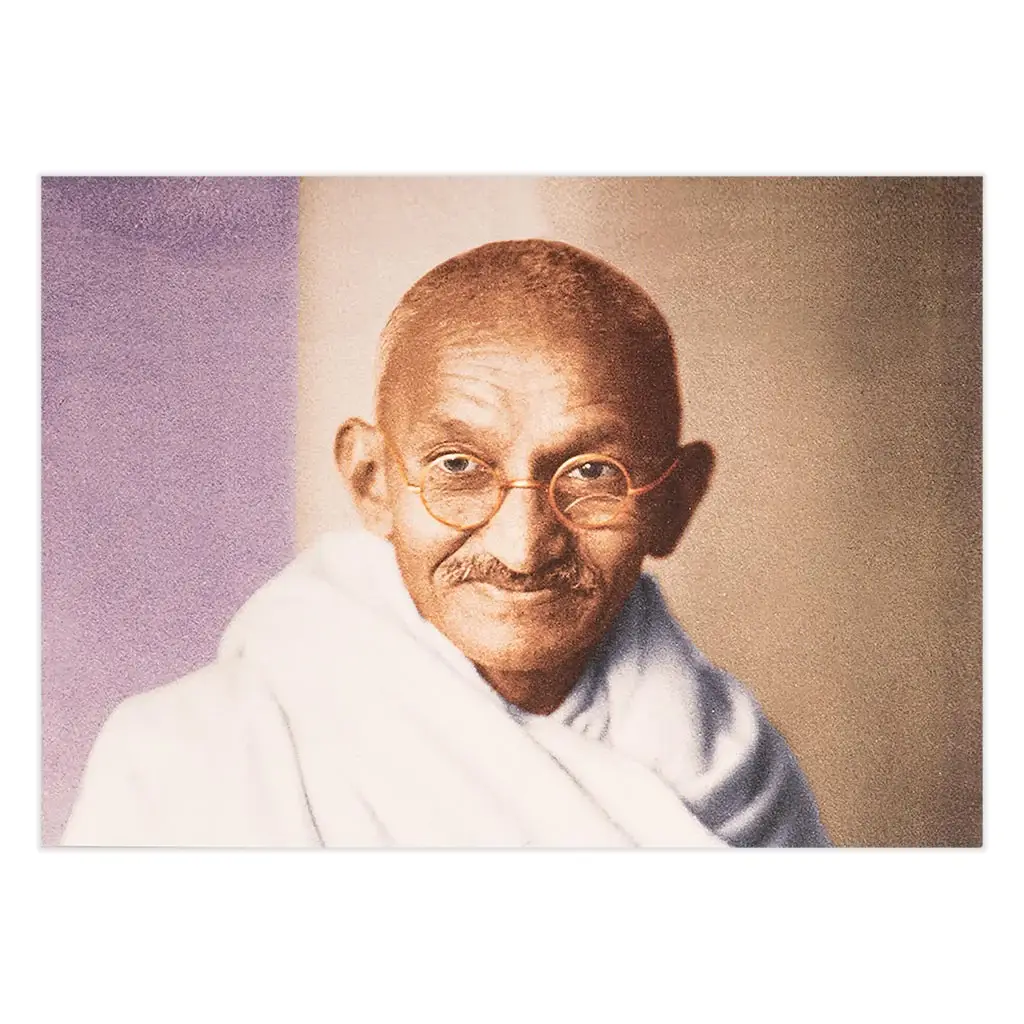
The Charkha's political importance was so profound that it became the central emblem of the Indian National Congress flag in 1931. It stood as the ultimate visual representation of India's enduring fight for self-rule.
)
)
)
)
)