The train journey that changed Mahatma Gandhi’s life forever: What happened in South Africa

On 7 June 1893, Mahatma Gandhi was forcibly removed from a train at Pietermaritzburg station for holding a first-class ticket. That cold night transformed the Indian lawyer into a civil rights leader, laying the foundation for Satyagraha.
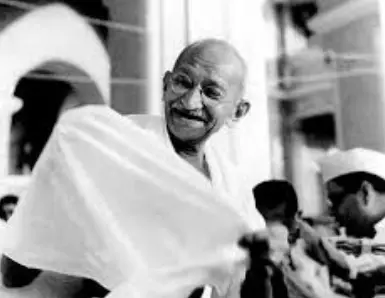
Arrival in South Africa
In May 1893, a 23-year-old Indian lawyer named Mohandas Karamchand Gandhi arrived in South Africa after studying law in London. He was hired on a one-year legal contract by Dada Abdulla and Co., a prominent Indian merchant firm operating in Natal.
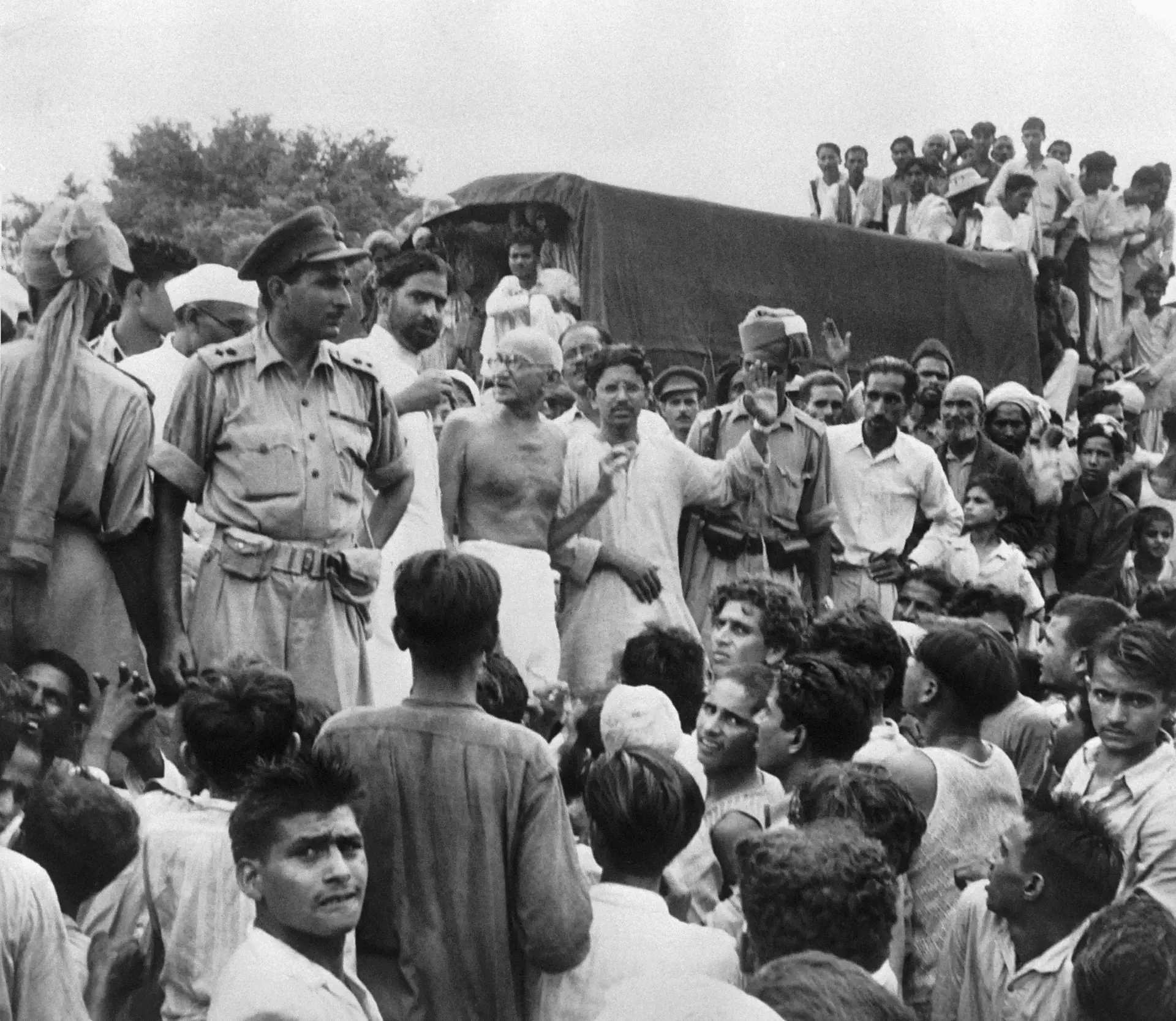
The First-Class Ticket
On 7 June 1893, Gandhi ji boarded an overnight train at Durban bound for Pretoria to assist his client in a commercial dispute. Having legally purchased a first-class ticket, he took his seat expecting a routine journey across the colony.
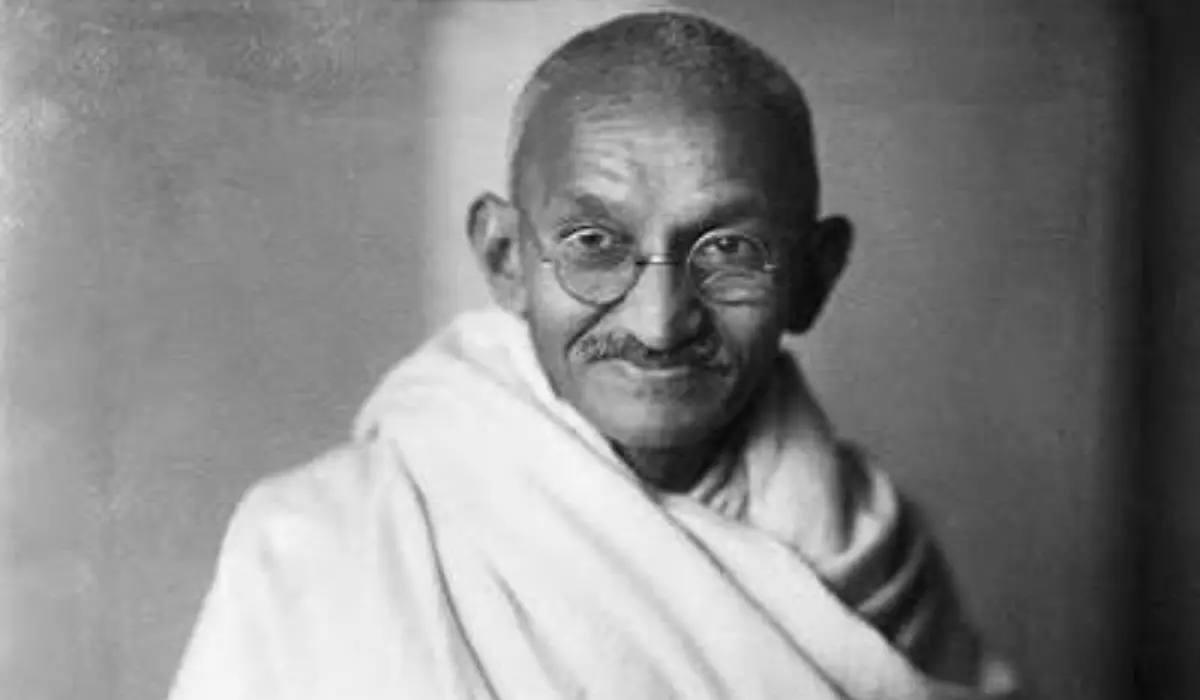
The Arbitrary Demand
When the train pulled into Pietermaritzburg station, a European passenger objected to sharing a first-class carriage with an Indian man. Railway officials intervened and ordered Mahatma Gandhi to vacate his seat and move to the third-class van compartment.
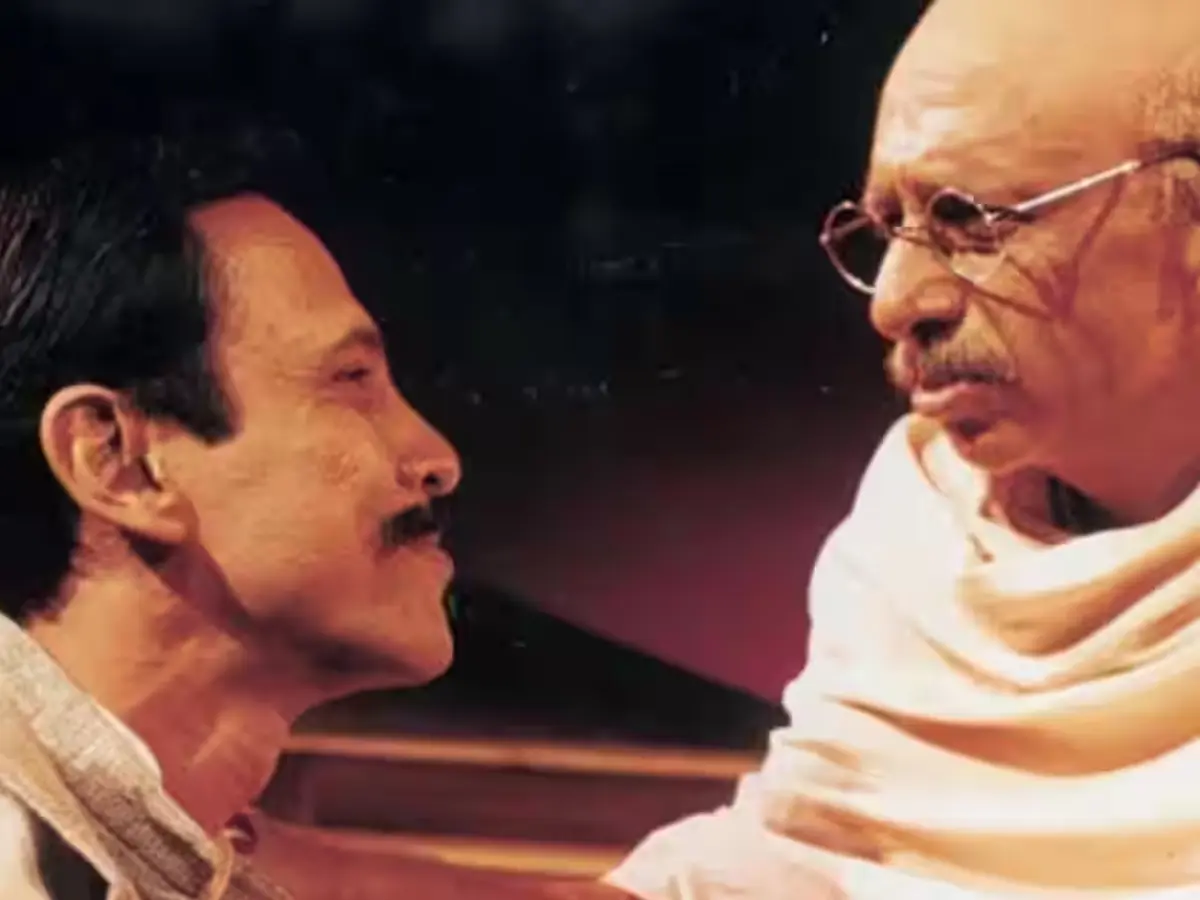
Standing on Principle
Gandhi ji firmly refused to move, holding up his valid first-class ticket to the railway staff. He argued that he had legally purchased the seat and possessed every right to remain in the carriage for the remainder of his journey.
Forcibly removed
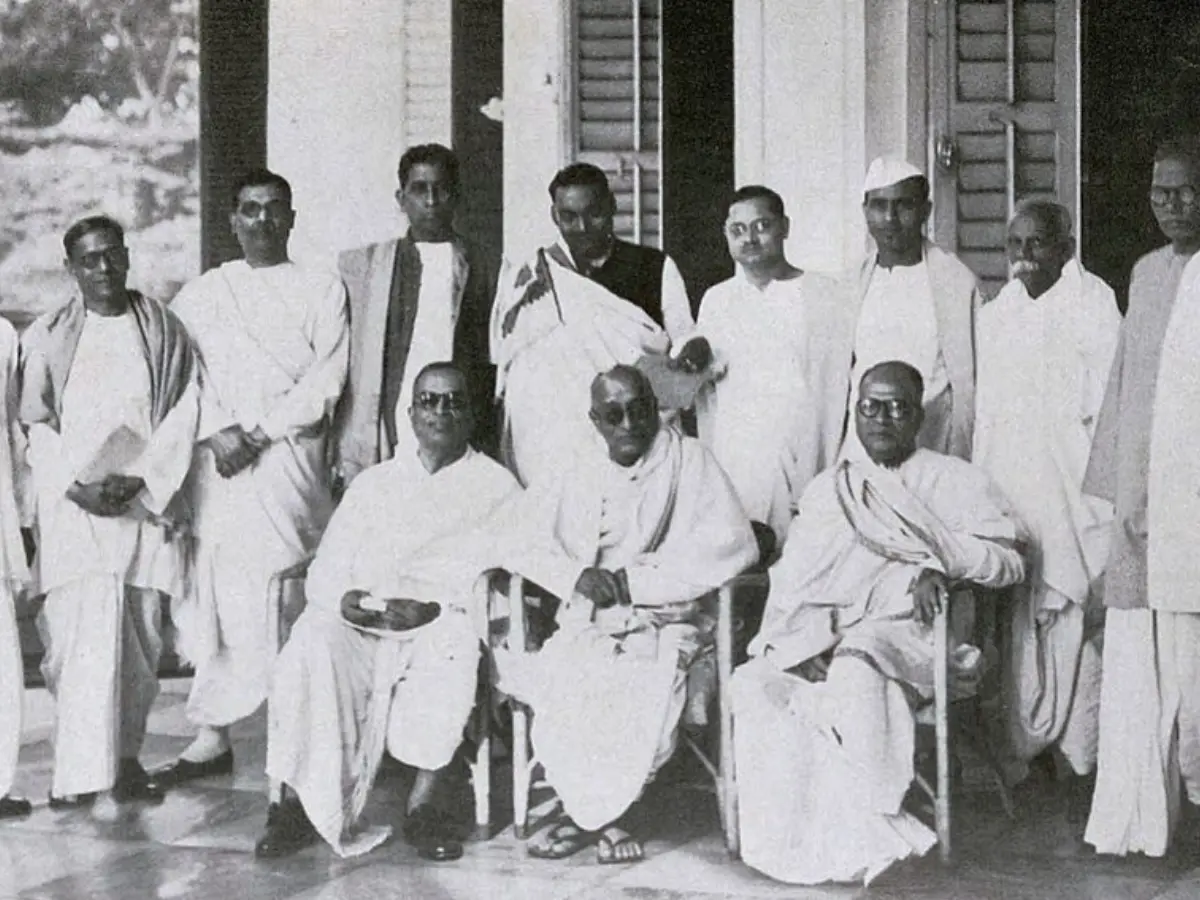
A railway constable was summoned, and Mahatma Gandhi was forcibly removed from the train. His luggage was unceremoniously dropped onto the platform, leaving the young Indian lawyer stranded alone in the bitter night cold.
A Night of Resolve
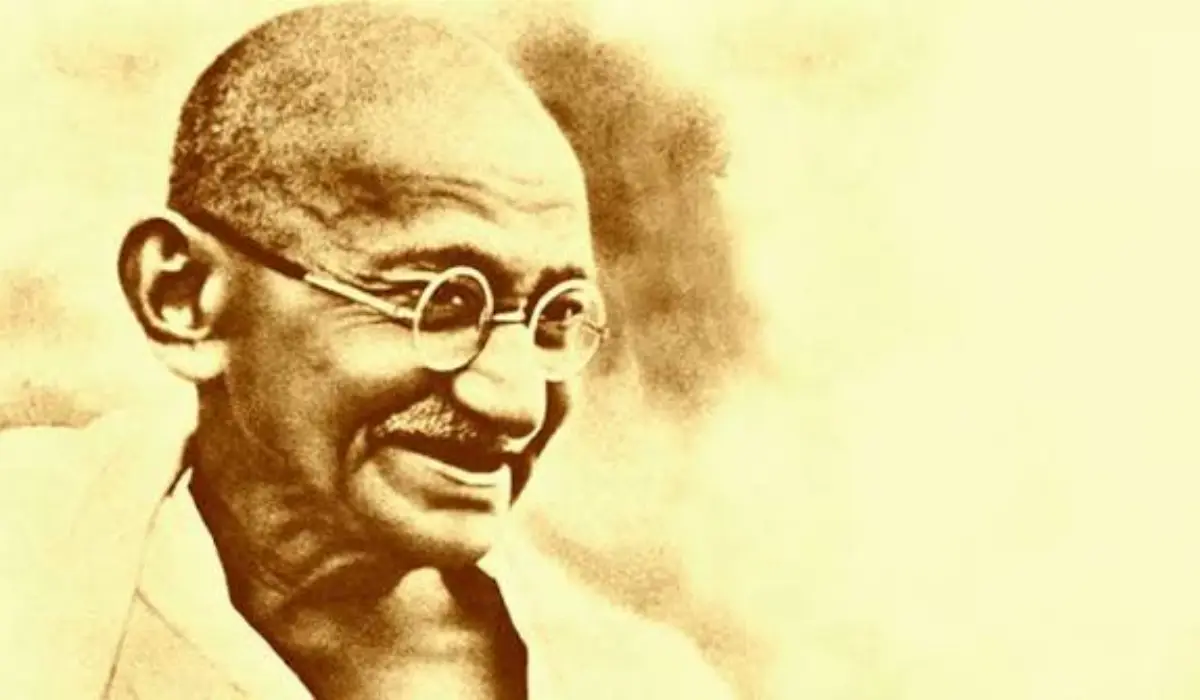
Sitting in the dark waiting room at Pietermaritzburg station, Gandhi ji contemplated abandoning his legal contract and returning to India. Instead, he made the monumental decision to stay and actively resist systemic racial prejudice through non-violent protest.
The Birth of Satyagraha
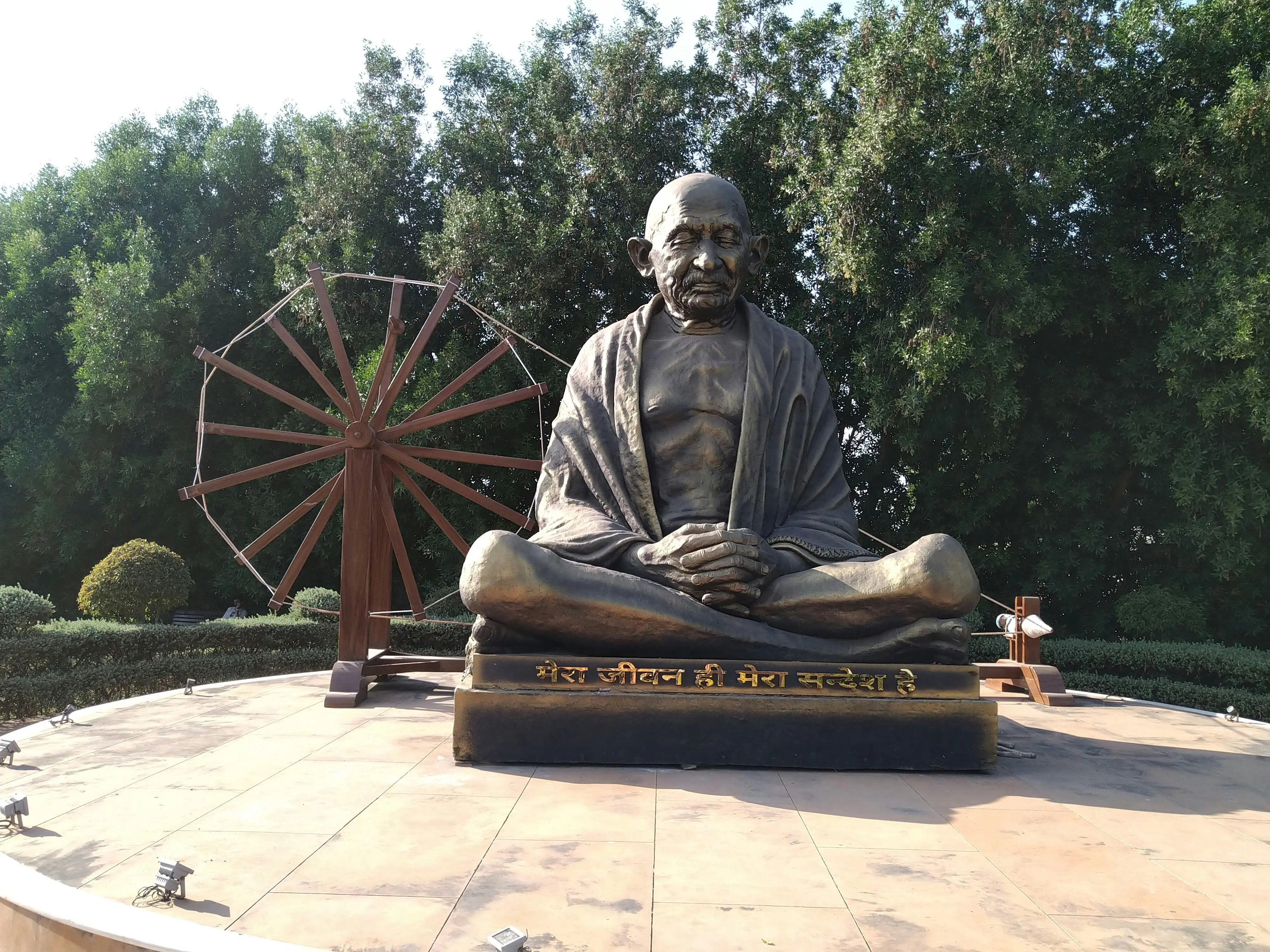
That pivotal night transformed a shy lawyer into a legendary campaigner for global civil rights. The Pietermaritzburg incident laid the philosophical groundwork for Satyagraha, which ultimately shaped India’s independence movement and inspired human rights leaders worldwide.
)
)
)
)
)