Why the UN marks October 2 as the International Day of Non-Violence

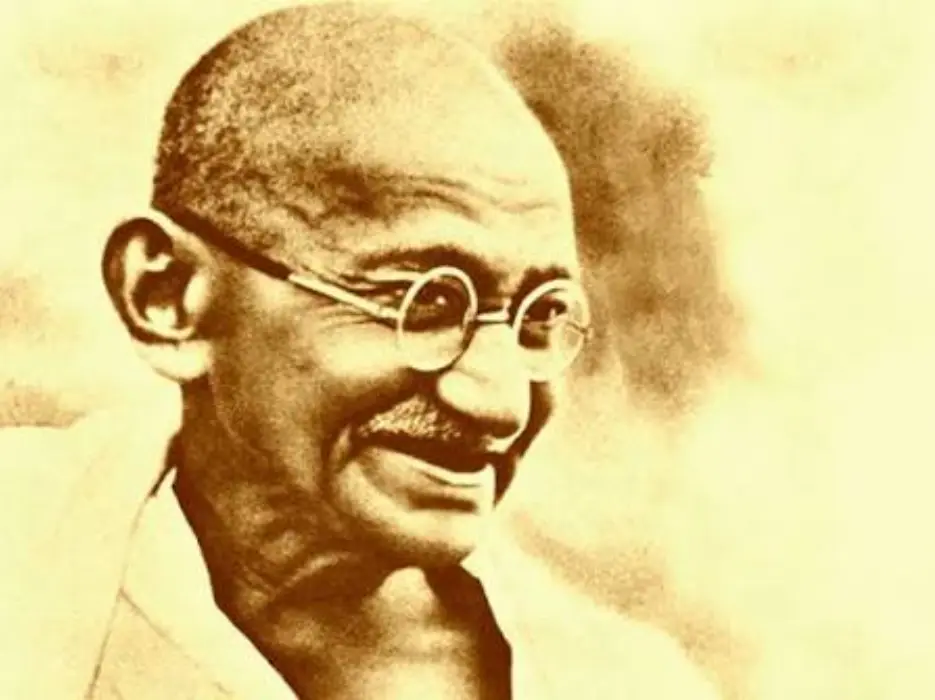
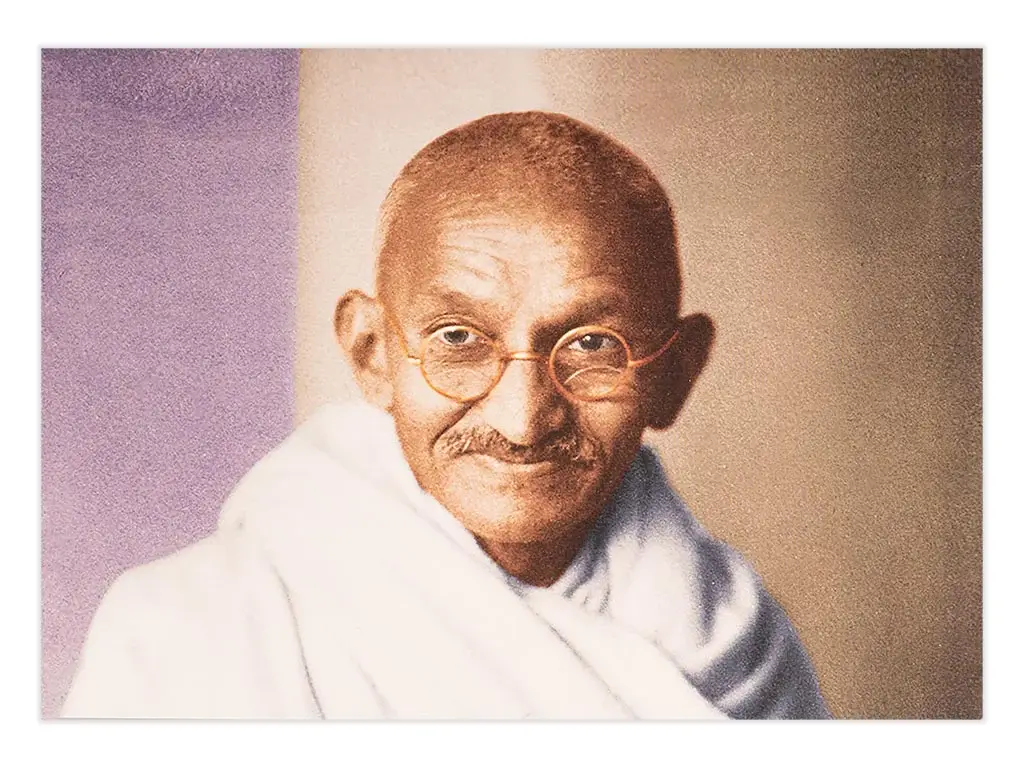
The UN declared October 2 as the International Day of Non-Violence in 2007 to honour Mahatma Gandhi's birth anniversary. The global day promotes peace, education, and his proven philosophy of Satyagraha to resolve conflicts without military force.
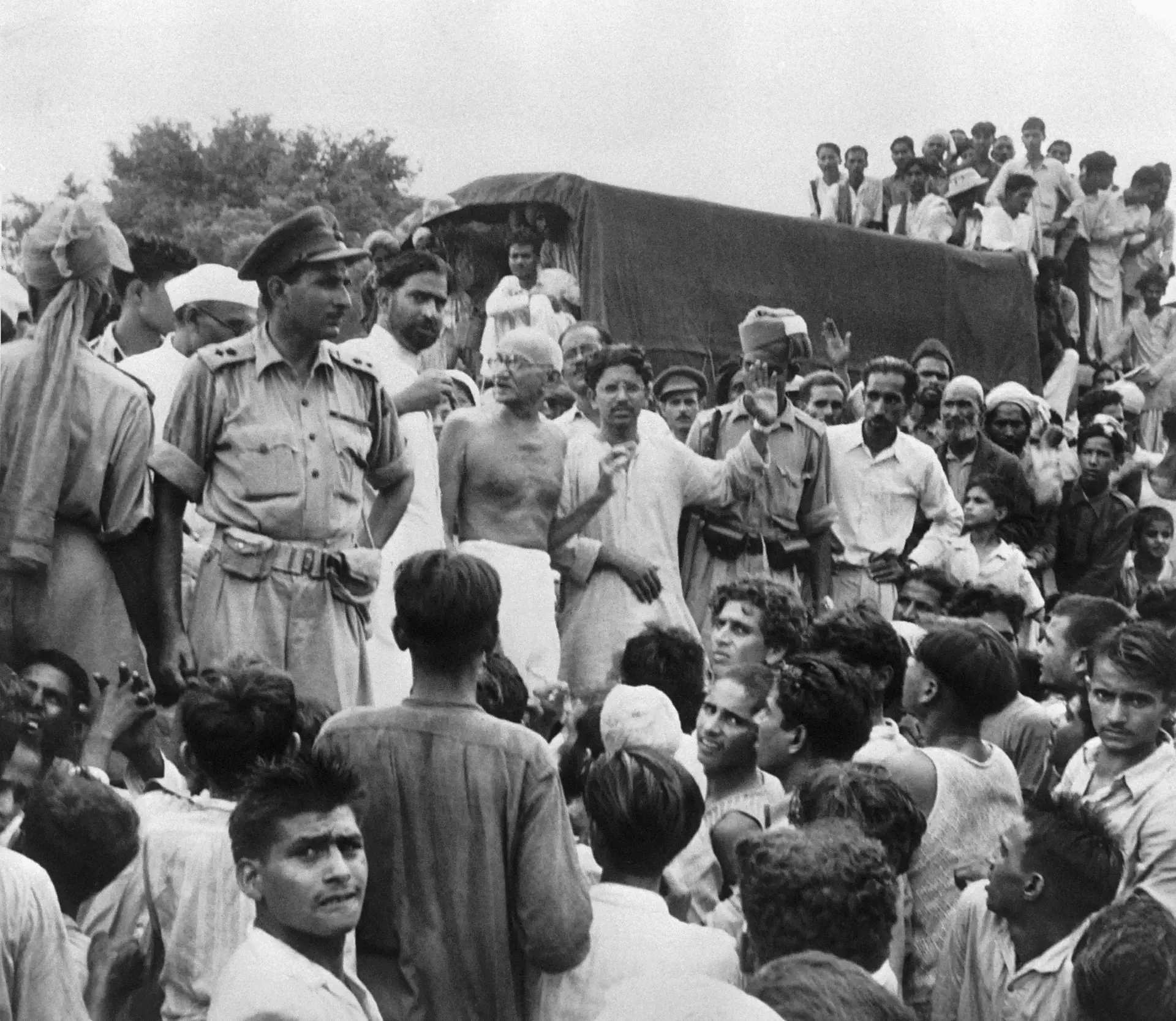
A Global Tribute
On 15 June 2007, the United Nations General Assembly adopted a historic resolution establishing the International Day of Non-Violence. The global body deliberately chose October 2 to coincide with the birth anniversary of Mahatma Gandhi.
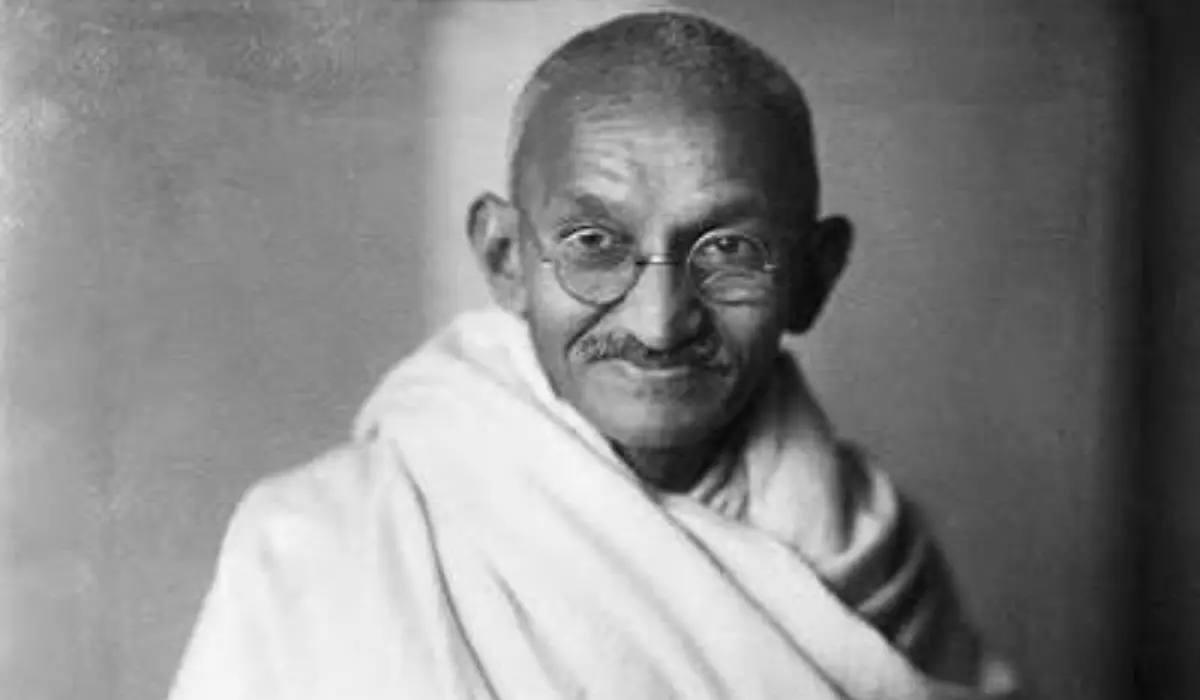
The Core Resolution
The UN resolution officially aimed to disseminate the profound message of non-violence through global education and public awareness. It secured overwhelming backing, with 140 member states co-sponsoring the initial proposal to honour the Indian leader.
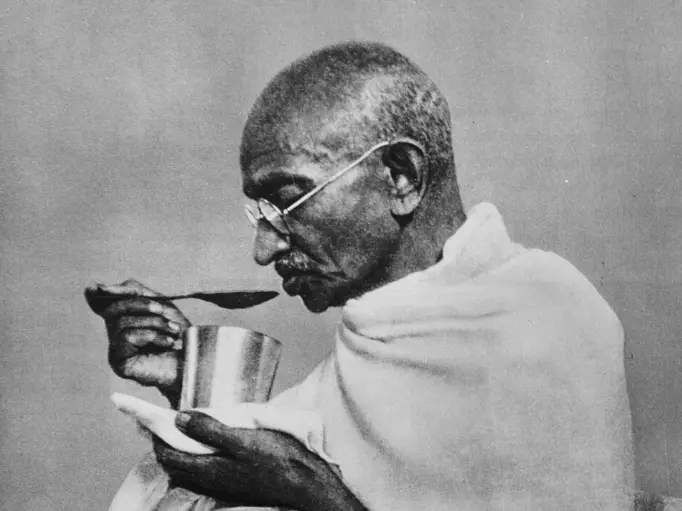
Universal Relevance
The United Nations recognises that Gandhi ji's philosophy of Ahimsa transcends national borders and historical timelines. The global institution actively promotes his vision to secure a permanent culture of peace, tolerance, and human understanding.
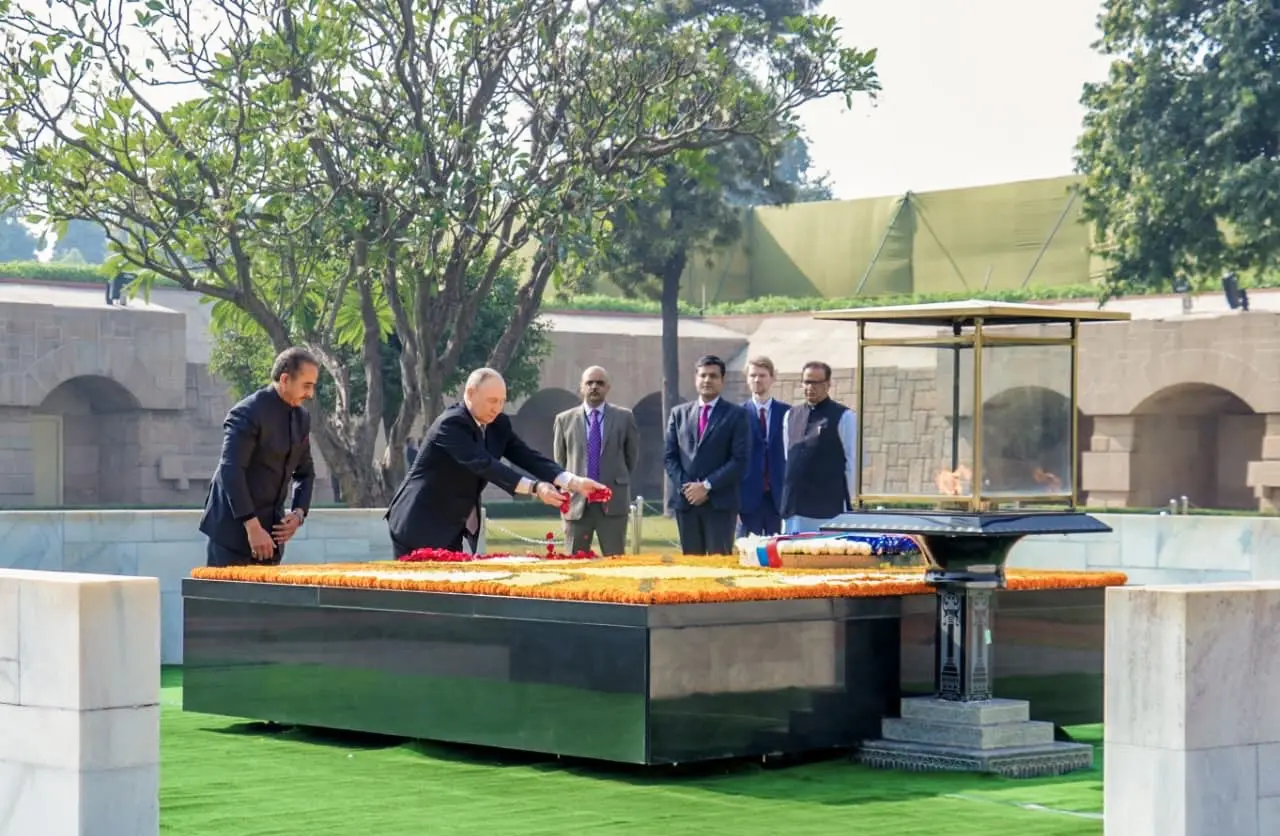
The Power of Satyagraha
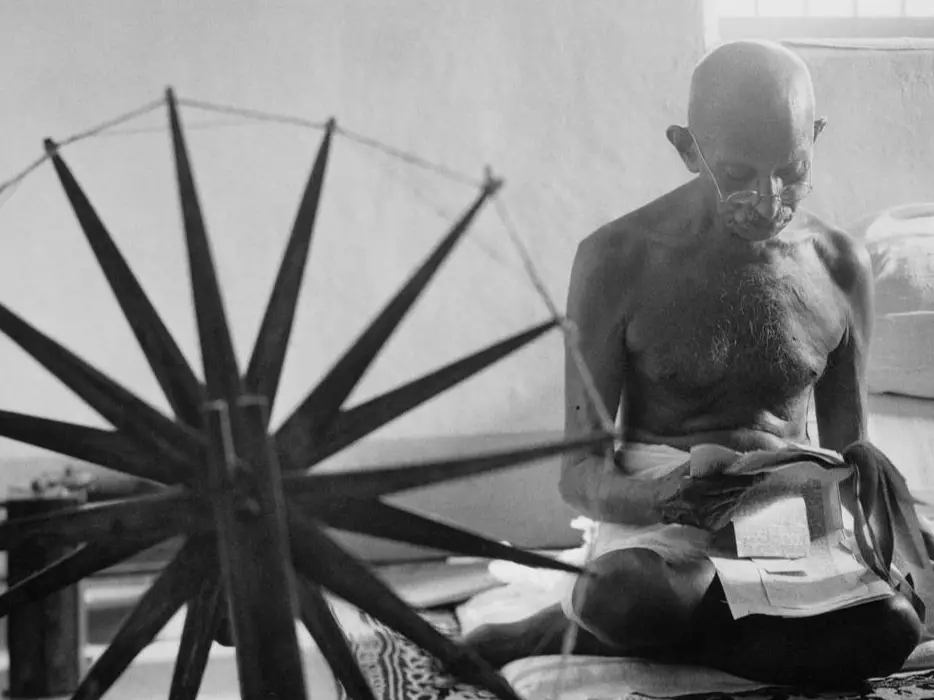
Mahatma Gandhi successfully demonstrated that peaceful civil disobedience, known as Satyagraha, could defeat heavily armed empires. The UN highlights this exact strategy to prove that major social change does not require military force or violent conflict.
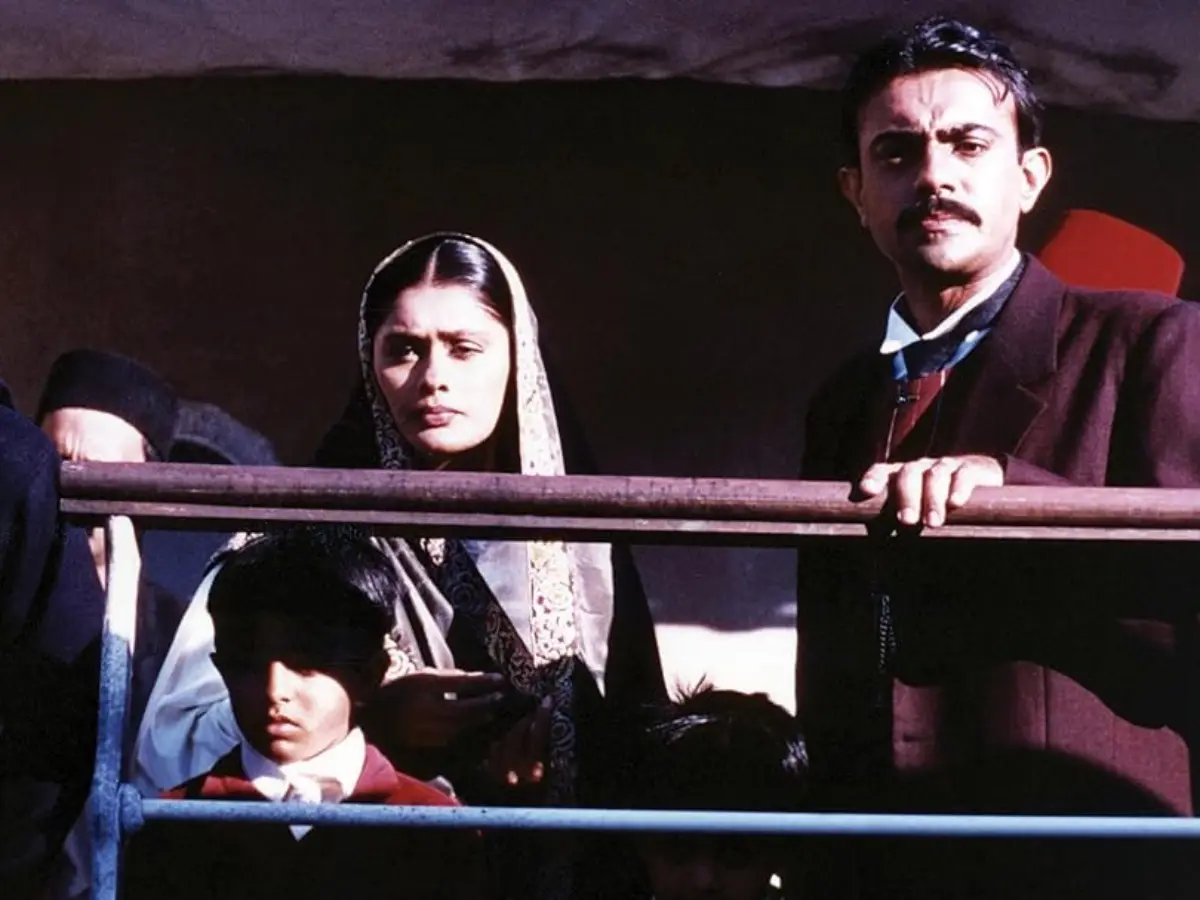
Inspiring Global Leaders
Gandhi ji's non-violent framework did not stop at India's borders. His methods directly inspired iconic civil rights pioneers like Martin Luther King Jr. in the United States and Nelson Mandela in South Africa to fight systemic oppression.
Rejecting Modern Warfare
By marking this specific day, the UN issues a powerful annual reminder against the escalating use of modern warfare. It urges current global leaders to resolve deep geopolitical conflicts through diplomatic dialogue rather than armed intervention.
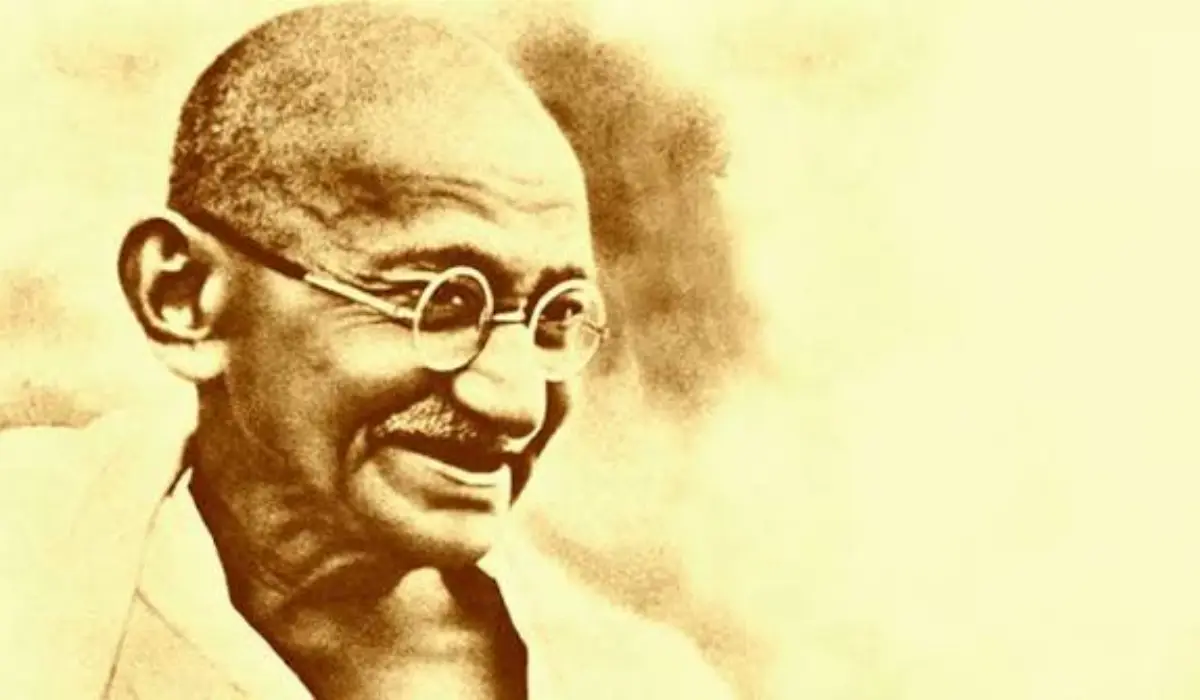
An Enduring Legacy
October 2 now serves as a worldwide platform for peace activists, educators, and governments. It ensures that Mahatma Gandhi's fundamental belief that just means lead to just ends remains a central pillar of international human rights.
)
)
)
)
)