Mahatma Gandhi wasn’t always called Mahatma: How Mohandas became Mahatma Gandhi

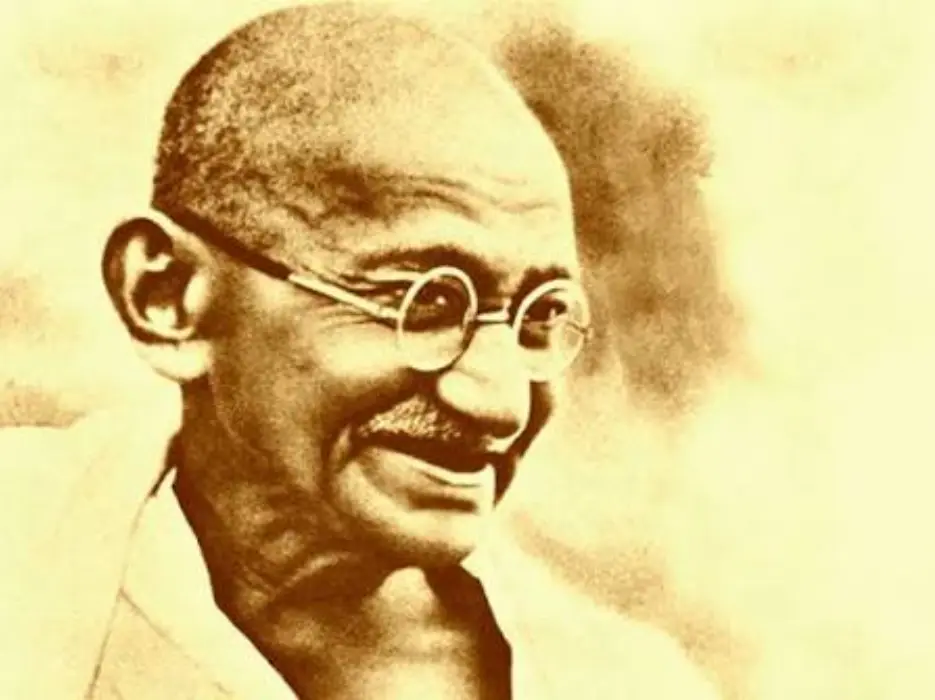
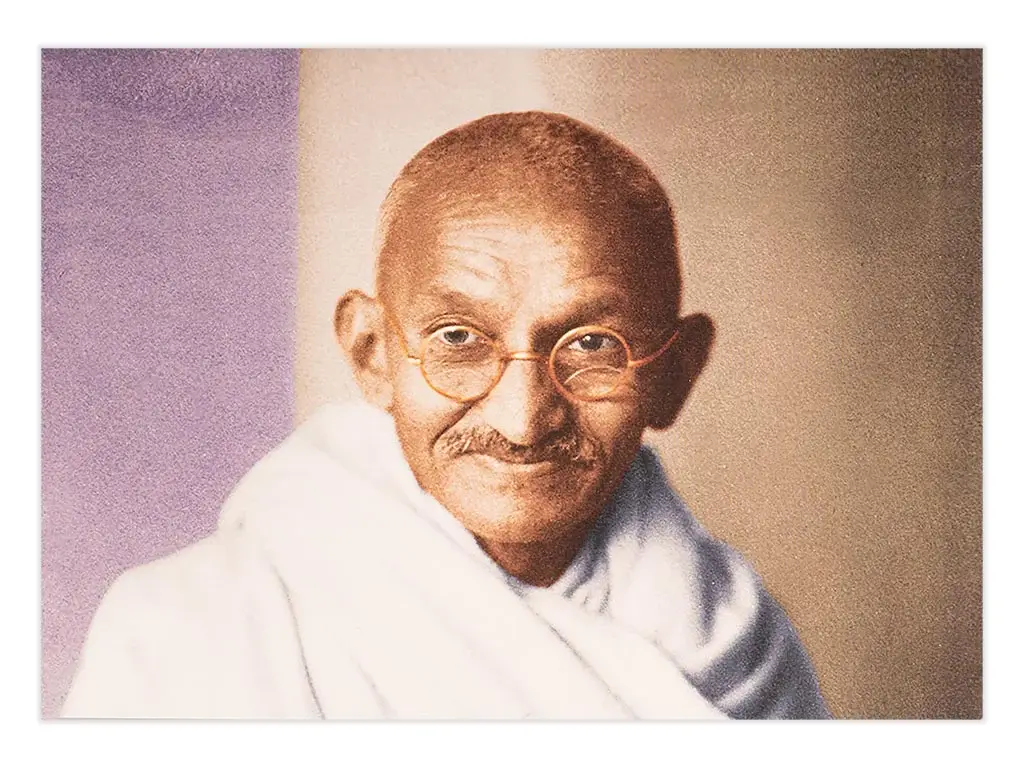
In March 1915, Gandhi ji met Nobel laureate Rabindranath Tagore at Santiniketan. Recognizing his moral authority, Tagore bestowed the title ‘Mahatma’ or Great Soul upon him, forever changing how the world addressed the Indian leader.
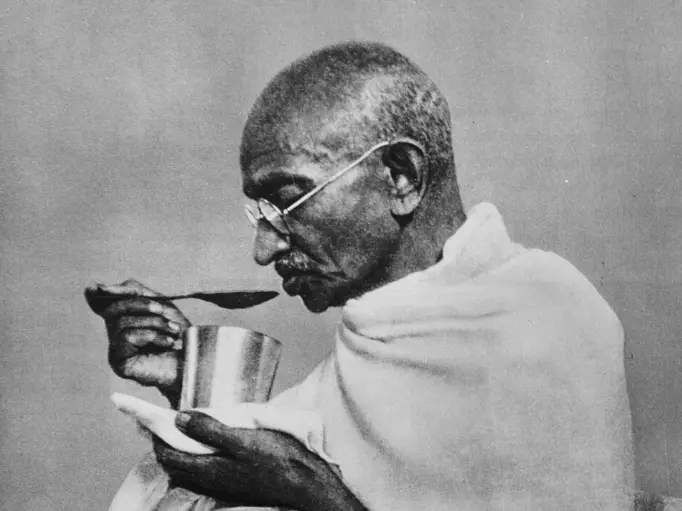
The Lawyer
Born in 1869, Mohandas Karamchand Gandhi was not immediately known to the world as a ‘Mahatma’. For decades, he was simply Mohandas, a British-trained lawyer who spent 21 years fighting systemic racial prejudice in South Africa.
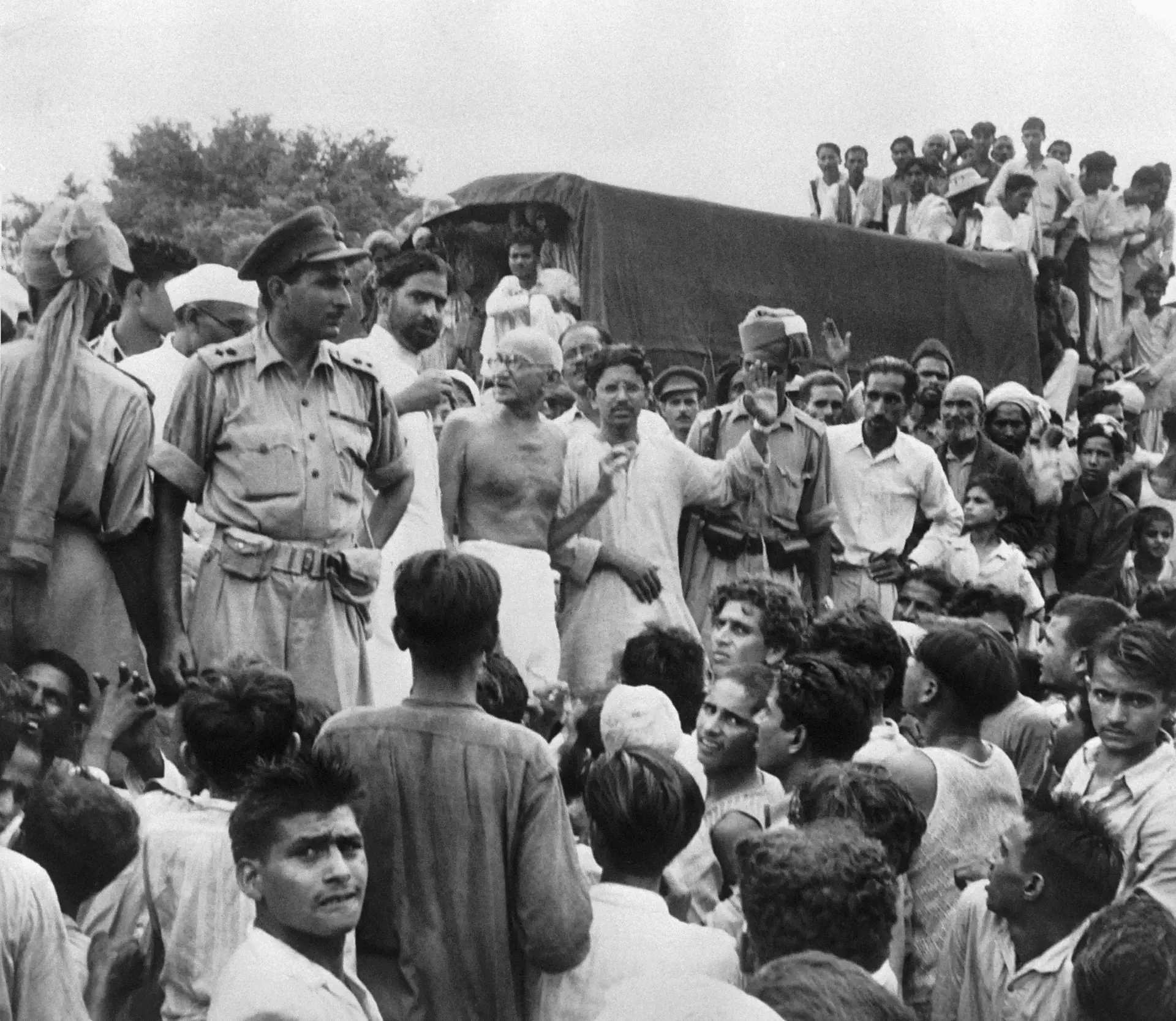
Returning to the Homeland
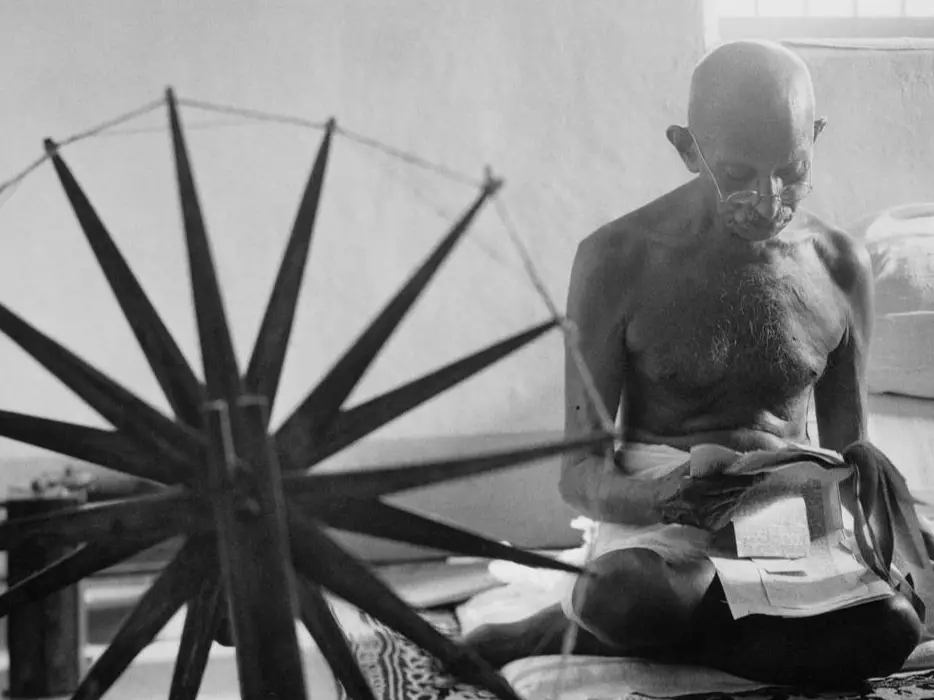
In early 1915, a 45-year-old Gandhi ji finally returned to India to join the national freedom struggle. His reputation as a fearless champion of the oppressed and pioneer of non-violent resistance had already preceded his arrival.
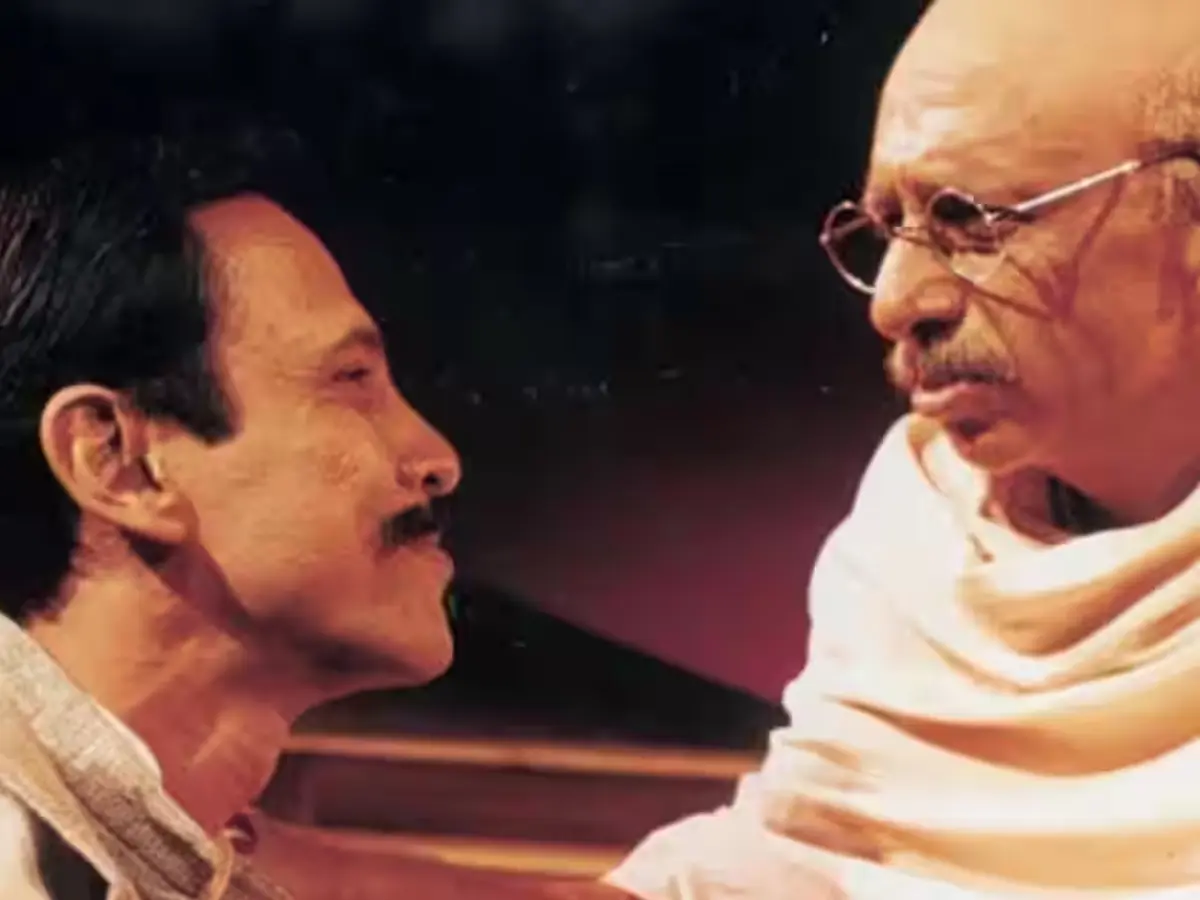
The Historic 1915 Meeting
Shortly after his return, Gandhi ji visited Santiniketan in West Bengal in March 1915. He went to meet the legendary Bengali polymath and Nobel laureate Rabindranath Tagore, marking a historic convergence of two great Indian minds.
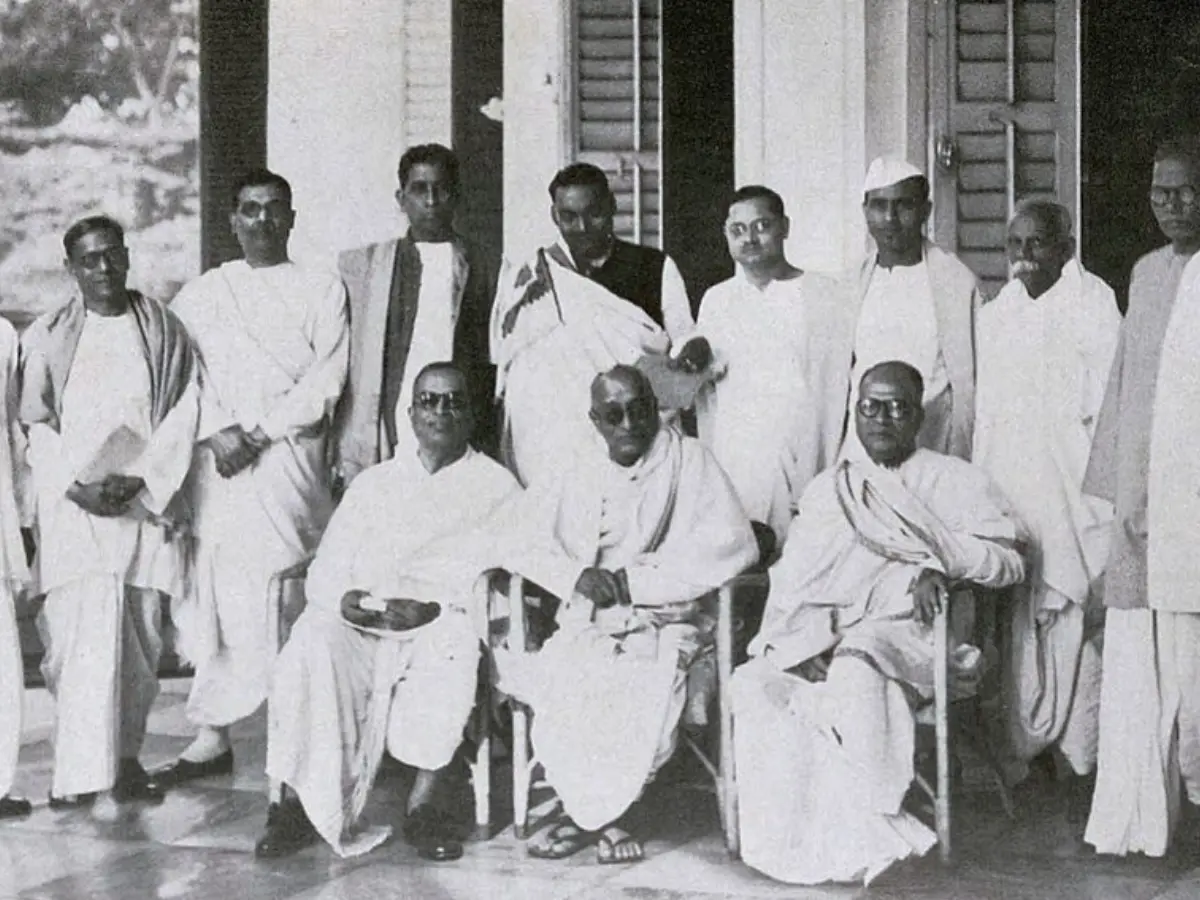
Gurudev and the Mahatma
The two men shared a profound mutual respect. Gandhi ji affectionately addressed the legendary poet as ‘Gurudev’, and in response, Tagore officially referred to him as ‘Mahatma’, a Sanskrit term meaning ‘Great Soul’.
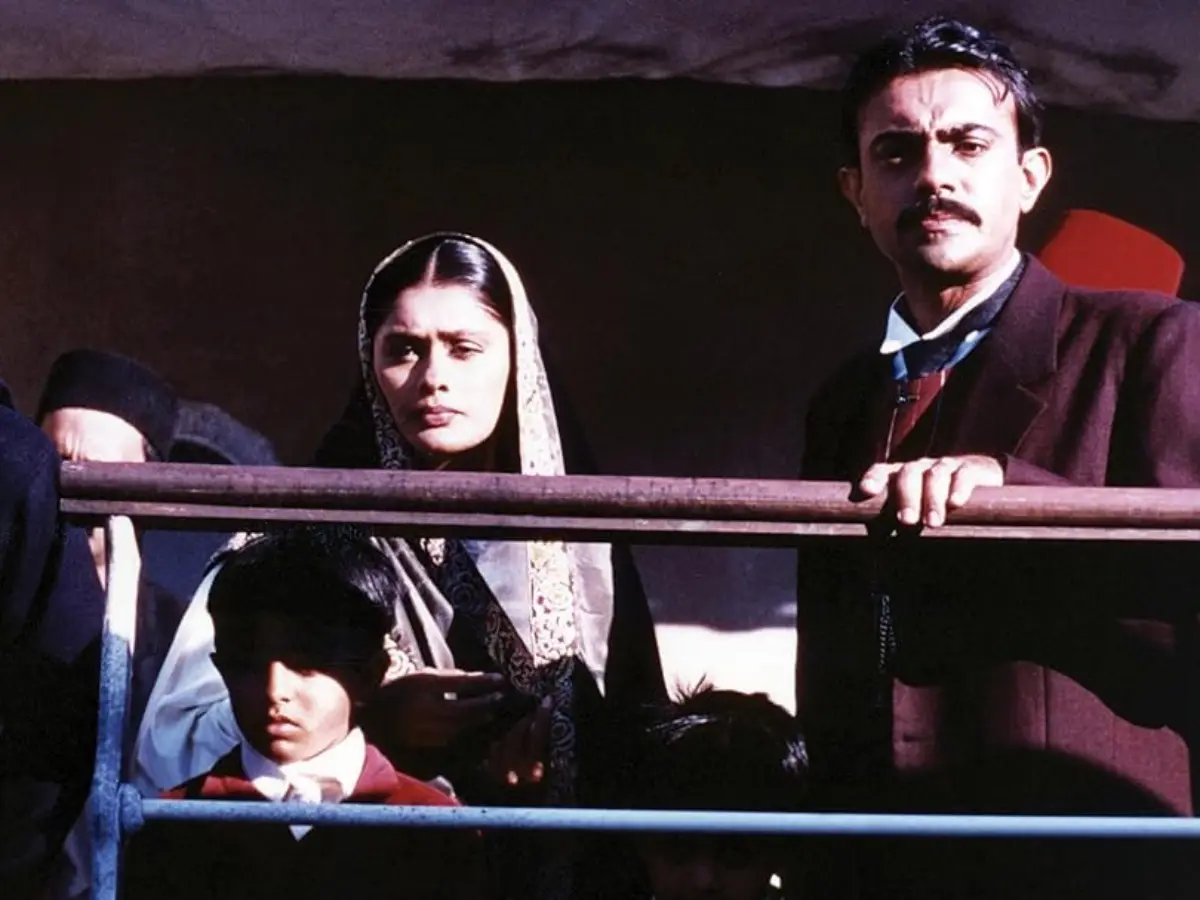
A Title of Endearment
The title of ‘Mahatma’ was never a formal governmental award or political designation. Instead, it was an expression of deep spiritual reverence from Tagore that perfectly captured Gandhi ji's immense moral authority and selfless dedication.
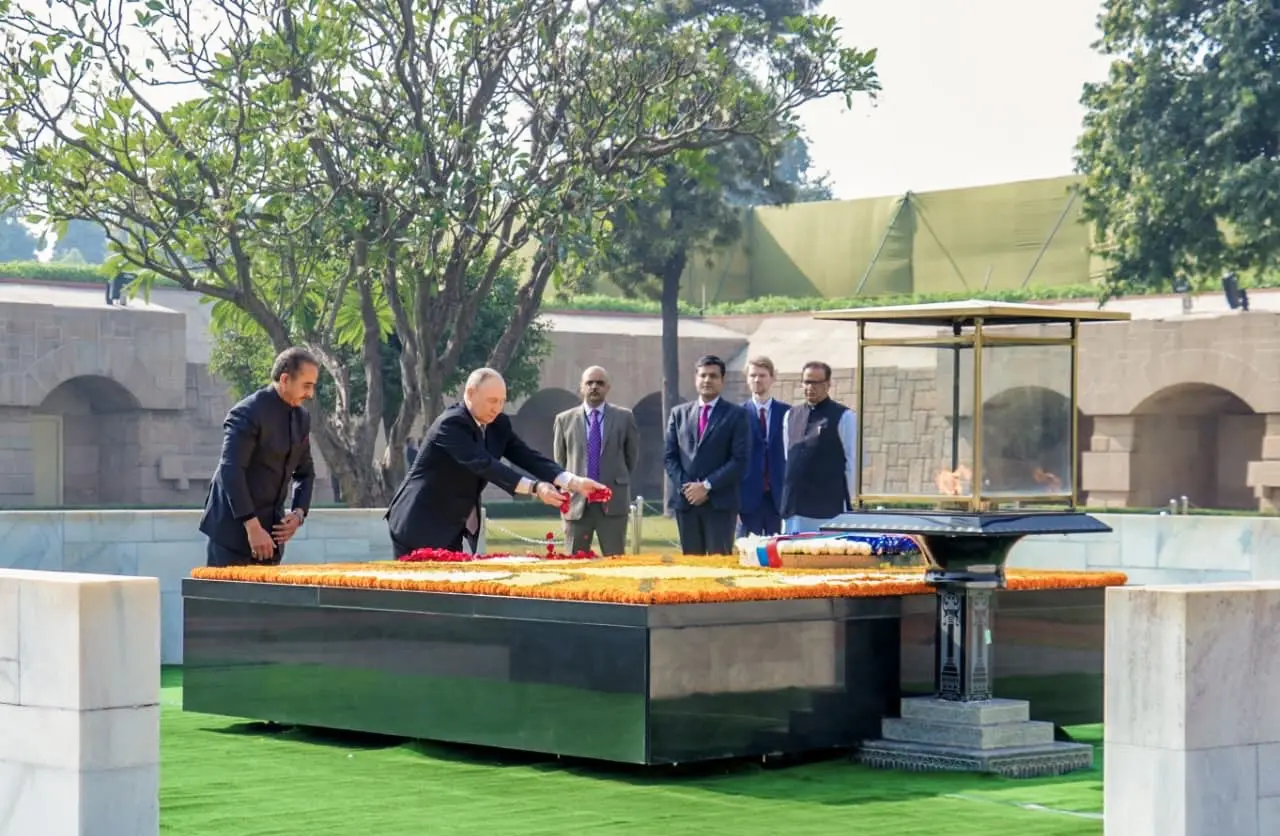
Embraced by the Masses
The honorific resonated so powerfully with the Indian public that it permanently eclipsed his birth name. From that point onward, the entire nation, and eventually the world, knew him exclusively as Mahatma Gandhi.
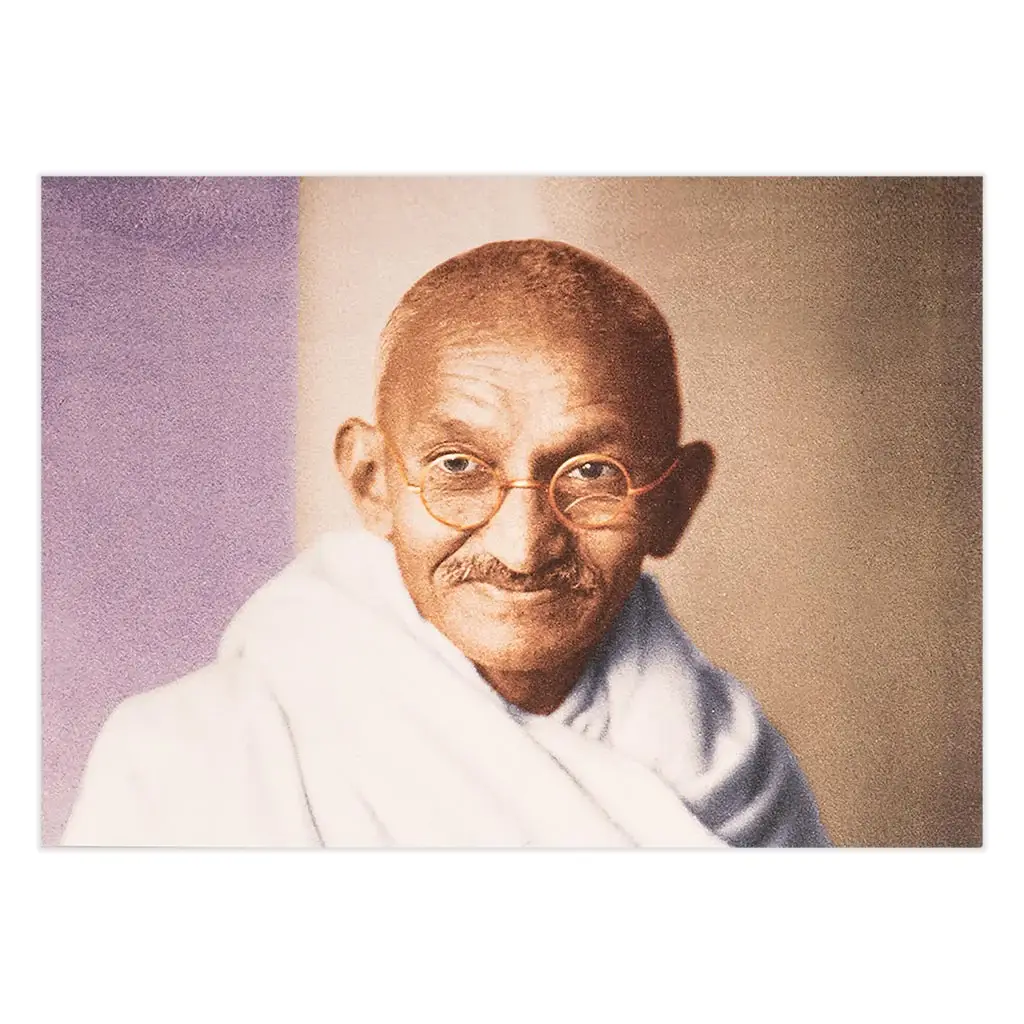
Cementing a Legacy
While Rabindranath Tagore bestowed the title of ‘Mahatma’ in 1915, his historical legacy was later completed by Netaji Subhas Chandra Bose. In 1944, Bose famously addressed him as the ‘Father of the Nation’, sealing his eternal place in global history.
)
)
)
)
)