Why USS Abraham Lincoln is known as a billion-piece war machine with 4 core tasks. What are they?

Beyond aviation, the carrier functions as a command hub, supporting real-time coordination of naval and air operations through integrated communication, surveillance and control systems.
Complexity with a clear purpose
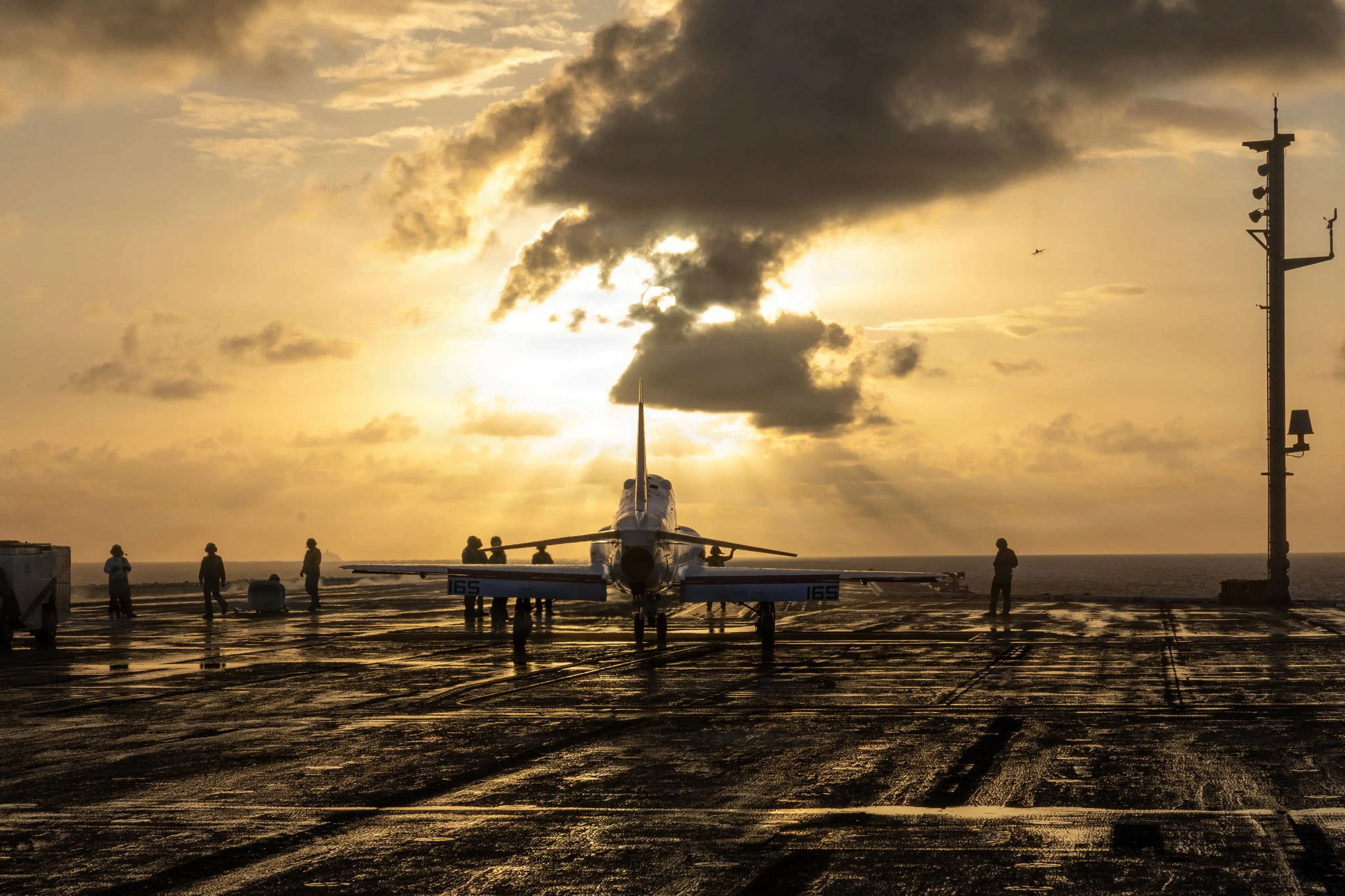
With nearly a billion individual components, US Nimitz-class supercarriers such as the USS Abraham Lincoln are often described as among the most complex machines ever built. Yet their design is grounded in simplicity. As naval guidance notes, “on a conceptual level, they’re pretty simple”, built to perform four essential functions that define their role in modern warfare.
A system built on four core tasks
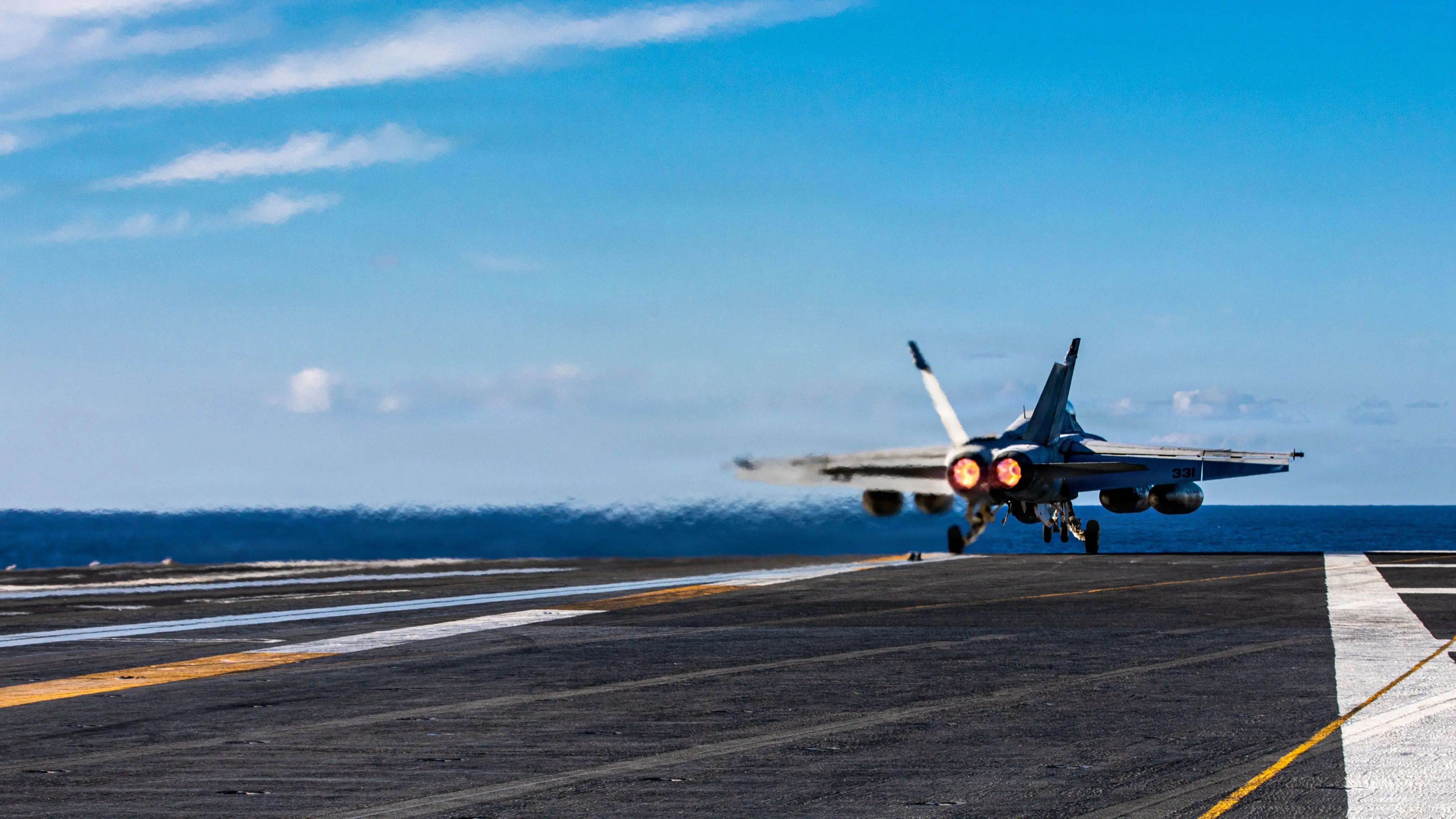
At its core, the carrier is designed to “transport a variety of aircraft overseas”, “launch and land airplanes”, “serve as a mobile command center for military operations”, and “house all the people who do these things”. These four tasks underpin every system and structure on board.
Transporting air power
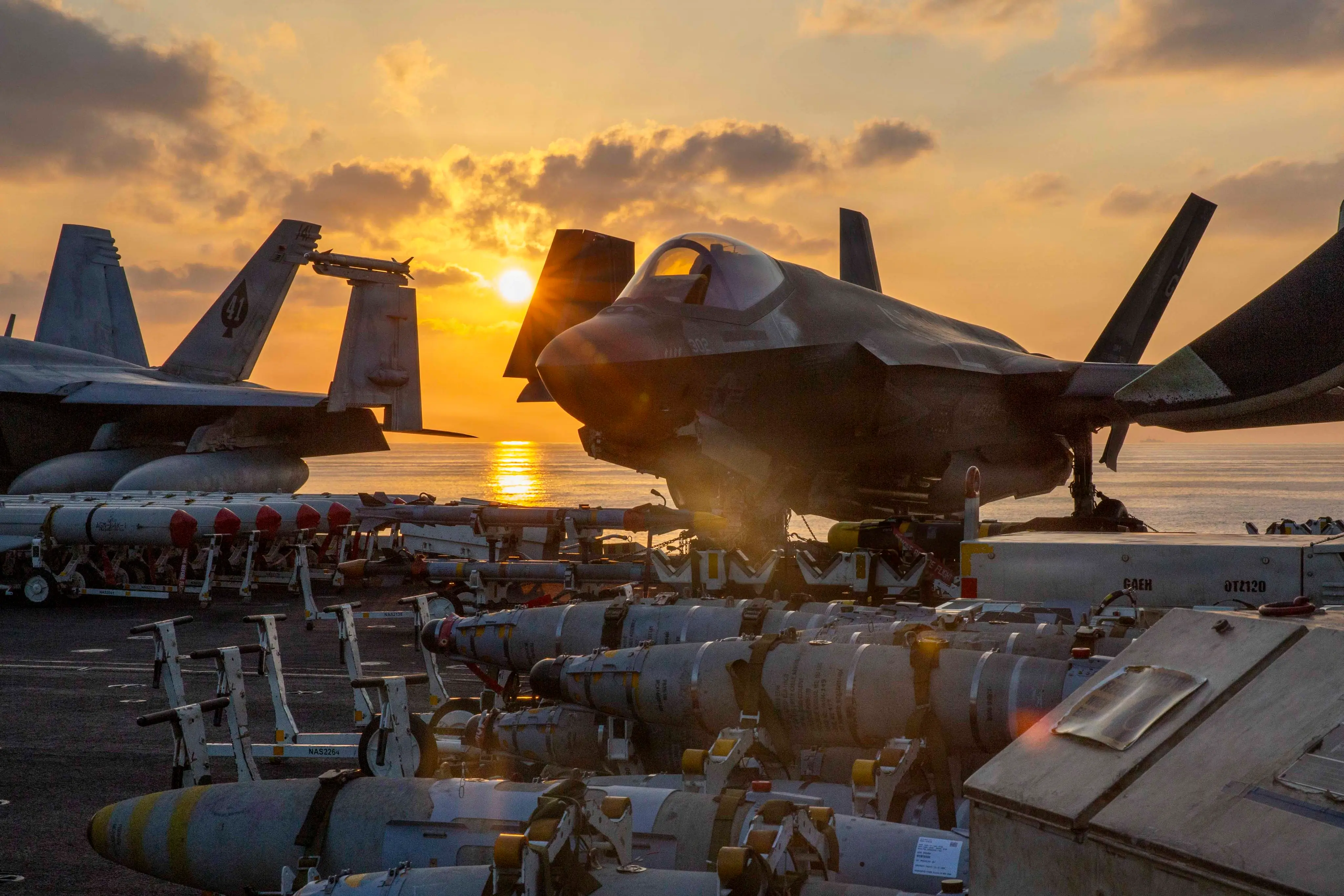
The carrier’s first role is strategic mobility. By carrying a full air wing across oceans, it enables rapid deployment without reliance on foreign bases. This capability allows sustained air operations in regions far from mainland support.
Launching and recovering aircraft
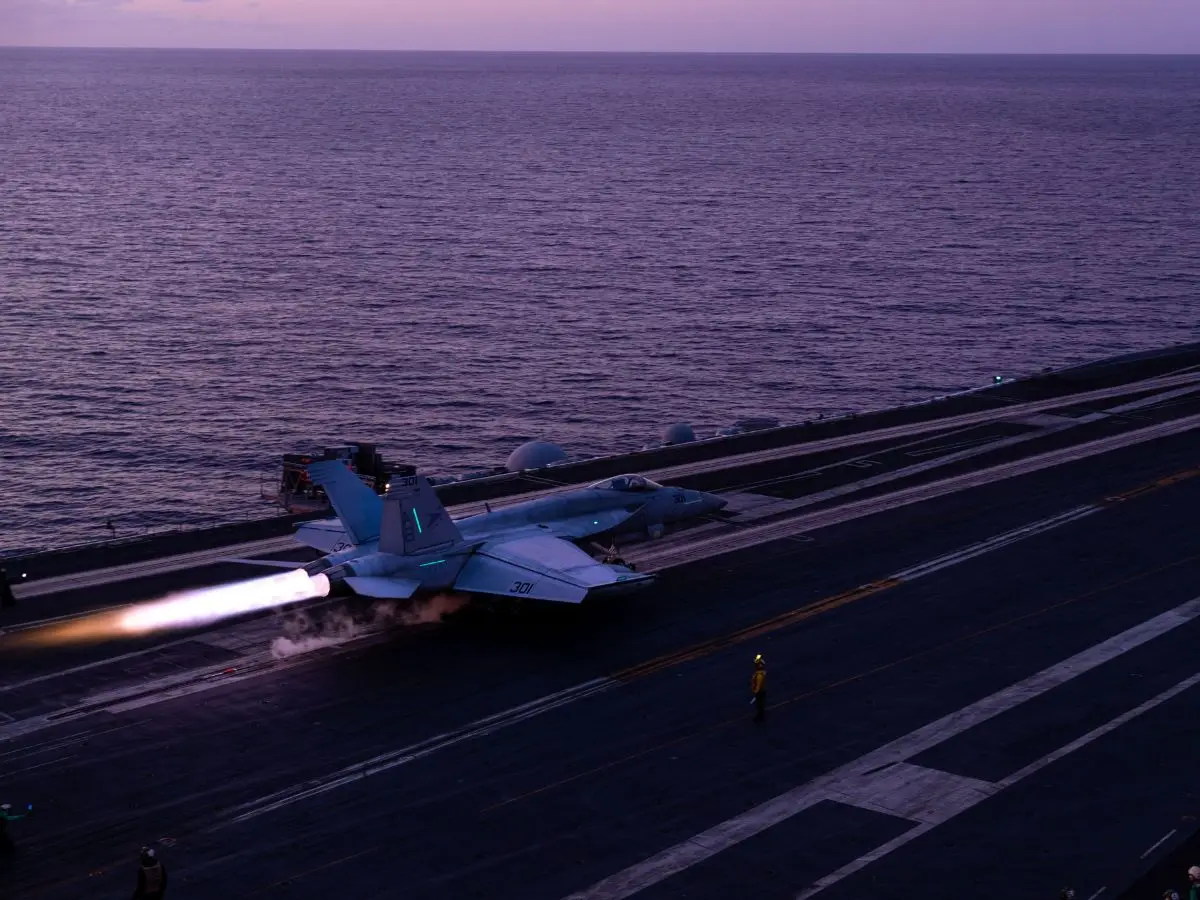
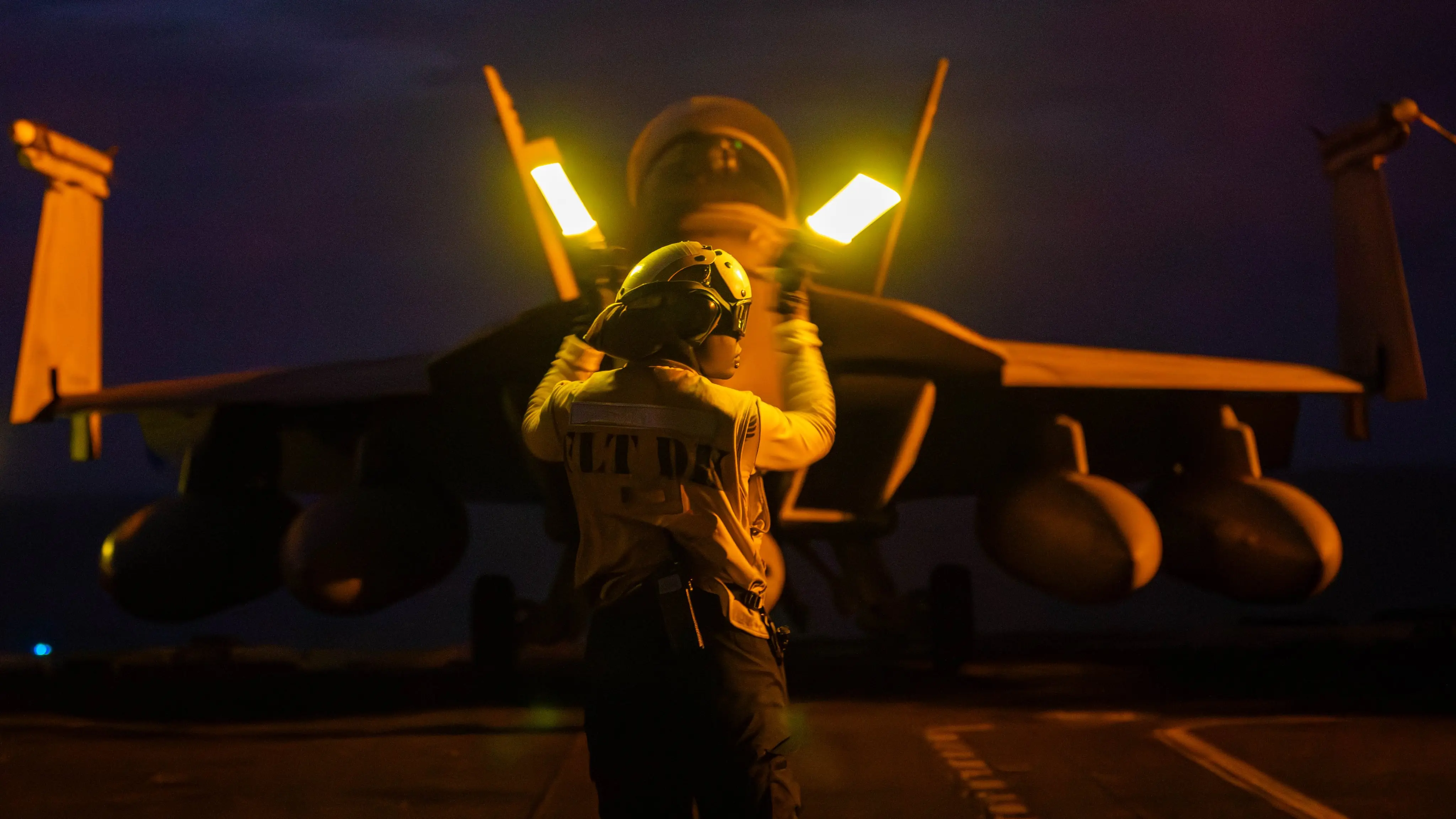
The flight deck functions as a mobile runway, enabling aircraft to take off and land in open seas. This requires precise coordination, supported by catapult systems, arresting gear and trained deck crews. The ability to sustain continuous air sorties defines the carrier’s operational value.
A mobile command centre
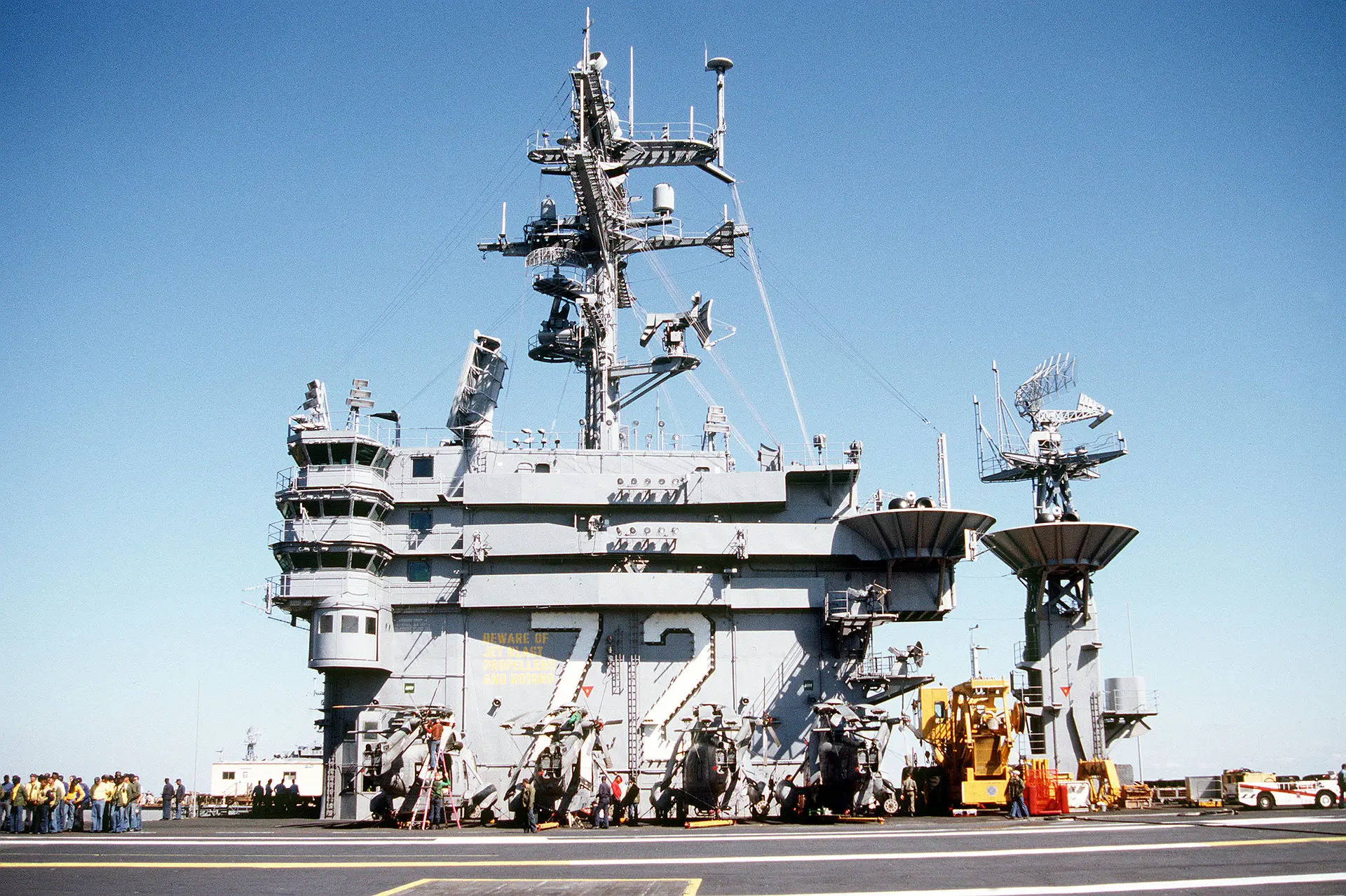
Beyond aviation, the carrier functions as a command hub, supporting real-time coordination of naval and air operations through integrated communication, surveillance and control systems. This enables it to direct missions across a wide operational area. Central to this role is the island, the structure positioned on top of the flight deck where officers oversee both flight operations and ship control. The island houses the advanced communications and radar systems necessary to coordinate complex missions and manage the ship's built-in defensive weapons, making it the tactical brain that governs the carrier's vast mechanical body.
Sustaining life at sea
The carrier must also function as a self-contained city. It provides accommodation, food, water and essential services for thousands of personnel. It is designed to sustain its personnel, providing dedicated space and systems for the crew to live and work effectively during extended deployments at sea. Systems are in place to manage “sewage, trash and mail”, as well as onboard communications such as radio and television.
Structure supporting capability
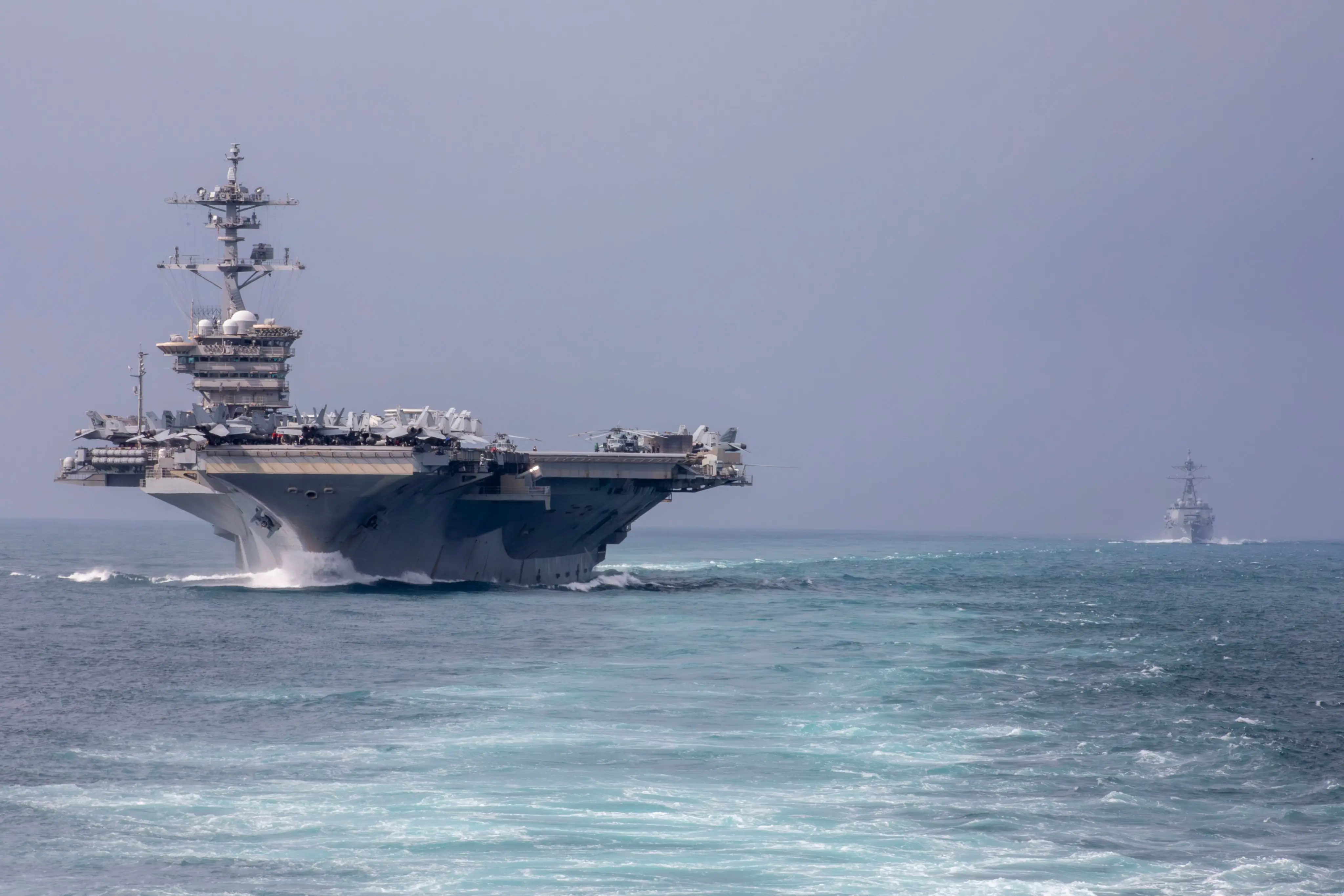
To perform these roles, the carrier combines multiple elements: a flight deck for operations, a hangar deck for storage, an island for command, propulsion systems for movement and a hull that supports the entire structure. Together, these components enable USS Abraham Lincoln to carry out its four core tasks with precision, demonstrating how a highly complex system can be organised around a simple operational framework.
)
)
)
)
)