Iran-US tensions: Why USS Abraham Lincoln and USS Gerald R. Ford have angled runways?

The Lincoln is currently positioned in the Arabian Sea, while the world’s largest US carrier, the Gerald R. Ford, was spotted entering the Mediterranean Sea on Friday.
Recent development
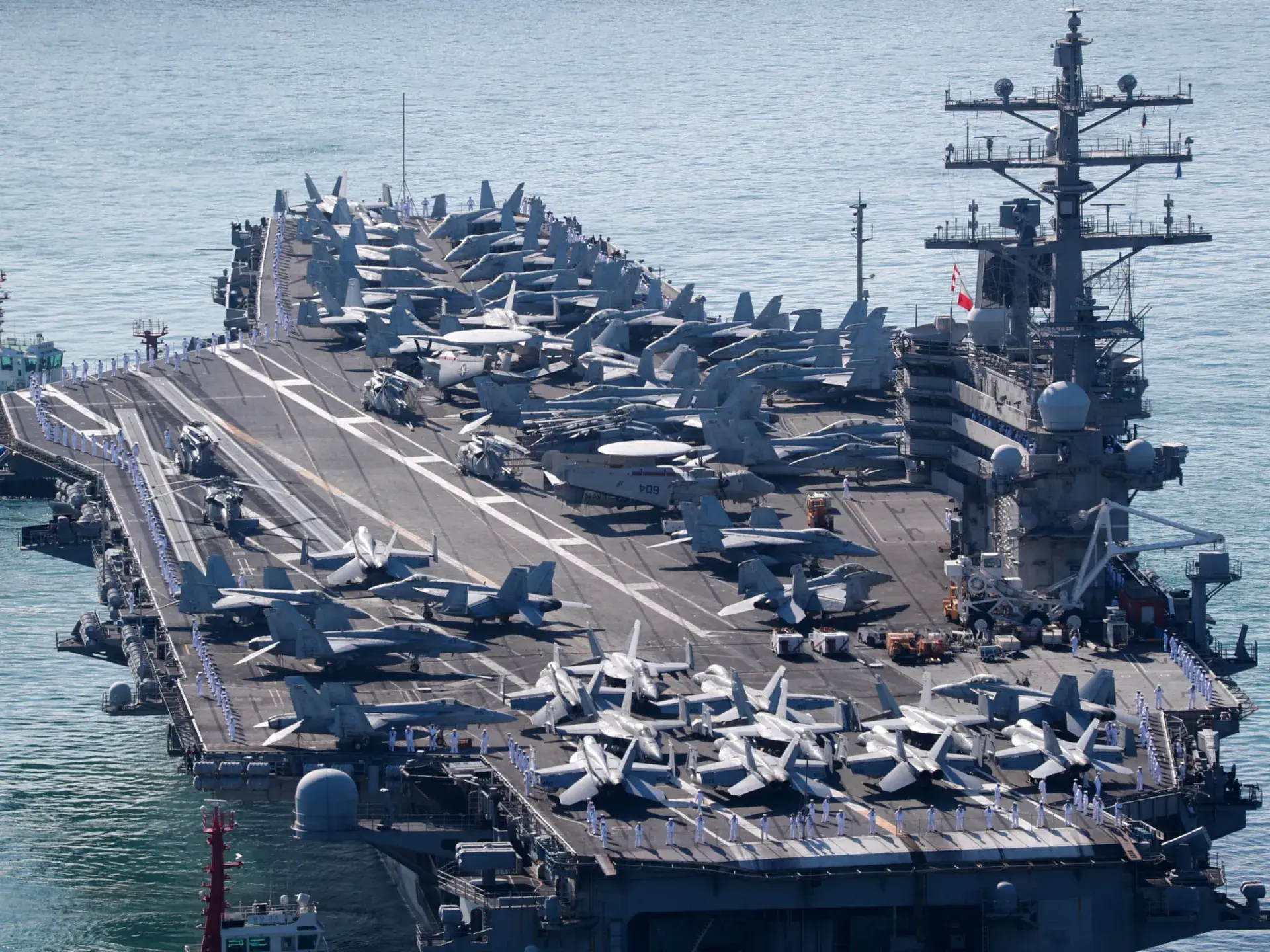
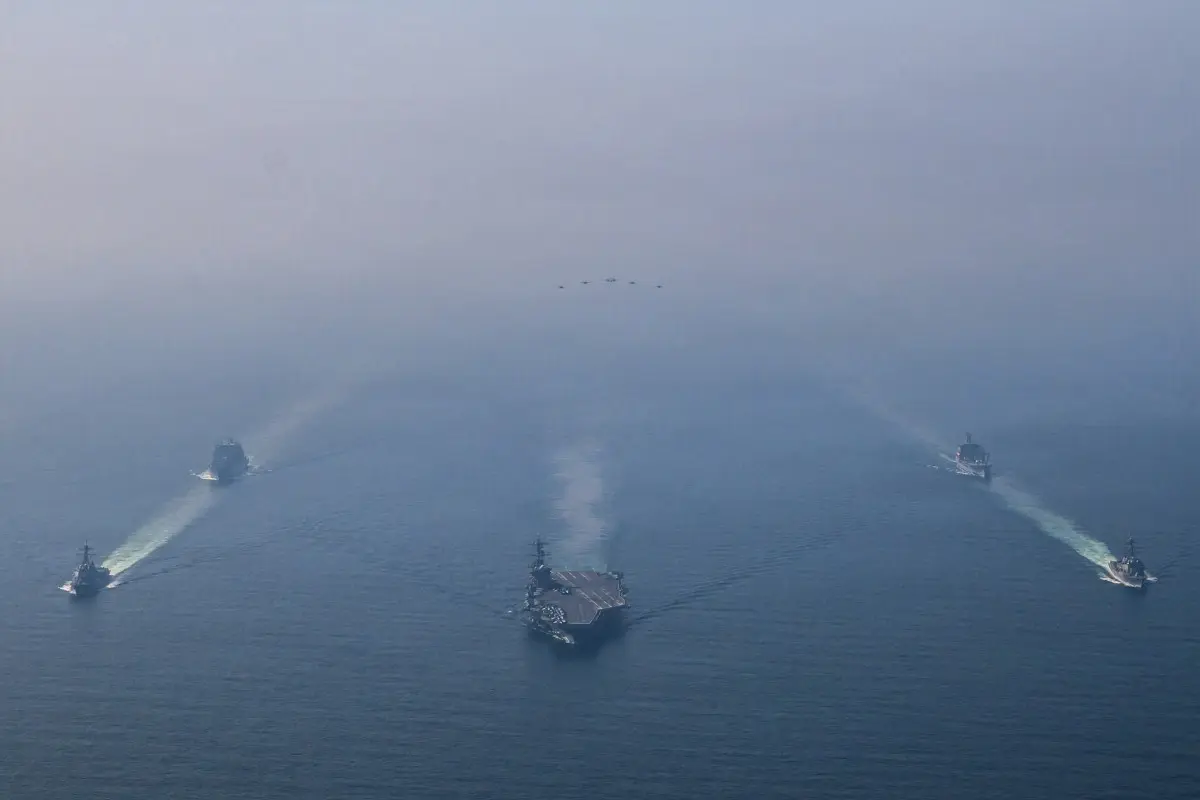
The US Navy’s USS Abraham Lincoln (CVN‑72) and USS Gerald R. Ford (CVN‑78) are among the most powerful aircraft carriers in service. The Lincoln is currently positioned in the Arabian Sea, while the world’s largest US carrier, the Gerald R. Ford, was spotted entering the Mediterranean Sea on Friday. The move comes amid an intensified US military presence in the region, ordered by US President Donald Trump, signalling the potential for a strike against Iran.
The length of the deck
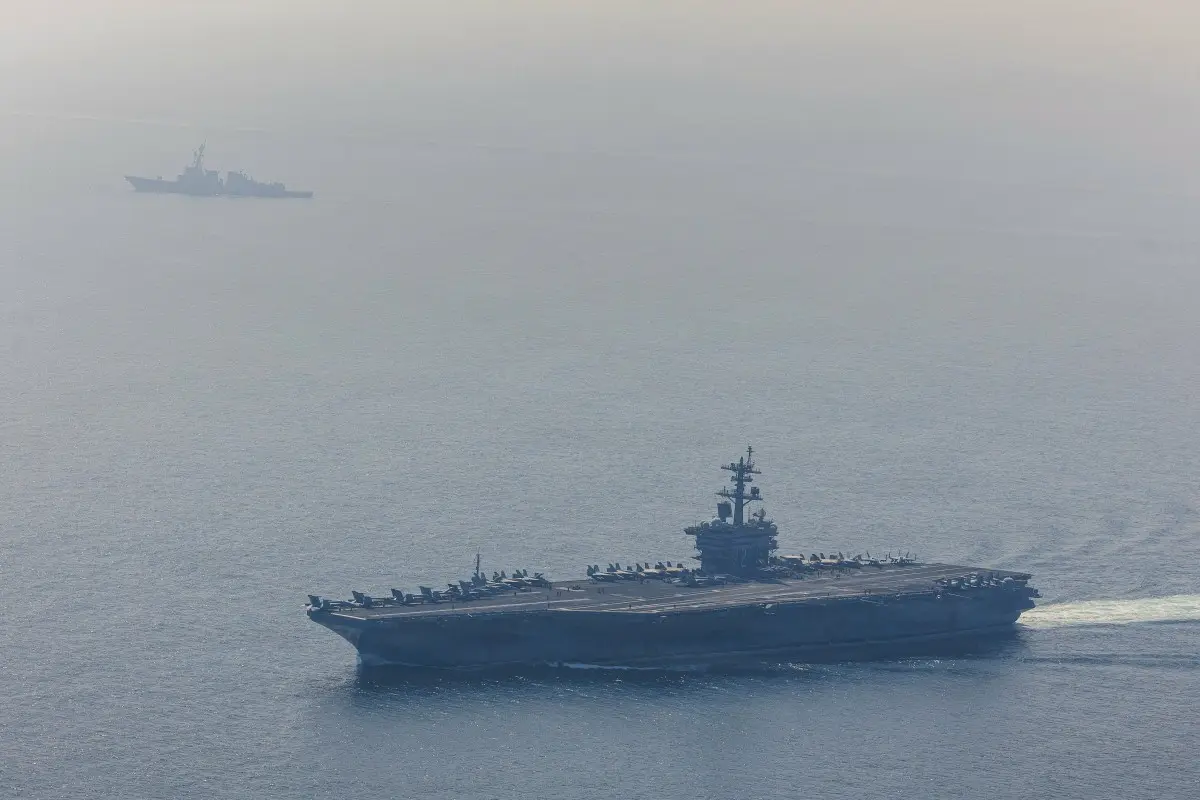
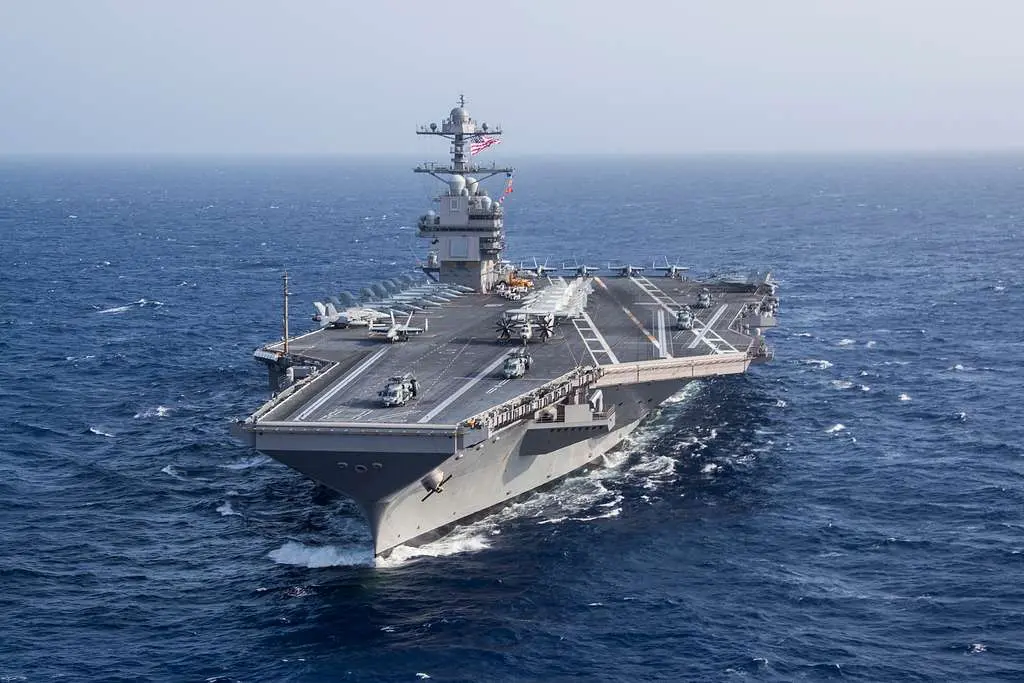
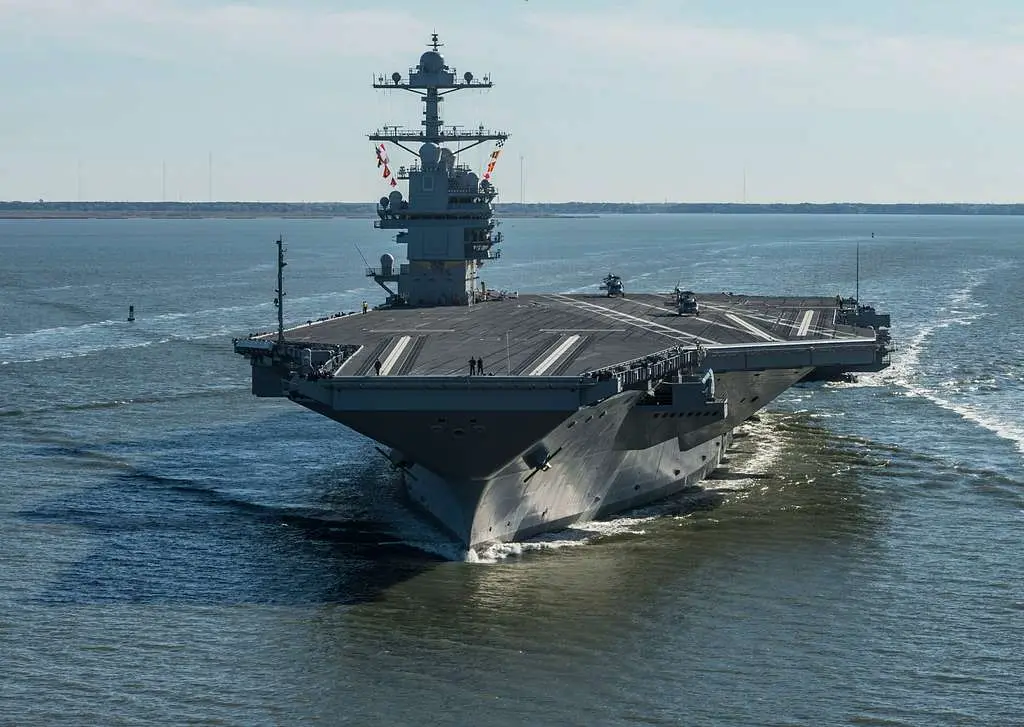
The Lincoln, a Nimitz‑class vessel, measures about 1,092 feet long and can carry some 90 aircraft, including F/A‑18 Super Hornets, E‑2D Hawkeyes and helicopters, while hosting thousands of crew and support personnel. The Gerald R. Ford, the largest aircraft carrier ever built, also spans roughly 1,106 feet and can embark more than 75 aircraft, benefiting from advanced launch and recovery systems. Both the aircraft carriers features an angled flight deck typically set at an angle of roughly 9 to 10 degrees off the ship's centerline. By comparison, commercial runways range from 6,000 to 16,000 feet.
What an Angled Runway Is
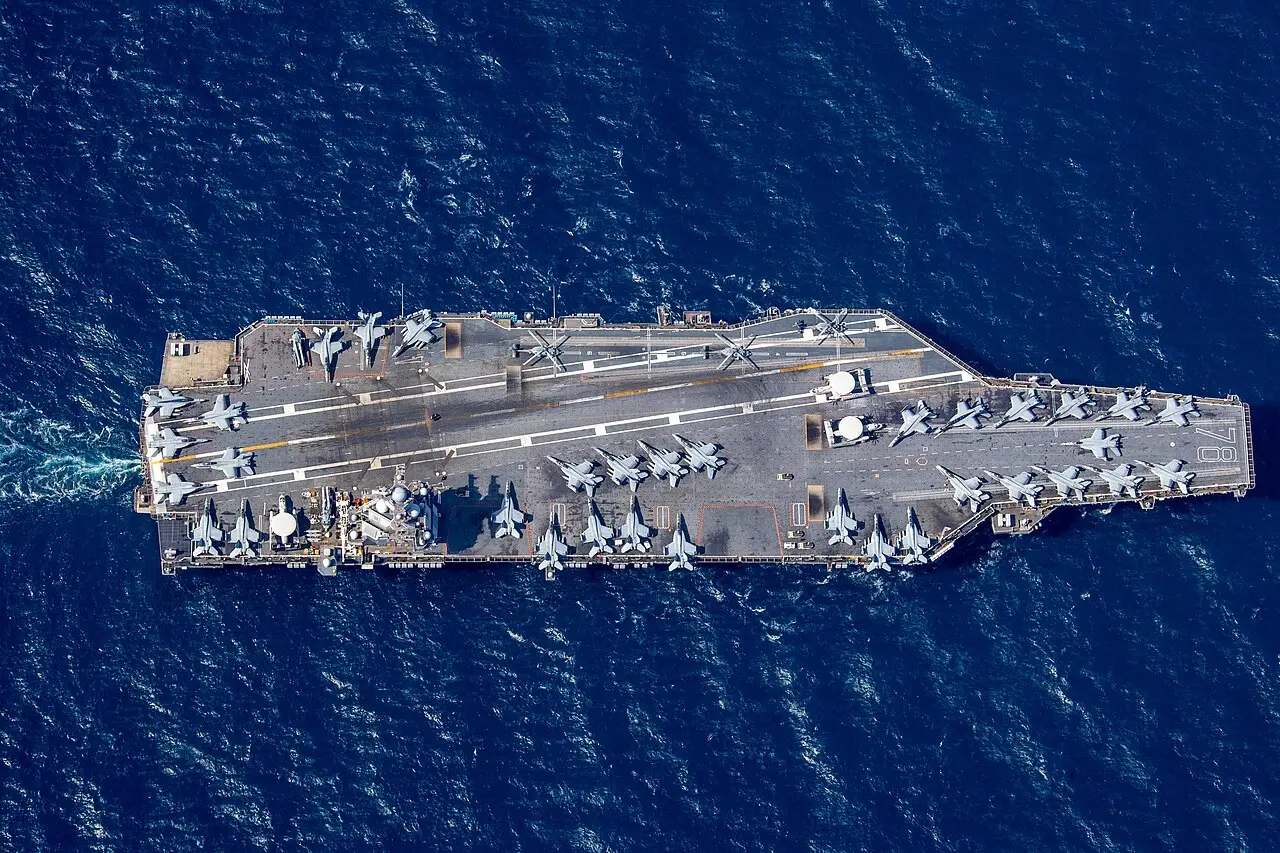
Both aircraft carriers feature an angled flight deck, typically set at about 9 to 10 degrees off the ship’s centreline, where the landing area is skewed to one side. Originally introduced on early carriers, this design has become standard on modern vessels equipped with catapult launch and arrested recovery systems, enhancing both safety and operational efficiency during flight operations.
Origins of the Angled Deck
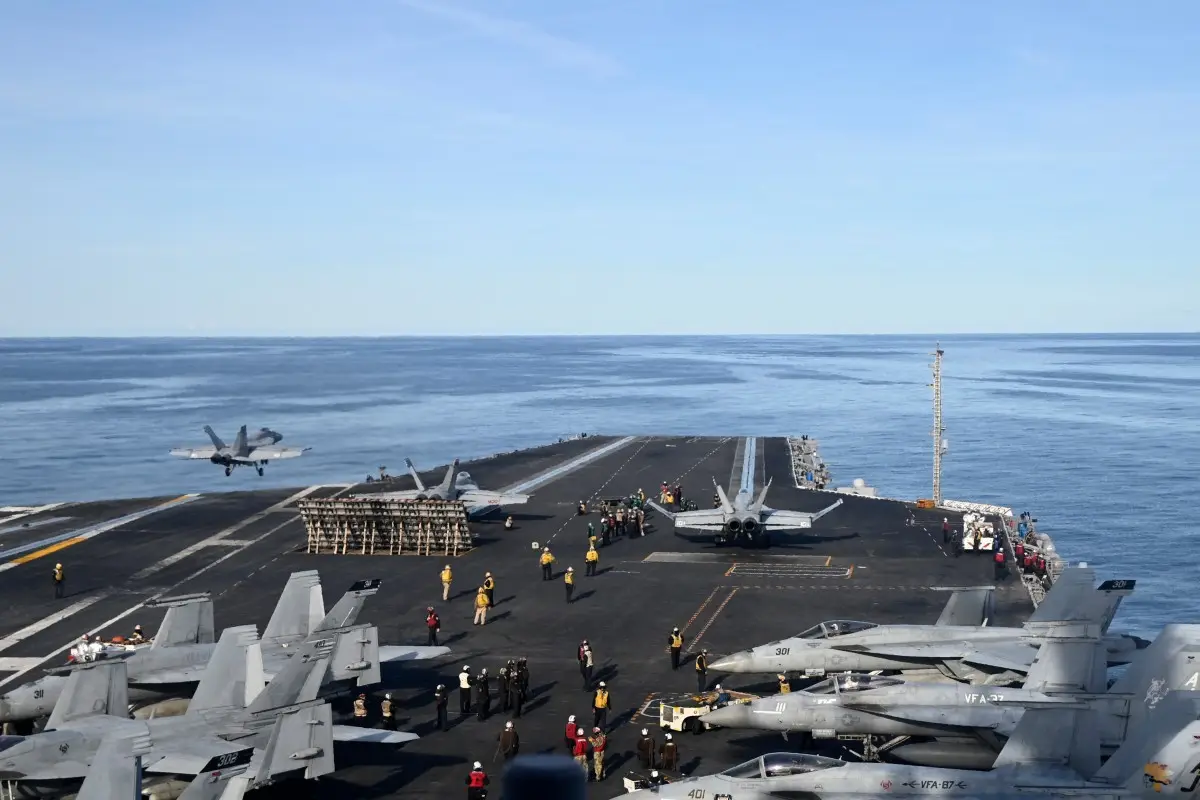
The angled flight deck was pioneered in the early 1950s by the British Royal Navy and soon adopted by the US Navy. The design addressed the problem that jets with higher landing speeds posed significant risks on straight decks: if an aircraft missed the arresting wires, it could crash into parked aircraft forward.
Safety and Operational Benefits
An angled deck allows landing aircraft to approach along the skewed runway and, in the event of a failed arresting catch ('bolter'), to throttle up and go around without endangering other planes or crew. This enhanced safety is crucial when recovering high‑speed jet aircraft at sea.
Simultaneous Operations
Another key advantage is that takeoff and landing operations can occur simultaneously: jets can be catapulted from the bow while others land on the angled strip, increasing the tempo of operations and reducing turnaround times.
Efficient Deck Space Use
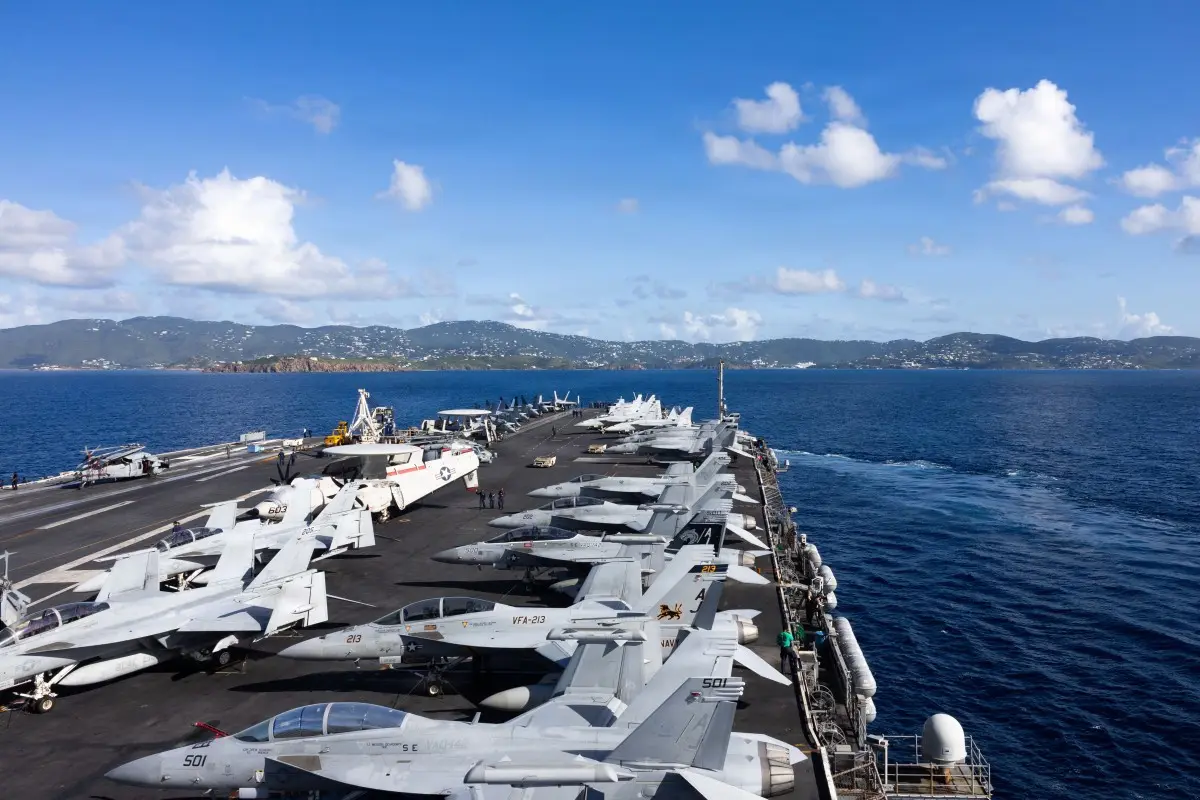
Angled flight decks make better use of limited space on the carrier deck. By separating launch and recovery zones, aircraft can be moved, refuelled and readied for missions more efficiently, enhancing the carrier’s capacity to project power.
A Standard of Modern Naval Aviation
The angled runway remains a defining feature of CATOBAR‑equipped carriers like USS Abraham Lincoln and USS Gerald R. Ford. Its adoption marked a major innovation in carrier design, combining improved safety, flexibility and operational effectiveness that keeps these vessels at the forefront of naval aviation.
)
)
)
)
)