Why US and French weapons dominate global arsenals?

According to the March 2026 report by the Stockholm International Peace Research Institute (SIPRI), global arms transfers rose by 9.2 per cent, with the United States and France emerging as the primary architects of modern defence.
Introduction
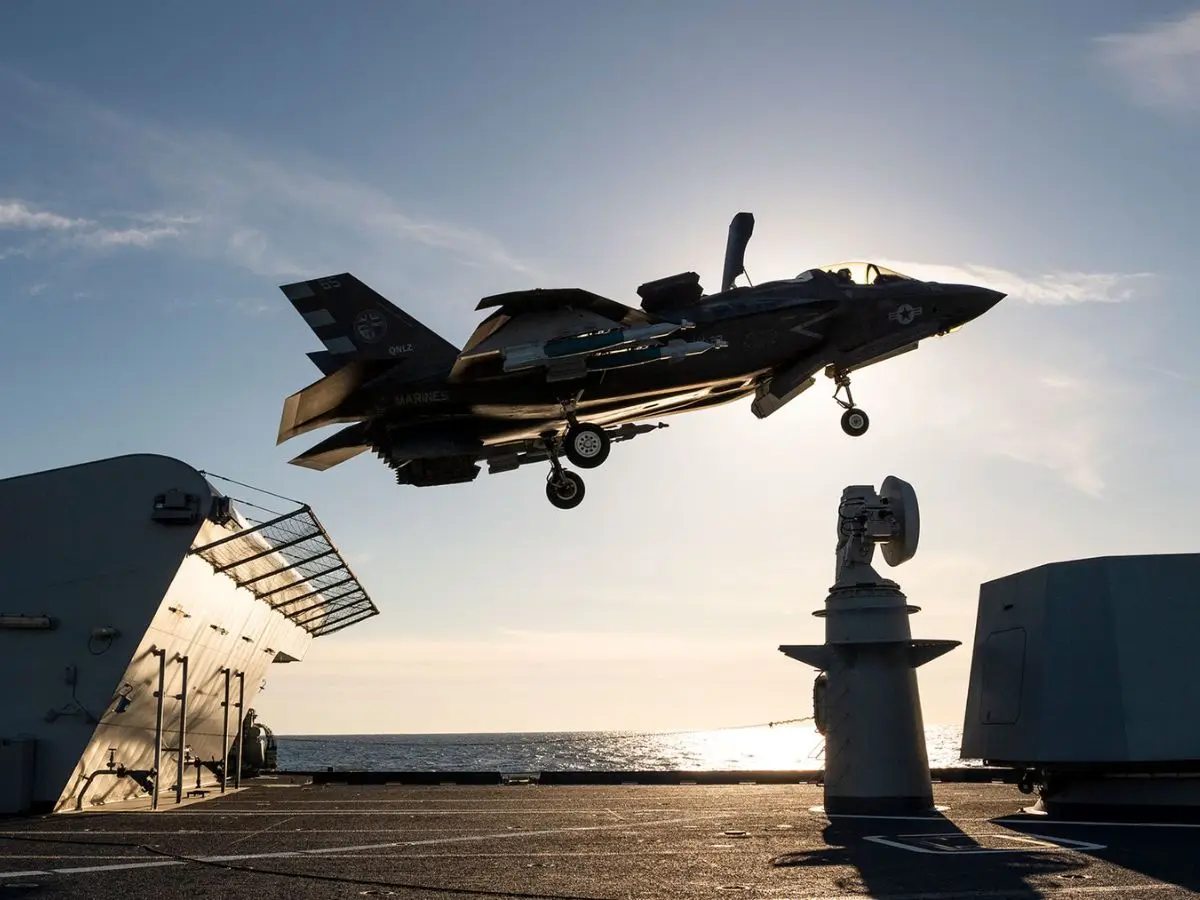
The international landscape of military procurement has undergone a seismic transition, marked by a decisive consolidation of Western influence. According to the March 2026 report by the Stockholm International Peace Research Institute (SIPRI), global arms transfers rose by 9.2 per cent, with the United States and France emerging as the primary architects of modern defence. This shift reflects a strategic realignment as nations pivot away from legacy systems toward high-specification Western technology.
The Zenith of American Military Export
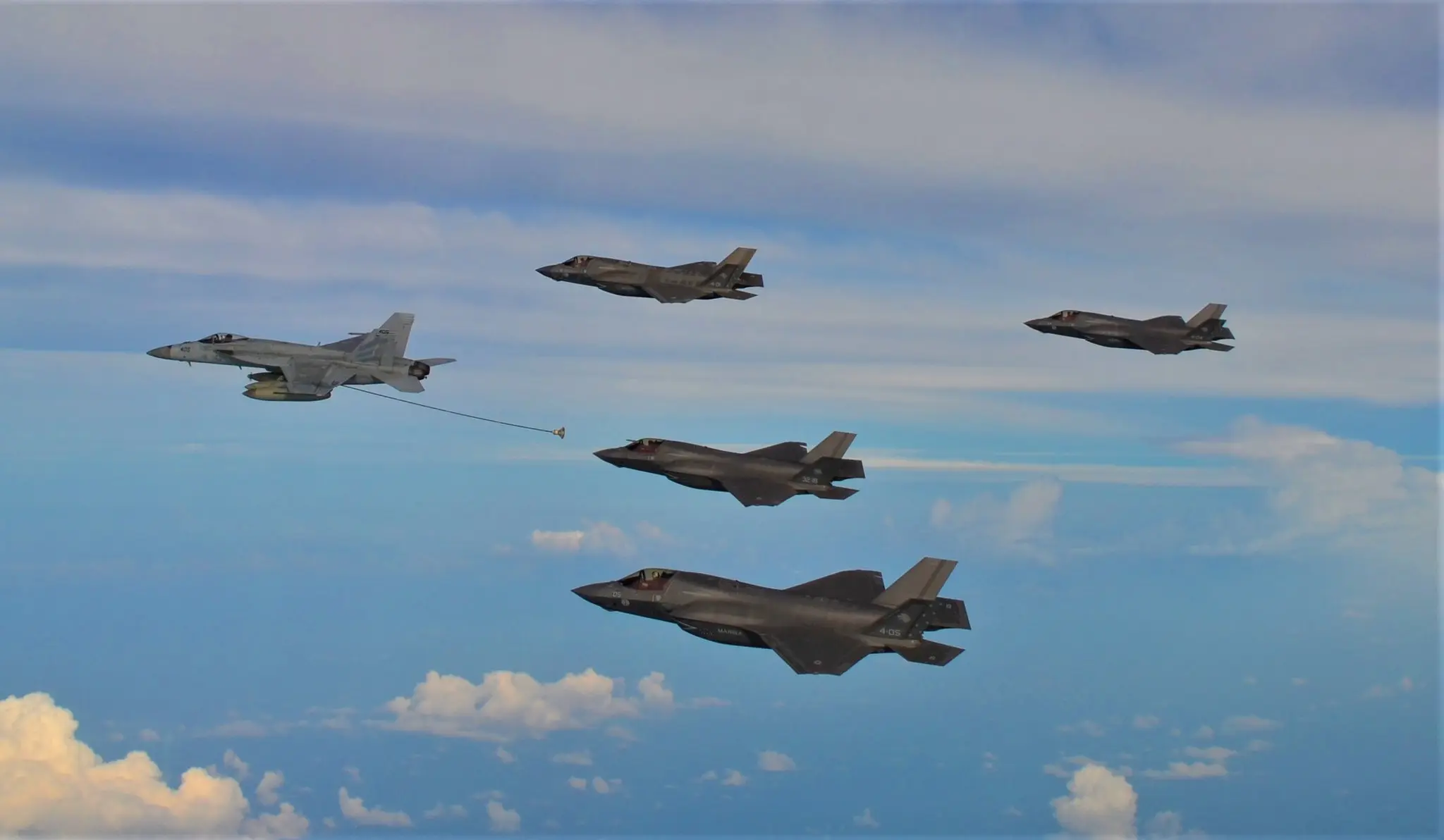
The United States has elevated its global market share to a commanding 42 per cent, a significant rise from 36 per cent in the previous five-year period. Washington’s export volume has grown by 27 per cent, ensuring that its reach is now truly peerless. As SIPRI notes, the USA’s share is now "more than the next seven largest suppliers’ shares combined," allowing it to dictate the technological standards of contemporary warfare across 99 recipient states.
The European Pivot and the F-35 Standard
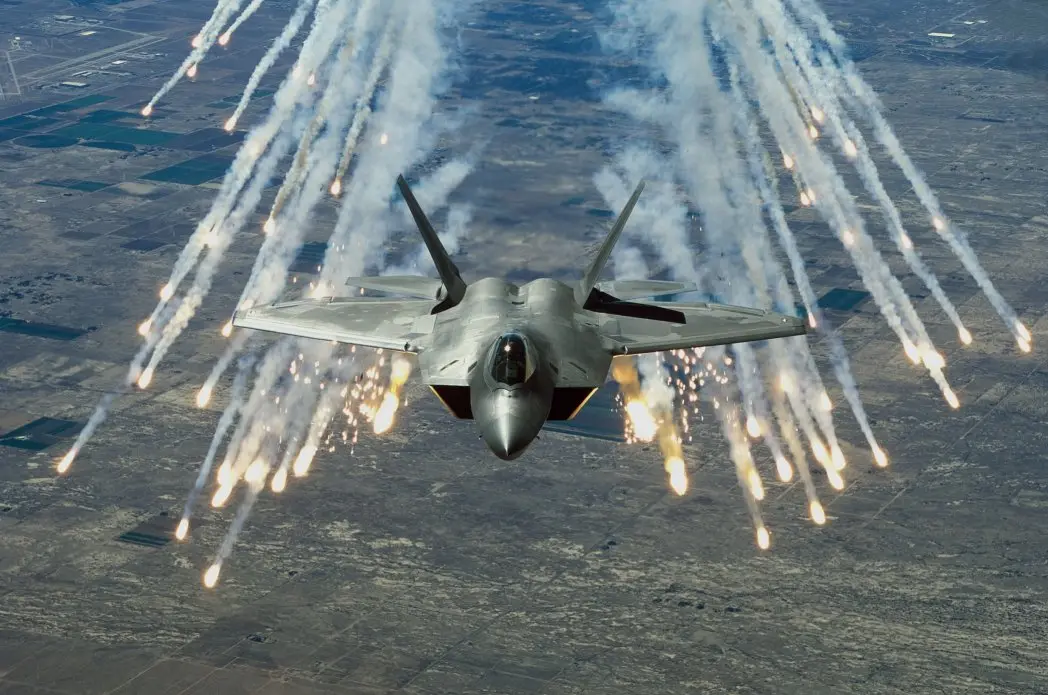
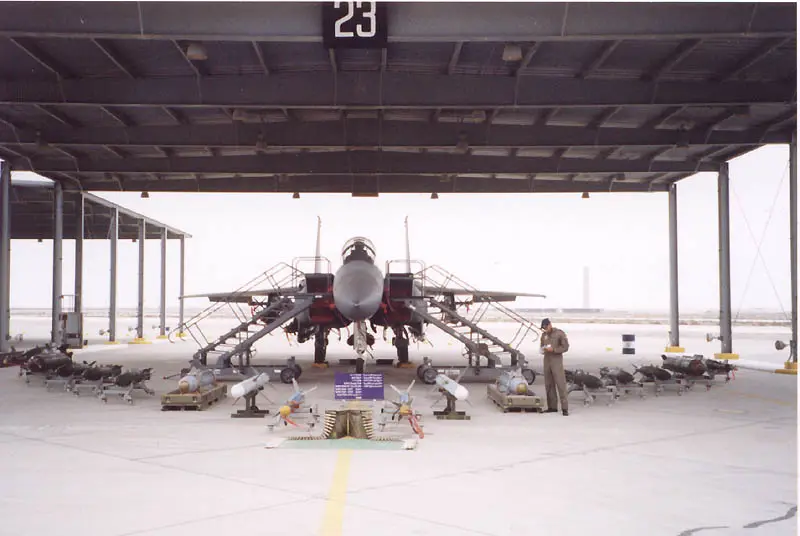
For the first time in two decades, Europe has become the primary destination for American hardware, with exports to the region trebling by 217 per cent. This surge is anchored by the F-35 stealth fighter, which has become the continental benchmark for air power. By the end of 2025, twelve European states had "a total of 466 F-35 combat aircraft on order or preselected," effectively locking these nations into a multi-decade logistical and operational dependency on Washington.
The Strategic Ascent of French Industry
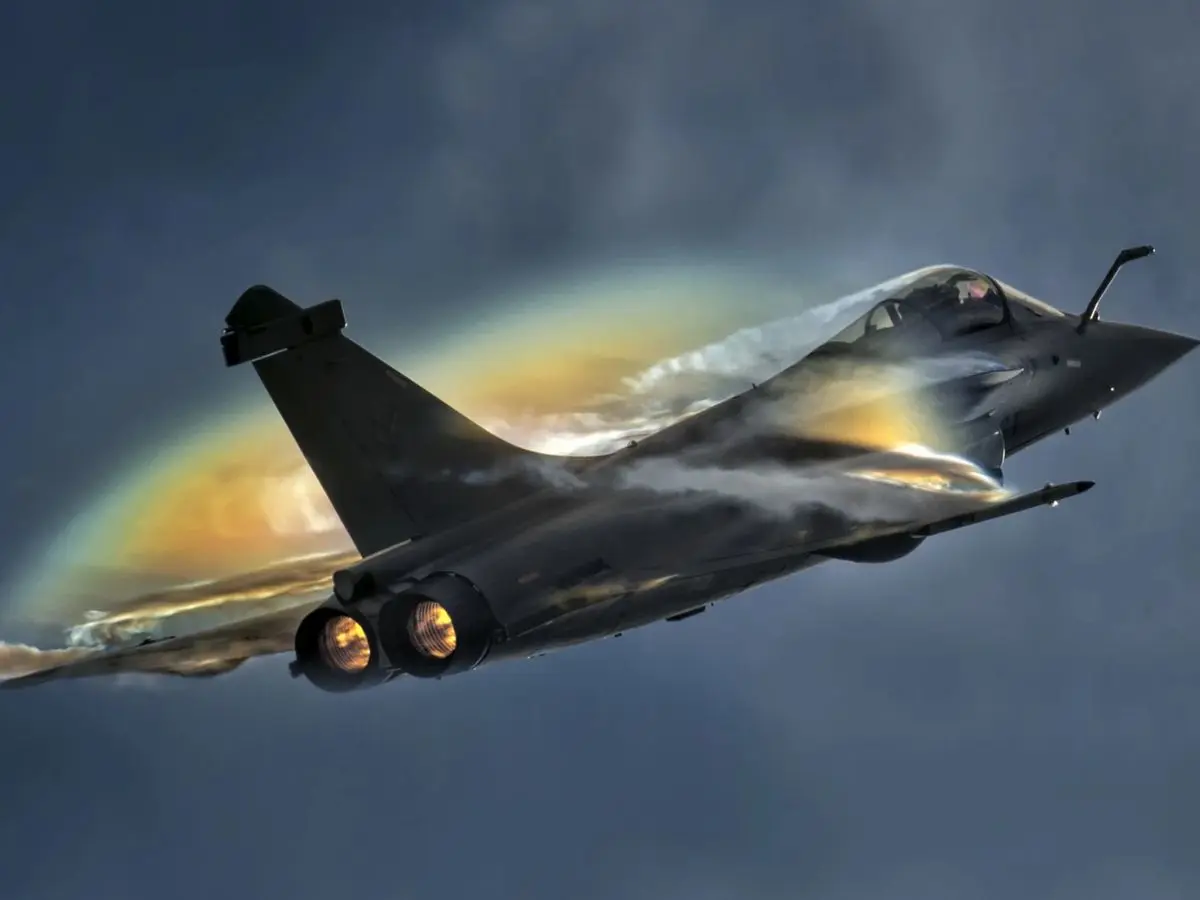
France has solidified its standing as the world’s second-largest supplier, commanding nearly 10 per cent of the global market. French success is attributed to its "strategic autonomy" model, providing advanced platforms like the Rafale jet without the stringent political caveats often attached to American sales. This has made Paris an indispensable partner for major powers, particularly India, which remains the largest recipient of French arms, accounting for 24 per cent of its exports.
The Vacuum Left by Russian Contraction
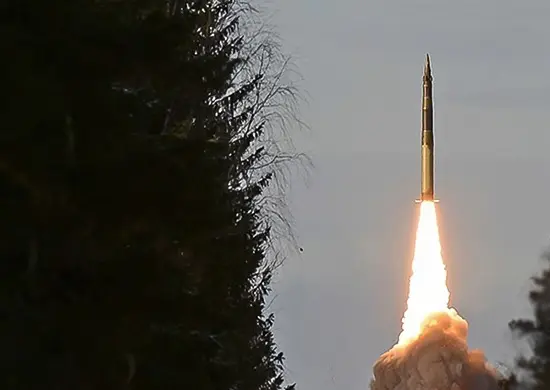
A fundamental catalyst for Western dominance is the historic collapse of the Russian defence sector. Russia’s global share plummeted from 21 per cent to a mere 6.8 per cent, representing a 64 per cent decrease in volume. SIPRI highlights that Russia was "the only supplier among the top 10 globally whose arms exports decreased." This decline has forced traditional clients to seek more reliable partners in the West to maintain their defensive edge.
Naval Innovation and Underwater Dominance
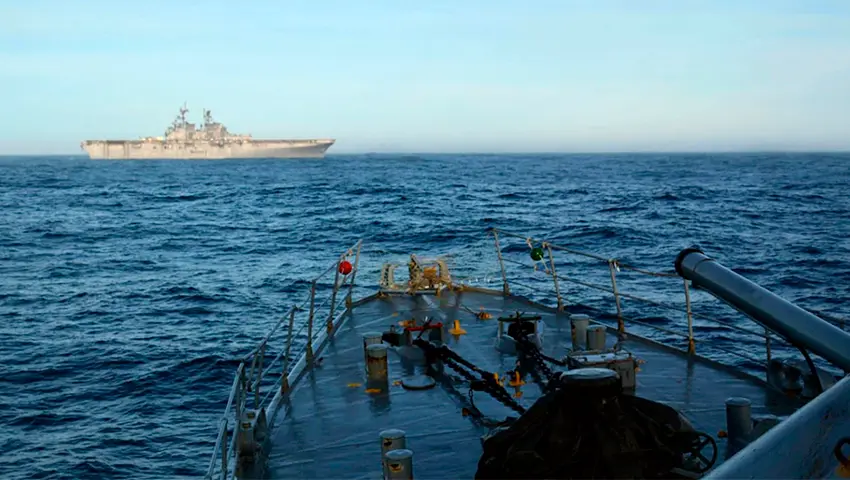
The demand for "steel and stealth" is increasingly focused on the maritime domain, specifically regarding sophisticated submarines and autonomous systems.
India’s Decisive Reorientation
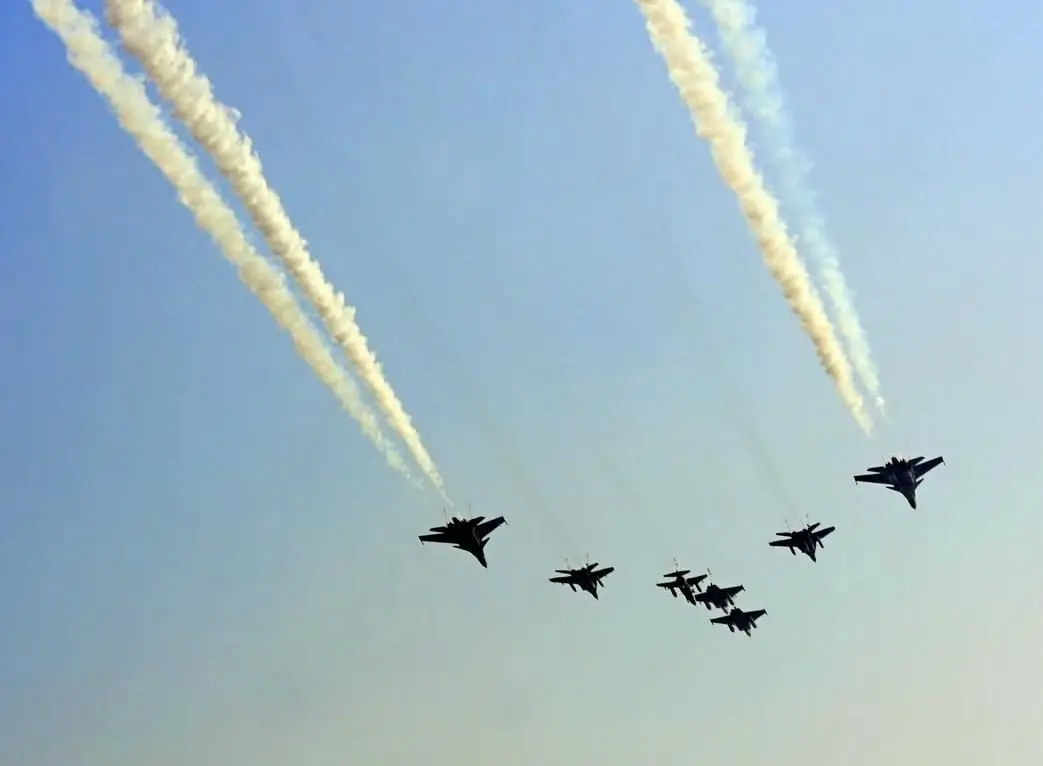
India remains a pivotal player as the world’s second-largest importer, but its dependency profile has been radically transformed. New Delhi has systematically reduced its reliance on Moscow; Russia’s share of Indian imports dropped from 70 per cent a decade ago to 40 per cent today. By diversifying towards France, Israel, and the USA, India is spearheading a global trend: a preference for Western technology that offers superior battlefield performance and robust long-term support.
The Geopolitical Imprint of Arms Transfers
Ultimately, the dominance of US and French weaponry serves as a profound tool of diplomatic alignment. As the major recipients, including Ukraine, Saudi Arabia, and Qatar, modernise their forces, they become integrated into Western technological ecosystems. This creates a self-reinforcing cycle of influence where Western platforms define the tactical realities of the next decade, ensuring that the global balance of power remains firmly tilted towards the West.
)
)
)
)
)