Why the tape used on an F-22 costs more than a Rolex watch

Specialised F-22 stealth tape costs thousands of dollars per roll, surpassing luxury Rolex prices. It seals structural seams, absorbs radar waves, and withstands Mach 1.5 supercruise heat.
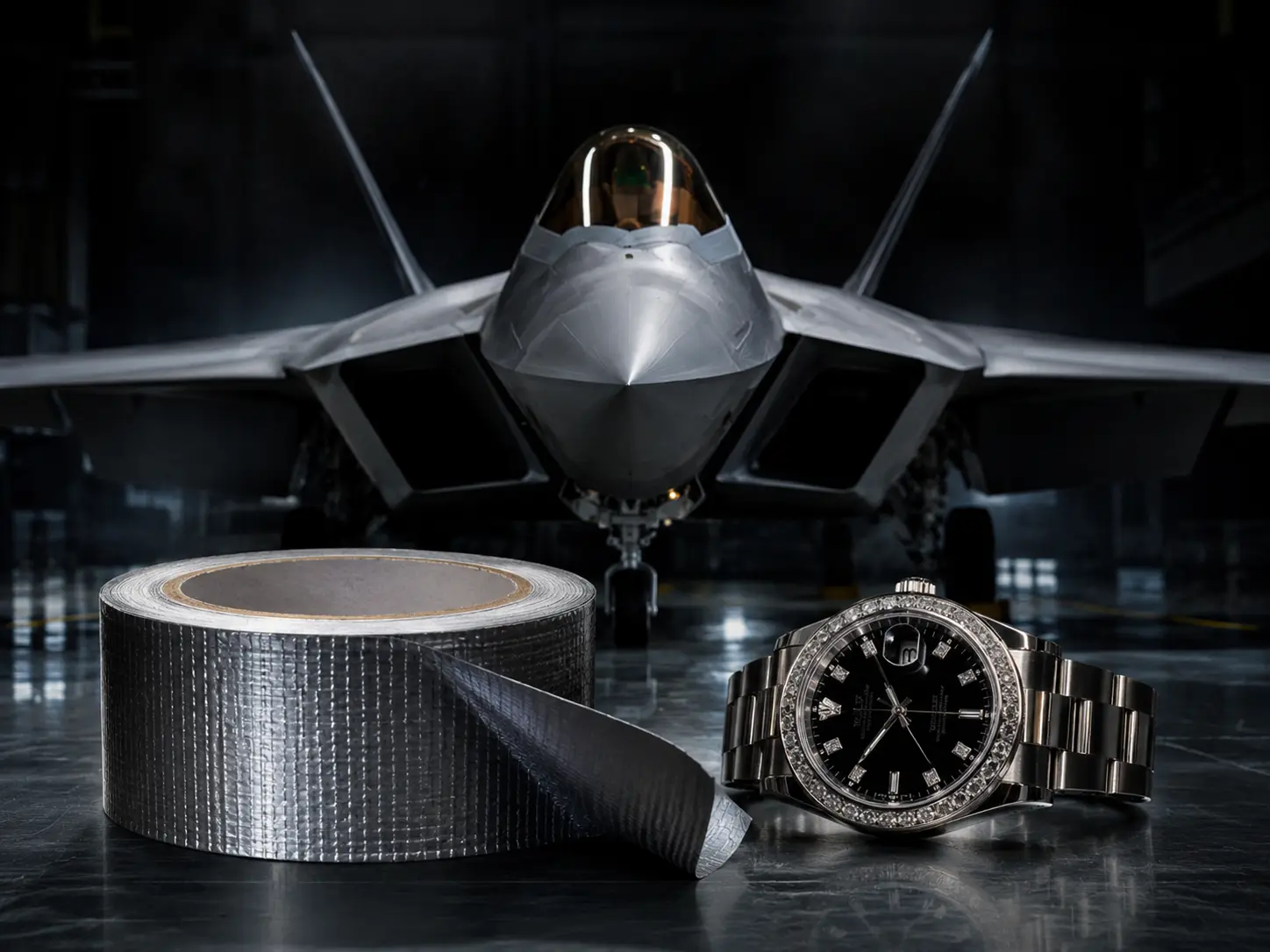
Exceeds $7,000 per roll
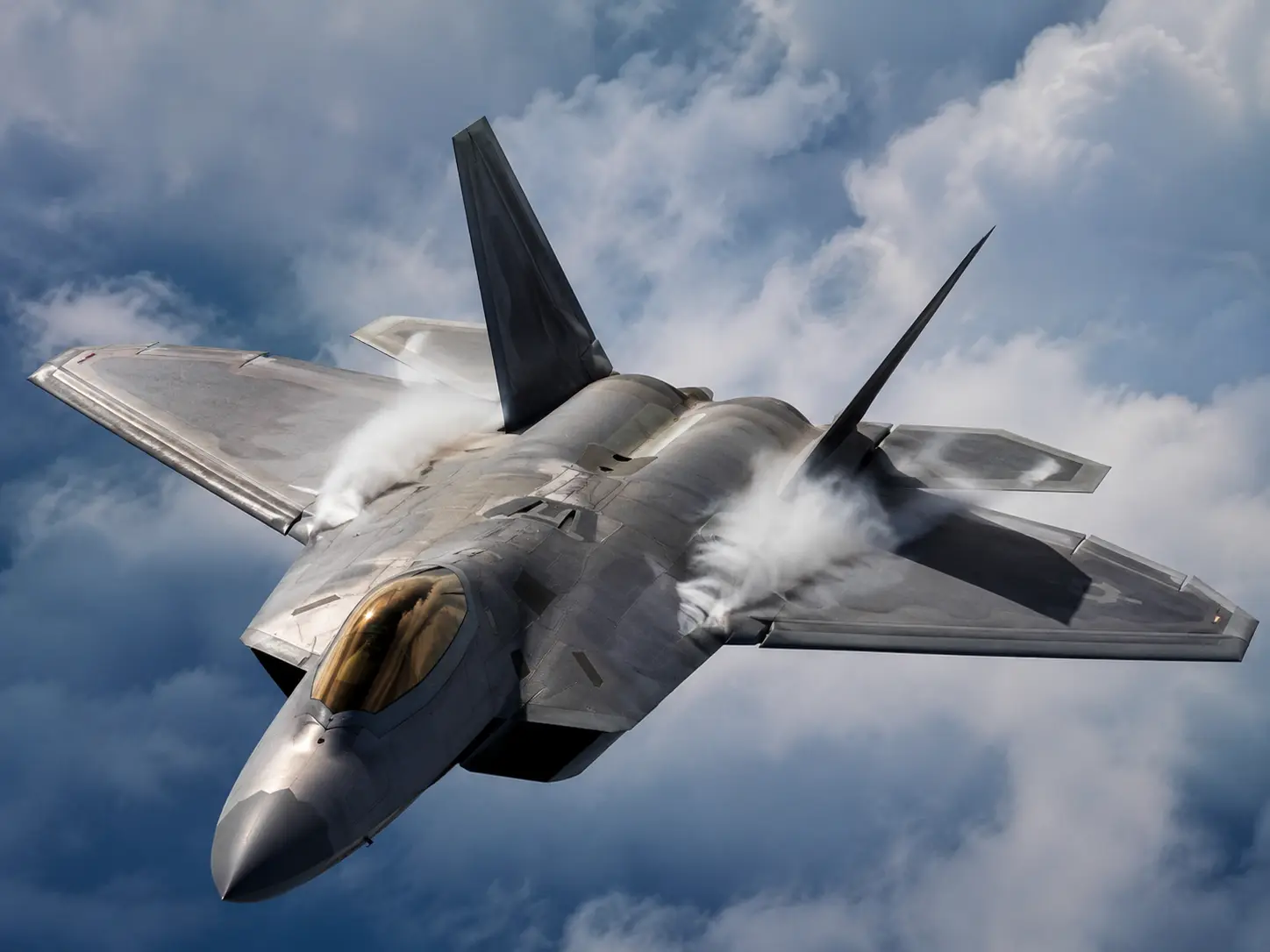
To maintain its radar-evading profile, the Lockheed Martin F-22 Raptor relies on specialised gap-sealing tape that costs several thousand dollars per custom roll. This sophisticated aerospace adhesive routinely exceeds the retail price of entry-level luxury Rolex watches, making it one of the most expensive synthetic materials in military aviation.
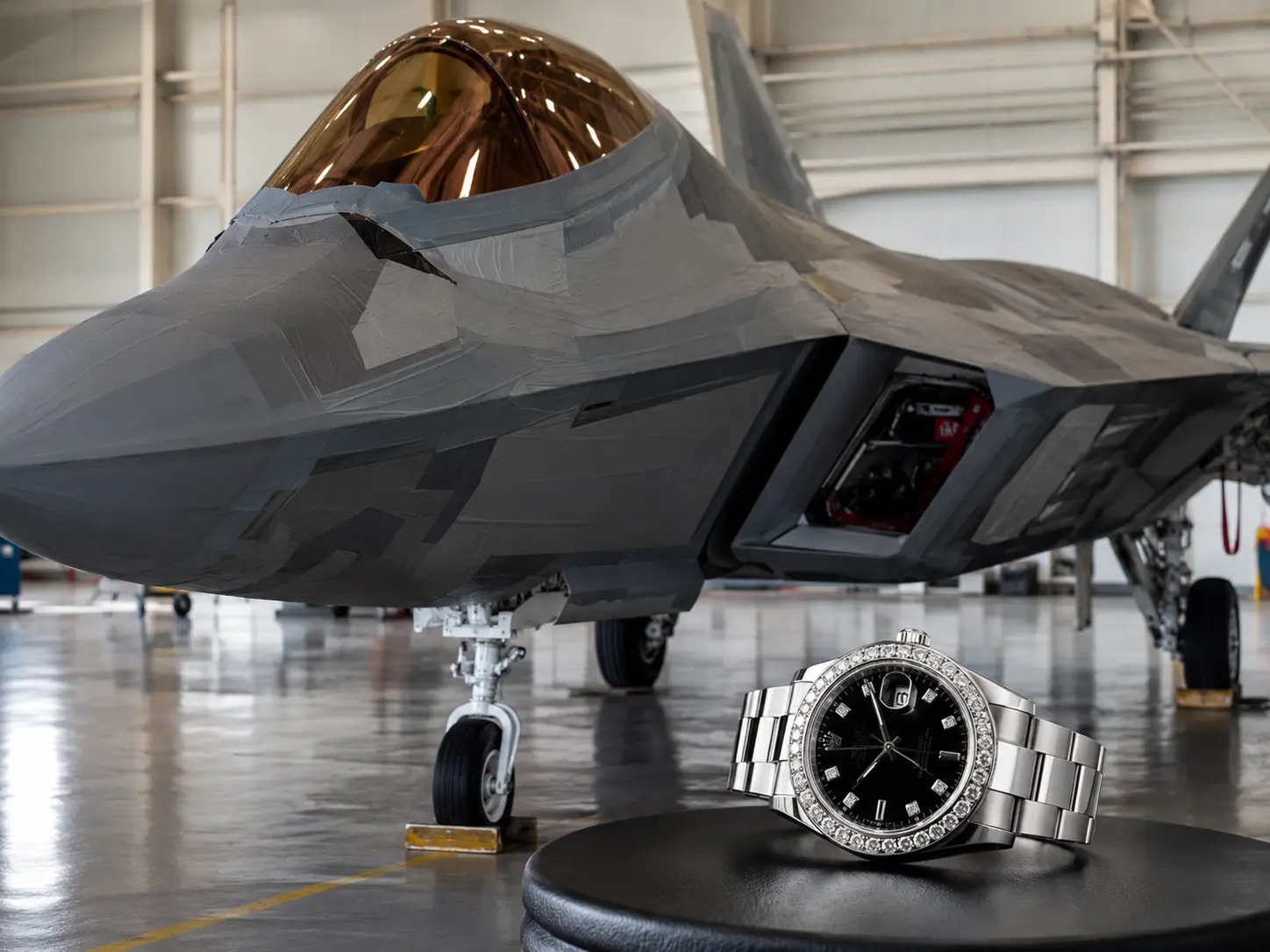
Seals 100 structural seams
Minor surface gaps around removable maintenance access panels and weapon bays can reflect incoming tracking radar waves. Technicians meticulously apply this conductive tape across hundreds of structural seams and screw heads, ensuring the jet's titanium and composite exterior skin remains completely uniform and electrically continuous during frontline combat sorties.
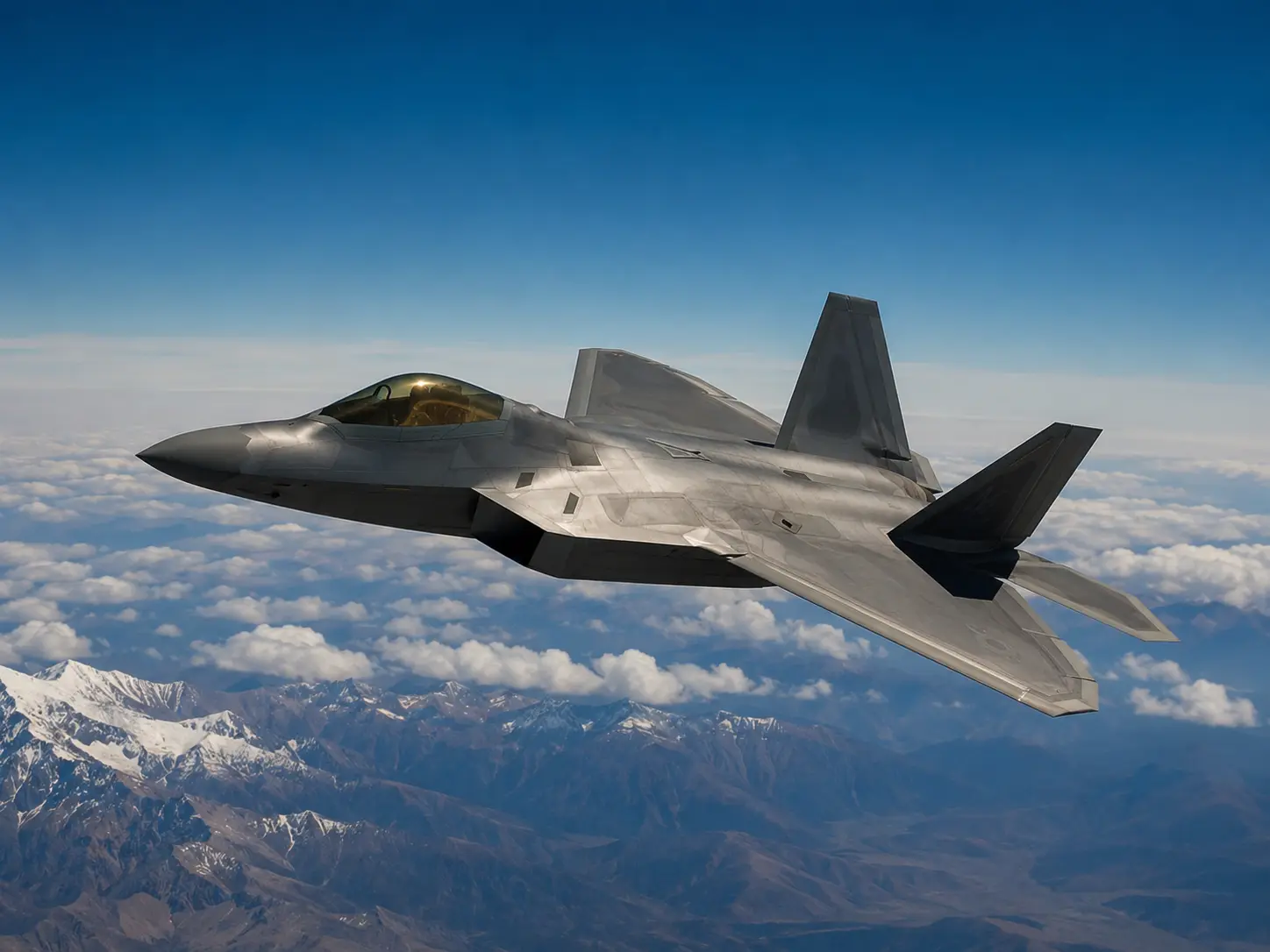
Endures Mach 1.5 friction
Commercial aviation speed tapes instantly peel or burn away when subjected to extreme aerodynamic stress. Because the F-22 supercruises at speeds exceeding Mach 1.5 without using afterburners, its gap-sealing tape is engineered with advanced elastomeric polymers that endure searing atmospheric friction and thermal loads along the airframe's leading edges.
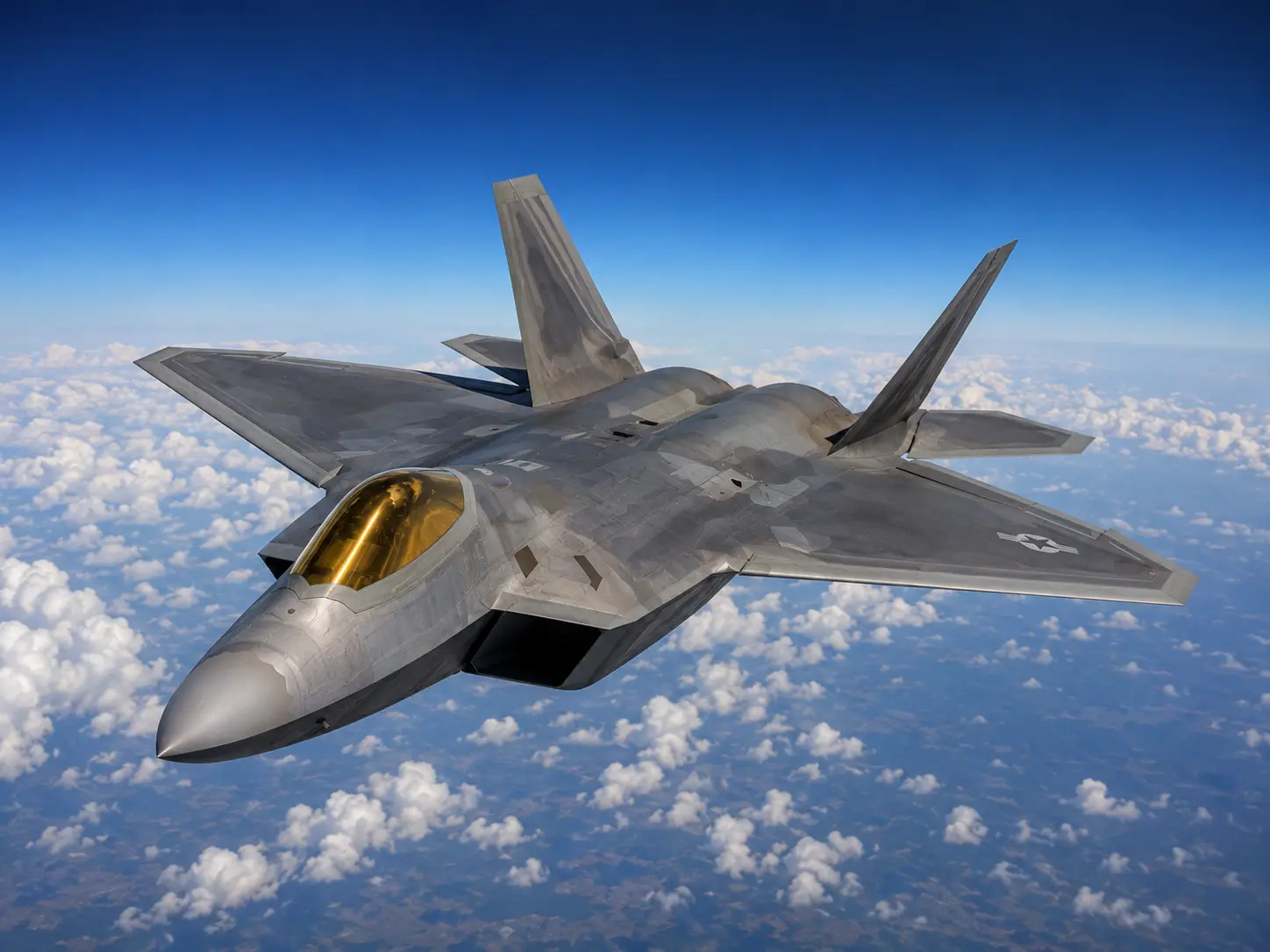
Reduces 0.0001 sqm signature
Without these sophisticated seam adhesives, the Raptor's minimal radar cross-section—widely estimated at roughly 0.0001 square metres, equivalent to a bumblebee—would be severely compromised. The conductive tape prevents surface electrical currents from scattering tracking si
Saves 30 maintenance hours
Preserving legacy stealth finishes historically required up to 30 hours of ground maintenance for every single flight hour. Deploying durable, pre-cured composite tapes allows ground crews to swiftly restore access panel boundaries in operational environments, bypassing the lengthy process of respraying liquid topcoats inside expensive climate-controlled hangars.
)
)
)
)
)