Why 'NG' variant of India’s BrahMos cruise missile is smaller and lighter?

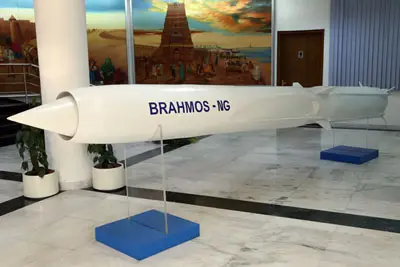
The BrahMos-NG is a lighter (approx. 1.3 tonnes), more compact version of the standard 3-tonne missile, designed for enhanced stealth and versatility across platforms like the Tejas and Su-30MKI. It retains supersonic speed (Mach 2.8+) and a 200-300 kg warhead for precision strikes.
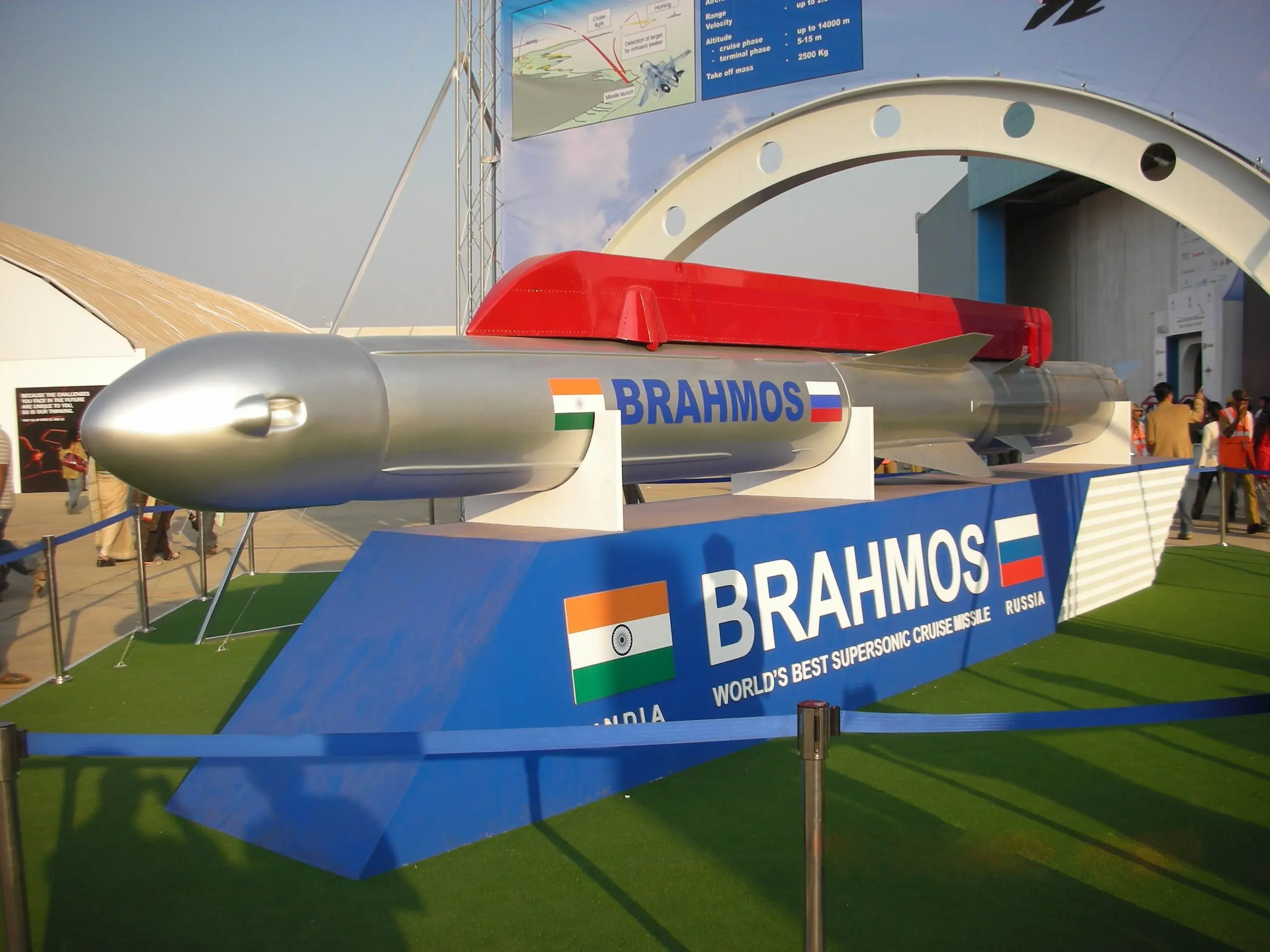
BrahMos NG Overview - 1.3 Tonne Compact Lightweight Variant
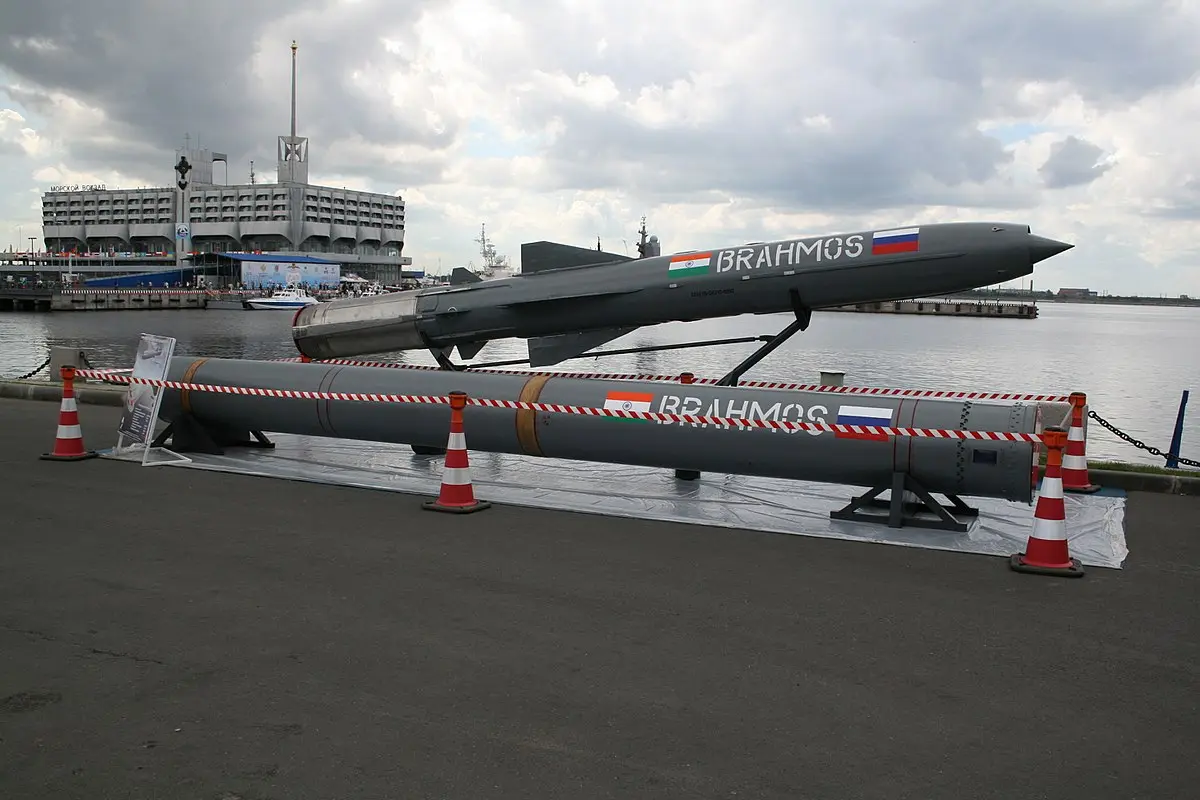
BrahMos NG represents next-generation compact variant weighing approximately 1.3 tonnes compared to standard 3-tonne missile while maintaining Mach 2.8+ supersonic performance. NG lightweight design enables integration with Tejas indigenous fighter jet and Su-30MKI advanced fighter platforms previously unable to carry standard 3-tonne missile weight. Compact dimensions reduce overall missile length and diameter enabling weapon bay integration within fighter aircraft hardpoint limitations. NG development driven by requirement for air-launched supersonic cruise missile capability from modern fighter platforms expanding operational deployment flexibility and tactical advantages.
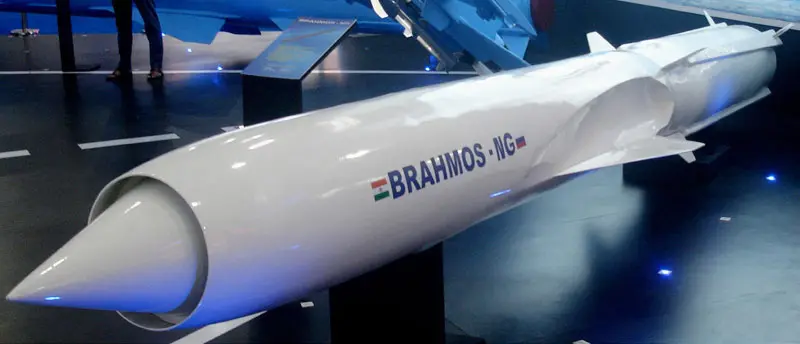
Weight Reduction Technology - Advanced Composite Materials
BrahMos NG achieves 1.3-tonne weight through extensive use of advanced composite materials replacing conventional metal structures throughout missile airframe. Carbon fibre and advanced polymer composites reduce structural weight by approximately 56 percent compared to standard 3-tonne variant while maintaining rigidity under supersonic flight stresses at Mach 2.8+ speeds. Composite material substitution enables compact configuration compatible with fighter aircraft hardpoint limitations reducing structural mass without compromising reliability. Advanced materials withstand extreme temperatures and pressures enabling sustained supersonic cruise maintaining operational performance throughout extended flight envelope.
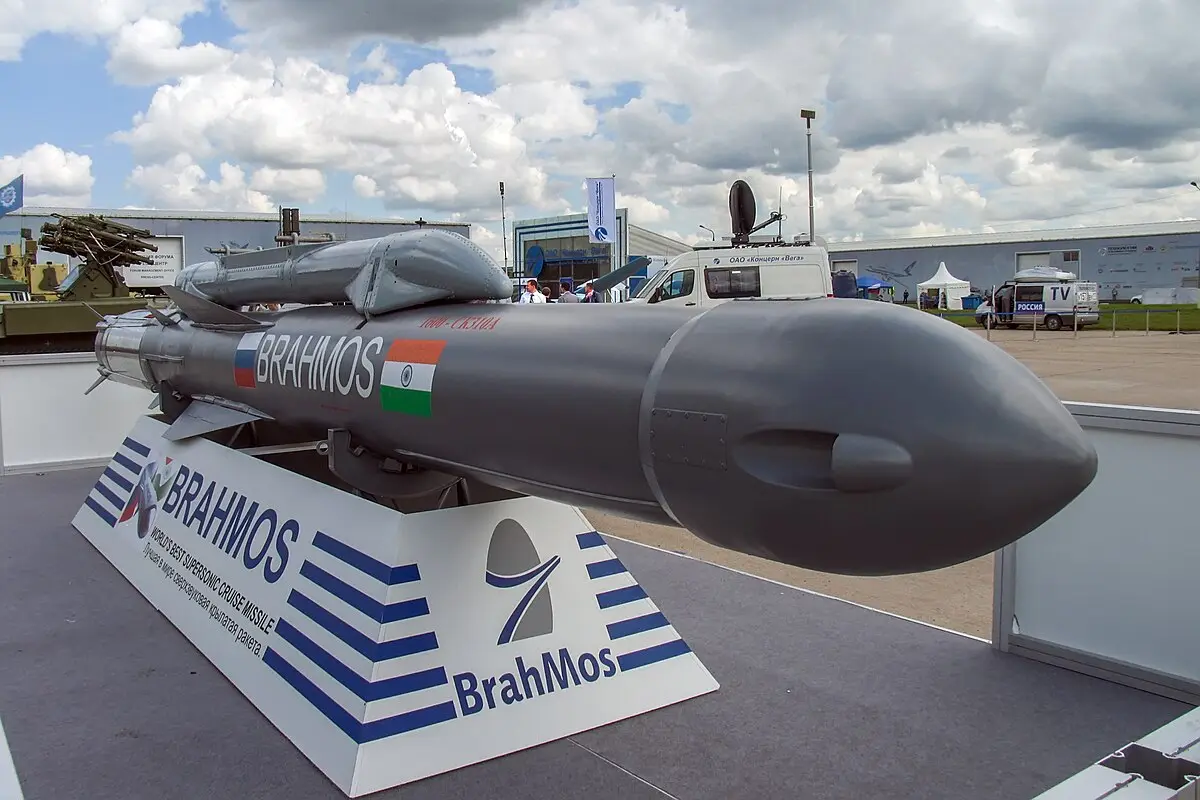
Compact Design - Optimised Internal Architecture
BrahMos NG features redesigned internal architecture optimising component arrangement within 1.3-tonne lightweight envelope maintaining fuel capacity and guidance system functionality. Refined fuel tank configuration reduces overall missile length while maintaining sufficient fuel for extended operational range. Miniaturised guidance systems and navigation components integrate within compact body enabling advanced autonomous navigation throughout mission. Streamlined ramjet engine integration maintains thrust performance within reduced missile dimensions enabling sustained Mach 2.8+ cruise from lightweight platform.
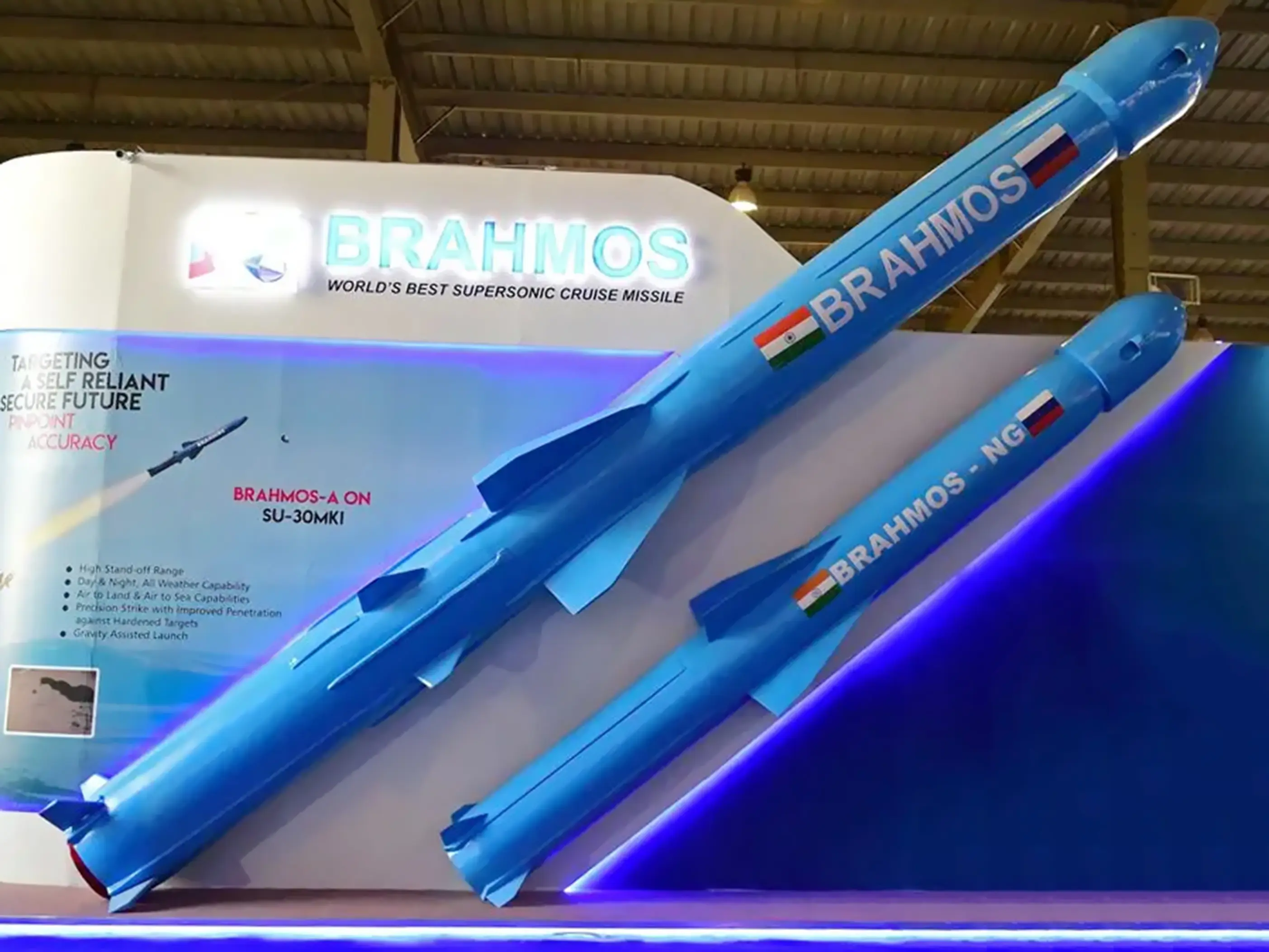
Enhanced Stealth Characteristics - Reduced Observable Signature
BrahMos NG incorporates enhanced stealth features through refined aerodynamic design and composite materials reducing radar cross-section compared to standard 3-tonne missile. Compact design reduces overall missile profile improving low-observable characteristics enabling penetration of advanced air defence systems. Streamlined airframe shape minimises radar reflection and thermal signature enhancing survivability during cruise phase. Stealth enhancements combined with Mach 2.8+ supersonic speed provide tactical advantage enabling rapid target engagement while maintaining survivability against sophisticated defence systems.
Warhead Capability - 200-300 kg Precision Strike Payload
BrahMos NG carries 200-300 kg conventional warhead maintaining precision strike capability despite 1.3-tonne lightweight design. Optimised warhead configuration focuses on penetration and accuracy rather than blast radius providing effective target destruction against hardened installations and maritime vessels. Warhead weight proportional to 1.3-tonne missile mass enabling destruction of strategic targets while preserving compact form factor. Advanced explosive formulation and design optimisation maintain destructive effectiveness enabling successful mission prosecution from fighter aircraft platforms.
Fighter Aircraft Integration - Tejas and Su-30MKI Deployment
BrahMos NG 1.3-tonne lightweight design enables integration with HAL Tejas indigenous fighter jet and Sukhoi Su-30MKI advanced fighter platforms previously unable to carry standard 3-tonne missile. Reduced missile weight enables safe deployment from fighter hardpoints within structural stress limitations allowing multiple weapon carriage options during single sortie. Air-launched NG variant capability expands tactical flexibility enabling rapid response from airborne platforms reducing deployment time compared to ground-based systems. Fighter aircraft deployment provides platform mobility and tactical surprise advantages enabling strategic advantages in modern warfare scenarios.
Performance Maintenance - Mach 2.8+ Speed and Operational Range
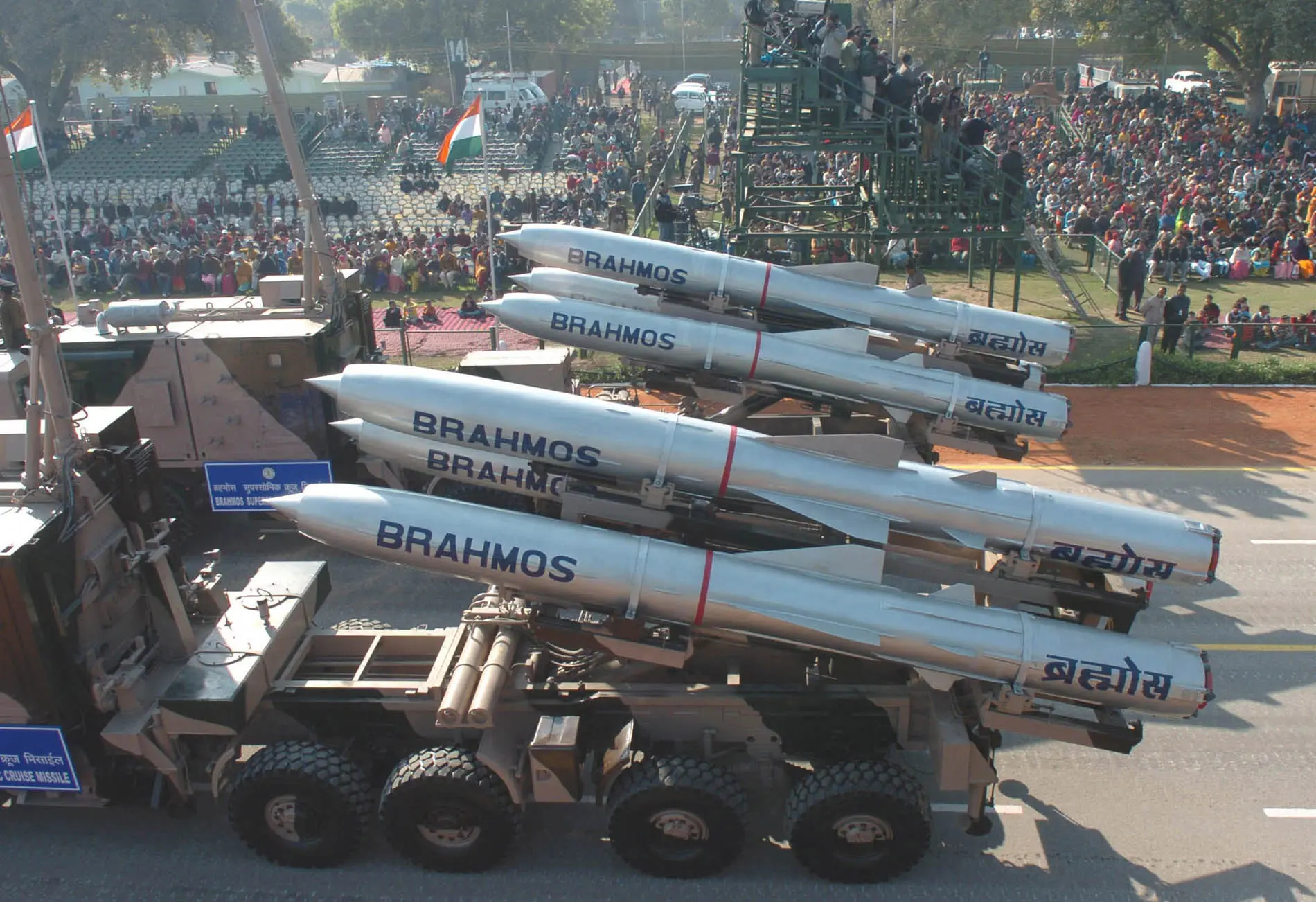
BrahMos NG maintains Mach 2.8+ supersonic speed despite 1.3-tonne lightweight design through optimised ramjet engine efficiency and refined aerodynamic design. Lighter weight reduces inertial mass enabling efficient acceleration to supersonic speeds from fighter aircraft launch platform. Sustained cruise at Mach 2.8+ achieved through improved engine efficiency compensating for compact fuel tank capacity. Performance retention ensures NG variant provides equivalent tactical advantage as standard missile in target engagement scenarios enabling precision strikes from mobile fighter platforms.
)
)
)
)
)