Why the F-35 fighter jet makes no sonic boom at certain angles

The F-35's sonic boom varies by altitude, angle, and manoeuv res. Higher flight and streamlined design weaken the boom, while stealth limits restrict prolonged supersonic use, often eliminating booms entirely.
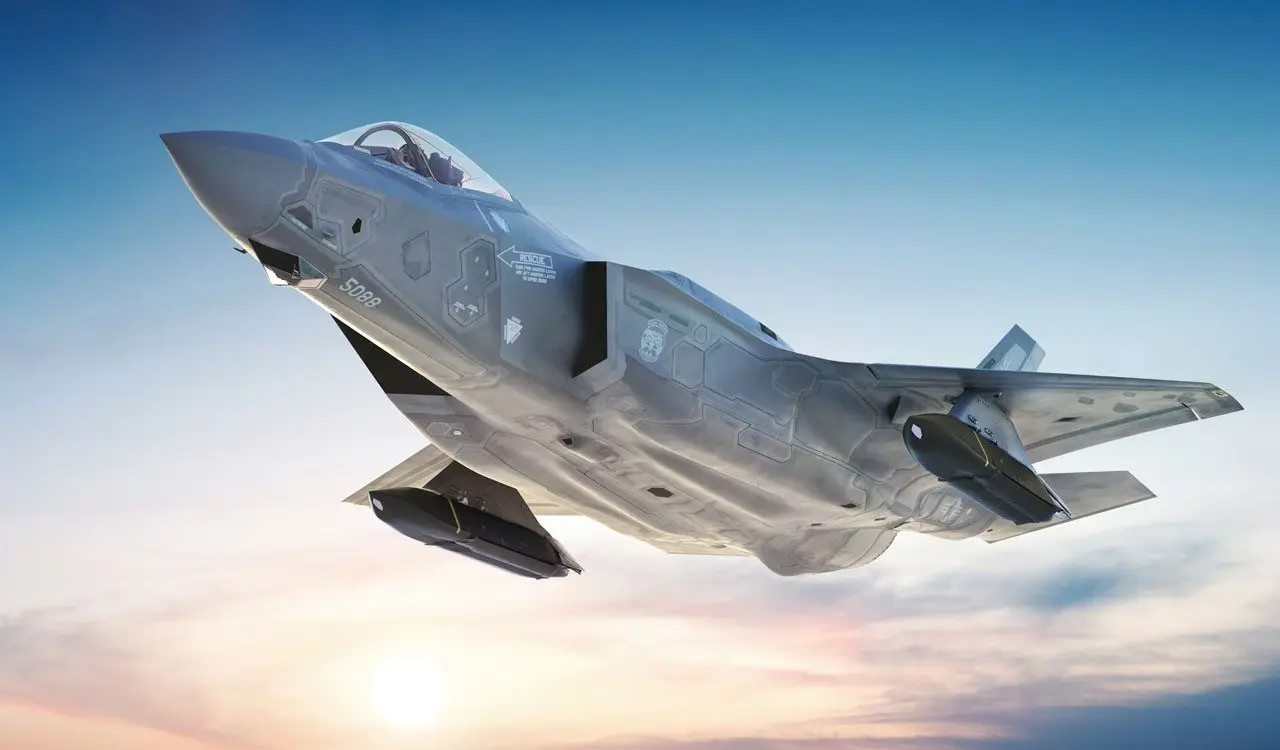
What Creates a Sonic Boom?
When an aircraft exceeds the speed of sound (around 750 mph at sea level), it creates pressure waves that merge into shock waves. These waves reach the ground as a loud double boom, with sound levels reaching up to 200 decibels.
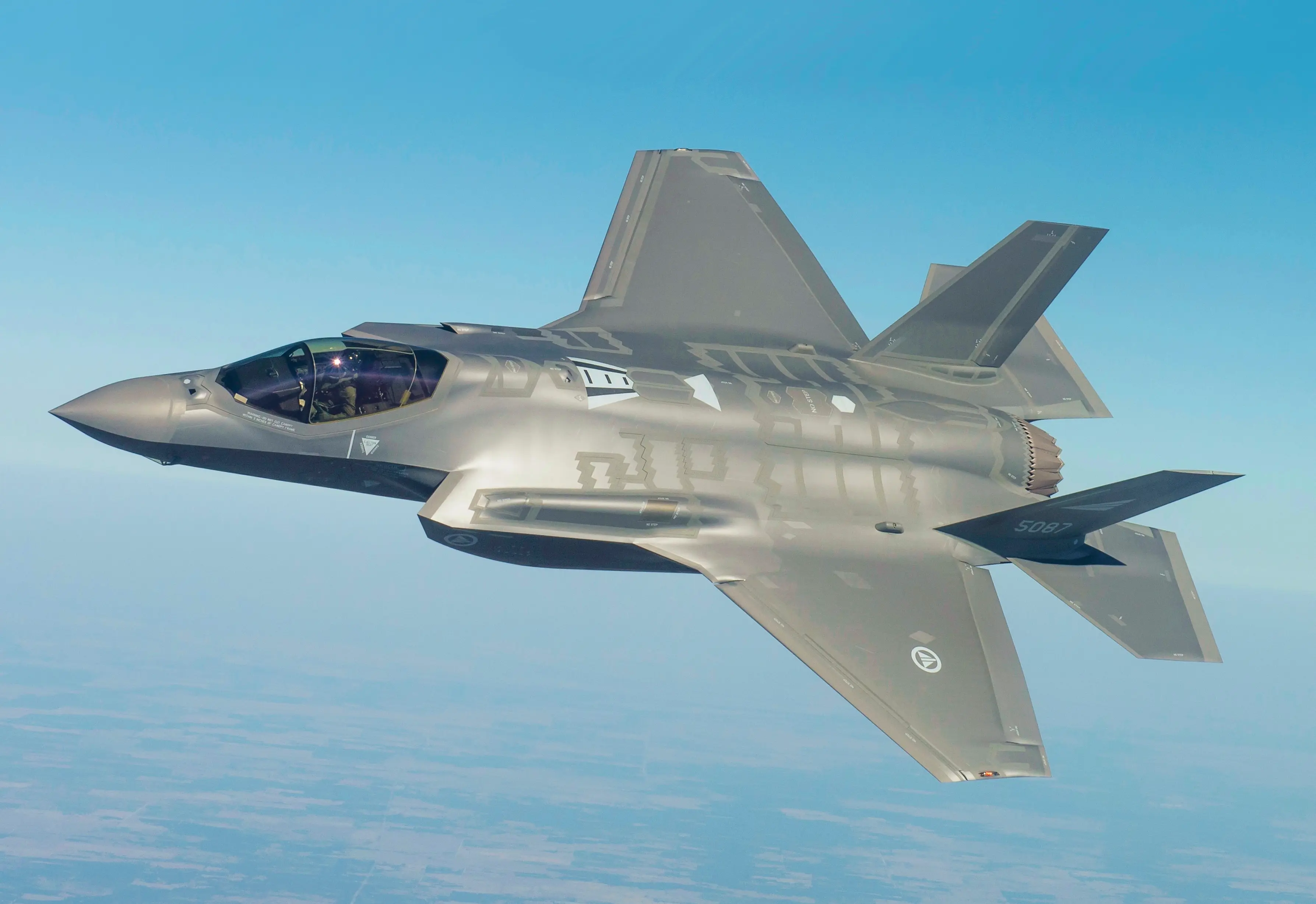
Boom Intensity Depends on Angle and Altitude
The sonic boom is loudest directly beneath the aircraft's flight path. At higher altitudes, the boom spreads over a wider area but becomes weaker. For every 1,000 feet of altitude, the boom spreads about one mile laterally.
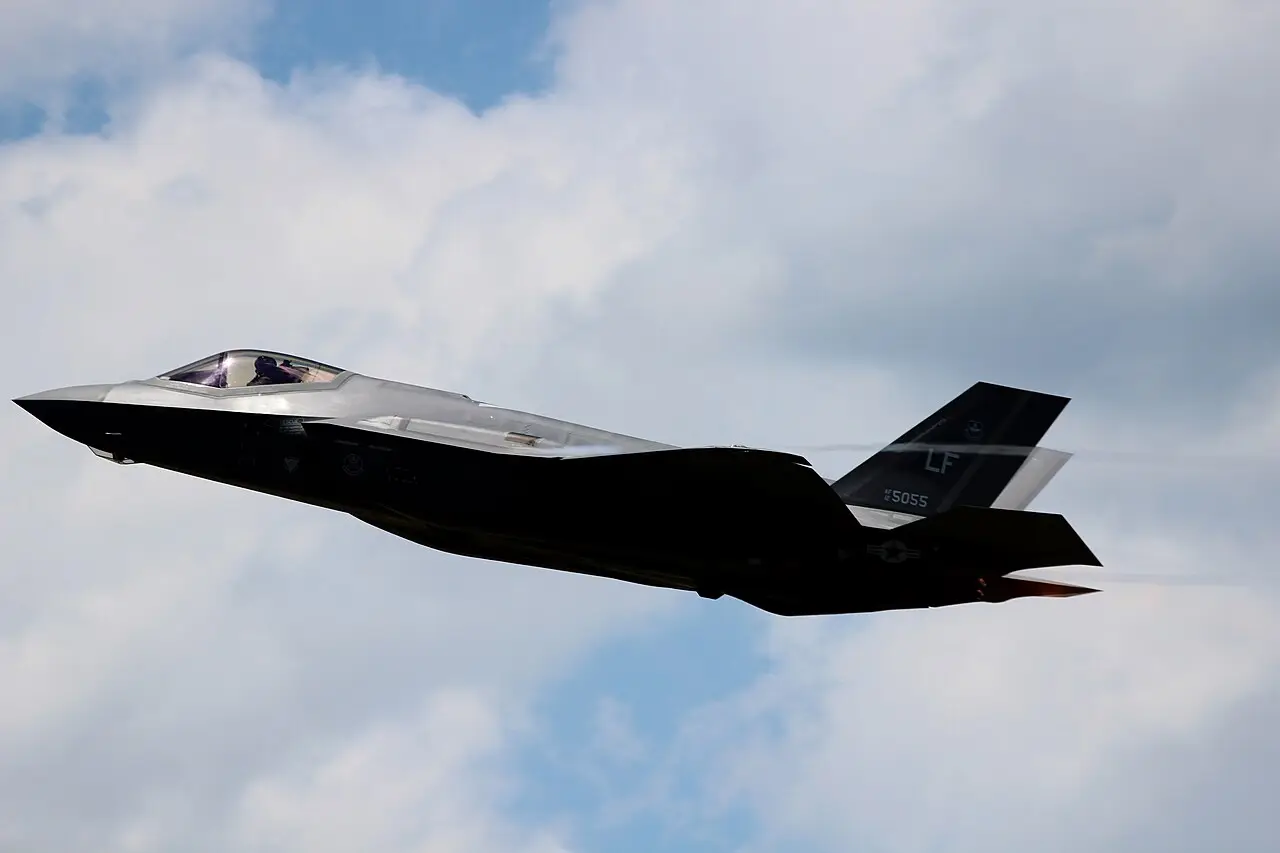
Aircraft Shape Affects Boom Strength
The F-35's streamlined design and area rule shaping help distribute shock waves more evenly. This reduces the intensity of the boom compared to older aircraft with less aerodynamic designs.
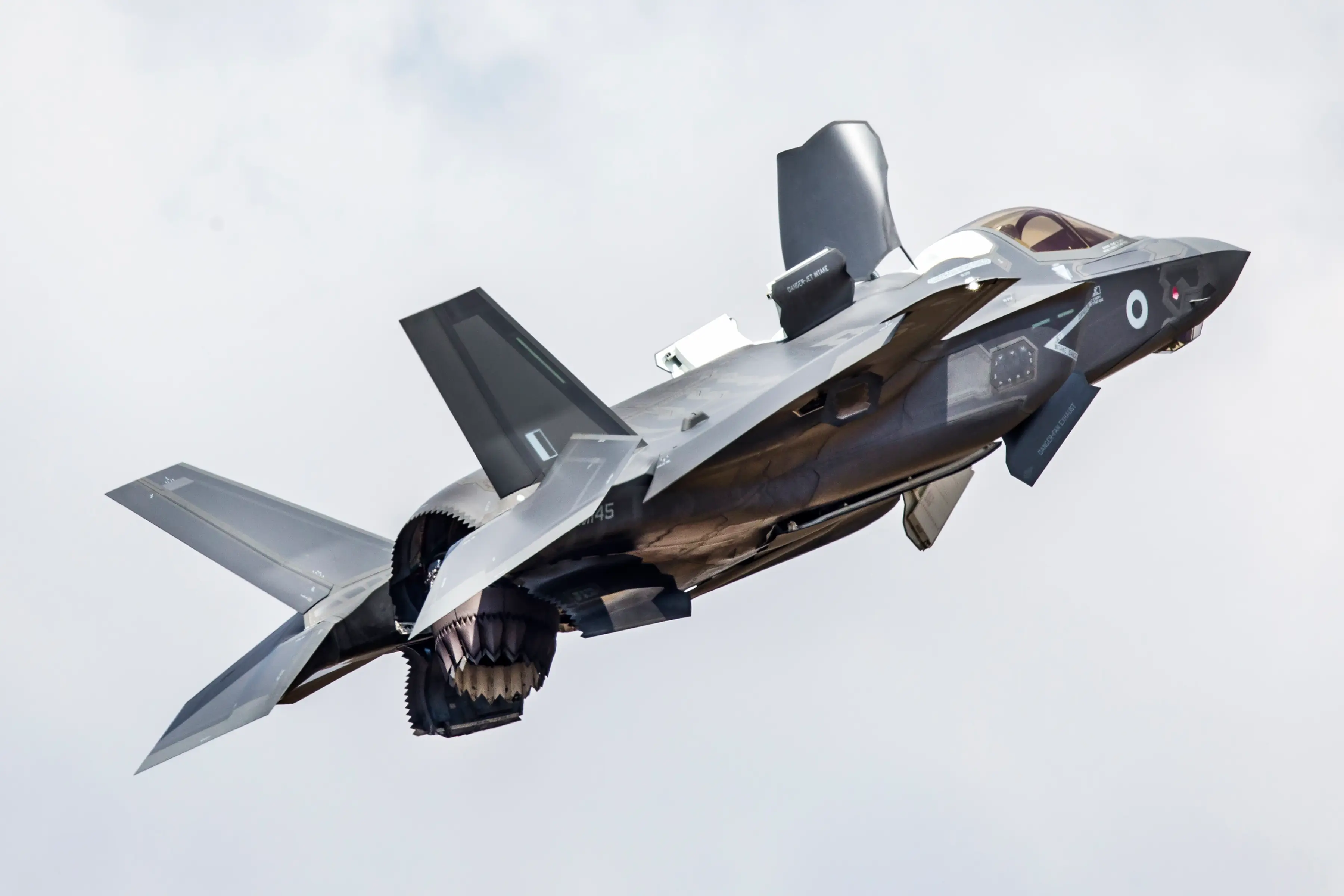
Higher Altitudes Produce Softer Booms
Above 40,000 feet, sonic booms become significantly weaker as shock waves dissipate through the atmosphere. The F-35 often operates at high altitudes where ground-level boom intensity is minimal.
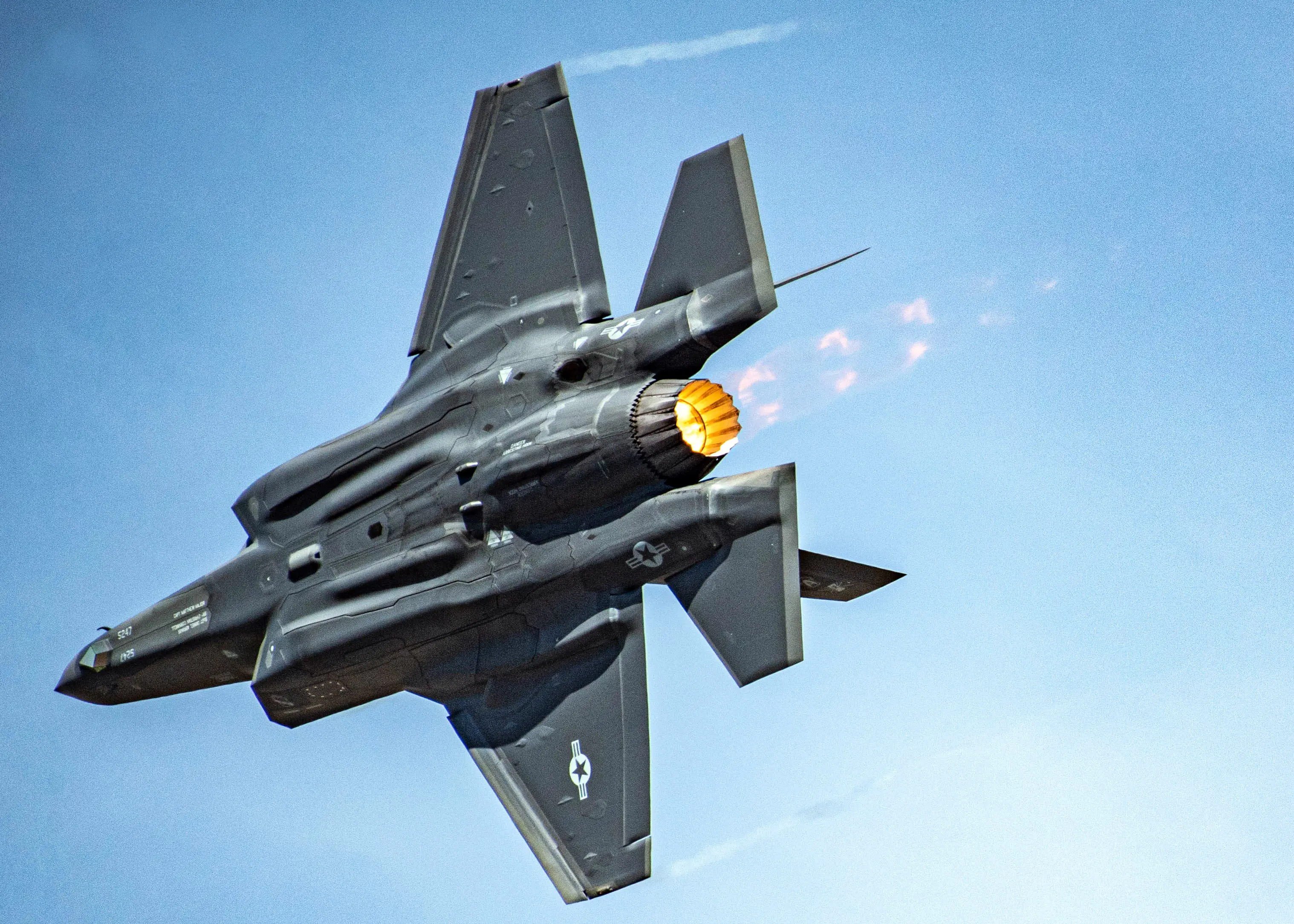
Manoeuv ring Changes Boom Pattern
When the F-35 turns or changes angle, the pressure distribution shifts, altering the boom's shape and direction. At certain angles, the boom can be directed away from ground observers, making it inaudible from specific locations.
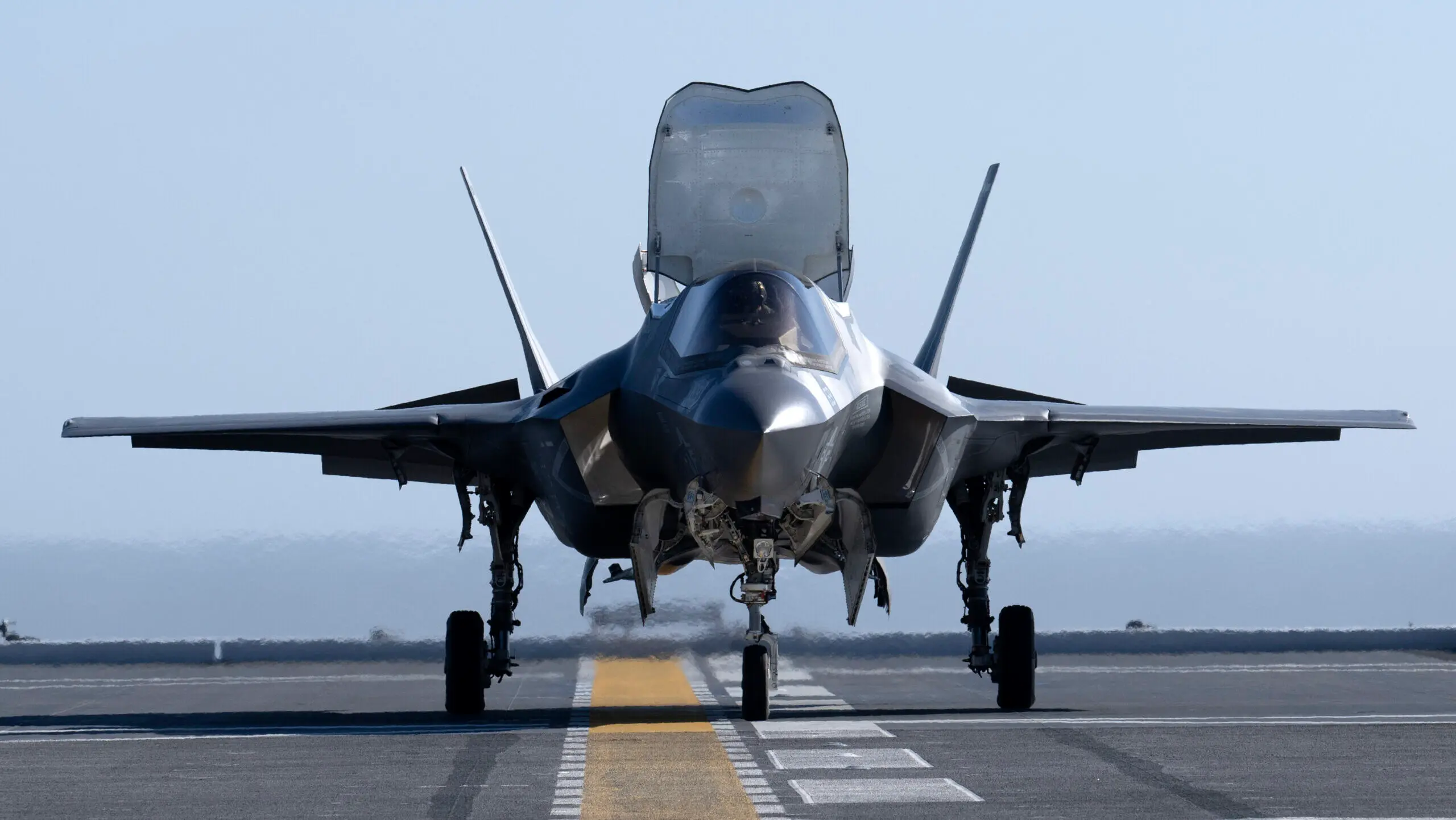
Stealth Design Limits Supersonic Use
The F-35's stealth coating can be damaged by prolonged supersonic flight due to heat and stress. The Pentagon restricts extended supersonic operations, meaning the jet often flies below the sound barrier, producing no boom at all.
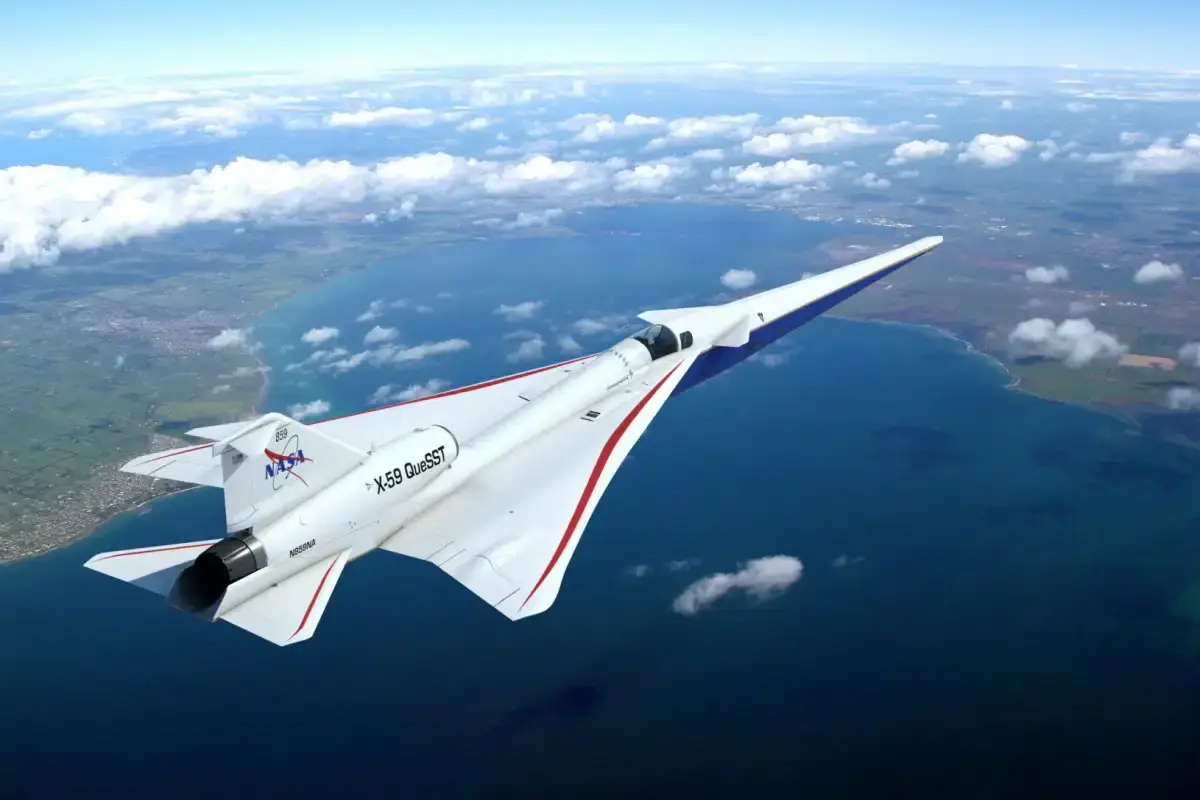
Future of Quiet Supersonic Flight
NASA's X-59 aircraft demonstrates that specialized shaping can reduce sonic booms to quiet thumps. Future fighter designs may incorporate similar technologies to minimise noise pollution during supersonic operations.
)
)
)
)
)