Why the F-22 fighter jet's special grey paint starts to peel in high humidity

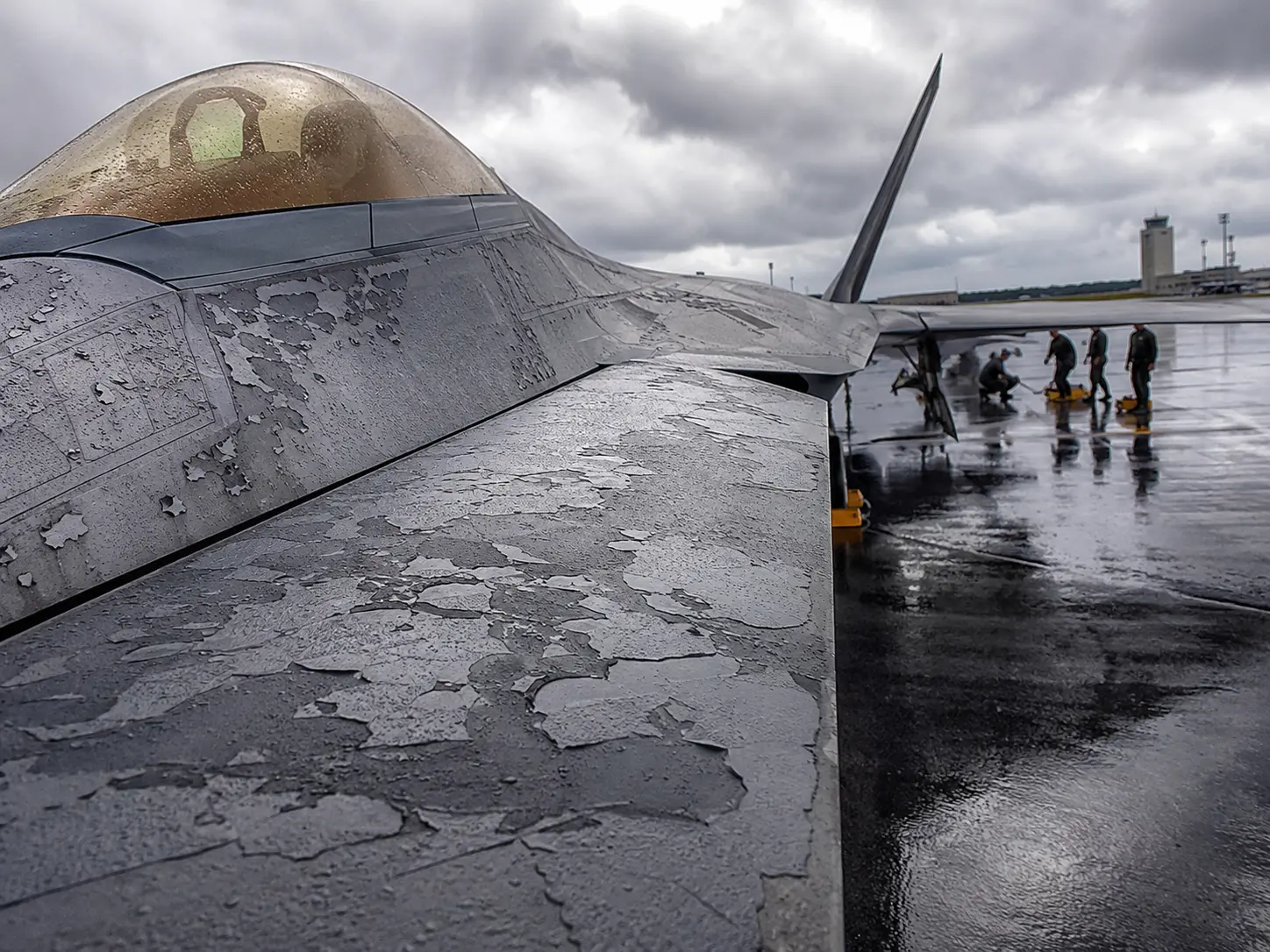
High tropical humidity seeps under F-22 stealth skins, weakening adhesives. Supersonic friction turns this trapped moisture into steam, causing the paint to blister and peel.
Moisture Invading Microscopic Seams
The F-22 Raptor is wrapped in a specialised radar-absorbing material glued over its titanium and composite airframe. This stealth outer layer is porous at a microscopic level. When operating in tropical zones with humidity exceeding 80 per cent, water vapour slowly seeps into the tiny seams where exterior access panels meet.
Dissolving Beneath The Skin
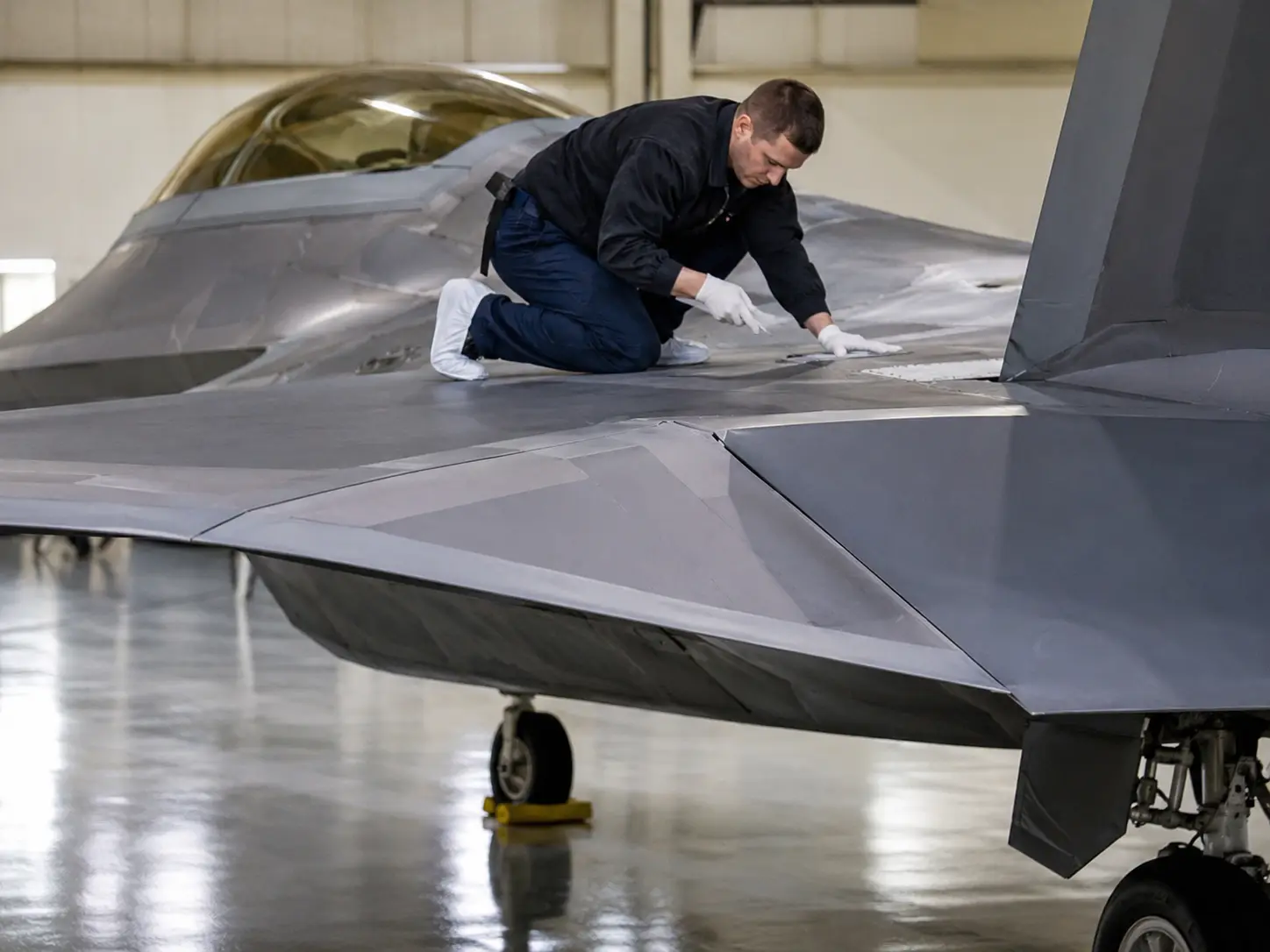
Once trapped beneath the grey topcoat, moisture reacts chemically with the conductive glues holding the skin layers together. This persistent dampness triggers galvanic corrosion, degrading the bond between the outer radar-absorbing putty and the underlying metal airframe. Over time, the strong chemical adhesives soften into a weak, jelly-like paste.
Supersonic Air Blistering The Topcoat
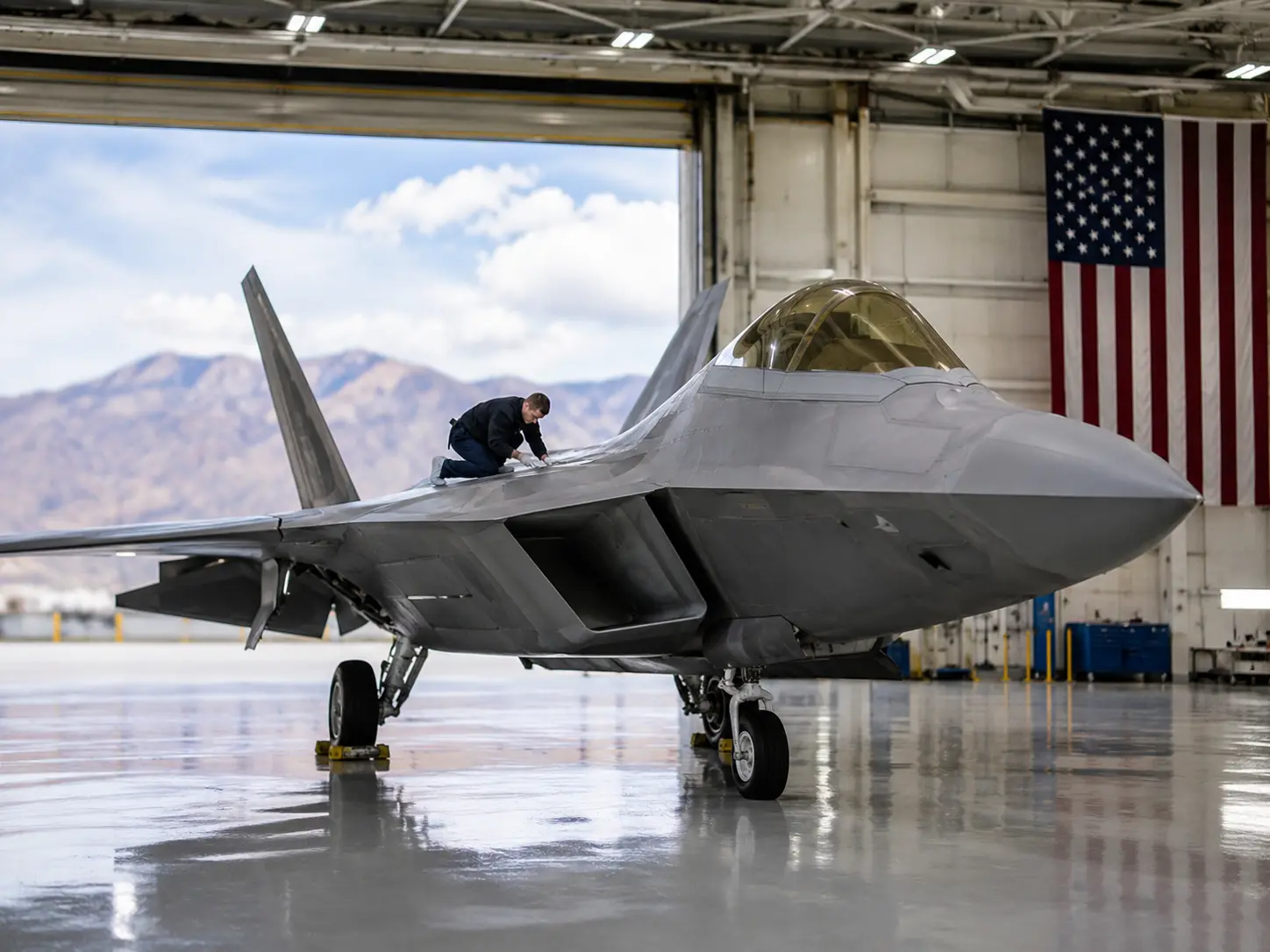
Cruising at speeds exceeding Mach 1.5 generates intense aerodynamic drag and extreme friction heat across the jet exterior. As the airframe heats up, the trapped pockets of moisture rapidly expand into pressurized steam. This sudden expansion forces the weakened topcoat outward, creating large blisters that quickly rip open in the supersonic airflow.
Creating Jagged Radar Cliffs
When sections of the special grey paint peel off, they expose the bare composite airframe underneath. Rather than a smooth transition, the missing patch creates a sharp, jagged drop-off on the exterior surface. Hostile radar waves catch on these microscopic edges and bounce directly back to enemy tracking screens, instantly compromising the jet's stealth advantage.
Deploying Portable Hangar Dehumidifiers
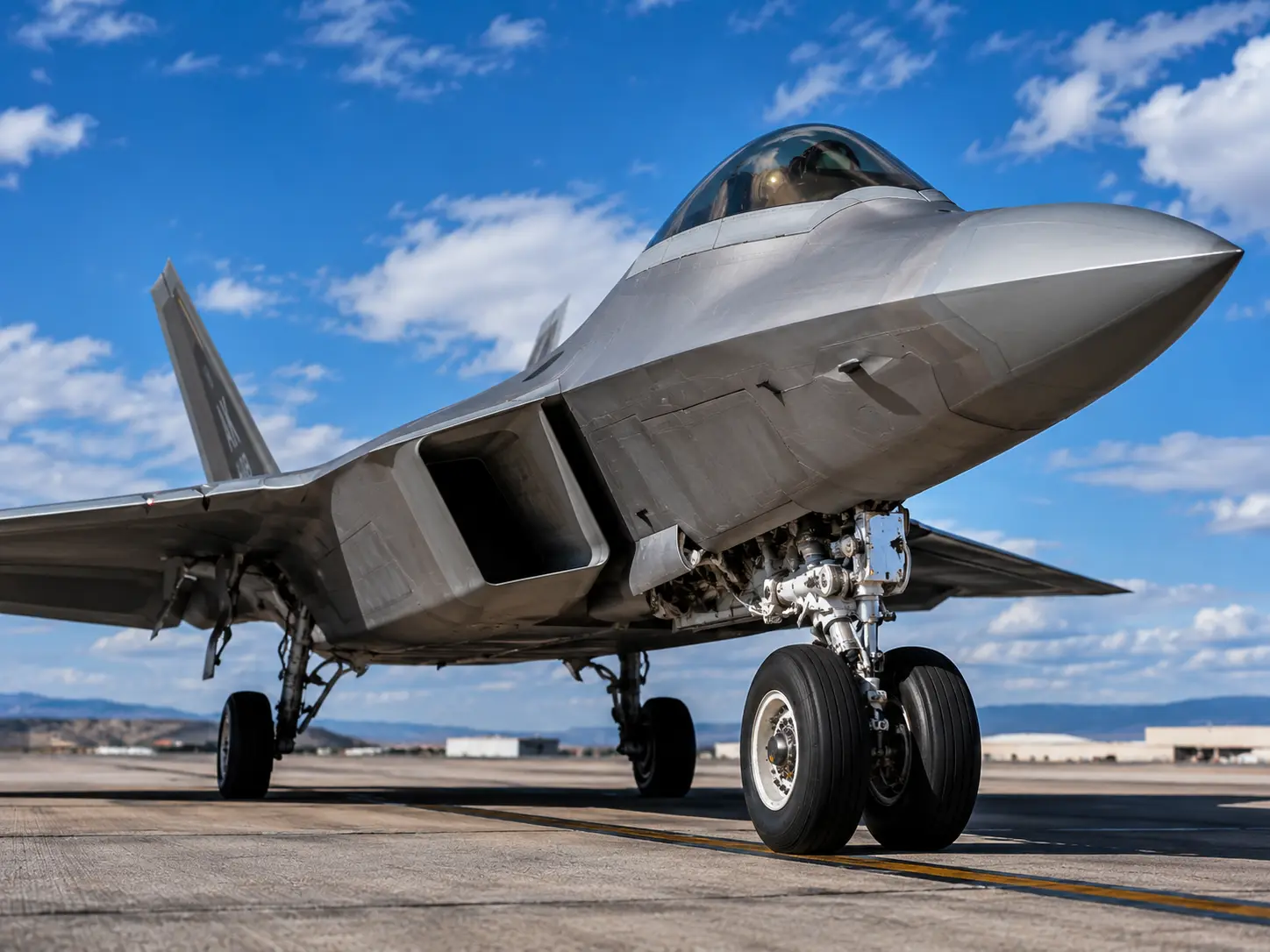
To fight tropical degradation, United States Air Force maintainers rely on aggressive climate control protocols on the ground. Whenever Raptors are parked between tactical flying missions, crews pump dry, refrigerated air directly into the open avionics bays. Portable industrial dehumidifiers run continuously inside maintenance shelters to suck moisture out of the fragile exterior skin.
)
)
)
)
)