Why the F-22 carries fewer missiles than many other fighter jets

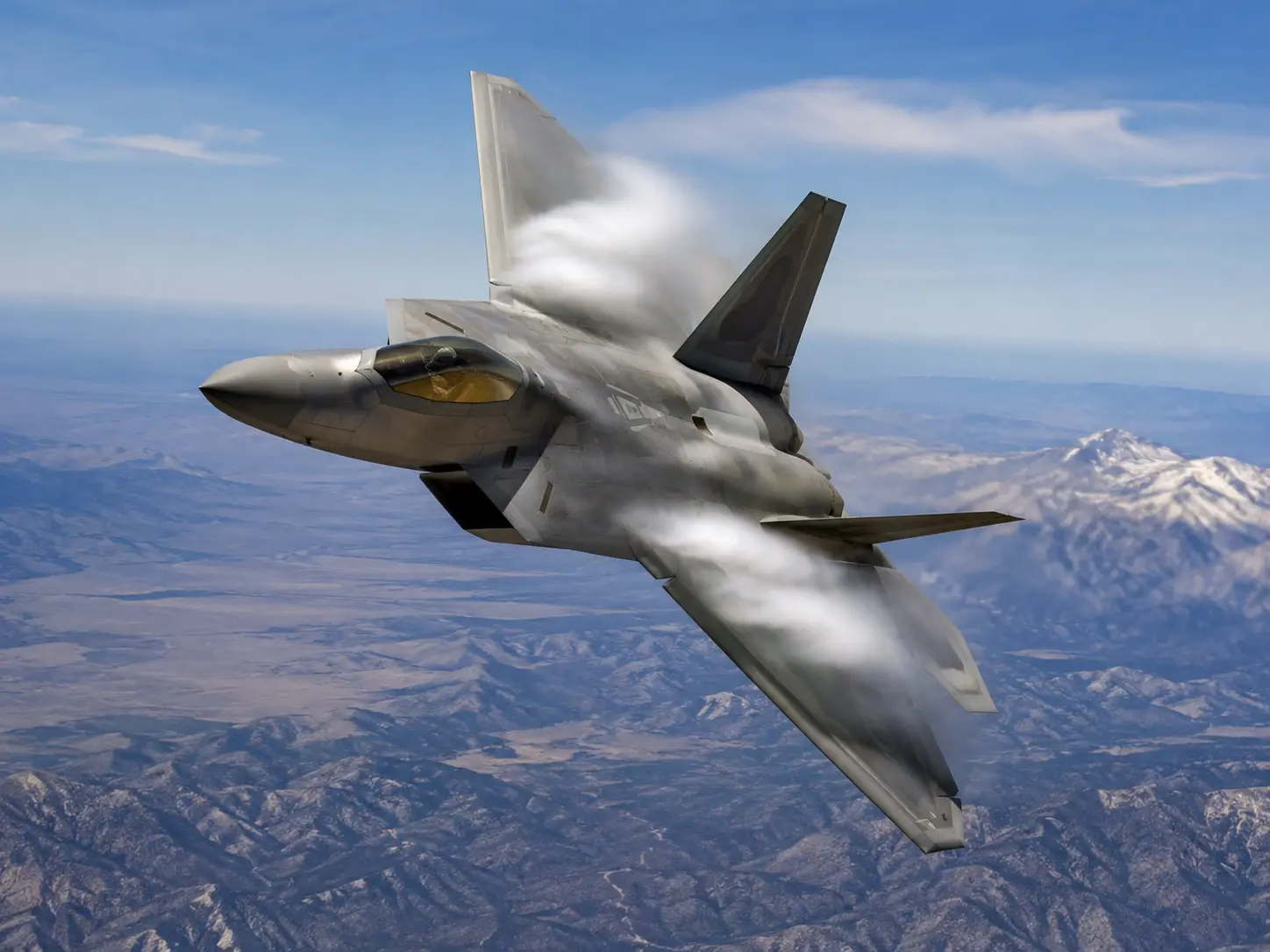
The F-22 Raptor limits its payload to eight internal missiles to maintain radar stealth. Storing weapons inside enclosed fuselage bays avoids external reflections that expose the jet.
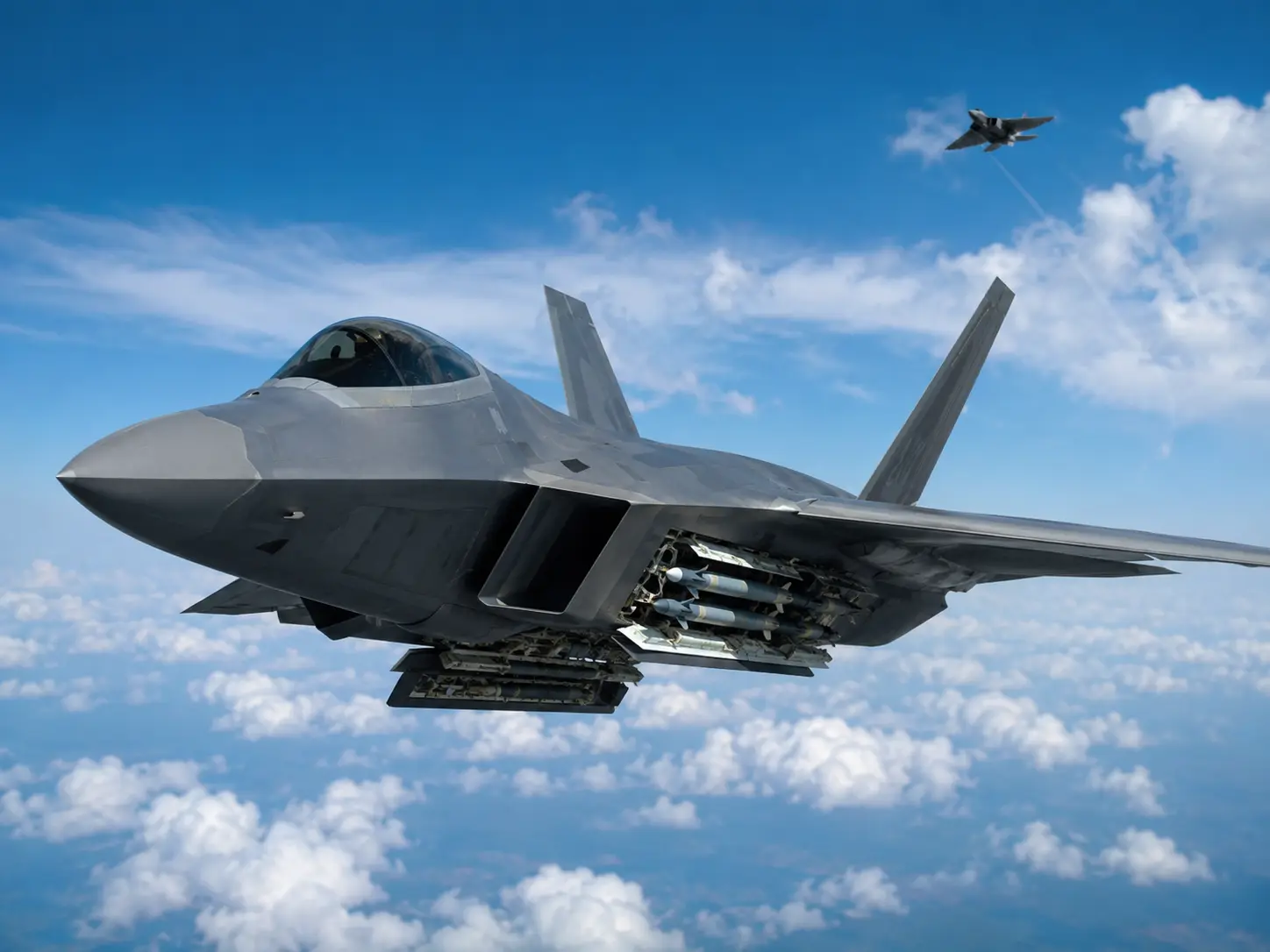
3 Hidden Weapons Bays
The F-22 relies on three internal compartments to house its standard air-to-air armaments. Because these enclosed bays must fit seamlessly within the fuselage to maintain stealth, physical space is strictly limited. The aircraft cannot simply add external missile racks without fully exposing itself to enemy radar systems.
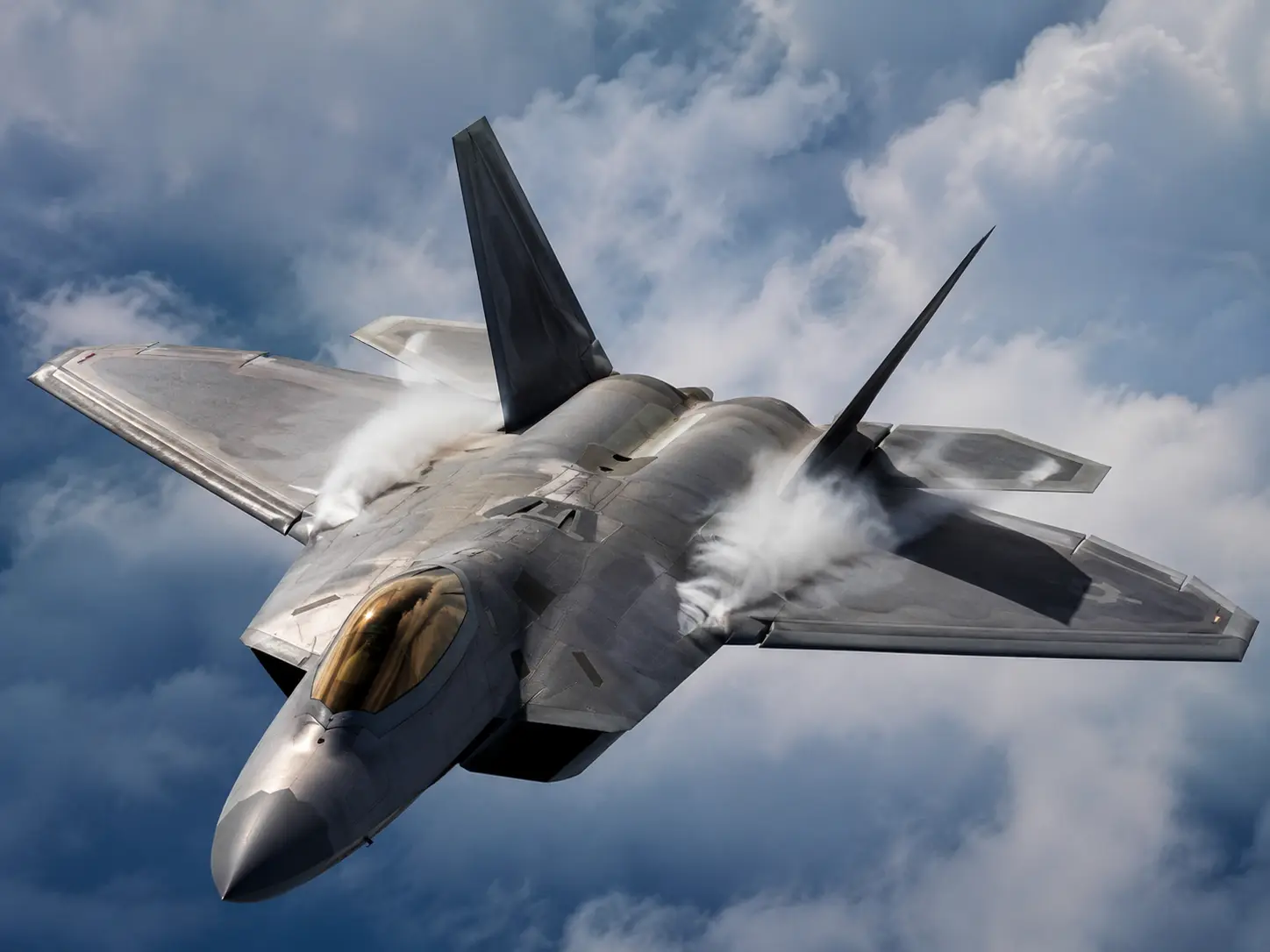
8 Missile Combat Limit
In its standard air superiority configuration, the Raptor carries a maximum of eight missiles internally. This includes six medium-range AIM-120 AMRAAMs and two short-range AIM-9 Sidewinders. In contrast, older heavily armed non-stealth fighters can easily carry 12 or more missiles on external wing pylons.
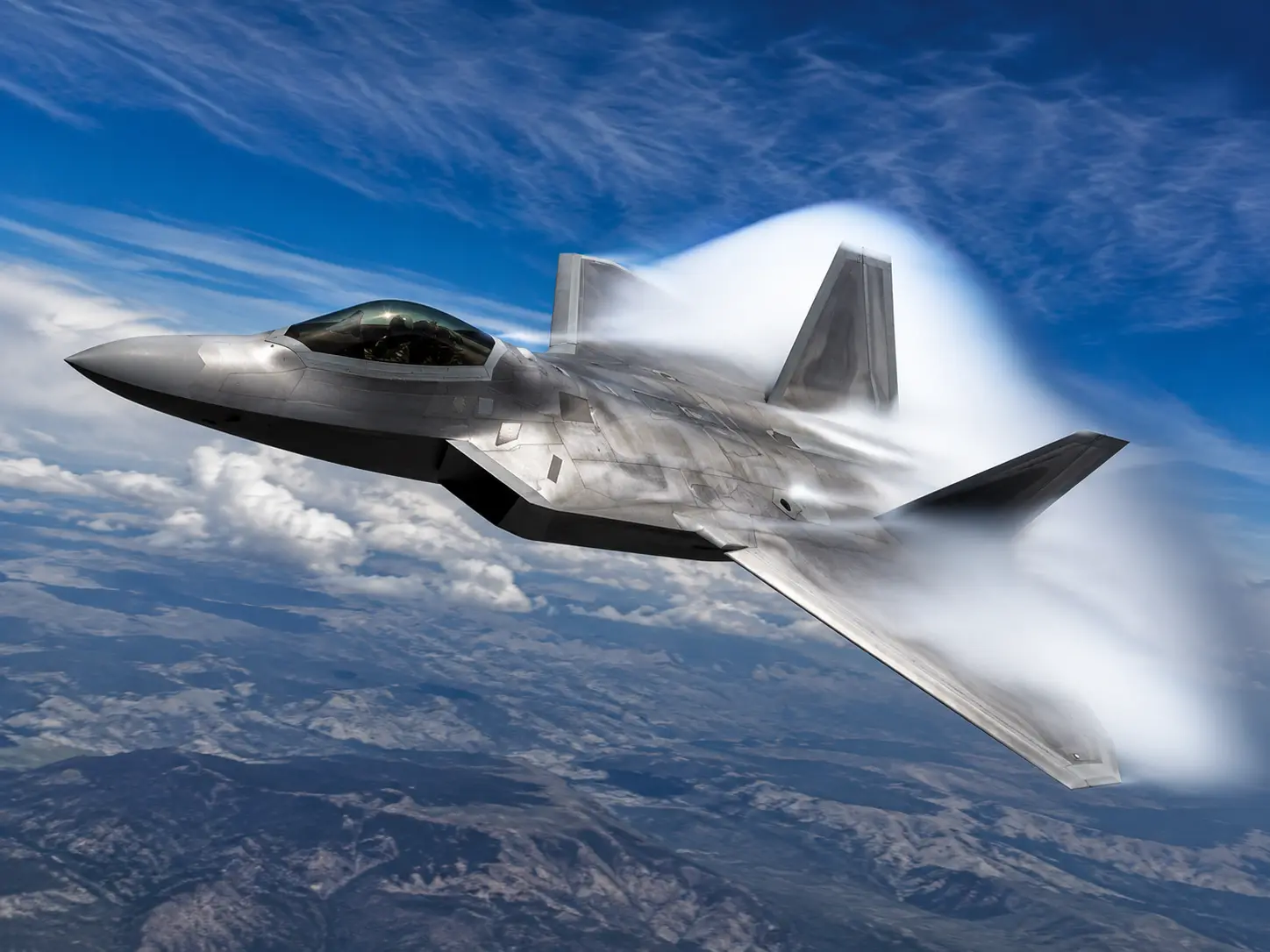
0 External Pylons Used
Adding external wing racks would allow the F-22 to carry extra missiles, but it ruins the aerodynamic and stealth profile of the platform. External weapons create sharp right angles that bounce radar waves straight back to enemy trackers. The military prioritises remaining undetected over carrying extra ammunition.
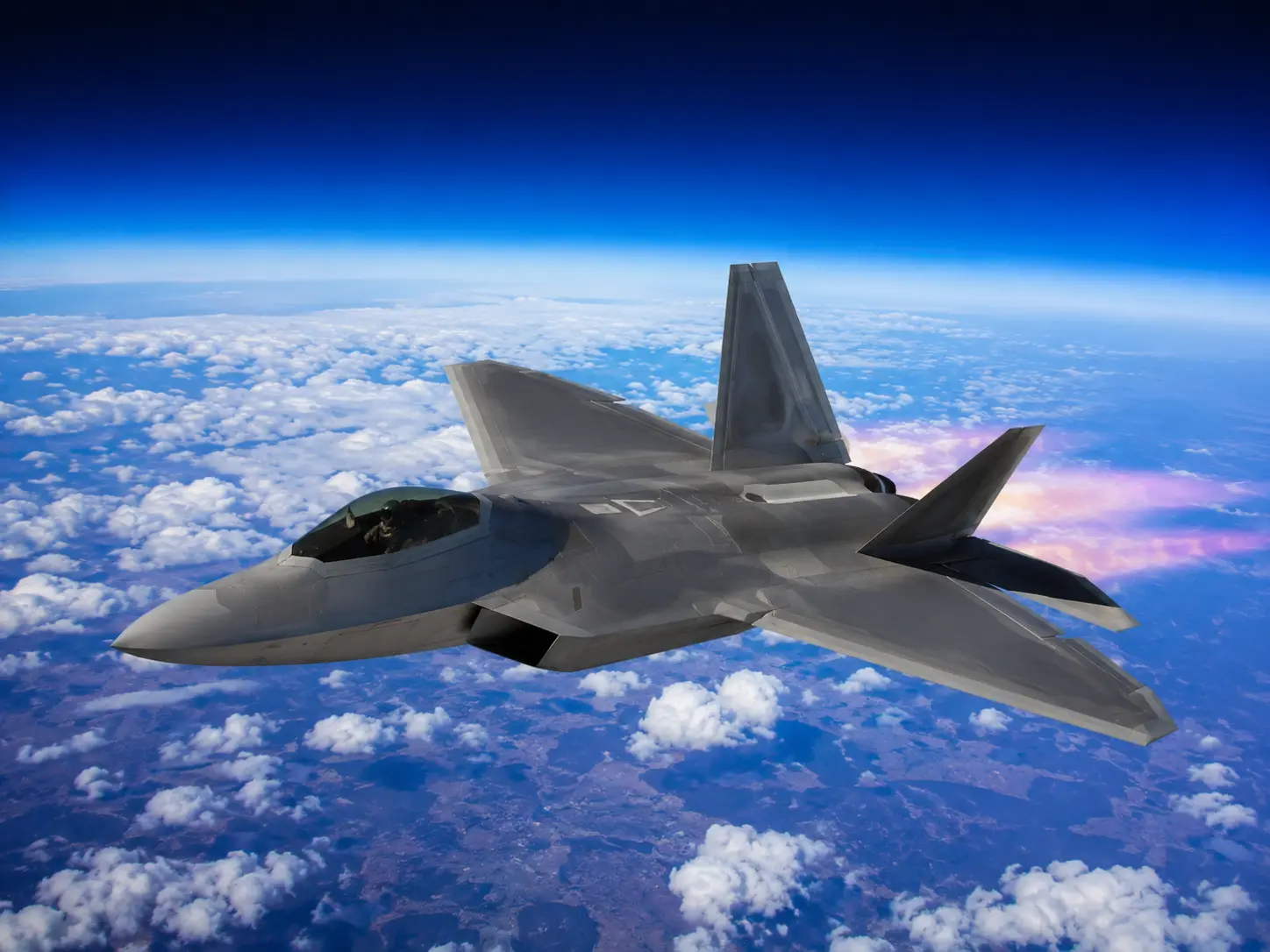
100 Per Cent Stealth
Designing a fighter jet involves a direct engineering compromise between raw weapon capacity and stealth performance. The smooth external skin of the Raptor is essential for keeping its radar cross-section down to the size of a marble. Sacrificing internal space ensures the jet can strike before the enemy even detects its presence.
External Ferry Tanks
While the F-22 can technically mount external fuel tanks and missiles for ferry flights, doing so is restricted to non-combat scenarios. In an active war zone, the jet drops these external attachments before entering hostile airspace. This structural requirement ensures the fighter retains its peak combat agility and invisible radar profile.
)
)
)
)
)