Why split-second target identification is a key part of fighter pilot training

Split-second target identification is vital in fighter pilot training. Pilots learn to rapidly combine sensor data, visual cues, and advanced helmet systems to distinguish friend from foe quickly, enabling safe and effective combat decisions.
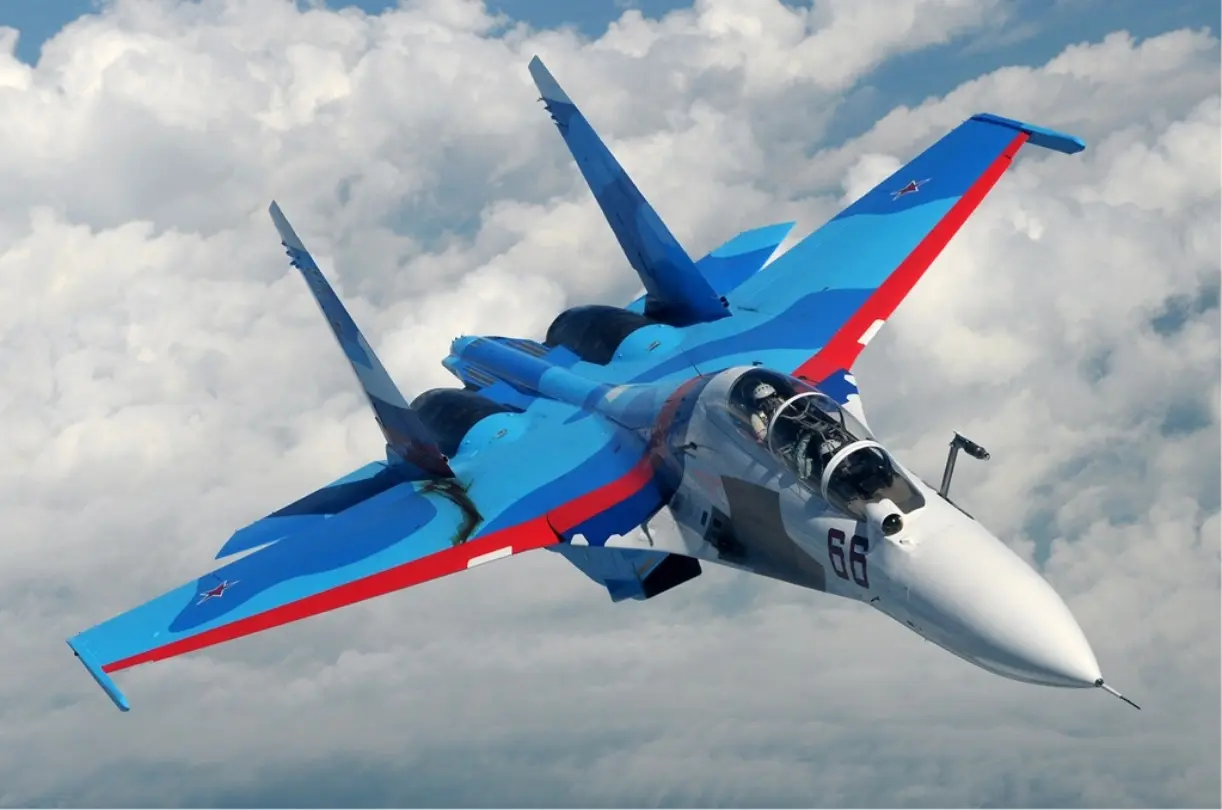
The Need for Speed in Target Identification
Fighter jets can close distances of a mile in three seconds or less. Pilots must recognize and engage targets almost instantly to succeed in combat.
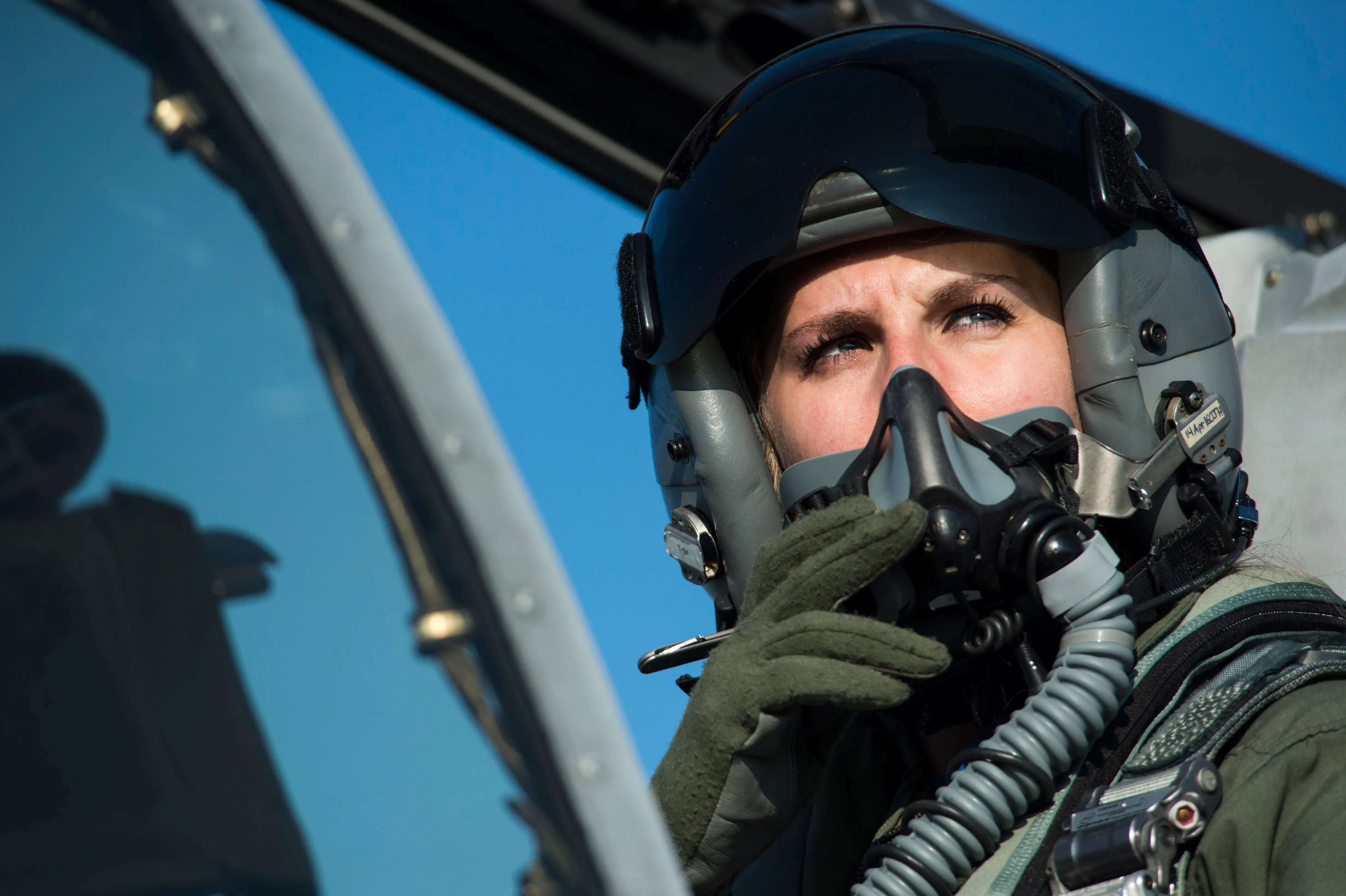
Combining Sensor Inputs
Pilots use multiple sensors-radar, infrared, electro-optical-to gather information. Training teaches them to rapidly integrate these inputs for accurate target identification.
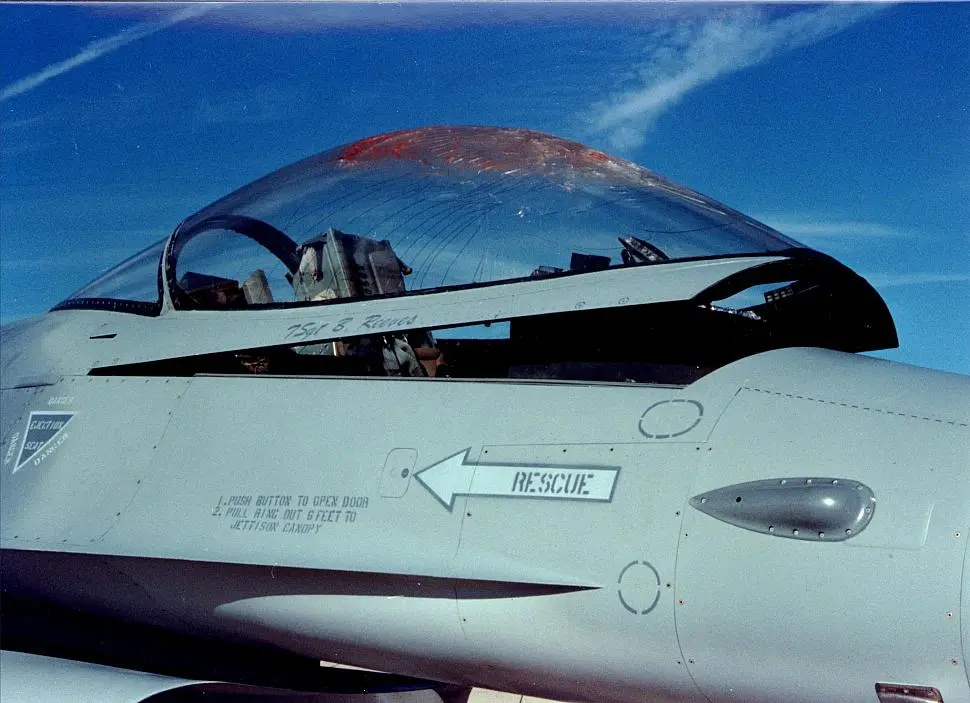
Heads-Up Display (HUD) Support
The HUD projects vital target data directly in the pilot’s view, reducing the time needed to identify and track targets.
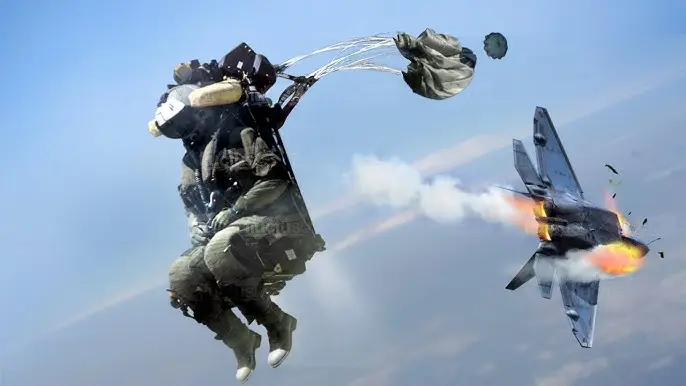
Target Recognition Training
Simulators replicate diverse scenarios, training pilots to distinguish enemy from friendly targets quickly while under pressure.
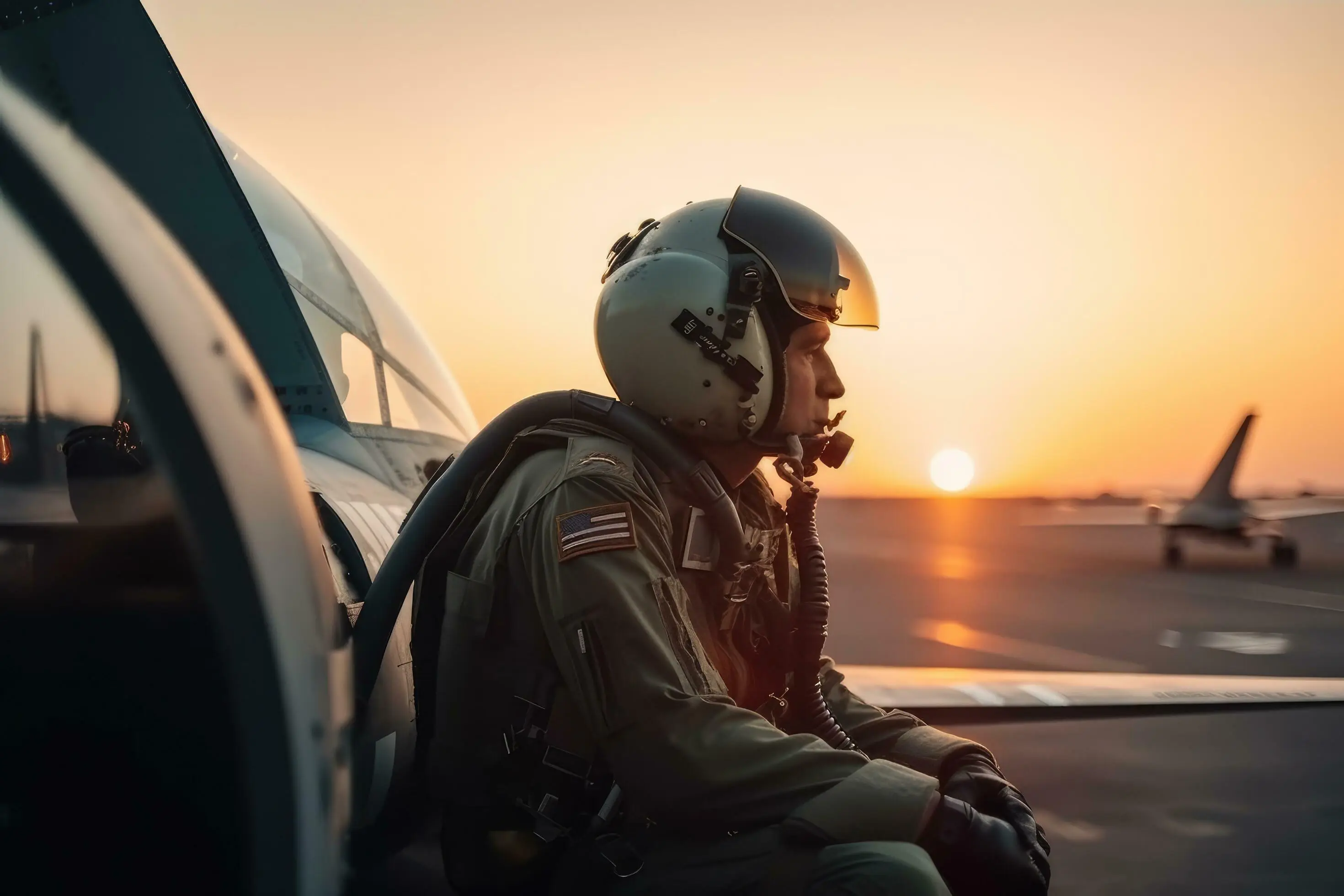
Rules of Engagement and Positive ID
Pilots learn strict rules for positive target identification to avoid friendly fire and collateral damage during split-second decisions.
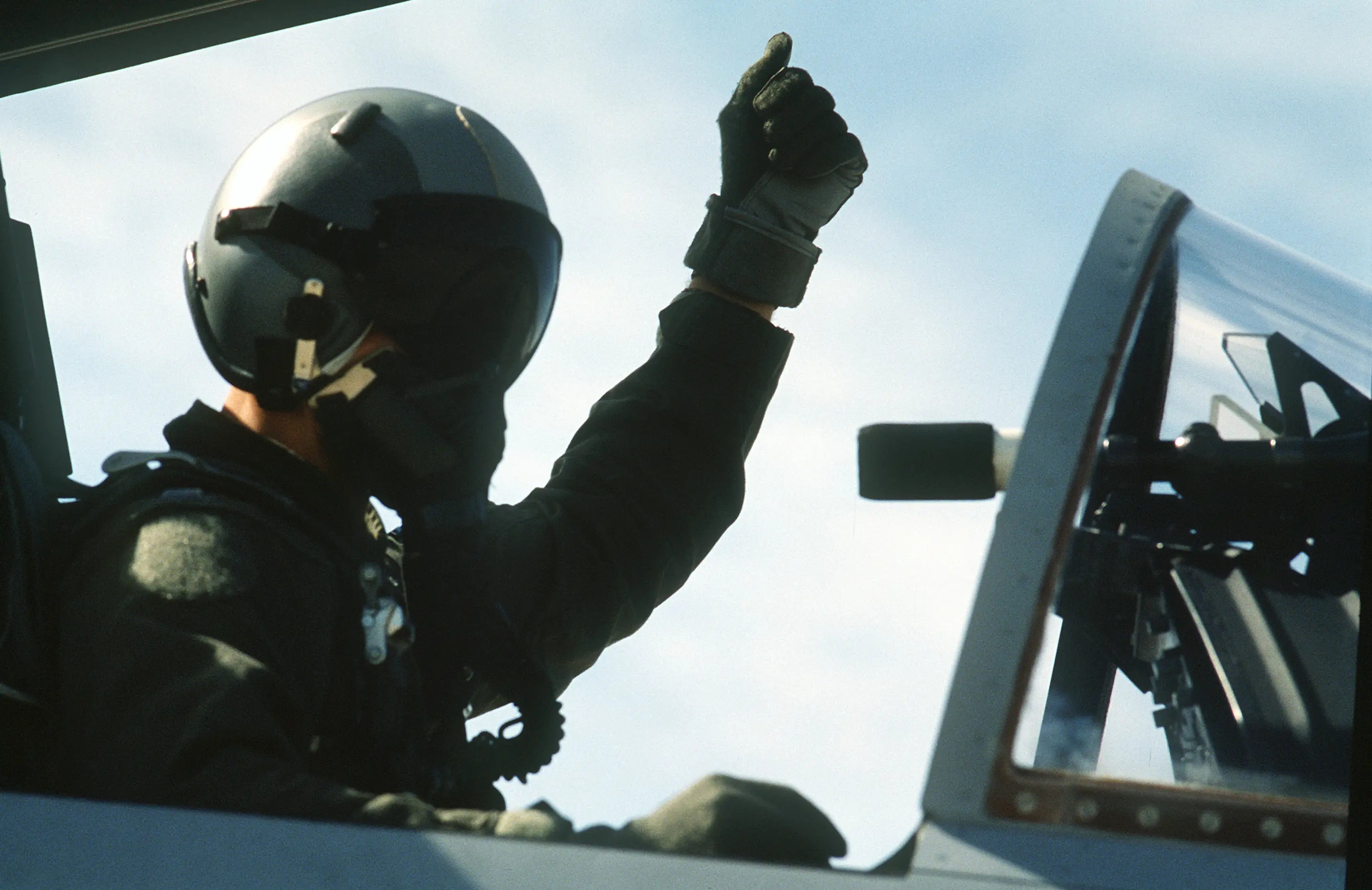
Visual and Electronic Identification
Training includes interpreting visual clues and electronic signals to confirm target identity before engagement.
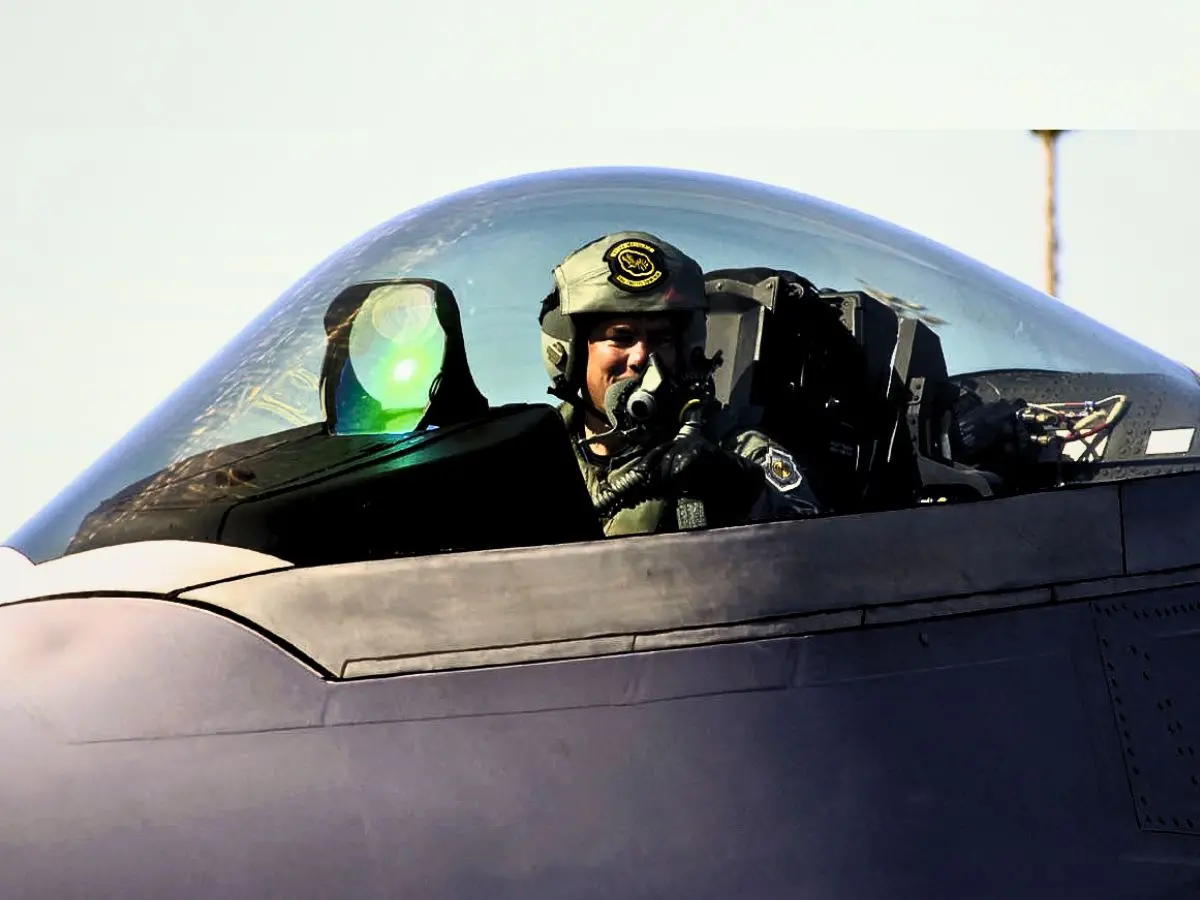
Use of Helmet-Mounted Cueing Systems
Systems like the JHMCS allow pilots to lock on targets with head movements, speeding up target acquisition and engagement times.
Dealing with Complex Environments
Pilots are trained to identify targets against cluttered backgrounds, such as urban areas or electronic warfare zones.
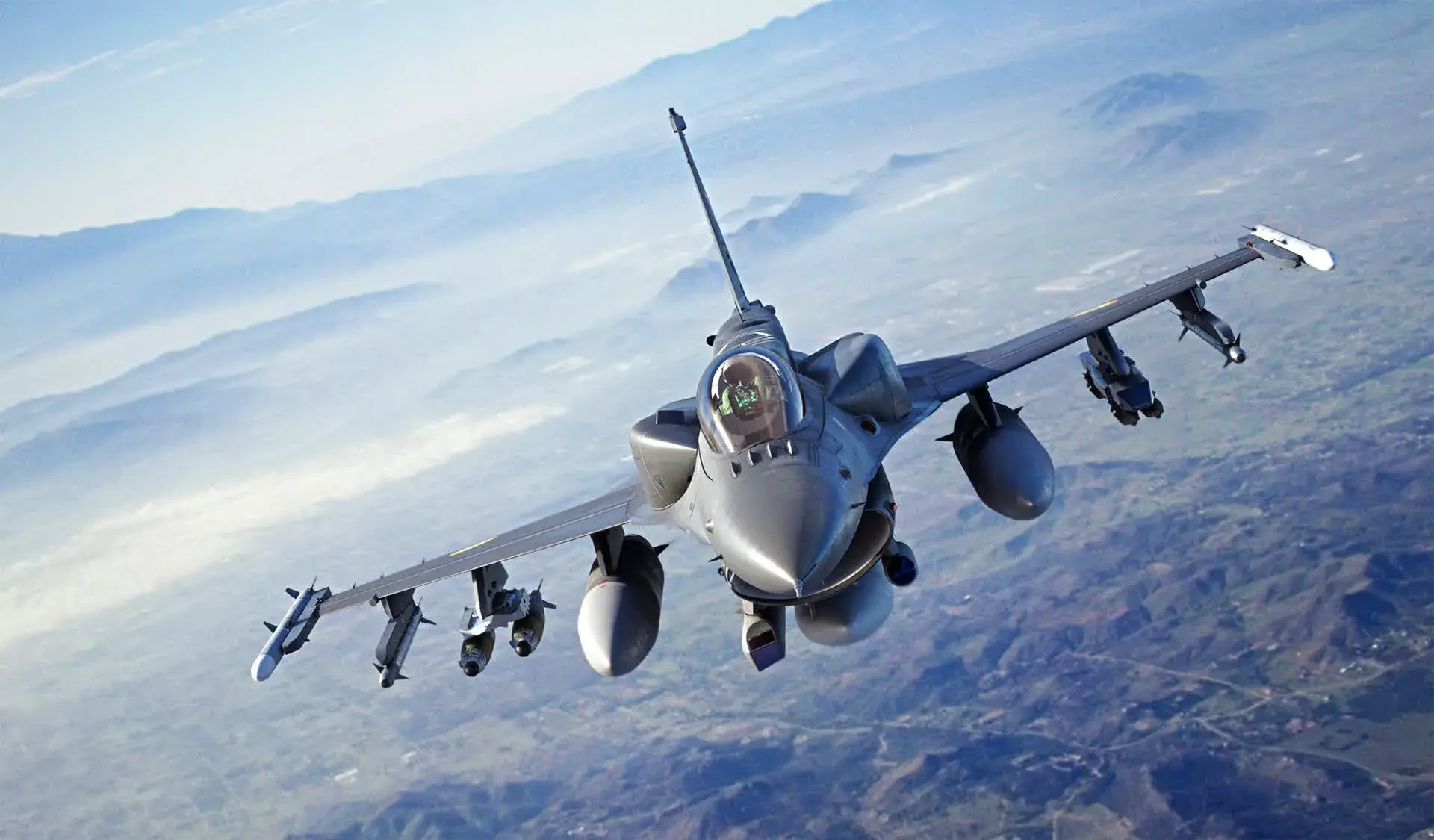
Balancing Speed with Accuracy
Training emphasises the crucial balance between rapid identification and making the right call to maximise mission success.
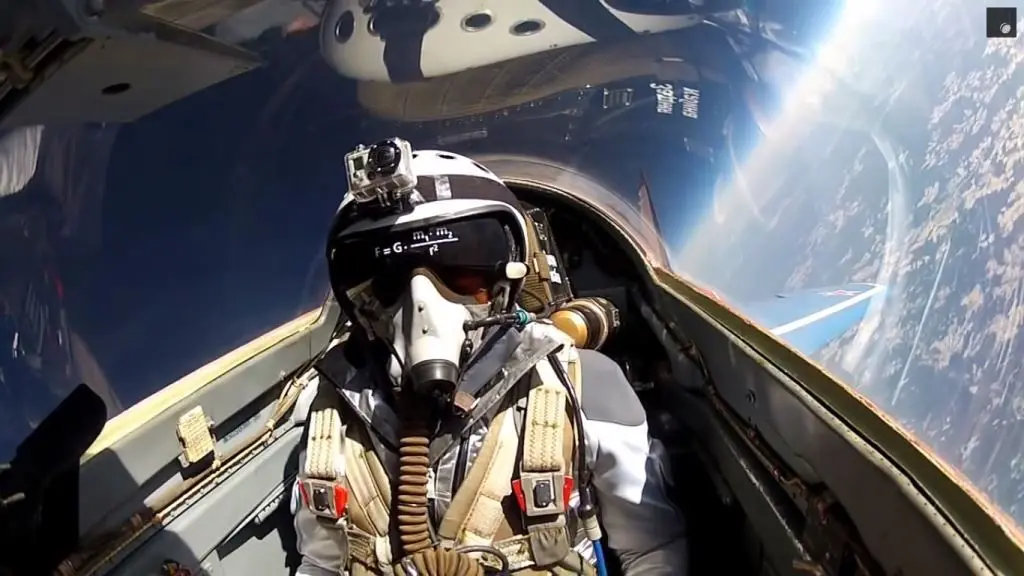
Continuous Improvement with Tech Advances
Ongoing training adapts to new technologies like AI-enhanced targeting and sensor fusion, helping pilots stay ahead of evolving threats.
)
)
)
)
)