Why some trains now use drone monitoring for safety

Railways are turning to drones for safer, faster and smarter inspections. From tracking defects to stopping theft and predicting failures, drone technology is quietly transforming rail operations in ways most passengers never notice.
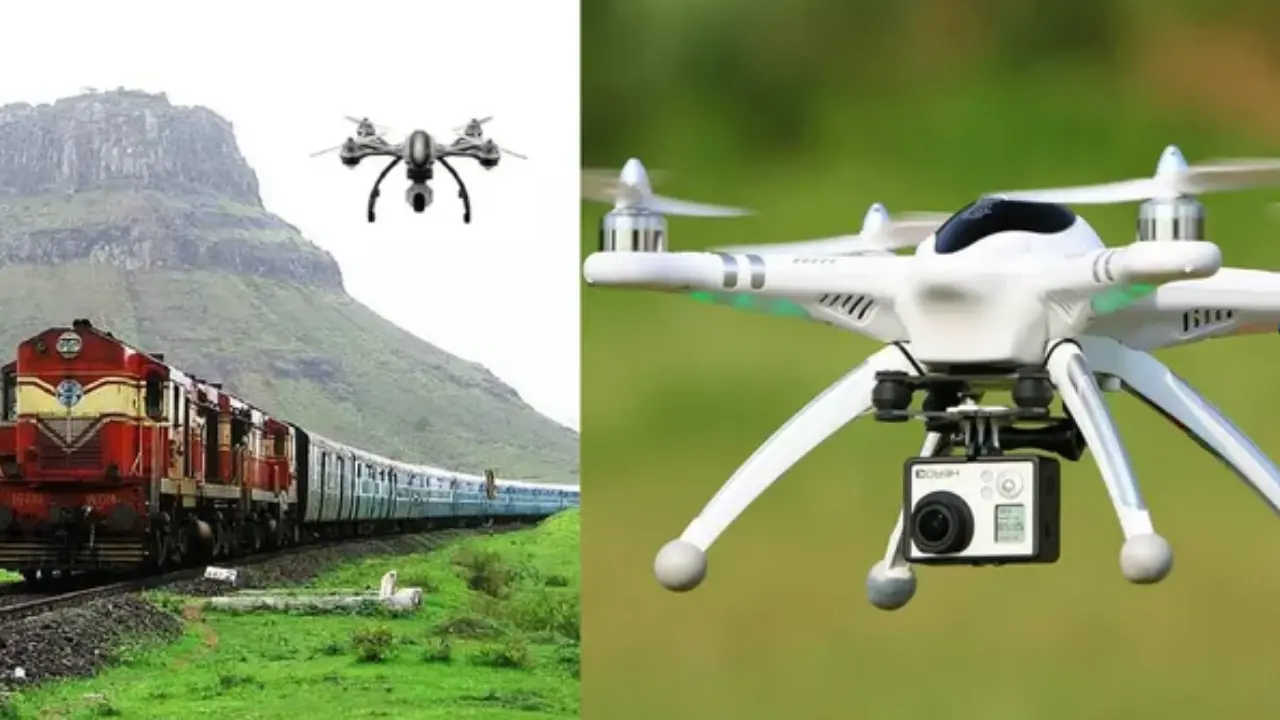
NCRTC Launches Drone-Based Overhead Monitoring
India's National Capital Region Transport Corporation deployed drones on the Namo Bharat corridor to monitor overhead equipment. Equipped with high-resolution cameras and thermal sensors, drones conduct continuous inspections without manual checks.
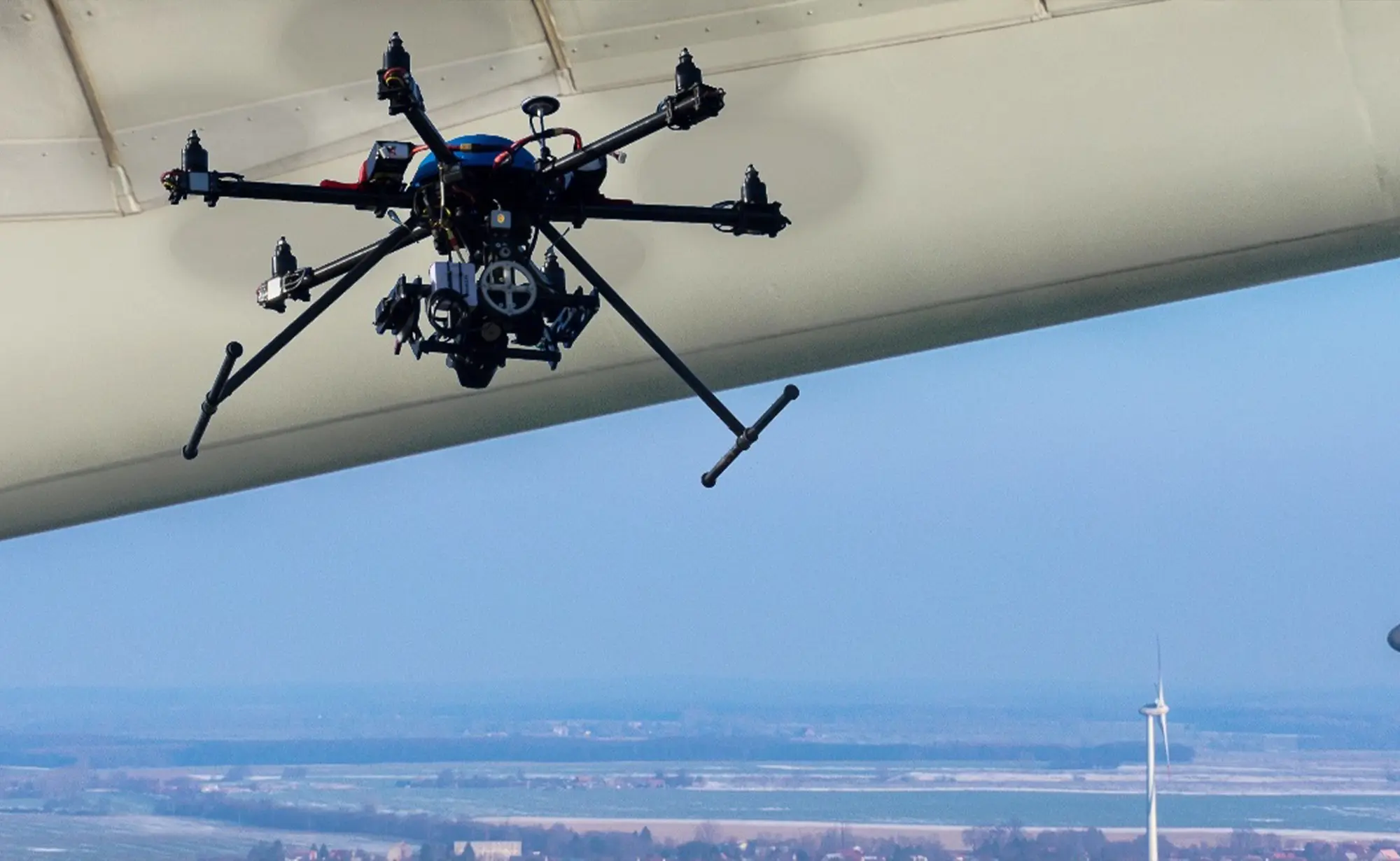
Freight Train Loading Detection Using Drones
The Ministry of Railways began a pilot project using drones to detect uneven freight loading in trains. This prevents derailments caused by shifting cargo and improves safety during high-speed operation.
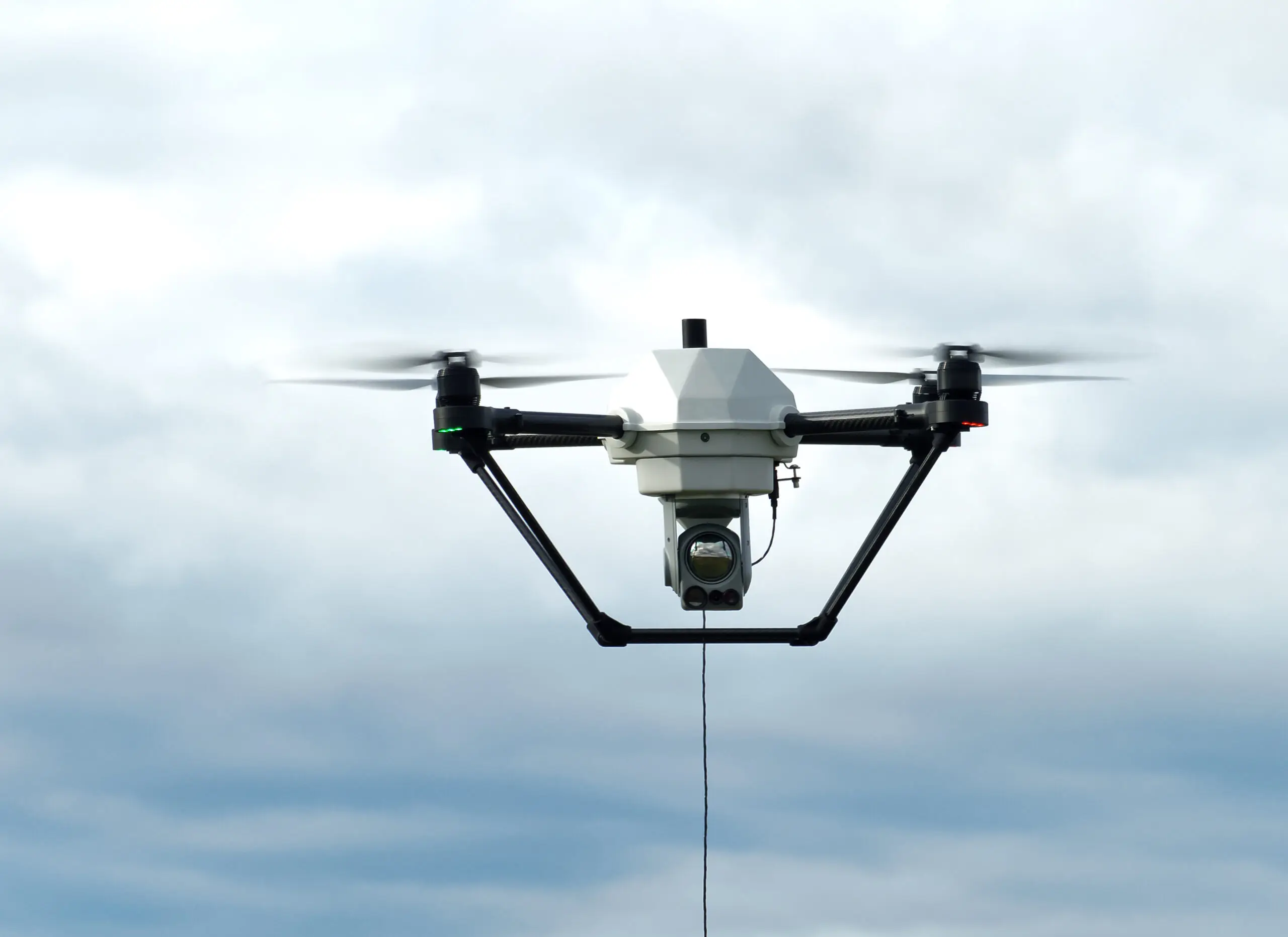
Real-Time Track Defect Detection
Drones with AI analytics can identify cracks, loose rails, and structural damage automatically. High-resolution imagery enables defect detection faster than traditional manual inspections across extensive railway networks.
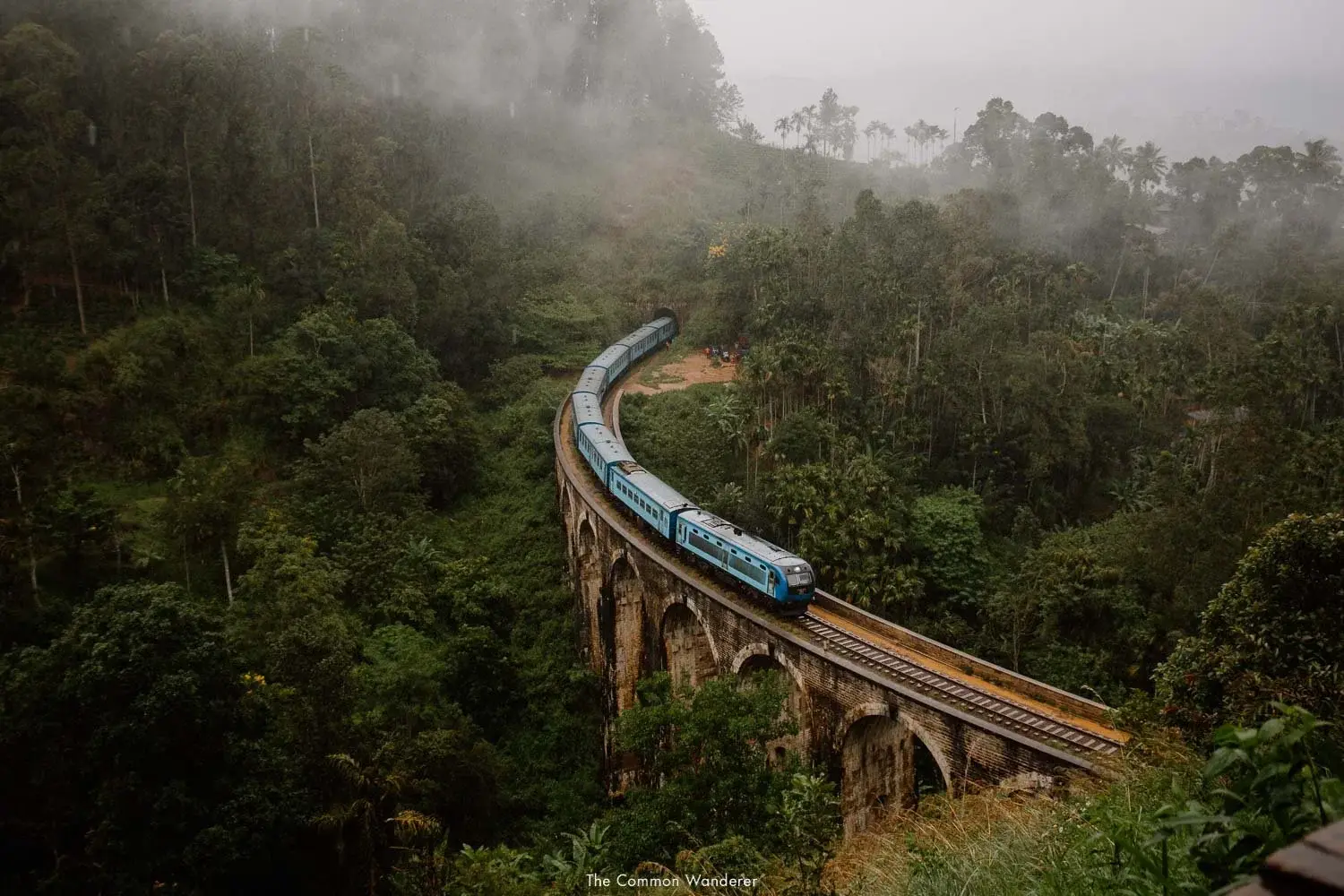
Theft Prevention - 44% Reduction in Poland
Polish freight operator PKP Cargo deployed drones every 30 kilometres for 24/7 monitoring. Theft incidents dropped 44 per cent within one year through continuous overhead surveillance.
Night Surveillance With Thermal Sensors
Drones equipped with thermal imaging detect heat signatures of intruders or vandals without visible light. This enables overnight security monitoring without drawing attention to monitoring operations.
Autonomous Docking Stations Reduce Disruption
European railways established strategically positioned docking stations allowing drones to operate independently. This eliminates the need to send personnel onto active tracks, improving worker safety.
Bridge and Tunnel Inspection in Inaccessible Areas
Drones access hard-to-reach viaducts, bridges, and tunnel sections producing 3D models revealing imperfections. Manual inspections of these areas require dangerous work at height and traffic disruption.
Network Rail Uses Drones Across UK Railways
The UK's Network Rail employs drones to inspect tracks, bridges, and tunnels, identifying defects more quickly and reducing maintenance costs while keeping traffic flowing.
AI-Powered Predictive Maintenance
Drone-collected data processed through machine learning predicts maintenance needs before failures occur. This prevents unscheduled delays and extends infrastructure lifespan.
Coach Cleaning With Drone High-Pressure Jets
Indian Railways deployed drones at Kamakhya station to clean coaches using high-pressure jets. This reduces manual labour and human risk on active railway infrastructure.
)
)
)
)
)