Why Russian tanks are built much shorter than US tanks

Russian tanks are built under 2.2 metres tall to minimize battlefield visibility. An automatic loader removes the fourth crew member, shrinking the turret size compared to taller US tanks.
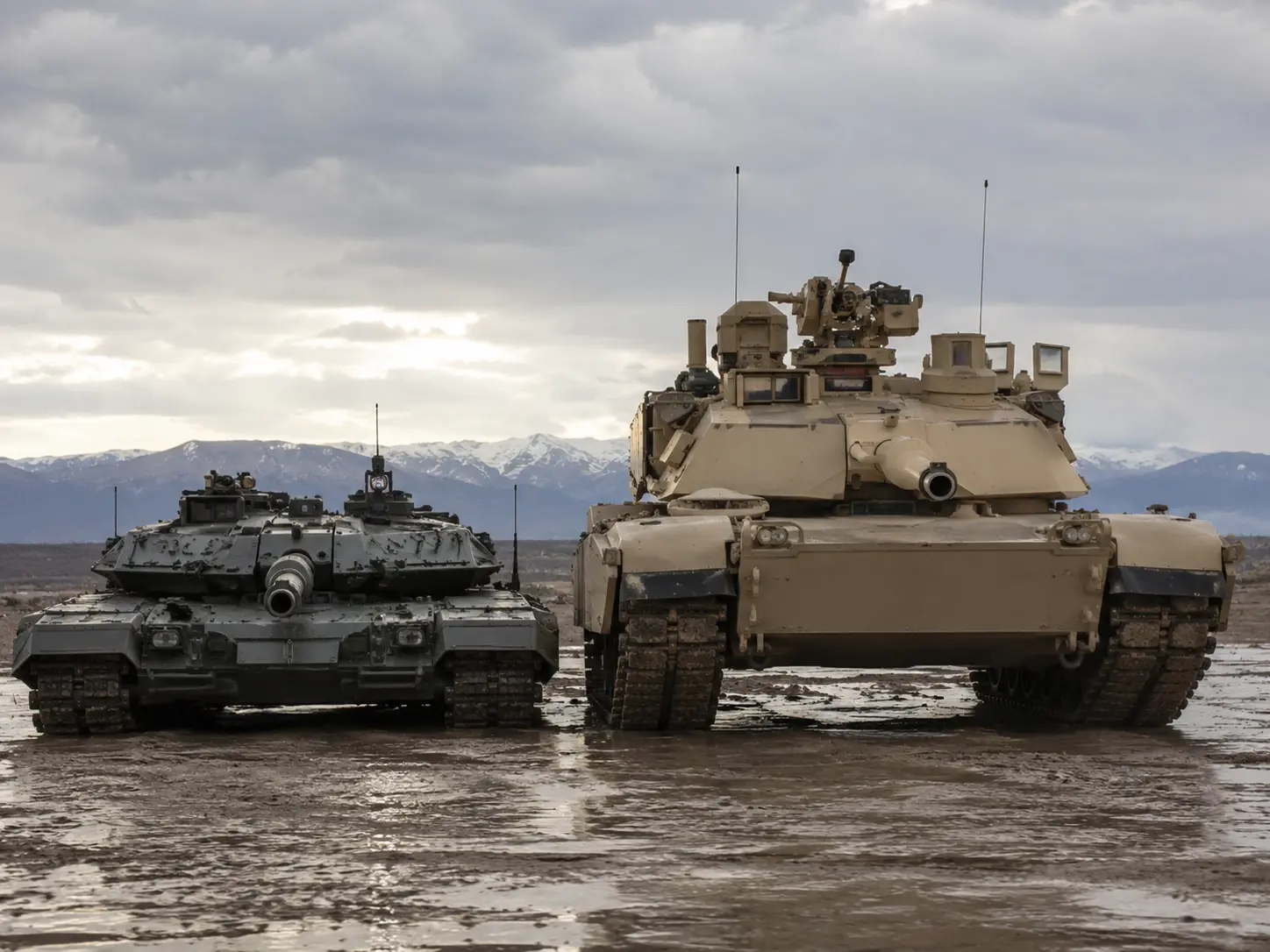
Height under 2.2 metres
Russian main battle tanks like the T-72 and T-90 maintain a maximum roof line height of roughly 2.2 metres. In comparison, the United States M1 Abrams stands significantly taller at around 2.4 metres to the turret roof. This low vertical profile was deliberately chosen to make Russian armor a much smaller visual and radar target on open battlefields.
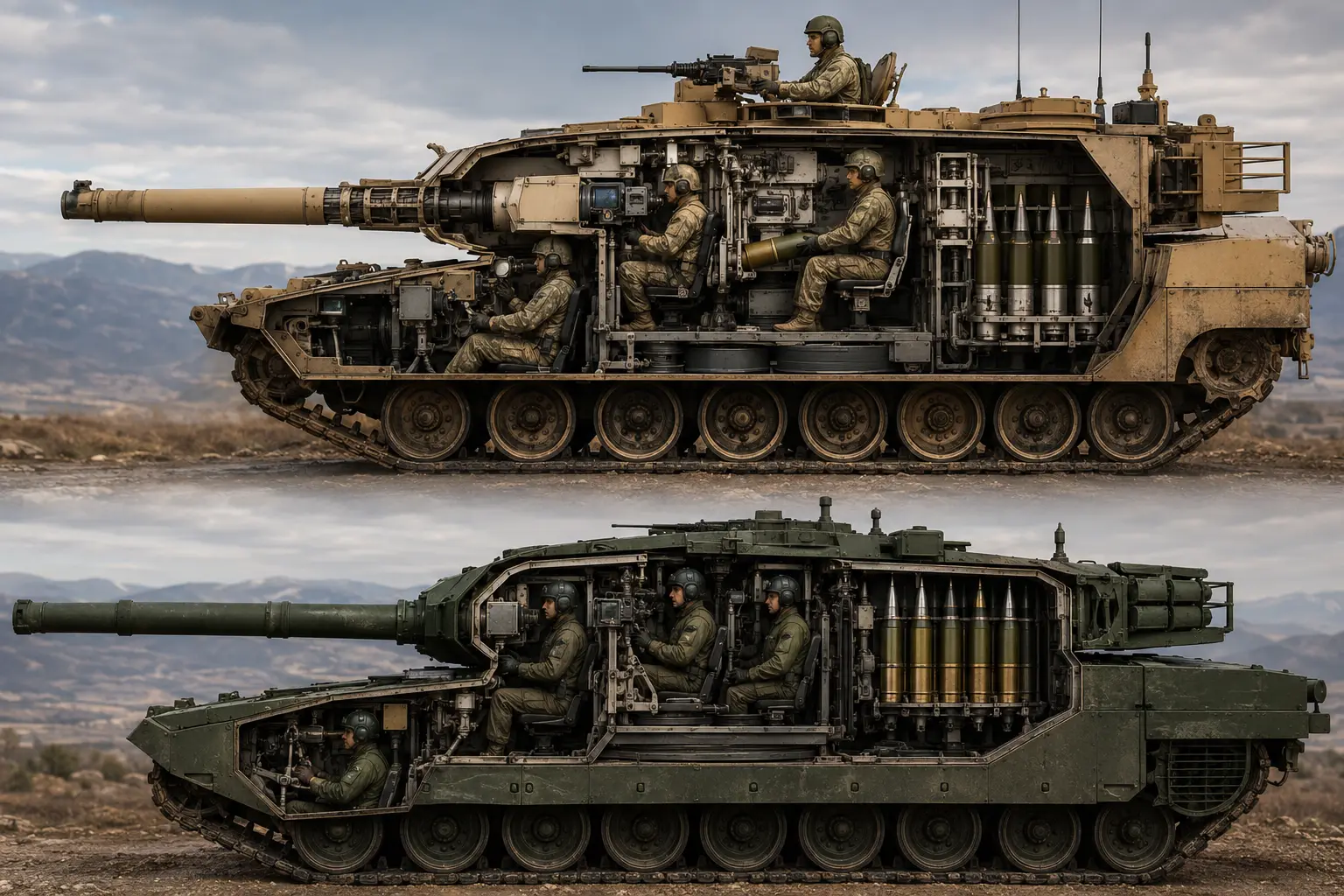
3-man crew autoloader system
The primary mechanical reason for the height difference is the inclusion of an automatic ammunition loading system. By replacing the human loader required in the four-man US Abrams, Russian designers removed a full crew member. Eliminating this operational space allowed engineers to significantly shrink the interior volume and height of the main turret.
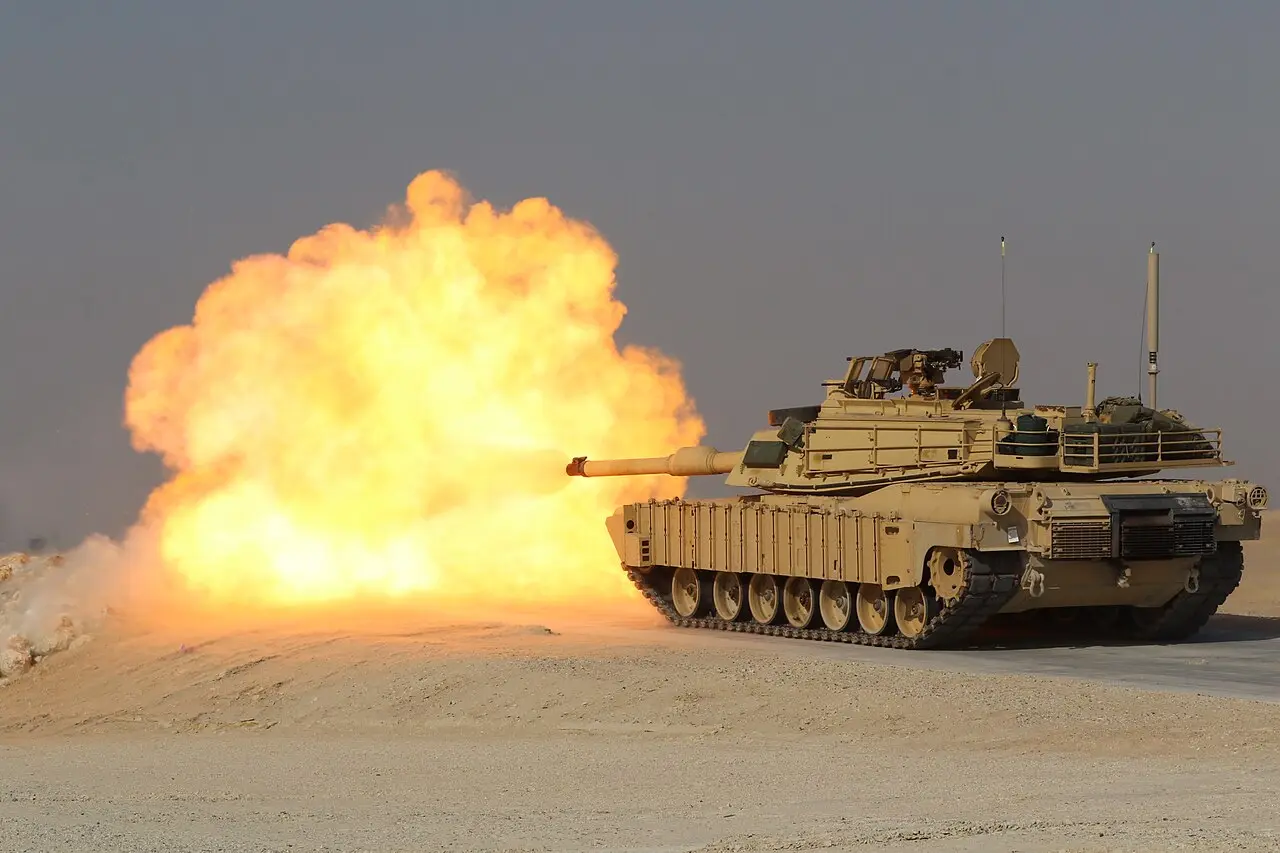
Saving 20 tonnes weight
A smaller, shorter hull requires less surface area to be covered by heavy composite plating. Consequently, standard Russian variants weigh between 46 and 50 tonnes, whereas the heavily armored US M1A2 Abrams routinely exceeds 68 tonnes. Keeping the vehicle lightweight prevents it from sinking into soft ground and marshy terrain common across Eastern Europe.
Crossing 50-tonne capacity bridges
The compact structural dimensions align perfectly with regional infrastructure limitations across Eurasia. Most civilian bridges and rural overpasses in the region are strictly rated for maximum weight thresholds of 50 tonnes. The lighter, shorter Russian tanks can cross these transit points safely, while heavier American vehicles face severe geographic routing restrictions.
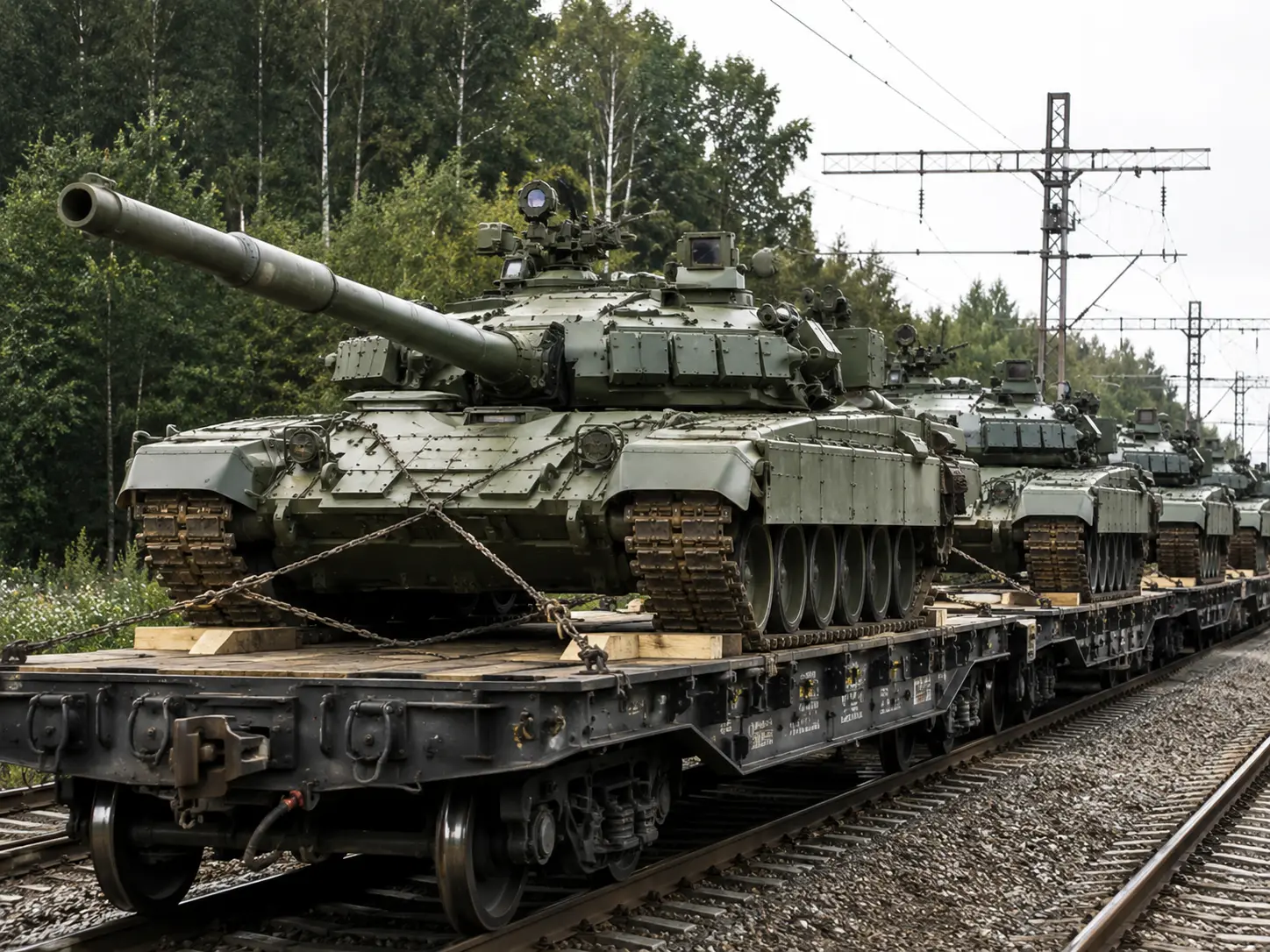
Fitting 4-metre rail limits
Soviet-era strategic doctrine heavily relied on state-run railway networks for rapid mass transport across vast territories. Sizing the armor under 3.5 metres wide and 2.2 metres tall ensures these armored vehicles easily clear standard tunnels and tight rail line infrastructure. This allows thousands of units to be redeployed across continents without hitting physical transport blocks.
)
)
)
)
)