Why retired B-52 bombers are never truly retired

Retired B-52 bombers never truly die; they are stored at the Arizona boneyard to provide vital spare parts for the active fleet. Some, like Ghost Rider and Wise Guy, have even been fully resurrected after decades in storage to fly once again.
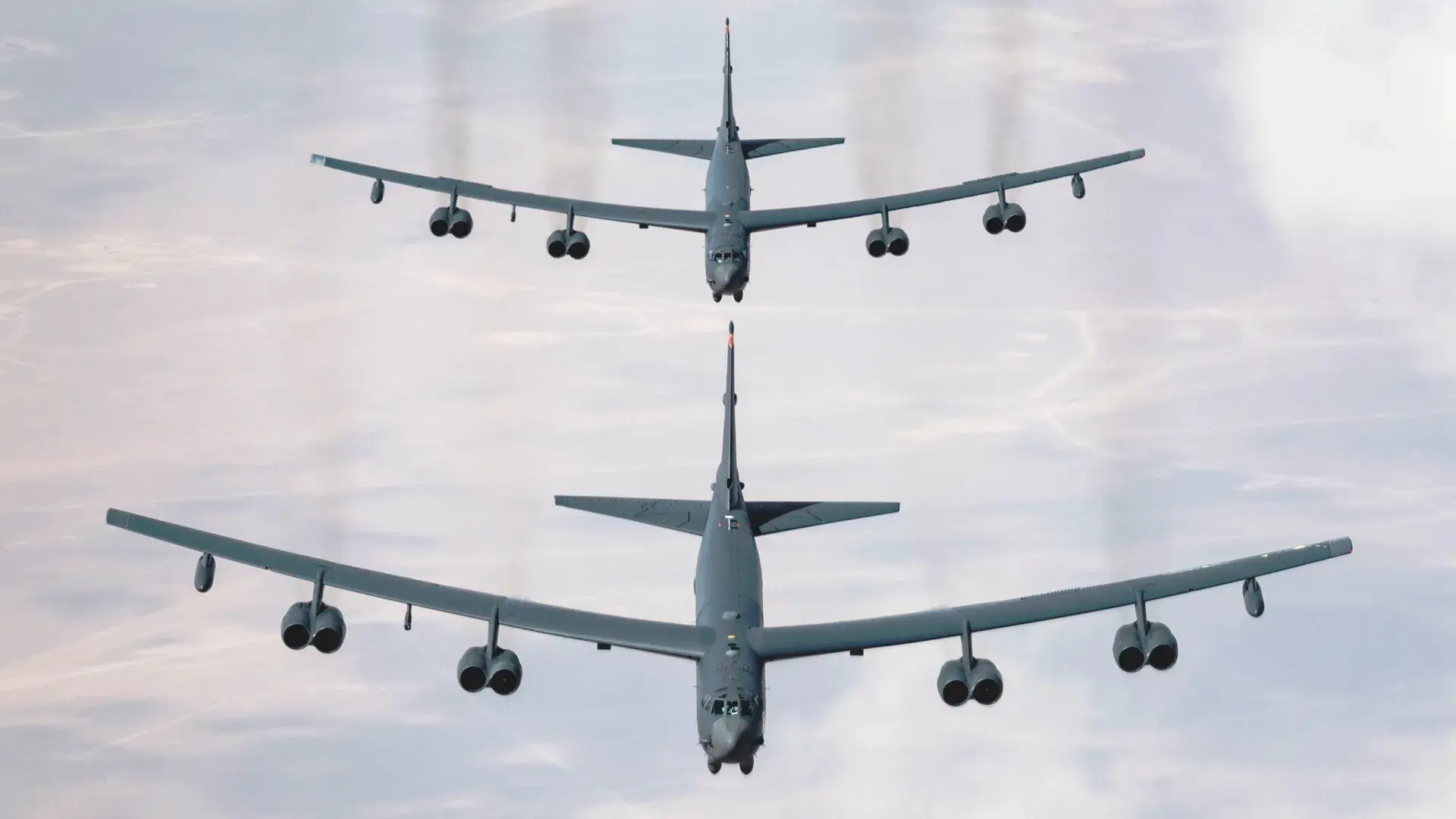
The Arizona Desert Boneyard
The 309th Aerospace Maintenance and Regeneration Group at Davis-Monthan Air Force Base serves as the ultimate storage facility for retired B-52s. Known as the ‘boneyard’, this dry Arizona desert prevents corrosion and preserves the massive airframes for future military use.
A Massive Spare Parts Bin
When a B-52 Stratofortress is officially retired, it rarely goes straight to the scrapyard. Instead, these dormant heavy bombers are systematically picked apart, providing vital replacement engines, avionics, and structural components to keep the active fleet flying.
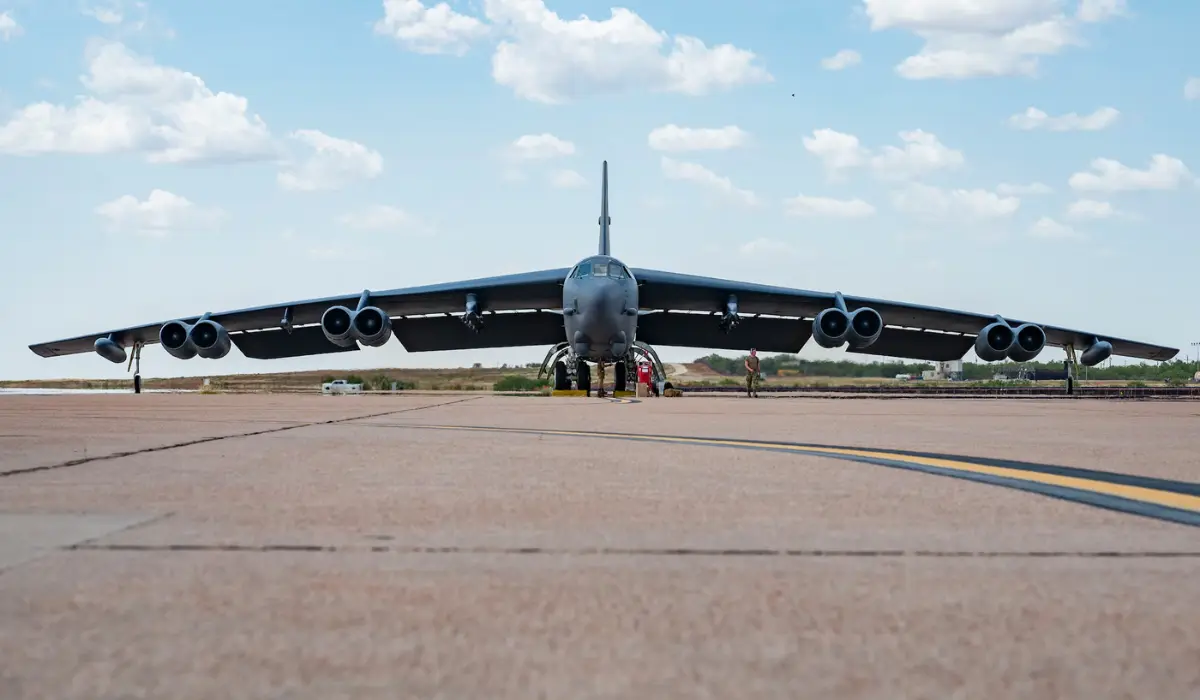
Long-Term Hibernation
Aircraft placed in long-term storage are carefully sealed against dust, sunlight, and extreme heat. Maintenance crews apply a specialised vinyl plastic compound called Spraylat, which protects the internal systems and allows the bomber to wait safely for decades.

Resurrecting the Giants
In extremely rare cases, the US Air Force completely reverses a bomber's retirement. When active aircraft are damaged beyond economical repair, military planners can actively select a mothballed B-52 and fully regenerate it back to combat-ready status.
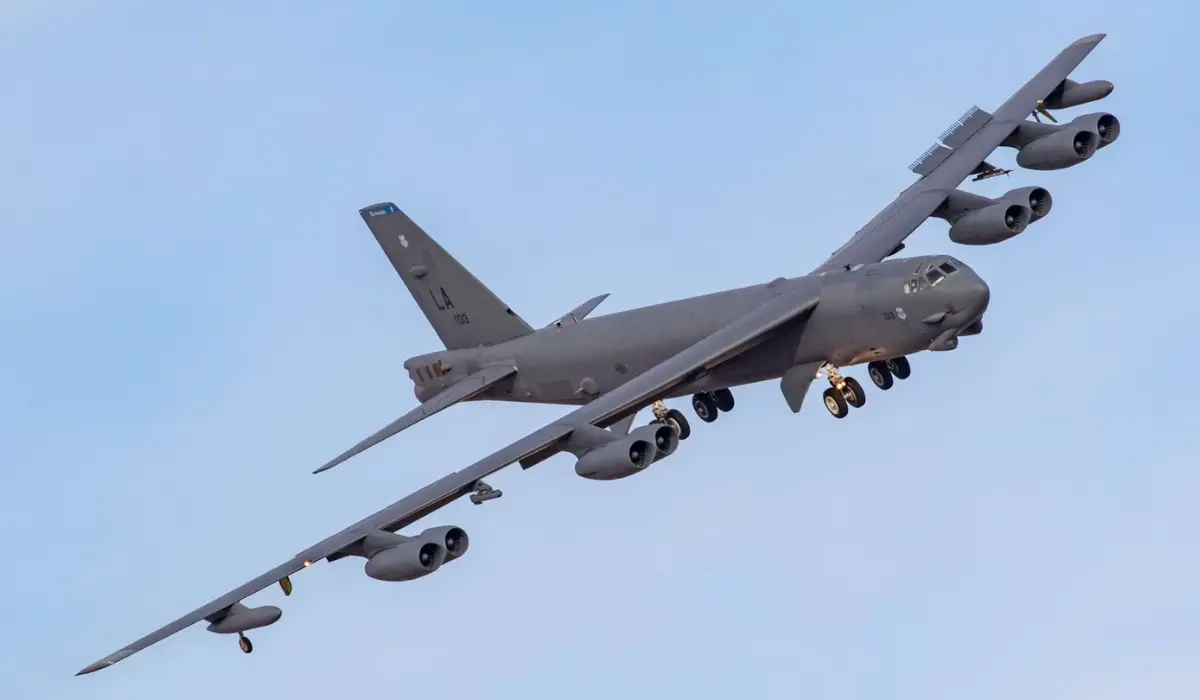
The Ghost Rider Returns
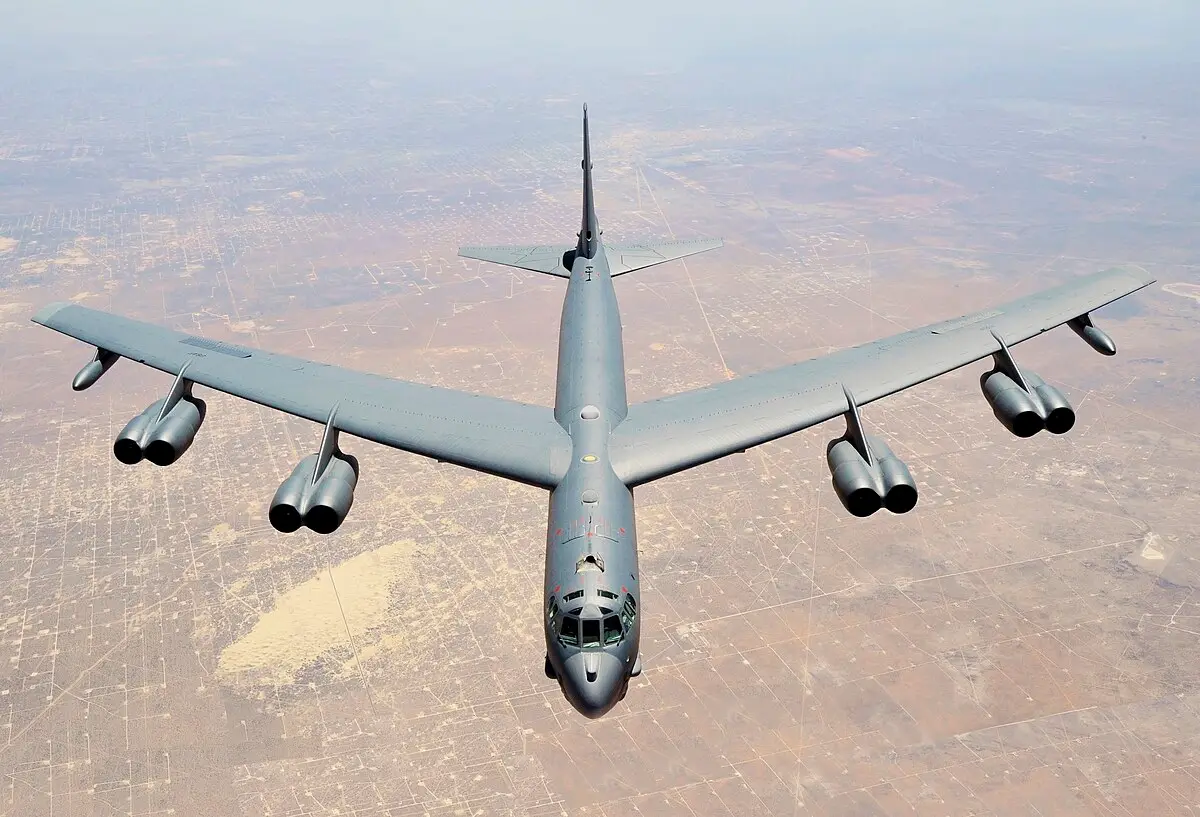
In 2015, the Air Force successfully resurrected a B-52H nicknamed ‘Ghost Rider’ after it spent seven years baking in the boneyard. It required a massive USD 13 million overhaul and 70 days of intense maintenance just to make the aircraft airworthy again.
Wise Guy Follows Suit
Following Ghost Rider's success, a second B-52H known as ‘Wise Guy’ was regenerated to active service after spending an entire decade in the desert. These complex resurrections prove that the aircraft's over-engineered Cold War architecture remains fundamentally sound.
Supporting the B-52J Future
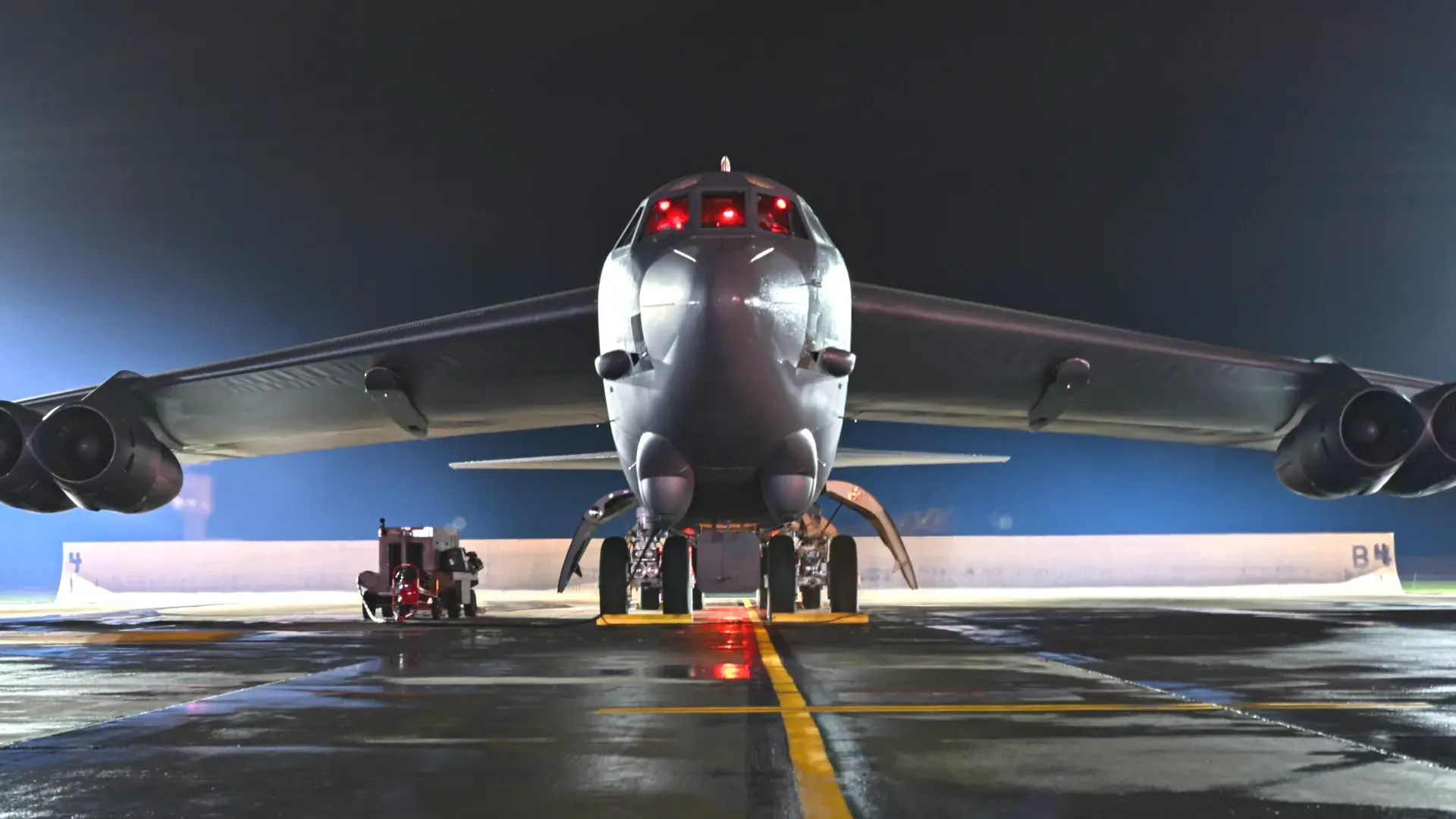
As the US military prepares for the USD 48.6 billion B-52J modernisation programme, the boneyard fleet remains a highly critical asset. Even as active bombers receive modern Rolls-Royce F130 engines, the retired airframes will continuously supply irreplaceable vintage components until the 2050s.
)
)
)
)
)