Why modern fighter jets rely more on missiles than dogfighting

Modern fighters employ beyond-visual-range missiles and stealth technology, rendering traditional dogfighting obsolete. Network-centric warfare and sensor fusion enable pilots to launch missiles from 100-plus kilometres without seeing targets.
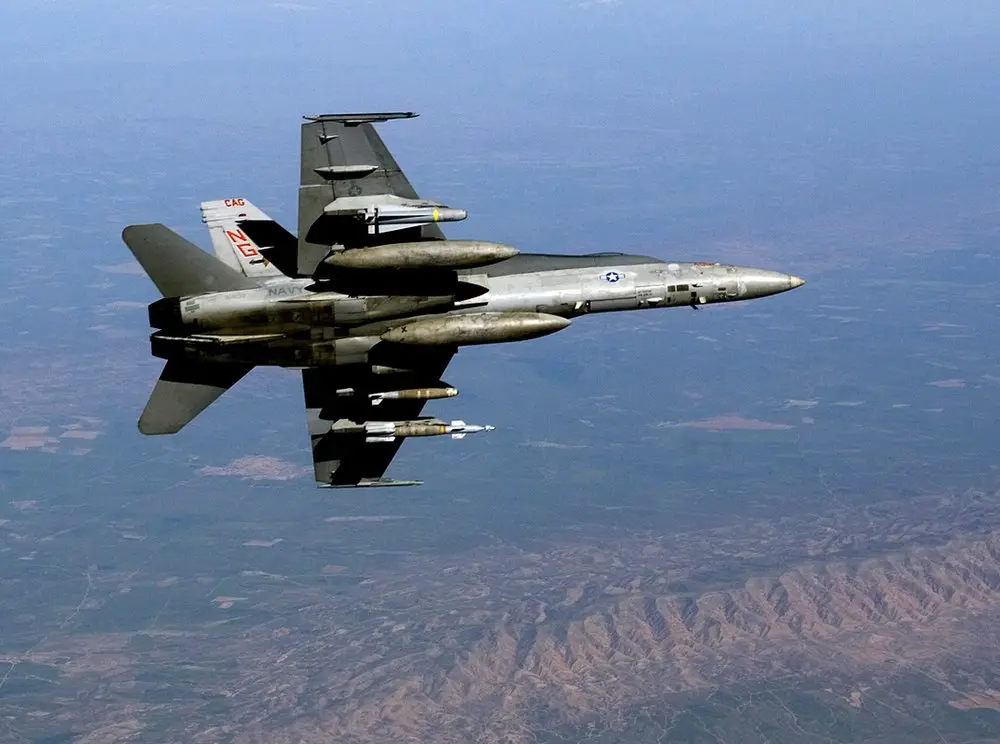
Beyond Visual Range Missile Dominance
Beyond-visual-range missiles allow fighter pilots to engage targets exceeding 100 kilometres away. These distances are impossible to achieve in dogfights, where traditional air combat occurs within visual range. Missiles launched from extreme range shift advantage decisively to the attacking force regardless of pilot skill or aircraft manoeuvrability.
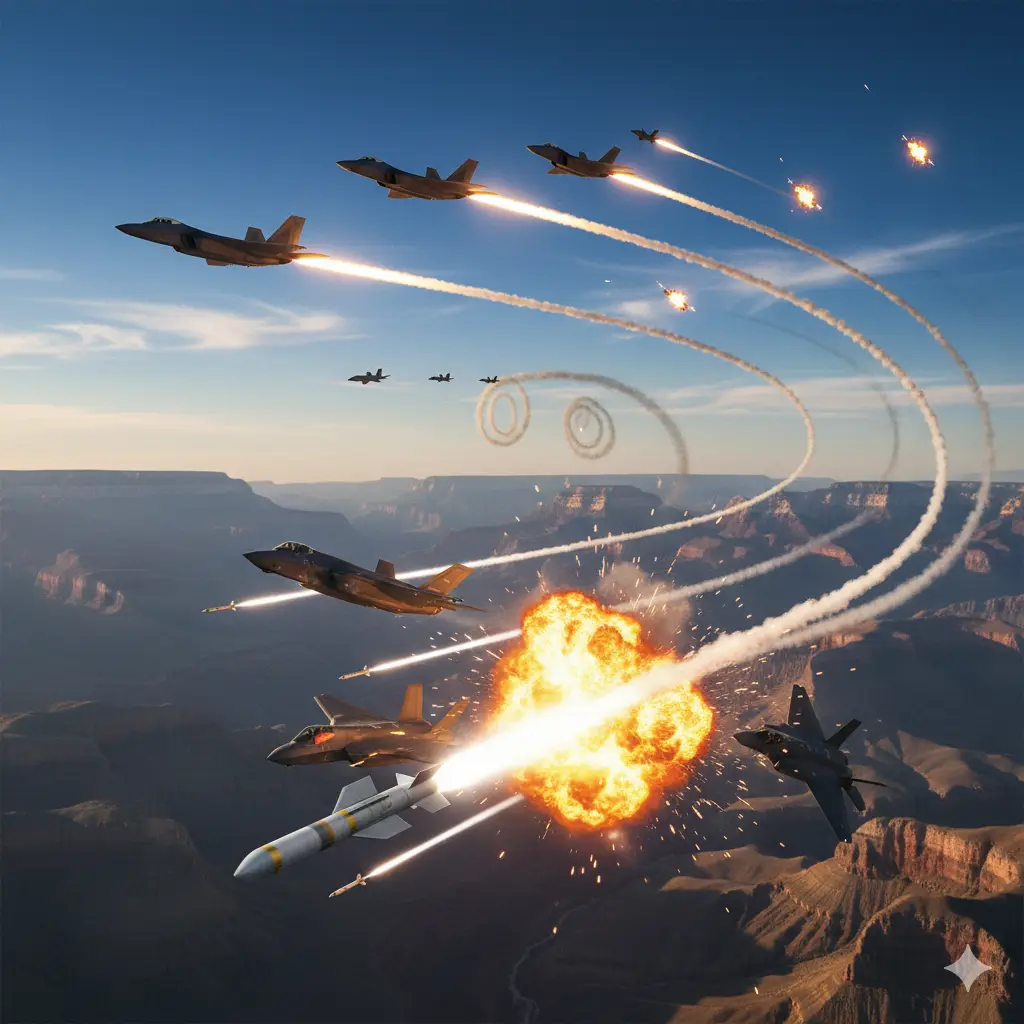
First Look, First Shot, First Kill Doctrine
Modern air superiority doctrine emphasises detecting enemy aircraft first, locking missiles first, and achieving kills before enemies launch weapons. This advantage relies on sensor superiority, not dogfighting manoeuvrability. Stealth fighters detect targets at extreme range whilst remaining invisible to enemy radar, enabling overwhelming first-strike advantage.
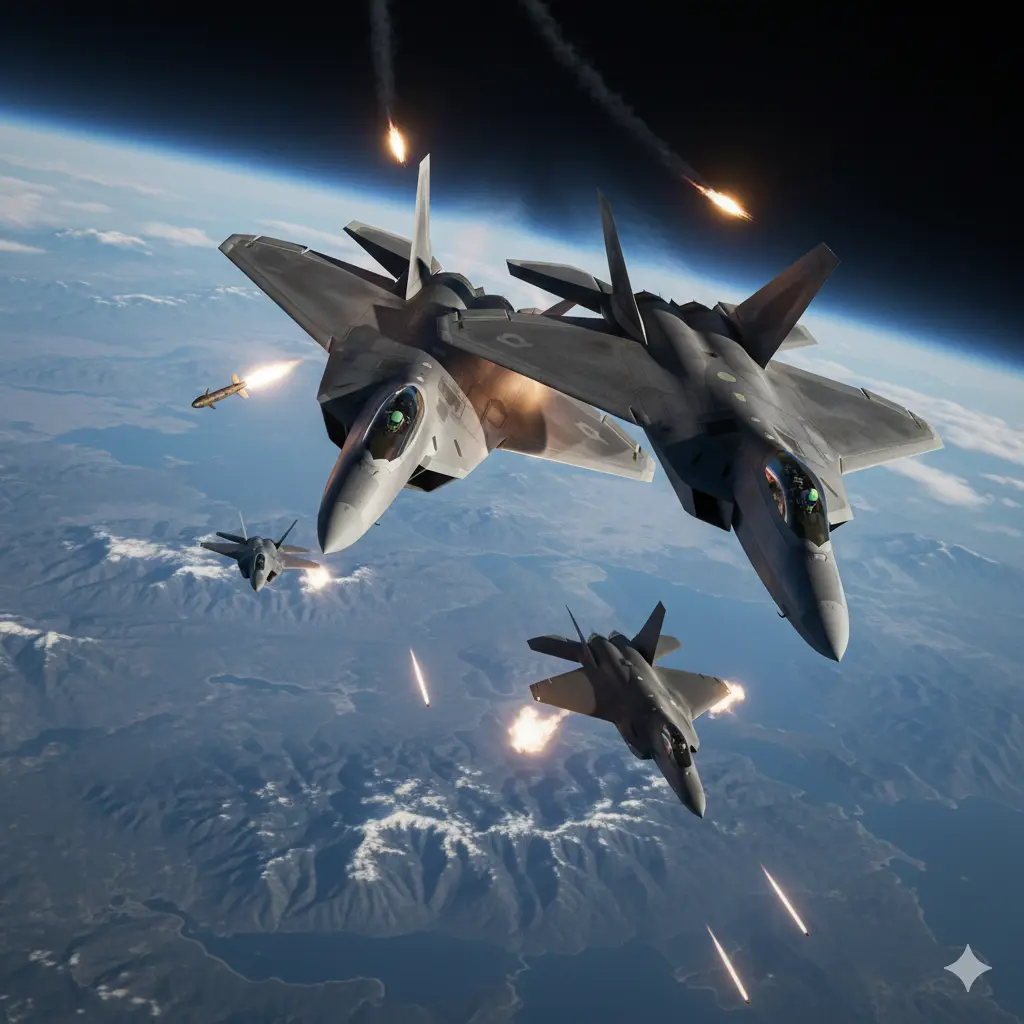
90 Per Cent of Modern Engagements Beyond Visual Range
Recent recorded engagements show approximately 90 per cent of shots fired at beyond-visual-range distances. This represents dramatic shift from earlier eras when visual-range dogfights predominated. The pattern confirms modern fighters prioritise missile employment over manoeuvring, reflecting doctrine valuing early detection and long-range strikes.
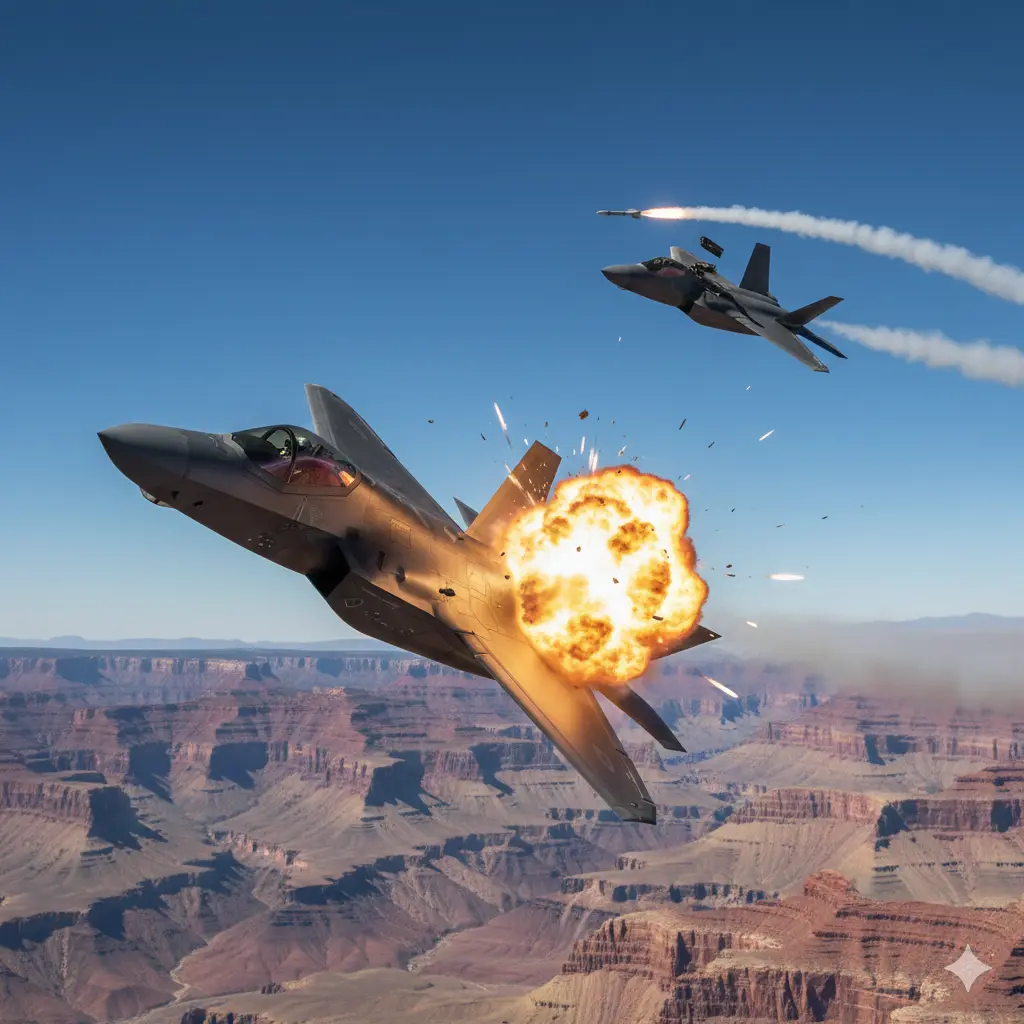
Stealth Technology Eliminates Visual Dogfighting
Stealth aircraft reduce radar cross-sections to dimensions comparable to insects, becoming virtually undetectable until extremely close. Enemies cannot dogfight opponents they cannot see, stealth forces engagement at beyond-visual-range distances where missiles dominate. Traditional dogfighting skills become irrelevant when pilots never achieve visual contact before missile impact.
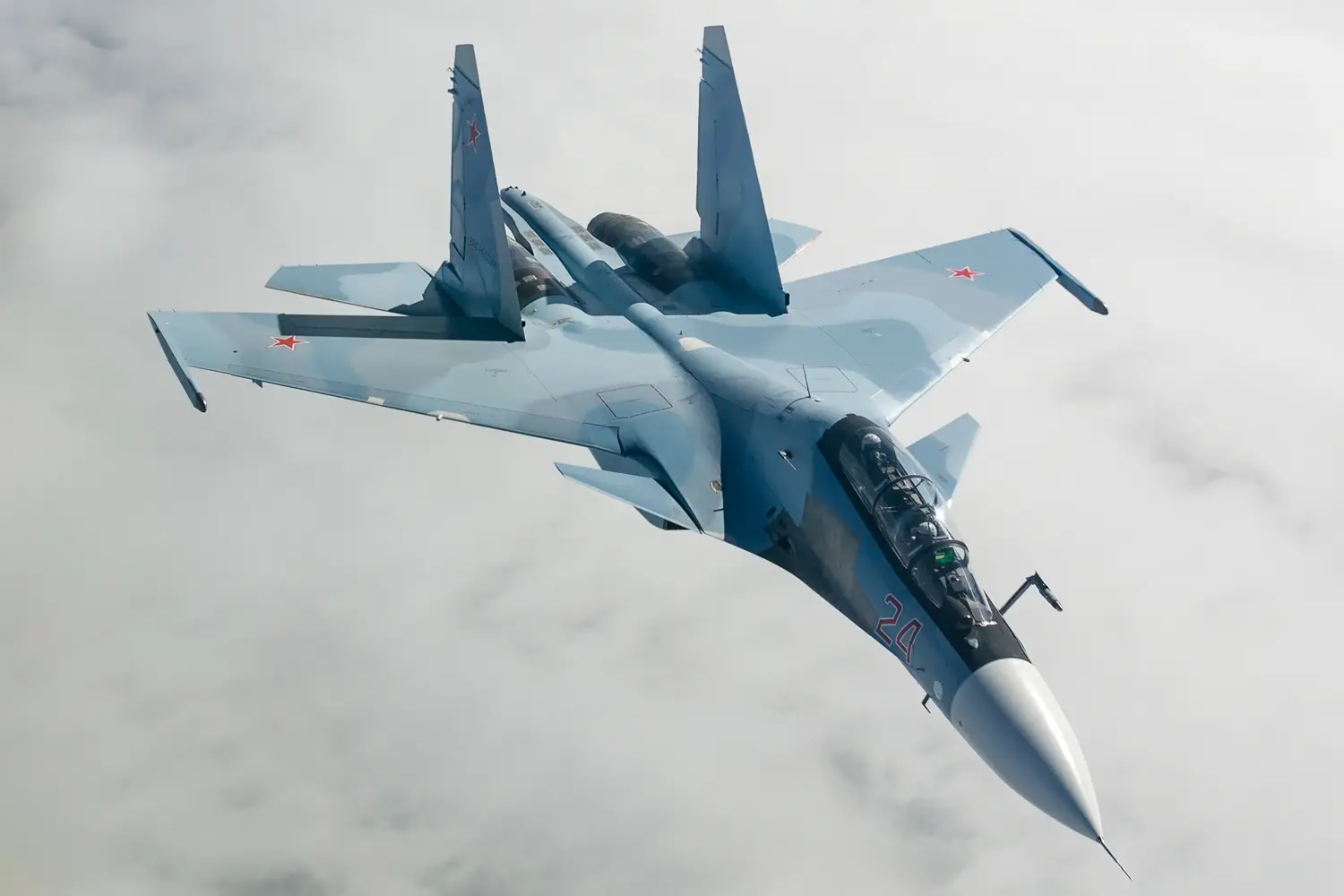
Network-Centric Warfare and AWACS Integration
AWACS aircraft provide real-time radar data to all fighters in engagement, enabling coordinated beyond-visual-range missile strikes from extreme distances. This network-centric approach prioritises shared information and coordinated action over individual fighter capabilities. Pilots no longer need to find targets visually, networked targeting systems manage engagements automatically.
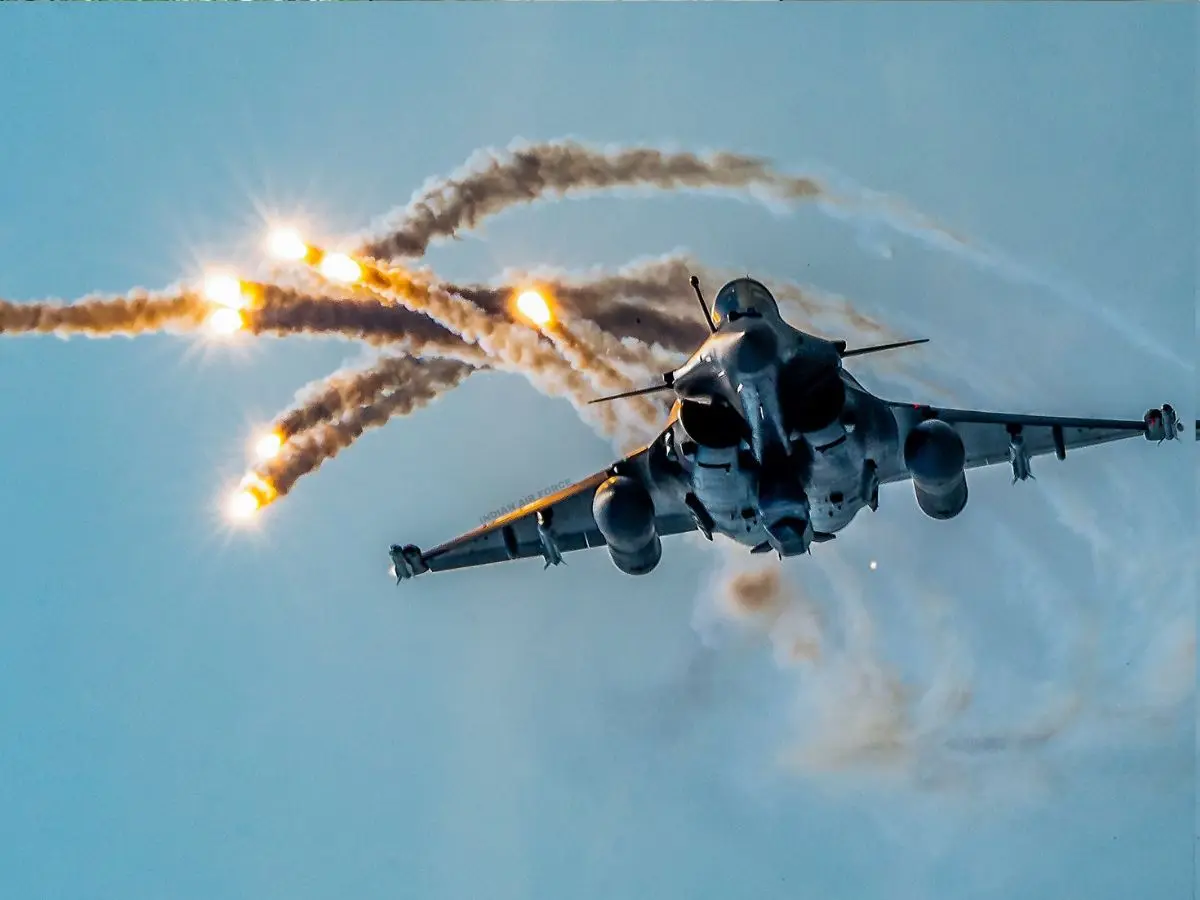
Sensor Fusion and Simultaneous Multi-Target Engagement
Modern fighters integrate radar, infrared and electro-optical sensors into unified targeting systems enabling simultaneous engagements against multiple targets. Pilot manoeuvrability cannot manage multiple opponents, sensor fusion and automated guidance allow launching missiles at different targets simultaneously. This technological advantage makes traditional one-versus-one dogfighting obsolete.
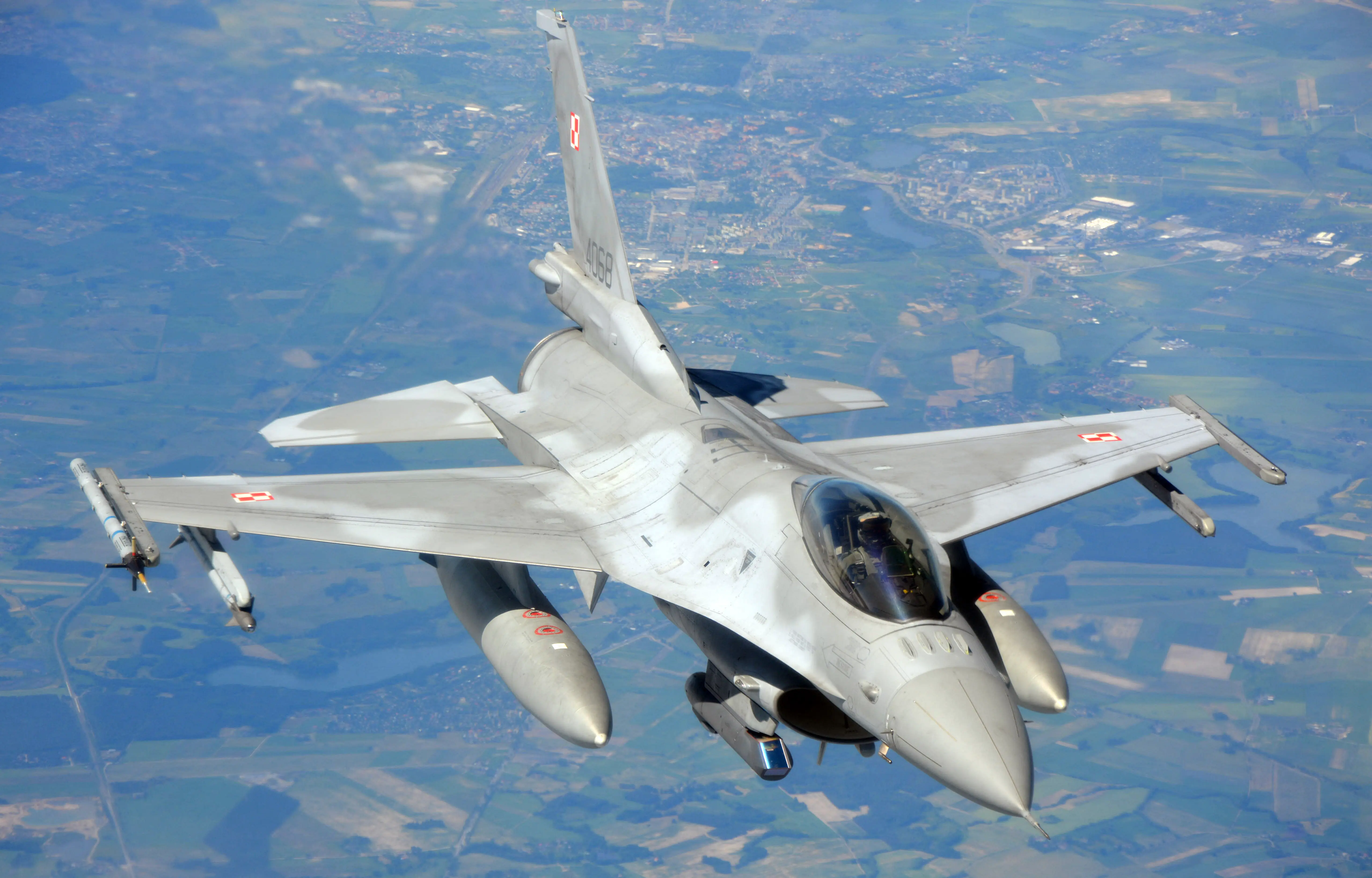
Missile Employment Now Standard Air Combat Doctrine
Contemporary military doctrine expects air combat to conclude via missile strikes before dogfighting becomes necessary. Pilots train extensively in beyond-visual-range tactics, sensor employment and coordinated missile engagements. Long-range capability defines air superiority more than aircraft agility or pilot manoeuvrability in modern warfare.
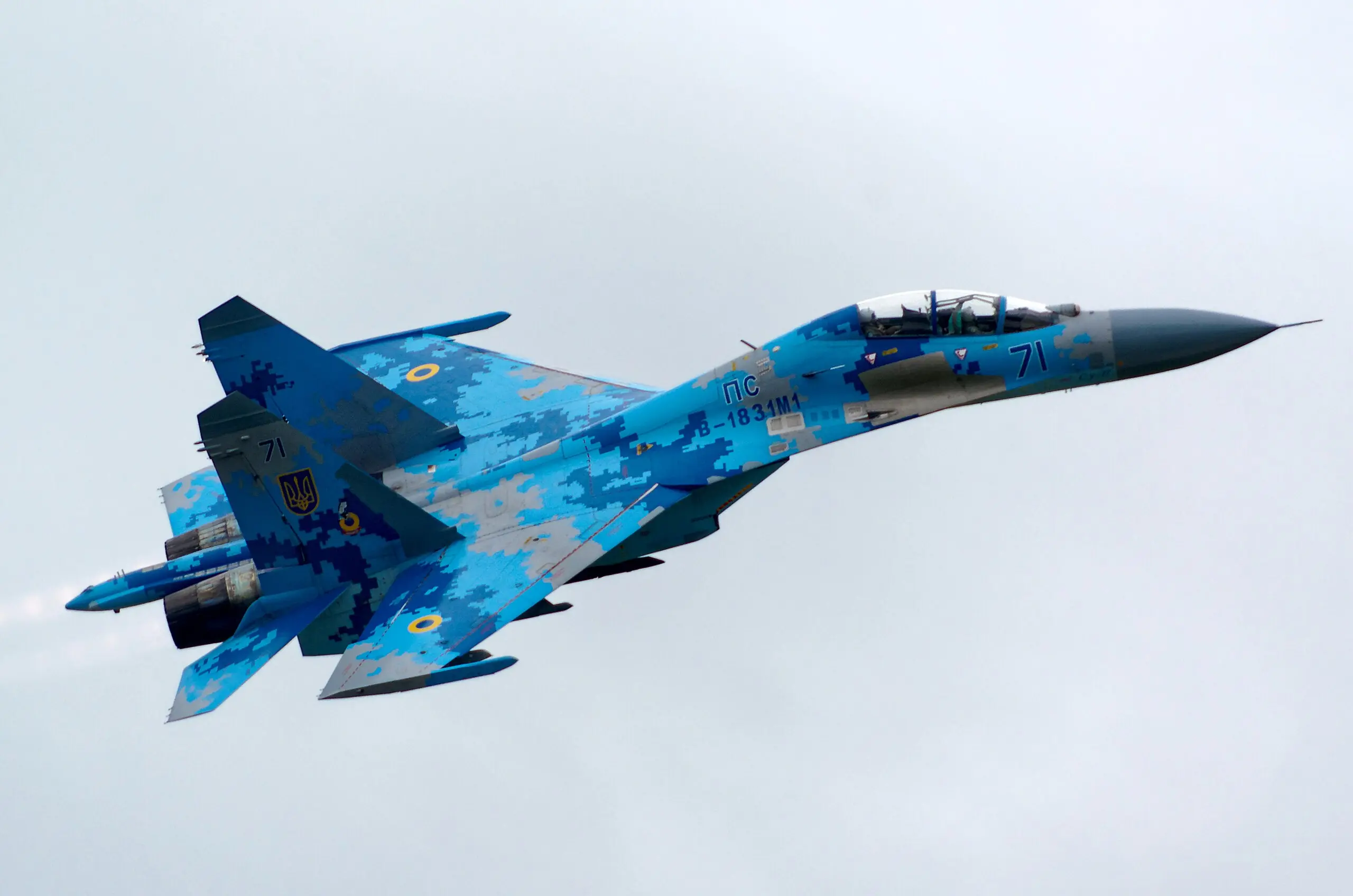
Dogfighting Relegated to Last-Resort Contingency
Modern training still includes dogfighting skills as contingency tactics for scenarios where missiles fail, become depleted, or rules of engagement restrict long-range employment. However, doctrine expects modern air combat to conclude via missile strikes before close-range combat becomes necessary. Any fighter forced into close-range combat represents mission failure.
)
)
)
)
)