Why militaries prefer trains for moving massive fleets

Modern armies choose trains because they move huge fleets faster, cheaper, and safer than long road convoys. One train can replace dozens of trucks, carry heavy tanks, cut travel time, and save fuel giving militaries a major edge in rapid deployment during conflict.
The Capacity Revolution
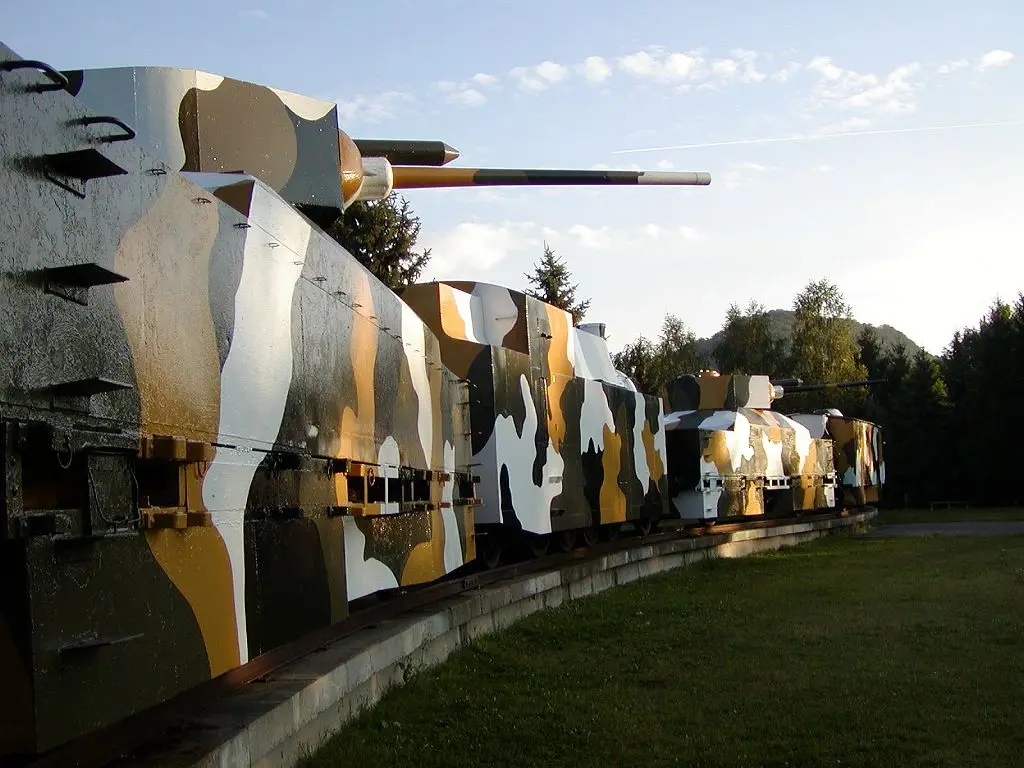
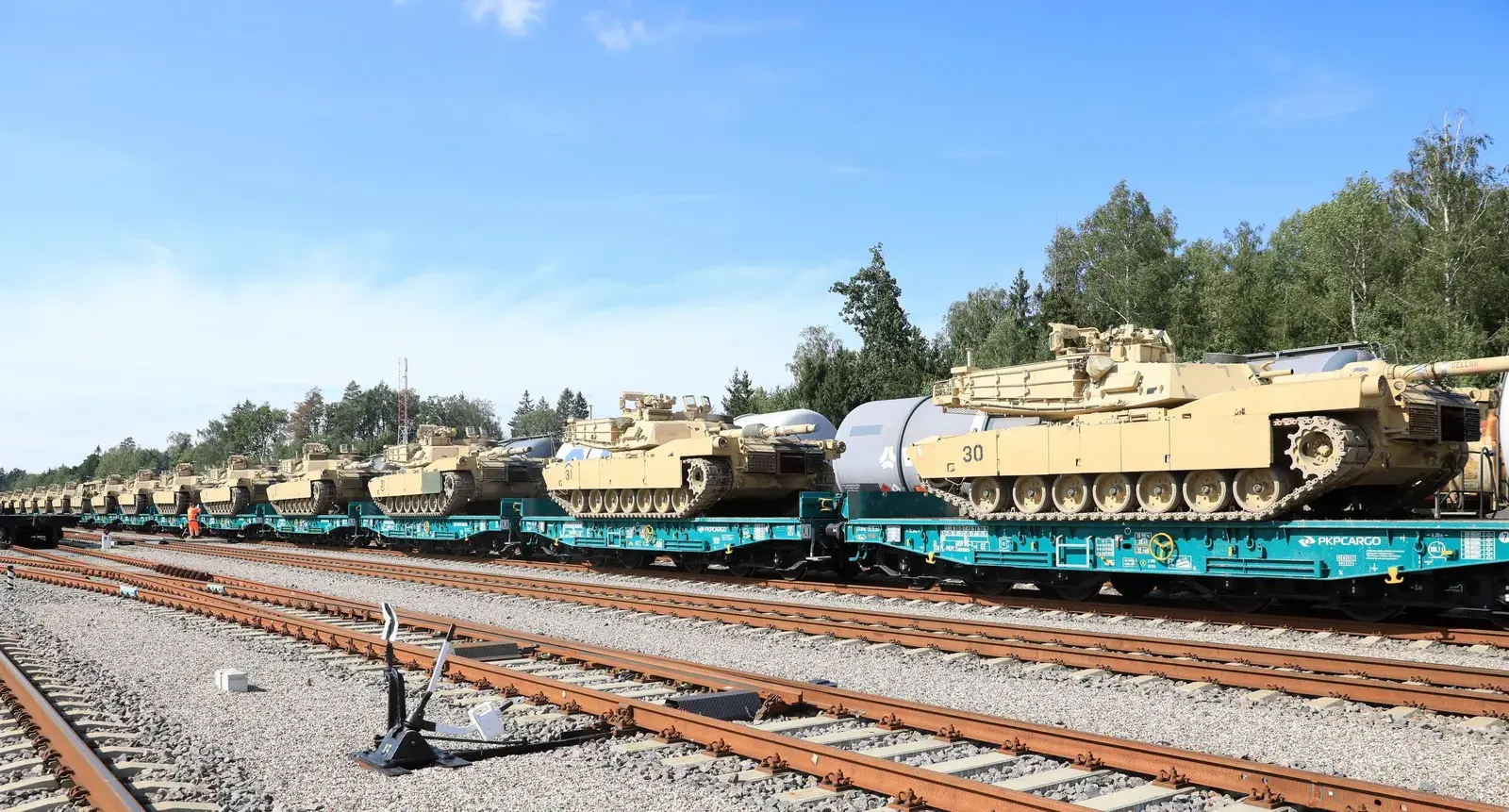
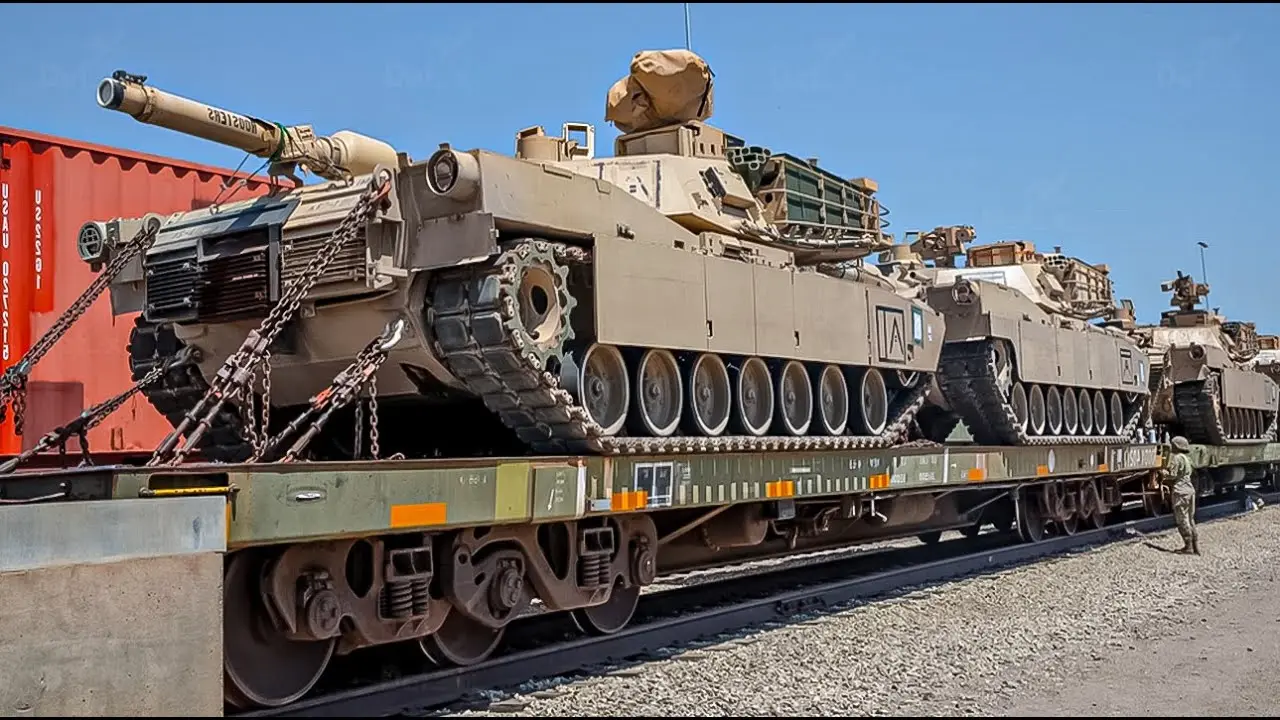
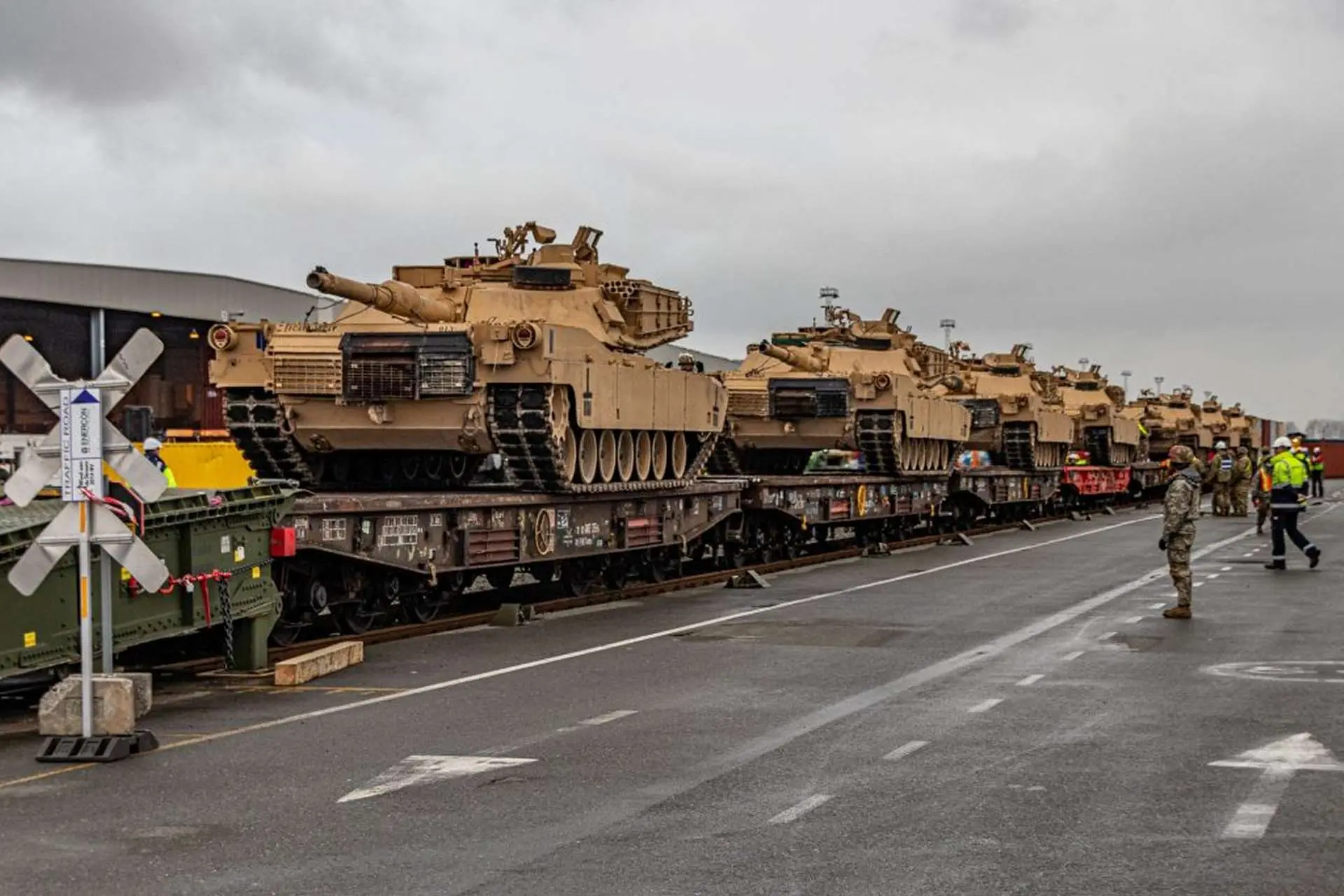
A single military flatcar (train) carries maximum 140 tonnes capacity. This equals approximately 50 heavy trucks on the road. When moving a 70-tonne M1 Abrams tank, one flatcar does the job. Two M2 Bradley fighting vehicles fit on single flatcar. The capacity consolidation reduces logistics complexity dramatically. Moving hundreds of tanks and vehicles becomes manageable with just dozens of railway cars.
753 Tonnes: Indian Army's Single Train Achievement
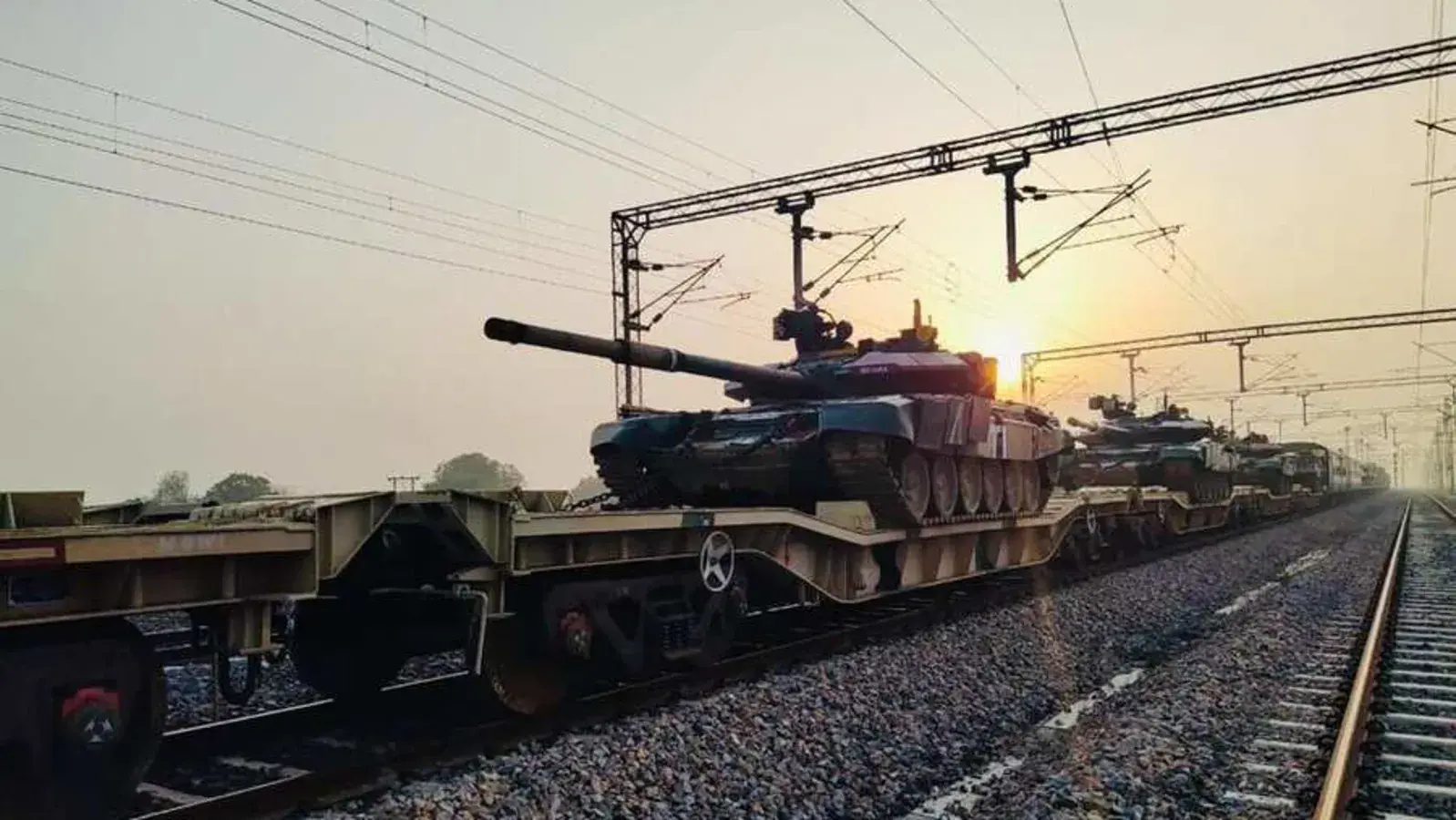
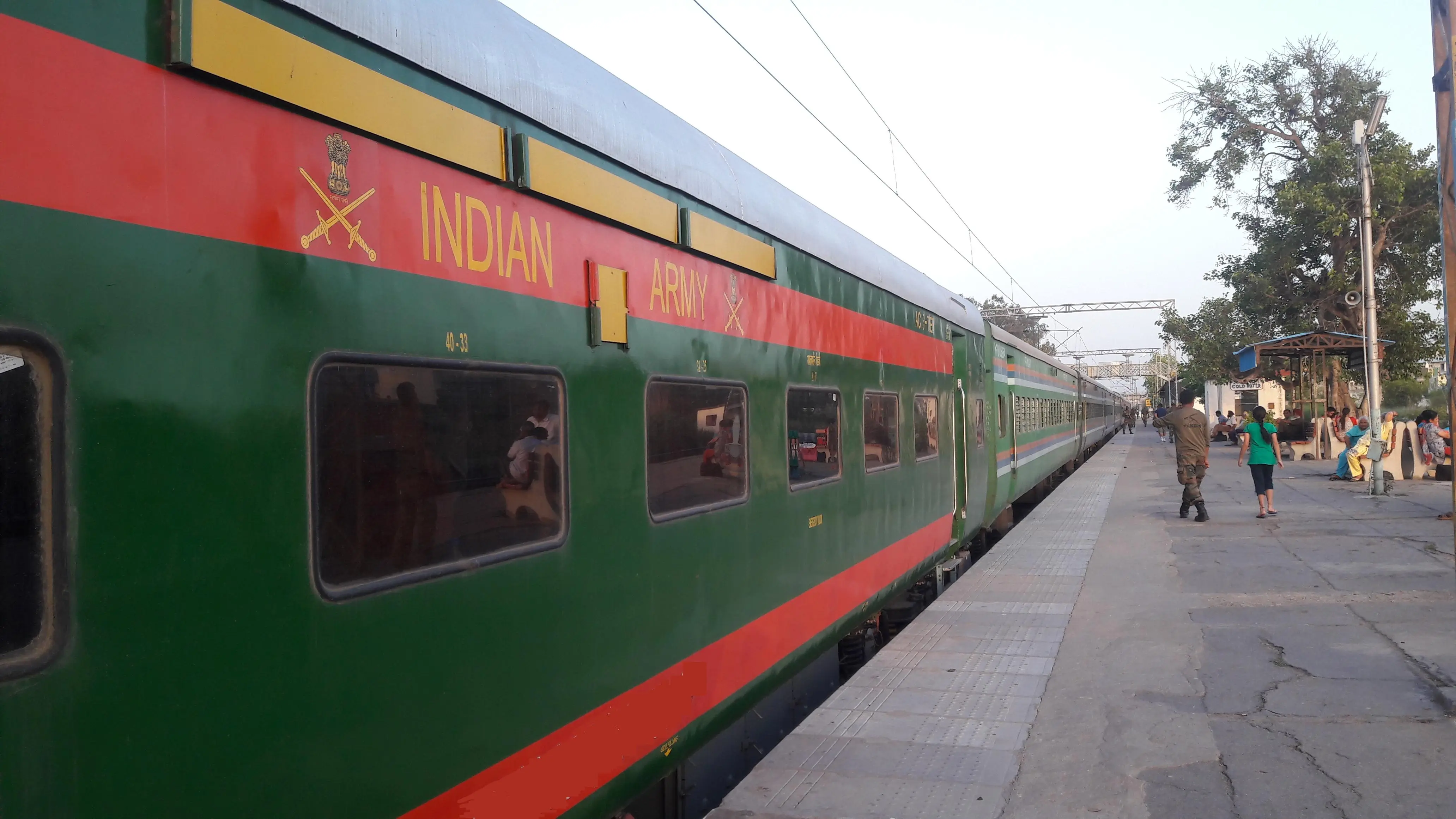
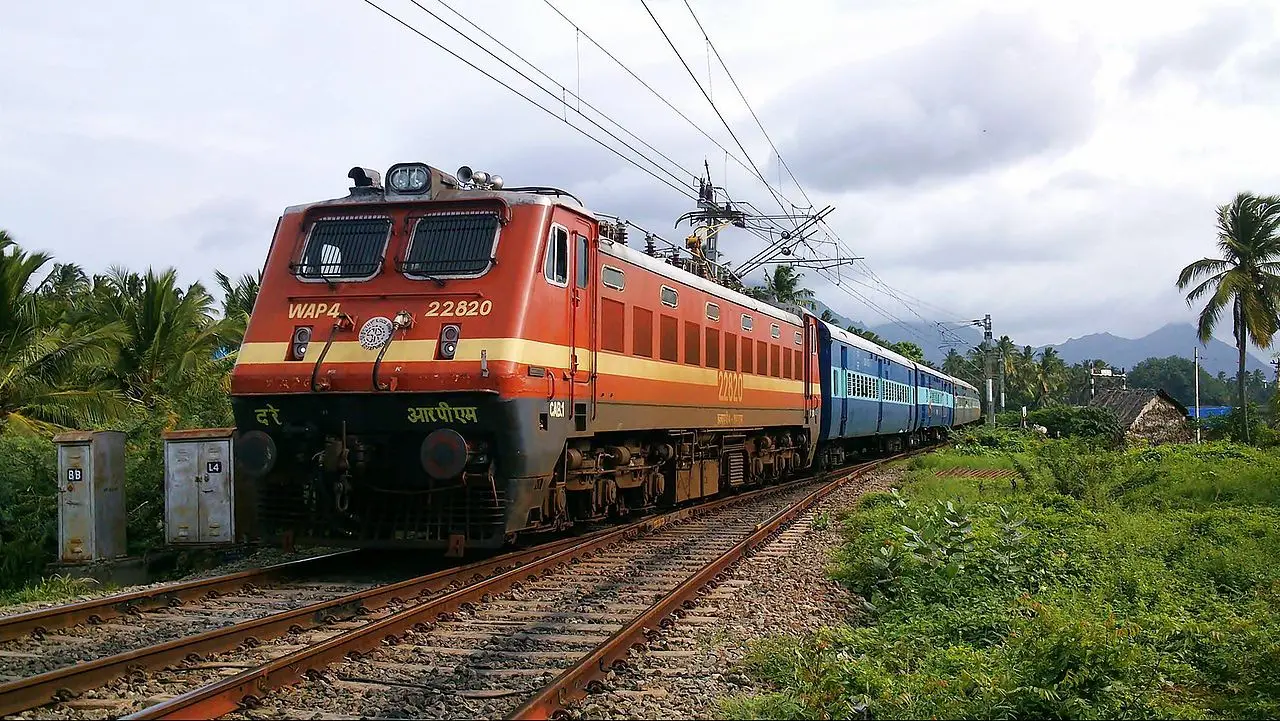
In September 2025, Indian Army operated its first exclusive freight train on the Udhampur-Srinagar-Baramulla Rail Link. This single train carried 753 metric tonnes of advance winter stocking supplies. The supplies included armaments, ammunition, and equipment for Kashmir deployment. Previously, this quantity required multiple road convoys. One train accomplished what would have needed 30 to 40 trucks.
Fuel Economy Advantage
Fuel efficiency is four times better than truck transport. Trains harness physics using gravity and rolling resistance on steel tracks. Trucks fight constant friction and air resistance on roads. The physics difference translates to massive fuel savings for military operations.
Cost-Effectiveness Analysis
Rail transport in India costs approximately Rs 1.96 per tonne-kilometre. This makes rail significantly cheaper than road transport for bulk cargo. External costs of rail freight are only 0.24 to 0.25 cents per ton-mile compared to 1.11 cents for trucks. Moving 753 tonnes by rail costs substantially less than using 40 trucks. Budget-conscious militaries deploy via rail when speed permits strategic movement.
Heavy Equipment Transport
Heavy tanks and oversized artillery cannot move efficiently by road. A 70-tonne M1 Abrams tank damages road surfaces and requires special permits. Rail flatcars with 140-tonne capacity carry these weapons easily. Military flatcars feature 32 to 36 chain assemblies for secure equipment locking. The chains prevent movement during transport. Heavy weapons reach deployment areas safely without infrastructure damage.
Strategic Mobility Network
The Udhampur-Srinagar-Baramulla Rail Link reduces travel time by five to six hours compared to road transport from Jammu to Kashmir. This time saving means forces reach forward positions faster. During conflict, quick deployment determines military success. The rail link provides strategic mobility that roads cannot match. Indian Army can rapidly reinforce Kashmir borders using dedicated military trains.
Future Military Strategies
Militaries worldwide recognise rail as essential infrastructure for modern warfare. Future conflicts will depend on controlling railway networks for rapid force movement. Coming decades will see armies prioritising train infrastructure equal to roads and highways for combat readiness.
)
)
)
)
)