Why is gold yellow? The physics behind it

Gold’s yellow colour is unique among metals, and its cause is rooted in physics and chemistry. Gold looks yellow because its fast electrons absorb blue light, reflecting yellow to our eyes. This happens due to relativistic changes to electron orbits, which also make gold stable and valuable.
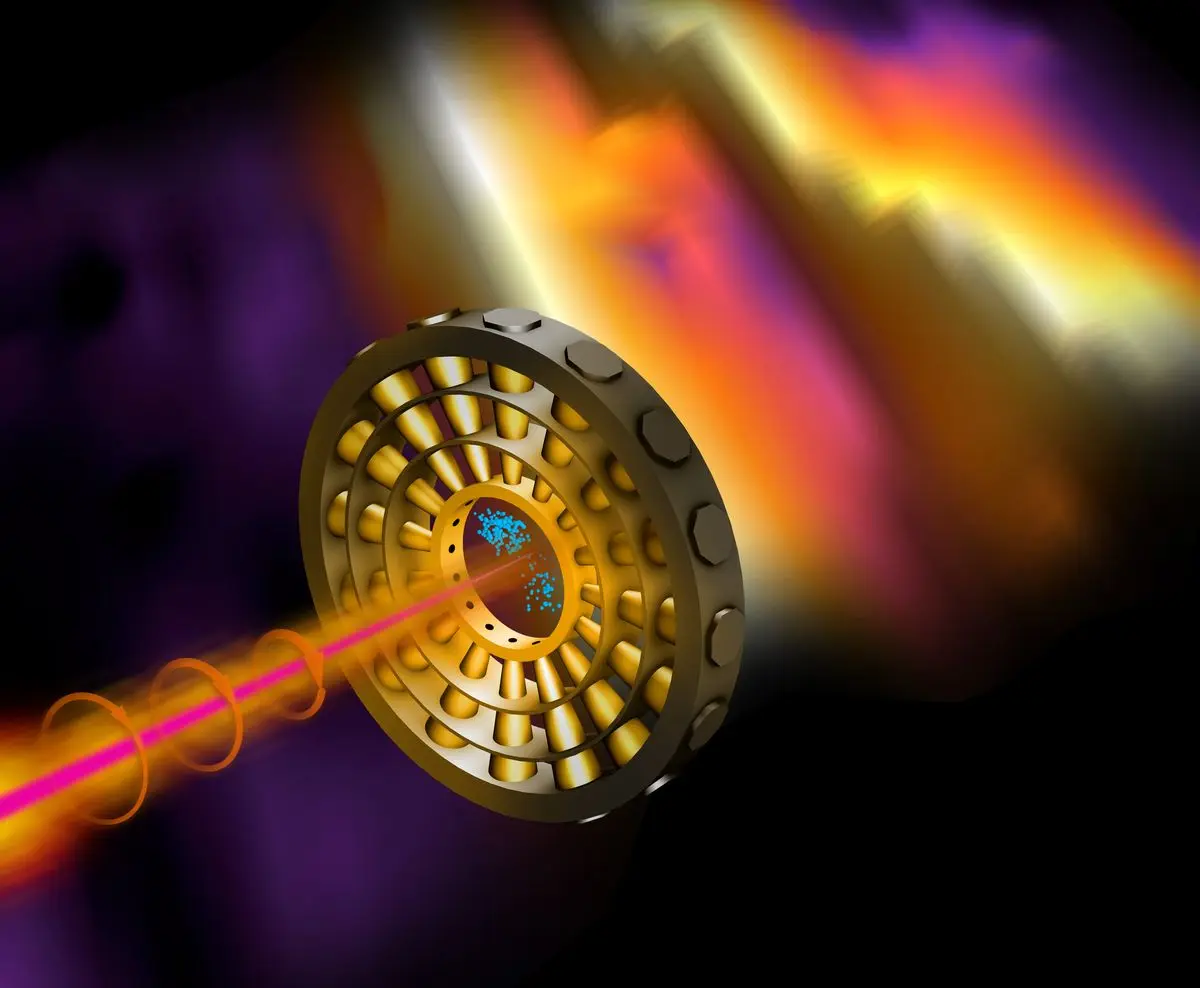
Gold’s Electrons Move Very Fast
In gold atoms, the inner electrons orbit the nucleus at nearly half the speed of light. This high speed increases the electrons’ mass due to relativity, changing their behaviour and energy levels.
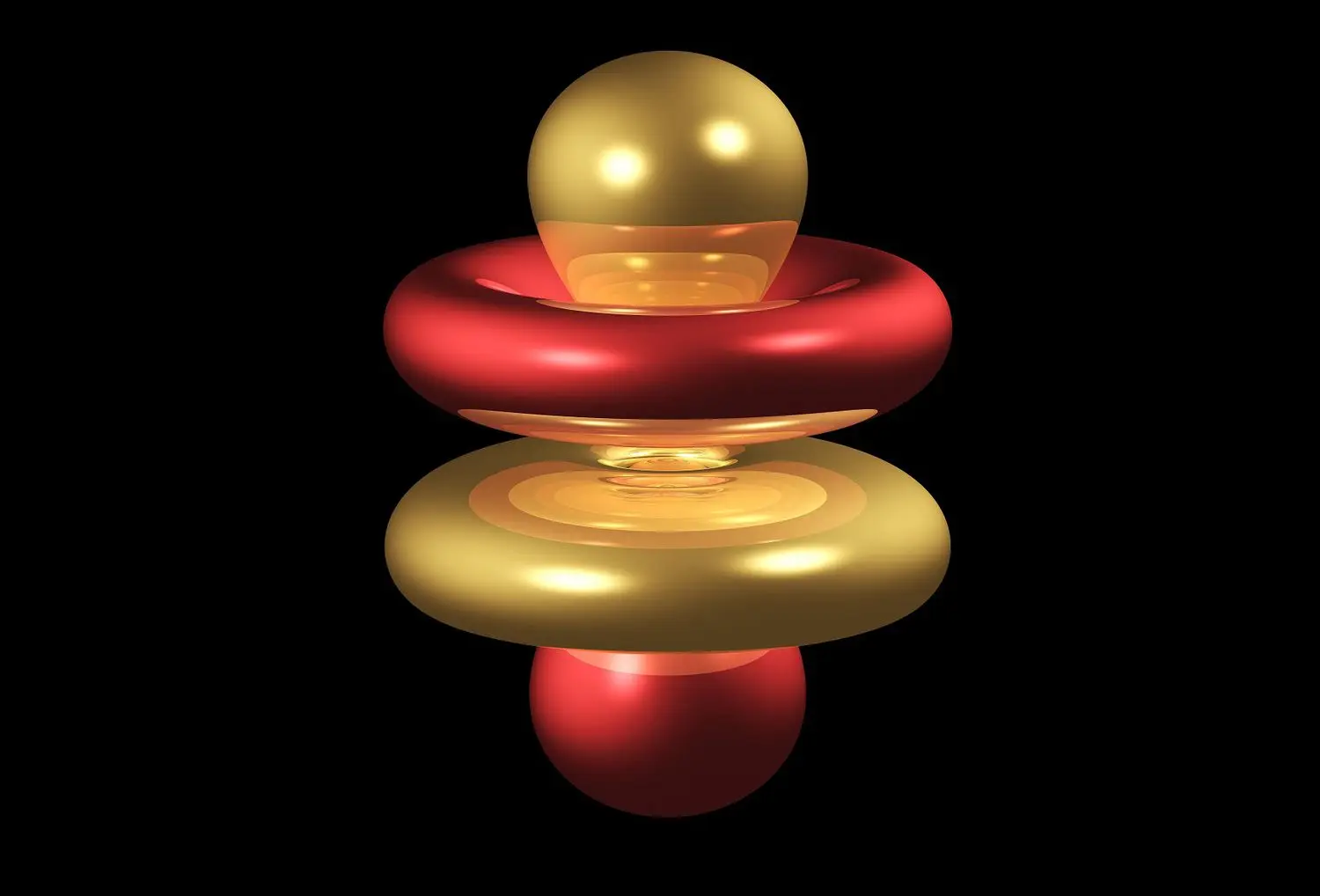
Orbital Changes Shift Light Absorption
The increased mass causes the 6s electron orbitals to shrink and the 5d orbitals to expand. This reduces the energy gap between these orbitals compared to other metals, allowing gold to absorb light in the blue and violet parts of the spectrum.
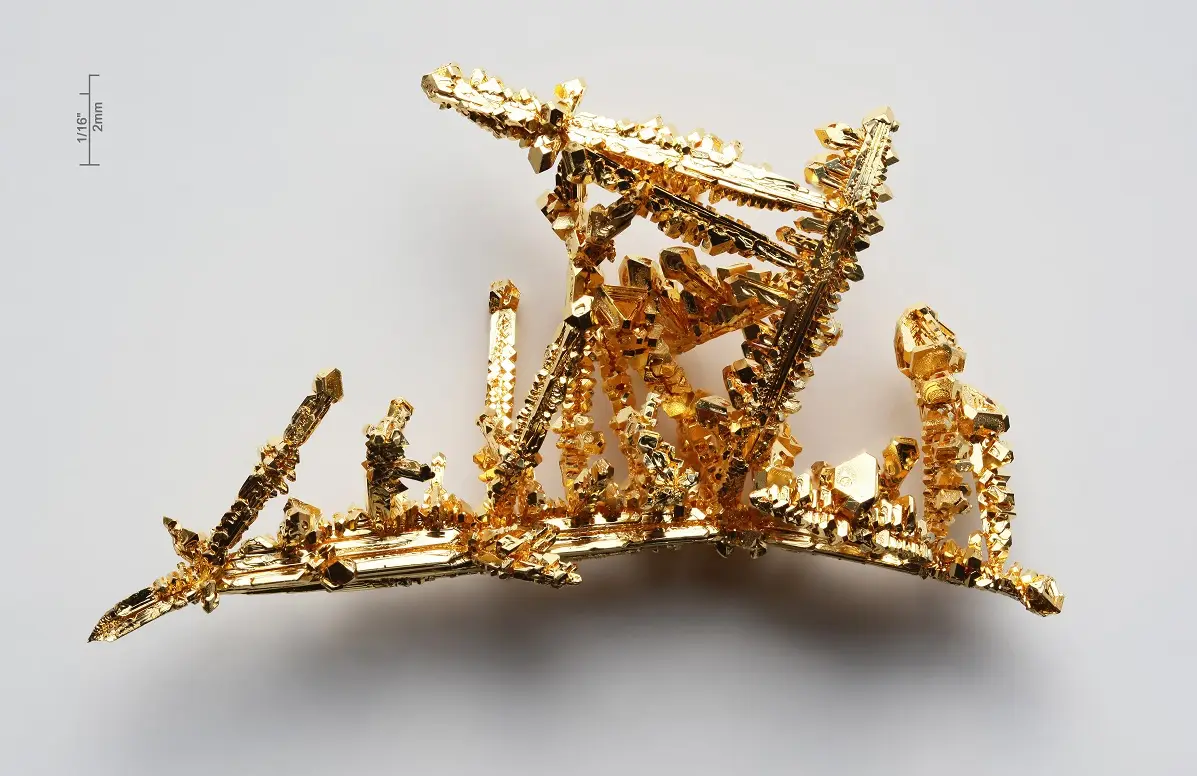
Blue Light Absorbed, Yellow Light Reflected
Gold absorbs blue light and reflects the rest of the visible spectrum, especially red and green waves. Our eyes perceive this reflected light as yellow, giving gold its characteristic warm colour.
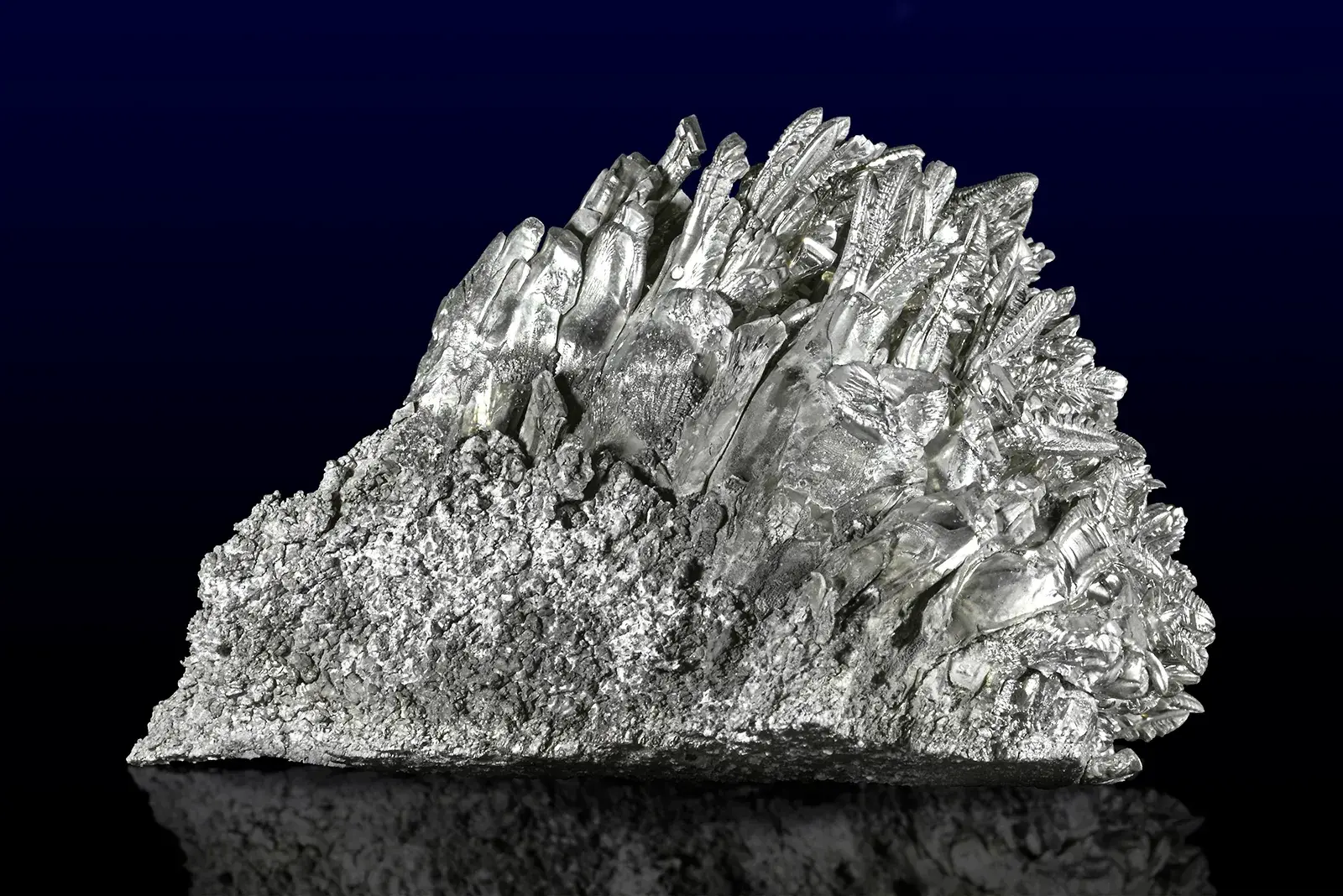
Why Other Metals Look Silver
Metals like silver do not have such strong relativistic effects. Their electrons absorb ultraviolet light, reflecting all visible light evenly; thus, their colour appears silvery or grey.
Gold’s Relativity Also Affects Its Properties
The relativistic contraction of orbitals makes gold less reactive and highly stable. It resists tarnishing and corrosion, which adds to its value and use in jewellery and technology.
Research Advances Are Unlocking More Details
Recent studies have used advanced quantum calculations to precisely measure electron interactions in gold. These confirm the importance of relativistic effects and enhance our understanding of gold’s unique optical and chemical behaviour.
Gold’s Golden Glow in the Modern World
Gold’s yellow shine is more than beauty; it’s a perfect example of how physics shapes the natural world. This glow influences everything from art and jewellery to space technology.
)
)
)
)
)