Why Genz is obsessed with Japan's Baba Vanga and her 2025 disaster warning?

Gen Z is worried about a July 5 prophecy by Ryo Tatsuki, known for past accurate predictions. Social media posts, manga images, and distrust in authorities fuel fear. Young people share survival tips, theories, and buy emergency kits, showing rising apocalyptic anxiety.

Social Media Fuels Fear
Gen Z spends hours on TikTok and X, where #July5Disaster trends with millions of views. Dramatic videos and viral posts about Ryo Tatsuki’s prophecy keep the topic alive, spreading worry and making it a daily talking point for young users.
Trust in Tatsuki’s Track Record
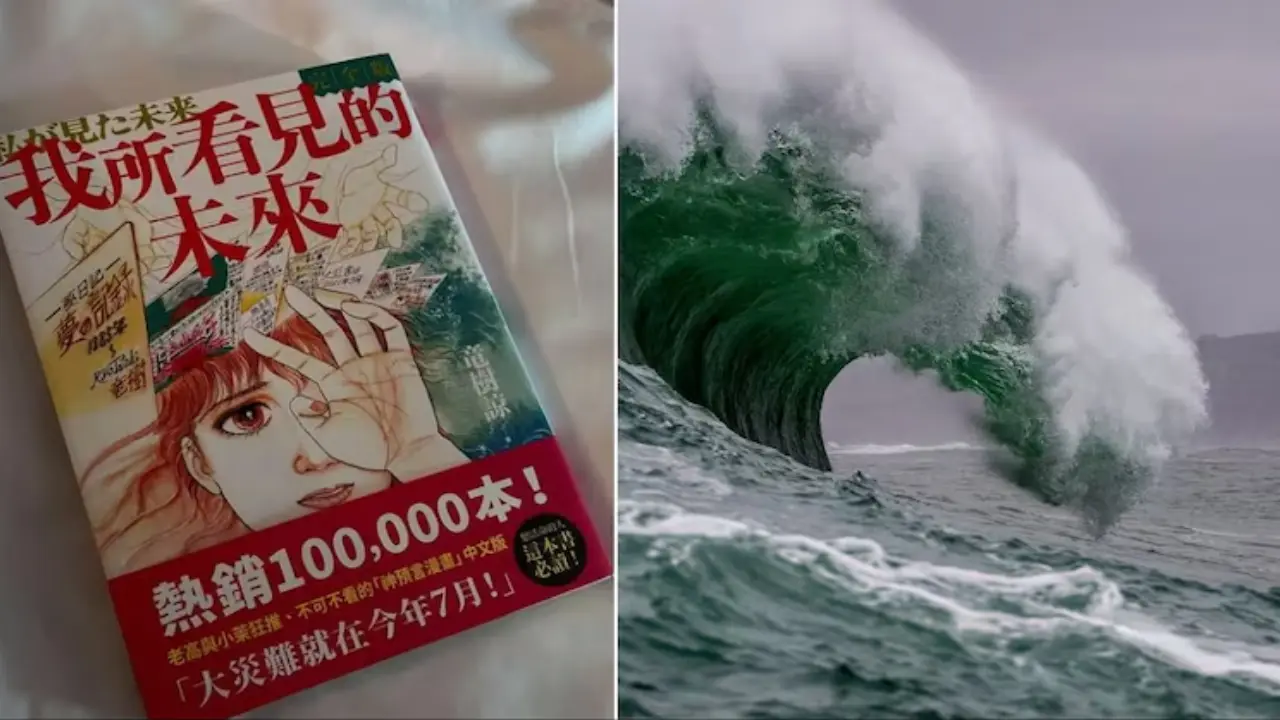
Ryo Tatsuki’s manga, The Future I Saw, gained fame for predictions like the 2011 tsunami and Princess Diana’s death. Many Gen Z users see her as credible, sharing posts such as, “She got it right before, what if she’s right again?”
Apocalyptic Anxiety Grips Gen Z
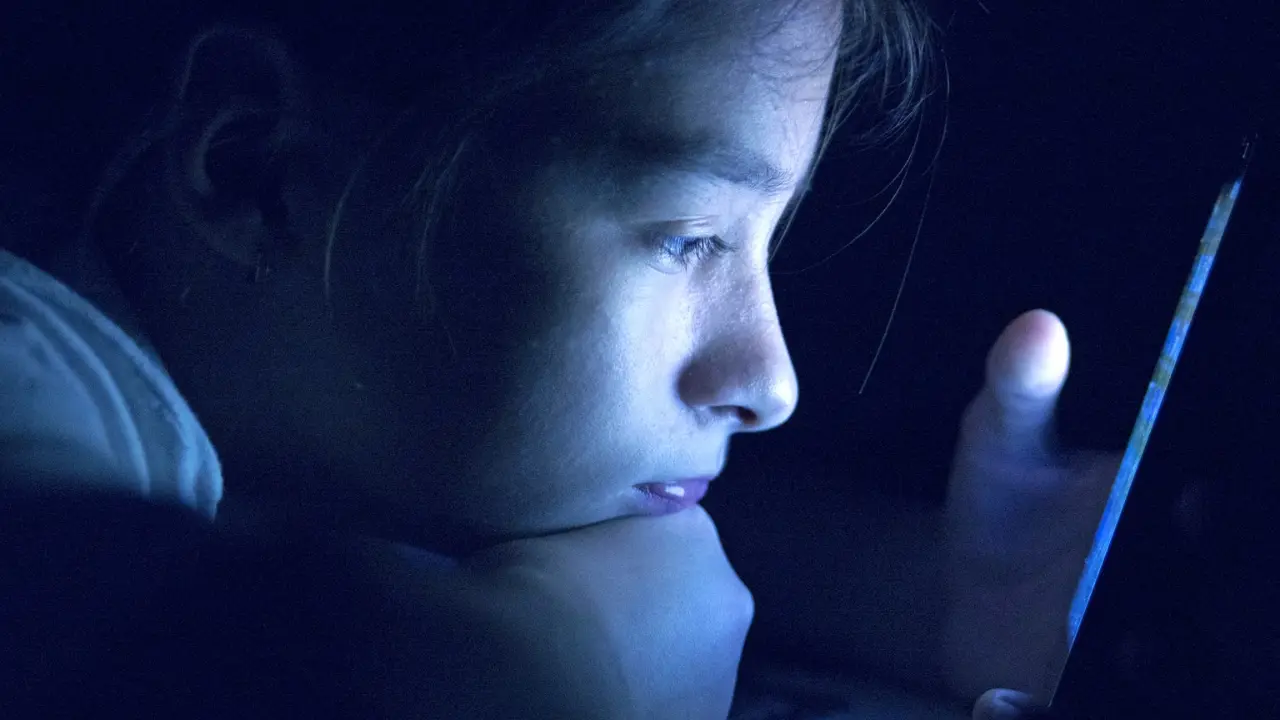
Mental health experts say Gen Z faces “apocalyptic anxiety,” made worse by vivid images of disasters in Tatsuki’s manga. Climate worries and global crises add to the fear, with online forums full of survival tips and discussions about the prophecy.
Viral Conspiracy Theories
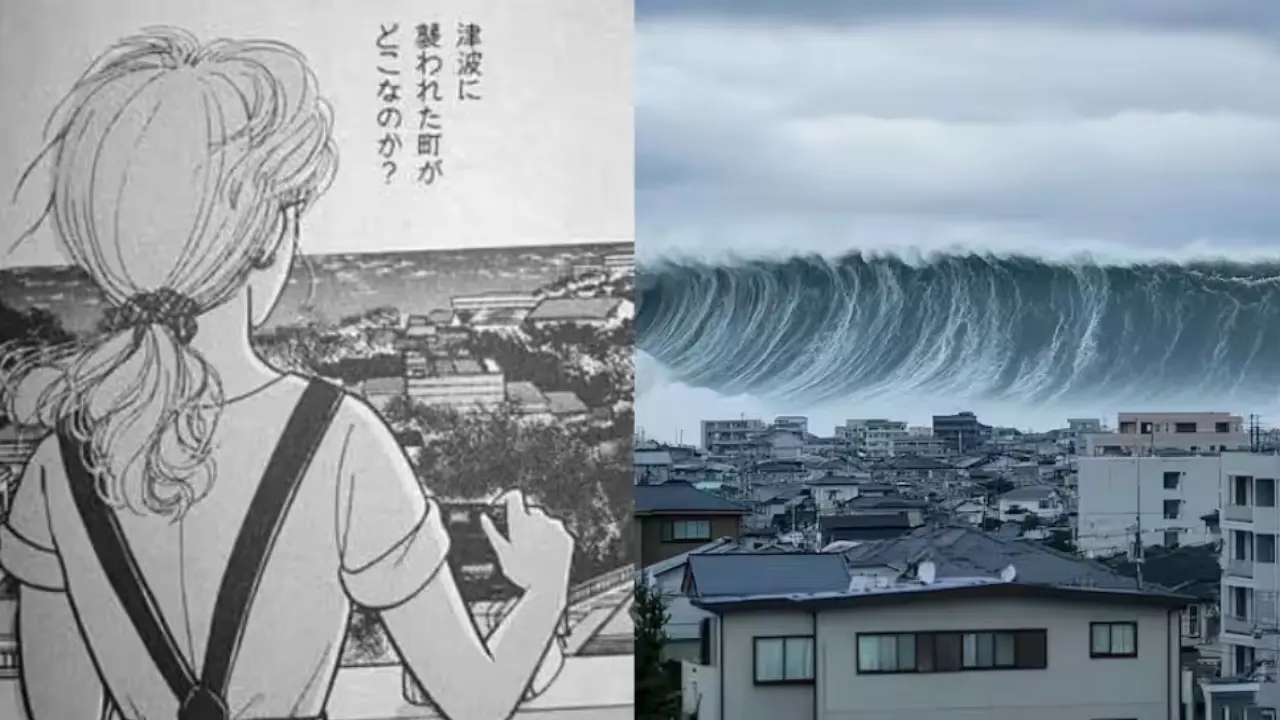
Gen Z is drawn to conspiracy content. On X, users link Tatsuki’s warning to solar flares or earthquakes, posting, “It can’t be a coincidence!” These theories, though unproven, spread quickly, mixing fear with fascination.
Influence of Pop Culture
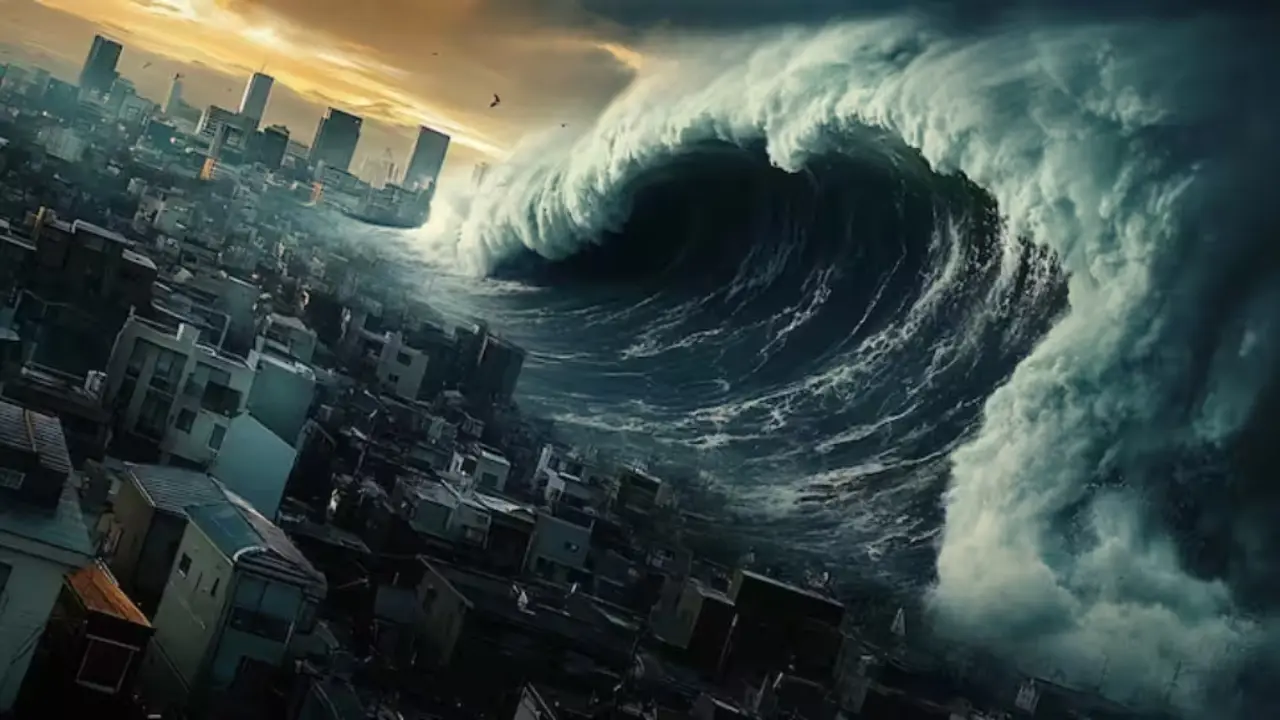
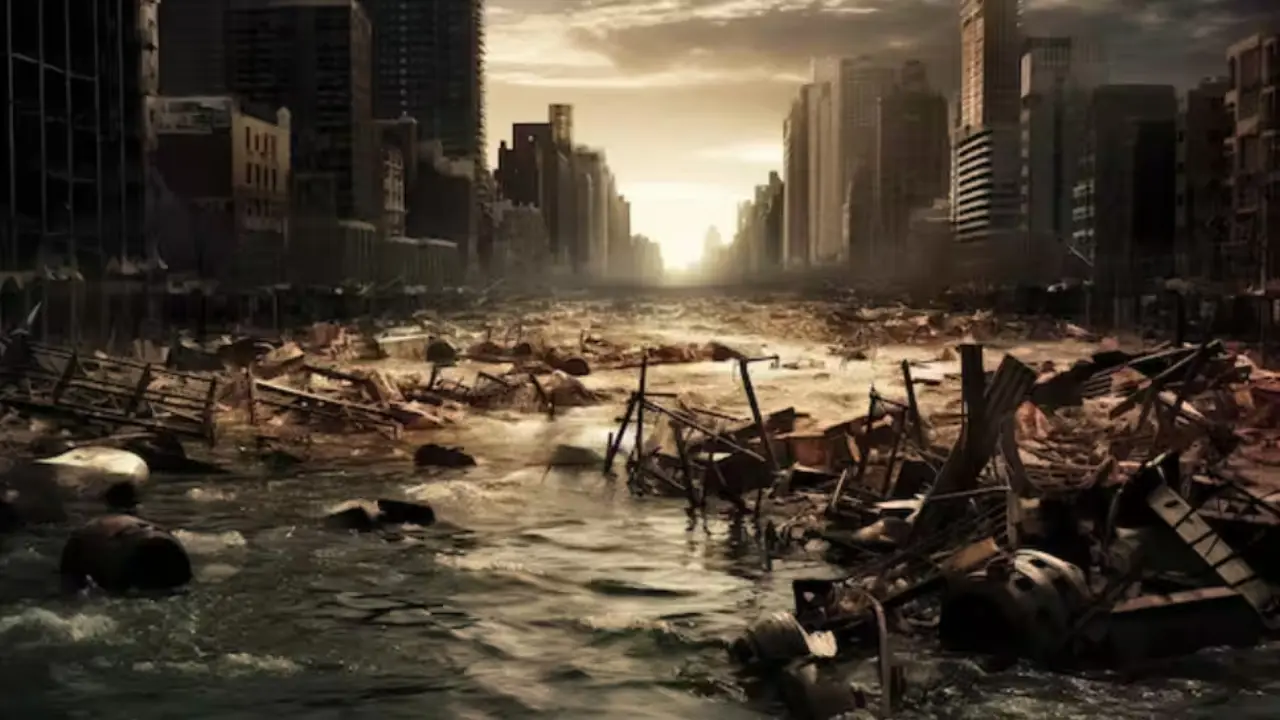
Tatsuki’s manga blends prophecy with pop culture, using cinematic images like dragon-shaped waves. Gen Z, raised on dystopian films and stories, connects with this style, making the 2025 disaster fear feel like part of a movie.
Distrust in Authorities
Many in Gen Z question official statements. When Japan’s government calls the prophecy “unscientific,” young people respond, “They ignored warnings in 2011 too.” This scepticism makes them more likely to believe Tatsuki’s predictions.

Panic-Buying and Preparedness
Gen Z is buying survival kits and water purifiers, influenced by the prophecy. Online shops in East Asia report a 60 per cent rise in emergency gear sales. Social media is full of evacuation plans and tips, showing the real-world impact of the fear.
)
)
)
)
)