Why freshly painted F-22s spend hours inside a giant oven

Freshly painted F-22 fighters bake inside giant 71°C depot ovens for six hours. This intense curing evaporates solvents, hardens stealth polymers, and prepares the skin for Mach 1.5 friction.
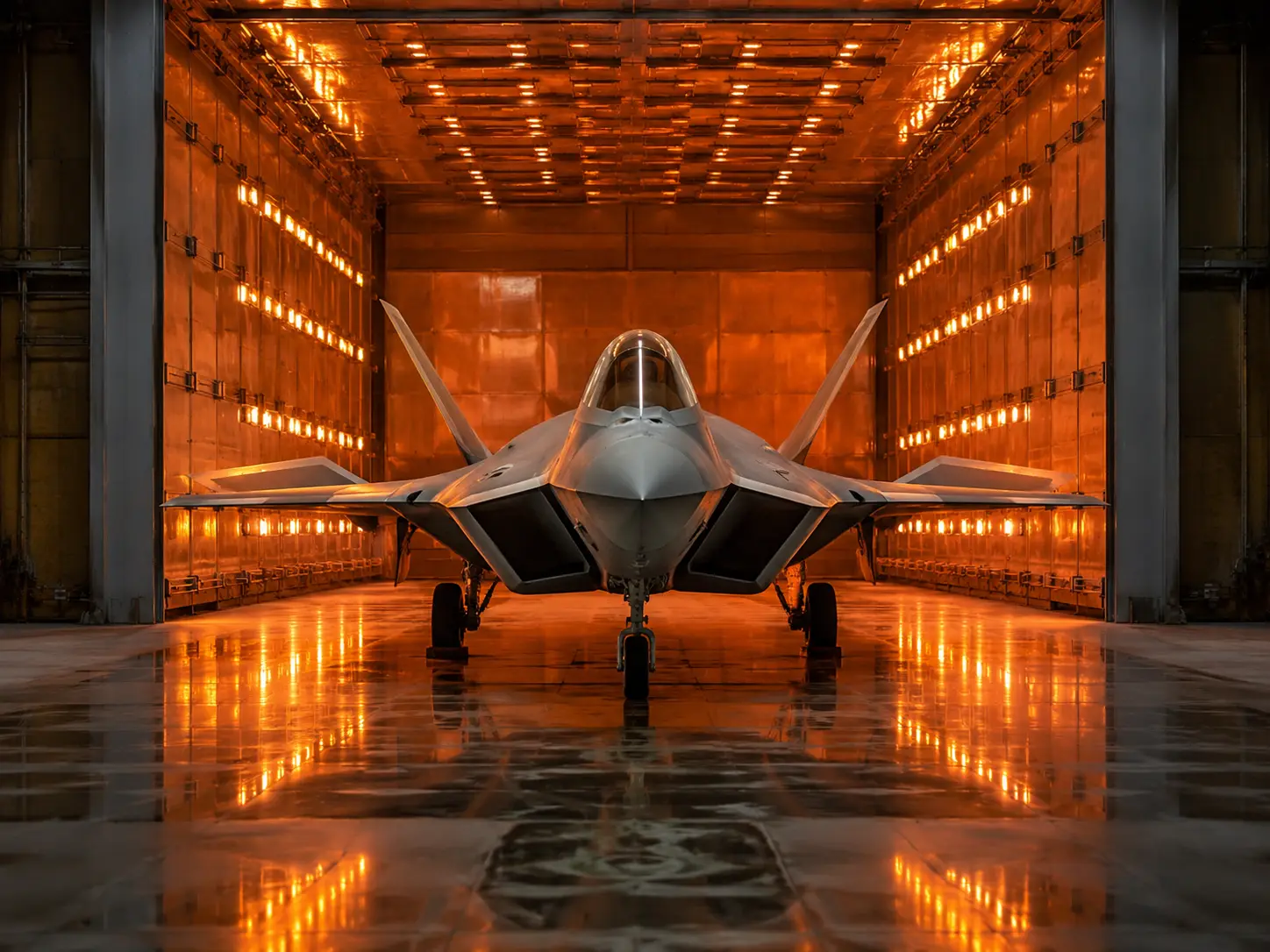
Bakes at 71°C heat
After automated depot robots spray fresh Radar-Absorbent Material onto the Lockheed Martin F-22 Raptor, the specialised paint booth transforms into a massive industrial oven. Ground crews heat the sealed hangar to steady temperatures reaching up to 71°C. This controlled thermal environment is
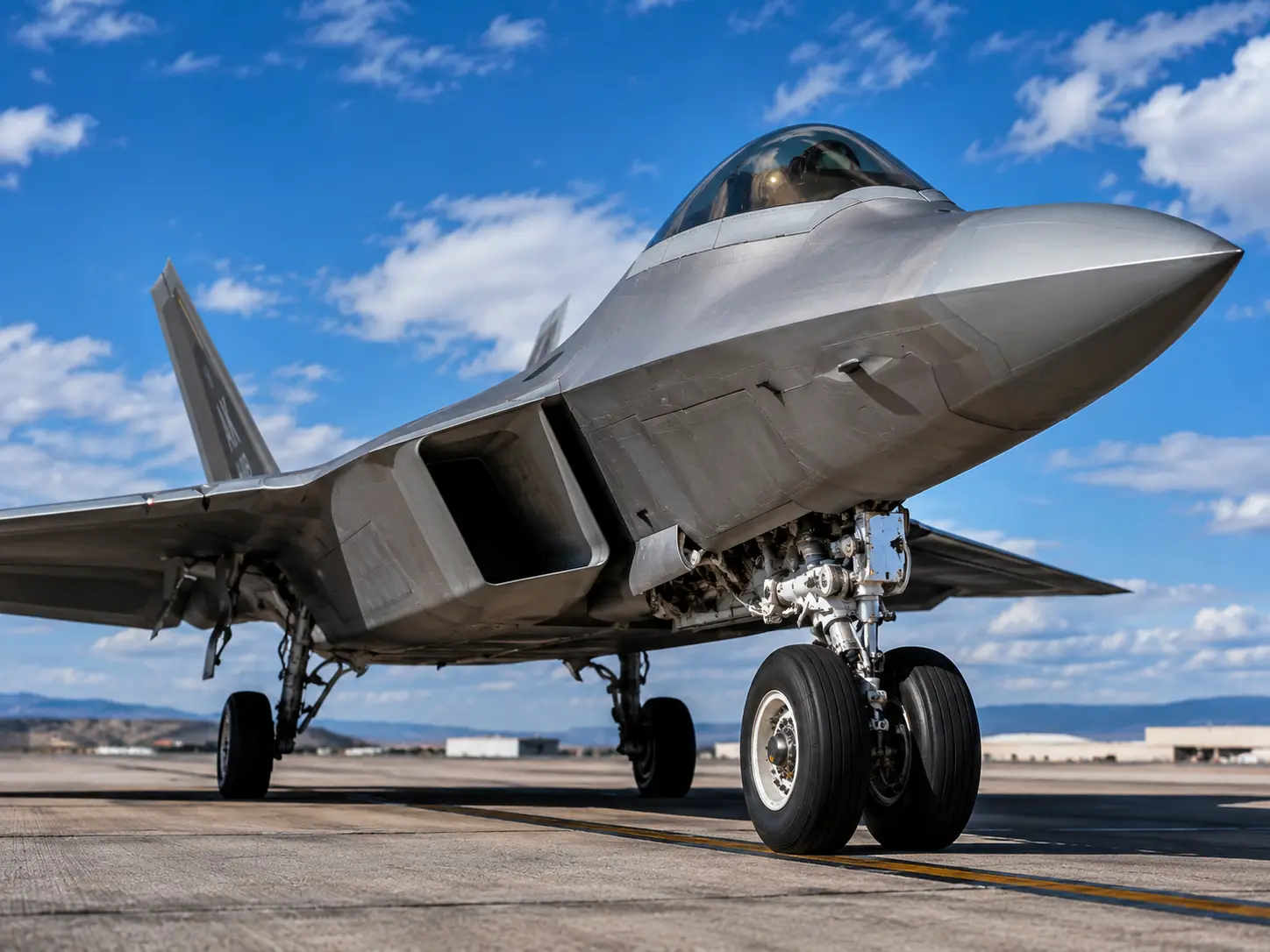
Spans 6-hour bake cycles
Leaving the heavy fighter inside this heated enclosure for cycles lasting up to six hours accelerates the molecular curing process. The continuous heat systematically evaporates trapped liquid solvents from the wet topcoat. Without this prolonged baking phase, the custom polymer finish would require up to a full week of static air-drying to achieve operational hardness.
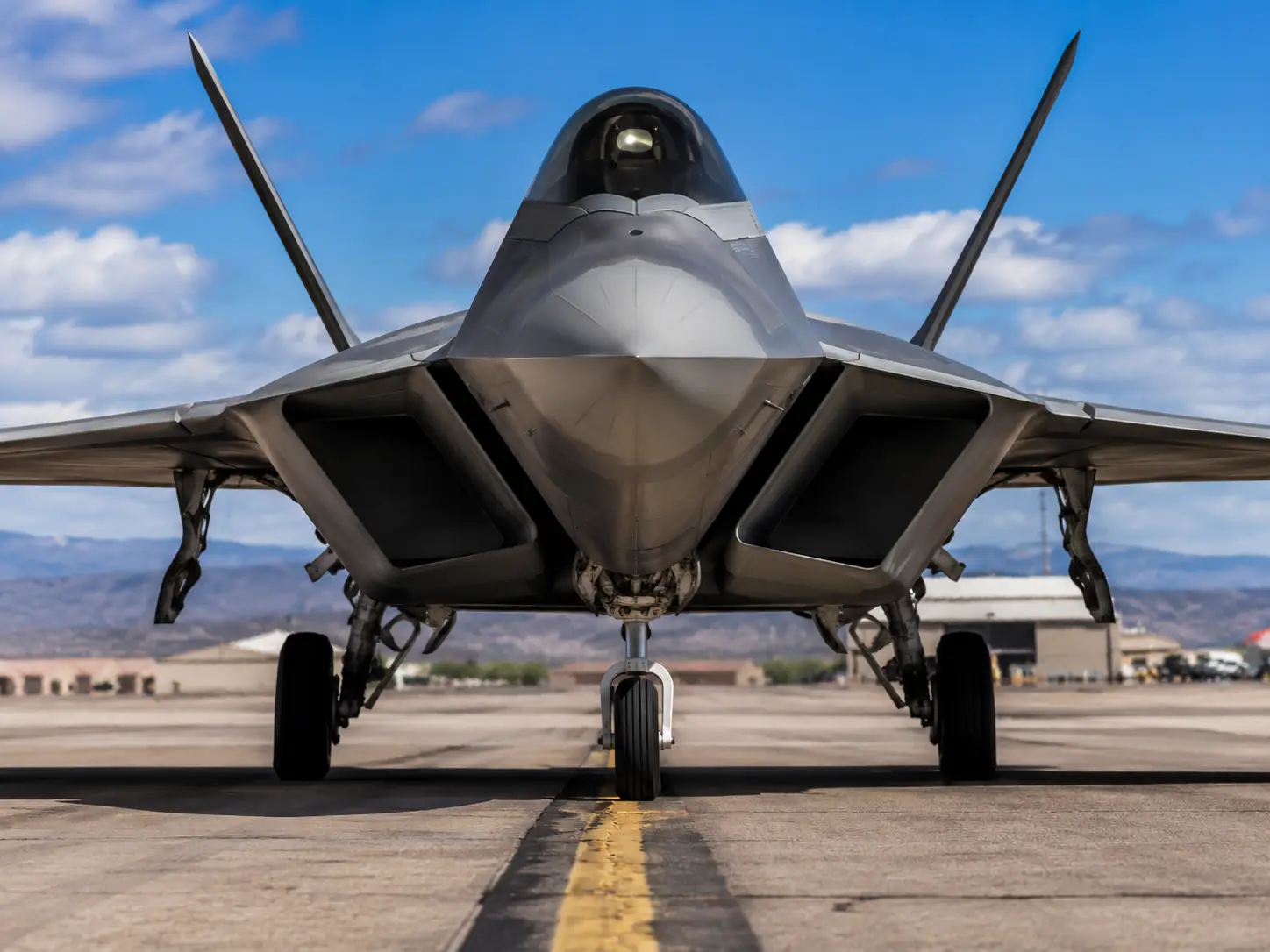
Coats 350 composite parts
The Raptor’s outer shell consists of more than 350 carbon-fibre composite panels and delicate titanium access seams. Applying uniform heat ensures the radar-absorbing finish expands and cures at an identical rate across these varying surface materials. This thermal precision prevents microscopic fissures or uneven topcoat clustering that could reflect tracking signals.
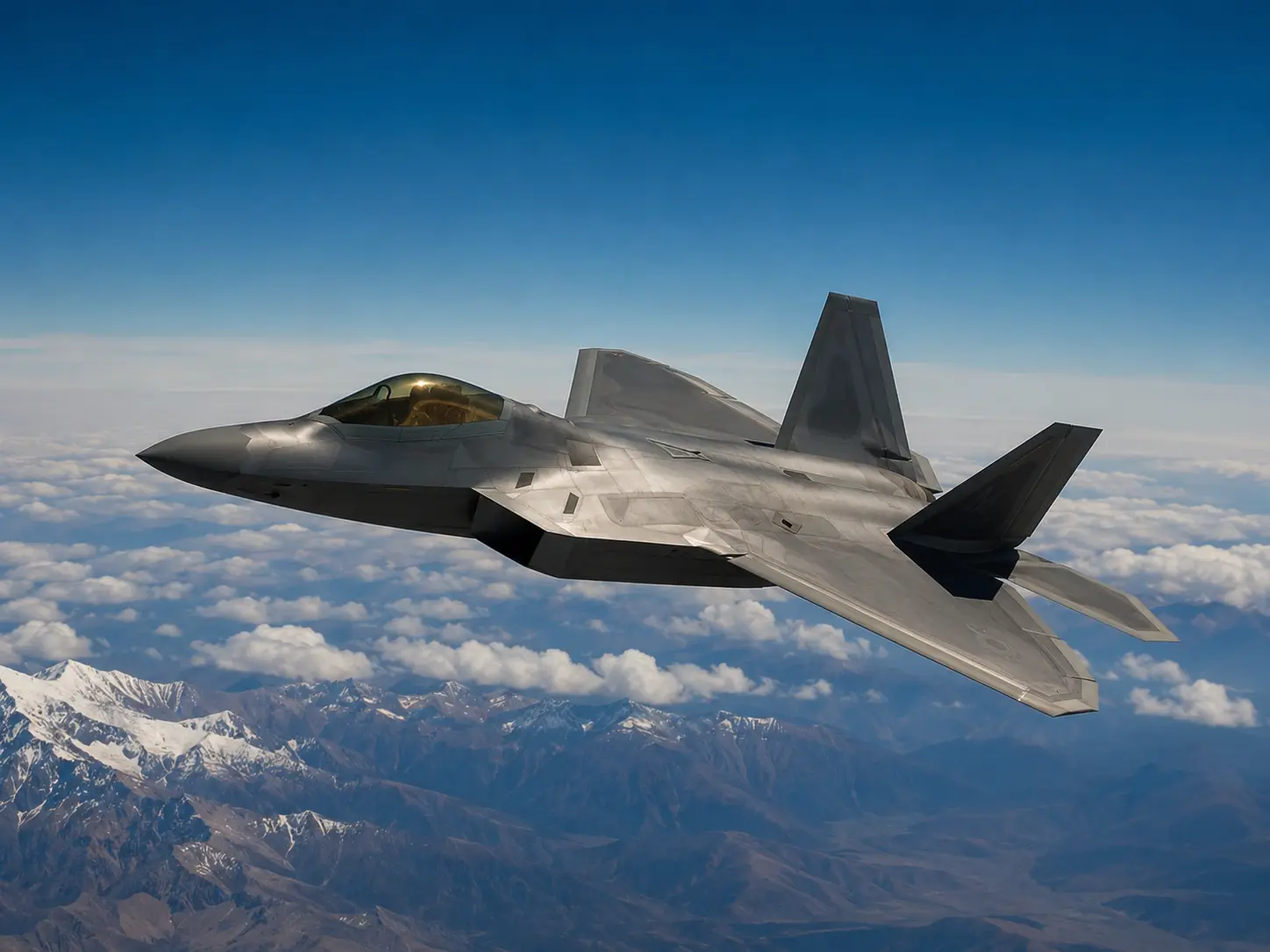
Endures Mach 1.5 friction
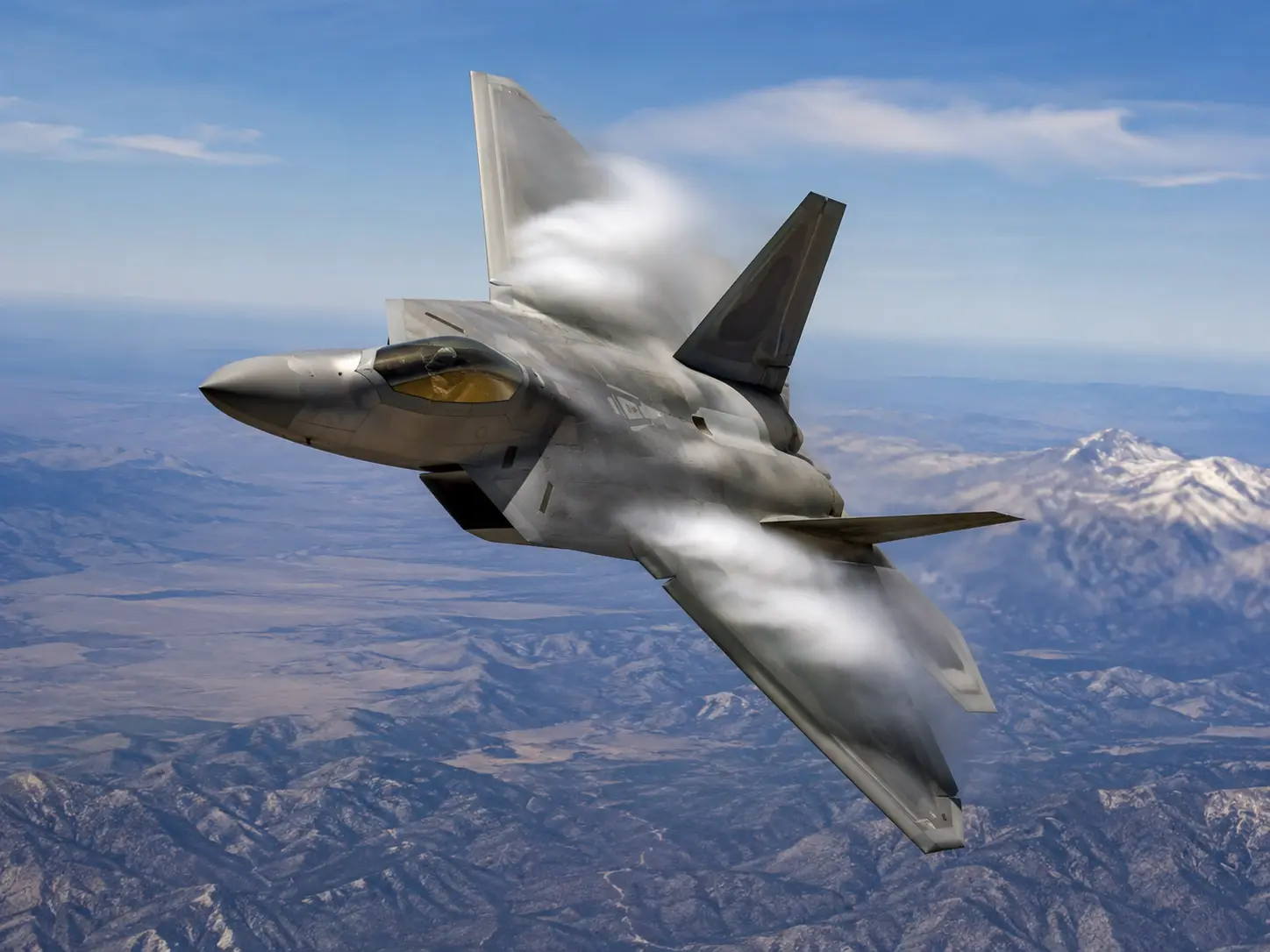
Baking the exterior skin guarantees the extreme structural adhesion required for fifth-generation aerial combat. Because the F-22 achieves supersonic supercruise speeds exceeding Mach 1.5 without using afterburners, its leading edges experience intense kinetic friction. A poorly cured topcoat would instantly blister and peel away under these searing atmospheric loads.
Saves $85,000 hourly sustainment
A flawless, baked exterior finish directly protects the jet's low-observable profile during deep penetration missions. Preserving this durable radar-evading barrier reduces the need for constant, manual touch-up repairs between frontline missions. This efficient depot curing helps manage the jet's massive operational upkeep costs, which average roughly $85,000 per flight hour.
)
)
)
)
)