Why fighter jets use special tyres that handle extreme landings

Fighter jet tyres are specially engineered to handle high-speed, heavy-impact landings. Their design focuses on high pressure, heat resistance, reinforced materials, and rigorous maintenance to ensure safety during extreme landings.
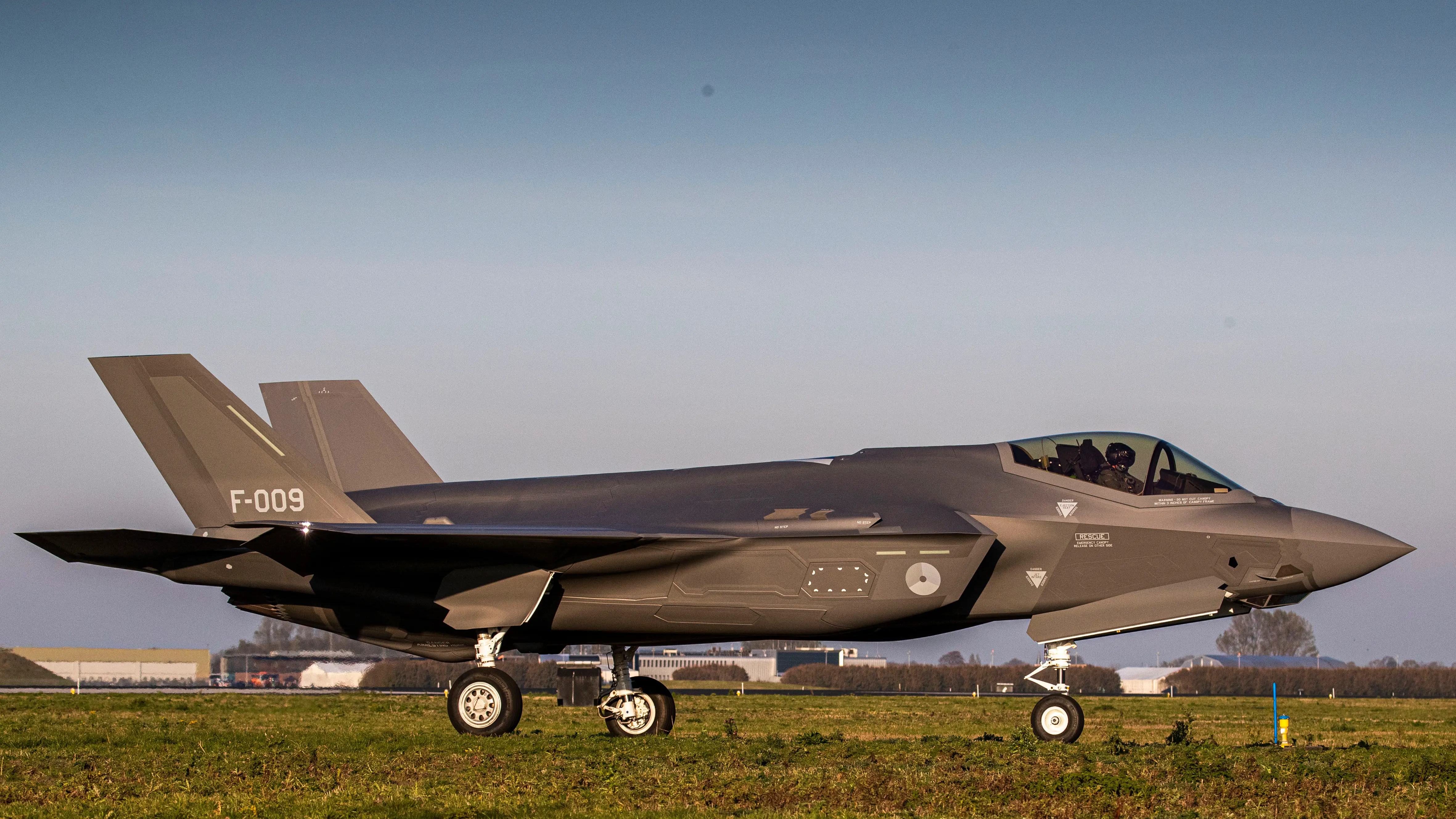
Fighter Jets Land at High Speeds
Fighter jets typically land at speeds ranging from 120 to 180 mph, generating massive forces on the tyres. These tyres must absorb intense impact without failing to ensure pilot and aircraft safety
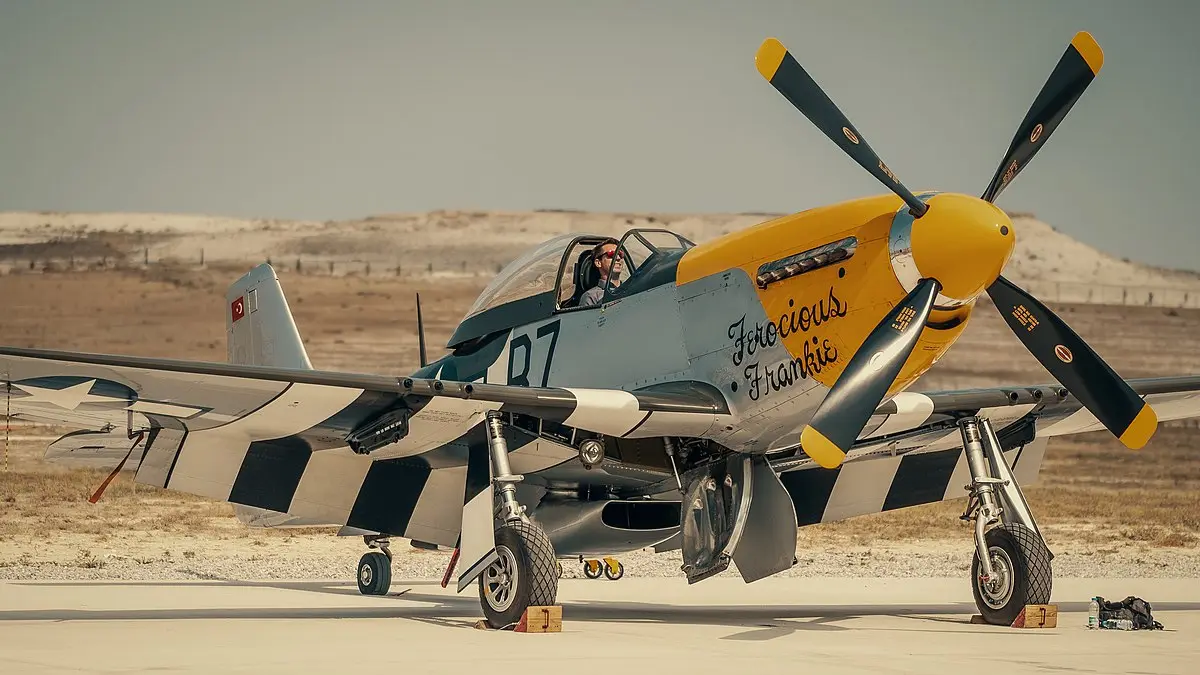
Extreme Pressure and Load
Tyres on fighter jets are inflated to extremely high pressures — often between 200 to 320 psi — several times higher than car tyres. This high pressure supports the heavy weight and stress of landing gear on touchdown.
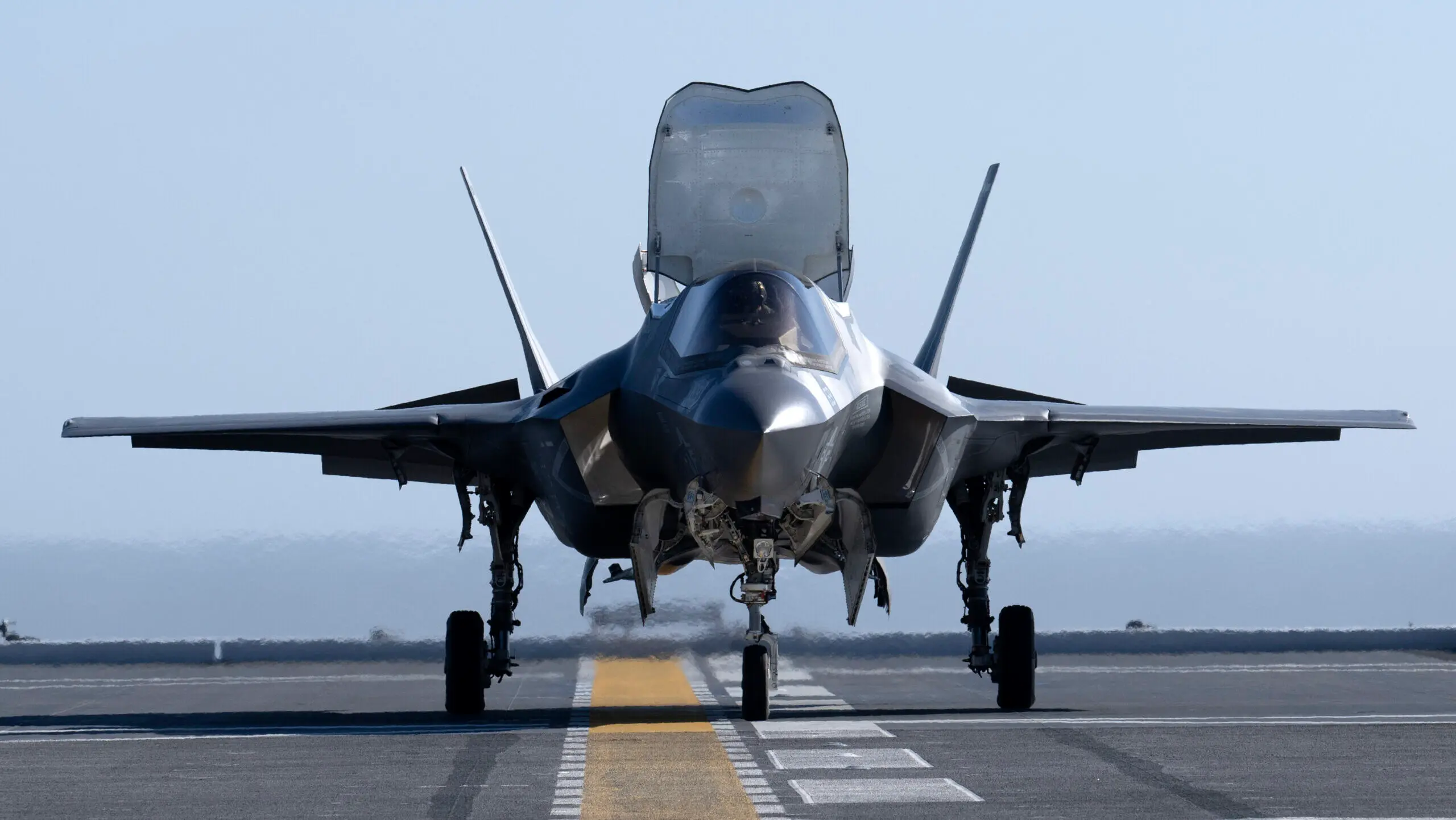
Heat Resistance
During landing, friction between tyres and runway causes temperatures to spike rapidly, sometimes over 500°C. The special rubber compounds and construction material resist heat to avoid tyre blowouts.
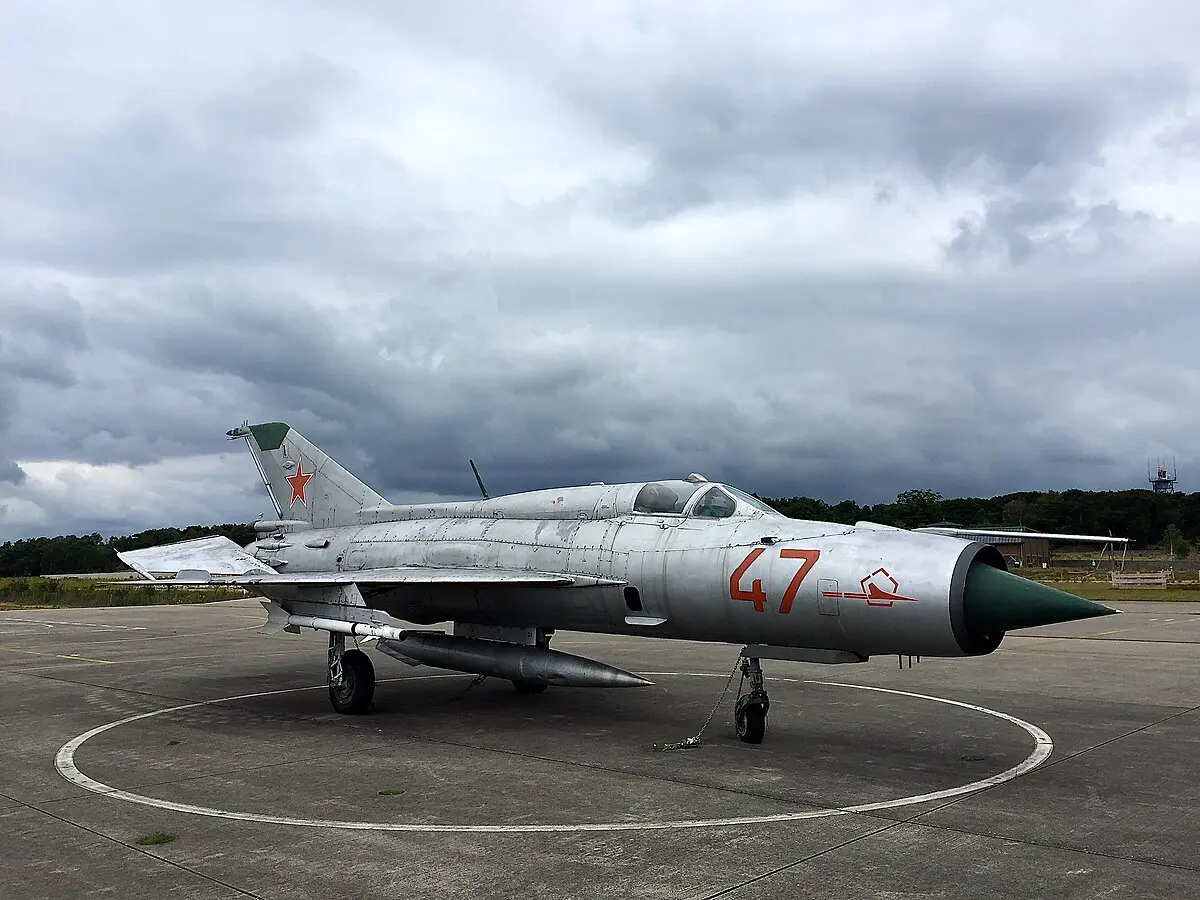
Materials for Durability
Tyres are made from reinforced rubber mixed with steel or Kevlar belts that provide strength and prevent punctures or tears during landing and taxiing.
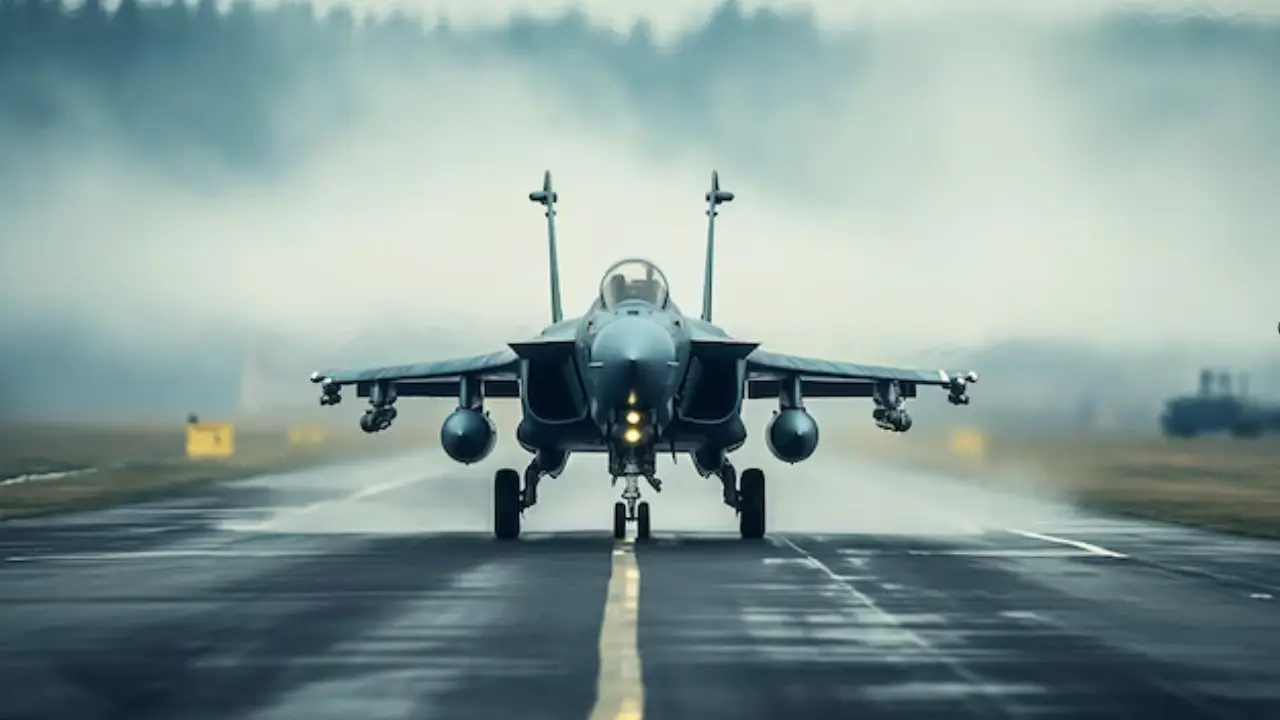
Tyre Design: Tread and Shape
Unlike car tyres, fighter jet tyres generally have minimal or no tread grooves; this reduces wear from high-speed landings and enhances grip on smooth runways.
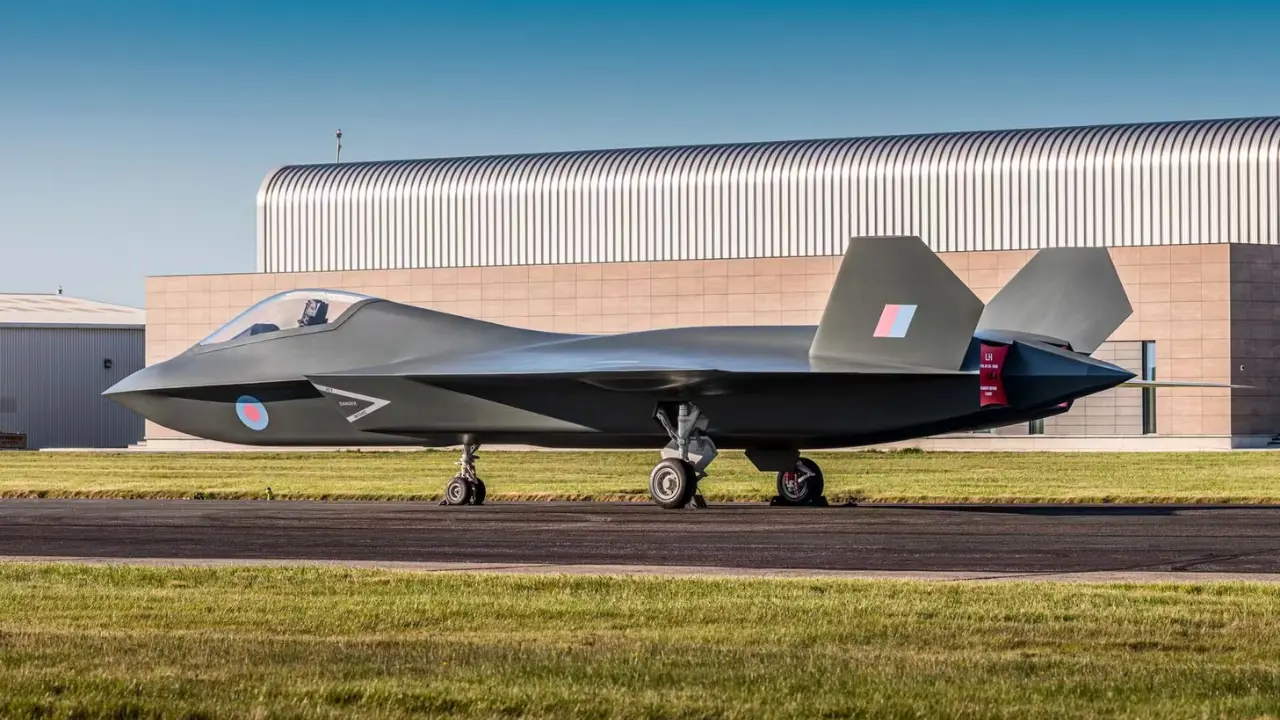
Use of Nitrogen Gas
Jets’ tyres are filled with dry nitrogen instead of air. Nitrogen is inert and more stable under temperature and pressure changes, lowering the risk of explosion during extreme landing conditions.
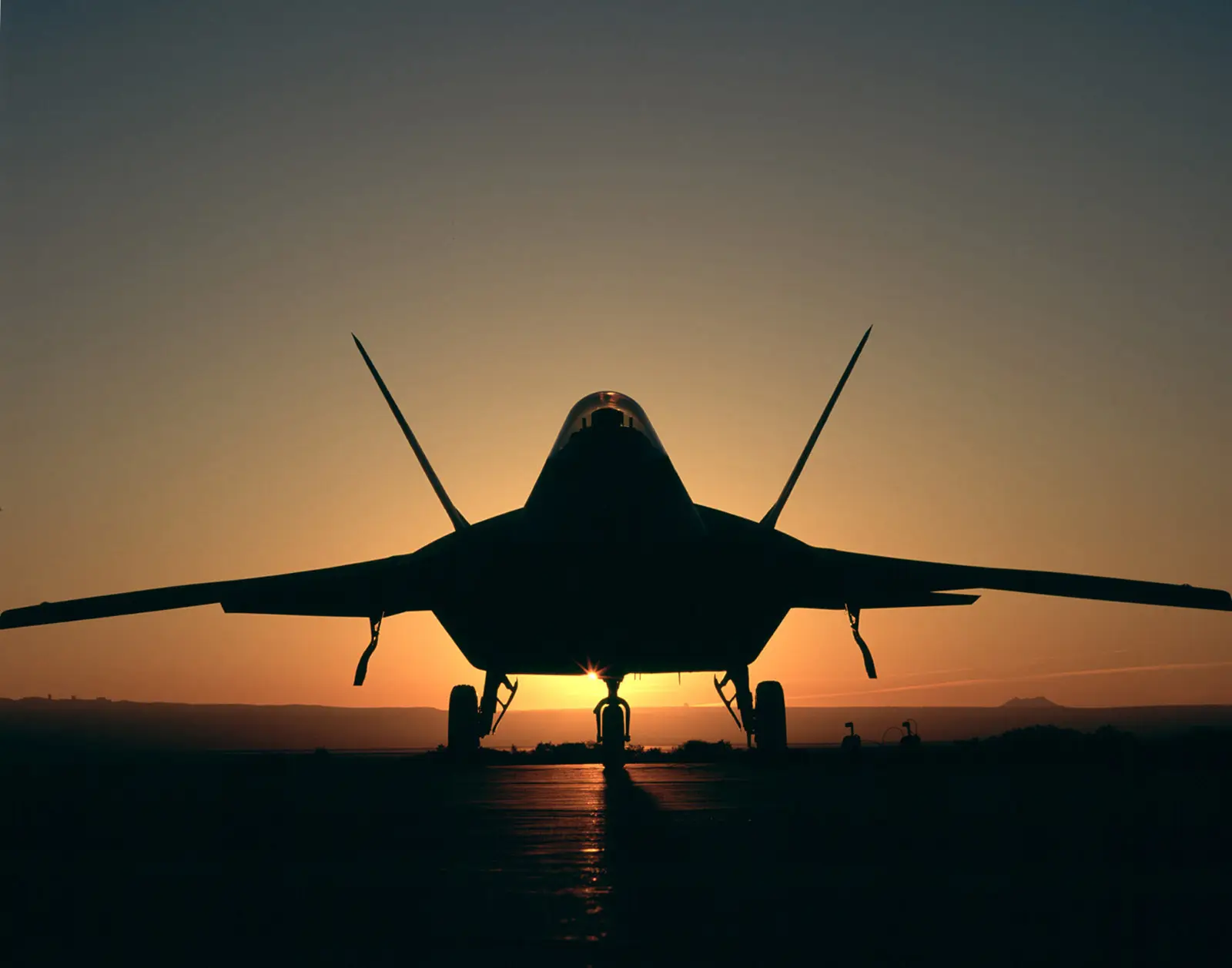
Shock Absorption and Impact Resistance
Tyres work with the landing gear’s shock absorbers to cushion the aircraft during sudden impacts, helping protect the airframe from damage.
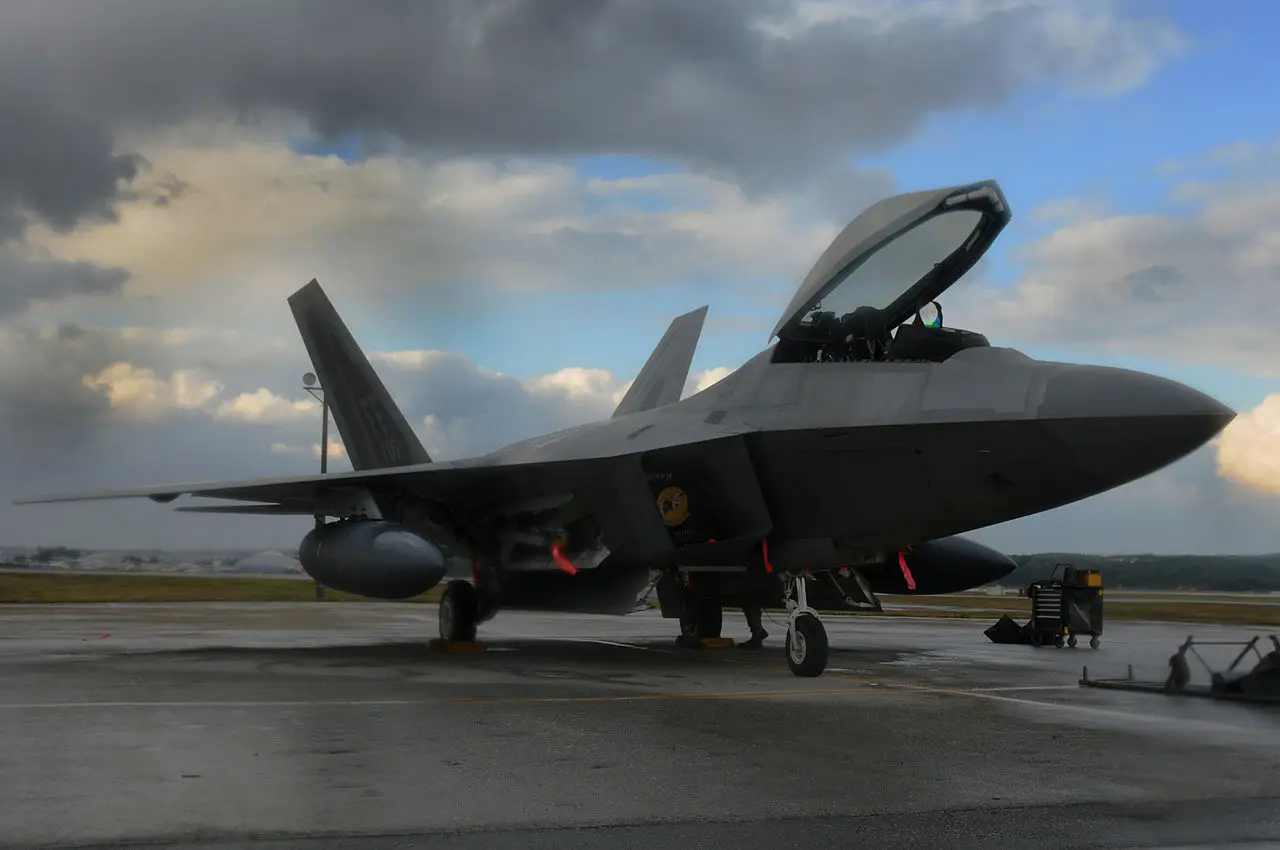
Maintenance and Inspection
Tyres undergo rigorous inspection for cuts, wear, and heat damage. They are regularly replaced to avoid failures during critical landings.
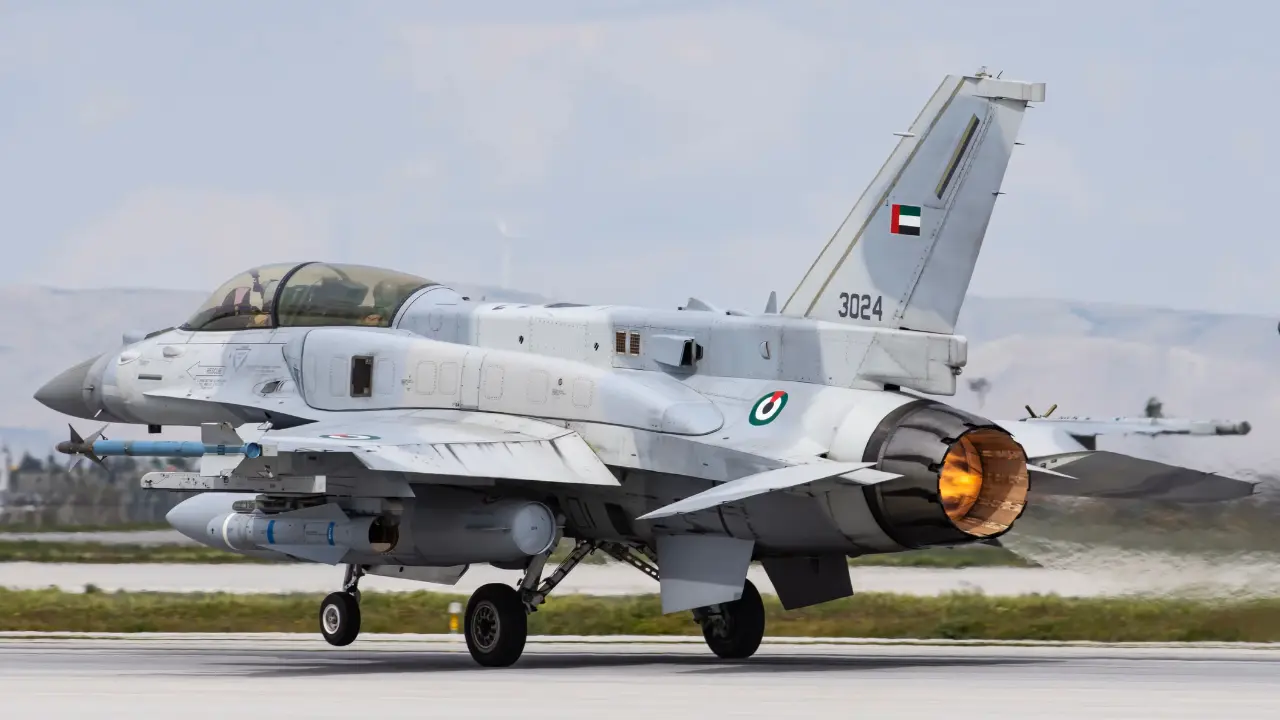
Innovation: Airless and Tweel Tyres
Emerging tyre technologies like airless “Tweel” designs provide enhanced durability and reduce the chances of blowouts, potentially revolutionizing fighter jet landing gear.
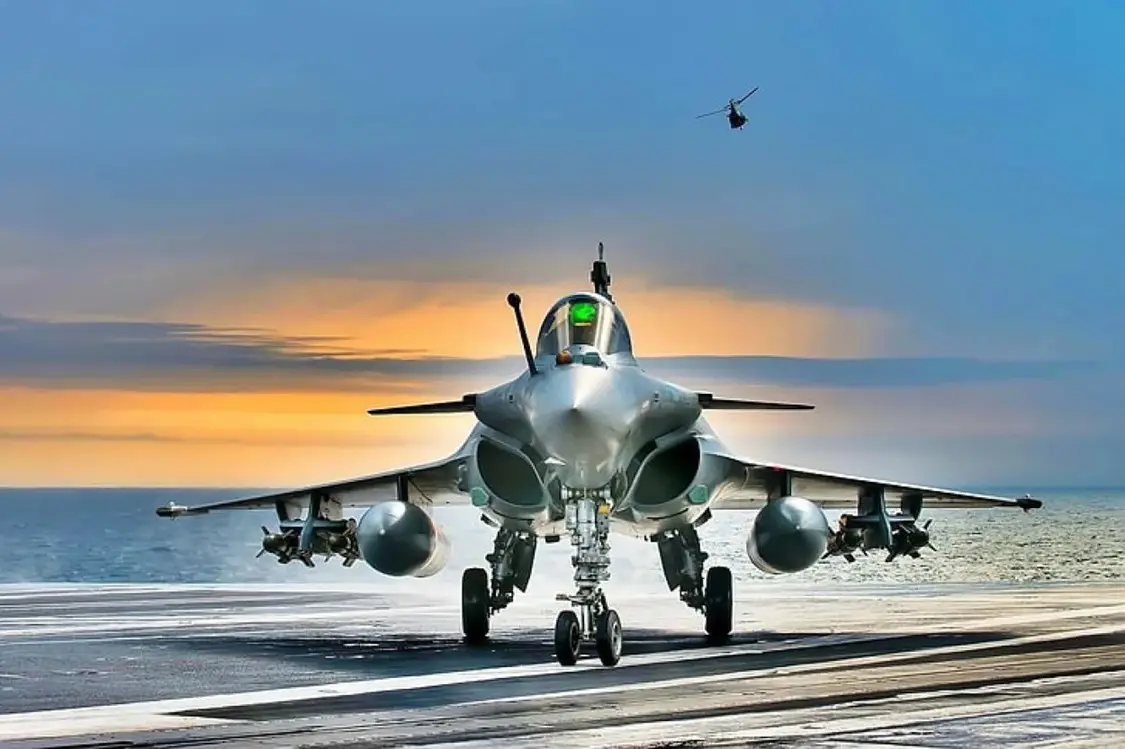
Safety First in Design
Every aspect of fighter jet tyre design prioritises safety under extreme conditions, ensuring jets can land safely even after combat missions that demand rapid and heavy touchdowns.
)
)
)
)
)