Why fighter jets have narrow, pointed noses

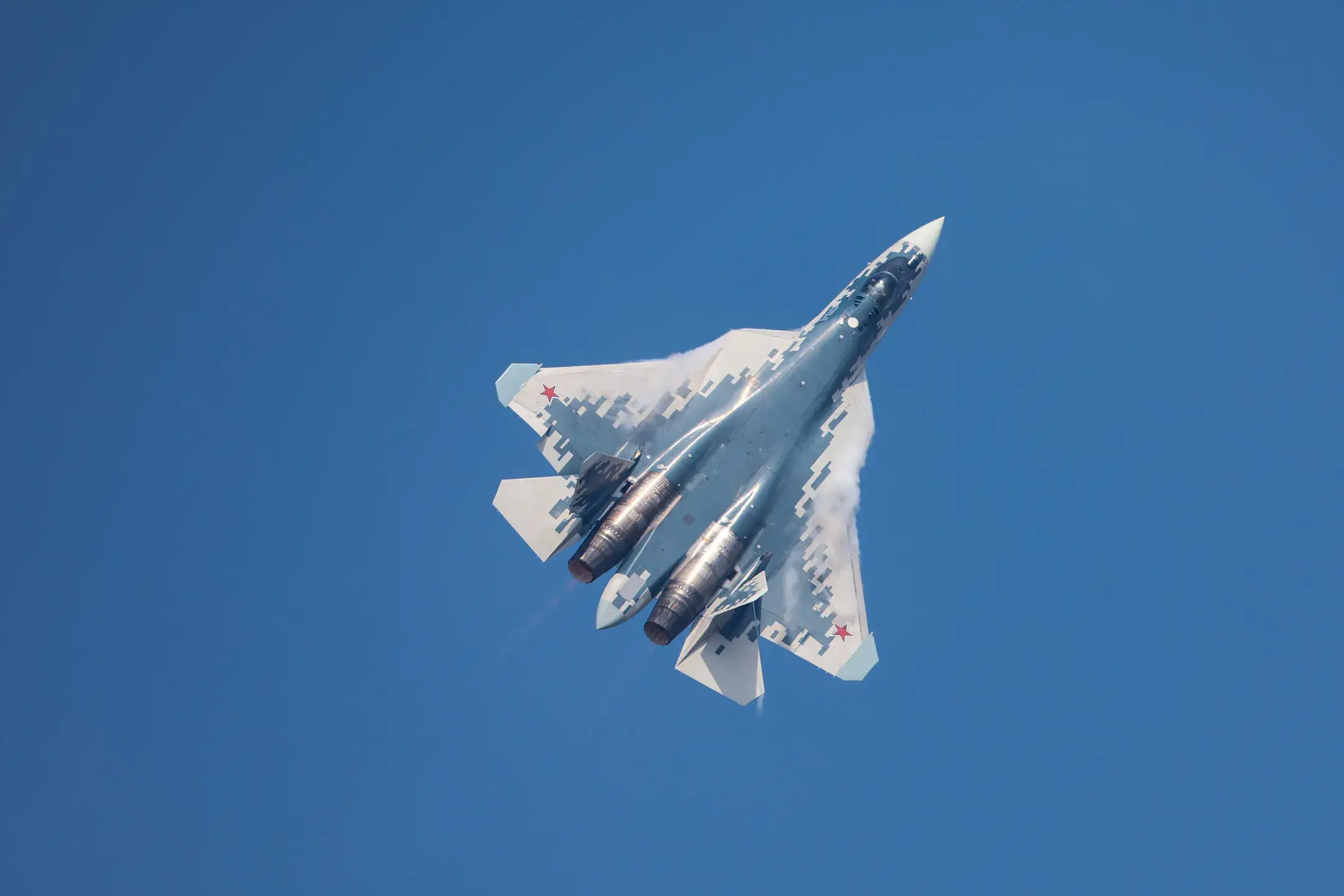
Fighter jets have narrow, pointed noses to reduce drag, improve supersonic efficiency, scatter radar waves for stealth, and fit advanced sensors. This streamlined design balances speed, stealth, and pilot needs for optimal combat performance.
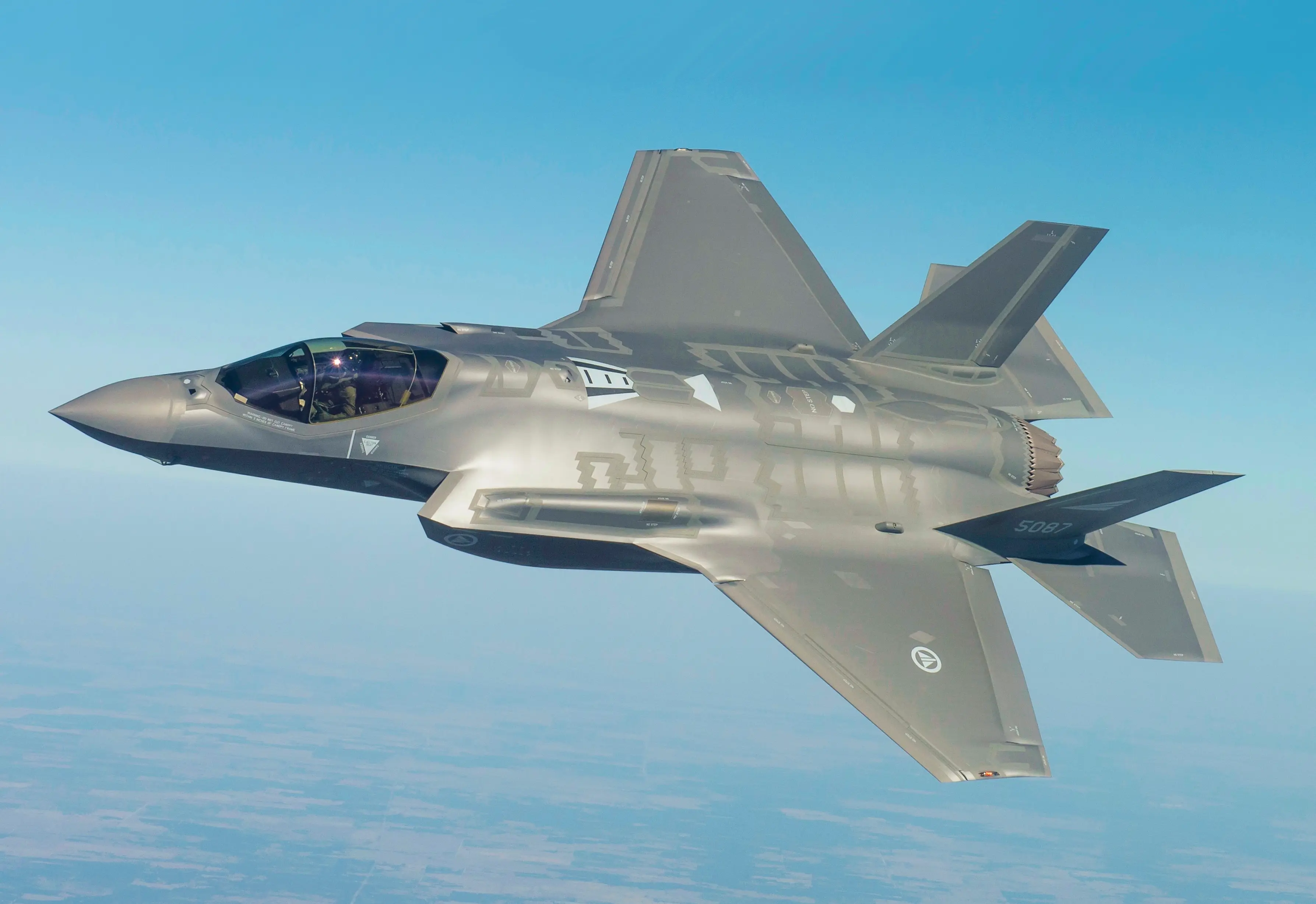
Aerodynamics and Drag Reduction
The pointed nose reduces air resistance by slicing through the air more efficiently. This keeps drag low, enabling fighter jets to reach and maintain high supersonic speeds.
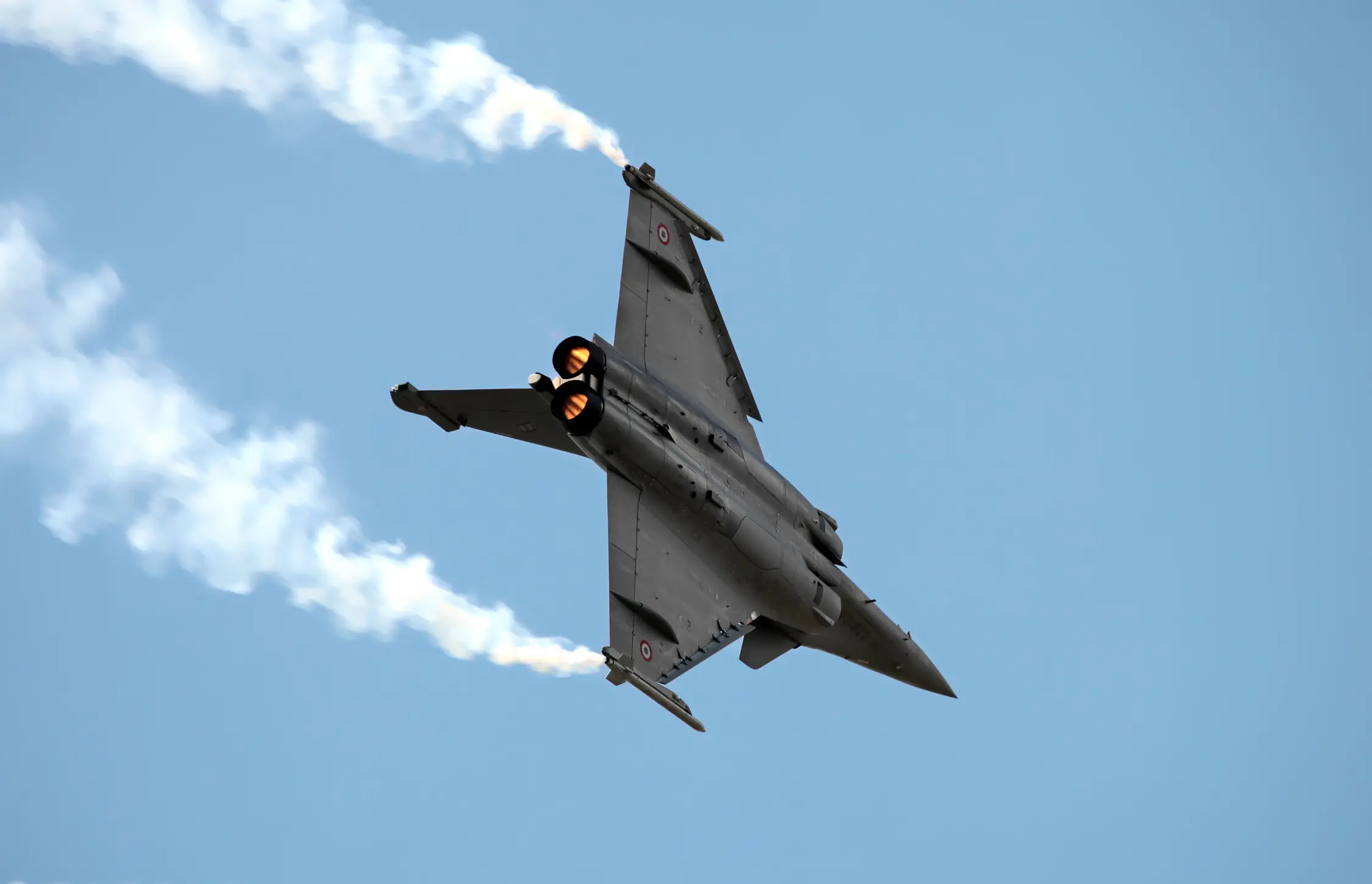
Supersonic Flight Benefits
At speeds beyond the sound barrier, pointed noses create oblique shock waves that reduce drag and overheating. This “spear-like” effect is crucial for jets like the F-16 that rely on supersonic performance.
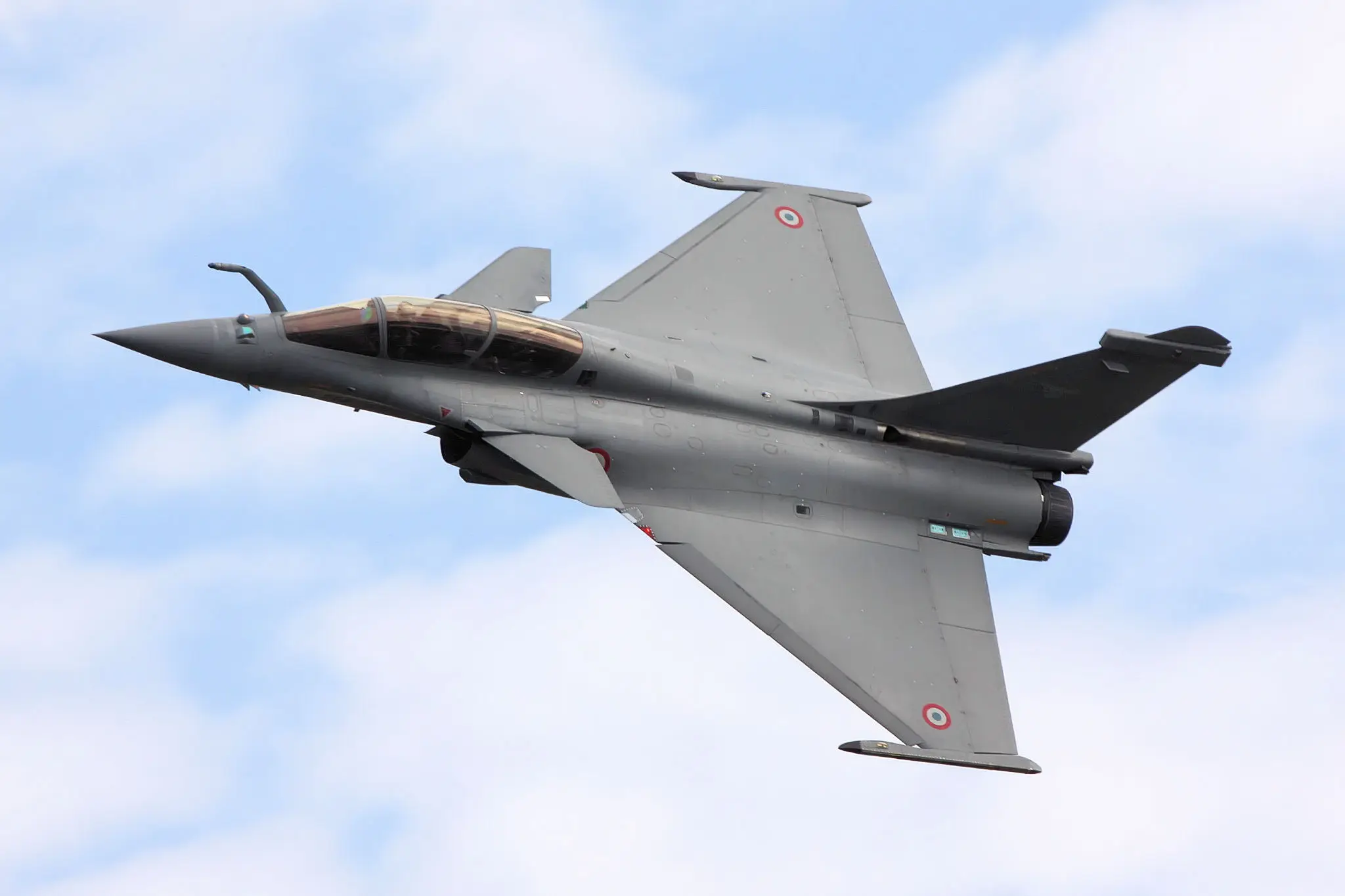
Stealth Advantages
Pointed noses help scatter radar waves away from enemy sensors, reducing radar signature. This contributes to stealth, making jets less visible to radar systems.
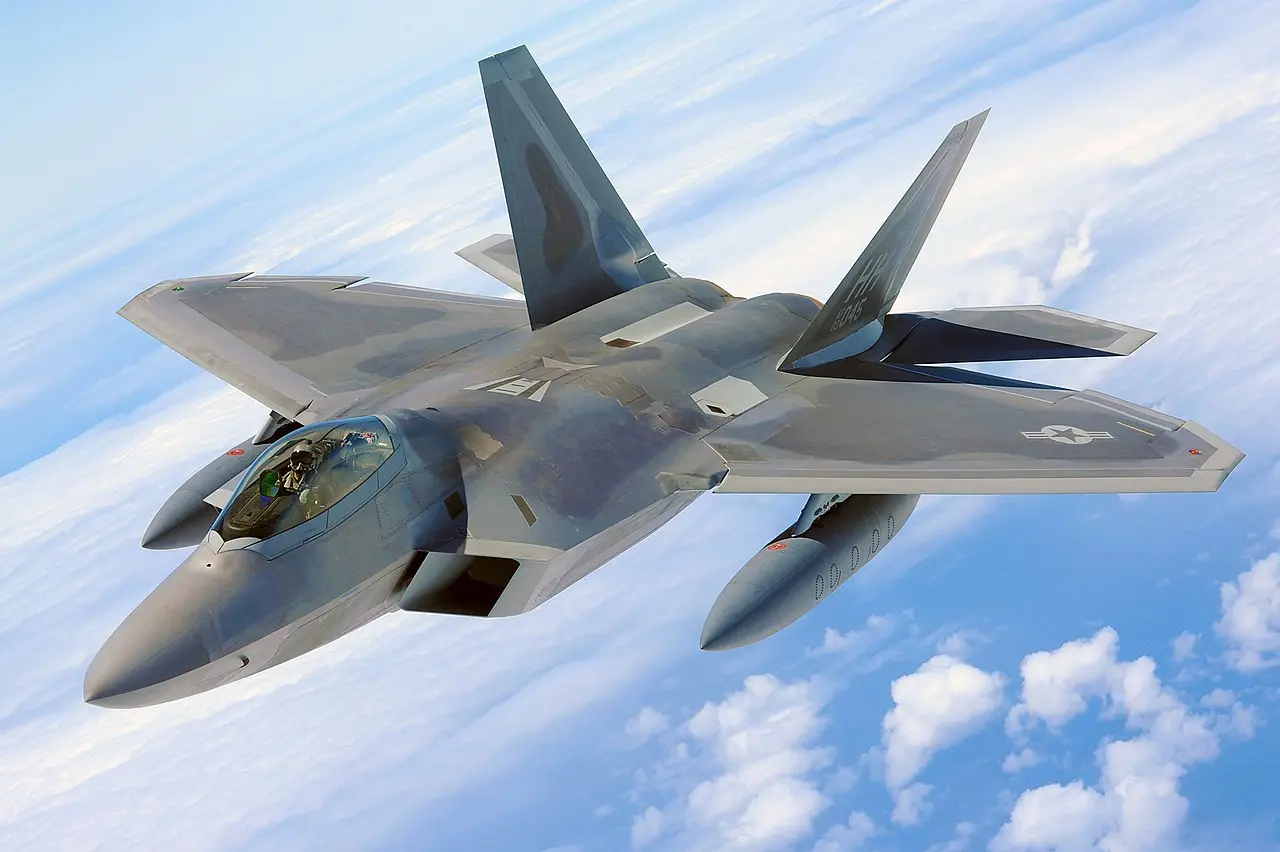
Reduced Turbulence at Varying Angle
Unlike blunt noses, pointed noses help maintain airflow stability when the jet changes pitch or yaw, reducing turbulence and maintaining better control at high speeds.
Housing Advanced Sensors
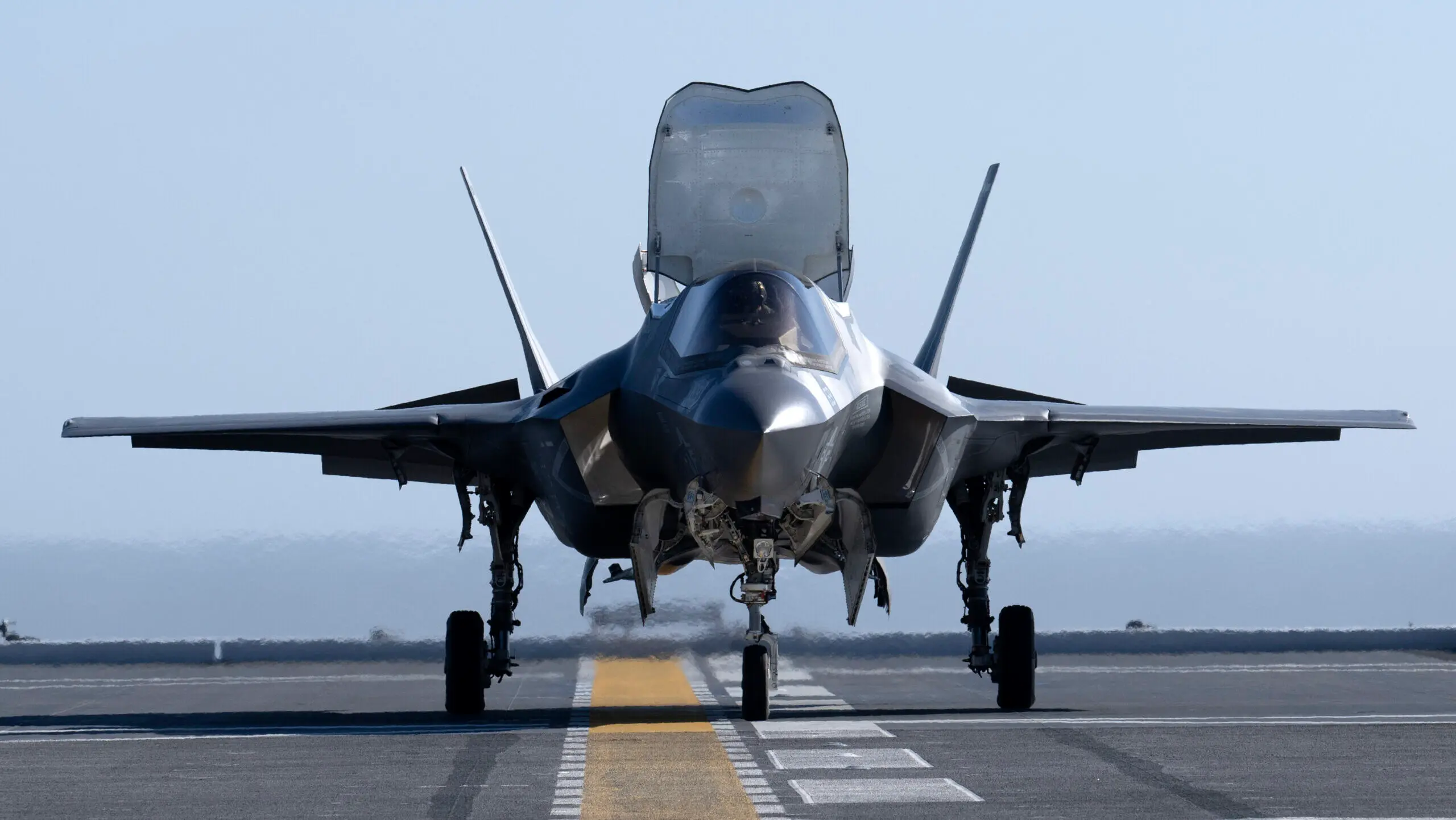
Modern jets often include radar and electronic sensors in their noses. Narrow, pointed designs help accommodate these systems while maintaining aerodynamic efficiency.
Pilot Visibility Trade-Off
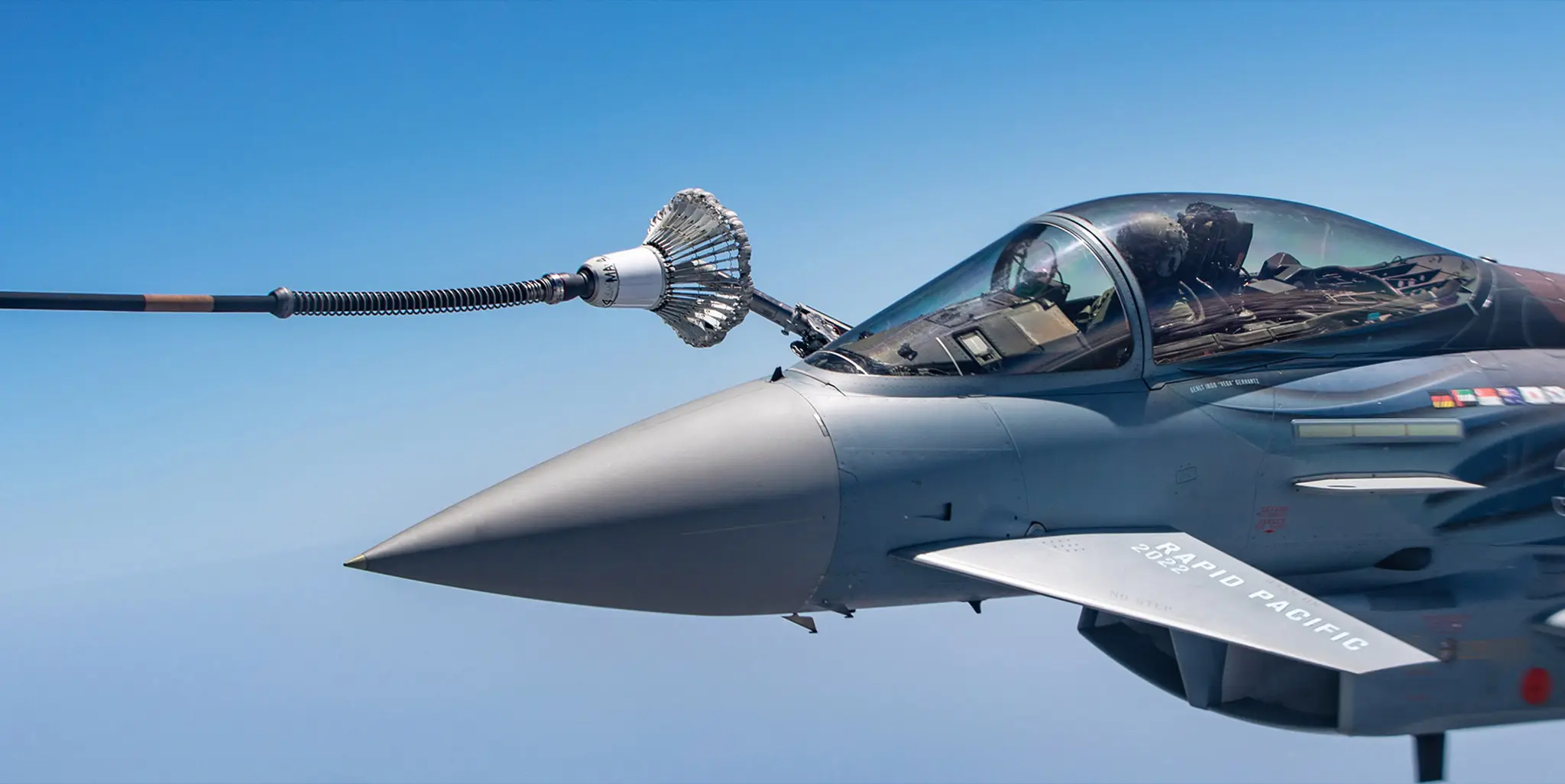
Long, pointed noses limit a pilot’s forward downward visibility, a known challenge mitigated by design features such as nose tipping on aircraft like the Concorde.
Structural Challenges and Strength
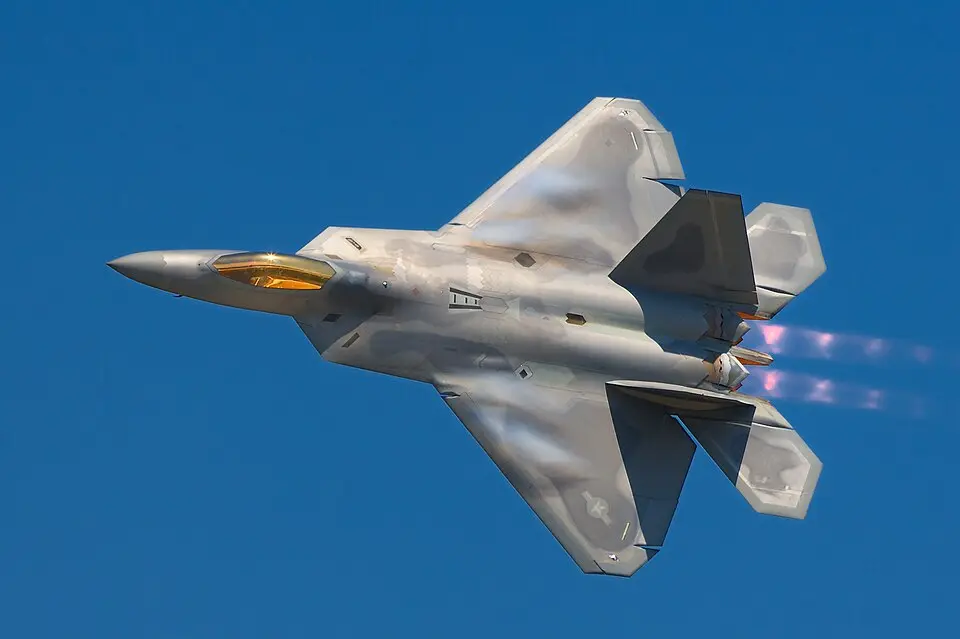
Constructing a pointed nose requires balancing aerodynamic design with structural strength to withstand high speeds and stresses.
Historical Evolution
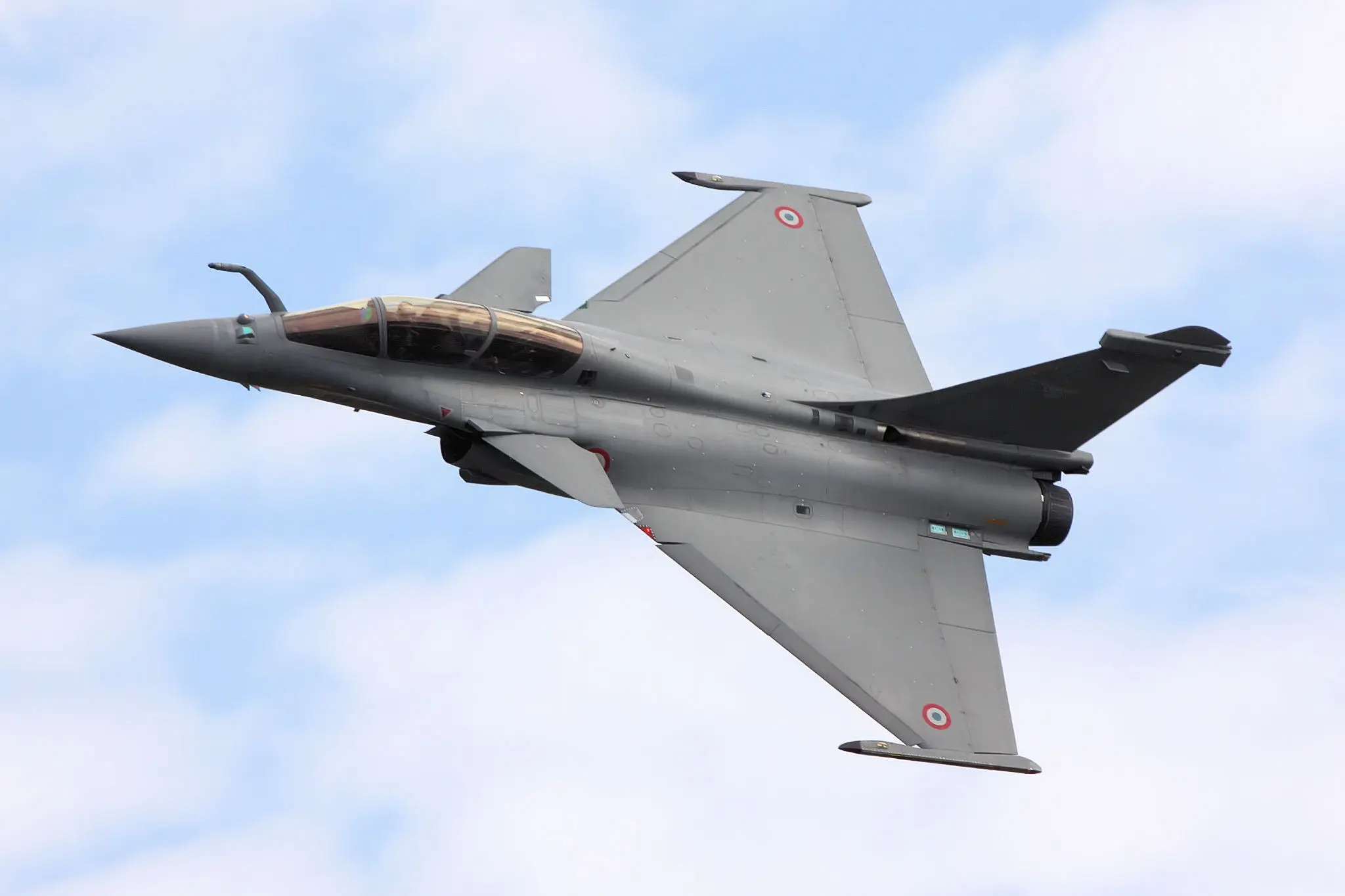
Jet noses evolved from rounded shapes of subsonic planes to pointed noses as speeds increased and supersonic flight became standard in combat jets.
Different Noses for Different Roles
Some jets, particularly stealth aircraft like the F-35 or B-2, use slightly modified or rounded noses to optimise radar stealth and sensor housing, showing design diversity based on mission needs.
Future Nose Design Developments
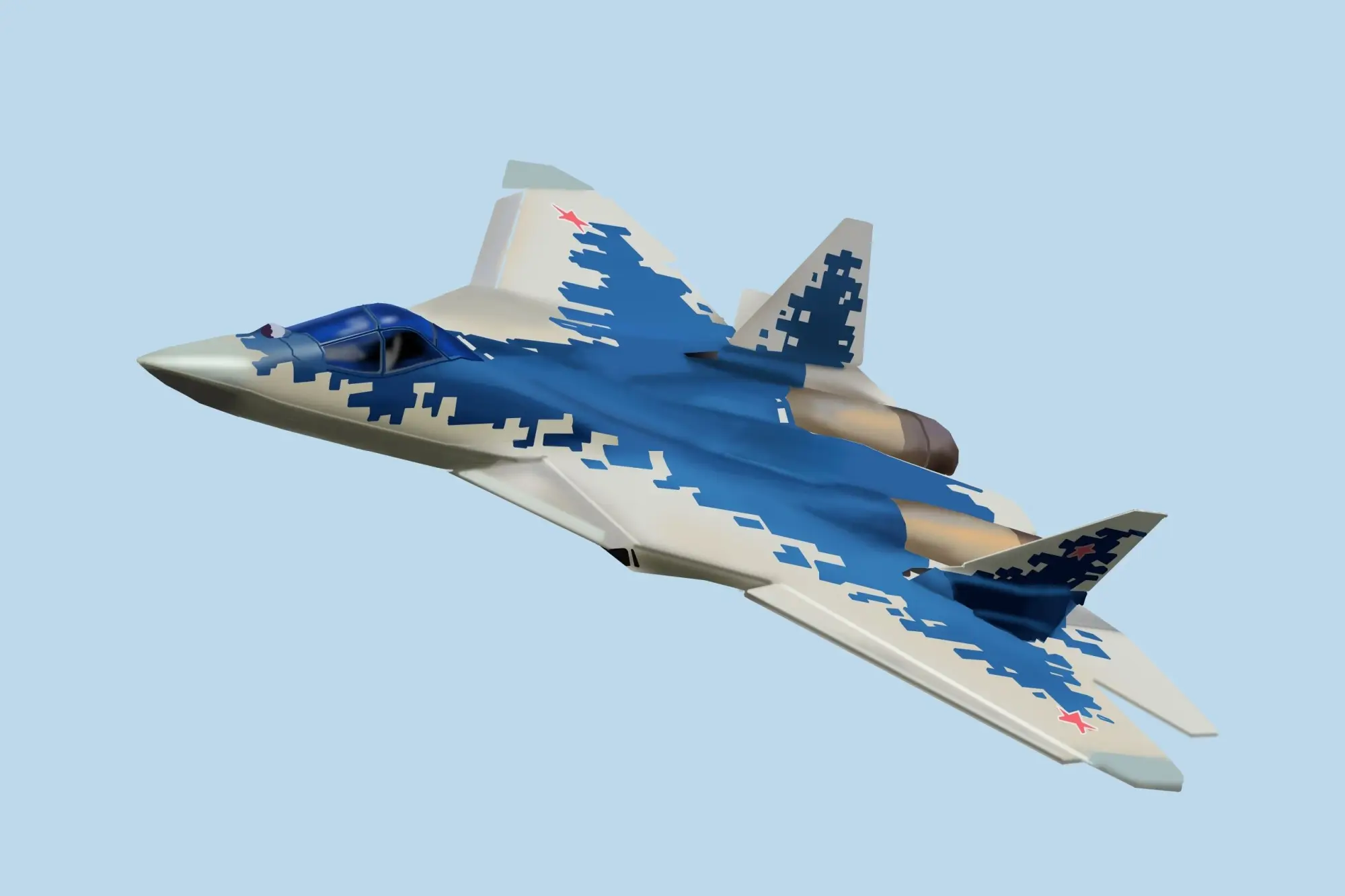
Research into adaptive, shape-changing nose cones and materials promises to enhance performance and stealth, potentially combining the best of pointed and rounded designs.
)
)
)
)
)