Why fighter jet pilots wear pressure suits during high-altitude flights

Fighter jet pilots wear pressure suits to protect themselves from extremely low air pressure, oxygen deficiency, cold temperatures, and intense G-forces encountered during high-altitude flights. These suits keep pilots safe and functional in the harshest flying conditions.
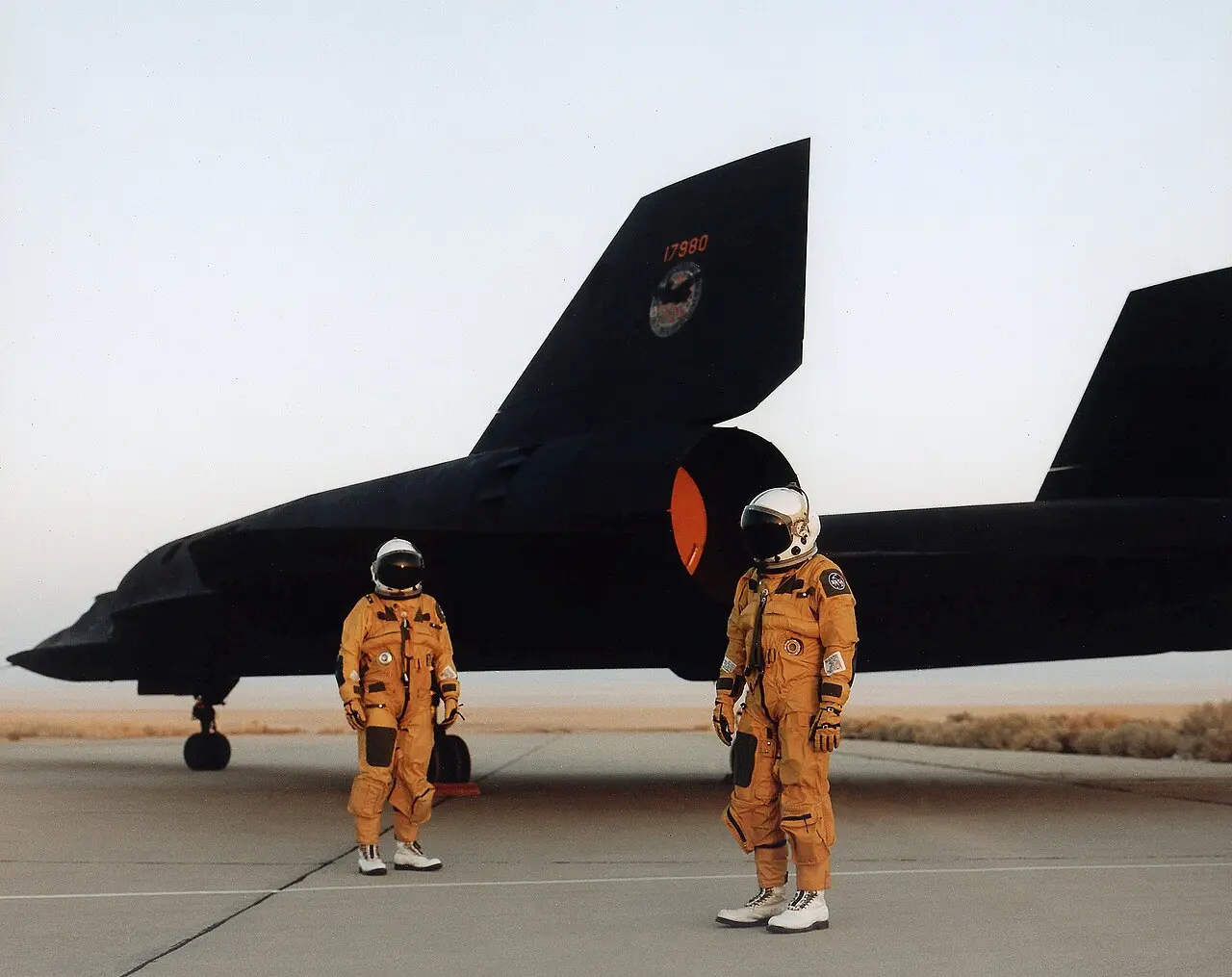
What Are Pressure Suits?
Pressure suits are specialised garments designed to protect pilots flying at high altitudes where air pressure is dangerously low. They create an artificial pressure environment to keep pilots safe from physical harm caused by low external pressure and thin air.
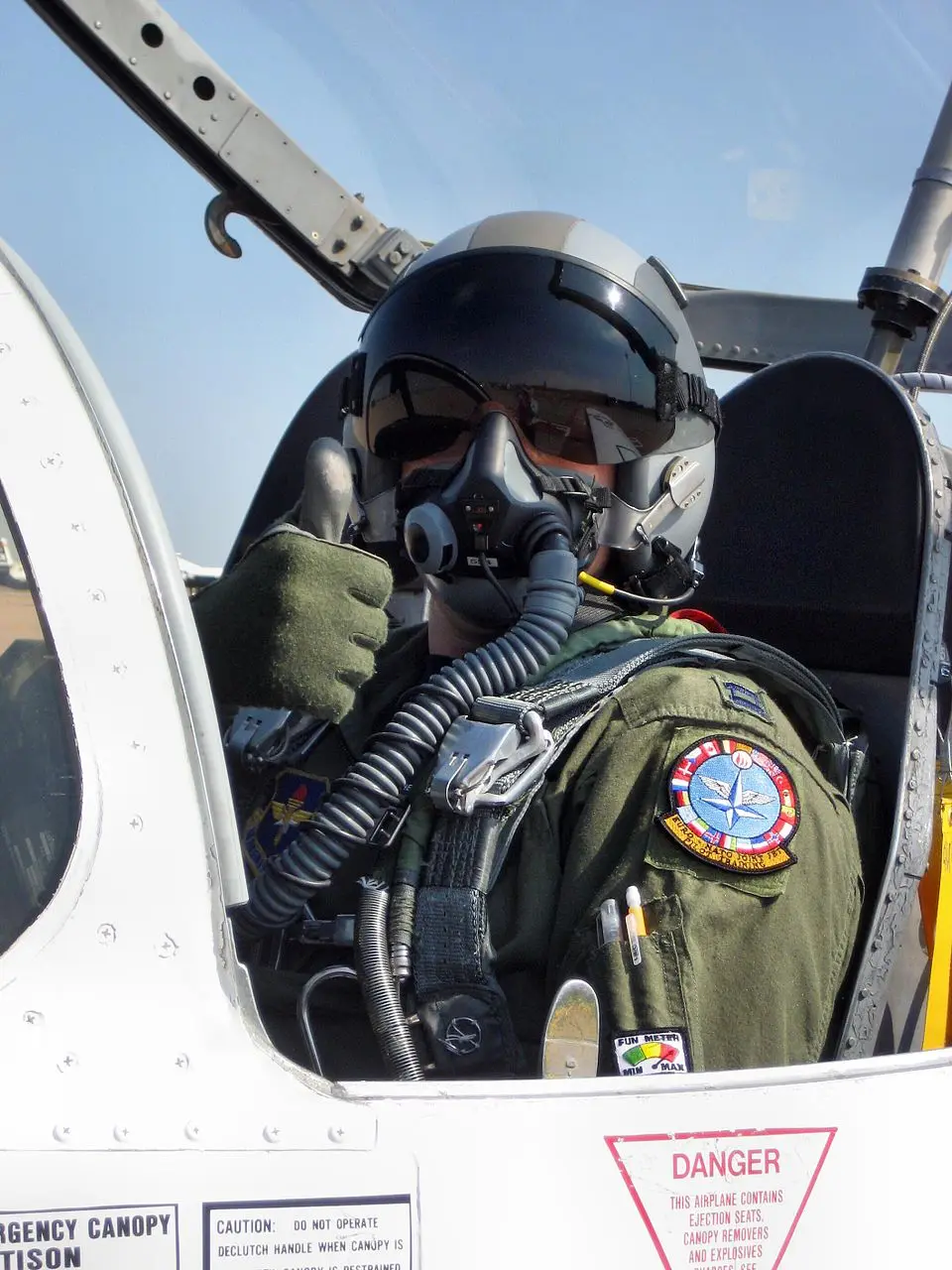
Protection Against Low Air Pressure
At altitudes above 63,000 feet, the air pressure is so low that bodily fluids can boil if unprotected. Pressure suits prevent this by maintaining pressure around the body, stopping serious injuries like ebullism, where blood and tissues could bubble due to vacuum.
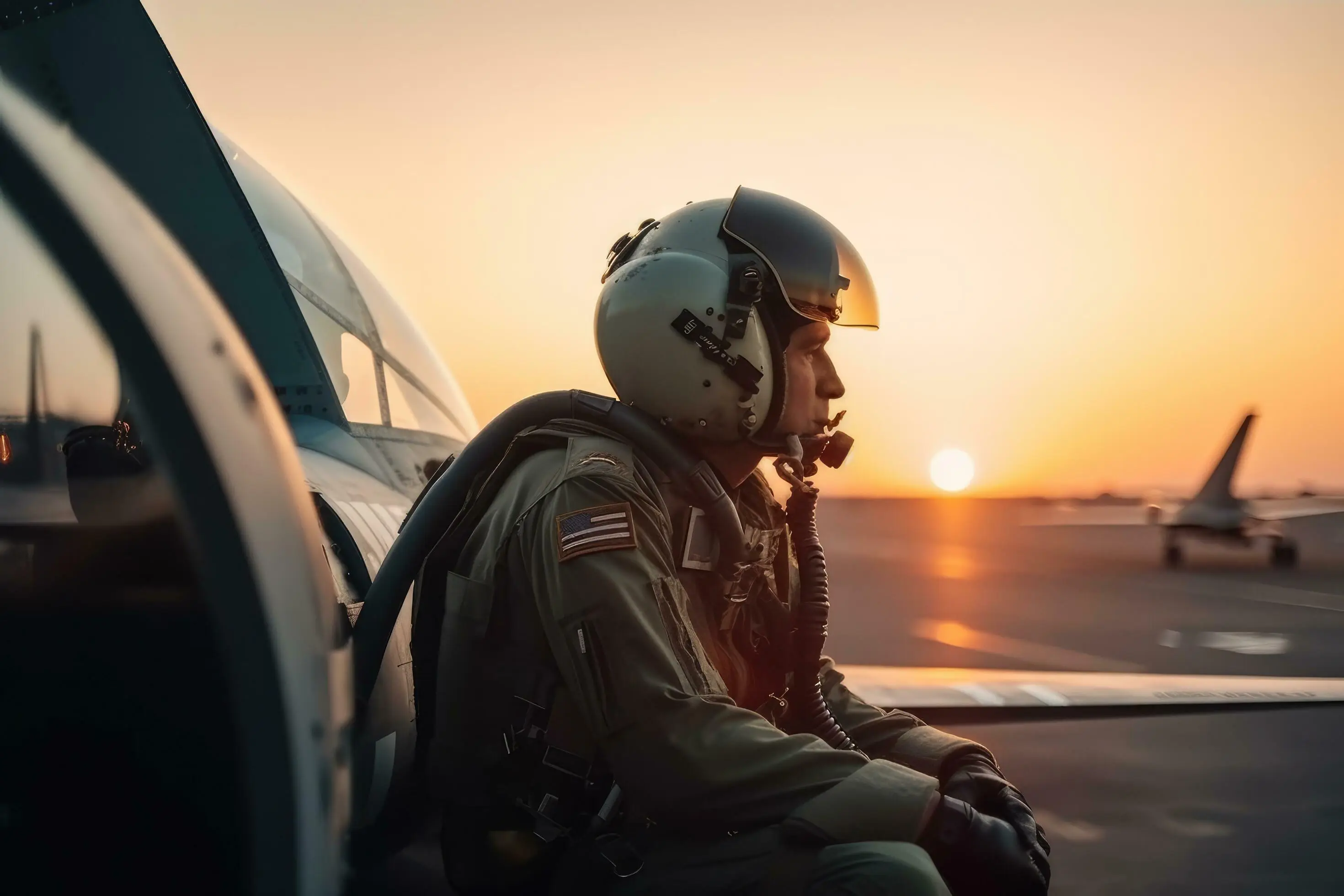
Preventing Hypoxia and Oxygen Deficiency
High-altitude pilots encounter thin oxygen levels, which can lead to hypoxia - a lack of oxygen in the brain causing dizziness or unconsciousness. Pressure suits, combined with oxygen masks, ensure pilots get enough oxygen to stay alert and focused.
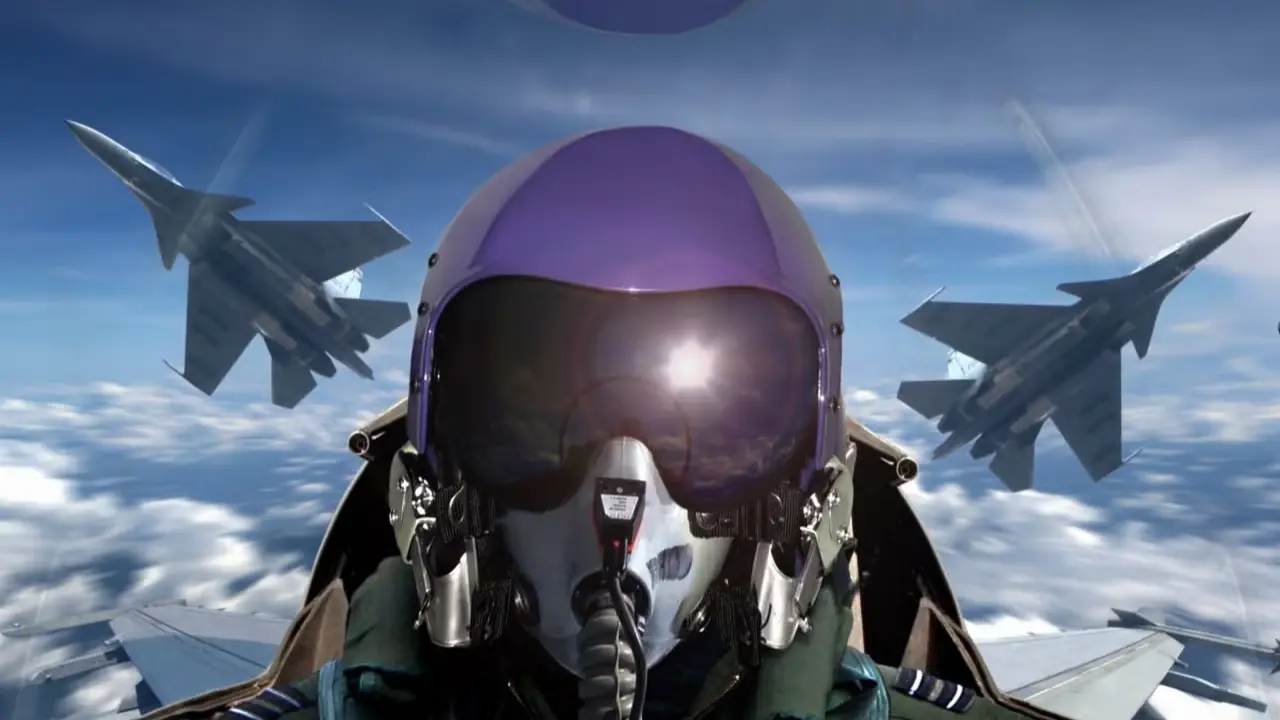
Defence Against Decompression Sickness
Rapid pressure drops can cause decompression sickness, known as "the bends," causing joint pain and paralysis. Pressure suits keep the body pressurised, reducing nitrogen buildup in the blood, which is key to avoiding this dangerous condition.
Protection from Extreme Cold
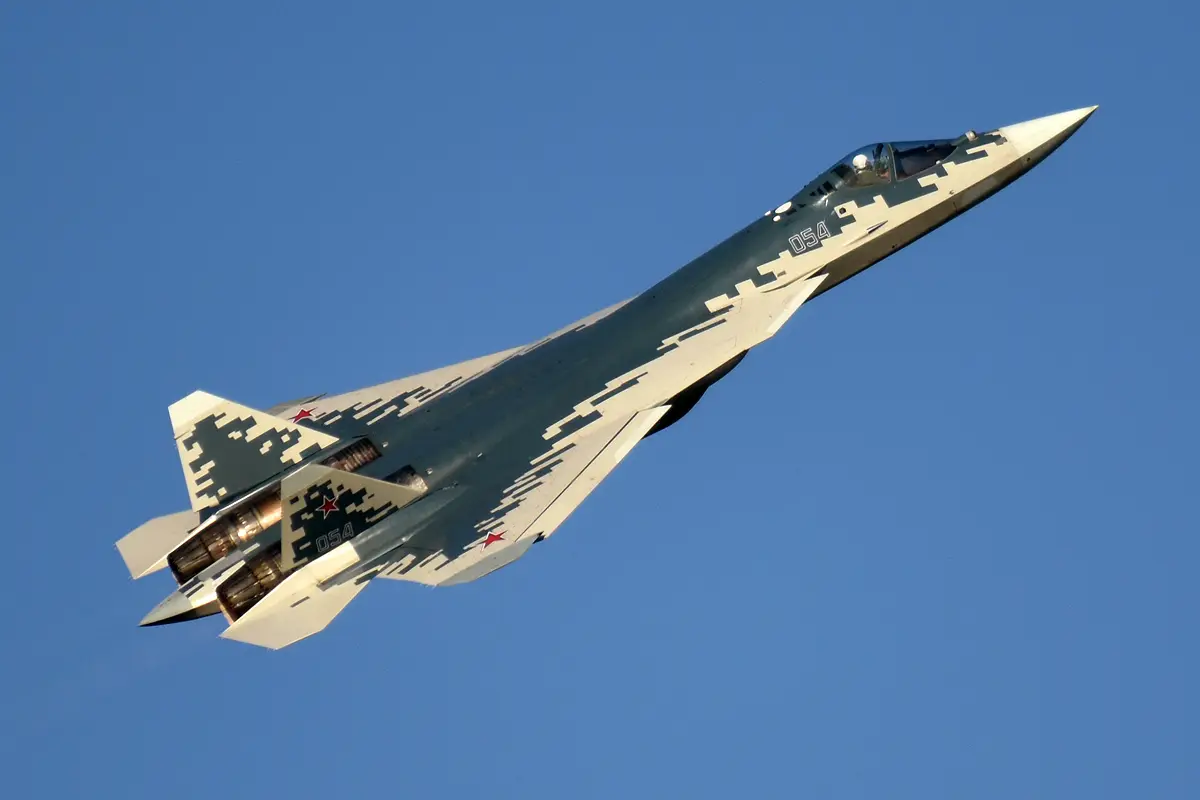
Temperatures at high altitudes can drop to minus 70 degrees Fahrenheit (minus 57 degrees Celsius). Pressure suits provide insulation to protect pilots from hypothermia and frostbite during long missions in freezing conditions.
Support During High-G Maneuvers
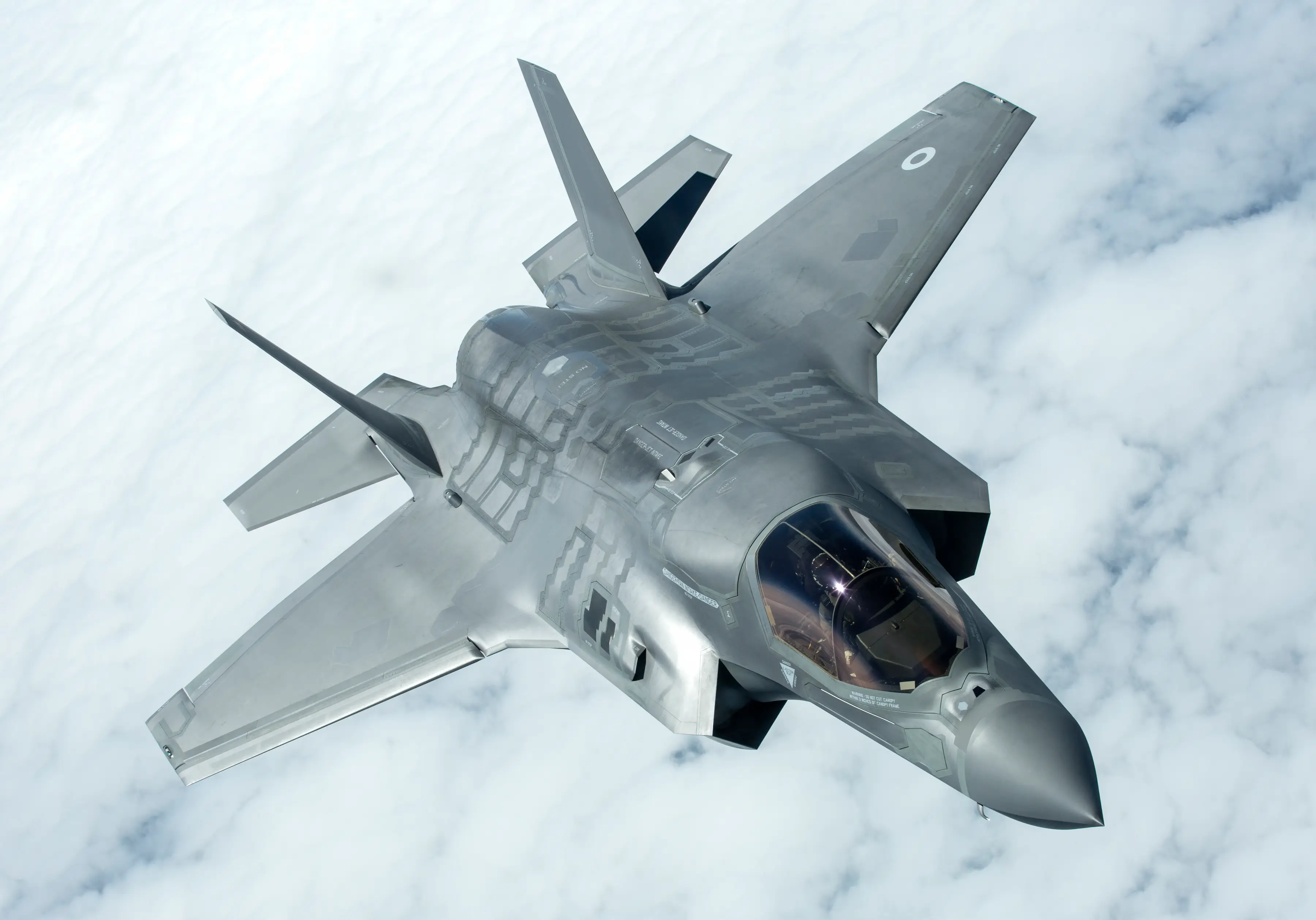
Pilots face extreme G-forces during sharp turns or rapid climbs. Anti-G suits, a part of the pressure suit system, apply pressure to the legs and abdomen to keep blood flowing to the brain, preventing blackouts and helping pilots maintain control.
Combining Safety and Functionality
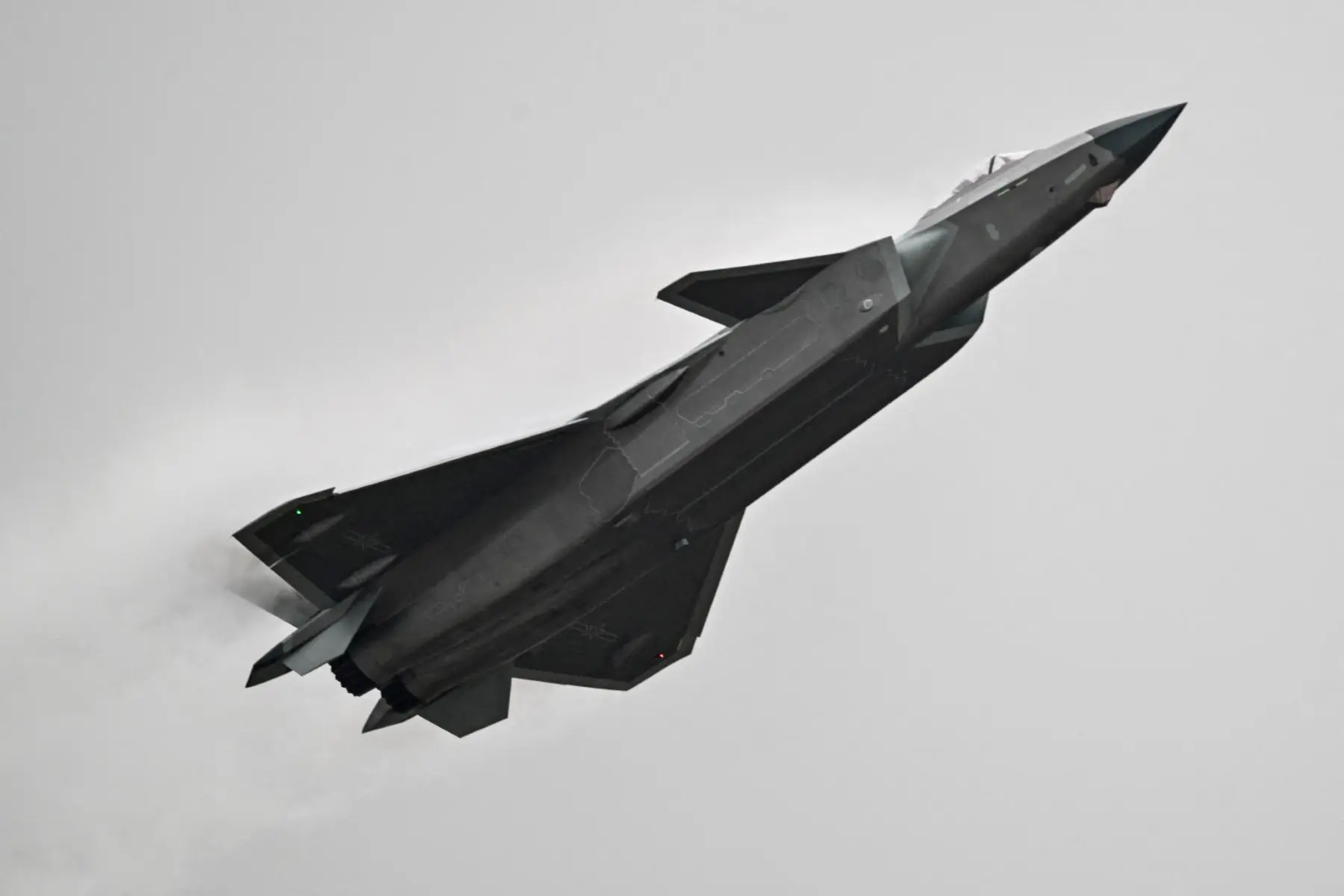
Pressure suits are designed for both protection and usability. They allow movement and control inside the cockpit while ensuring the pilot remains safe in emergencies, including ejection or sudden loss of cockpit pressure.
)
)
)
)
)