Why fighter jet helmets cost more than luxury cars

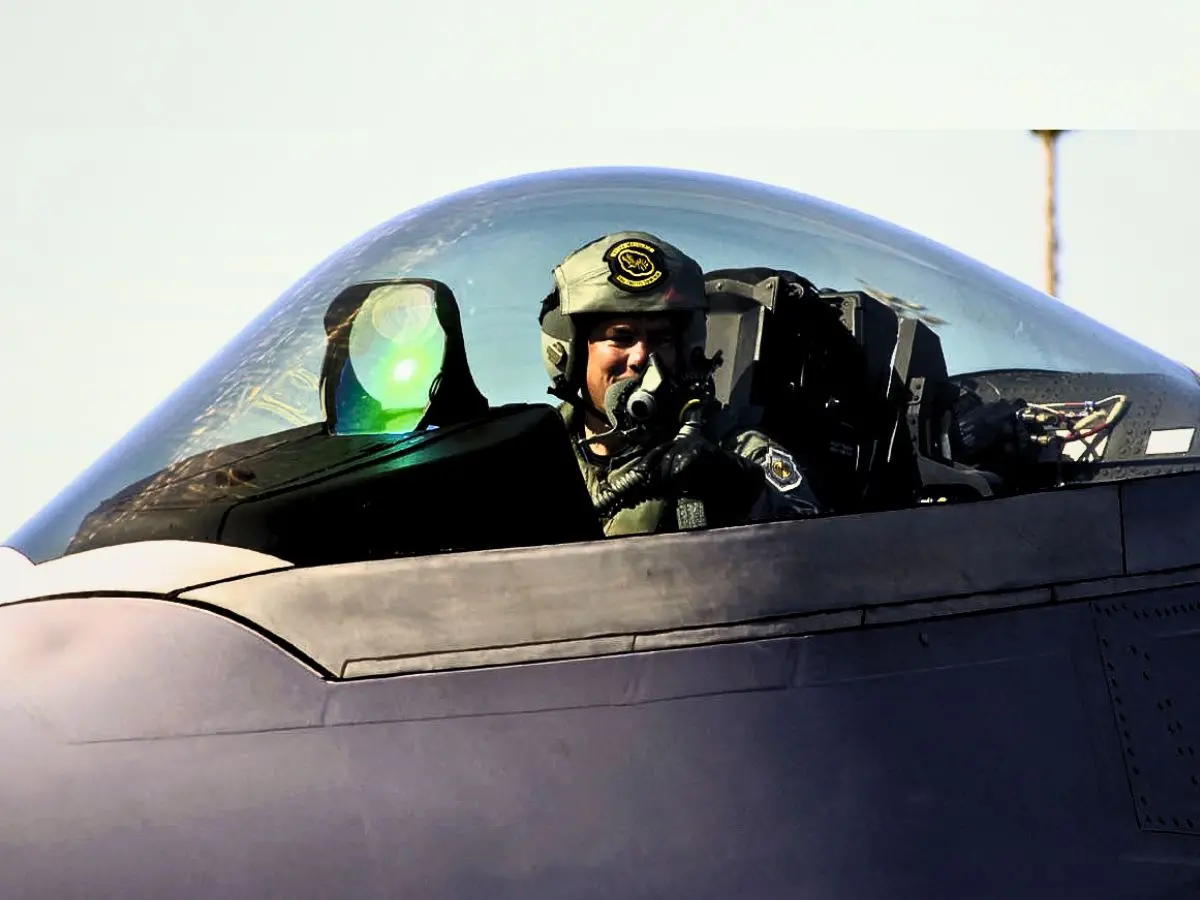
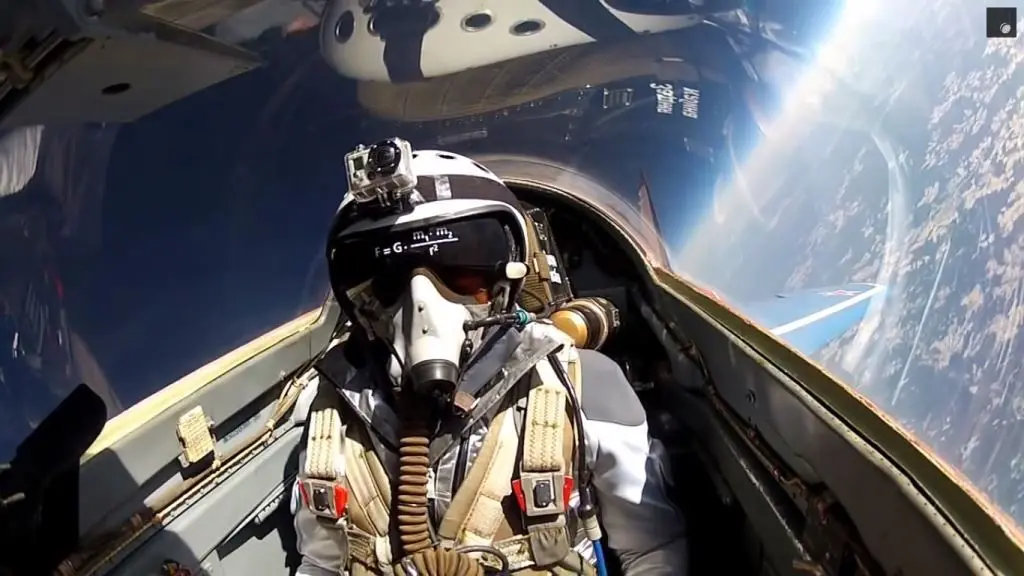
Fighter jet helmets cost £330,000 because they integrate advanced displays, night vision, thermal imaging, and 360-degree aircraft vision. Custom fitting and specialized manufacturing explain costs exceeding luxury cars.
The Price Tag That Shocks
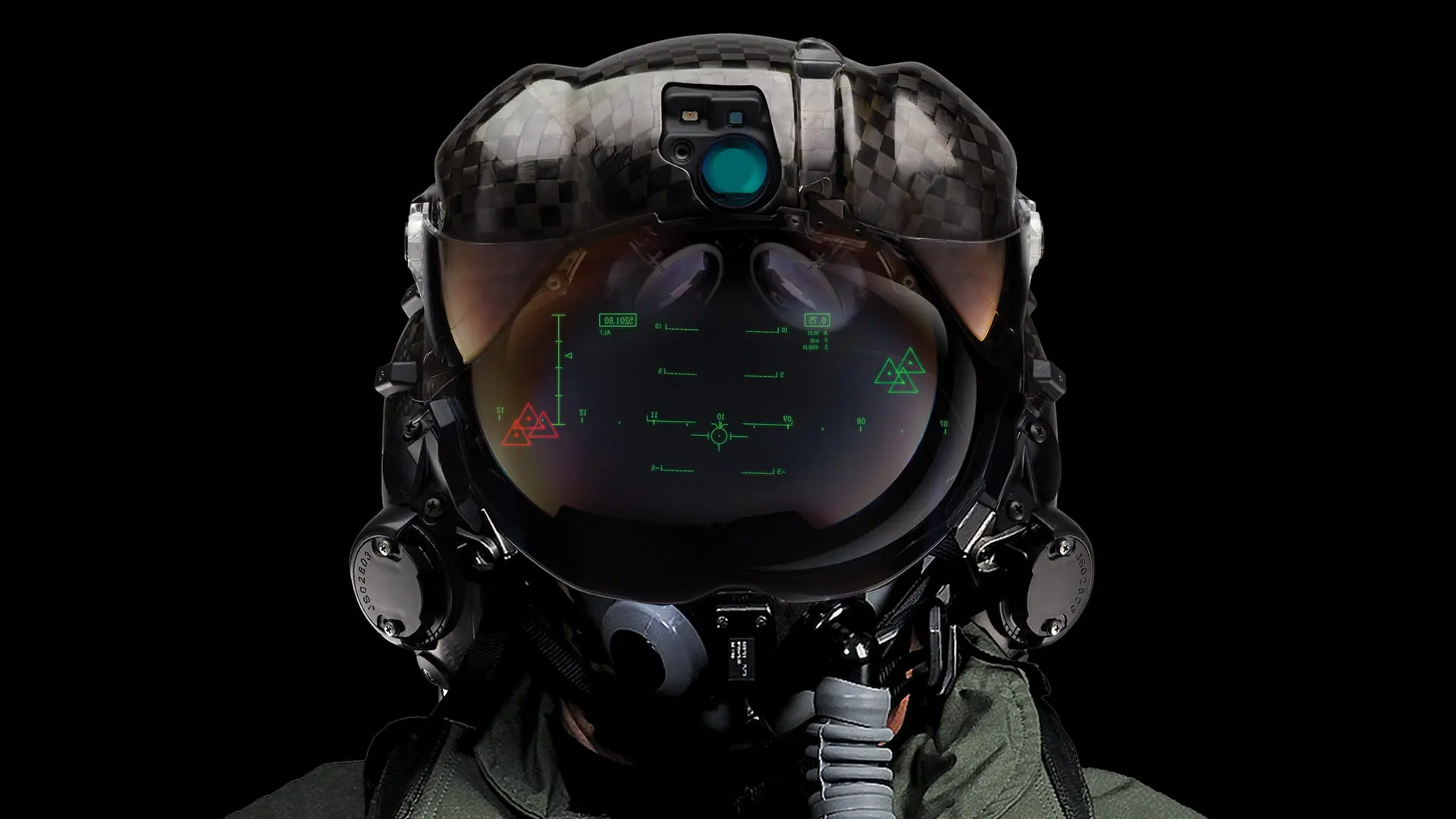
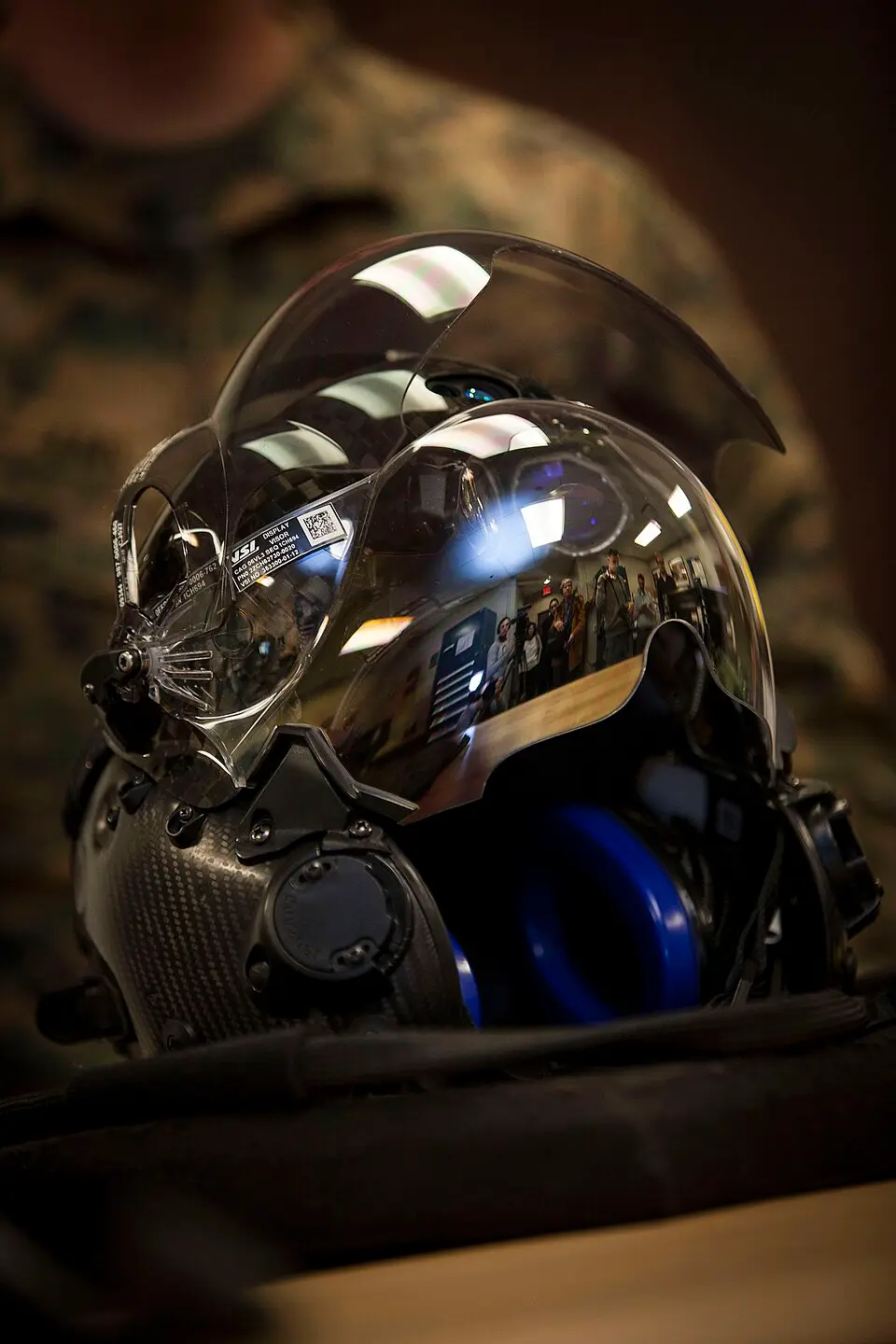
Fighter jet helmets cost between £330,000 and £500,000 each, making them more expensive than most people's homes. The F-35 helmet represents one of the most advanced pieces of personal military equipment ever created. For comparison, a base-model Tesla costs around £40,000, whilst a luxury Range Rover starts at £80,000. Yet a single pilot helmet exceeds both by significant margins. The F-16 helmet previously cost around £165,000, but the F-35 variant doubled this expense. Each helmet is custom-manufactured for individual pilots, contributing substantially to production costs. These prices are not inflated; they reflect genuine technological complexity embedded within each helmet.
Carbon Fibre and Kevlar Construction
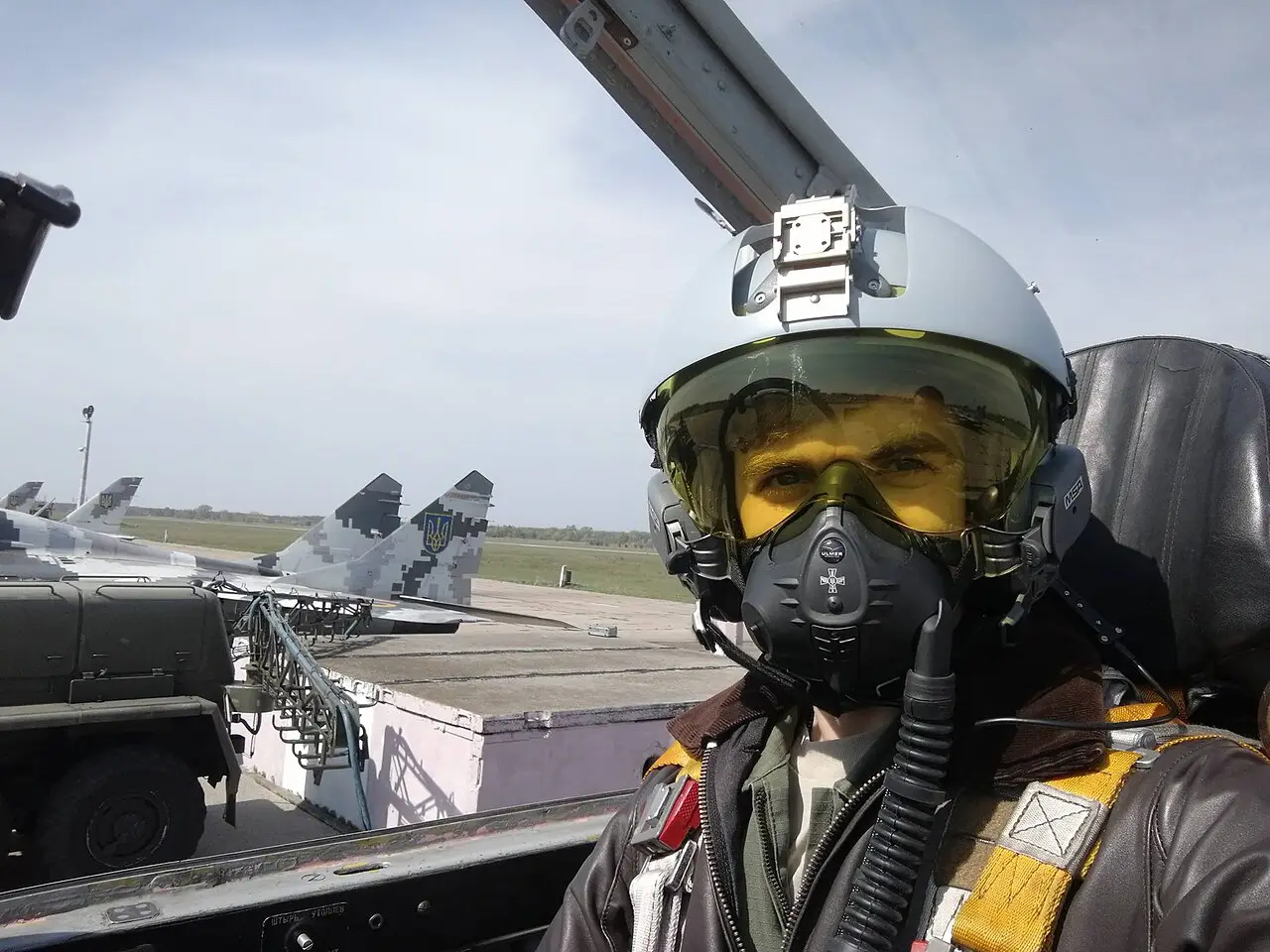
Fighter jet helmets are engineered from advanced composite materials including carbon fibre shells and Kevlar layers. Carbon fibre provides exceptional strength whilst keeping weight minimal, critical for pilots experiencing extreme gravitational forces. Kevlar layers offer protection against ballistic threats and impact damage. The outer shell must withstand ejection forces exceeding 550 knots. Every helmet includes a custom foam liner laser-cut specifically for each pilot's head shape. The manufacturing process requires precision engineering and quality control standards far exceeding civilian helmet production. Material costs alone represent a significant portion of the final helmet price, but engineering and certification dominate expenses.
Custom Fit Through 3D Scanning
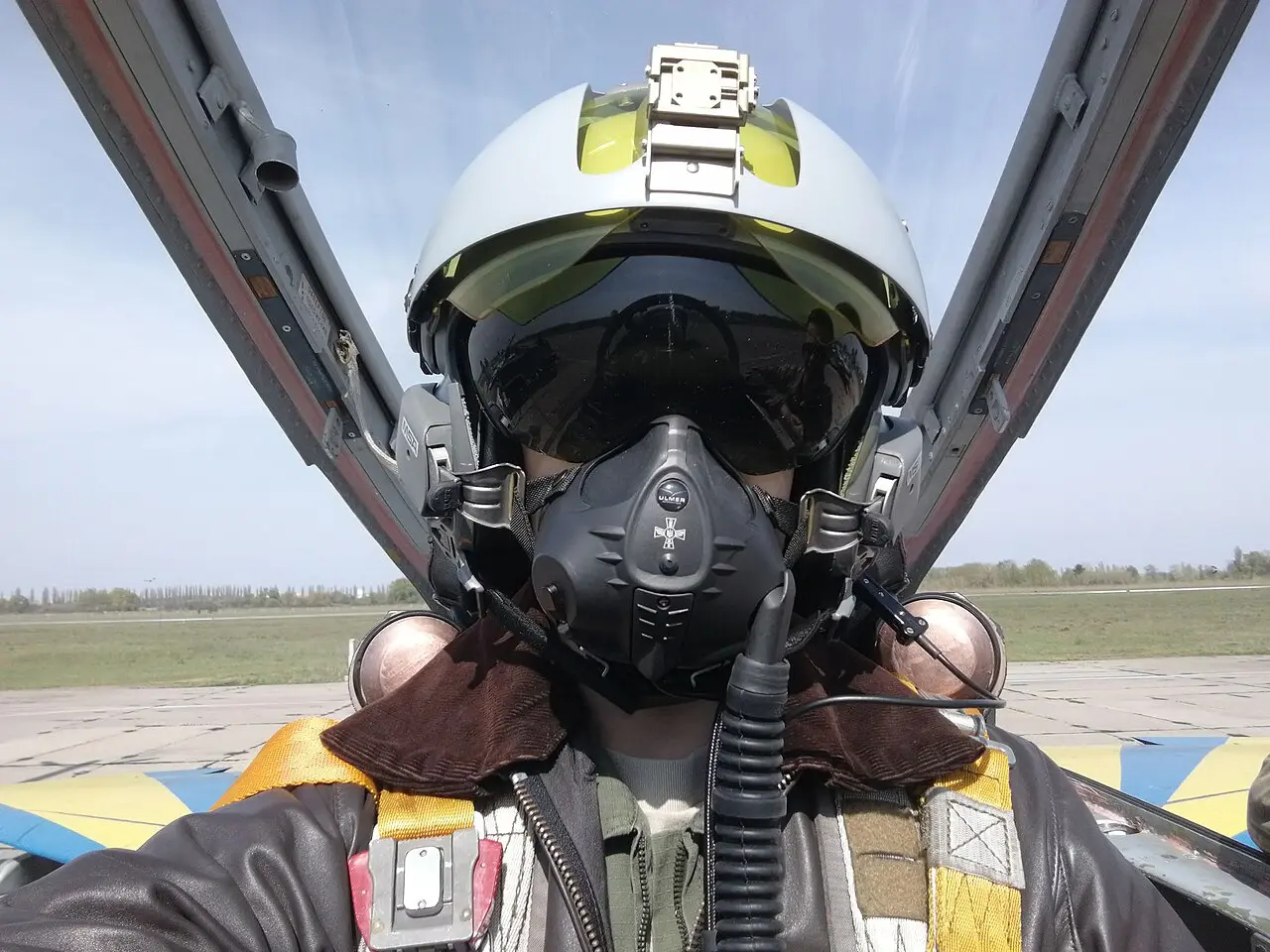
Every F-35 helmet is individually fitted to each pilot's head using advanced 3D scanning technology. Military personnel measure each pilot's head dimensions, pupillary distance, and eye-to-visor spacing with laser precision. The foam liners are then computer-designed and laser-cut to create perfect fits. This customisation ensures optical alignment and comfort during high-stress combat situations. Pilots must undergo refitting every 120 days because weight changes or hairstyle modifications affect helmet fit. The custom-fit requirement explains why pilots cannot share helmets or borrow backup equipment. Each helmet costs £330,000 because it is literally unique to one individual, making replacement problematic if lost or damaged.
Integrated Head-Up Display Technology
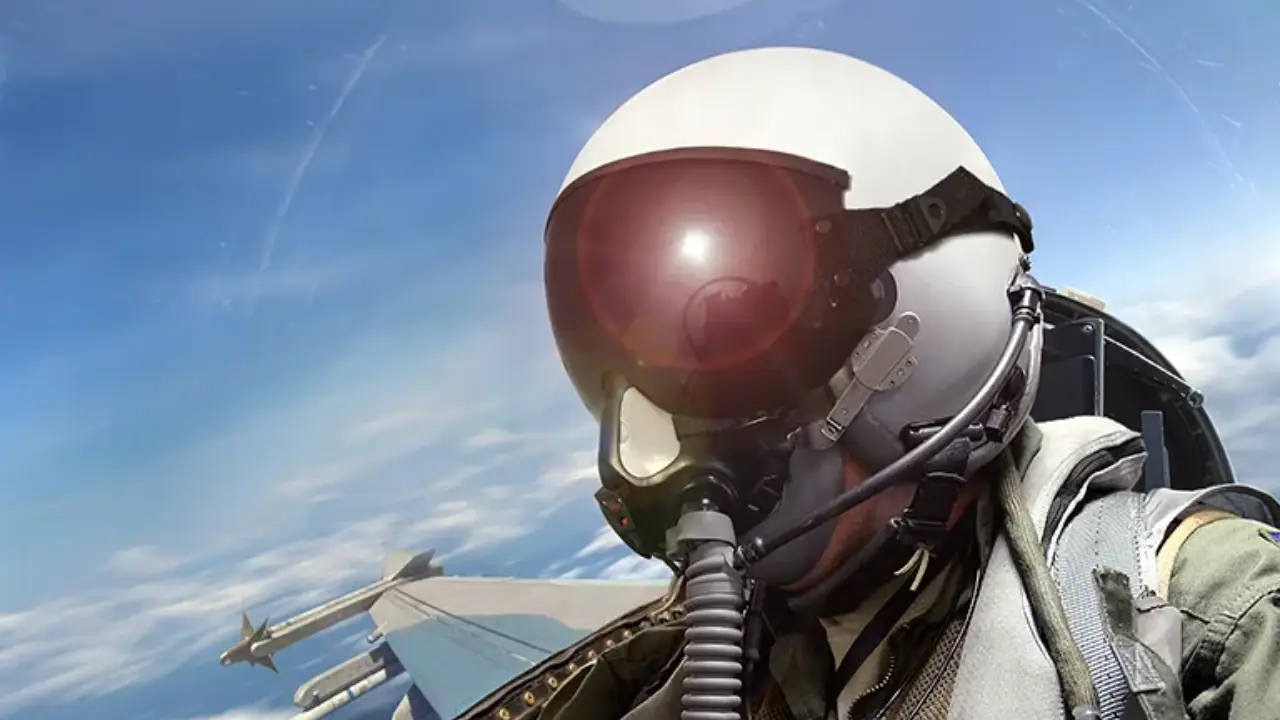
Fighter jet helmets feature integrated head-up displays (HUDs) projecting critical flight information directly onto the visor. Pilots see altitude, speed, heading, target information, and system status without looking away from the external environment. The display uses advanced optics to project information at the correct focal distance for pilot eyes. Dual-visor systems provide binocular vision, eliminating eyestrain from monocular displays. This technology development required years of research and testing. The HUD system contains thousands of micro-components integrated into the visor coating. Head-up display technology alone accounts for substantial helmet costs, as manufacturers must ensure perfect image clarity and reliability during combat operations.
Night Vision and Thermal Imaging
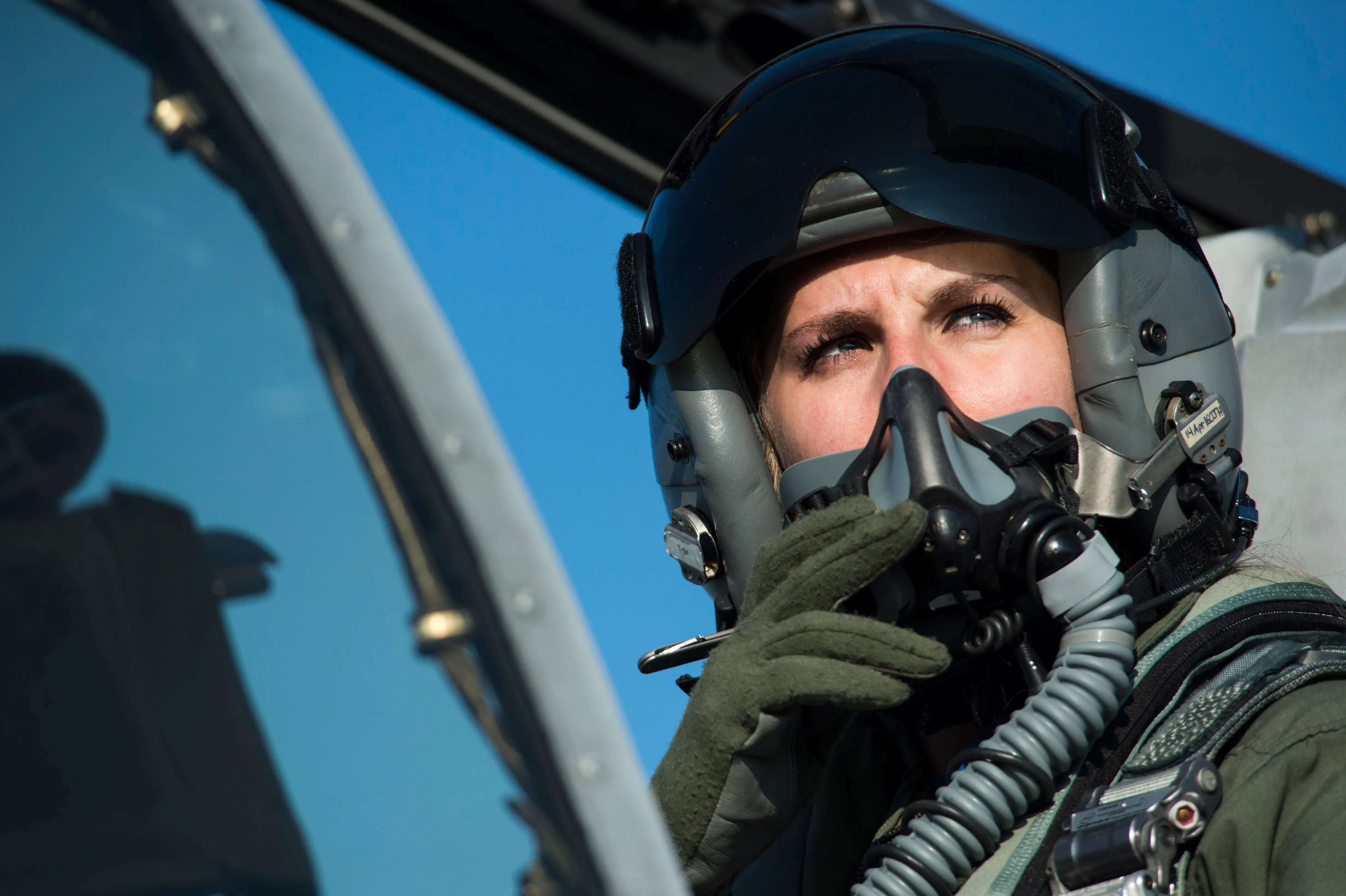
Modern fighter helmets integrate advanced night-vision systems directly into the visor. The F-35 helmet includes a 30-by-40-degree night-vision field with 100 per cent overlap coverage. Infrared cameras mounted on the aircraft fuselage feed thermal imagery to the helmet, allowing pilots to see in complete darkness. The system switches seamlessly between day and night operation. Thermal imaging helps identify heat signatures from enemy aircraft and ground targets. Building night-vision capability into each helmet required developing miniaturised infrared sensor systems. These systems must operate reliably whilst the pilot manoeuvres aggressively. Night-vision integration represents one of the most costly helmet features, explaining significant portions of the £330,000 price tag.
360-Degree Vision Through Aircraft Body
The most revolutionary helmet feature allows pilots to see through the aircraft itself. Six cameras embedded in the jet's skin transmit live video to the helmet's display system. The helmet software creates a composite image allowing pilots to look down and see the ground beneath the aircraft. Pilots can observe surrounding airspace even looking beyond the physical fuselage. This capability required developing advanced image-processing algorithms and sensor fusion systems. The six-camera system feeds simultaneous video streams to the helmet's displays, requiring powerful onboard computing. Creating true 360-degree vision through the helmet visor demanded years of optical and software development. This feature alone justifies substantial portions of helmet development costs.
Augmented Reality and Target Tracking
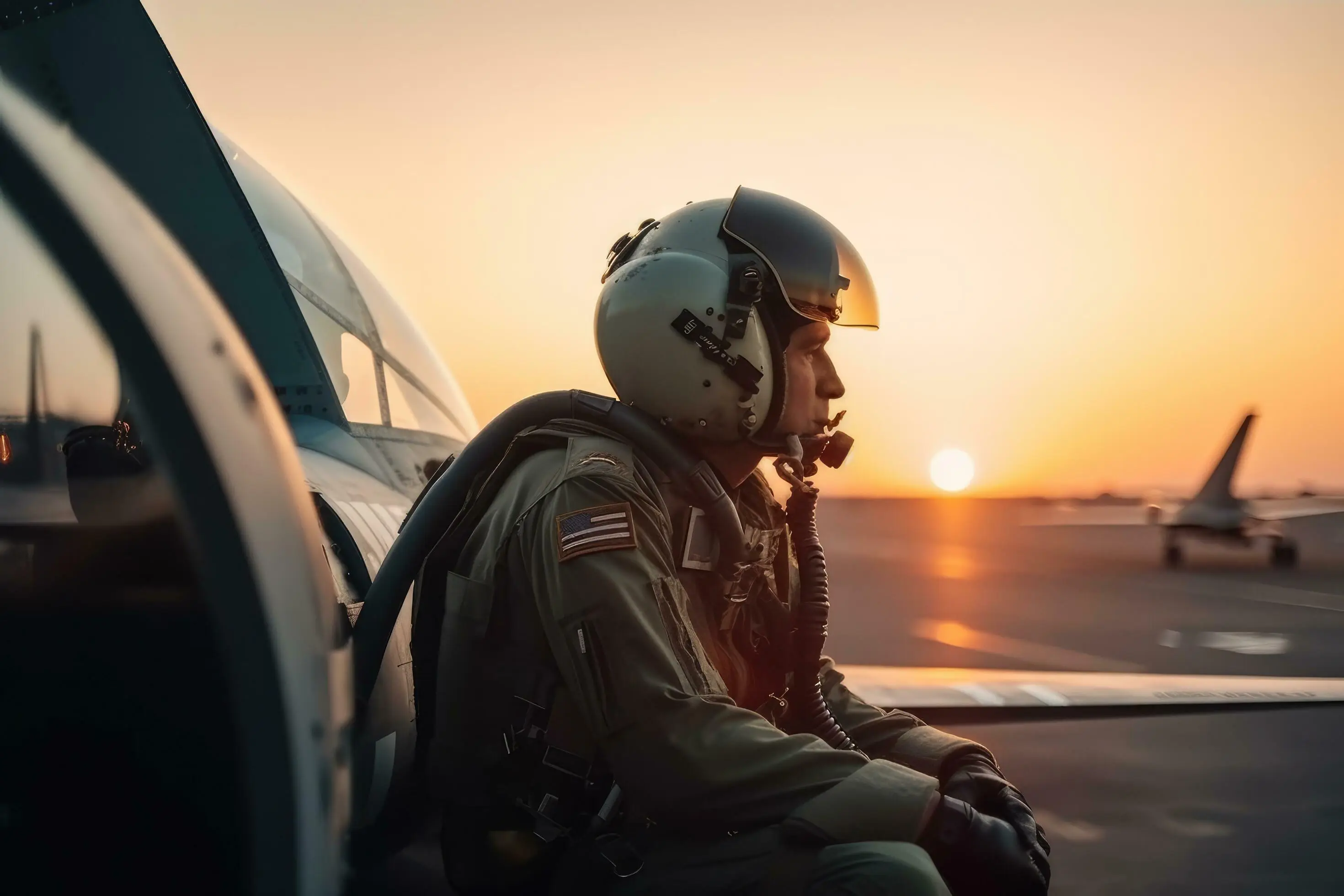
Fighter helmets project augmented-reality overlays enabling pilots to identify and track targets by simply looking at them. When a pilot designates a target, the helmet system automatically tags it and provides continuous tracking information. The system distinguishes friendly aircraft from hostile ones by displaying appropriate symbology. Artificial-reality calculations happen in real-time as pilots manoeuvre at supersonic speeds. The helmet receives data from the aircraft's fire-control system and displays targeting solutions directly in the pilot's line of sight. Augmented-reality technology integration transformed helmets from passive protective equipment into active combat systems. This revolutionary capability explains much of the cost increase compared to earlier helmet generations.
Computing Power Embedded in the Helmet
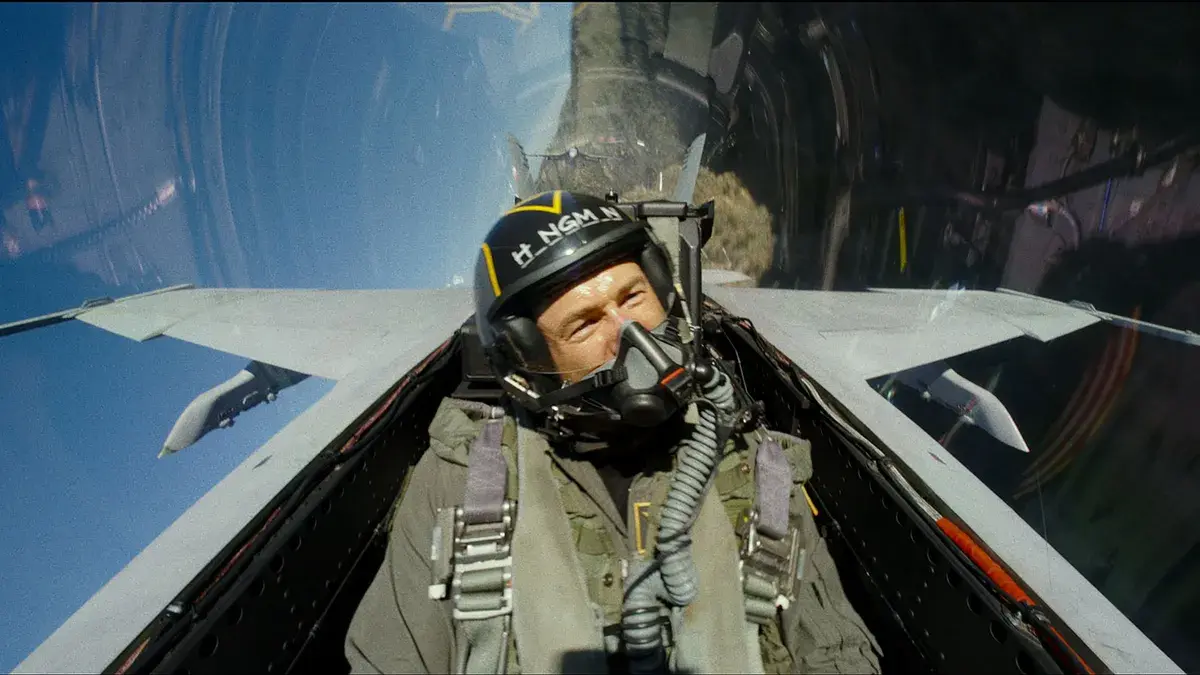
Modern fighter helmets contain integrated computers processing massive volumes of sensor data in real-time. The helmet's processing systems must operate reliably whilst the pilot experiences gravitational forces exceeding 9-G. All computation happens within the helmet or receives direct input from the aircraft's central computer via high-speed data links. The processing power required rivals that of modern consumer smartphones. Cooling systems prevent overheating during extended combat missions. Computing hardware must meet military specifications for reliability and durability far exceeding civilian requirements. Building computing capability into a lightweight helmet whilst maintaining structural integrity presented extraordinary engineering challenges, contributing substantially to development and manufacturing costs.
Development Costs and Testing Requirements
Creating advanced fighter helmets required approximately one decade of development for the F-35 system. Development costs exceeded billions of pounds for the entire helmet program across all planned aircraft. Each helmet undergoes extensive quality testing before delivery to pilots. Military specifications require testing for electromagnetic interference, pressure variations, and structural integrity under extreme conditions. Helmets must function reliably from sea level to 50,000 feet altitude. Every component requires military certification and documentation. Development of new technologies like 360-degree vision and augmented reality demanded breakthrough research. Certification and testing costs are amortised across all helmets produced, but relatively small production volumes mean per-unit development costs remain substantial.
Future Helmet Technology and Upgrades
Next-generation fighter helmets will integrate artificial-intelligence systems providing real-time threat analysis. Future systems may include direct neural interfaces allowing pilots to control aircraft functions through thought commands. Quantum-encrypted communication systems will secure helmet-aircraft data links against electronic warfare attacks. Enhanced display resolution will provide four-times current clarity. Lighter composite materials under development will reduce helmet weight whilst increasing protection. Modular designs will enable easier upgrades and component replacement. Despite these anticipated improvements, helmets will likely remain expensive due to customisation requirements and advanced technology integration. Military aviation authorities argue that helmet costs are justified when pilot survival and mission effectiveness depend on the technology.
)
)
)
)
)