Why doesn't the B-52 bomber need afterburners to do its job?

The B-52 bomber lacks afterburners because dumping raw fuel into the exhaust would destroy its 8,800-mile range. Relying on eight turbofan engines for raw thrust, the subsonic aircraft prioritises global endurance and standoff weapons over speed.
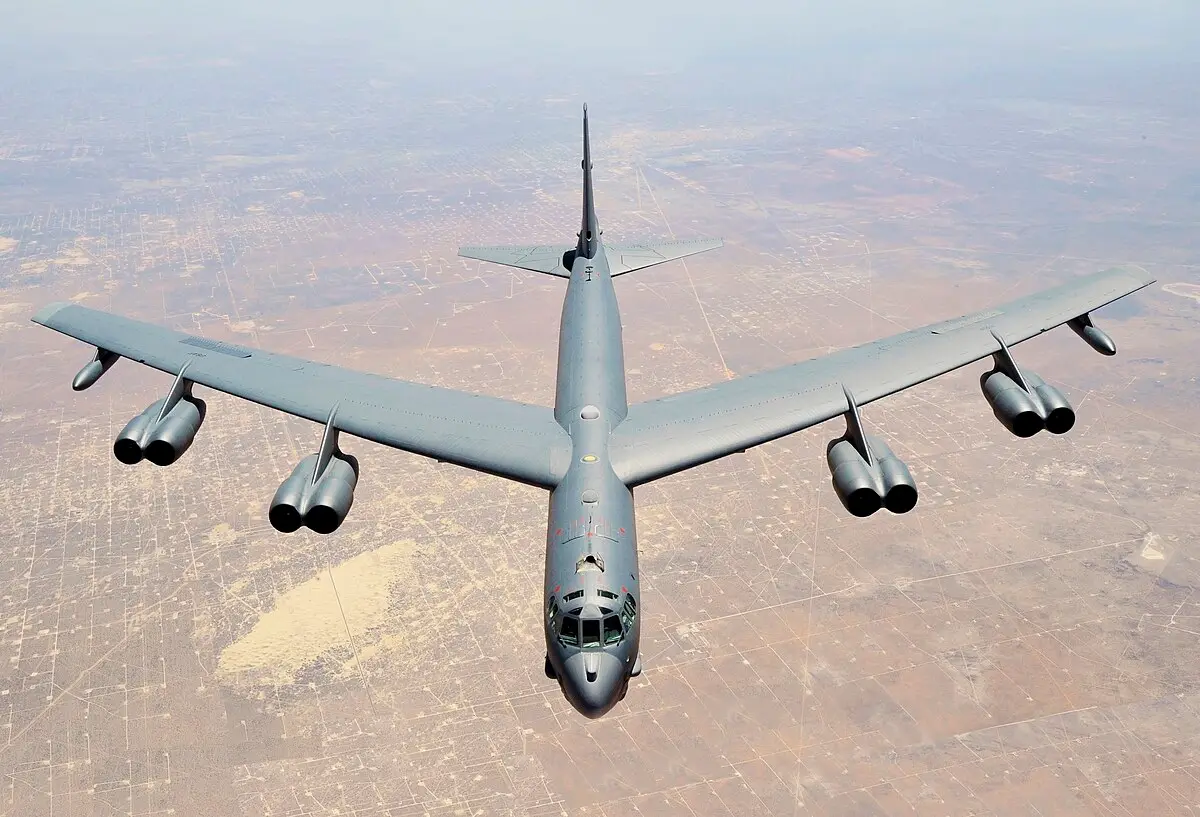
The Subsonic Heavyweight
The Boeing B-52 Stratofortress is one of the most devastating military aircraft in history, yet it completely lacks the afterburners found on modern fighter jets. Instead of relying on supersonic bursts of speed, the heavy bomber relies on unmatched endurance and massive payload capacity.
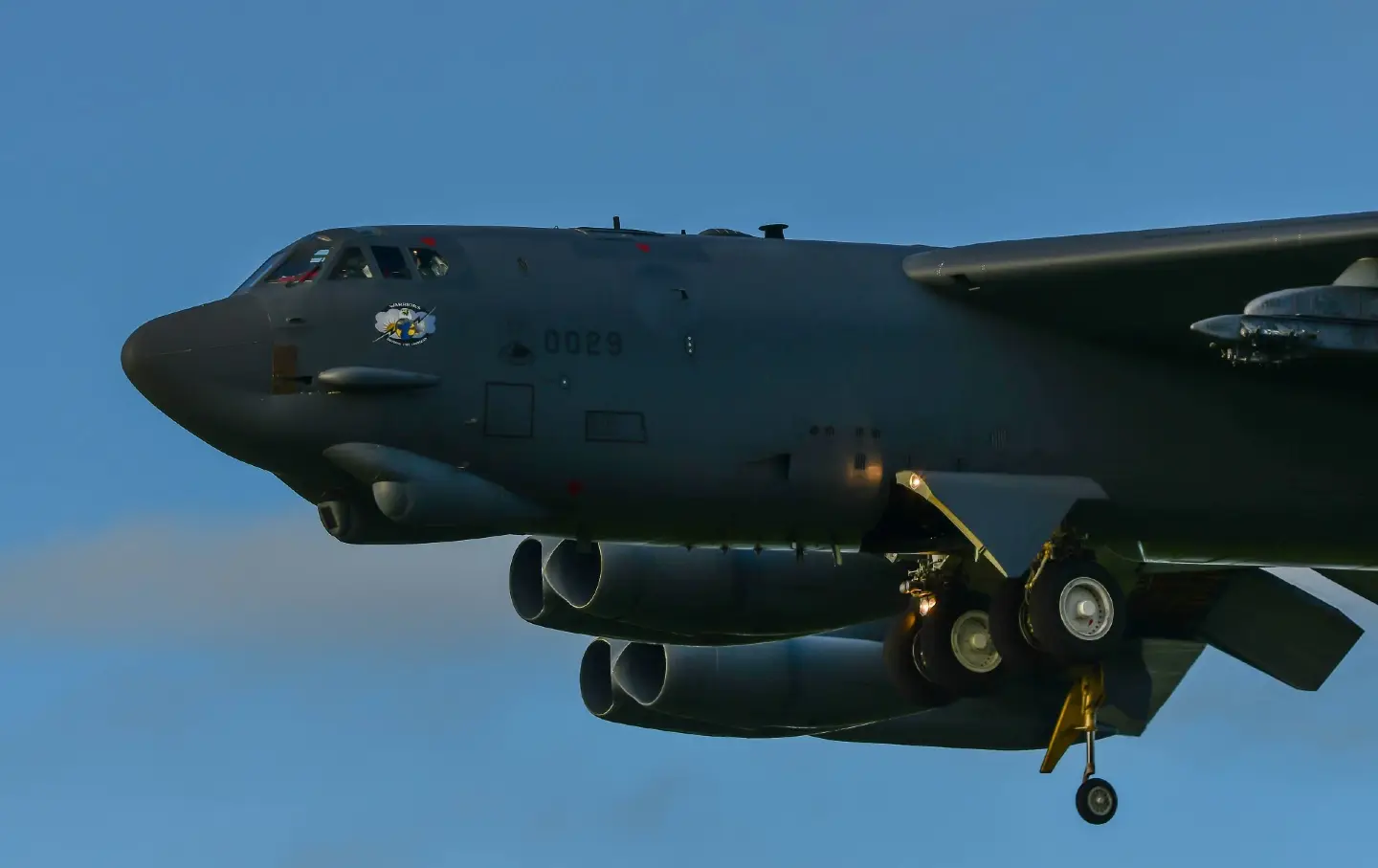
The Fuel Burn Penalty
Afterburners generate a massive temporary thrust boost by dumping raw jet fuel directly into the engine exhaust stream. Using this technology would instantly devastate the heavy bomber's impressive 8,800-mile unrefuelled combat range, severely limiting its global reach.
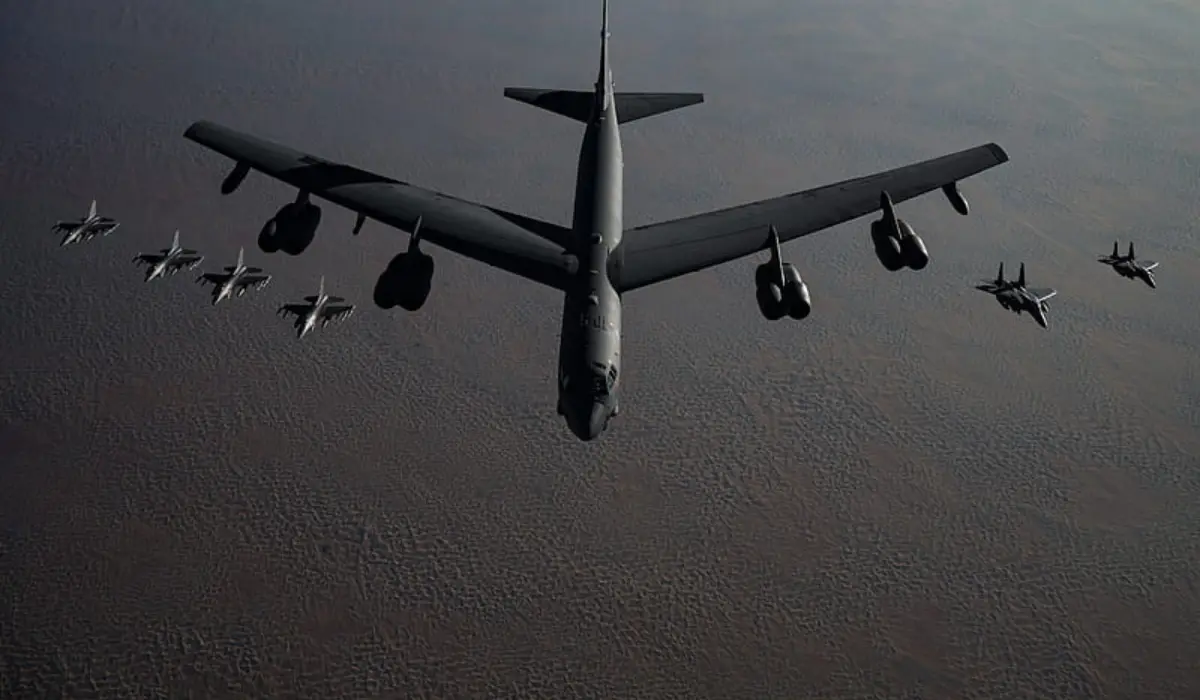
Eight Engines of Thrust
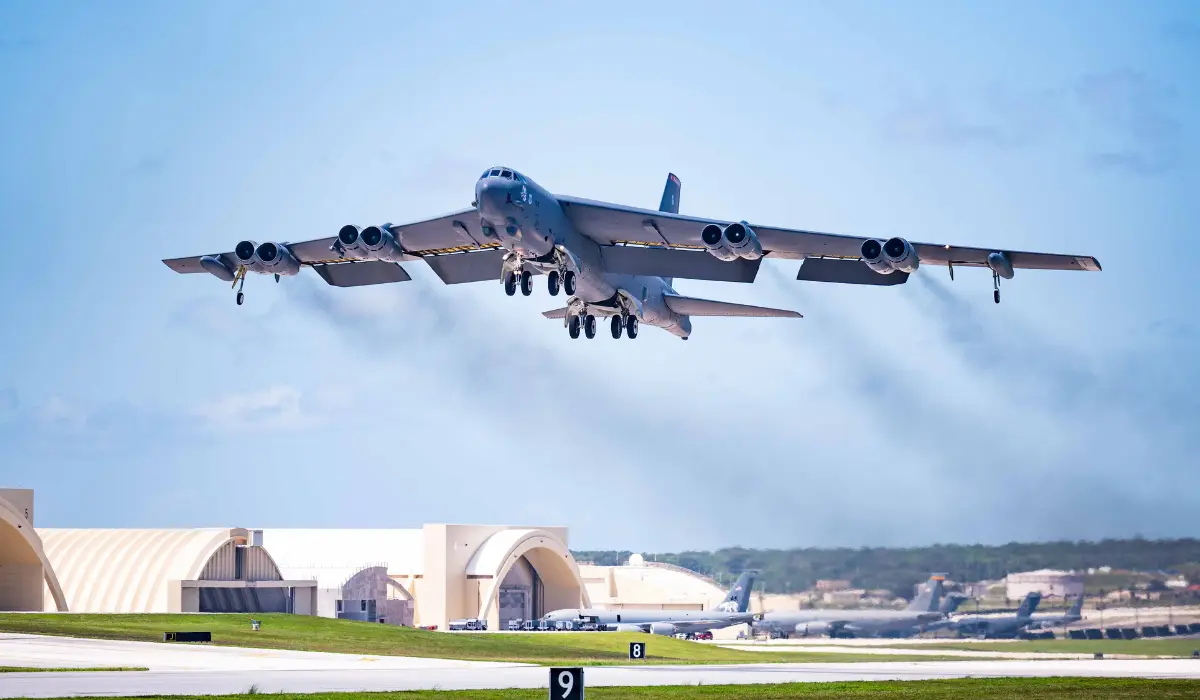
The aircraft simply does not need afterburners to safely achieve liftoff, even when fully loaded at a staggering 488,000 pounds. Powered by eight Pratt & Whitney TF33 turbofan engines, the bomber generates a combined 136,000 pounds of thrust to effortlessly climb into the stratosphere.
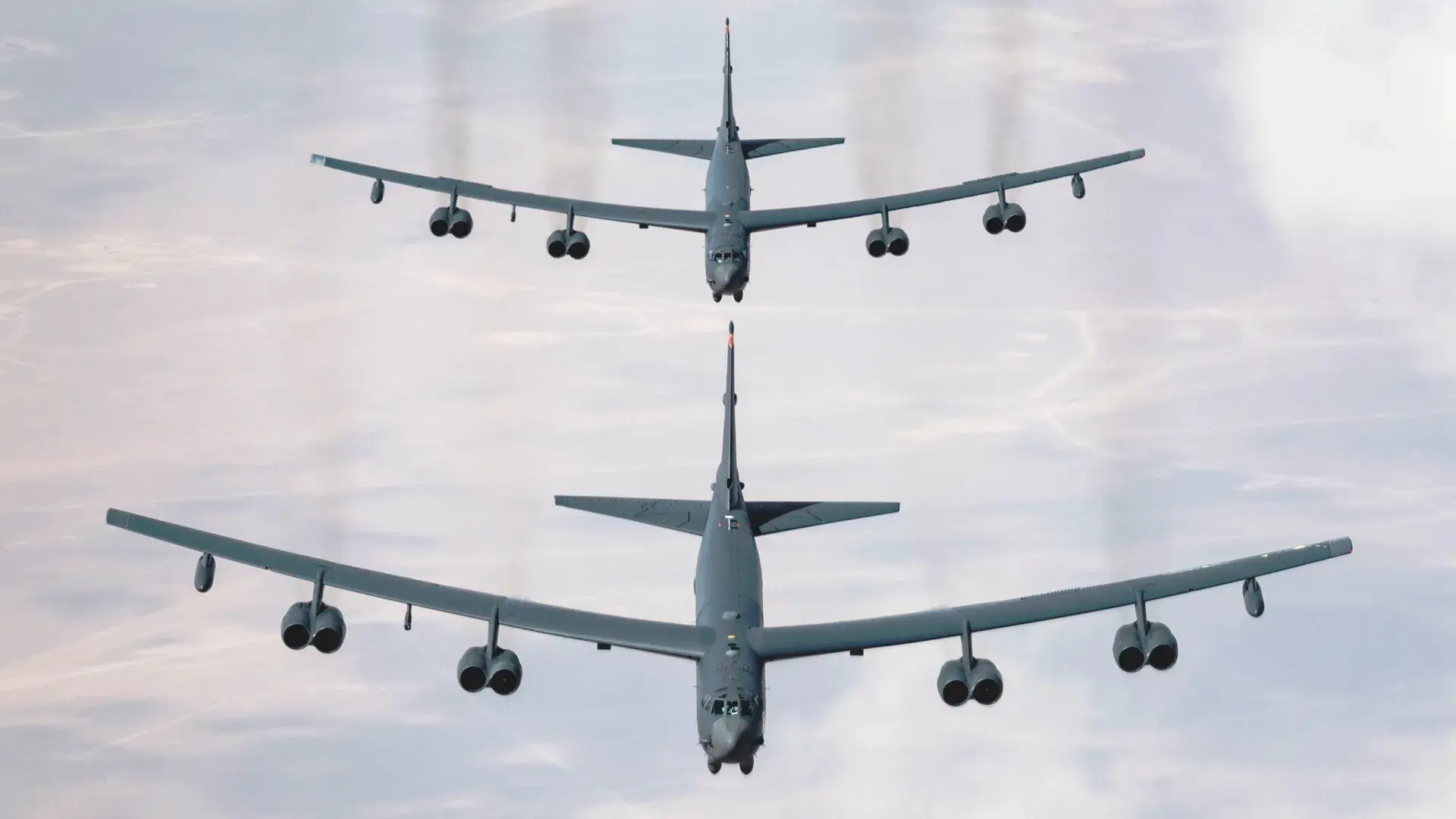
The Aerodynamic Speed Limit
Even if equipped with afterburners, the massive 185-foot airframe is physically incapable of safely breaking the sound barrier. The Cold War-era swept wings and heavy fuselage were strictly engineered for highly efficient subsonic cruising at roughly 650 miles per hour.
The Water Injection Trick
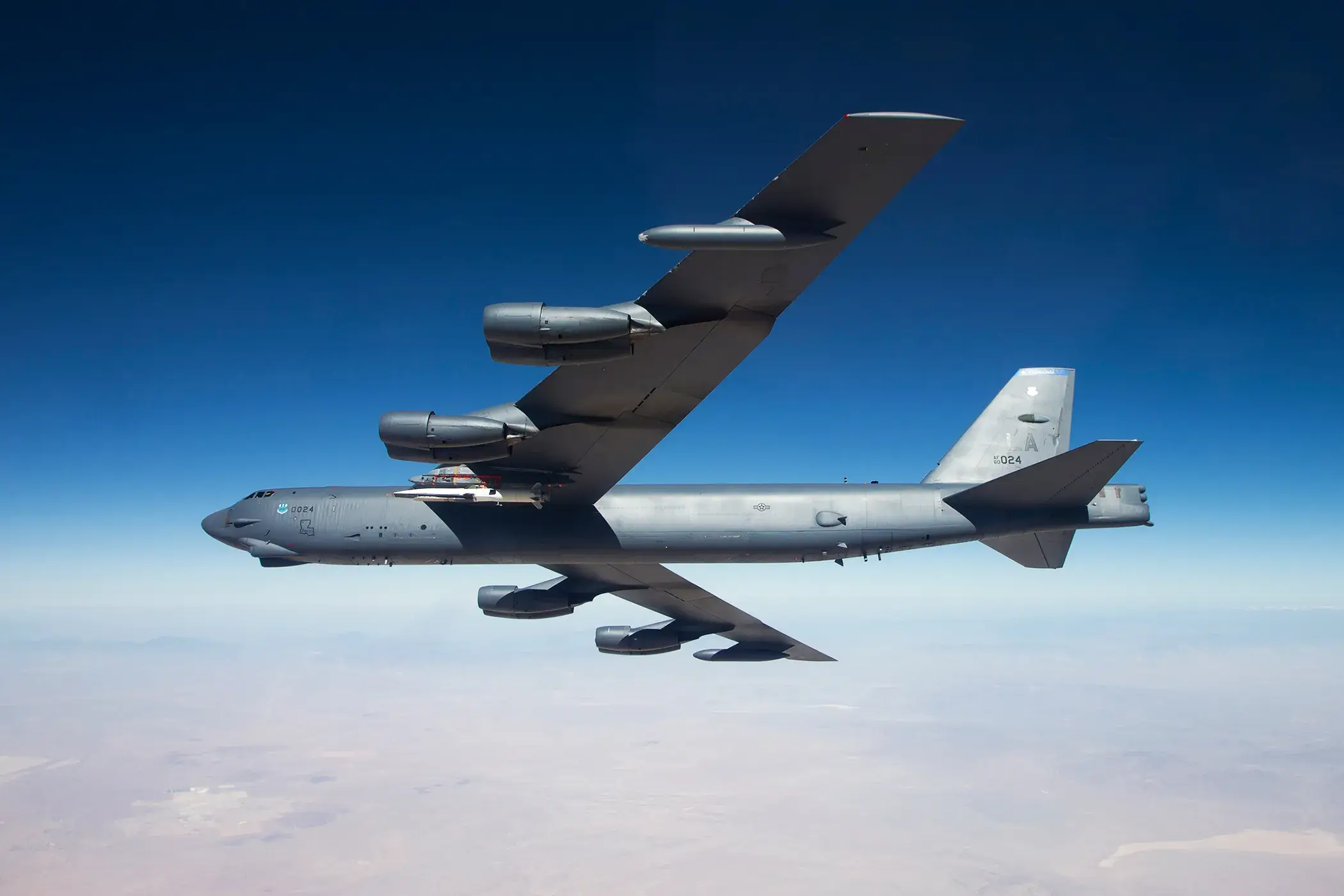
During the early years of the Cold War, older B-52 variants occasionally needed a temporary power boost to take off with heavy payloads. Instead of fuel-hungry afterburners, engineers used a unique water injection system to cool the turbojets and safely increase engine thrust.
The Standoff Strategy
Modern air combat doctrine completely eliminates the need for the vintage bomber to rapidly outrun supersonic enemy interceptors. The aircraft operates as a high-altitude airborne magazine, safely launching stealthy standoff cruise missiles from thousands of miles away in uncontested airspace.
The B-52J Evolution
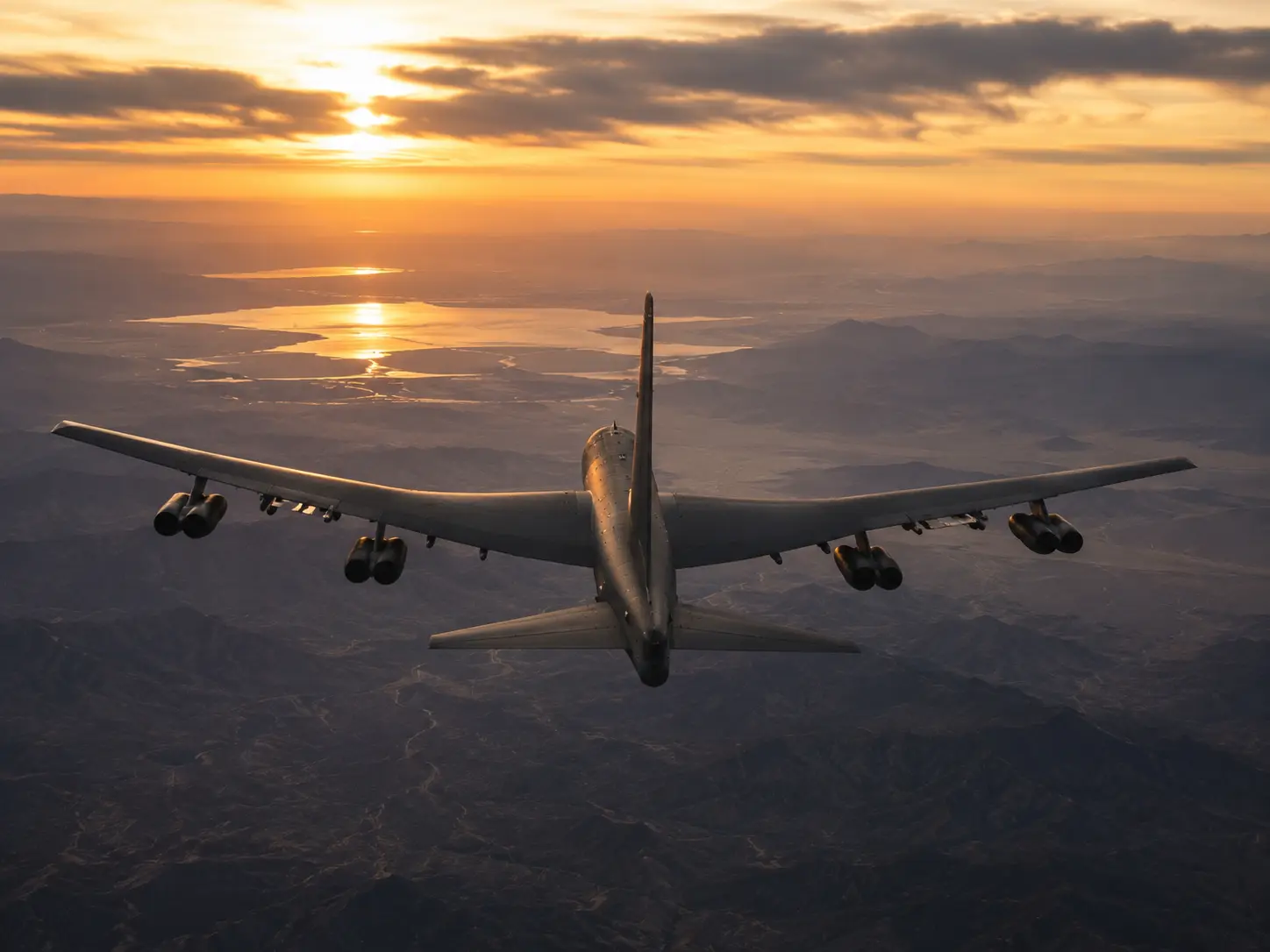
To maintain this subsonic dominance, the Pentagon is executing the massive USD 48.6 billion B-52J modernisation programme. By installing eight modern, non-afterburning Rolls-Royce F130 commercial engines, the US military ensures the bomber flies efficiently into the 2050s.
)
)
)
)
)