Why does F‑35 keep getting grounded? The crisis behind the fighter jet

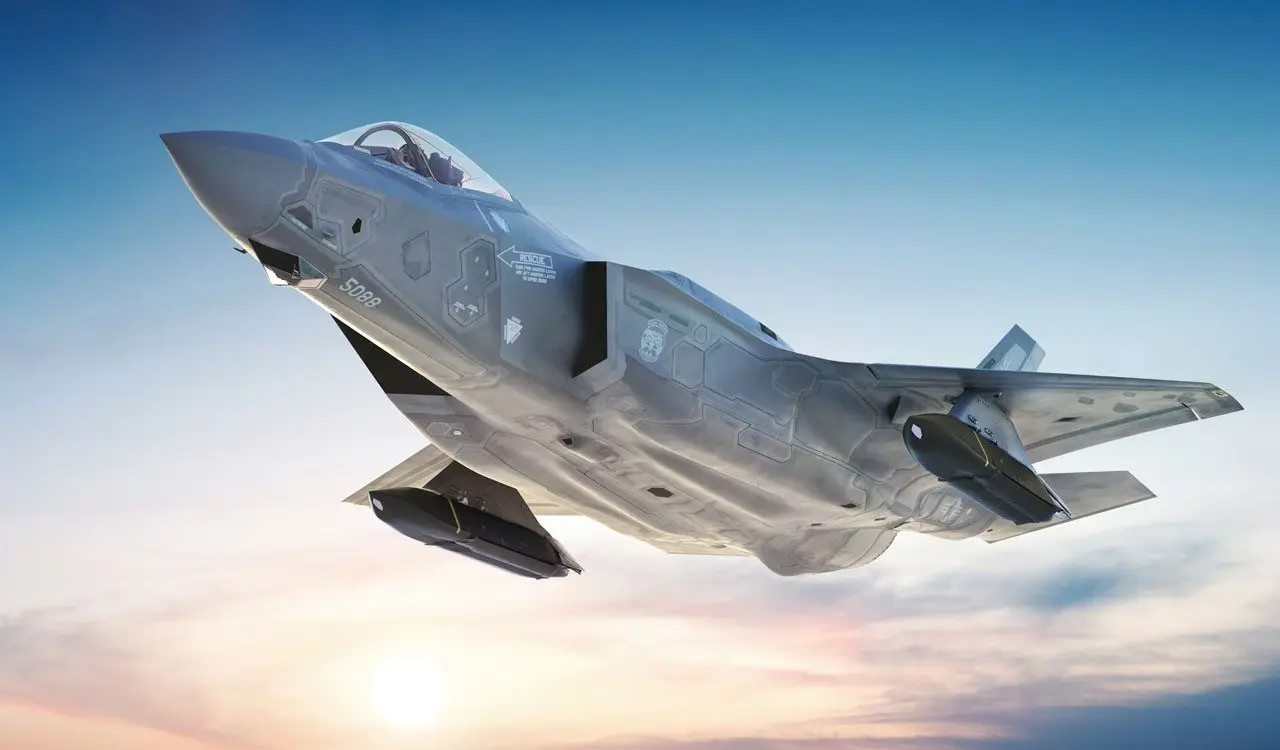
Designed to serve the US Air Force, Navy, and Marine Corps, as well as allied nations, the F‑35 integrates stealth, supersonic capability, and advanced sensor systems.
Introduction — A Cutting-Edge Jet Under Scrutiny
The F‑35 Lightning II, one of the world’s most expensive fighter jet, has faced repeated groundings due to safety concerns and persistent software issues. Designed to serve the US Air Force, Navy, and Marine Corps, as well as allied nations, the F‑35 integrates stealth, supersonic capability, and advanced sensor systems. However, despite its technological sophistication, operational problems have raised questions about reliability, cost-effectiveness, and combat readiness.
Software Challenges: ALIS to ODIN
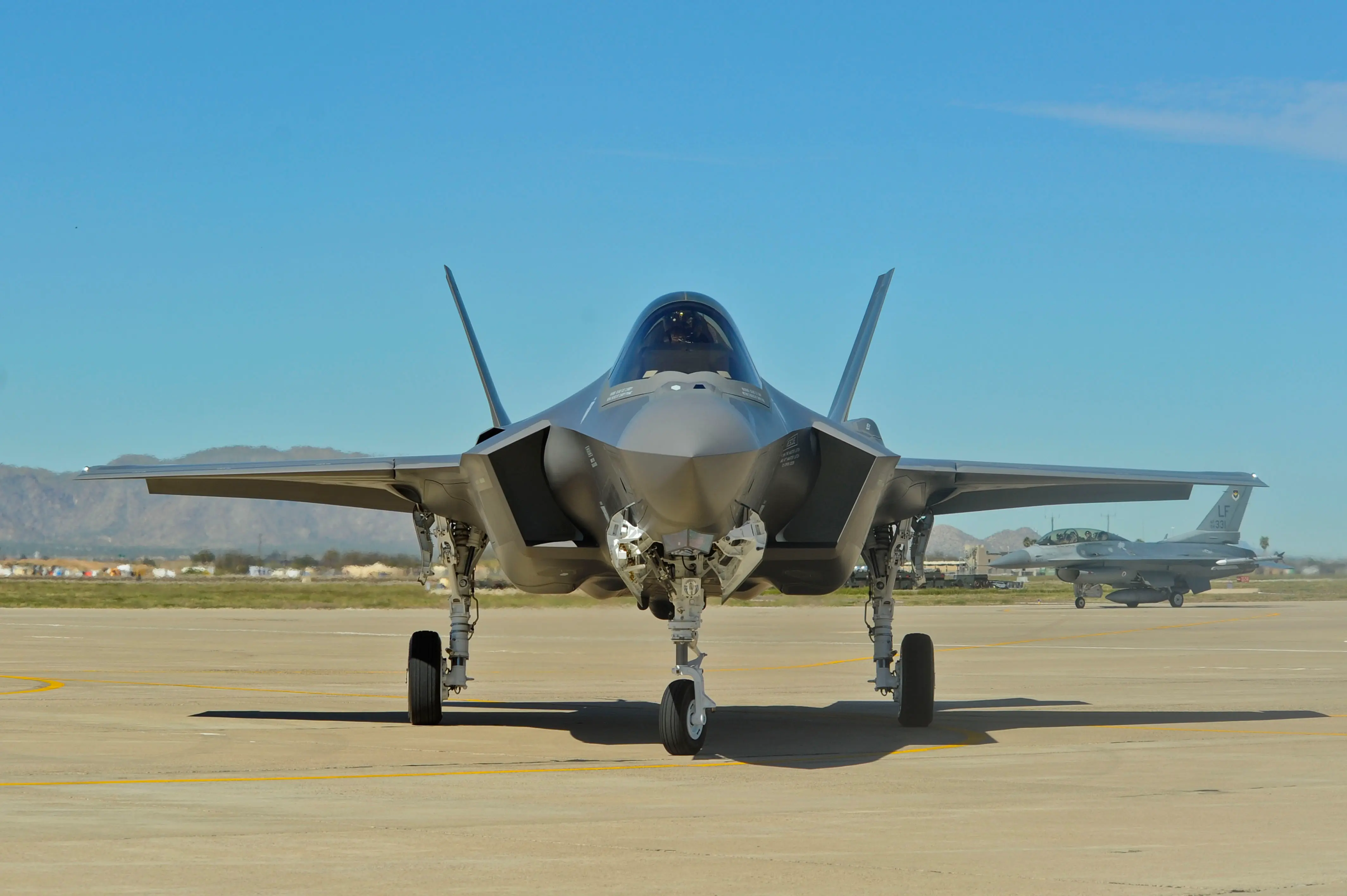
One of the most prominent issues has been the jet’s software management system. Originally, the Autonomic Logistics Information System (ALIS) was intended to track maintenance, readiness, and mission planning. It proved cumbersome, prone to errors, and unable to provide accurate readiness data. ALIS has since been replaced by the Operational Data Integrated Network (ODIN), yet software glitches continue to cause maintenance delays and temporary fleet groundings.
Mechanical and Component Failures
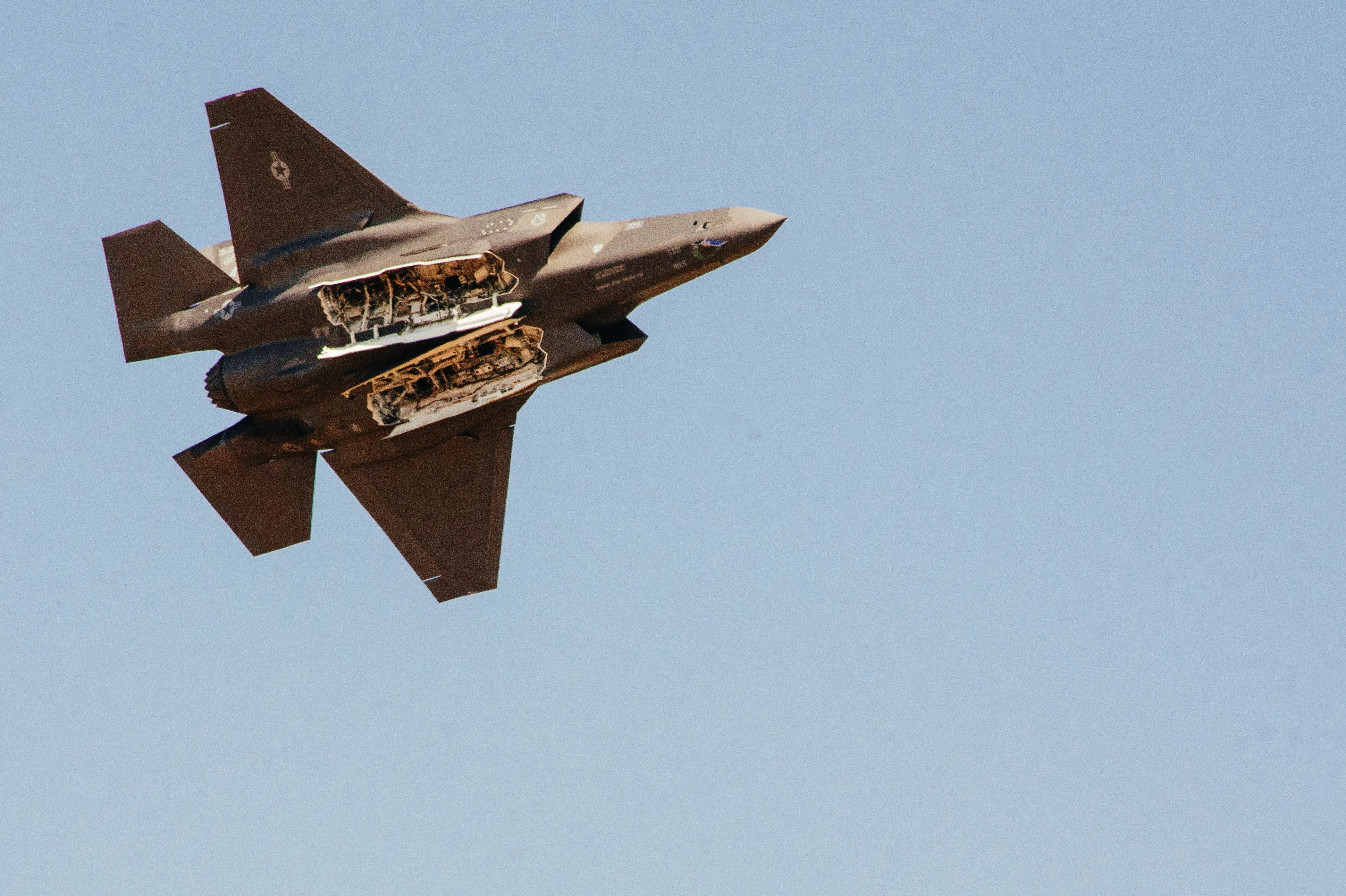
Beyond software, mechanical failures have also contributed to F‑35 groundings. Engine overheating, hydraulic issues, and landing gear malfunctions have repeatedly sidelined aircraft. Even minor faults in these systems can prevent jets from taking off, highlighting the complexity of sustaining such an advanced aircraft across multiple variants, F‑35A, B, and C.
High-Profile Groundings
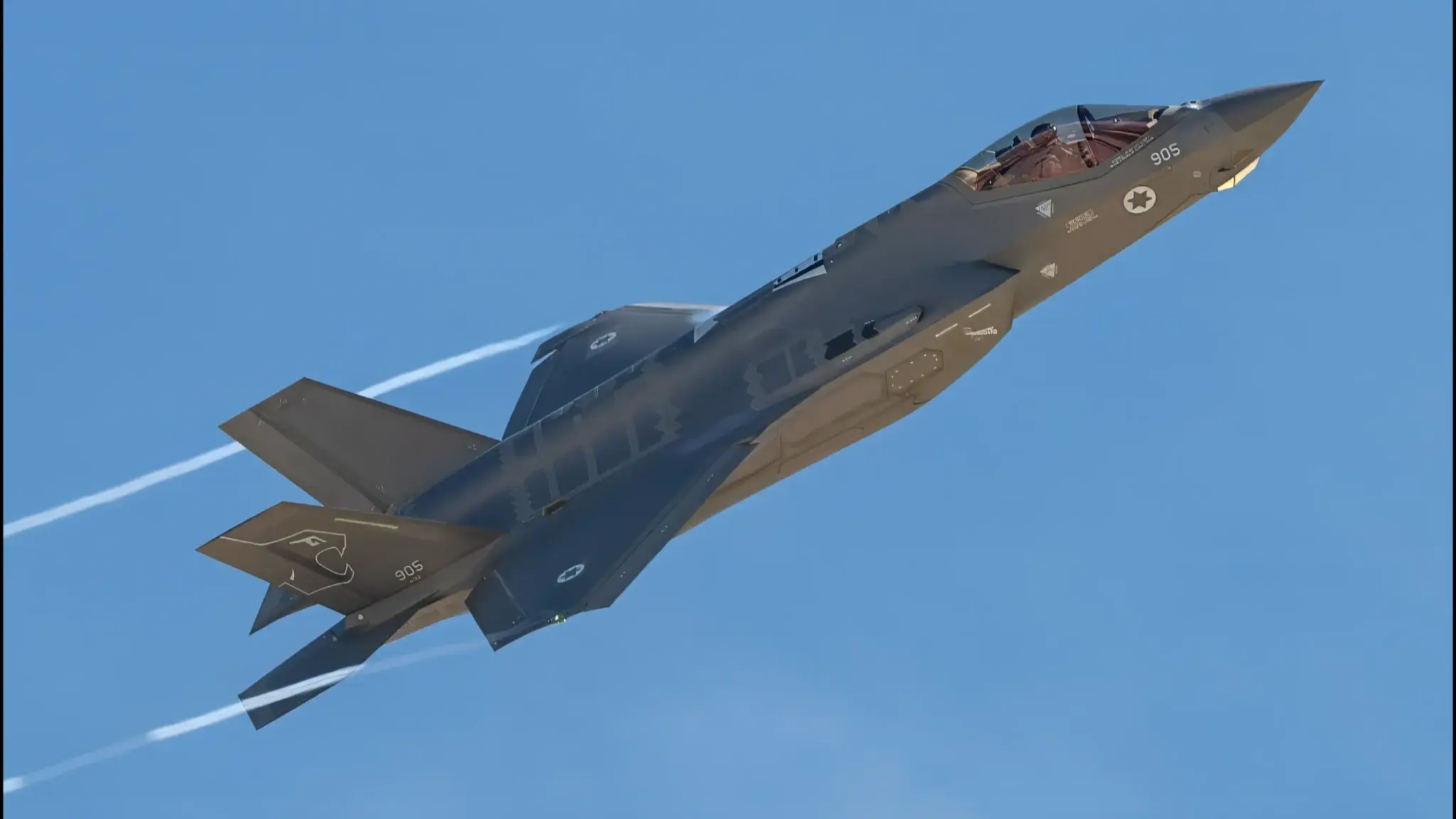
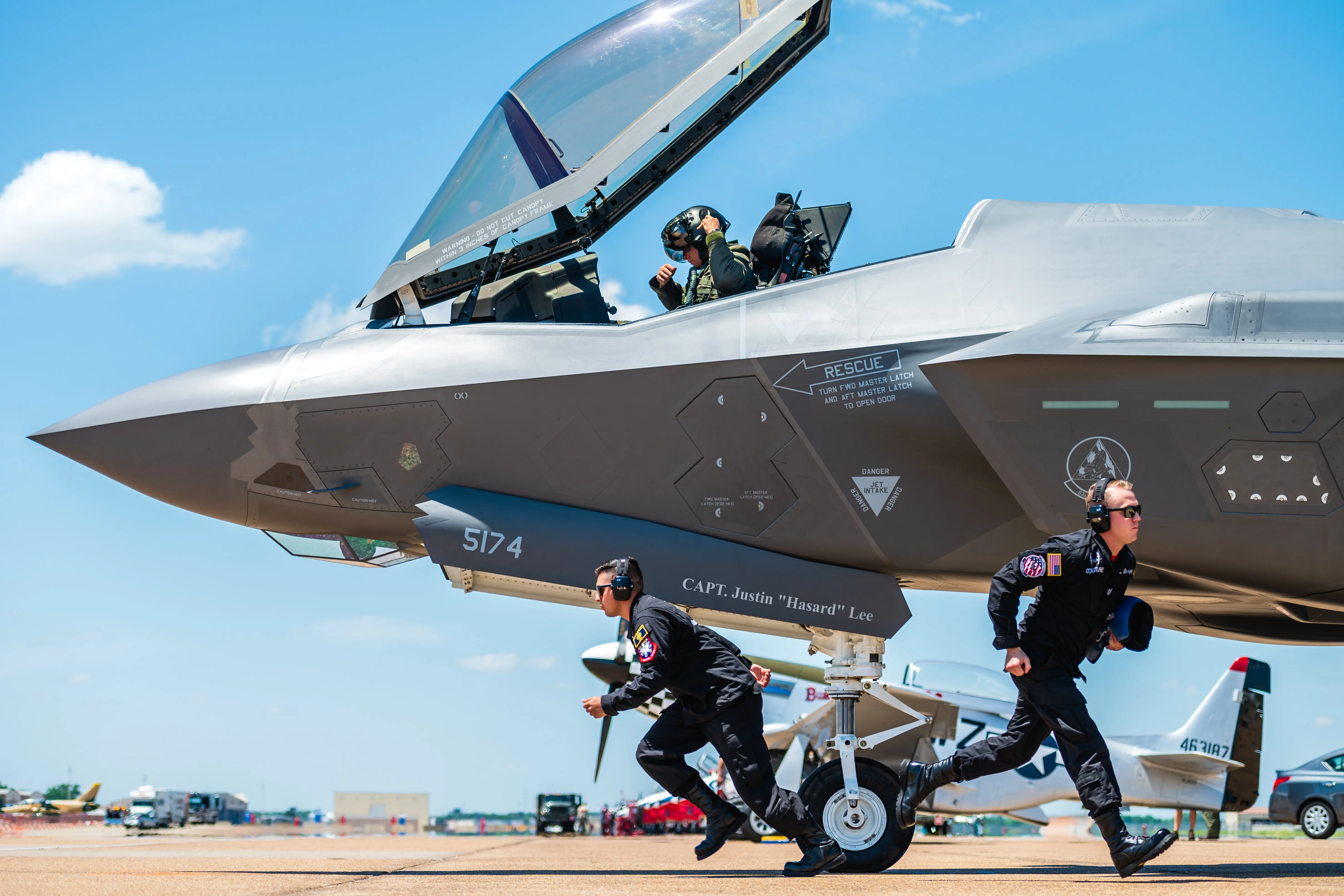
Groundings have occurred across the US and allied fleets. For example, in 2020, a US Marine Corps F‑35B was grounded following an engine issue, while in 2022, a short takeoff/vertical landing variant required inspections due to lift-fan anomalies. These interruptions, though temporary, underscore ongoing challenges in operational reliability.
Impact on Readiness and Allies
Repeated groundings affect mission readiness and the ability of allied nations to rely on the aircraft for defence. Countries including Japan, South Korea, Israel, and several European allies operate F‑35s and depend on their interoperability. Persistent issues create logistical bottlenecks and erode confidence in the jet’s ability to perform in combat scenarios.
Costs of Groundings
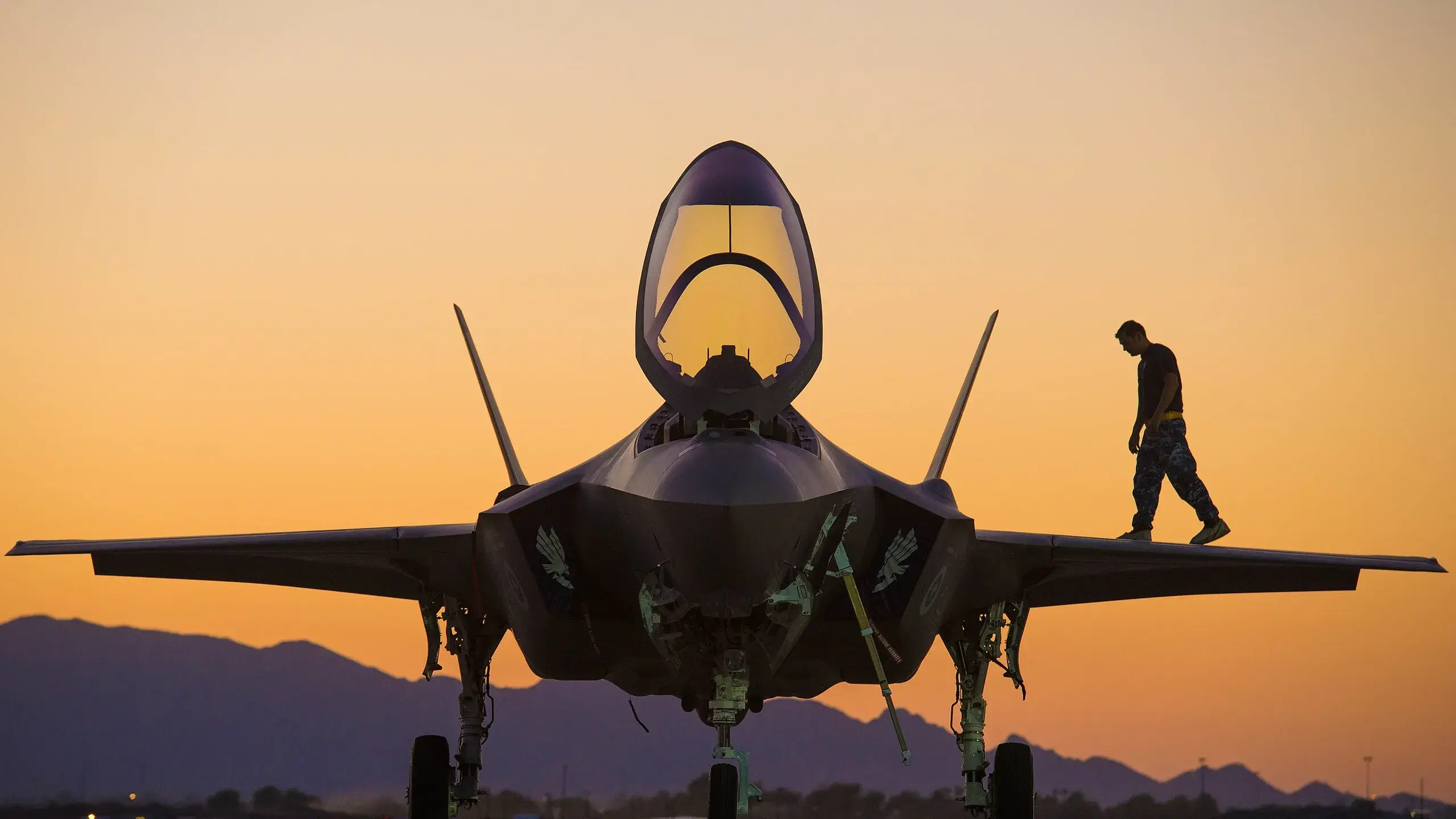
Groundings also have a financial impact. Each hour an F‑35 cannot fly adds to maintenance costs and delays planned deployments. The jet’s already high lifetime cost, projected to exceed $2 trillion for the US, is further amplified by downtime caused by software and mechanical faults.
Steps Toward Resolution
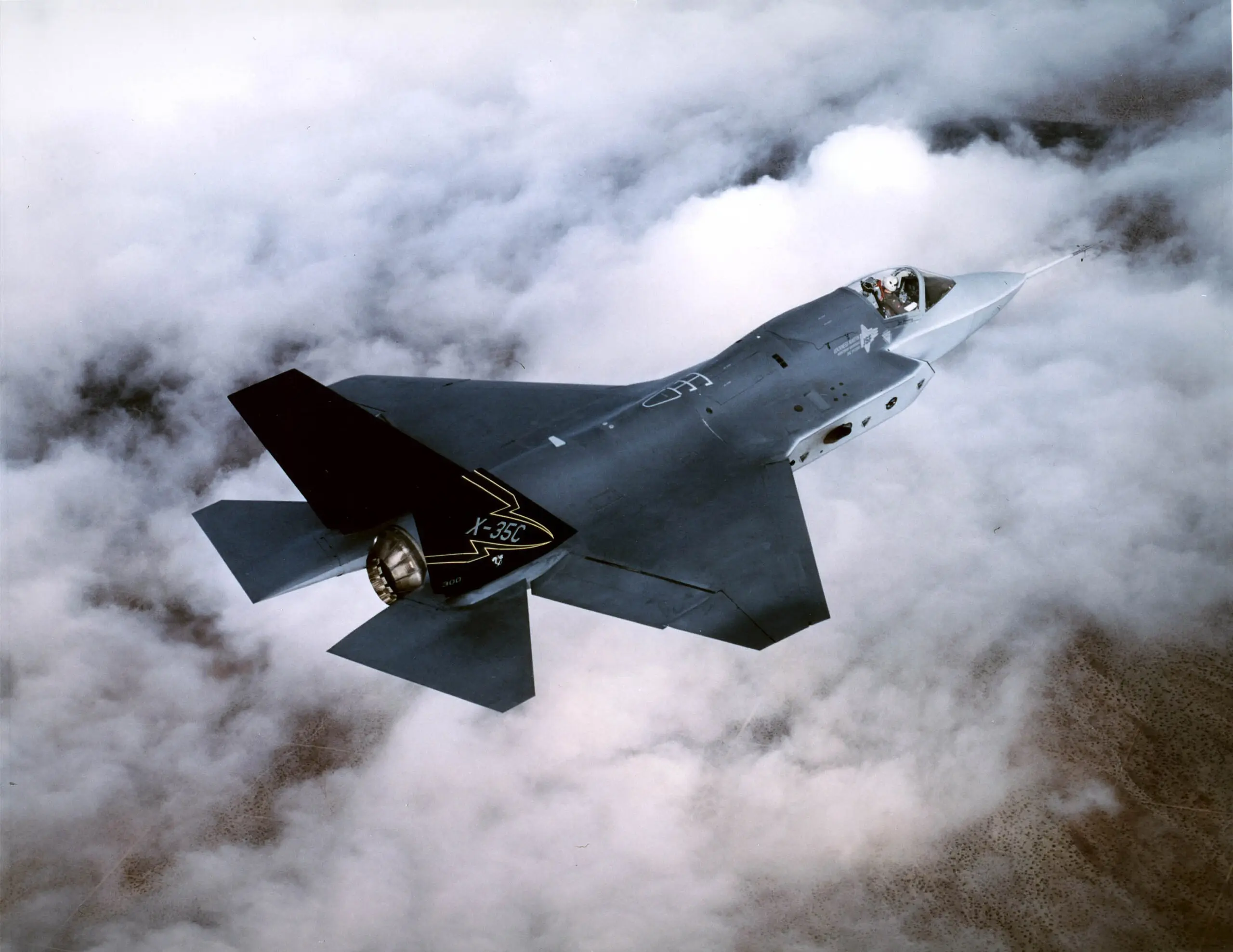
Lockheed Martin and the US Department of Defense continue to implement software patches, upgrade systems, and streamline maintenance protocols. ODIN, coupled with enhanced pilot and technician training, aims to reduce groundings and improve mission-capable rates. Incremental improvements have been reported, though critics argue systemic issues remain.
Conclusion — A Jet Ahead of Its Time, but Flawed
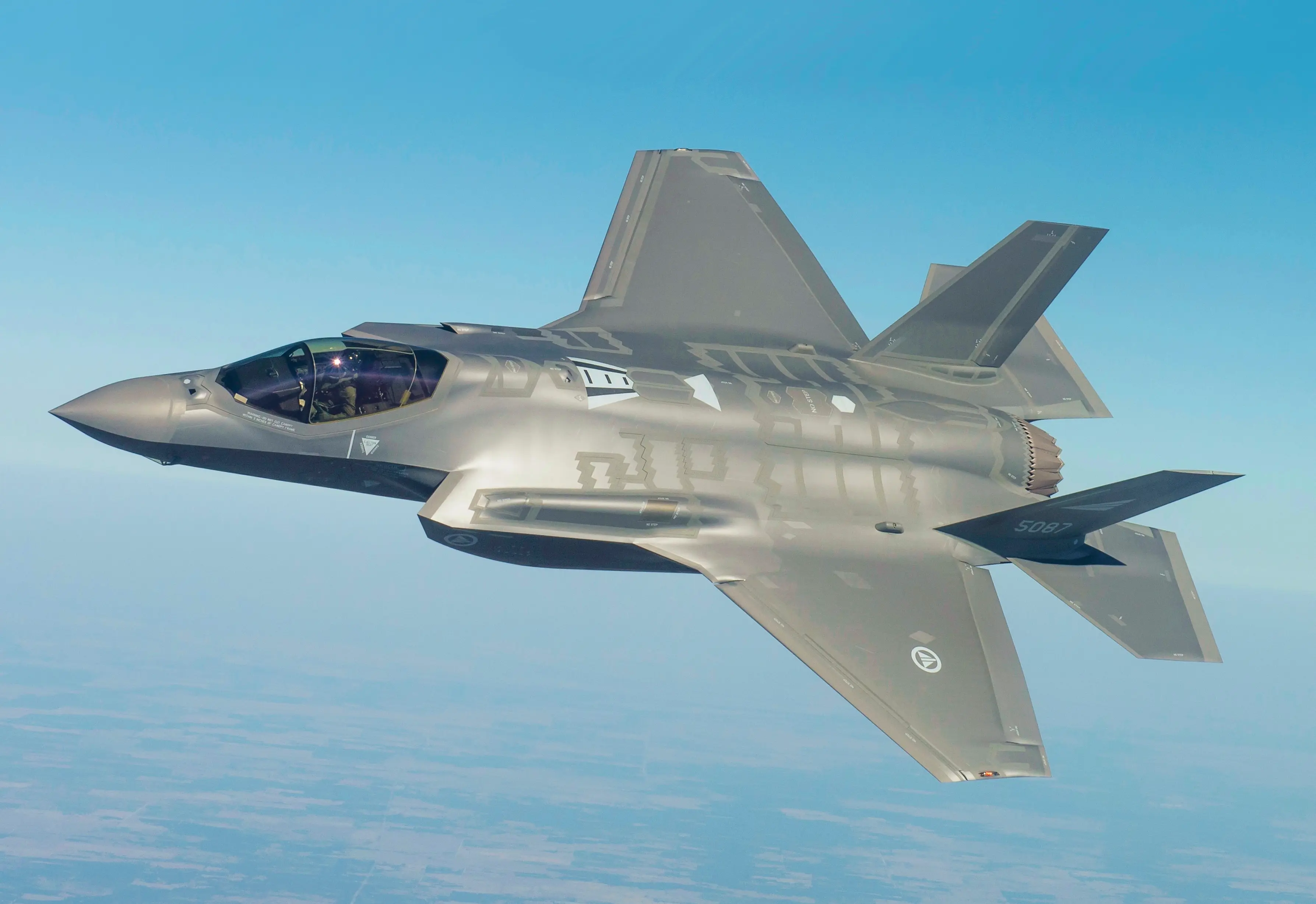
The F‑35 remains technologically advanced, with stealth capabilities and sensor fusion that give it unmatched situational awareness. Yet repeated groundings due to safety and software problems highlight the challenges of operating such a complex aircraft.
)
)
)
)
)