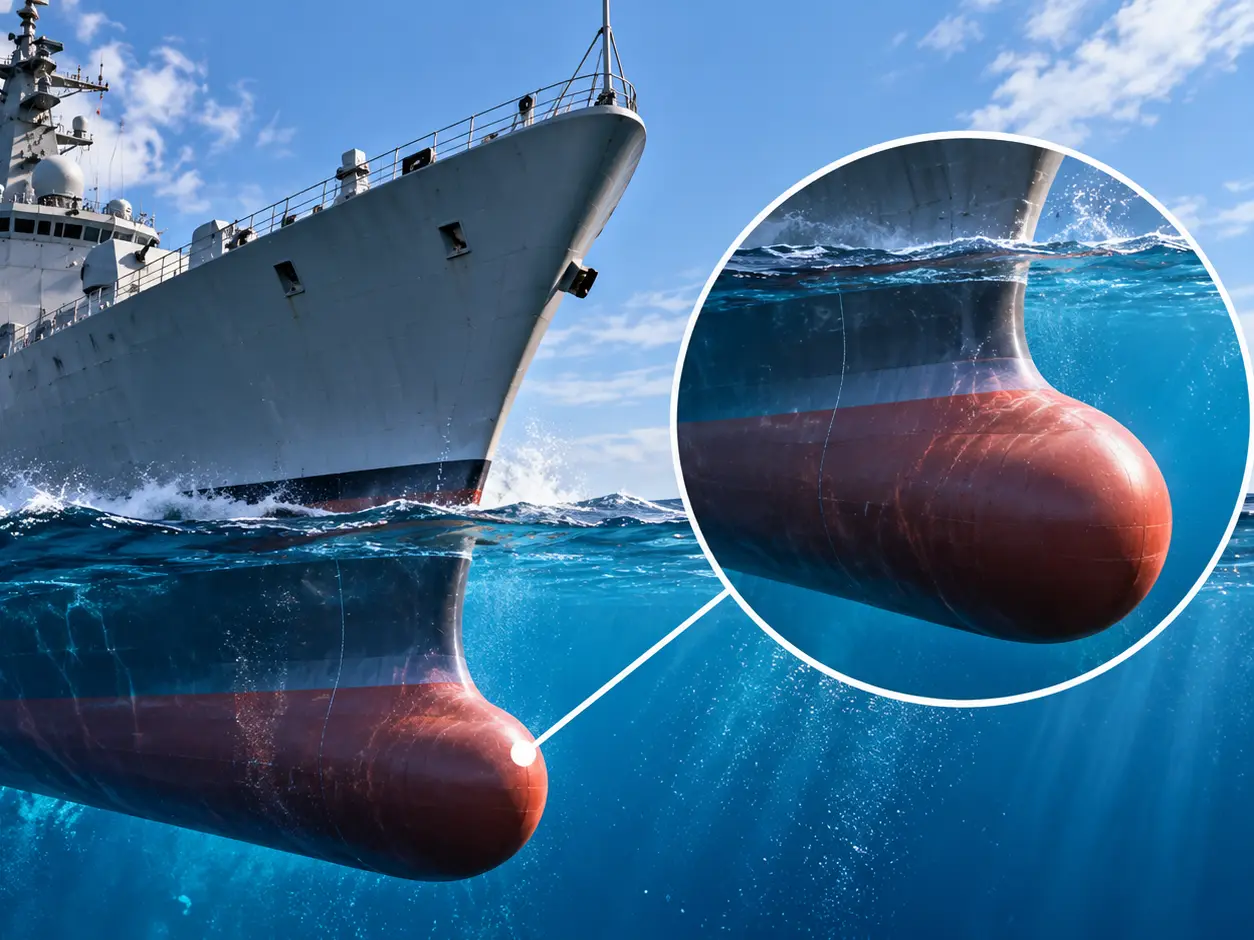
Why do warships have a bulbous shape beneath the waterline?

The bulbous bow on a warship cancels out wave drag to improve fuel efficiency by up to 15 per cent. It also provides a quiet, submerged space to house sensitive submarine-hunting sonar systems.
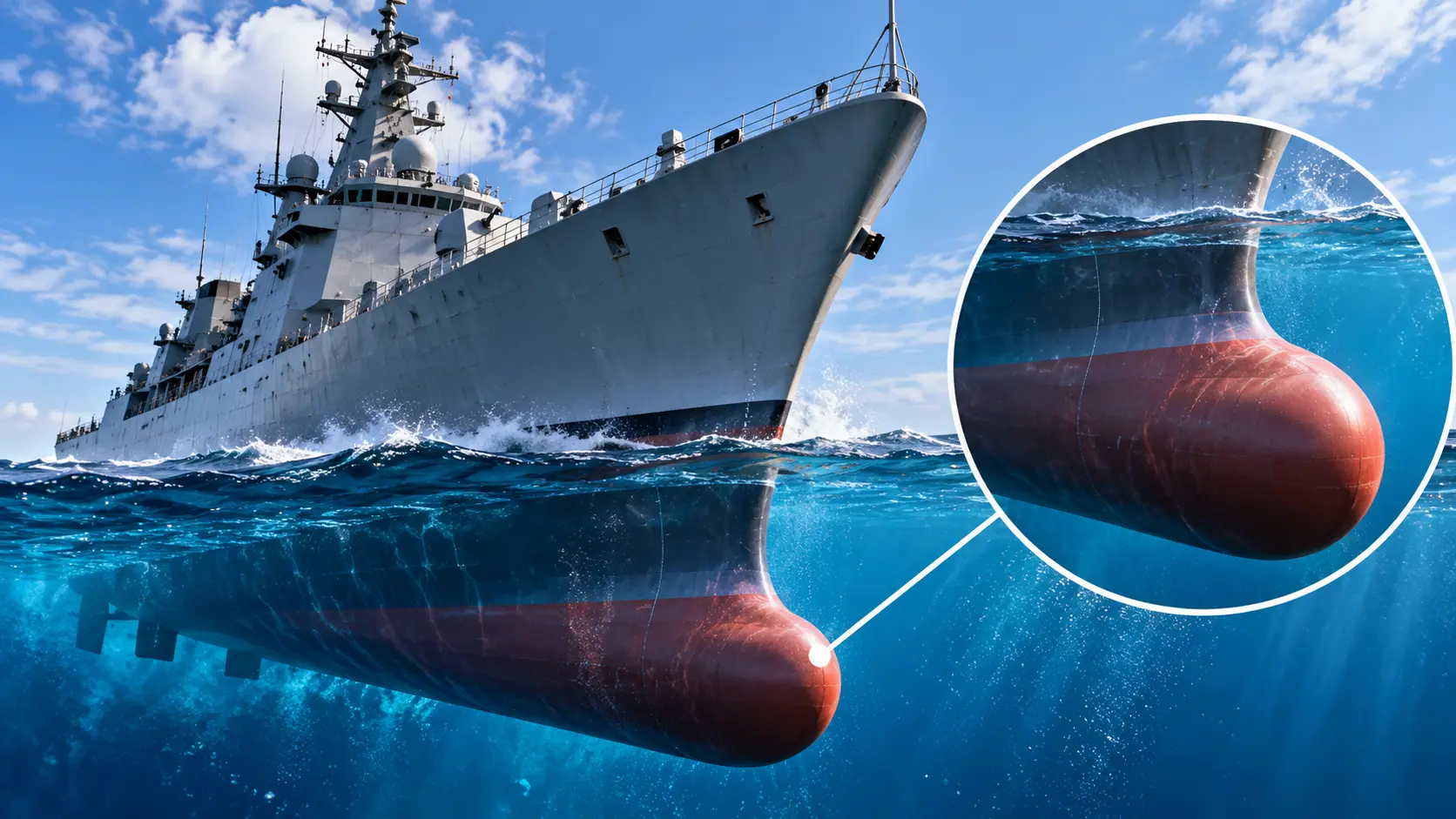
Cancelling wave drag
As a ship pushes through the ocean, it creates a large bow wave that causes massive hydrodynamic drag. The protruding bulb creates its own separate wave just ahead of the ship. When these two waves meet, they cancel each other out, allowing the warship to glide smoothly through the water.
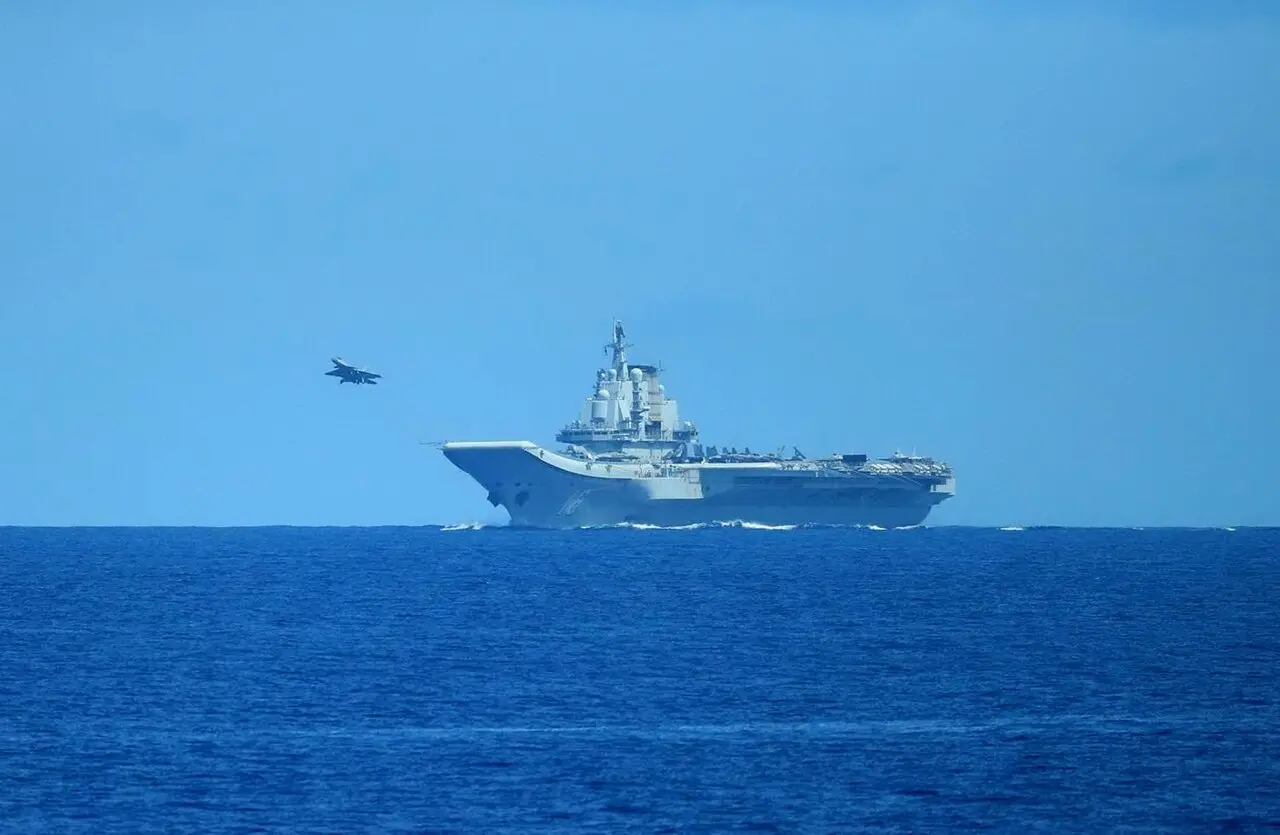
Boosting fuel efficiency
By flattening the water surface and reducing wave resistance, the bulbous bow makes the hull highly efficient. This simple hydrodynamic modification can reduce a warship's overall fuel consumption by 12 to 15 per cent. For large naval fleets, this translates to massive savings and extended operational range.
Housing sonar equipment
On military vessels, this bulb serves a crucial secondary purpose as a protective sonar dome. Naval engineers place sensitive acoustic tracking equipment inside this bulb to detect enemy submarines. This location pushes the sensors far forward, away from the deafening noise of the ship's own propellers.
Reducing surface noise
Submarine hunting requires absolute acoustic clarity in unpredictable ocean environments. Placing the sonar deep inside the underwater bulb keeps it completely submerged below the crashing surface waves. This eliminates surface interference, giving acoustic operators a clear and uninterrupted picture of the ocean depths.
Improving ship stability
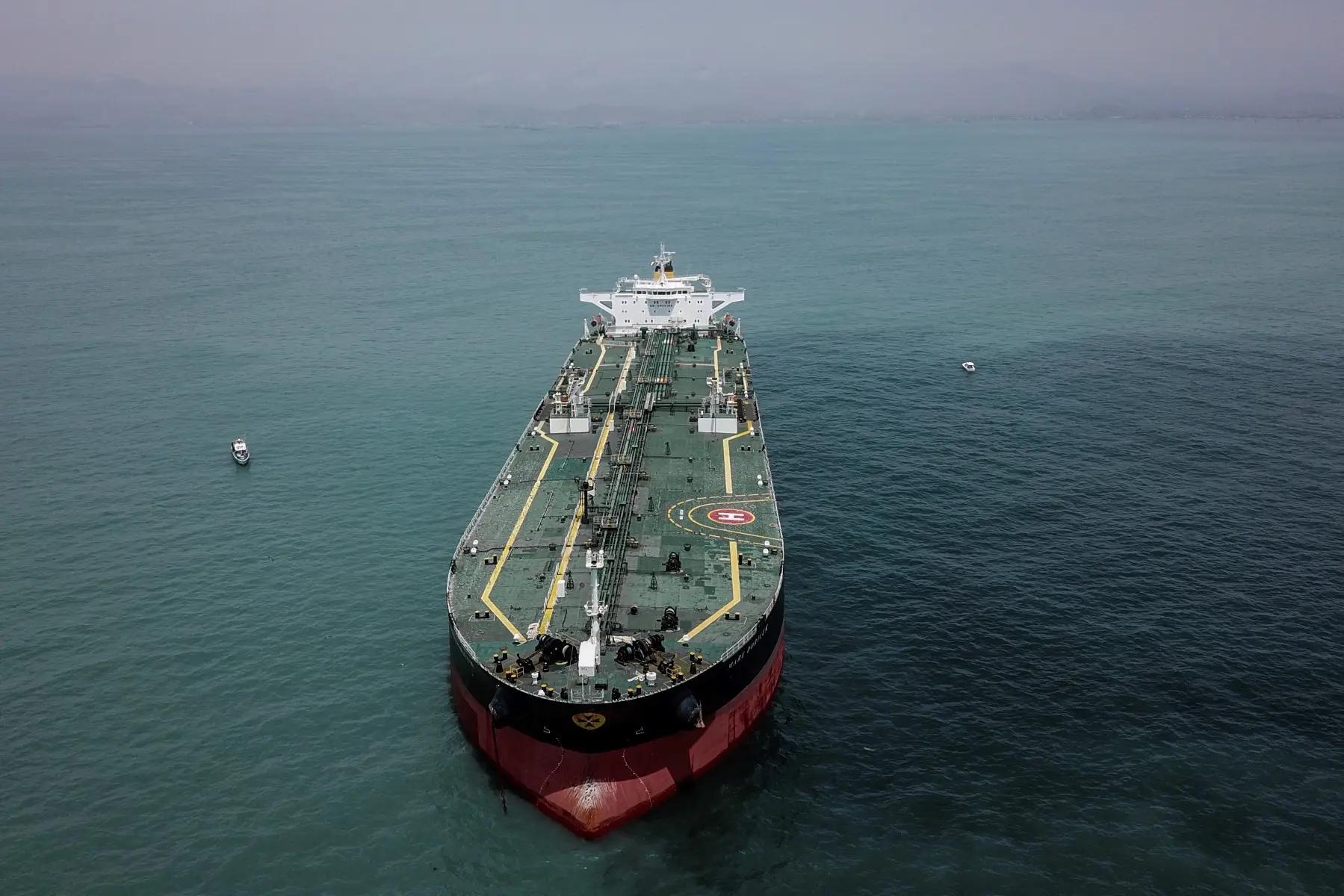
The bulbous shape also adds structural buoyancy to the front of the warship. This extra volume helps prevent the bow from pitching violently up and down during heavy storms. A stable deck allows the crew to operate weapon systems and launch helicopters safely in rough weather conditions.