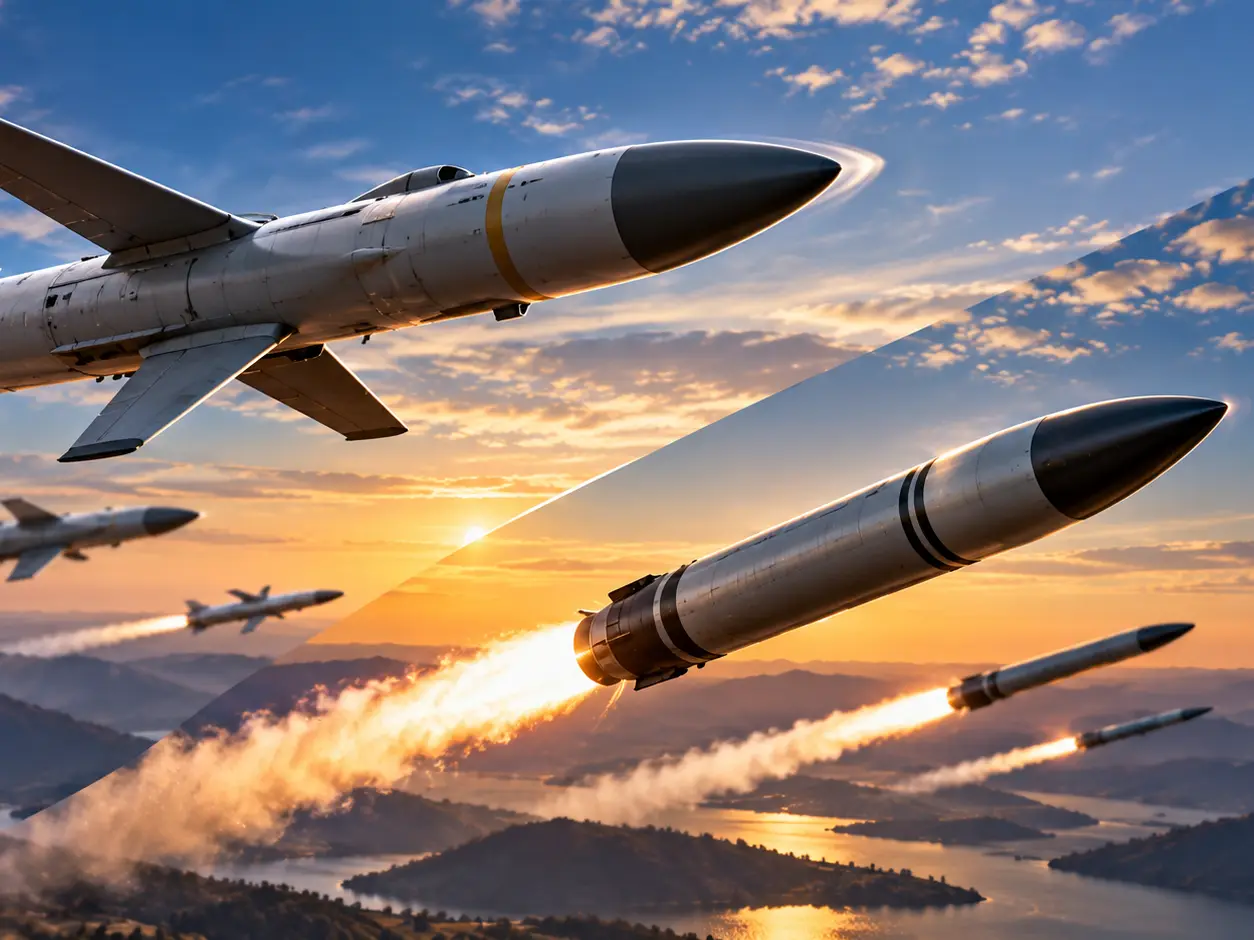
‘The aerodynamics of missiles’: Why do some missiles have small wings while others have none?

Missiles fly using extreme speed and thrust rather than lift. Low-altitude missiles use small fins to turn in thick air, while wingless high-altitude missiles rely on thrust vectoring to steer.
High speeds and dynamic pressure
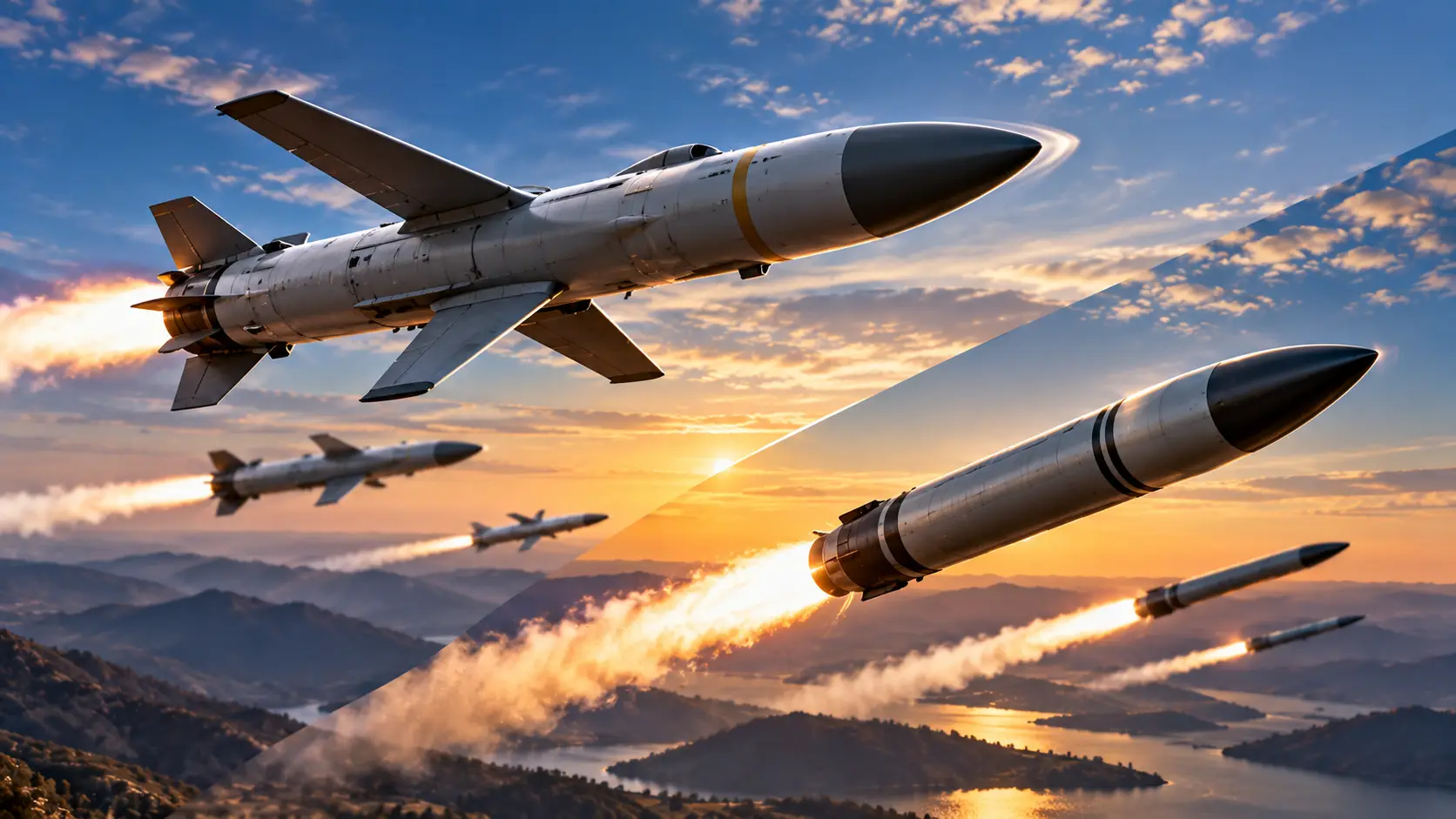
Missiles travel at extreme velocities, creating massive dynamic air pressure across their bodies. Because this aerodynamic pressure scales with speed, even exceptionally small wings can generate immense forces. This allows the missile to execute sharp, high-G manoeuvres without the heavy drag of large aeroplane wings.
Atmospheric friction and fins
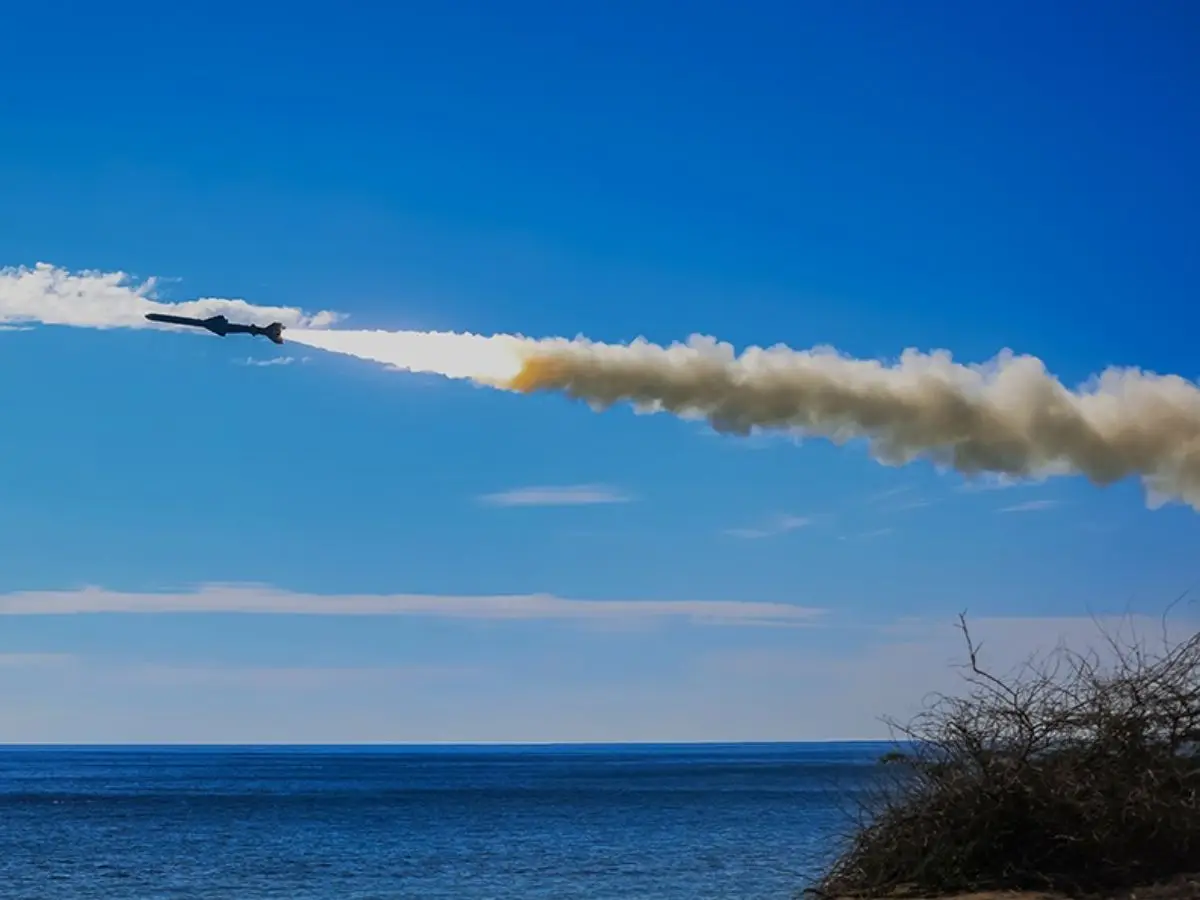
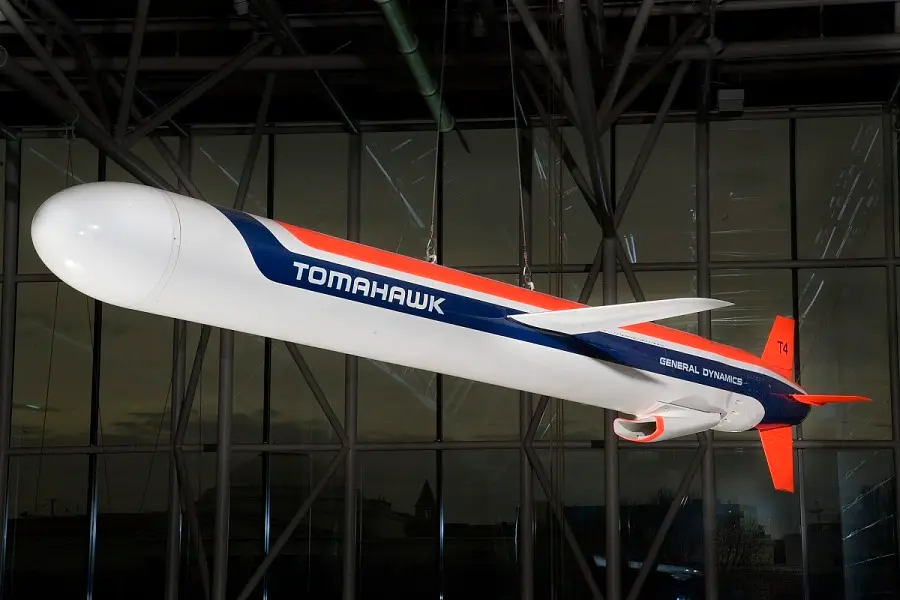
Small wings and fins are highly effective for steering, but they only function where the atmosphere is dense. Short-range tactical missiles operating close to the ground rely heavily on these aerodynamic surfaces. The fins push against the thick air to correct oscillations and change directions rapidly.
Wingless thrust vectoring
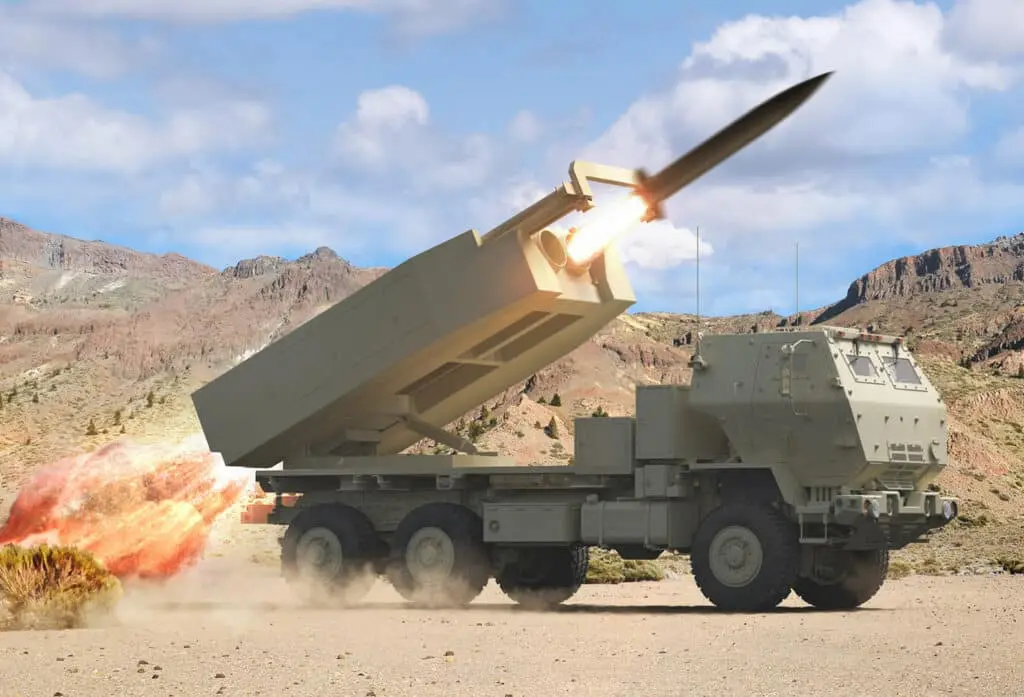
Missiles designed to leave the atmosphere cannot use wings because there is no air friction in space. Instead, they utilise thrust vectoring, which physically tilts the rocket engine exhaust to steer. This allows wingless ballistic missiles to maintain a precise trajectory using only the force of their engines.
The rise of grid fins
Some modern munitions replace traditional planar wings with grid fins, which resemble small lattice honeycombs. These structures perform exceptionally well at high supersonic speeds and require much smaller steering motors. They can also fold flat against the missile body, making them ideal for compact internal storage.
Brute force and ballistic arcs
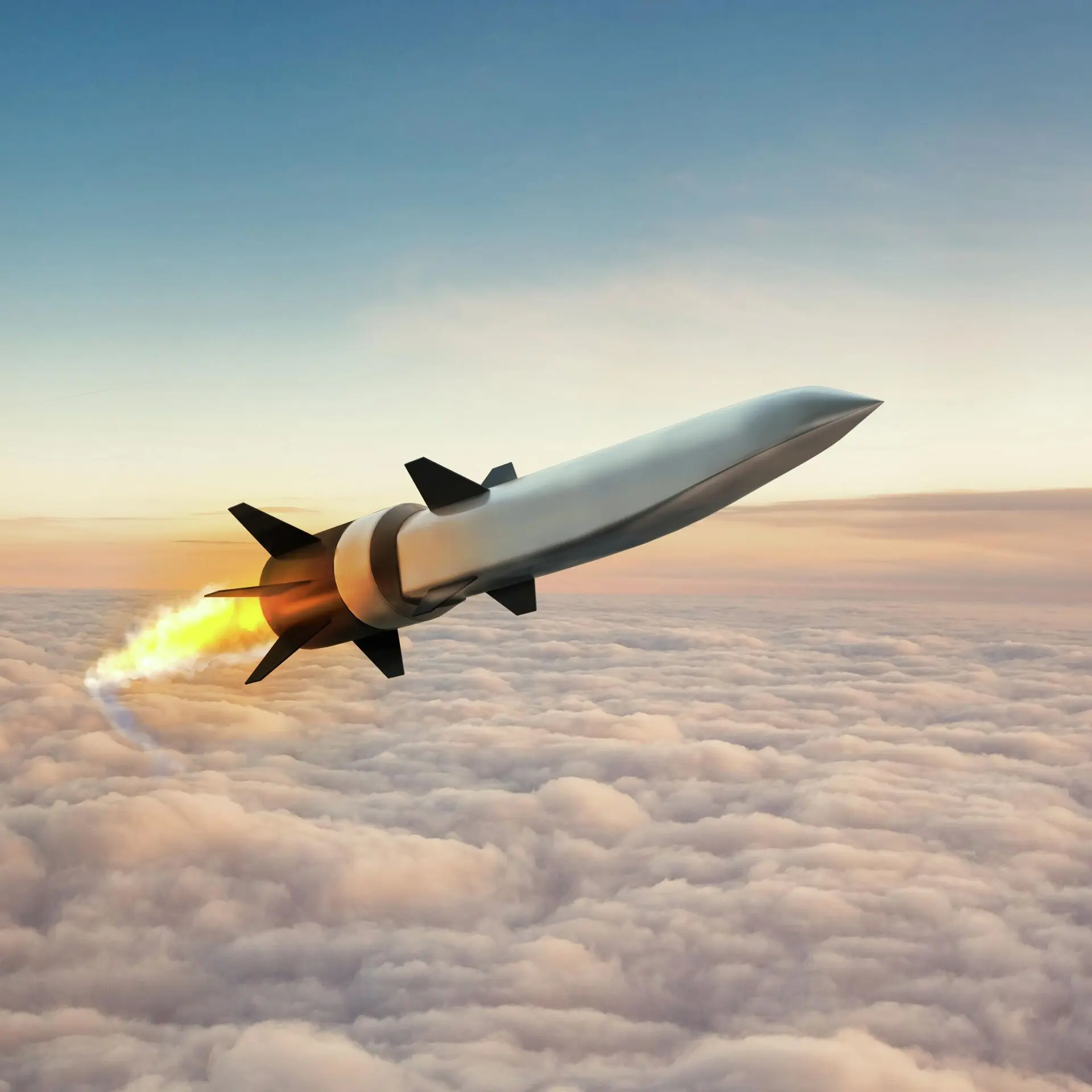
Many large missiles completely lack wings because they do not fly using aerodynamic lift. They operate entirely on the brute force of their engines, pushing a heavy mass along a pre-planned ballistic trajectory. Once they reach top speed, their massive momentum carries them precisely to the target.