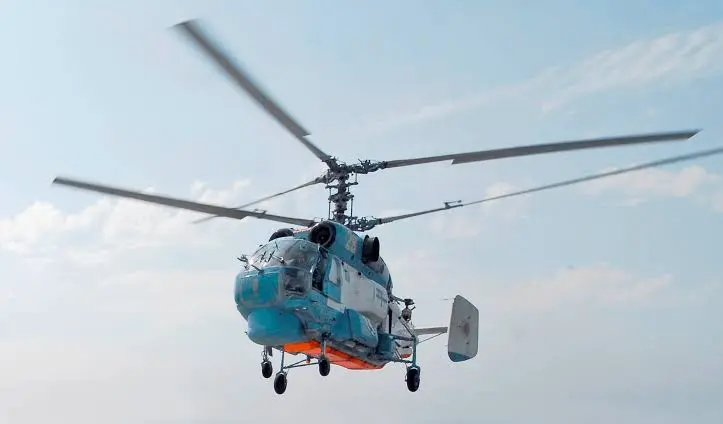
Why do some military helicopters have two rotors instead of one?

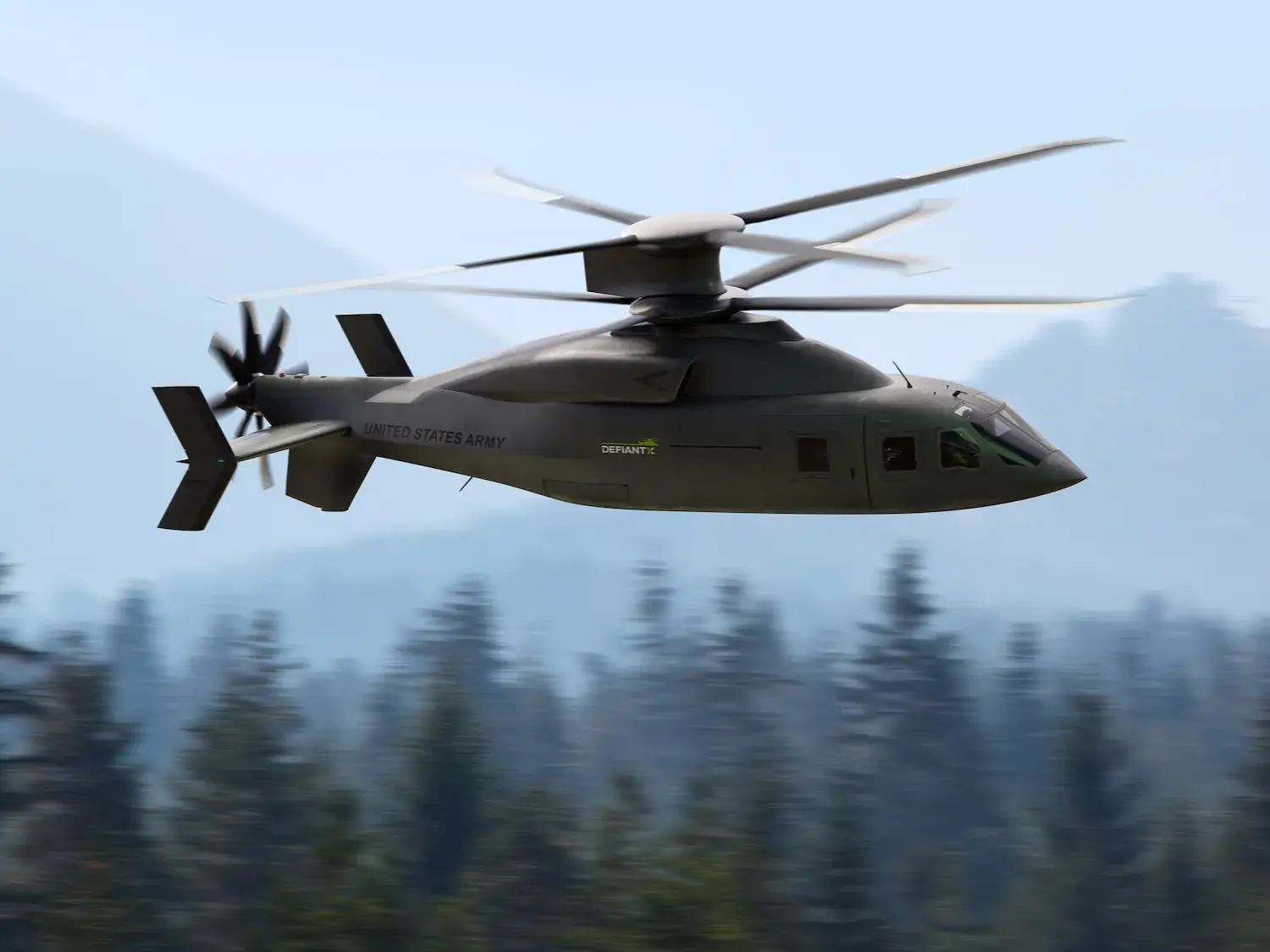
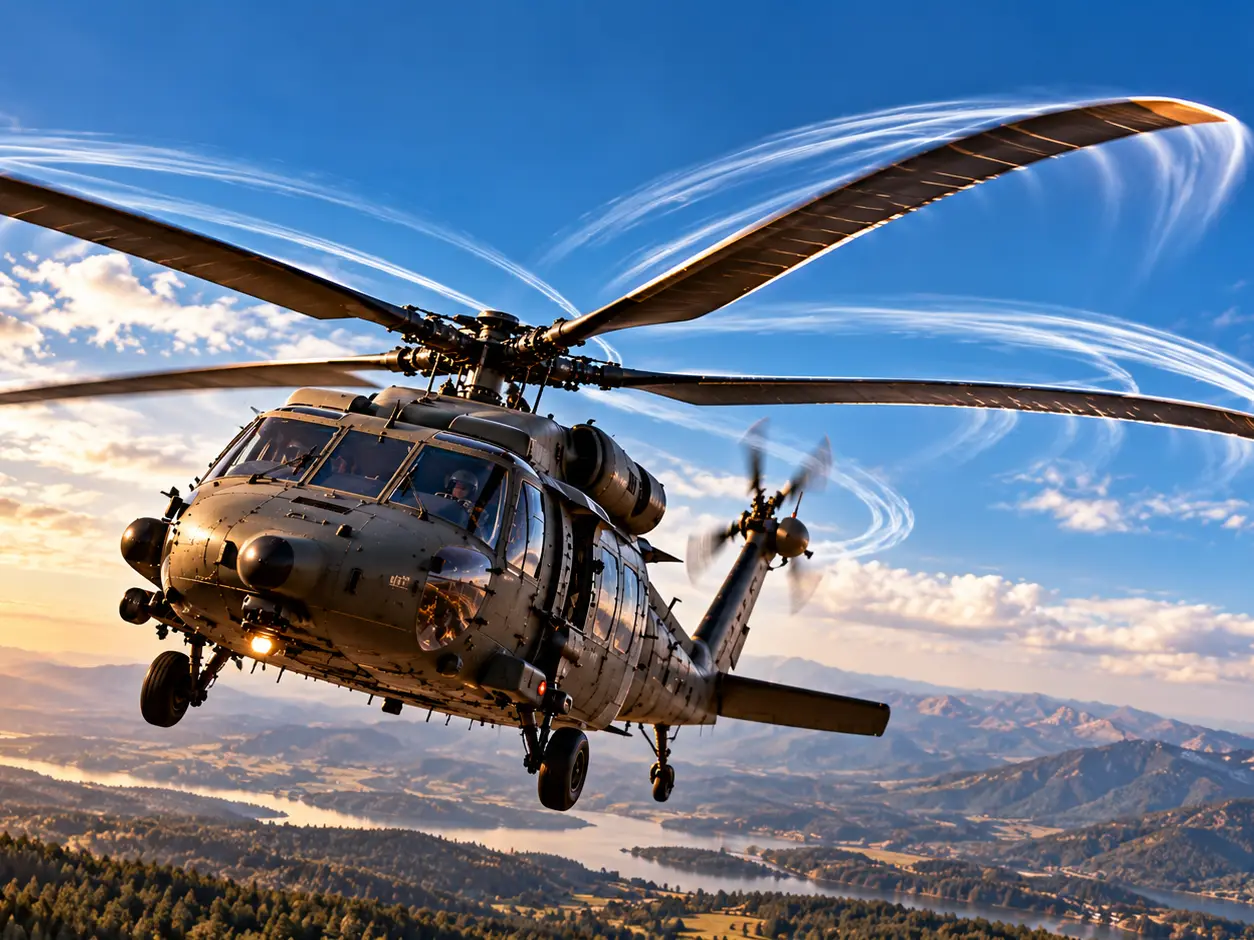
By eliminating the traditional tail rotor, dual-rotor military helicopters dedicate 100 per cent of their engine power to upward lift, allowing them to carry heavy payloads exceeding 12,000 kilogrammes.
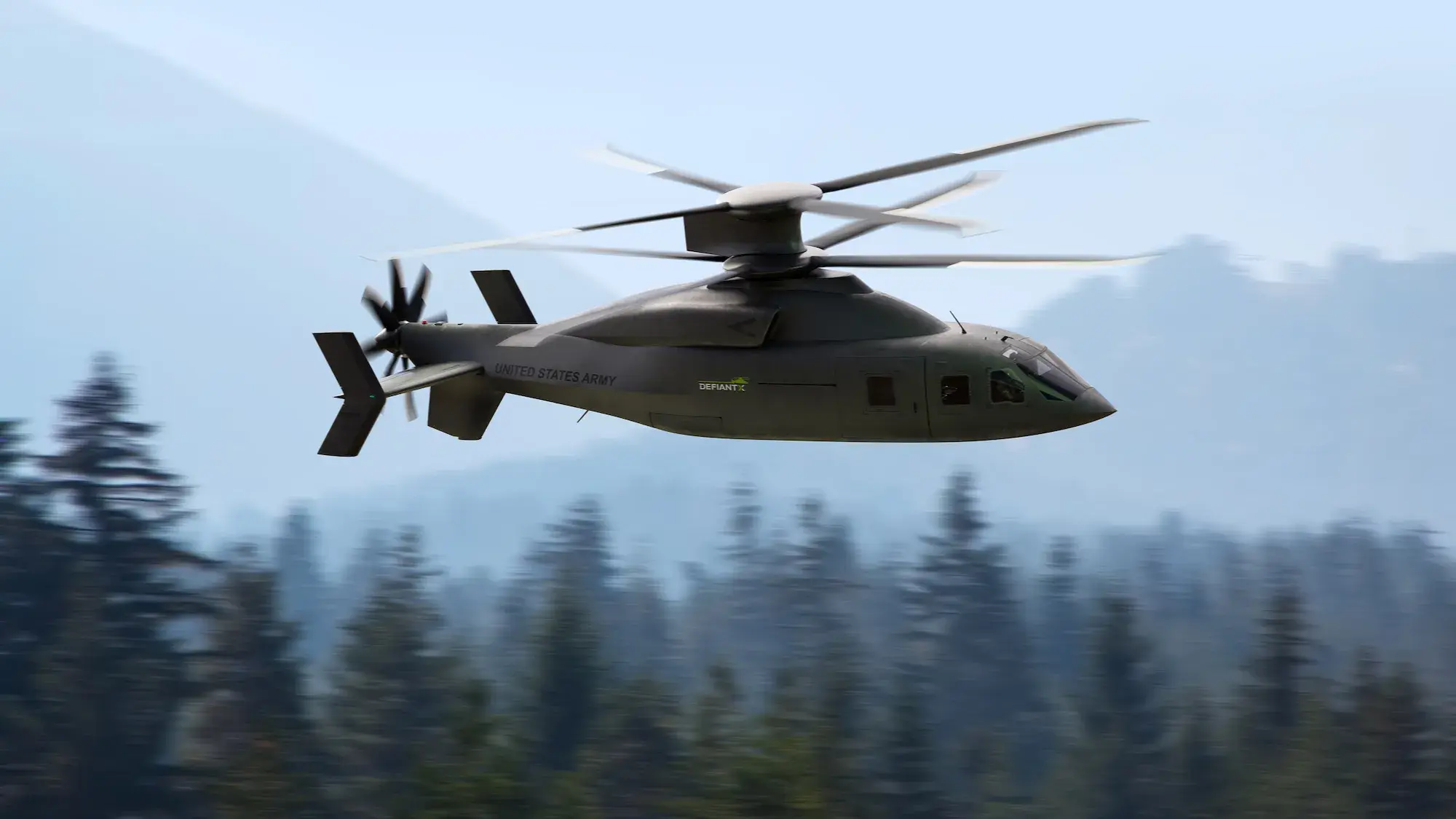
Cancelling rotational torque
Single-rotor helicopters experience intense torque that forces the fuselage to spin dangerously. By using two main rotors spinning in opposite directions, dual-rotor helicopters naturally cancel this twisting force. This completely eliminates the need for a traditional tail rotor.
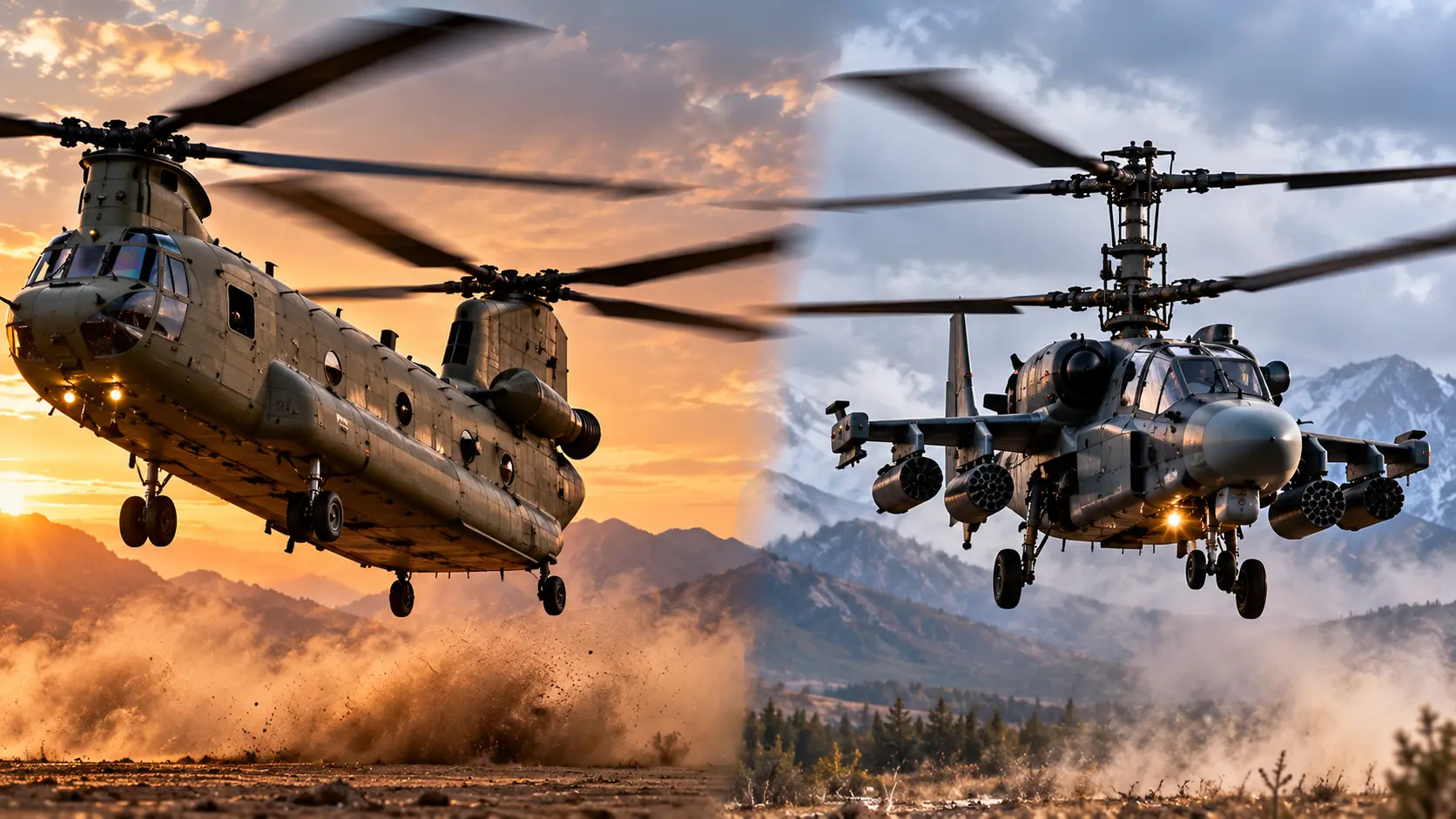
Maximising engine power
On a standard helicopter, the tail rotor drains up to 15 per cent of the total engine power just to keep the aircraft straight. Dual-rotor designs redirect 100 per cent of their engine output directly into upward thrust, generating massive horsepower for pure vertical lift.
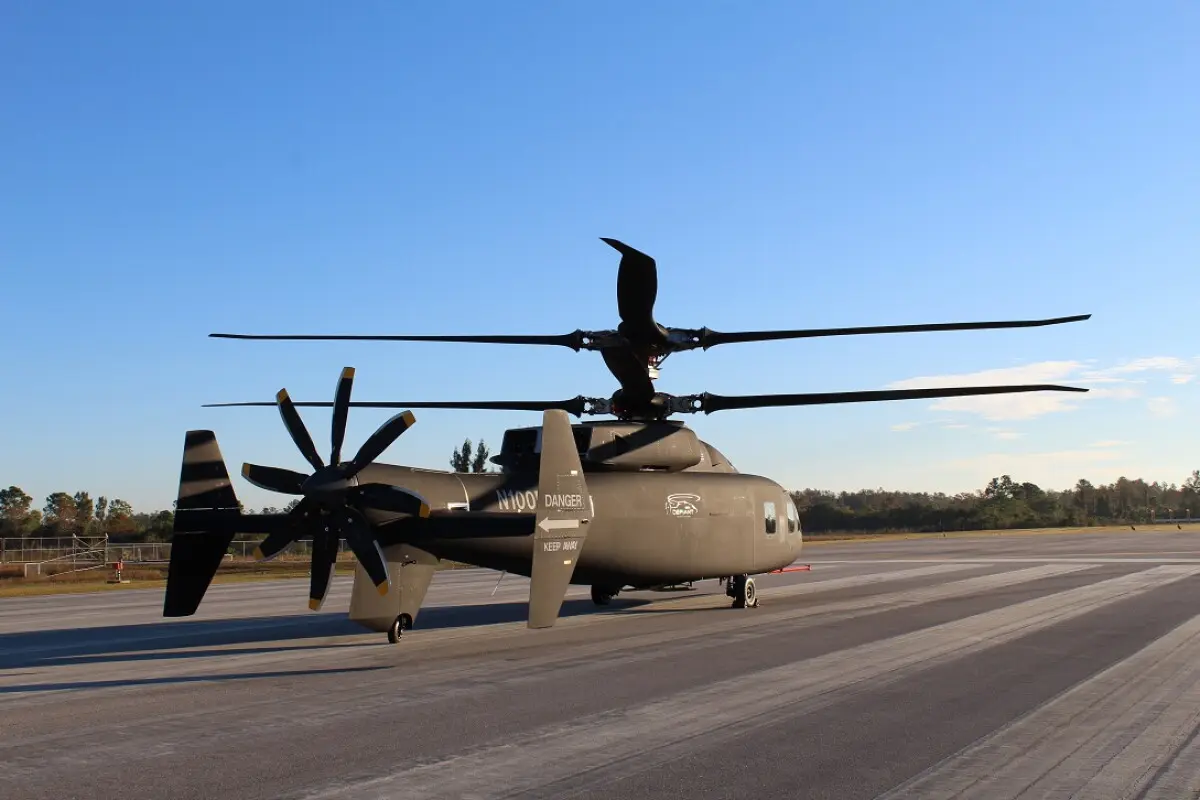
Carrying massive payloads
Because all engine power is dedicated to lifting, twin-rotor helicopters boast an incredible payload capacity. The CH-47 Chinook can comfortably carry up to 12,000 kilogrammes of external cargo, allowing militaries to transport heavy artillery and large vehicles in a single flight.
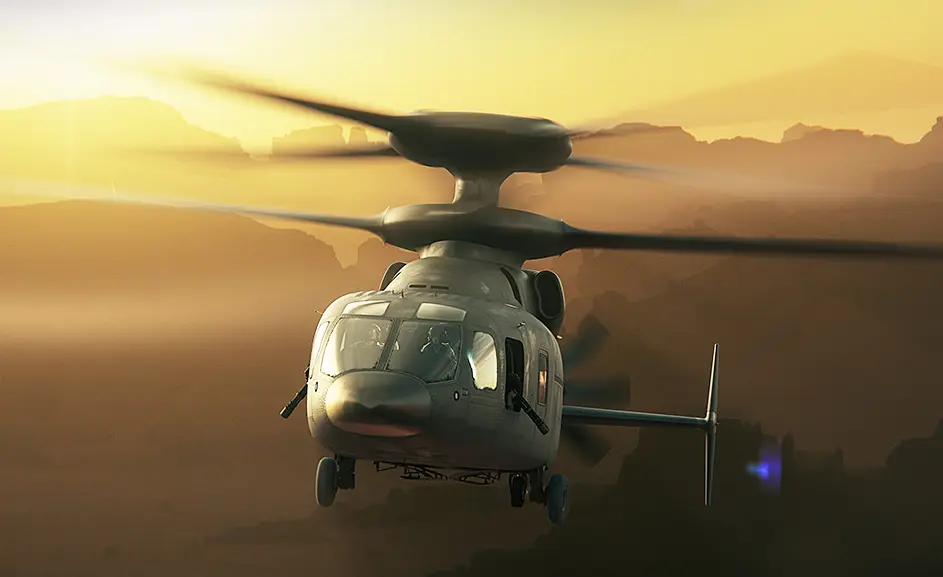
Superior high-altitude performance
The tandem rotor design provides exceptional stability and control in thin air and high-wind environments. Helicopters with two rotors can operate safely at altitudes reaching 20,000 feet, making them highly effective for combat and rescue missions in challenging mountainous terrains.
Centre of gravity flexibility
Having lifting forces distributed across the front and rear of the aircraft creates a massive flexible centre of gravity. Military loadmasters can place heavy cargo anywhere inside the fuselage, and soldiers can safely enter through a rear ramp without worrying about a hazardous tail rotor.