India, France, Indonesia and beyond: Protests grip the world as anger over inflation and housing boils over | In pics

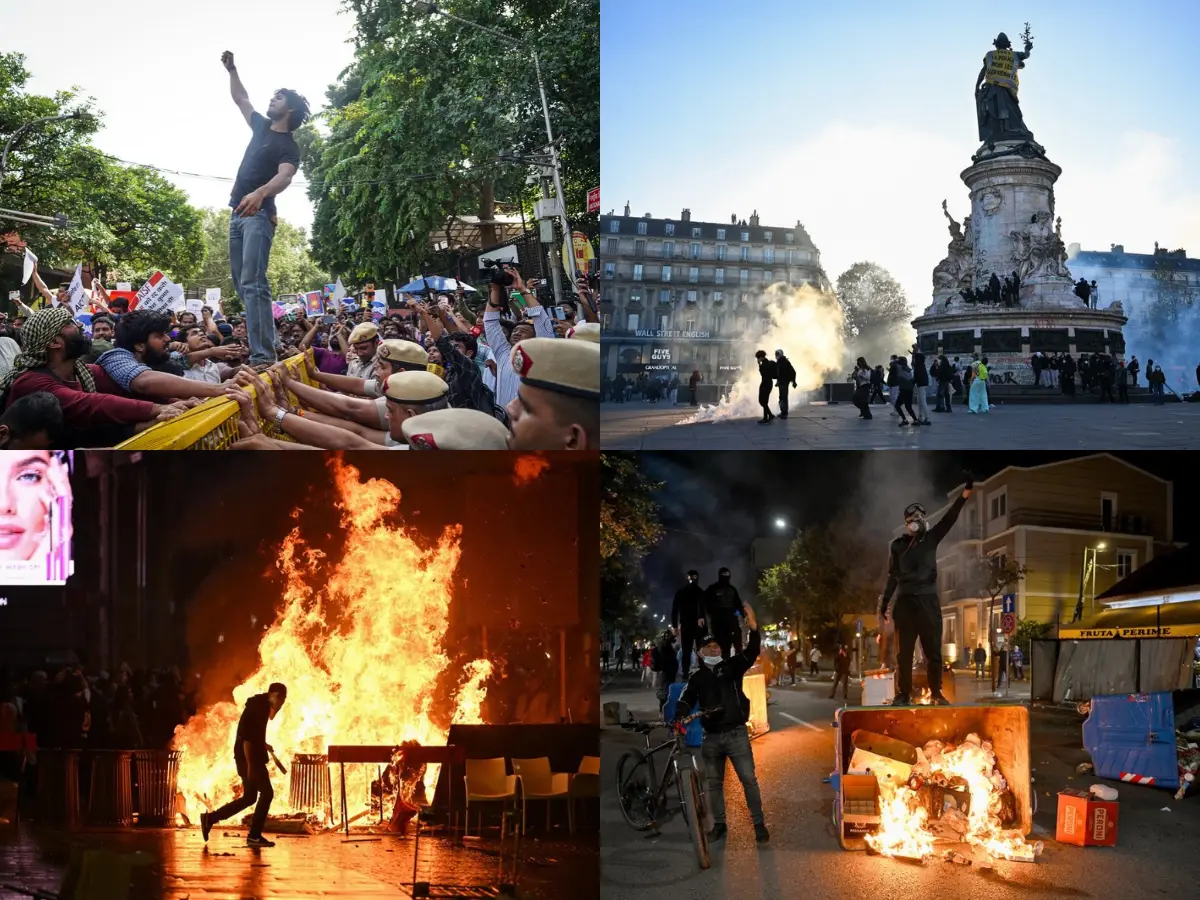
From the streets of Paris to India's capital, New Delhi, protests have erupted across the globe this week, exposing a wave of public anger over rising costs, housing crises, political corruption and governance failures.
Here's why the world is protesting.
Global protests in pictures: From Paris riots to Delhi voter anger
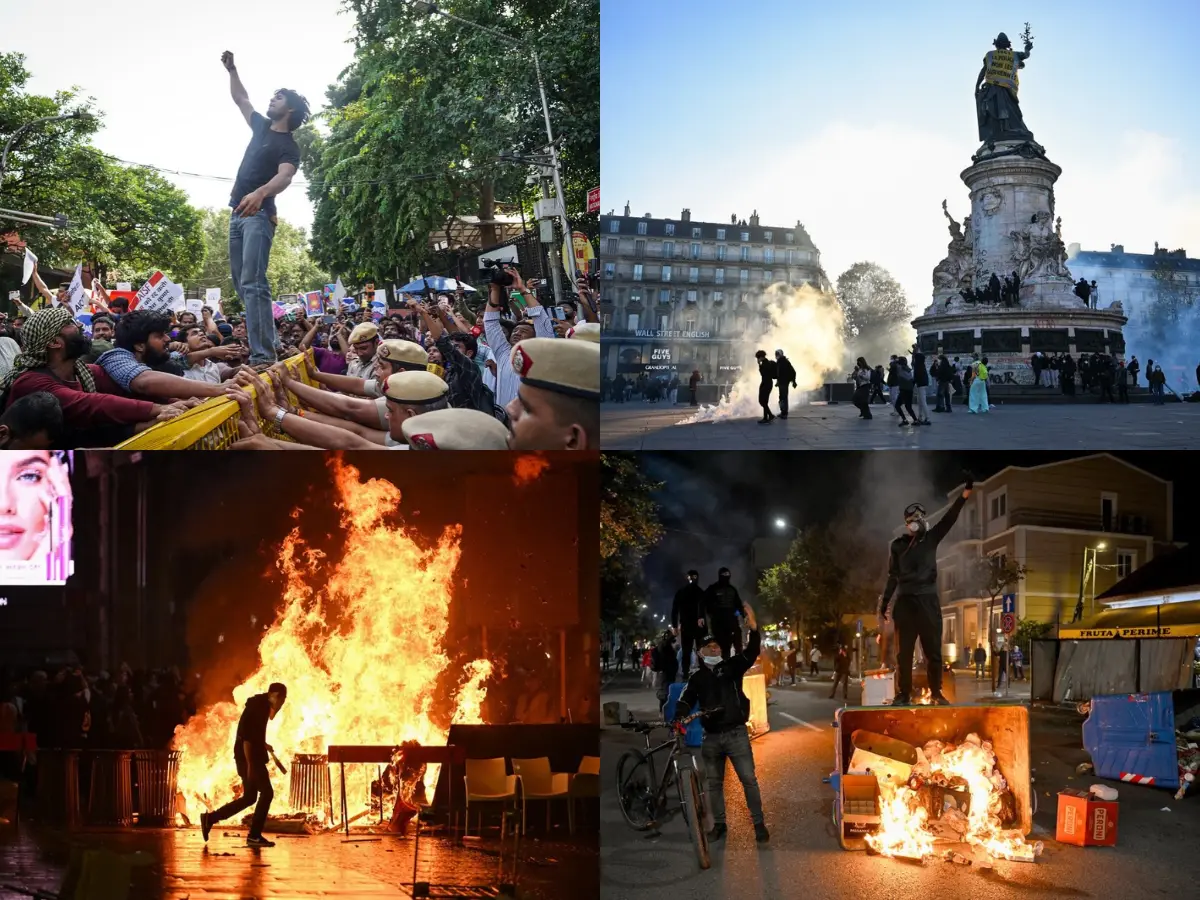
From Paris to Jakarta, angry crowds took to the streets this week in a wave of global protests. France braced for fresh Yellow Vest marches after its worst riots in years, while Spain, Belgium, Italy and Portugal all saw unrest across Europe. The anger stretched to Africa and Asia, with clashes in the DR Congo and student protests in Indonesia. India witnessed two separate movements: a 48-hour shutdown in Manipur and mass protests in Delhi over a voter list overhaul.
France: Nation braces for fresh Yellow Vest protests after worst riots in years
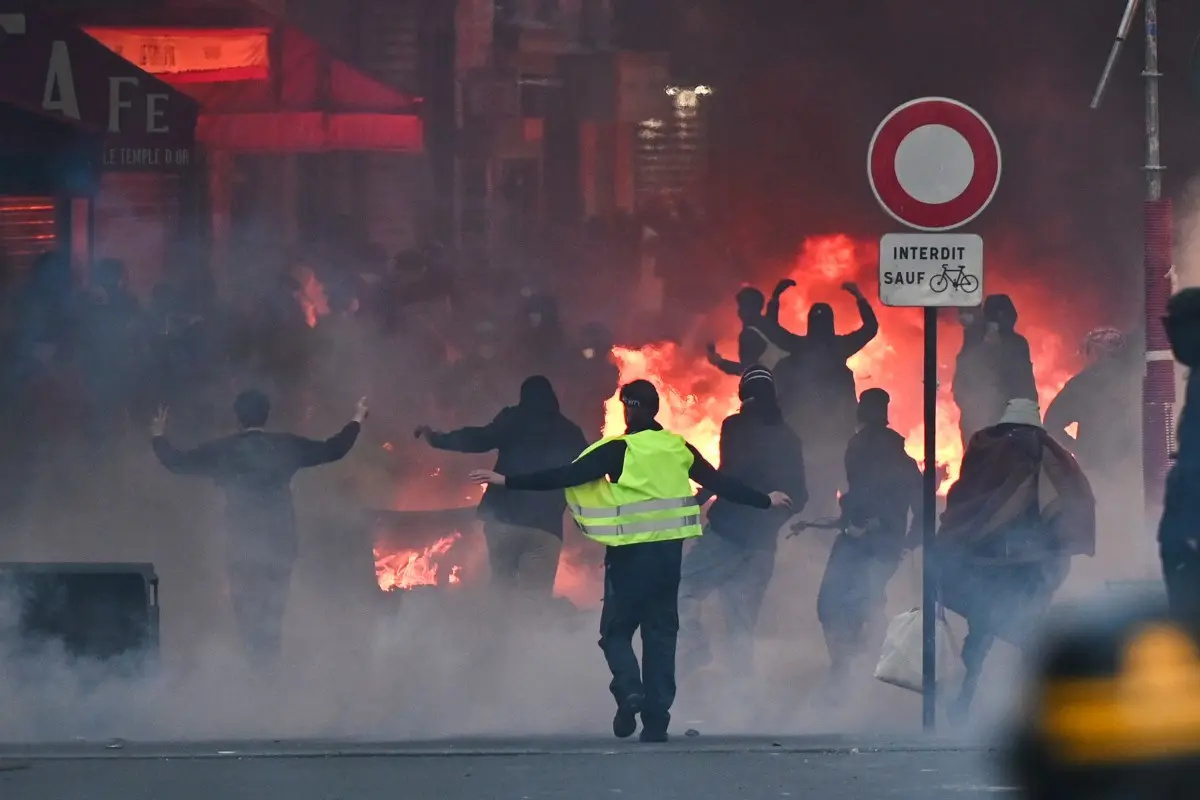
French Prime Minister Sebastien Lecornu was to meet union leaders on Wednesday (Oct 21) ahead of new demonstrations called for Saturday by the Yellow Vest movement, after weekend marches against high inflation descended into the worst street violence France has seen in years.
The government admitted its police "lost control" of the violence, which included clashes, vandalism of public buildings and looting, and ordered partial curfews in parts of Paris and other cities.
According to the justice minister, nearly 150 people had been jailed, and more than 800 brought before the courts.
The unrest unsettled financial markets, with the Paris stock market and government bonds falling on Monday, and Moody's was expected to lower its grade on France's public debt on Friday. The Yellow Vest movement has announced a march from Bastille Square on Saturday, with follow-up demonstrations planned for November 5, as several countries, including the United States, China and Germany, issued travel advisories.
Portugal: Police clear housing protest camps in Lisbon and Porto, arrest 55
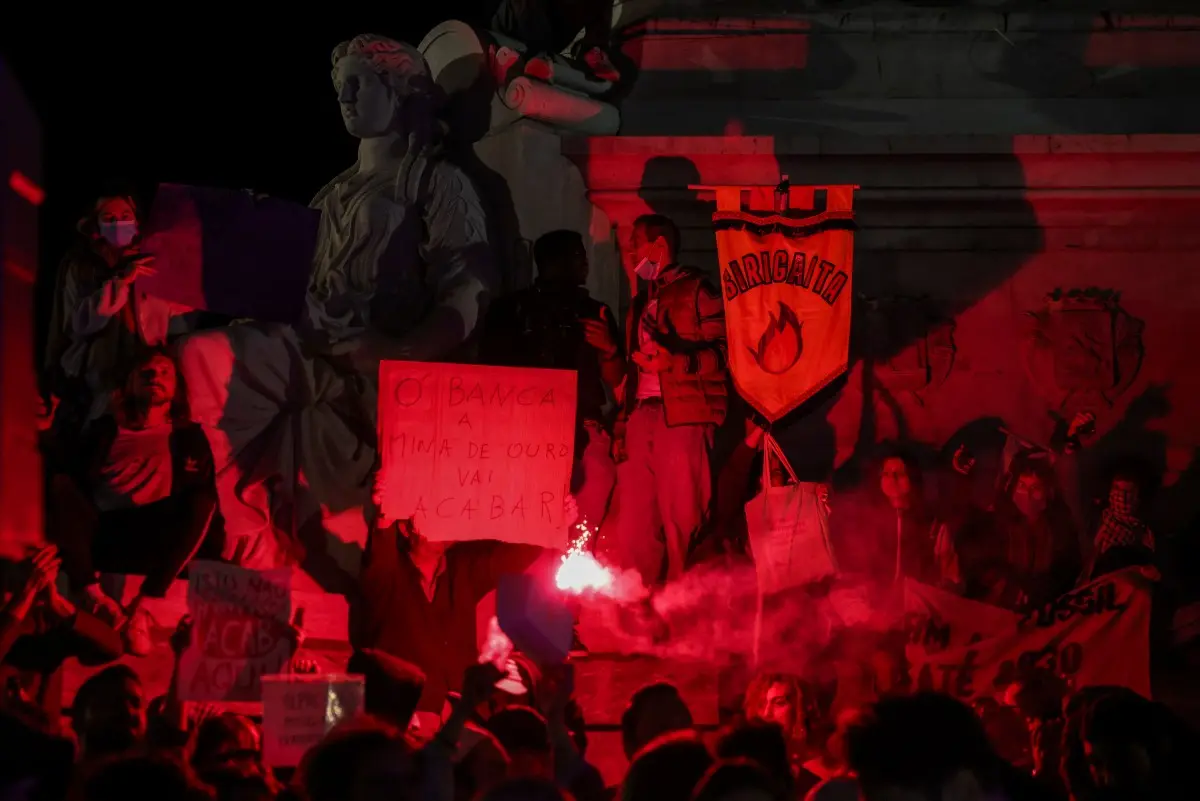
Thousands rallied in Lisbon and other Portuguese cities on Tuesday (Oct 20) evening, hours after police dismantled housing protest camps at dawn and arrested 55 people. Law enforcement authorities cleared tent camps in Lisbon and Porto, seizing 228 camping structures, as protesters formed a human chain before clashes broke out, according to footage broadcast by local television stations.
In Lisbon, thousands gathered in central Rossio Square, where protesters voted by a show of hands to re-establish their tent camp from Wednesday.
Demonstrators are protesting soaring housing costs and accuse the government of failing to act on the housing crisis and pushing rental market reforms that would make eviction easier. Placards read "They forced me onto the streets to shout" and "Lisbon is not for sale".
The movement mirrors weeks of protests in neighbouring Spain, which erupted after the eviction of an 87-year-old woman from her lifelong home and led to the calling of a snap general election for November 29.
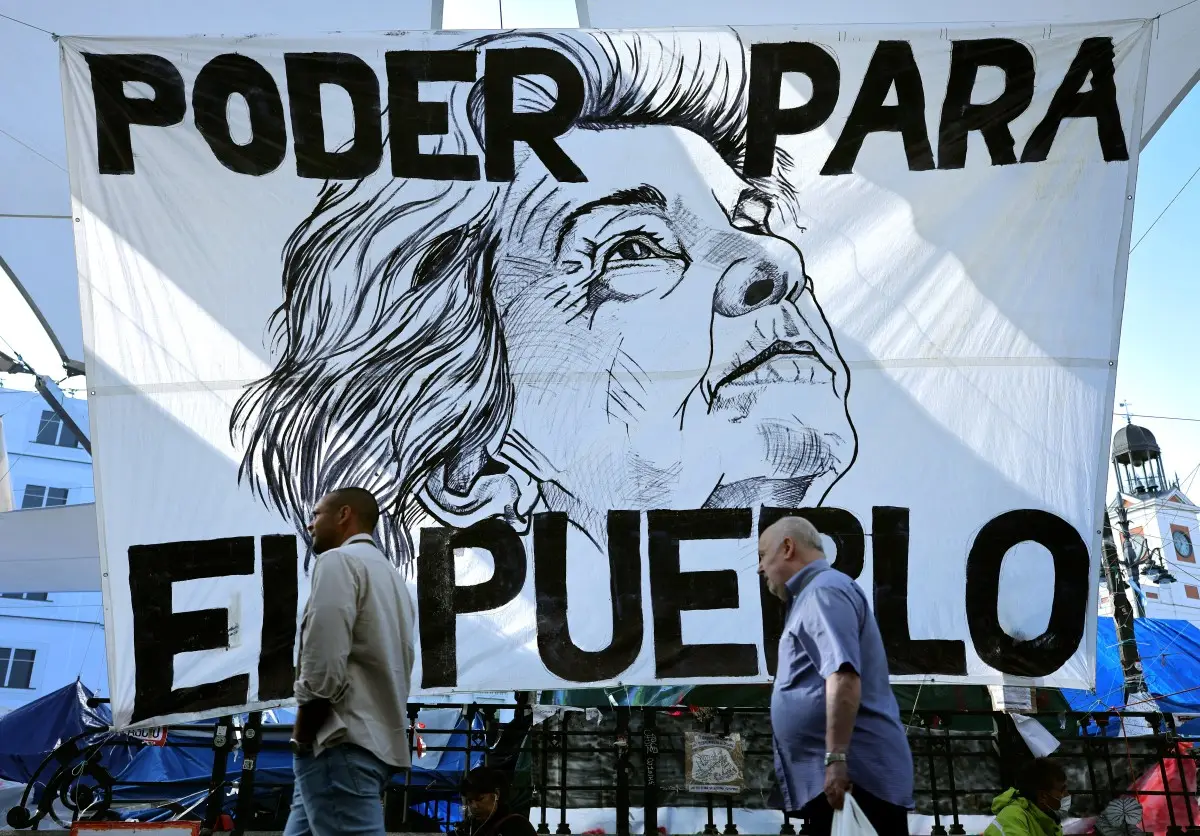
Spain: Tens of thousands protest as housing crisis boils over
Tens of thousands of people marched across Spain on Saturday, October 3, demanding action on a housing crisis after parliament rejected emergency legislation drawn up by Prime Minister Pedro Sánchez's coalition government. About 50 marches took place in cities including Madrid, Valencia and Barcelona, sparked by the eviction of 87-year-old Maricarmen Abascal from her Madrid home in September after she could not afford a sharp rent increase.
In Madrid, the Tenants' Union put turnout at 500,000, while officials estimated 70,000, and protesters camped in Puerta del Sol square for days, waving posters calling for a general strike.
Clashes broke out in Valencia, where police fired rubber bullets and tear gas, and about 30 protesters entered the City of Arts and Sciences complex before being removed. Public broadcaster RTVE said nine police officers were injured and five people arrested, while Spanish police separately detained three members of a far-right group who performed Nazi salutes as they tried to reach demonstrators.
The Bank of Spain estimates that the country is short of 700,000 homes, house prices rose 12.2 per cent in the past year, and rents in Barcelona and Madrid reached €23.80 and €22.70 per square metre, respectively. Sánchez's defeat in Congress has heightened speculation he may call for an early general election, and the Tenants' Union is calling for a general strike, with similar actions planned for November 11 in Spain and Portugal.
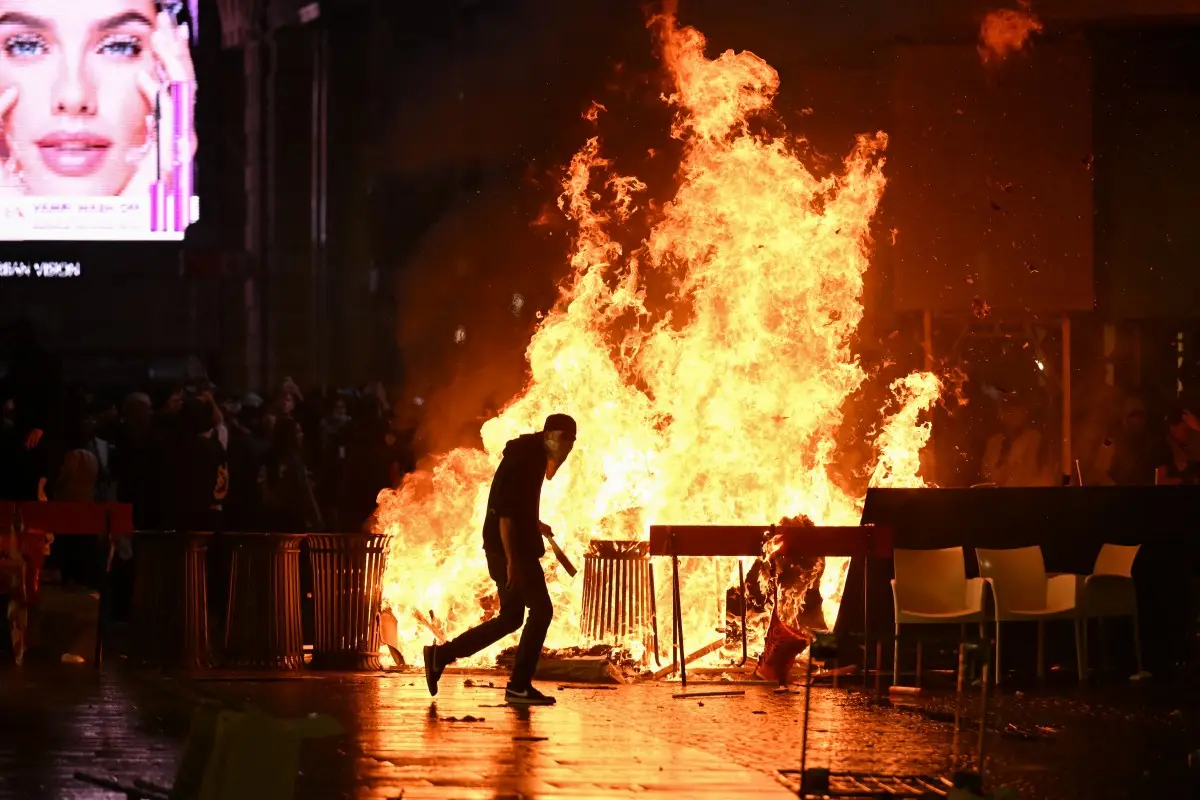
Italy: 500 troops deployed to Milan as fuel price protests hit pasta production
Italy approved the deployment of 500 troops to Milan on Tuesday (Oct 20) after violent clashes and weekend looting by groups of mostly young protesters, with some luxury brands keeping their shops shut in the centre of the fashion hub.
Prime Minister Giorgia Meloni said nearly 200 police officers had been injured and 330 people detained, of whom half were of "foreign origin", either born abroad or born in Italy to foreign-born parents.
The cabinet has also approved security measures including making the detention of minors easier and introducing the crime of "violent participation in a demonstration", though it did not give soldiers policing powers after opposition from President Sergio Mattarella.
Truck drivers protesting rising fuel costs blocked traffic across southern Italy, hitting food supply chains: Garofalo, one of the country's leading pasta makers, resumed operations at just 40 per cent capacity, while Rummo suspended production and La Molisana scaled back. Transport Minister Matteo Salvini promised the release of 480 million euros ($539 million) in funding to address the fuel crisis, but some unions said blockades would continue until concrete measures are taken.
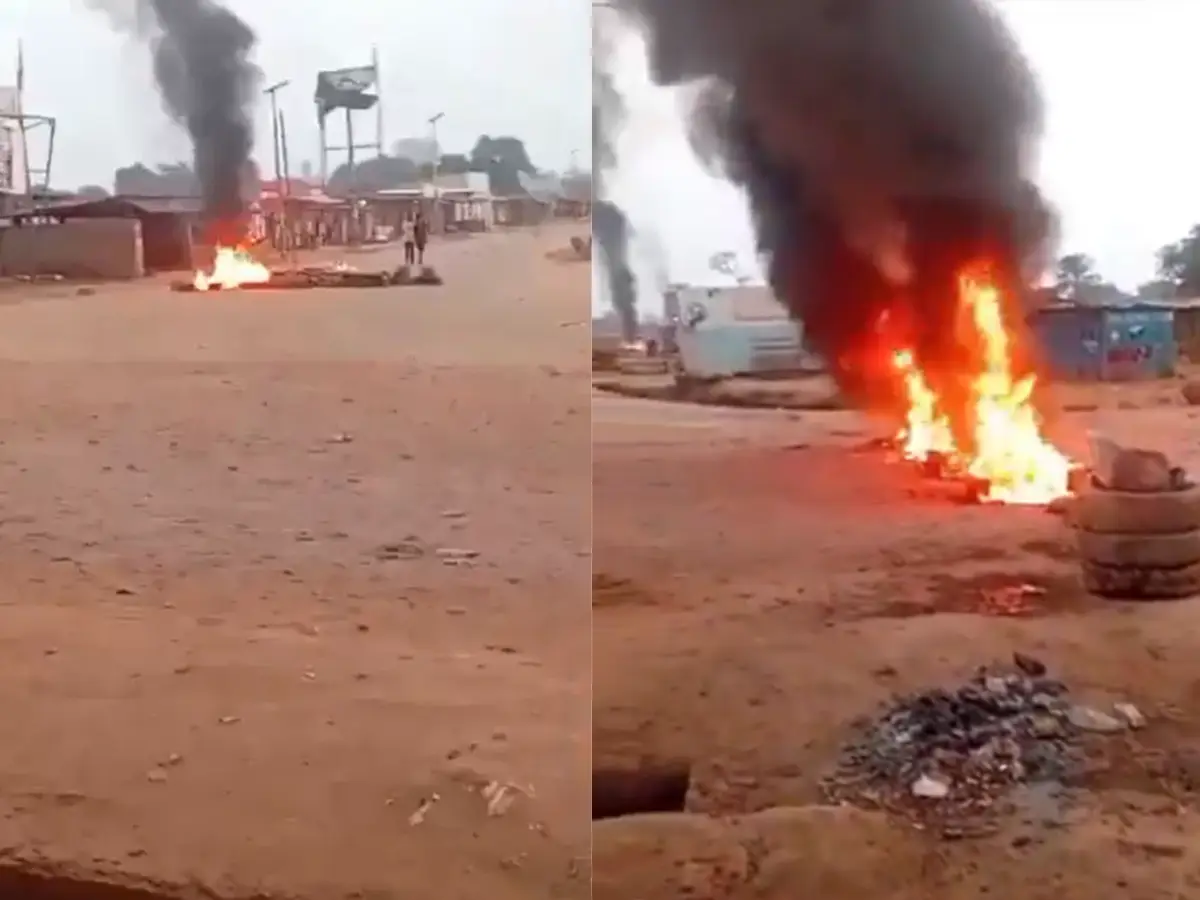
Democratic Republic of Congo: Miners clash with security forces in Kolwezi over access to mining areas
Security forces and small-scale miners clashed violently during a protest on Tuesday (Oct 20) in Kolwezi, the mining capital of southern Democratic Republic of Congo. Civic groups said one person was killed, a miner shot dead, and four or five wounded by bullets and taken to a local hospital, though local authorities have not confirmed the death.
Protests began on Monday after authorities shut several mineral buying counters in a government crackdown on traceability, leaving artisanal miners with nowhere to sell their produce. Protesting miners put up barricades on several main roads, burning tyres and lorries, and several shops were looted, while the police station in the Biashara district was set alight. Kolwezi is one of the world's main sources of copper and cobalt, coveted by the United States and China, and thousands of artisanal miners work in the shadow of giant industrial mines, often in dire conditions and for paltry wages. Kolwezi police chief Emmanuel Katambwe said the situation had calmed with local support.
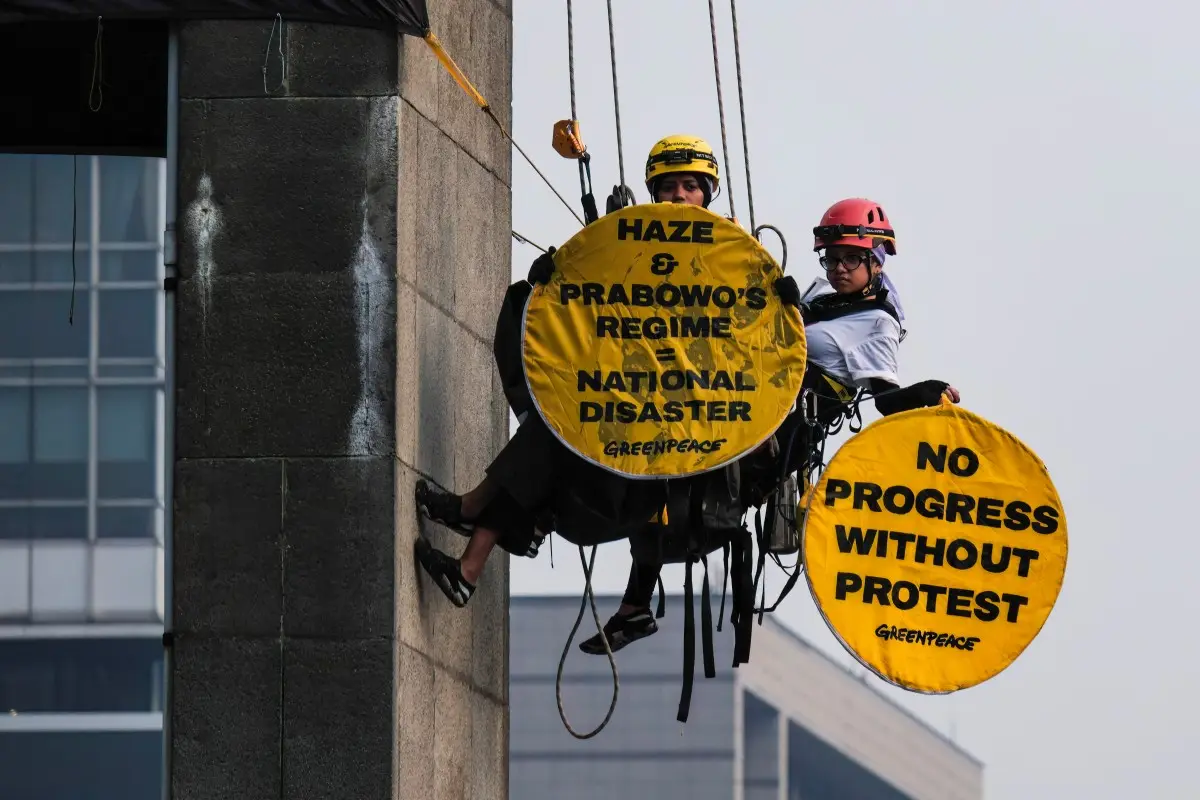
Indonesia: Students protest wildfires and toxic haze as crisis engulfs Southeast Asia
Indonesians protested in several cities on Tuesday, raging against wildfires and a toxic haze that has made thousands unwell for weeks. Demonstrations were called by students to display dissatisfaction with President Prabowo Subianto's government, which marked its second year on Tuesday, and were held in Jakarta, Bandung, Yogyakarta, Pekanbaru and Makassar.
Protest banners read "If we burn, you burn with us!" and "I have the right to breathe. Extinguish the fires immediately."
The Nusantara Atlas wildfire monitor said the blazes have burnt more than 1.9 million hectares in the first nine months of 2026, sending air pollution soaring as far afield as Kuala Lumpur and Singapore. The National Disaster Mitigation Agency said more than 60,000 firefighters, including volunteers, were deployed in dousing efforts, with 49 aircraft available for water bombing and cloud seeding, though many have been grounded intermittently due to the haze.
Police detained six activists who draped Greenpeace protest banners from a monument in Jakarta, one reading "Haze & Prabowo's Regime = National Disaster".
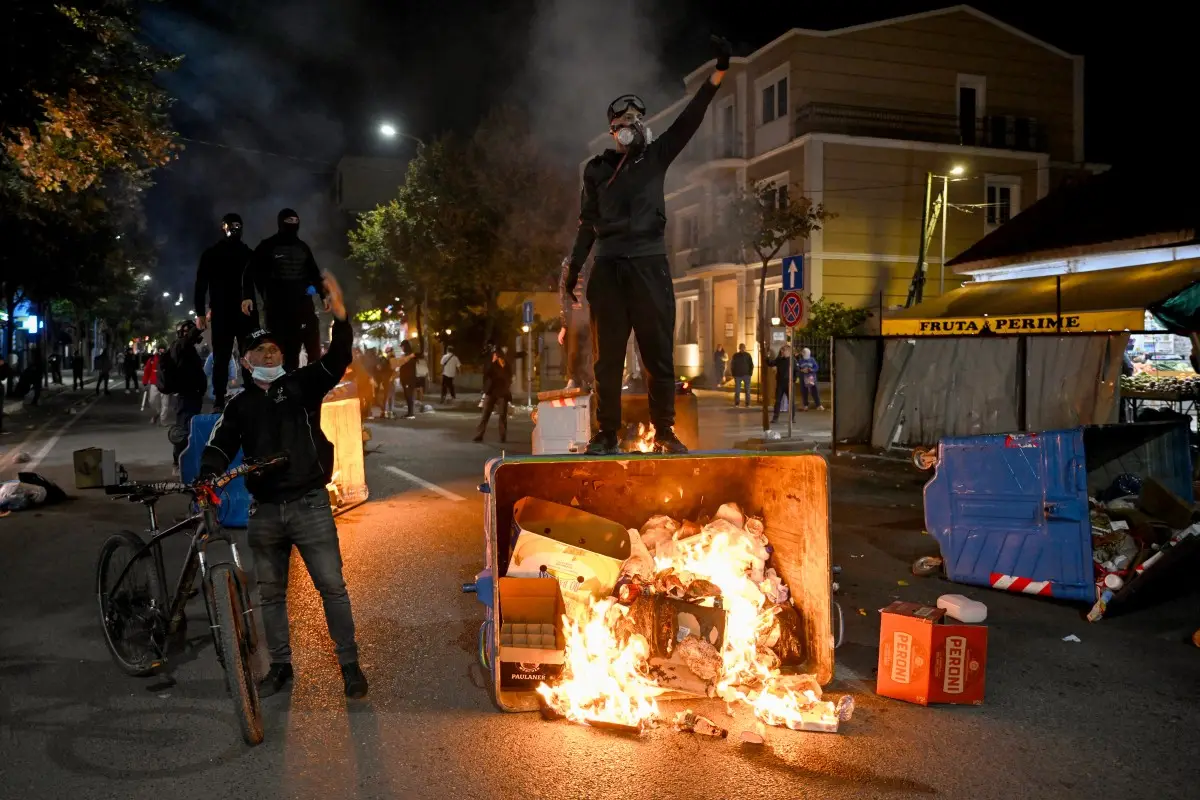
Albania: Tirana protests escalate as police station set ablaze, 300 injured
Albanian Prime Minister Edi Rama accused protesters of crossing a "red line" after a police station was set ablaze during anti-government demonstrations. Demonstrators clashed with police in the capital Tirana on Monday evening, lobbing Molotov cocktails at the interior ministry, with riot police responding with water cannon, tear gas and rubber bullets.
Around 300 people have been injured in the clashes, more than half of them police, according to the authorities. The police detained 68 people in Sunday's unrest, of whom 22 will face prosecution. Rama, who has blamed "foreign hands" for the unrest, accused Iran and Russia of driving misinformation online, warning against a "wave of Russian influence surging through the entire social media ecosystem" and "tens of thousands of fake profiles" allegedly linked to Iran. He pledged a 2,500-euro ($2,200) payment to "each officer on the front lines" and a "significant salary increase" from January 1. A controversial resort development linked to US President Donald Trump's family initially sparked the protests, driven by demands for better university conditions, anger over corruption and calls for Rama's resignation.
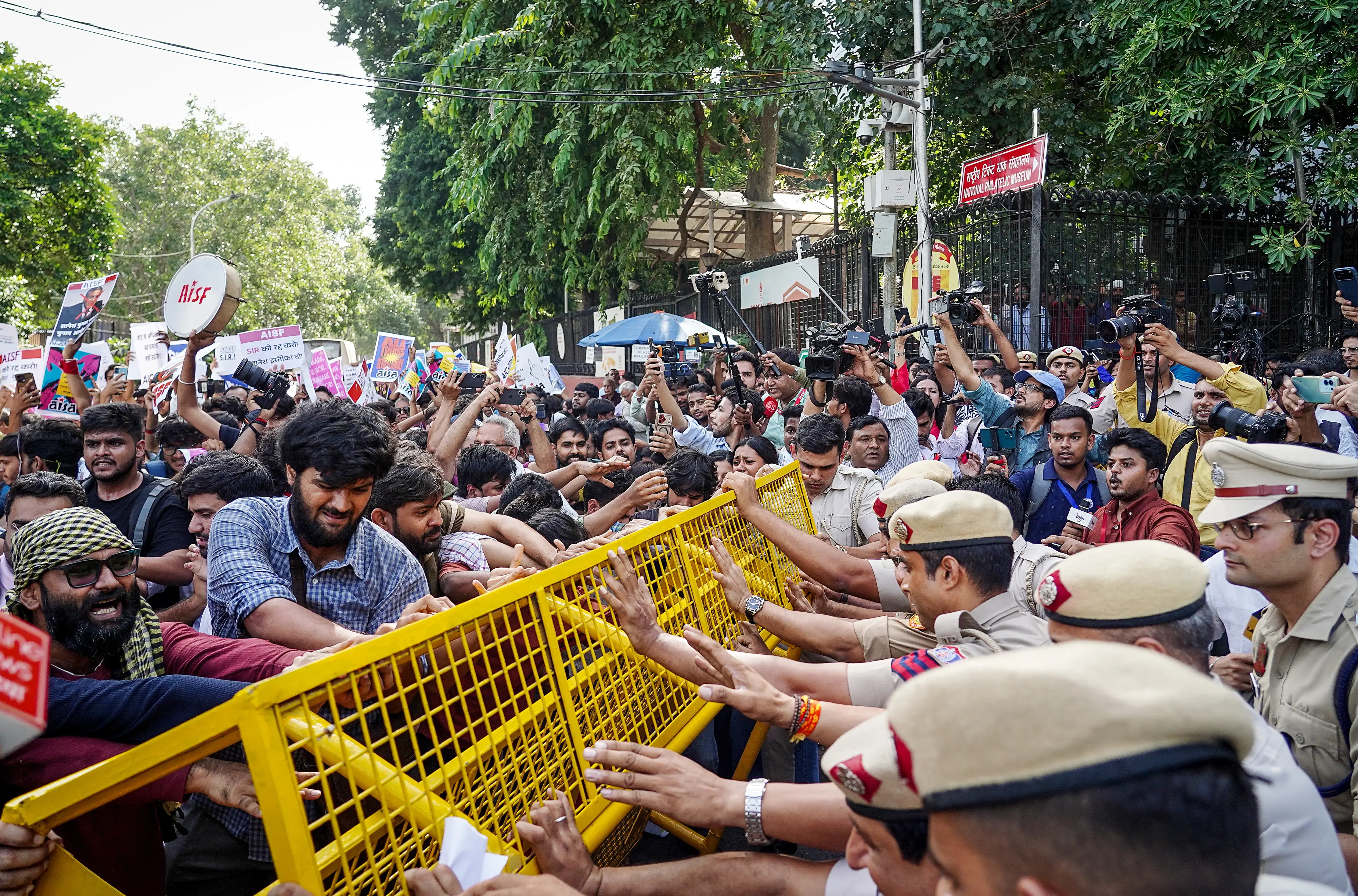
India: Delhi protests demand election commissioner's resignation over voter list overhaul
Protests rocked New Delhi as demonstrators demanded the chief election commissioner's resignation, alleging that the SIR voter list overhaul is designed to benefit Prime Minister Narendra Modi's Bharatiya Janata Party (BJP). More than 133 million names, including 28 million listed as dead, have been cut from electoral rolls, according to figures reported by Indian media and cited by opposition parties in court filings.
The Special Intensive Revision (SIR) requires voters to link themselves to electoral rolls from 2002 to 03, and critics say that the exercise shifts the "burden of proof" onto voters. Activists say women, minorities, people at the margins and the poorest are worst hit because they struggle to produce documents proving citizenship. Independent analyses suggest Muslims have been disproportionately affected, with The Hindu finding Muslims accounted for around 20 per cent of voters flagged in Delhi compared with 13.6 per cent of the electorate. The Election Commission denies wrongdoing and says the revision complies with the law, while the Supreme Court has said exclusion from electoral rolls does not establish that someone is a foreign national.
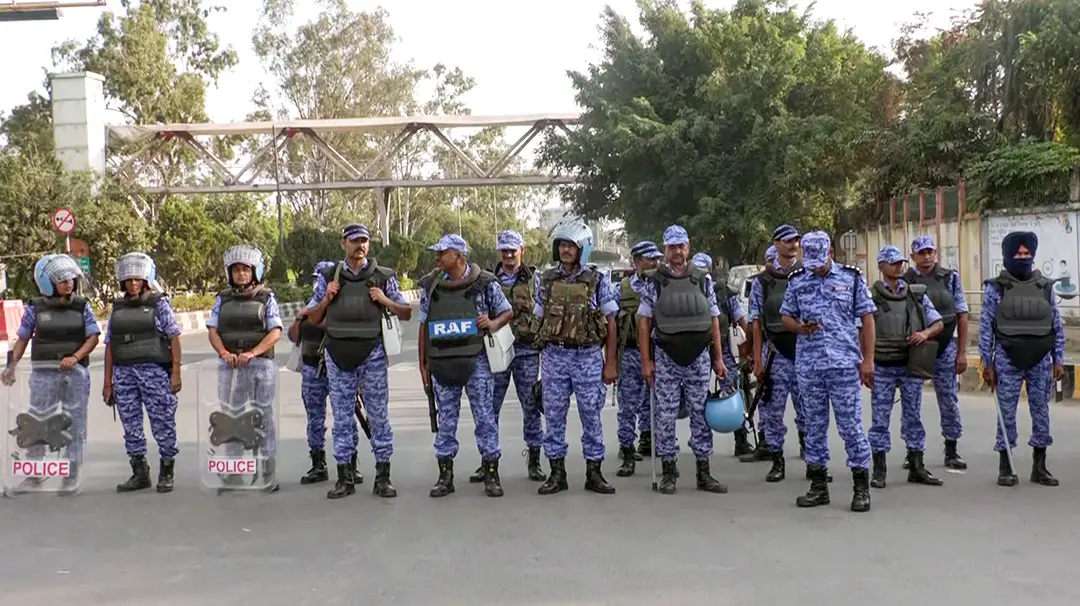
India: 48-hour shutdown cripples Manipur after attack kills three Meitei people
A total shutdown called by the Native People's Committee Manipur (NPCM) for 48 hours from Monday midnight crippled normal life in Manipur, demanding decisive security action against armed groups responsible for an attack in the Khongbal Tangkhul area that killed three Meitei people and injured several others.
The shutdown covered both hill and valley districts, with shops, markets, business establishments, banks, private offices and educational institutions, including schools, colleges and universities, remaining closed. Public and private transport were suspended except for police and government vehicles, and interstate road transport was halted, affecting connectivity between Manipur and the rest of India, though airline services continued to operate normally.
Major roads across both the valley and hill districts were deserted, with wooden logs placed in the middle of roads as protesting women sat stretching along them to block traffic. Health services, fire services, water supply, media activities and ritual-related functions were exempted from the shutdown, whose impact was reported to be greater in the valley areas than in the hill districts.
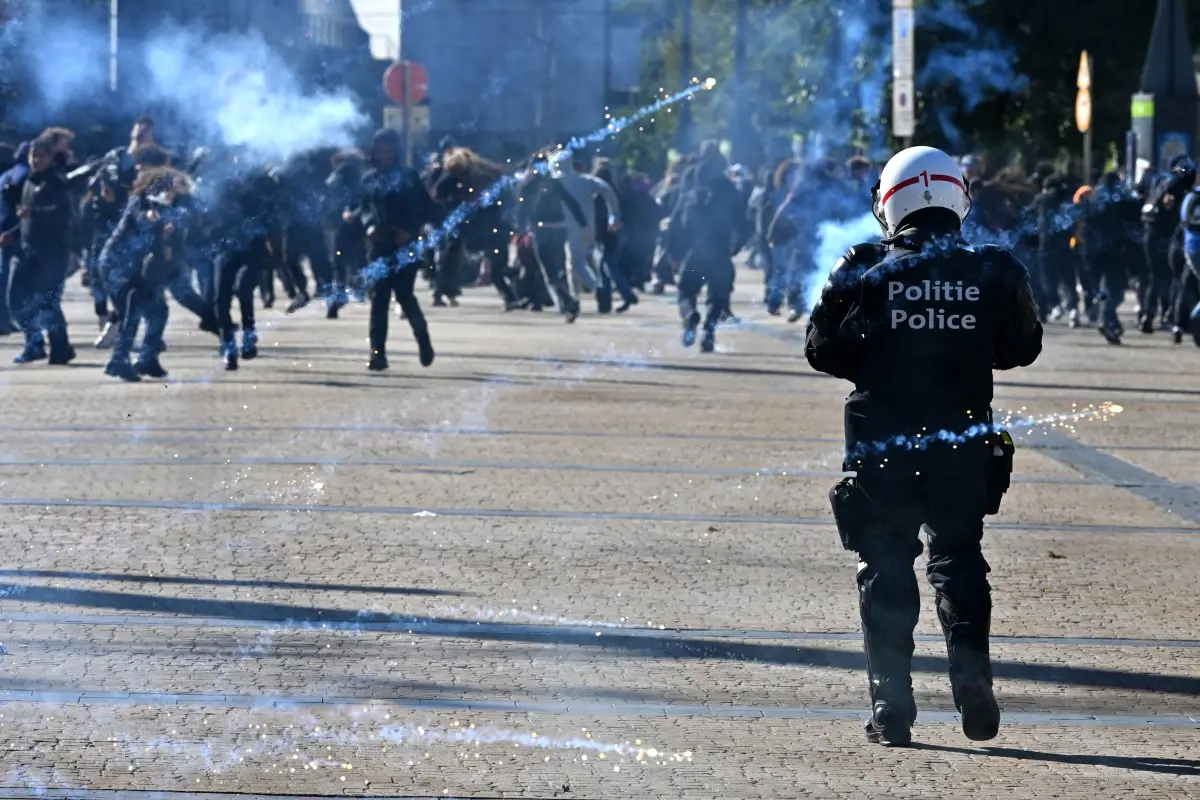
Belgium: Protests over austerity, education costs and living expenses
A wave of protests against government austerity measures has rocked Belgium, rising living costs and education reforms, with demonstrations in Brussels and Liège turning violent in some instances. On October 9, tens of thousands marched through Brussels against proposed budget cuts, with organisers estimating around 50,000 attendees and police putting the figure at approximately 30,000. The protests target the government of Prime Minister Bart De Wever, with trade unions opposing planned cuts to public spending, pensions and unemployment benefits, along with a proposed increase in value-added tax from 21 to 22 per cent.
Students have staged separate demonstrations against a planned rise in tuition fees from €835 to €1,194, saying higher costs risk turning education access into a privilege. More than 250 arrests have been reported over roughly two weeks of demonstrations, and Belgium's police oversight body, Committee P, has received 26 complaints about alleged police conduct during protests on October 9 and October 17.