Rocket launch vs missile launch: 7 engineering differences explained

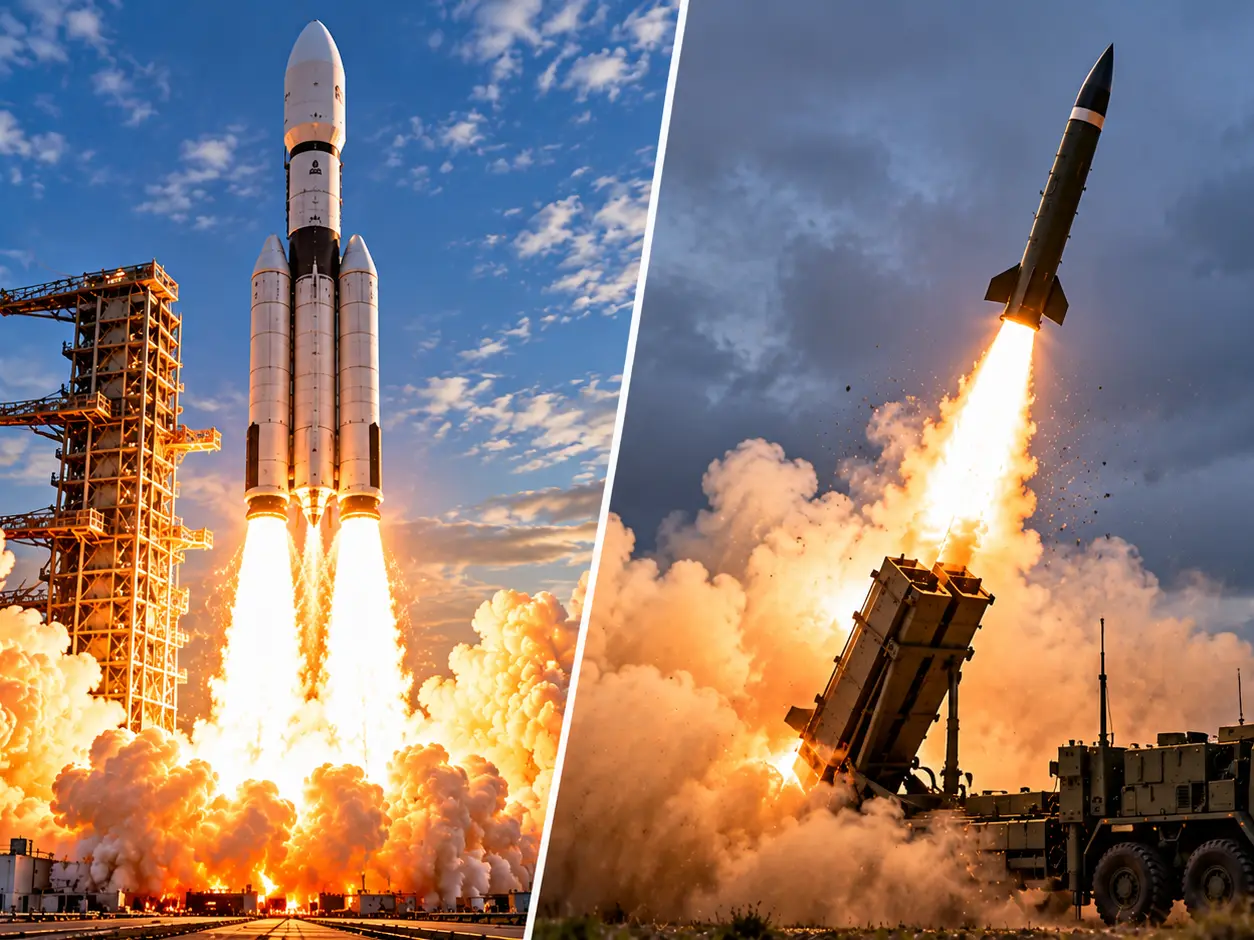
While space rockets and military missiles both use rocket propulsion, their core engineering differs completely. From cryogenic fuel systems and massive launchpads to terminal radar seekers and re-entry heat shields, space launch vehicles and missiles are built for entirely different missions.
Shared Physics, Different Goals
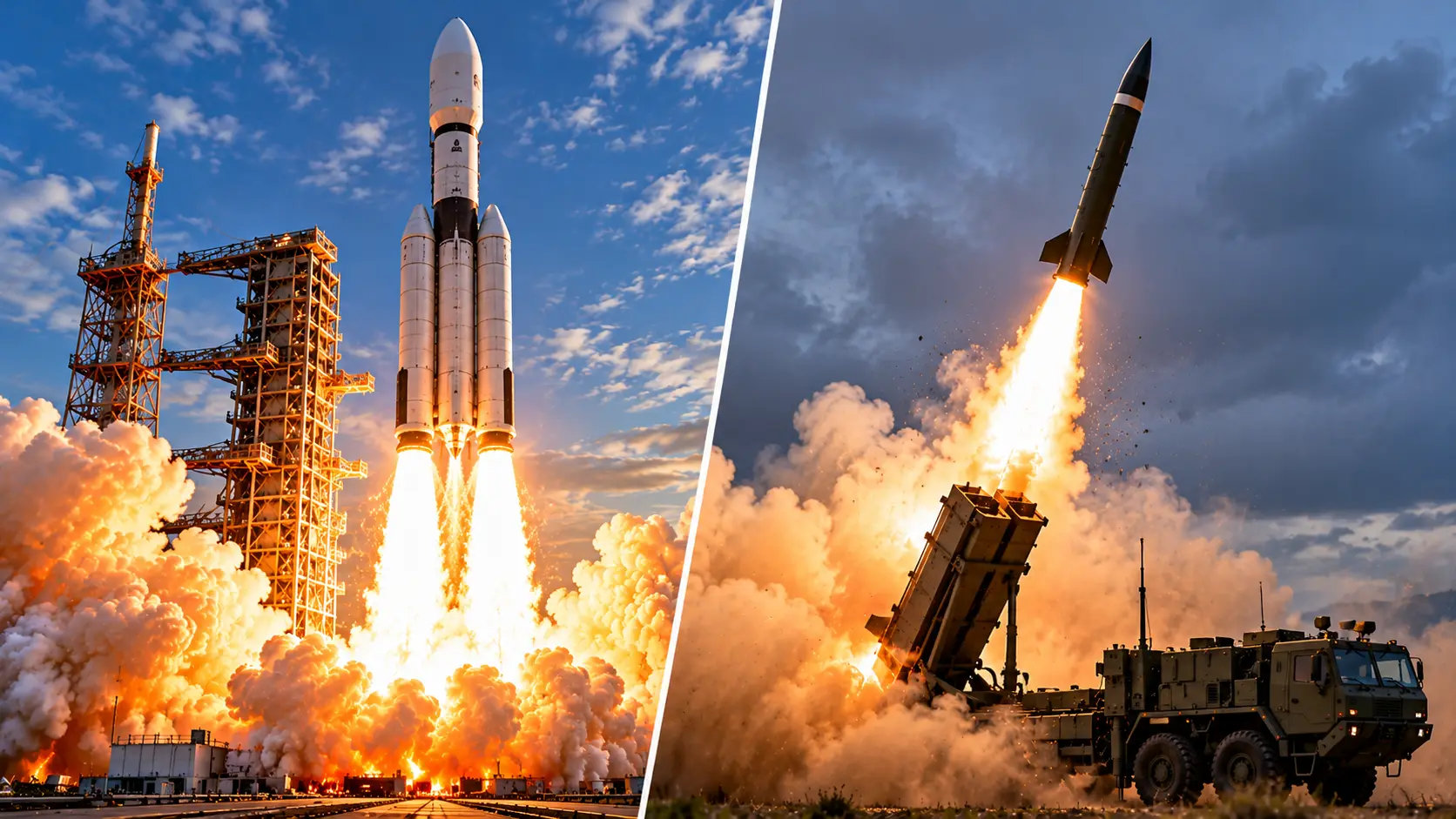
While space rockets and military missiles both rely on thrust from chemical combustion, their core engineering serves radically different objectives. A space launch vehicle carries peaceful payloads into orbit, whereas a military missile is engineered strictly to deliver a destruction-focused warhead to a target.
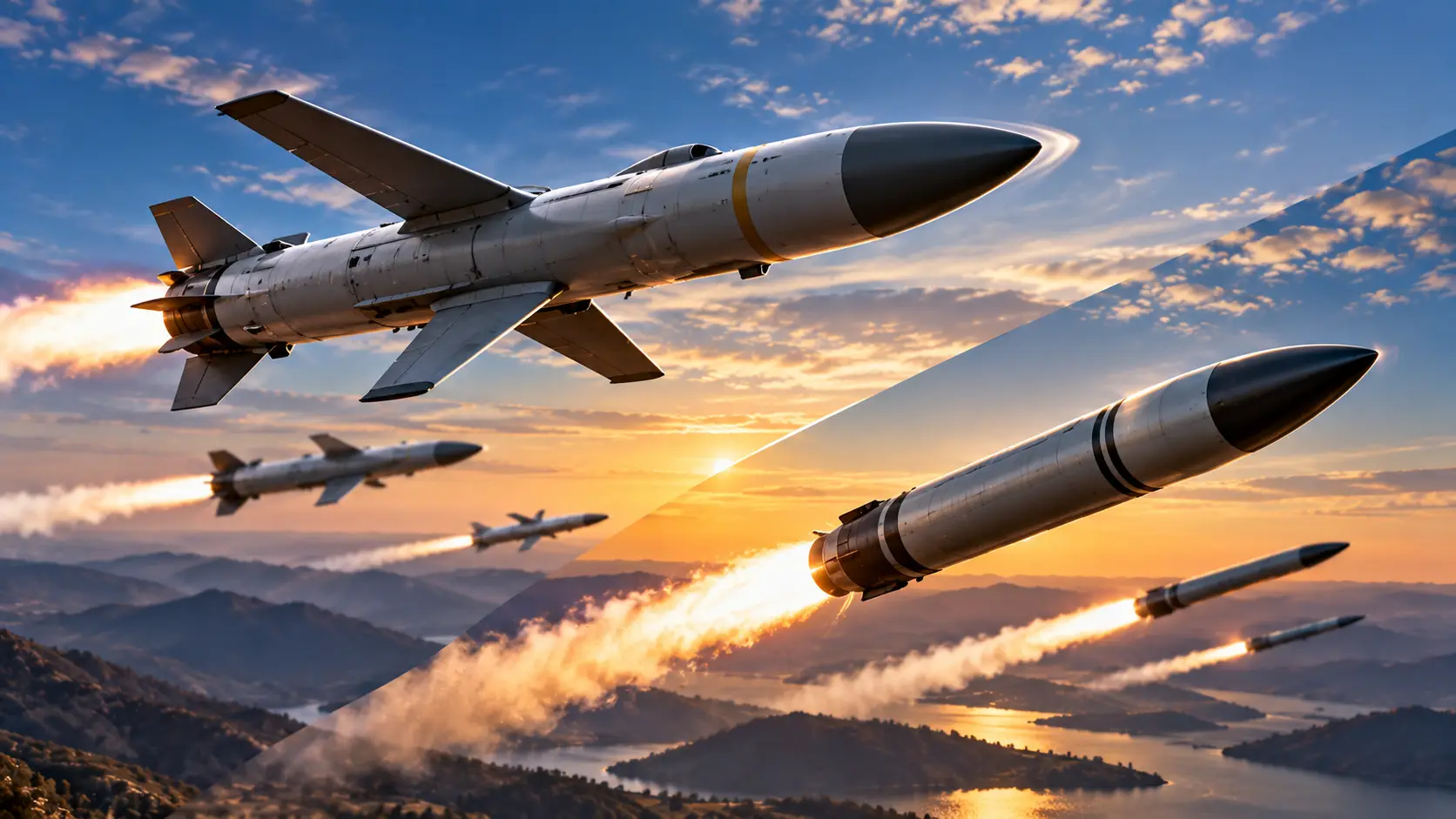
Fuel and Storable Readiness
Most military missiles utilize solid propellants or storable liquid fuels that allow them to sit ready for immediate launch. In contrast, large space rockets rely on cryogenic liquid hydrogen and oxygen that require hours of volatile fueling right before liftoff.
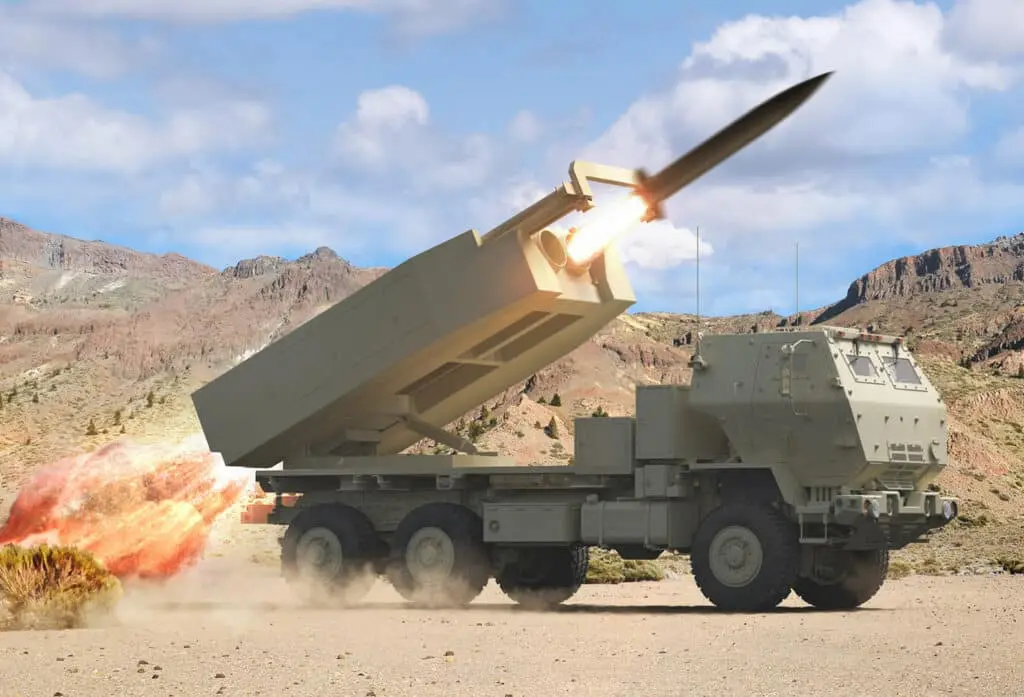
Terminal Guidance Systems
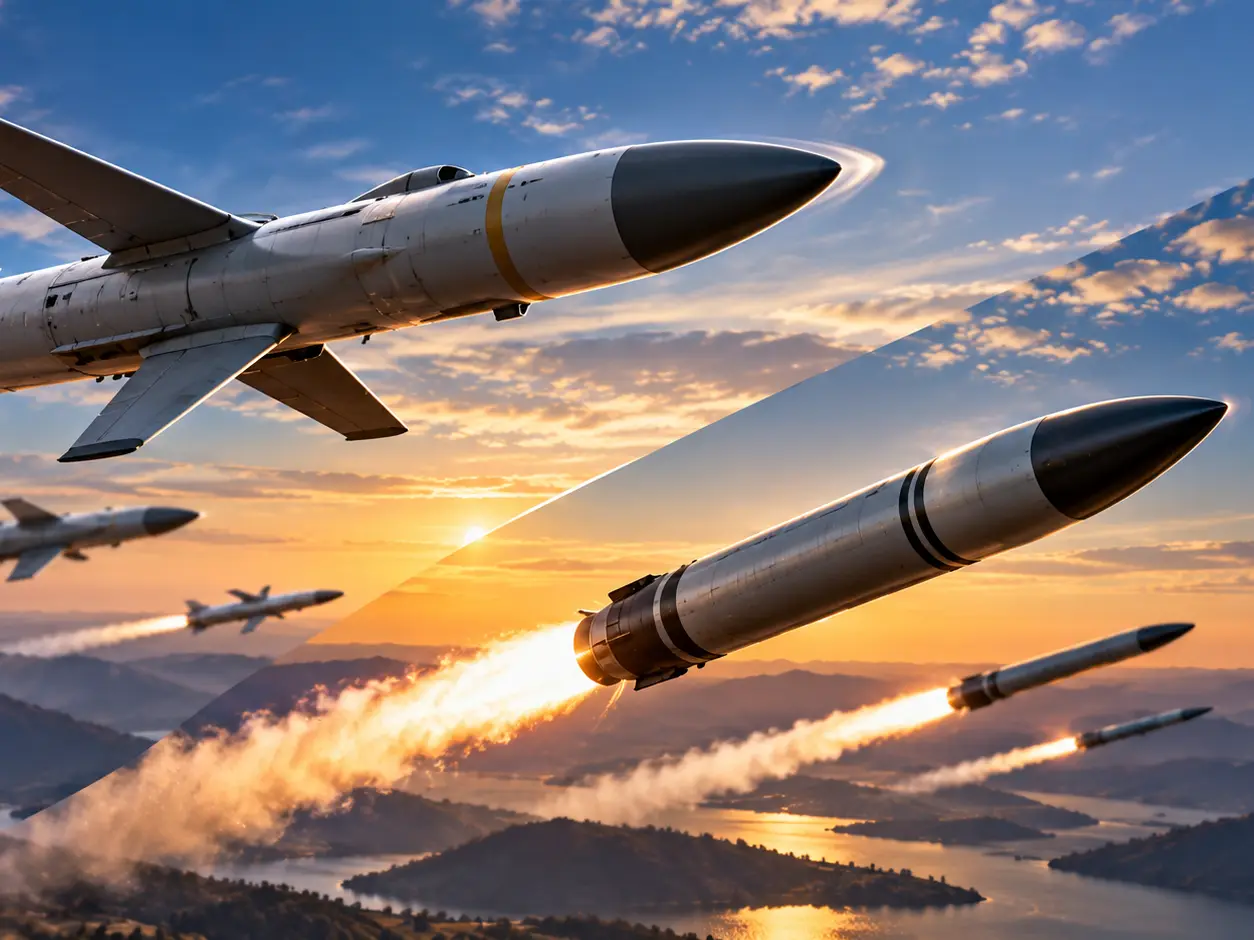
Missiles incorporate active terminal radar, infrared seekers, or GPS inputs to continuously adjust their course and hit moving or precise ground targets. Space launch rockets follow pre-calculated orbital insertion trajectories using inertial navigation systems without needing warhead-style terminal homing sensors.
Velocity and Trajectory Limits
To reach low Earth orbit, space rockets must accelerate to orbital speeds of roughly 17,500 miles per hour, or 28,000 kilometres per hour. Most ballistic missiles travel on suborbital parabolic arcs, reaching high speeds before descending through the atmosphere directly toward ground targets.
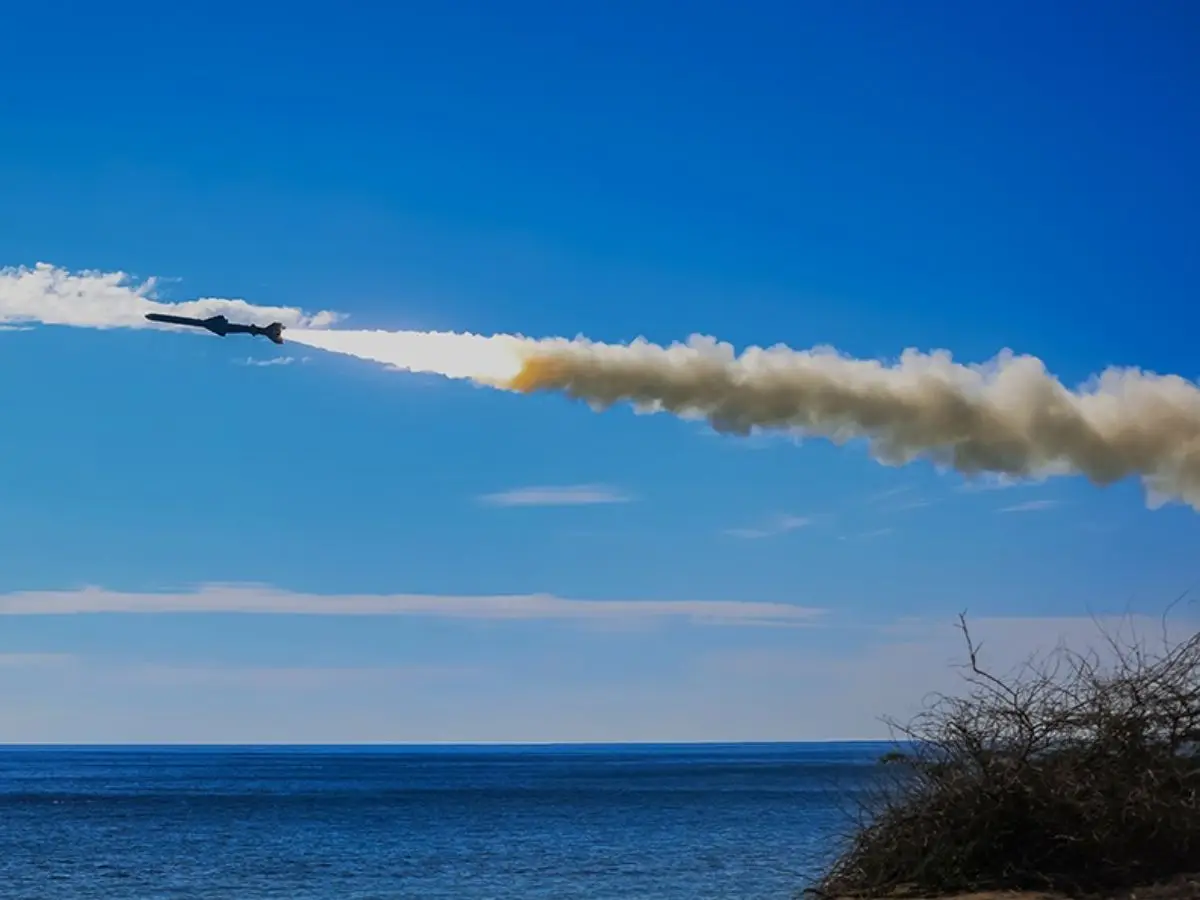
Structural Re-entry Design
A missile's re-entry vehicle is heavily shielded with carbon-carbon heat tiles to survive intense atmospheric friction during its high-speed descent. Space rockets drop lightweight payload fairings high above the atmosphere, exposing delicate satellites only after atmospheric drag drops to near zero.
Launch Pad Infrastructure
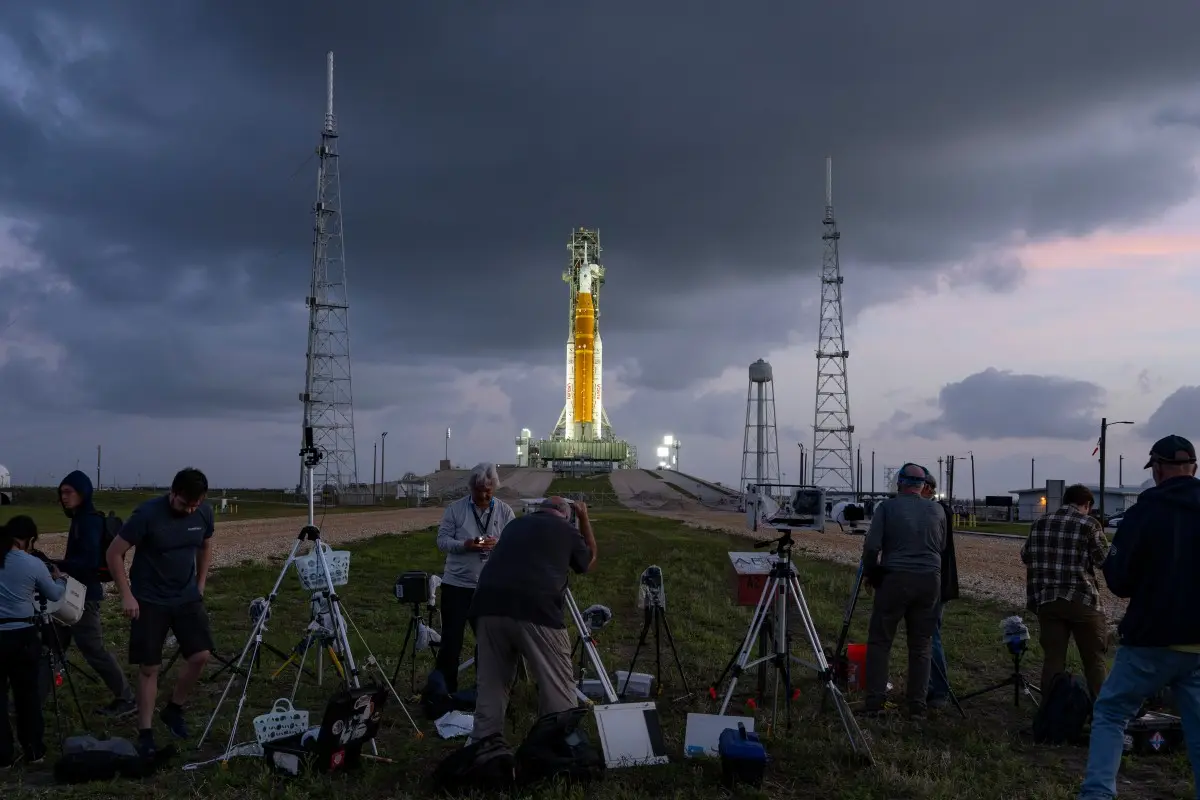
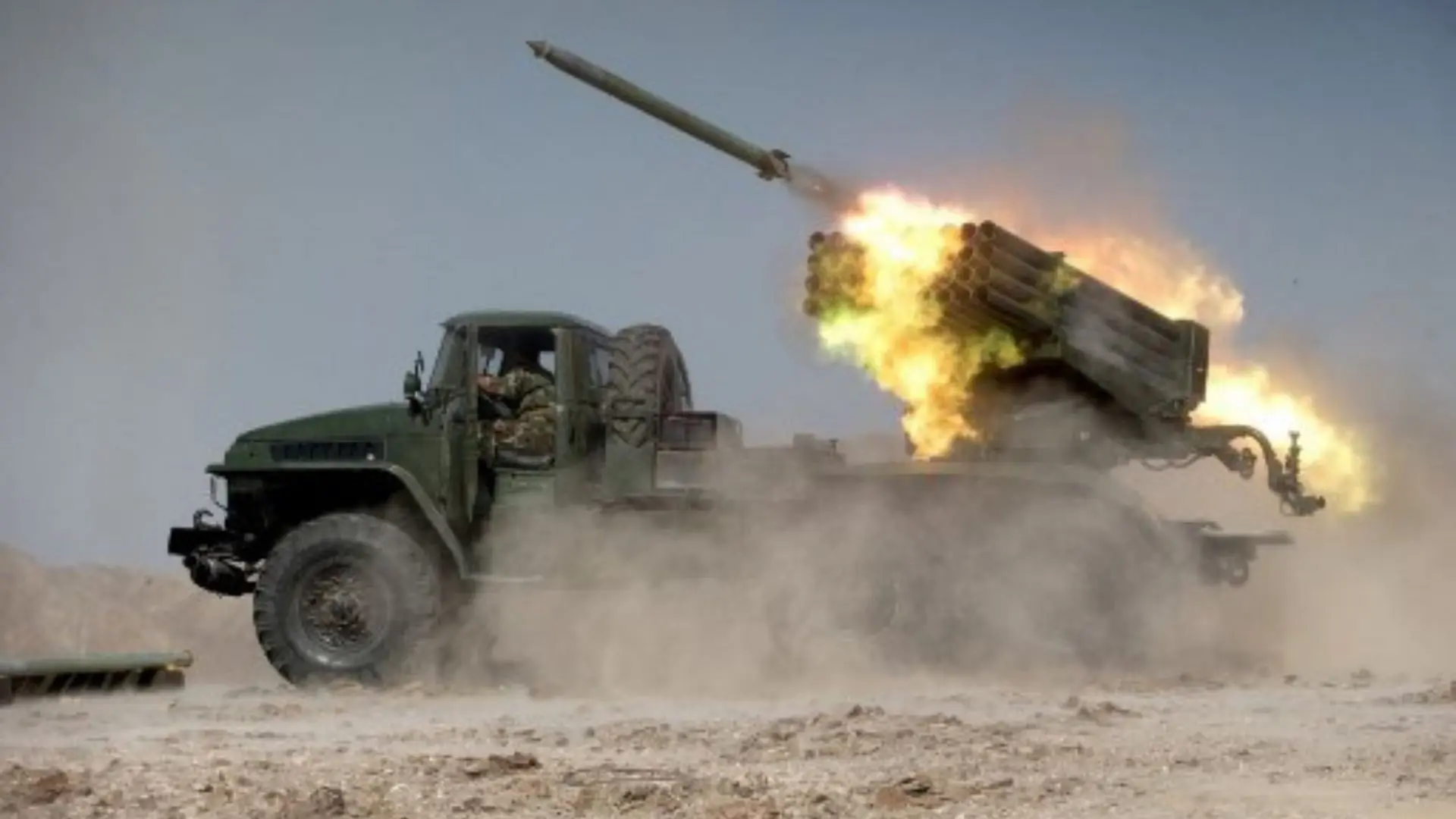
Space launch vehicles require massive fixed launchpads equipped with umbilical towers, sound-suppression water systems, and extensive ground support infrastructure. Military missiles are designed for tactical mobility, launching from hardened underground silos, submarine tubes, or mobile transporter-erector-launcher trucks.
The Shared Heritage
Despite these key engineering differences, modern space flight relies heavily on early military ballistic technology. America's historic Mercury and Gemini human spaceflight programmes both launched using modified Atlas and Titan II intercontinental ballistic missiles.