Why did Mahatma Gandhi spend one day a week in silence?

Every Monday, Mahatma Gandhi observed a strict day of silence called Maun Vrat. He used this time to escape overwhelming public demands, catch up on writing, and practice deep spiritual reflection to calm his mind and seek the truth.
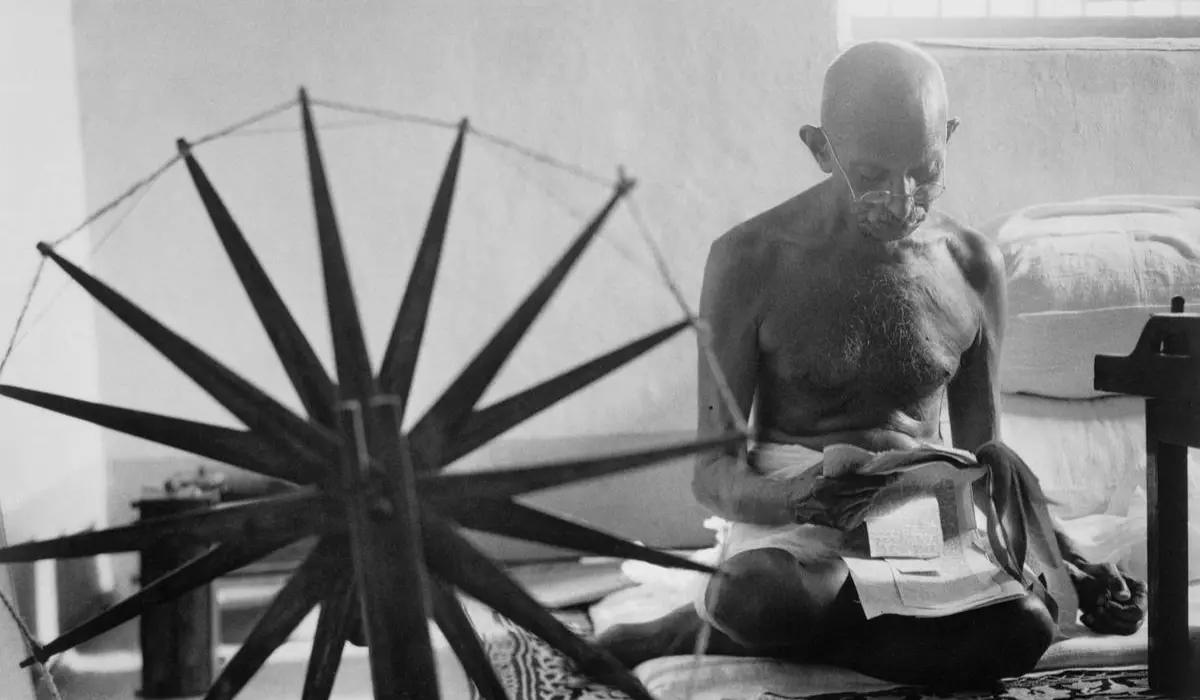
The Monday Vow
Every Monday, Mahatma Gandhi observed a strict vow of silence, known as ‘Maun Vrat’. He firmly refused to speak for an entire 24-hour period, regardless of the political crises or pressing national matters unfolding around him.
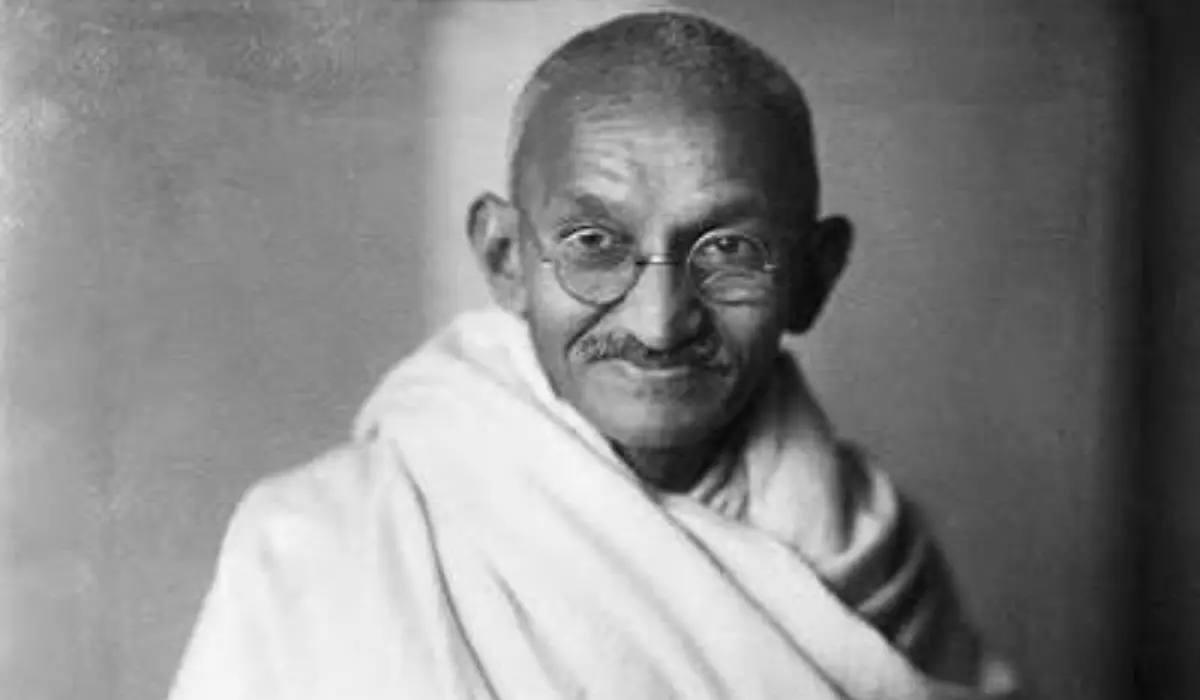
A Refuge From Chaos
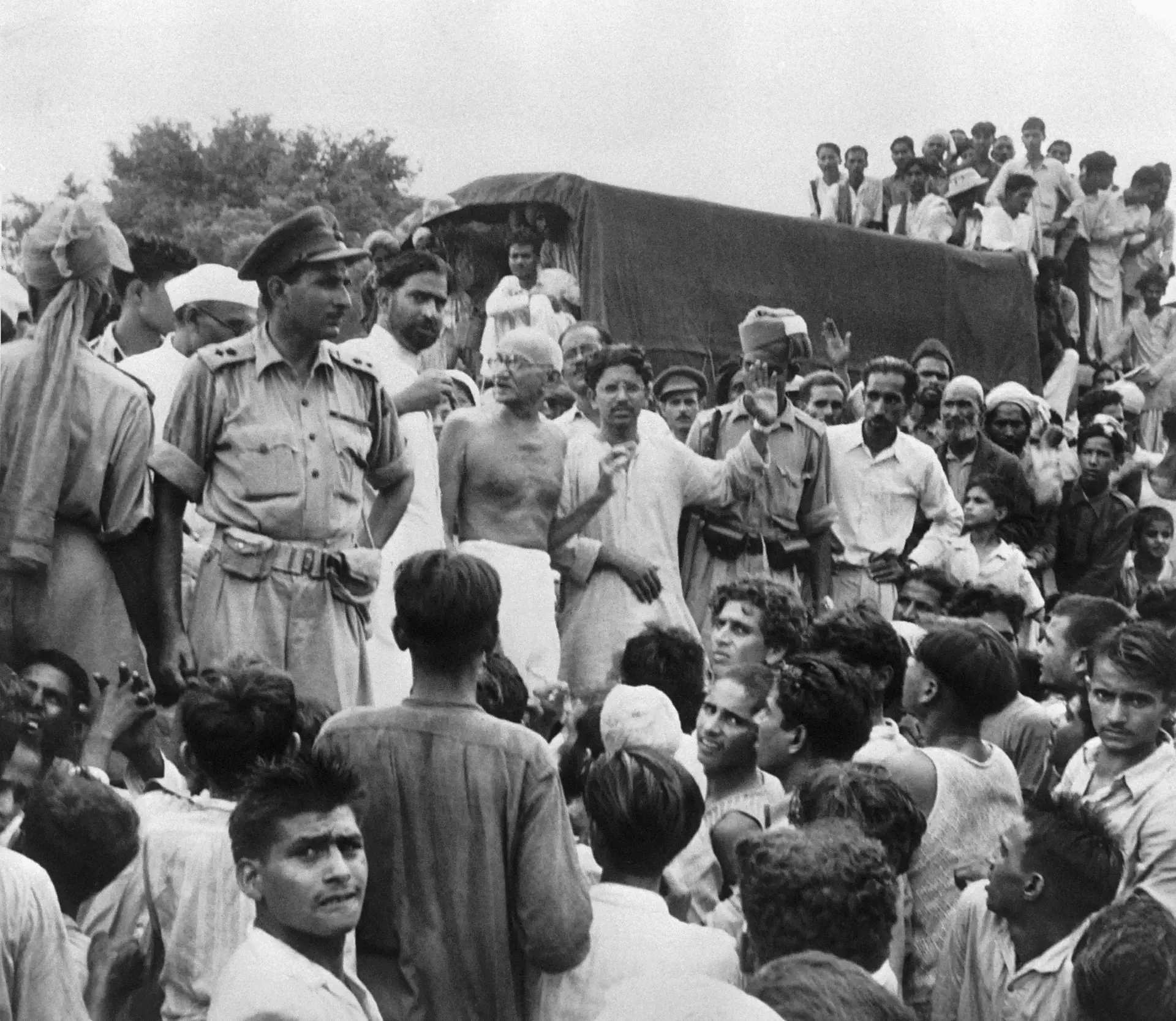
As the leader of India's independence movement, Gandhi ji faced a continuous, exhausting stream of visitors and public demands. The weekly day of silence provided him with a desperately needed physical and psychological refuge from the noise.
Unmatched Productivity
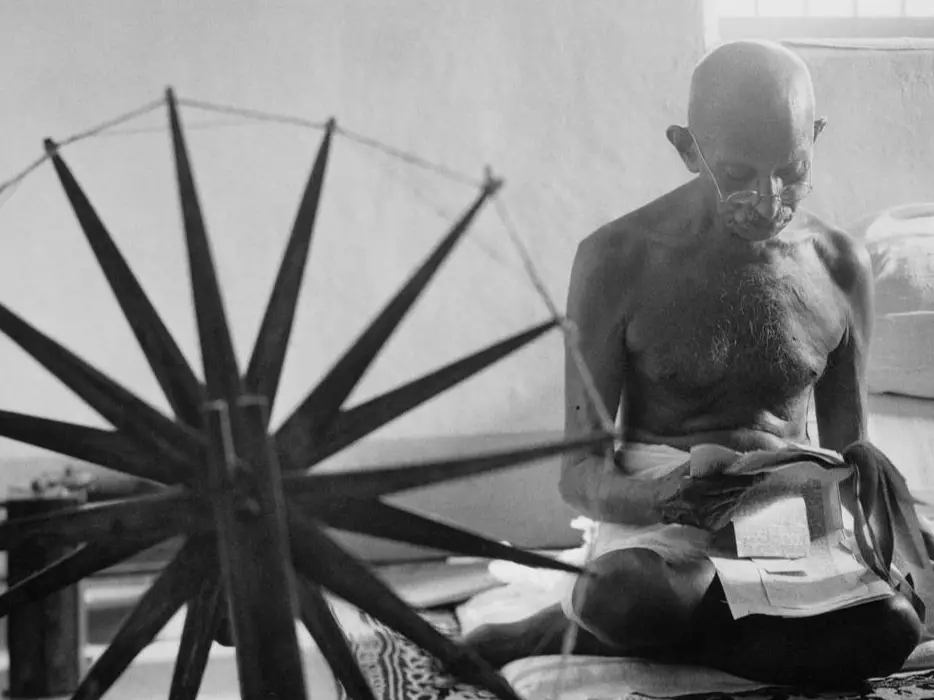
This day of quiet was never spent idling or simply resting in bed. Gandhi ji used his Mondays to catch up on pending work, finding that his writing and reading output was vastly greater when undisturbed by conversation.
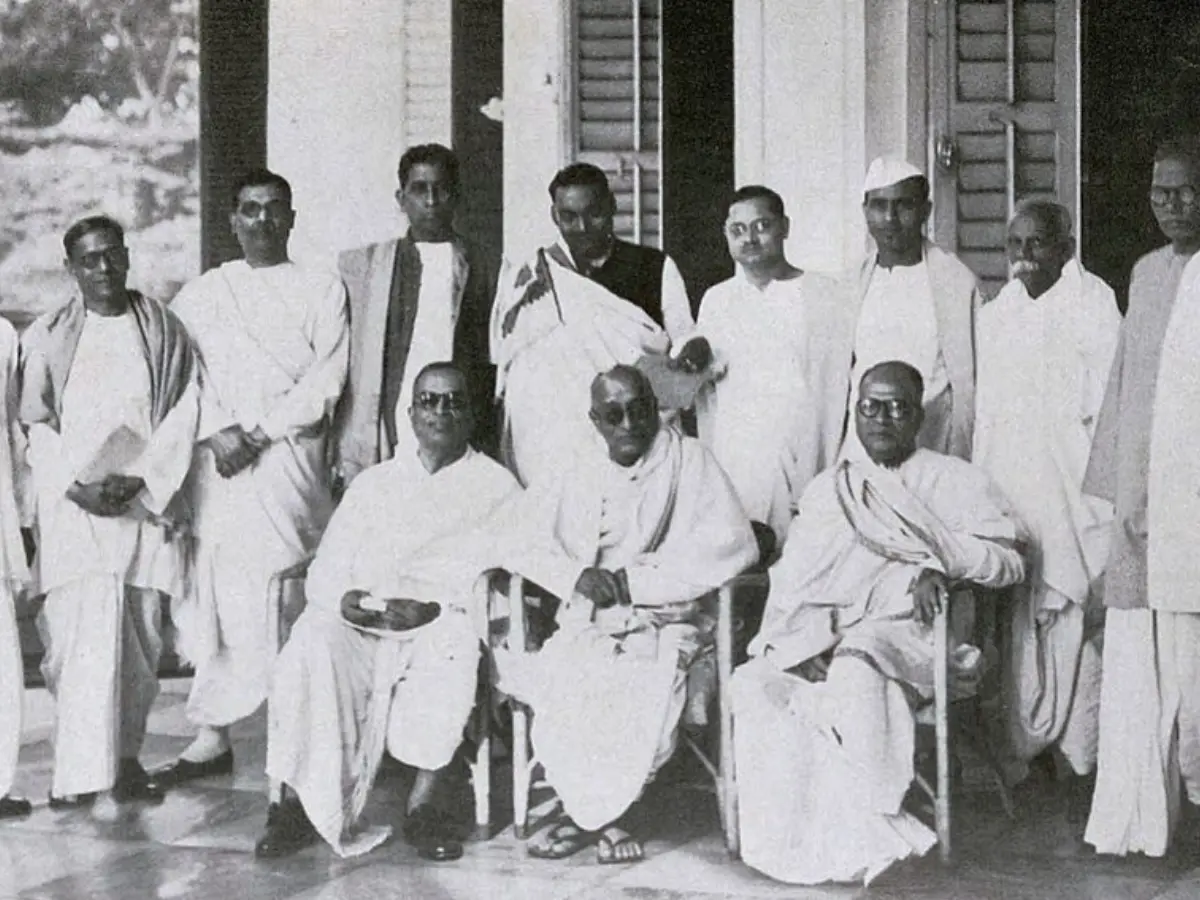
Deep Spiritual Discipline
Beyond mere rest, the silence was a profound spiritual exercise that aided his ‘sadhana’, or spiritual effort. He believed that avoiding unnecessary speech allowed him to listen to his inner voice and commune harmoniously with God.
Communicating With Paper
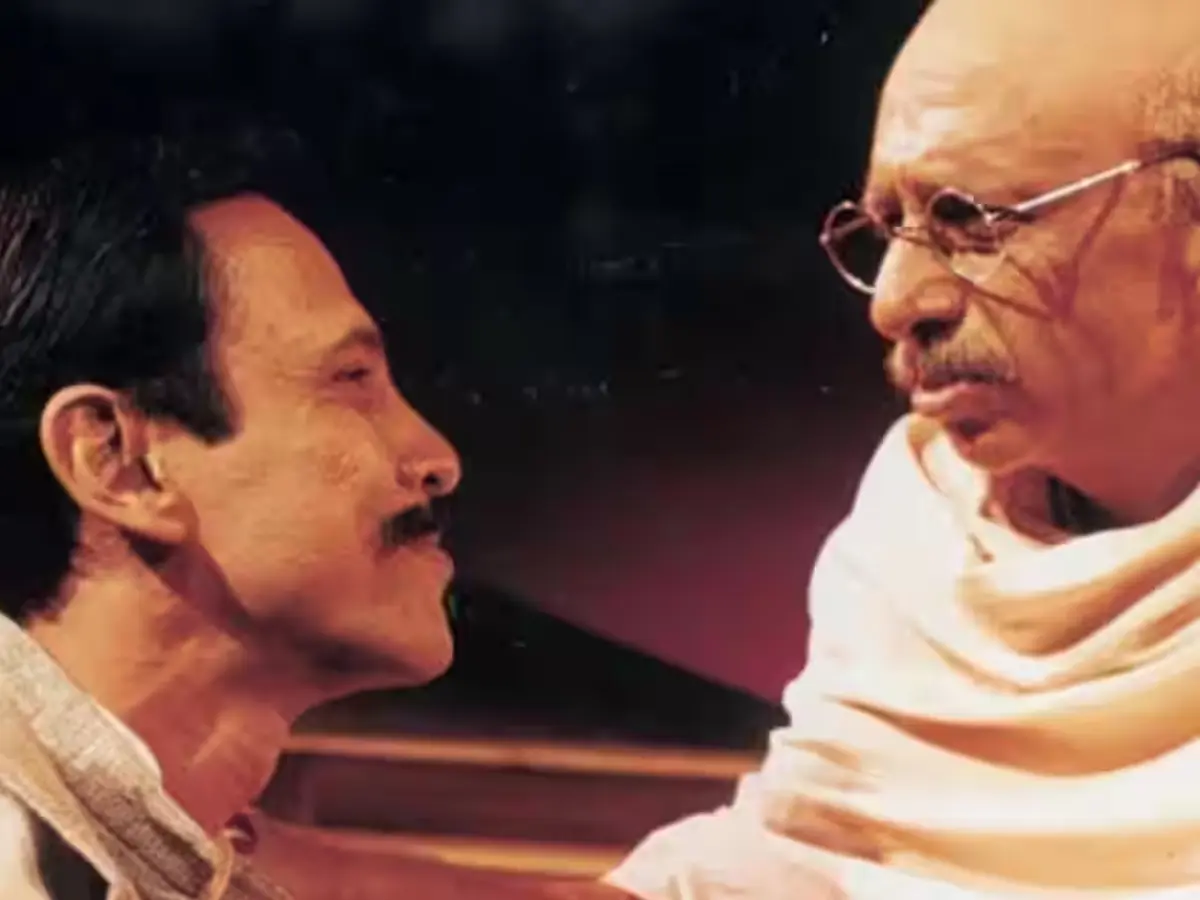
When absolutely forced to communicate on a Monday, Gandhi ji refused to break his vocal vow. Instead, he would quickly write short, precise notes on small slips of paper to respond to urgent questions from colleagues or global leaders.
Calming the Nervous System
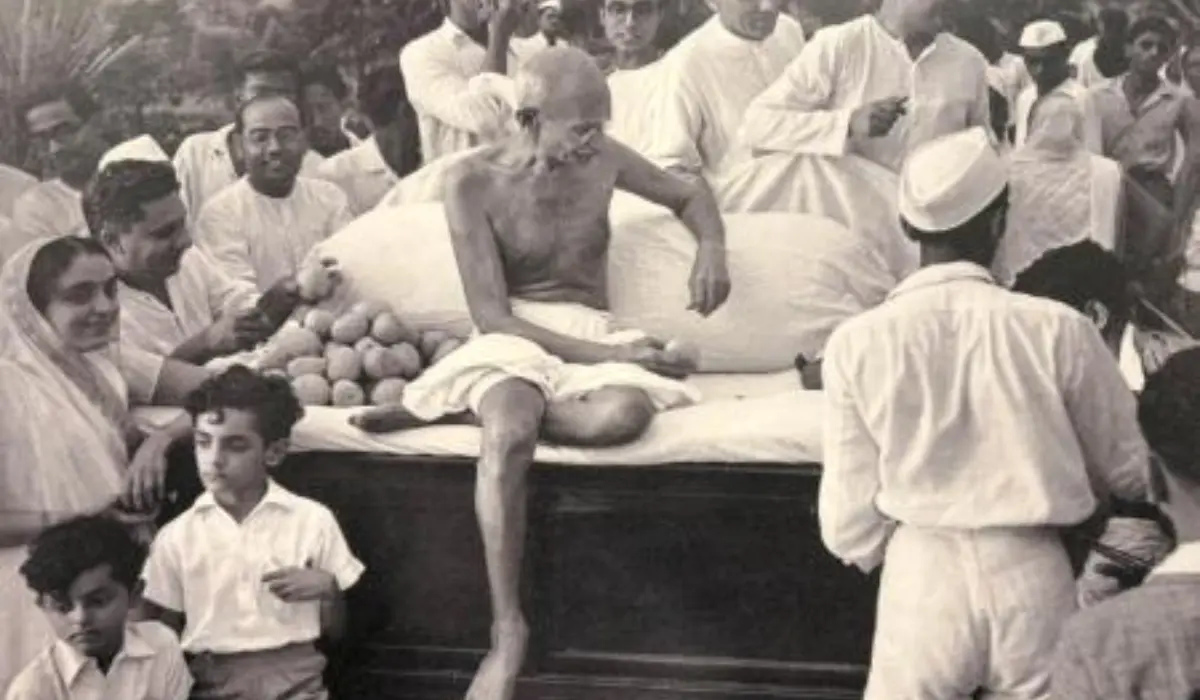
Gandhi ji noted that the conscious decision to remain silent had an incredibly soothing effect on his mind. He stated that this self-imposed quiet calmed his nerves in a powerful manner that no medicine or drug could replicate.
A Timeless Lesson
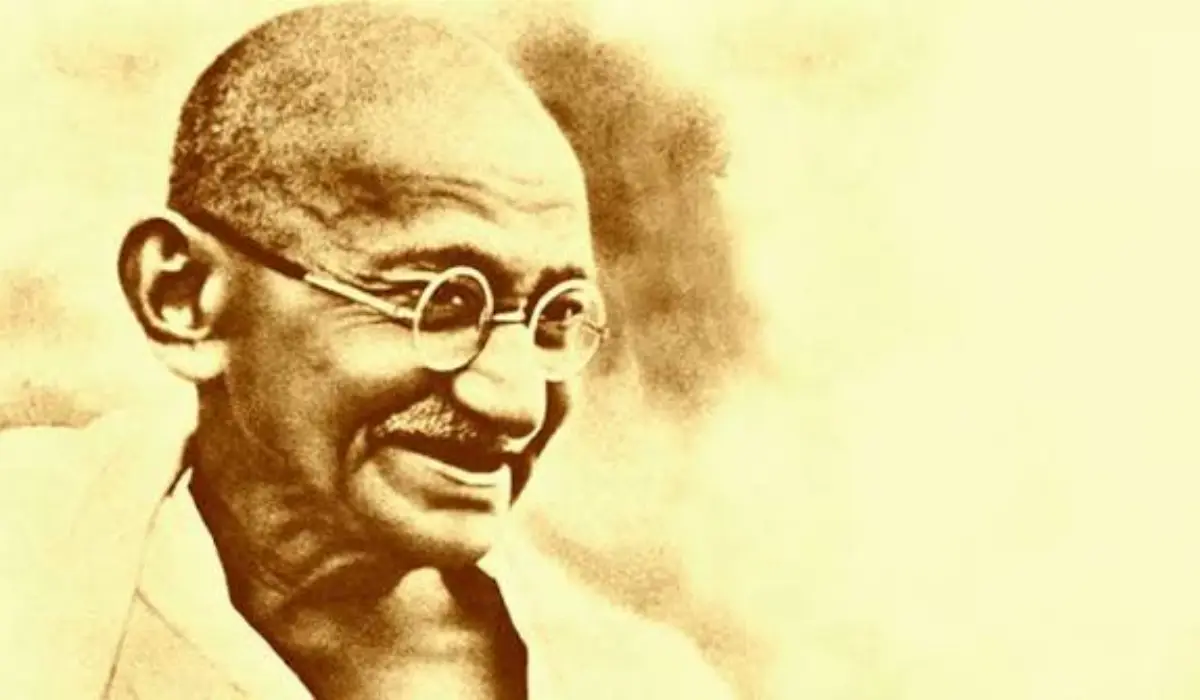
The practice became an inseparable part of his global identity as a seeker of truth. In an increasingly noisy world, Mahatma Gandhi's weekly silence remains a powerful demonstration of the strength found in quiet reflection and strict self-discipline.
)
)
)
)
)