Why did Japan’s top-secret, tiniest submarines turn out to be total disasters?

As the Allies advanced and naval technology raced ahead, these tiny subs revealed how design flaws and overconfidence could sink even the boldest plans, long before they ever reached the enemy.
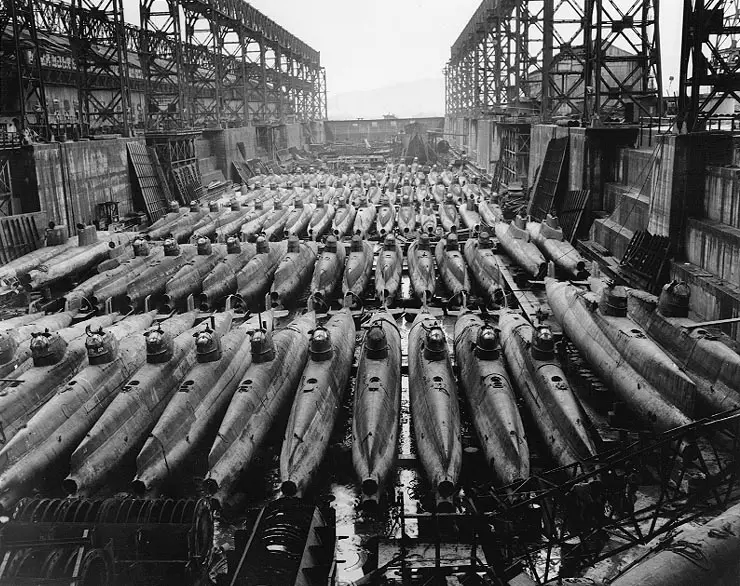
Ambition beneath the waves
Born from Japan’s quest for stealth and surprise before the Second World War, the Type A Kō-hyōteki-class midget submarines promised to change naval warfare with daring harbour attacks. Yet what seemed an ingenious secret weapon and one of the world's smallest combat submarines, turned into an operational disaster, costing crews their lives for little gain. As the Allies advanced and naval technology raced ahead, these tiny subs revealed how design flaws and overconfidence could sink even the boldest plans, long before they ever reached the enemy.
Compact design and limited range
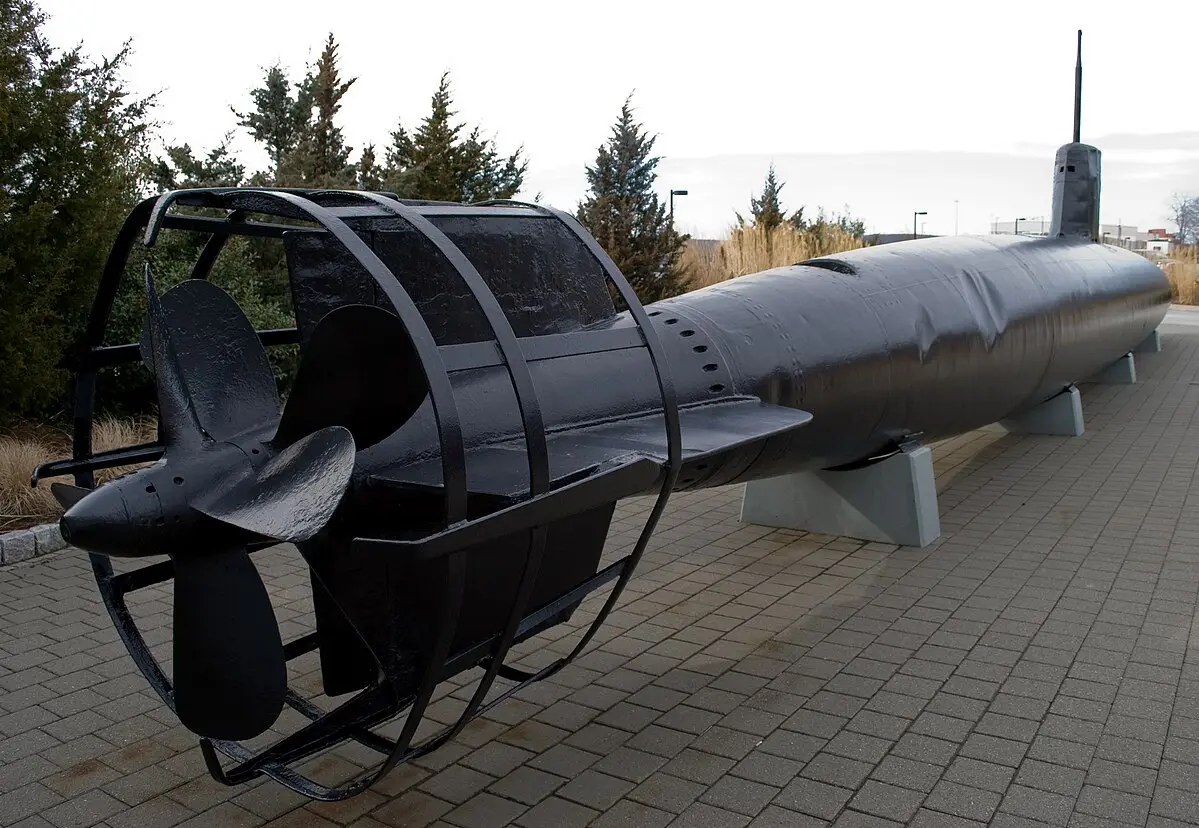
These submarines measured barely 24 metres in length and displaced around 46 tonnes submerged, tiny compared to standard fleet submarines. Powered by a single 600-horsepower electric motor, they had a top speed of around 19 knots on the surface but just 6 knots underwater. Their operational range was extremely limited: roughly 100 nautical miles at low speed, making them unsuitable for independent patrols and restricting them to special missions near enemy coasts.
Armed but vulnerable
Each Type A carried two 450mm torpedoes, a powerful punch on paper. But the design sacrificed almost everything else for stealth and size. They lacked proper periscopes for accurate targeting, carried no reloads, and had minimal battery life. A crew of just two was expected to pilot these boats into heavily defended waters and then escape, a near-impossible task under real combat conditions.
Infamous missions
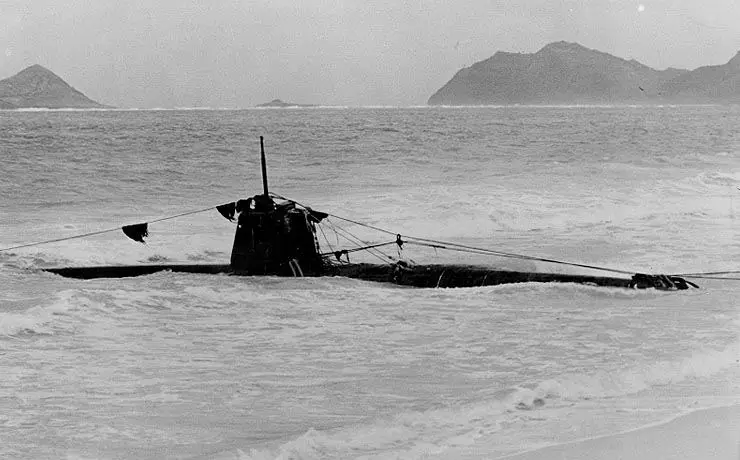
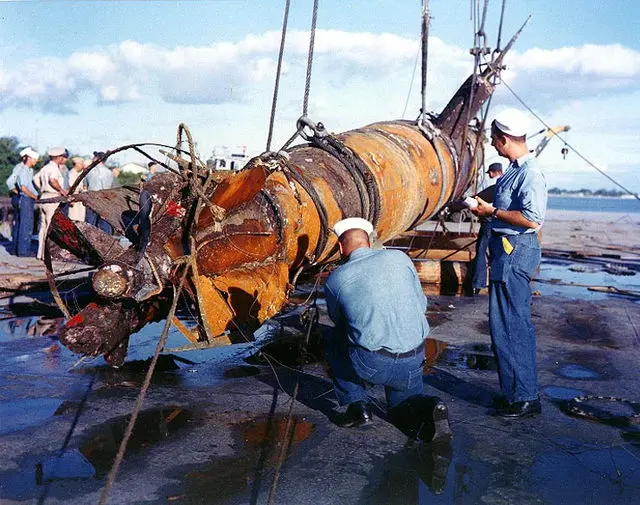
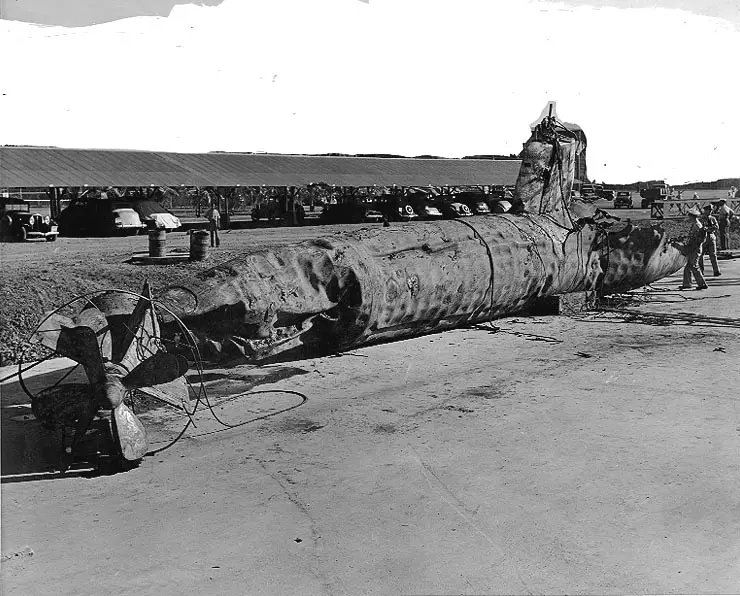
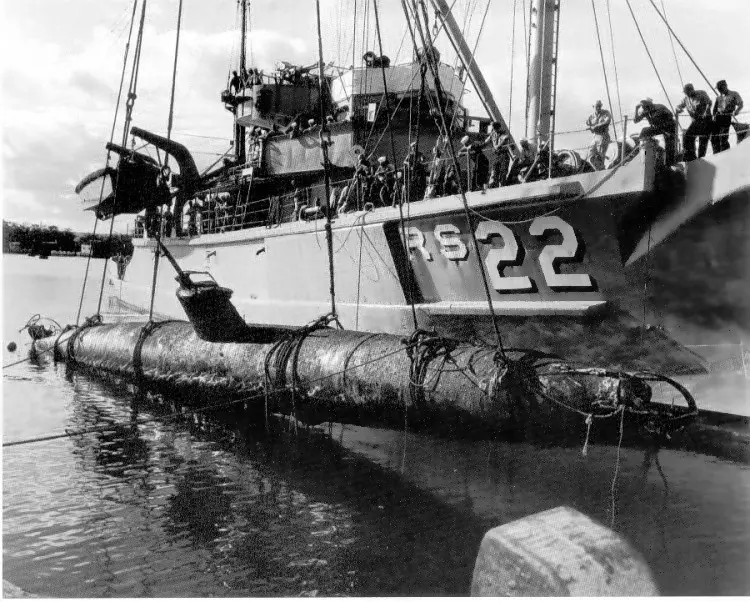
The most famous deployment was the attack on Pearl Harbor on 7 December 1941, when five Type A submarines were launched to penetrate the harbour and attack US warships. None returned; all were lost, and only one may have fired its torpedoes, which missed. Later missions around Sydney Harbour and Madagascar had similarly poor results: detection, capture or scuttling before they could inflict significant damage.
Why they failed
Several factors doomed the Type A. Their short range and slow submerged speed made them easy targets once discovered. The lack of reliable navigation tools left crews disoriented in complex harbours. Torpedoes failed to detonate or missed altogether due to rushed design and inadequate testing. Worst of all, crews often had no realistic escape plan, leading to near-certain death.
Attempts to improve
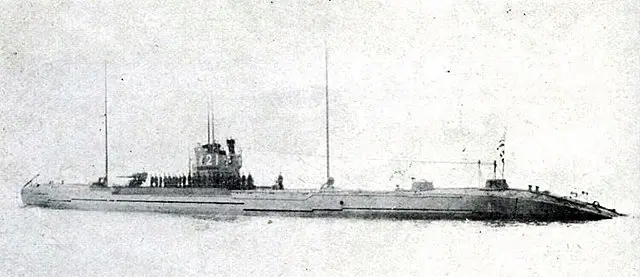
Japan produced later variants like the Type B and C, with slightly larger hulls and extra torpedoes or explosive charges. Yet the core limitations remained: poor endurance, ineffective attack capability and little chance of survival. As Allied anti-submarine defences improved, these small boats became even less relevant.
A cautionary legacy
The Type A Kō-hyōteki-class were retired by the war’s end, remembered less for battlefield success than for exposing the limits of over-specialised design. Conceived as secret weapons to turn the tide, they proved instead that technical ambition without practicality can lead to tragic and costly failure. Today, preserved hulls in museums stand as quiet reminders of brave crews sent to fight in submarines never fit for the task they faced.
)
)
)
)
)