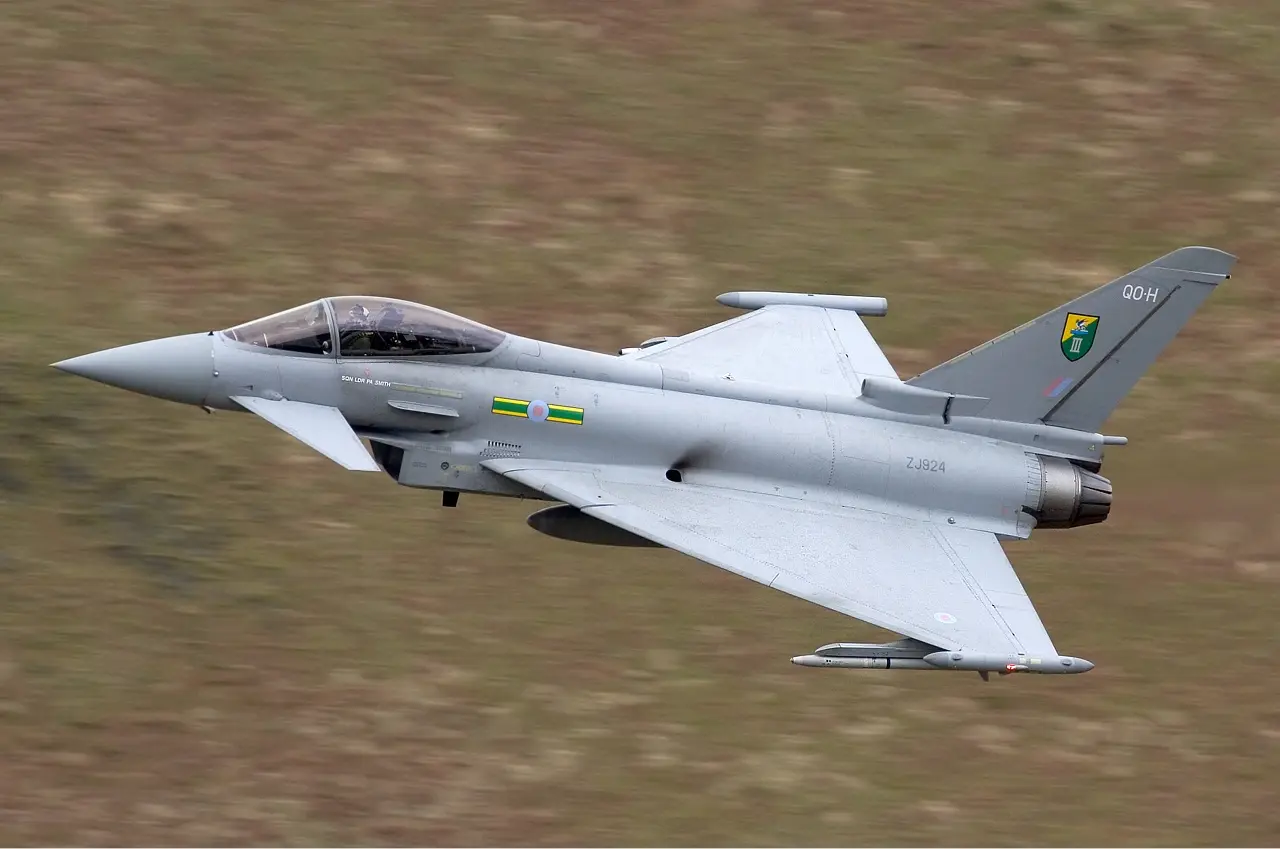
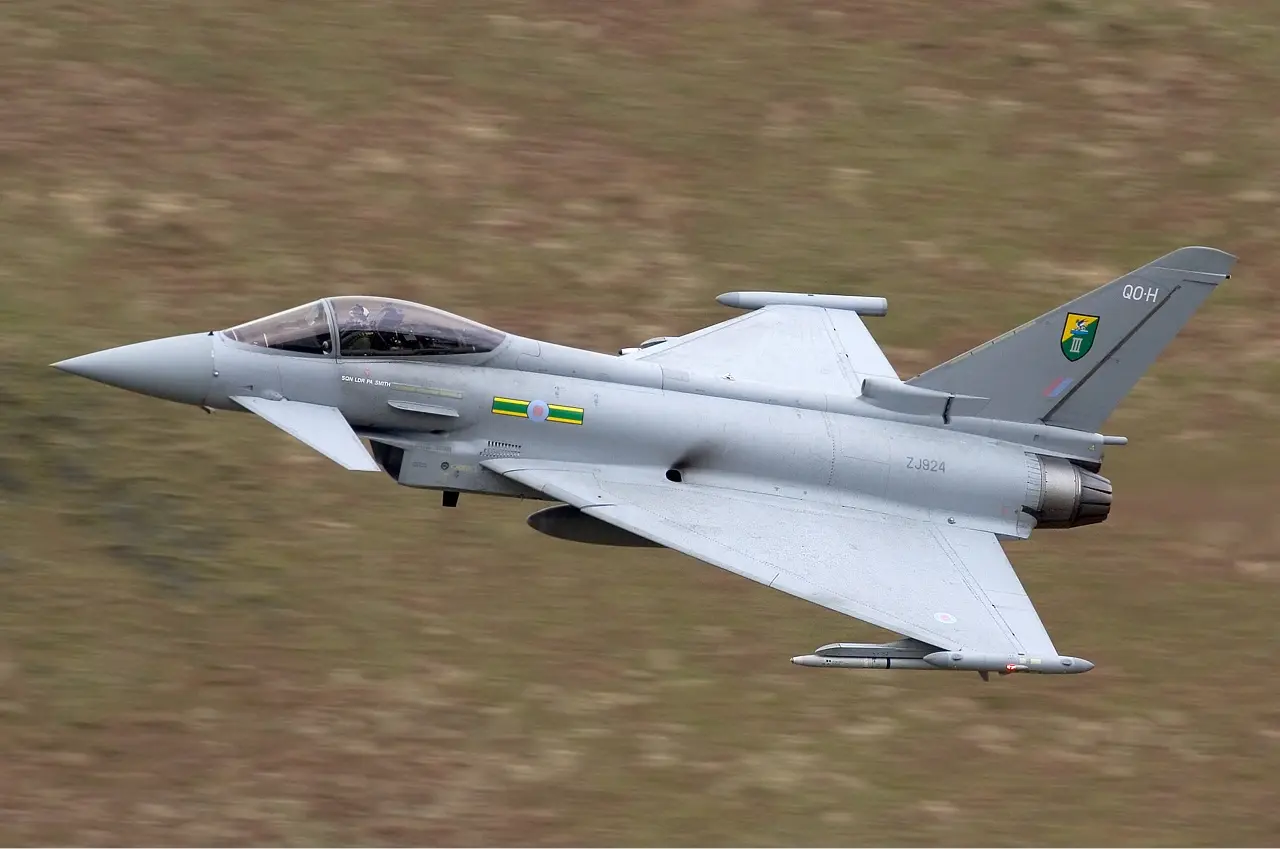
Why Bangladesh's Eurofighter Typhoons won't last 24 hours in a war against India?

While the Eurofighter Typhoon is a world-class jet, acquiring 16 of them does almost nothing to change the outcome of a hypothetical all-out war with India. In the face of overwhelming geographic and numerical odds, these jets would likely be neutralised before they could even fight.
1. The "Kill Box" Geography (Zero Strategic Depth)
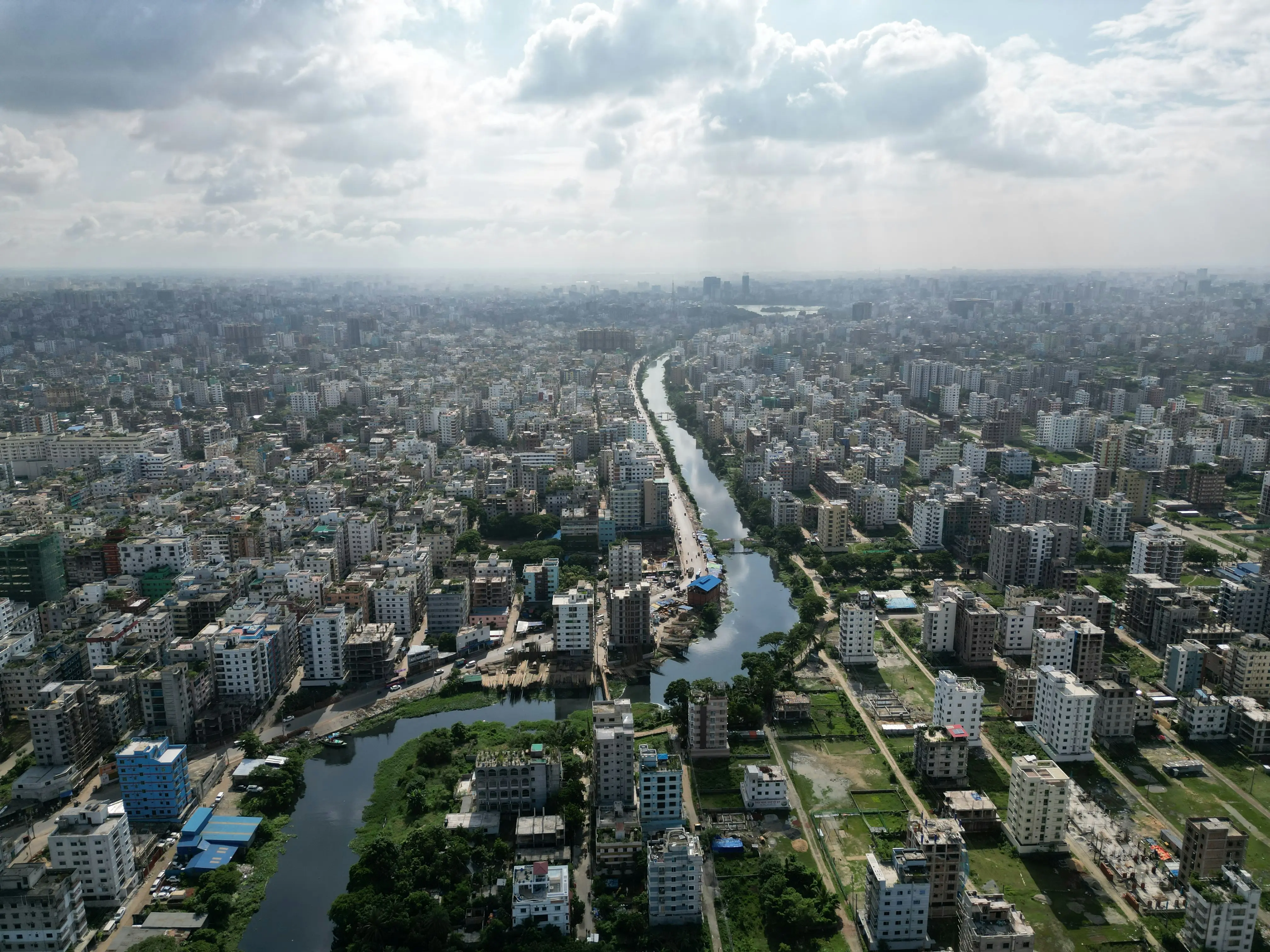
Bangladesh faces a terminal geographic problem: it is surrounded by India on three sides. Unlike Pakistan, which has depth to the west, Bangladesh has nowhere to hide its airbases. Every single BAF airbase, Kurmitola (Dhaka), Zahurul Haque (Chattogram), and Jessore, sits within the striking range of India’s Prithvi and BrahMos missiles. In a war, India would likely crater these runways in the first hour using long-range artillery and cruise missiles, turning the expensive Typhoons into grounded paperweights before they can even take off.
2. The S-400 "No-Fly Zone"
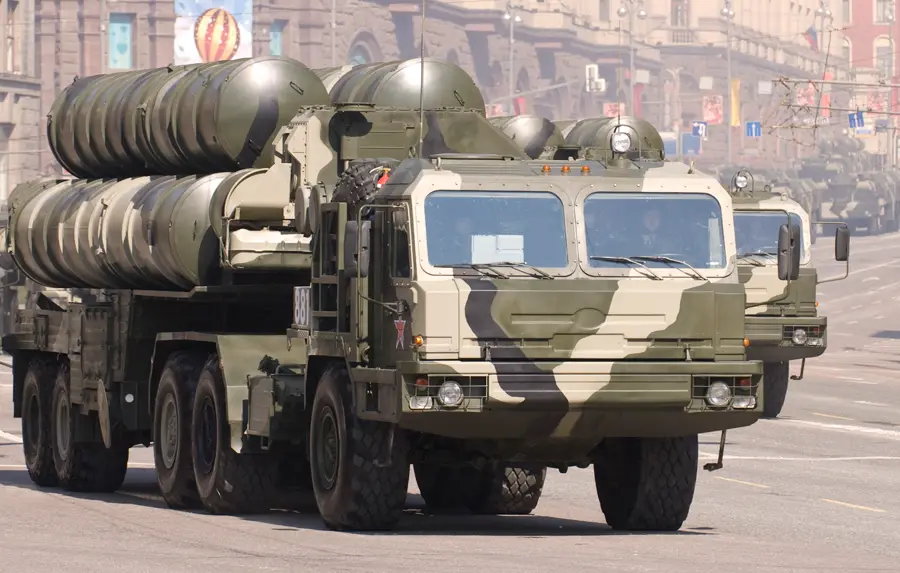
India operates the S-400 Triumf air defense system, deployed in the eastern sector specifically to counter threats from China and the Bay of Bengal. The S-400’s 400km tracking radar covers nearly the entirety of Bangladesh’s airspace while sitting safely inside Indian territory. This means a BAF Typhoon pilot would be "locked on" by Indian missiles the moment their wheels leave the tarmac. They would be fighting defensively inside their own airspace, not projecting power into India.
3. The Brutal Math: 16 vs. 200+
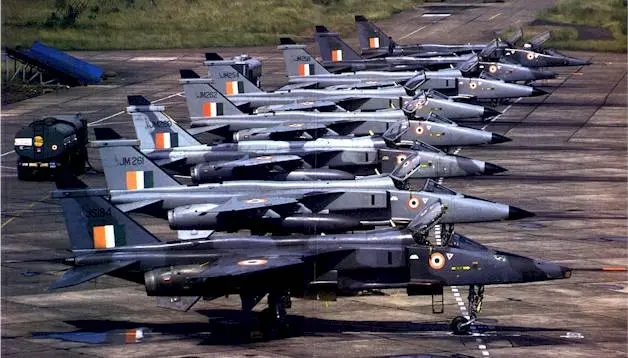
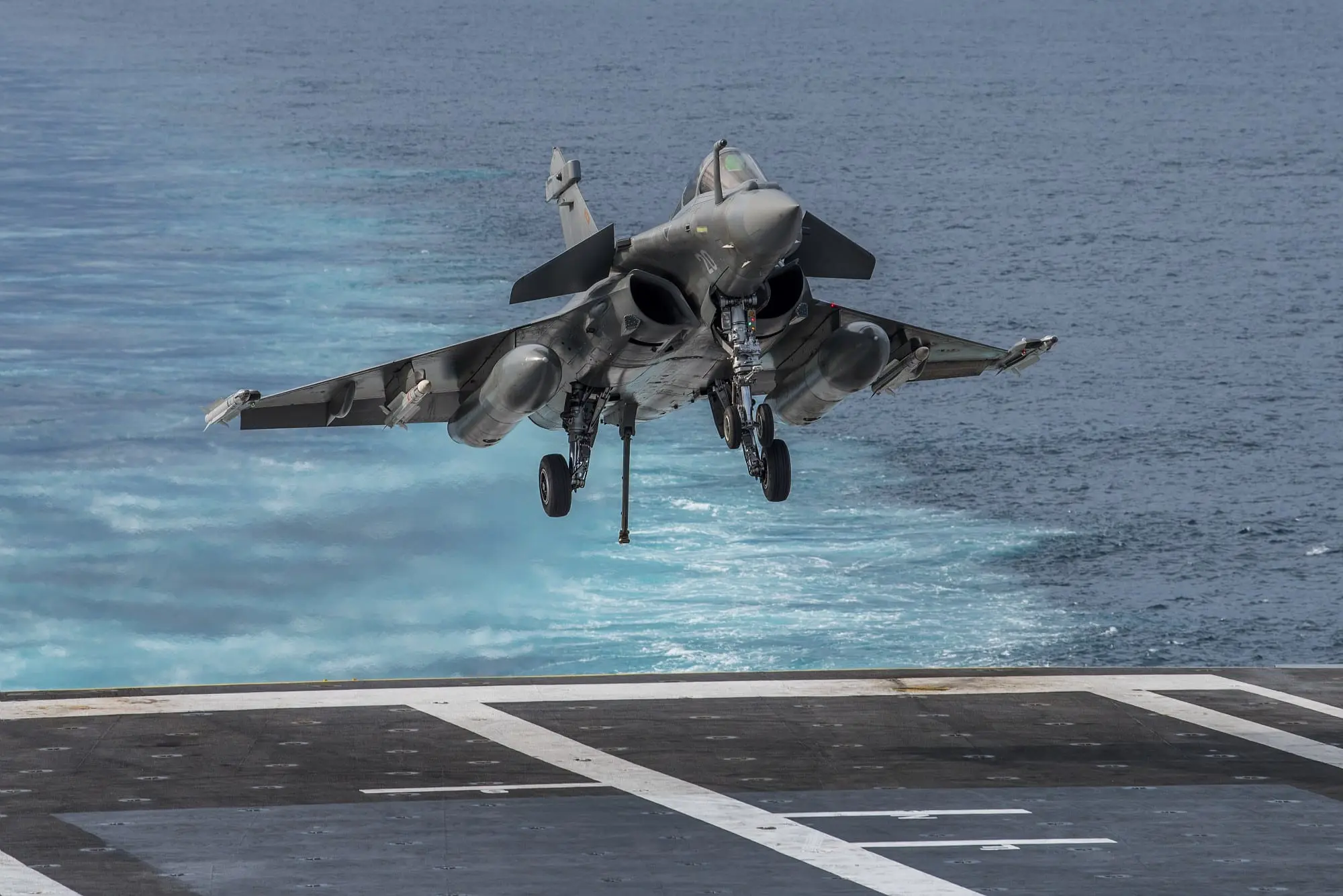
War is a numbers game. Bangladesh is planning to buy roughly 16 Typhoons (one squadron). India’s Eastern Air Command alone can scramble over 200 combat aircraft, including two squadrons of Rafales, multiple squadrons of Su-30MKIs, and upgraded MiG-29s. Even if a Typhoon pilot shoots down 5 Indian jets (an impossible ace ratio), they would simply run out of missiles and fuel before India runs out of planes. It is a "swarm" scenario where quality cannot overcome sheer quantity.
4. Blindness in the Sky (The AWACS Gap)
Modern air war is won by "who sees whom first." India operates a fleet of AWACS (Phalcon and Netra) aircraft that act as "eyes in the sky," directing their fighters to targets from hundreds of kilometers away. Bangladesh lacks comparable airborne early warning assets. This means Indian Rafales would know exactly where the Typhoons are, while the BAF pilots would be flying blind, relying on ground radars that would likely be jammed or destroyed.

5. The Logistics Nightmare
Sustaining a high-tech European jet in a high-intensity war requires a massive, secure supply chain. Bangladesh is currently pivoting from Russian/Chinese tech to European, meaning its logistical lines are immature. In a conflict, India (which controls the sea lines of communication in the Bay of Bengal) could blockade the maritime routes needed to resupply spare parts and munitions for the Typhoons. Without a steady stream of European parts, the jets would become unserviceable within days of high-tempo combat.
6. Vulnerability to "Saturation" Attacks
The Eurofighter is an excellent interceptor, but it has a limited magazine depth (missile capacity). India’s doctrine relies on "saturation attacks"—firing waves of missiles and sending waves of aircraft simultaneously. A flight of 4 Typhoons might shoot down the first wave of 10 incoming threats, but they will be defenceless against the second wave of 20 that follows immediately after. They effectively become "one-shot wonders" that can win a skirmish but lose the battle.
7. Strategic Encirclement
The Typhoon gives Bangladesh "Air Denial" capability over the Bay of Bengal against a smaller power like Myanmar. But against India, the Bay of Bengal is controlled by the Indian Navy, which operates aircraft carriers and destroyers armed with Barak-8 air defence missiles. A BAF Typhoon trying to flank India over the sea would be squeezed between the Indian Air Force over land and the Indian Navy over the water, leaving them no safe operating corridor.
)
)
)
)
)