Why does a B-52 bomber land sideways? The crab-gear trick no other plane in the world uses

Every aircraft lands facing the direction it is flying — except the B-52. Its landing gear can rotate up to 20 degrees, allowing it to touch down while pointing in an entirely different direction. Here is why this bizarre design exists and why no other plane has copied it.
The Problem With Big Wings In Wind
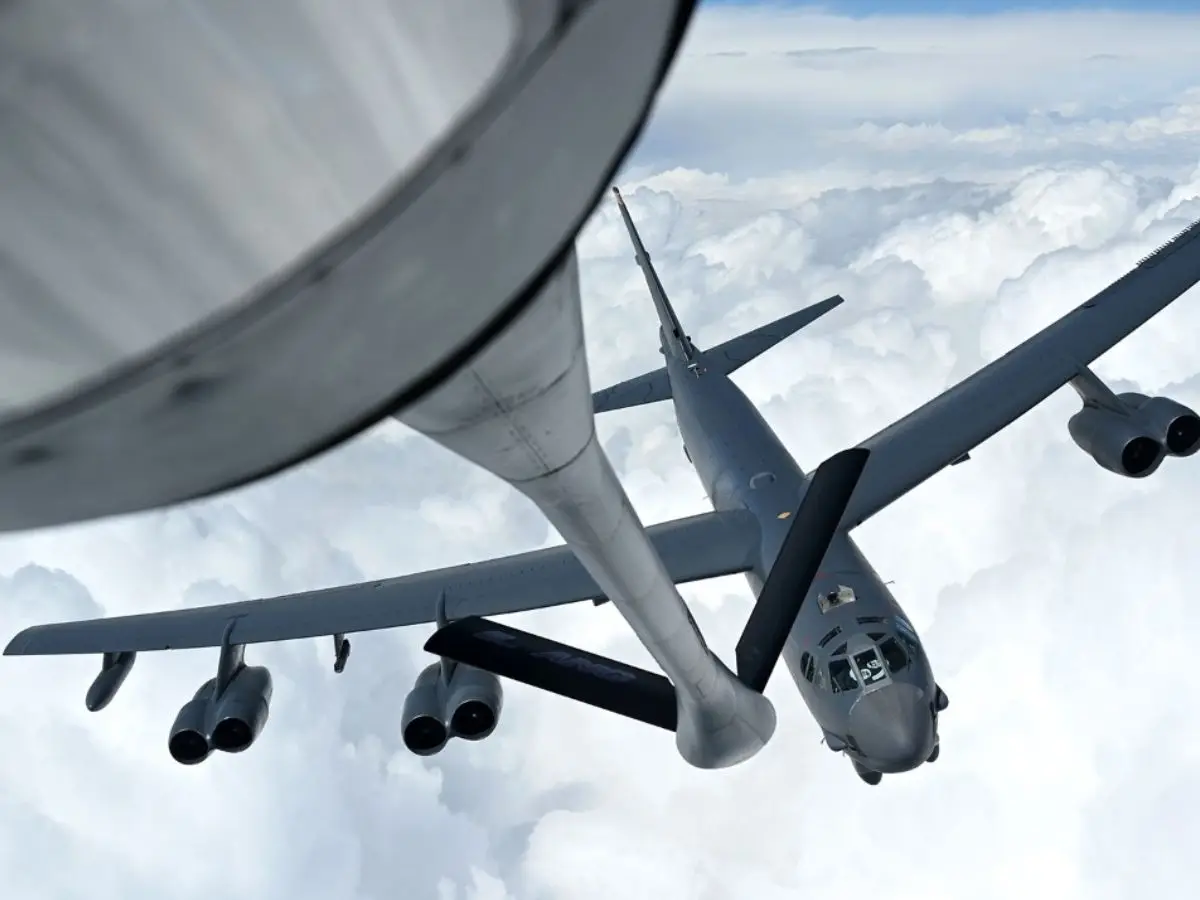
The B-52 has a wingspan of 185 feet. In a crosswind — wind blowing across the runway rather than along it — a wing that large generates enormous side forces. Most aircraft correct this by angling into the wind just before touchdown, a technique called crabbing. The B-52 took a completely different approach.
Gear That Actually Rotates
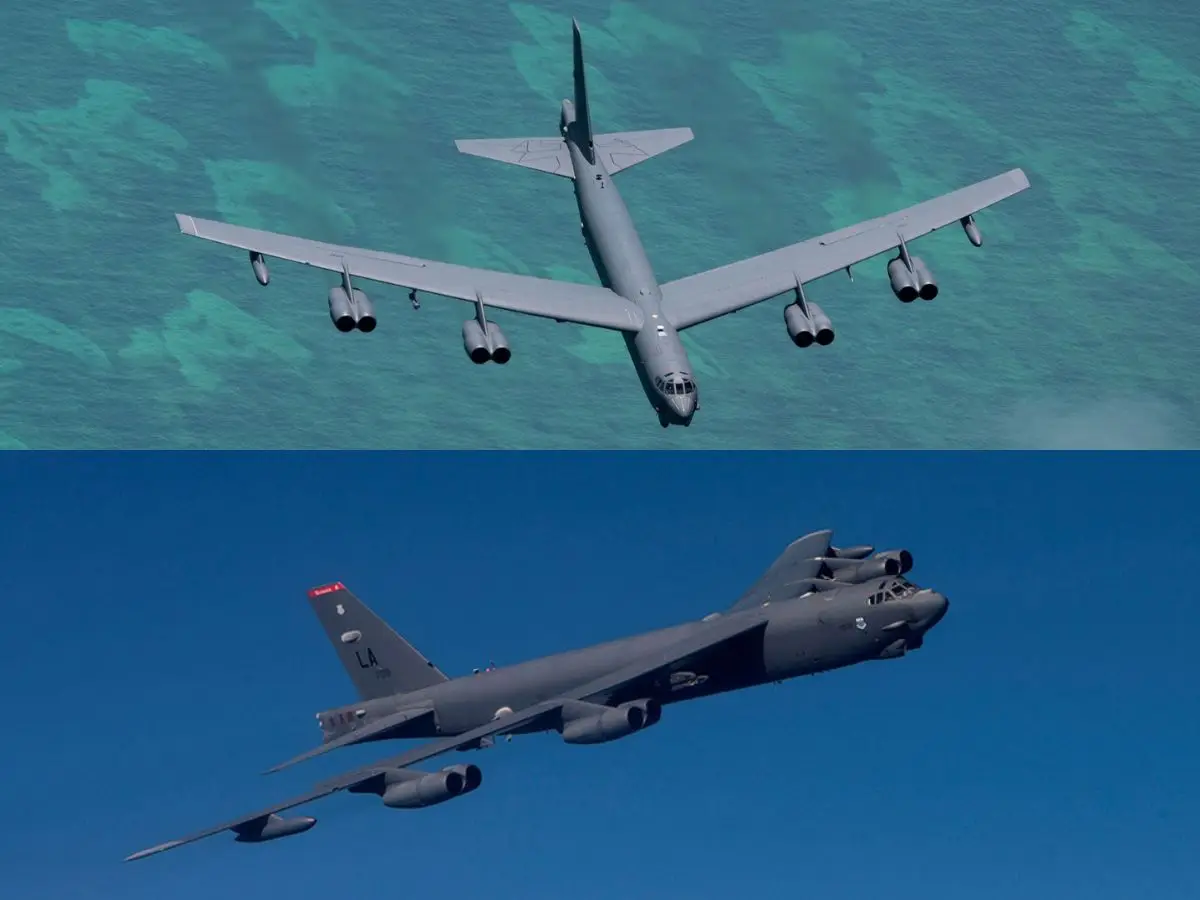
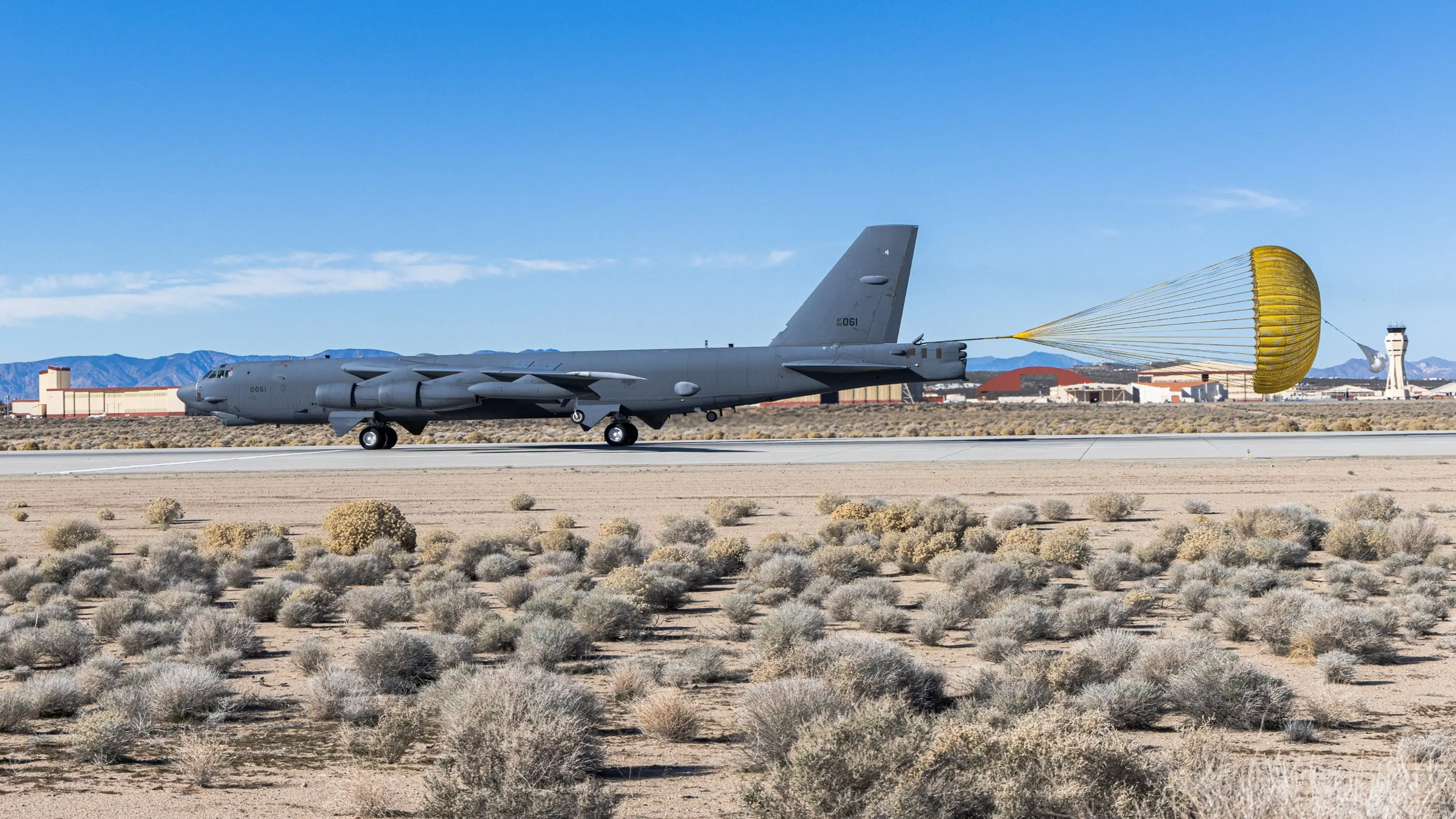
Boeing engineers designed the B-52's four main landing gear bogies to swivel independently up to 20 degrees left or right of centre. This means the pilot can align the aircraft's body with the runway while the wheels point in a different direction — like a shopping trolley that tracks differently from the direction you push it.
Landing While Pointing Somewhere Else
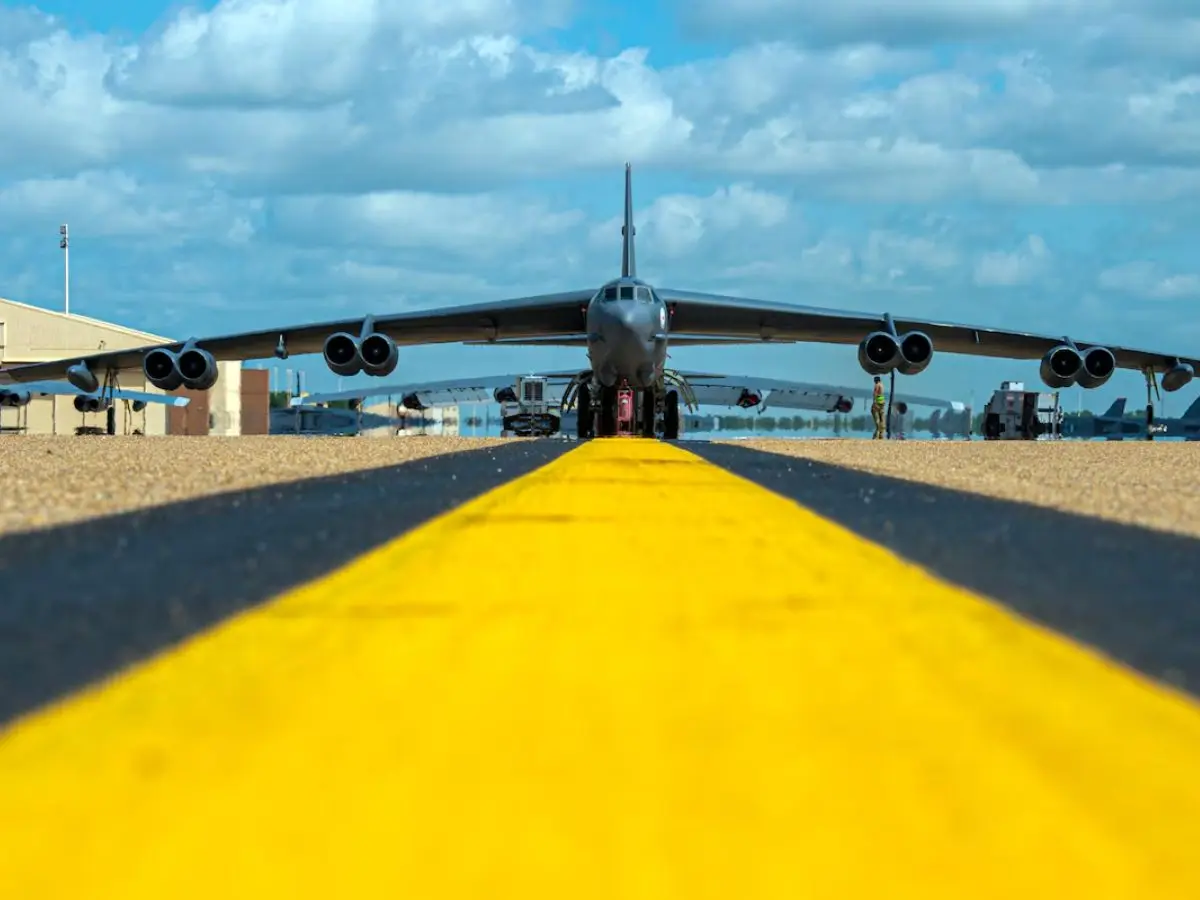
In a strong crosswind, a B-52 pilot sets the gear angle to match the runway direction, then lets the aircraft drift sideways into alignment on final approach. The aircraft's nose may be pointing 15 degrees away from the runway centreline at the moment of touchdown. The gear absorbs the difference. It works — and it looks deeply wrong from the ground.
Like Parallel Parking At 150mph
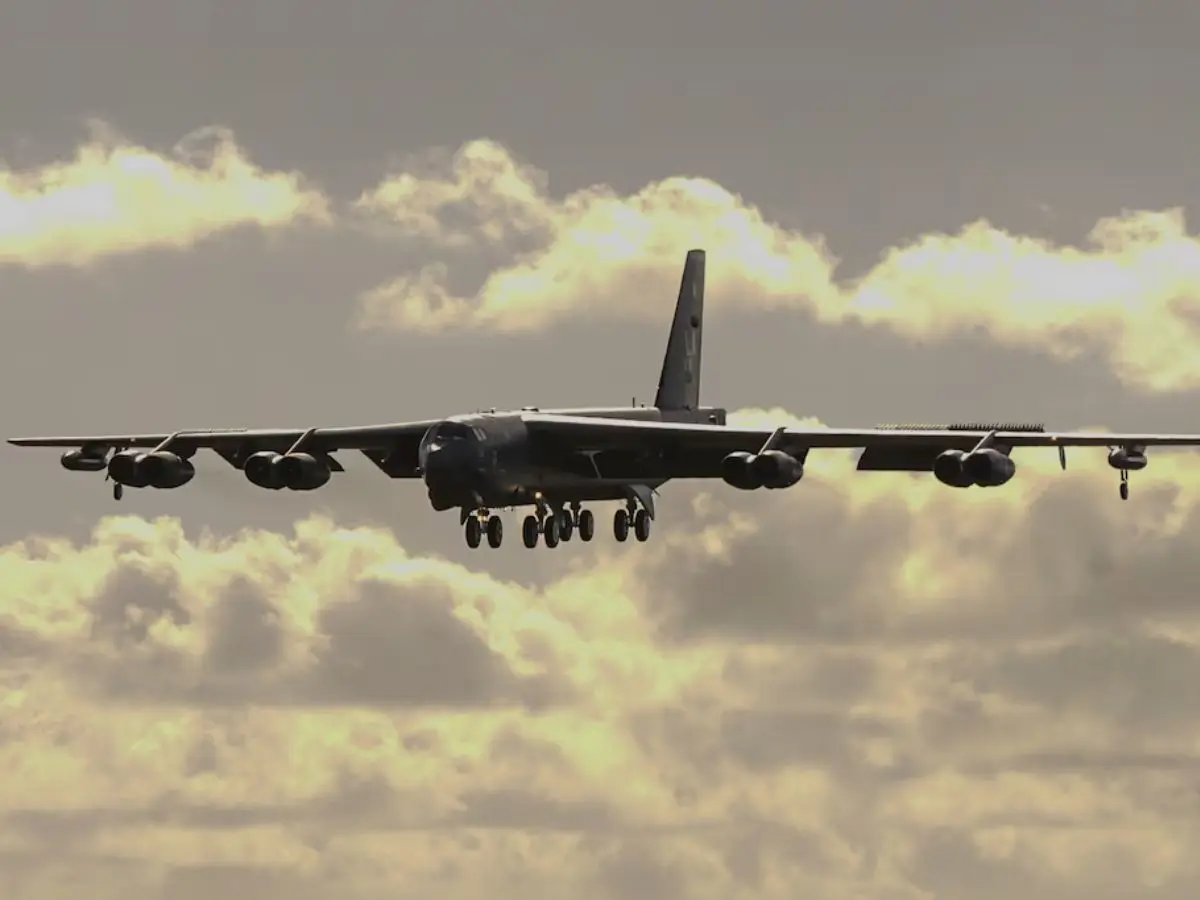
Pilots who have described the crosswind landing compare it to parallel parking: you are not approaching the space straight-on, you are managing an angle and letting the geometry sort itself out at the last moment. Except the space is a runway, you are going 150 miles per hour, and the vehicle weighs 185 tonnes.
Why No Other Plane Copied It
The rotating gear system adds weight, mechanical complexity, and maintenance burden. Modern aircraft deal with crosswinds using stronger undercarriage, wider track gear, and pilot technique rather than mechanical steering. The B-52's system was engineered for its specific combination of enormous wingspan and relatively narrow gear track — a problem most aircraft do not have at the same scale.
What Happens If The Gear Jams
If the gear fails to rotate and locks straight, the pilot faces a conventional crosswind landing with no mechanical assist — manageable but significantly harder. If it jams at an angle, the landing becomes genuinely dangerous. Ground crews verify gear alignment before every landing, and the system has its own dedicated checklist items that are non-negotiable.
Still Doing It After 70 Years
The rotating crab-gear system has been on the B-52 since the first production models in the 1950s. It has never been removed or fundamentally redesigned. In seven decades of operations, through every upgrade and modification programme, the sideways-landing gear remains one of the most distinctive and peculiar features of the world's longest-serving bomber — and one of the most reliable.
)
)
)
)
)