Why are the B-52 bomber's wings so long and flexible?

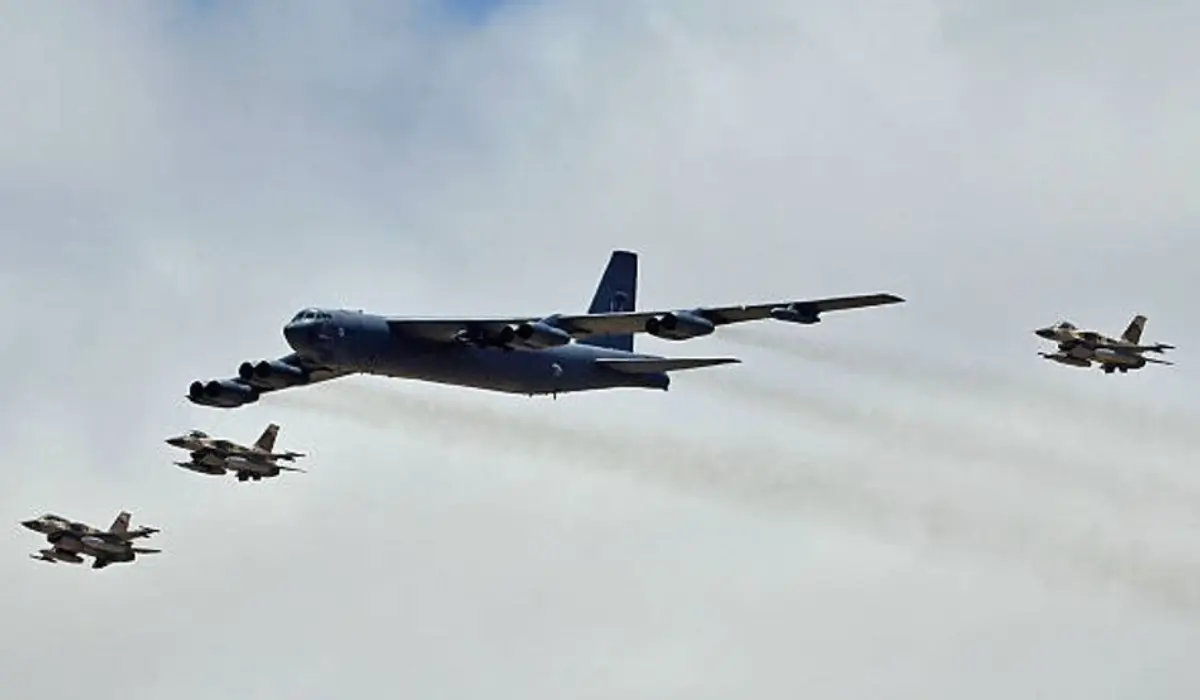
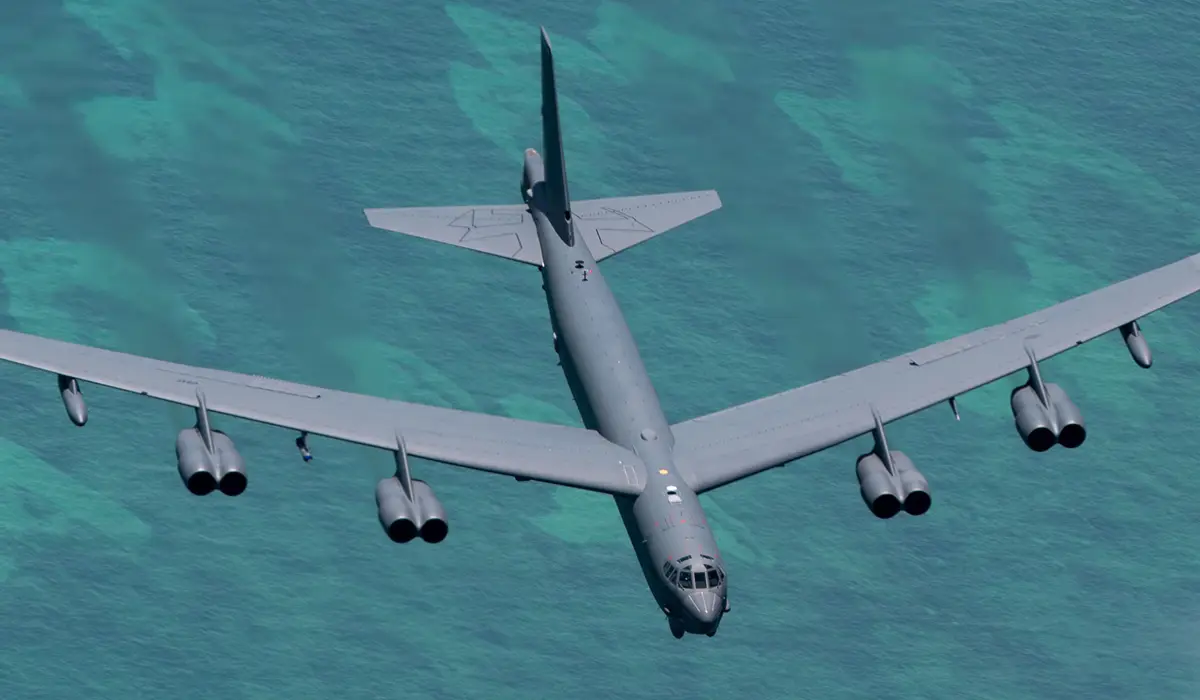
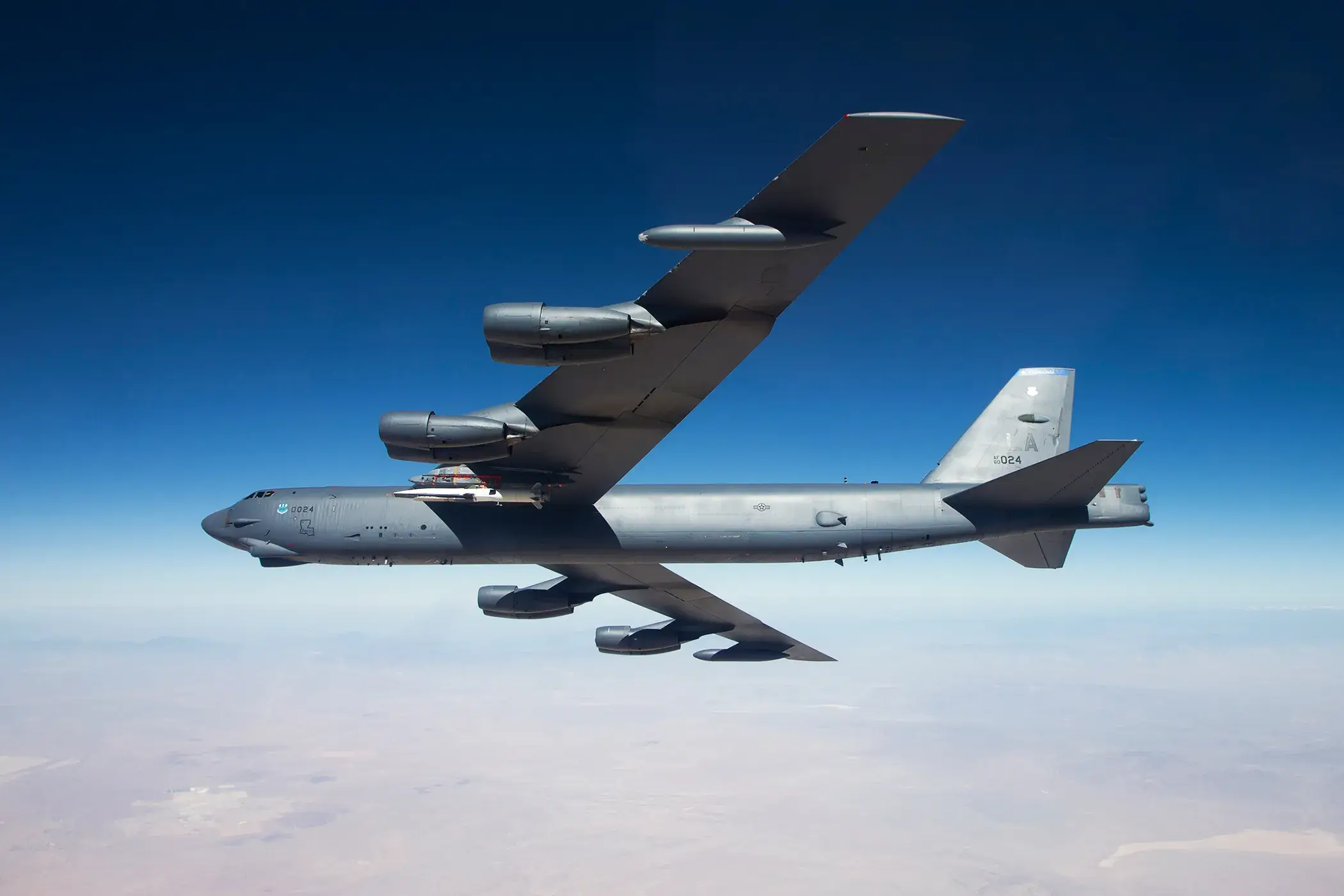
The B-52 bomber features a massive 185-foot flexible wing that acts as a giant shock absorber. The wingtips can bend upward by 22 feet in flight and droop downward by 11 feet on the ground, requiring special outrigger wheels while preventing structural cracks during heavy turbulence.
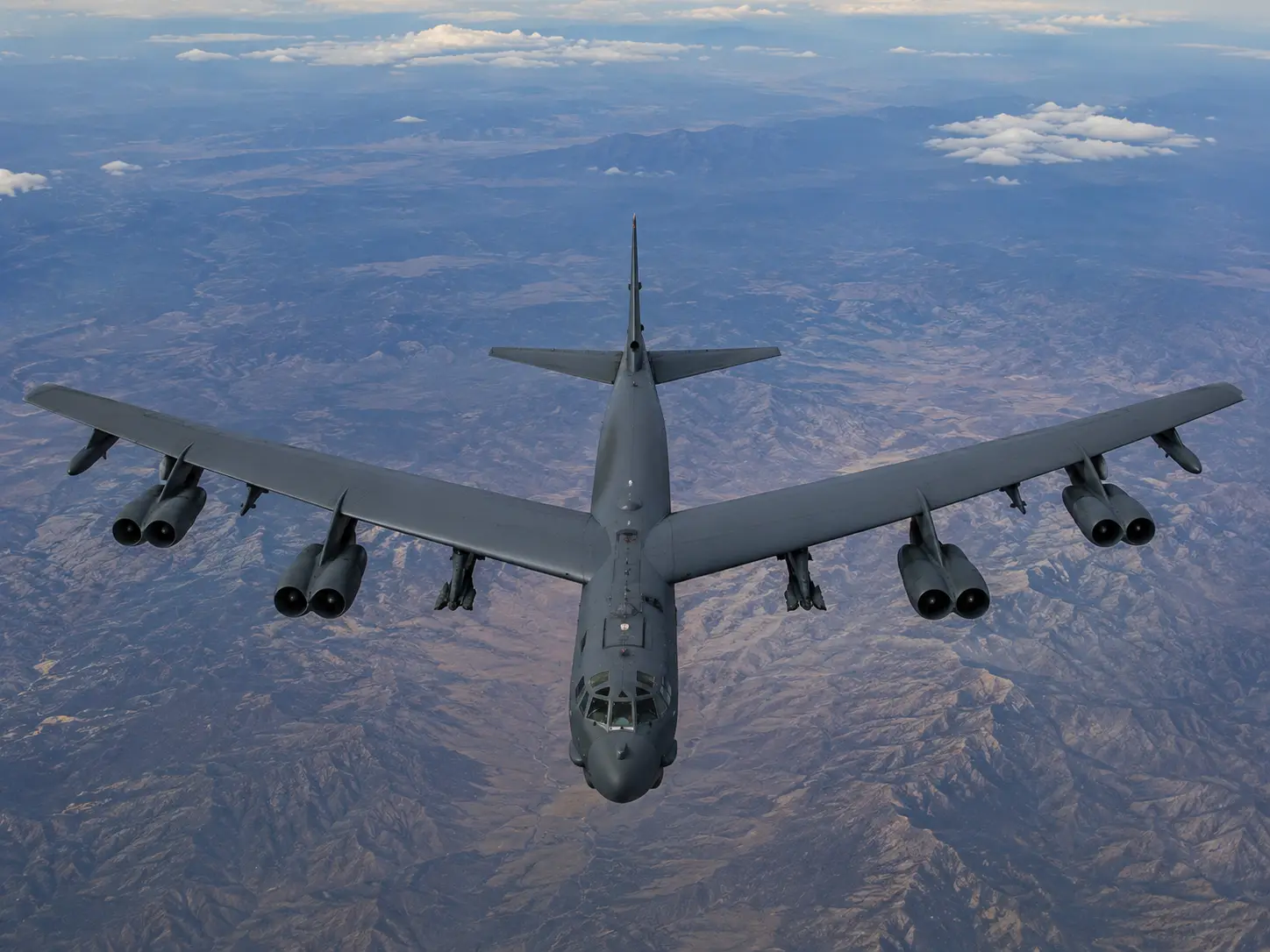
A Massive 185-Foot Span
The B-52 Stratofortress features an enormous high-aspect-ratio wing measuring exactly 185 feet across. This long, slender design is heavily optimised to provide maximum aerodynamic efficiency during intercontinental combat missions.
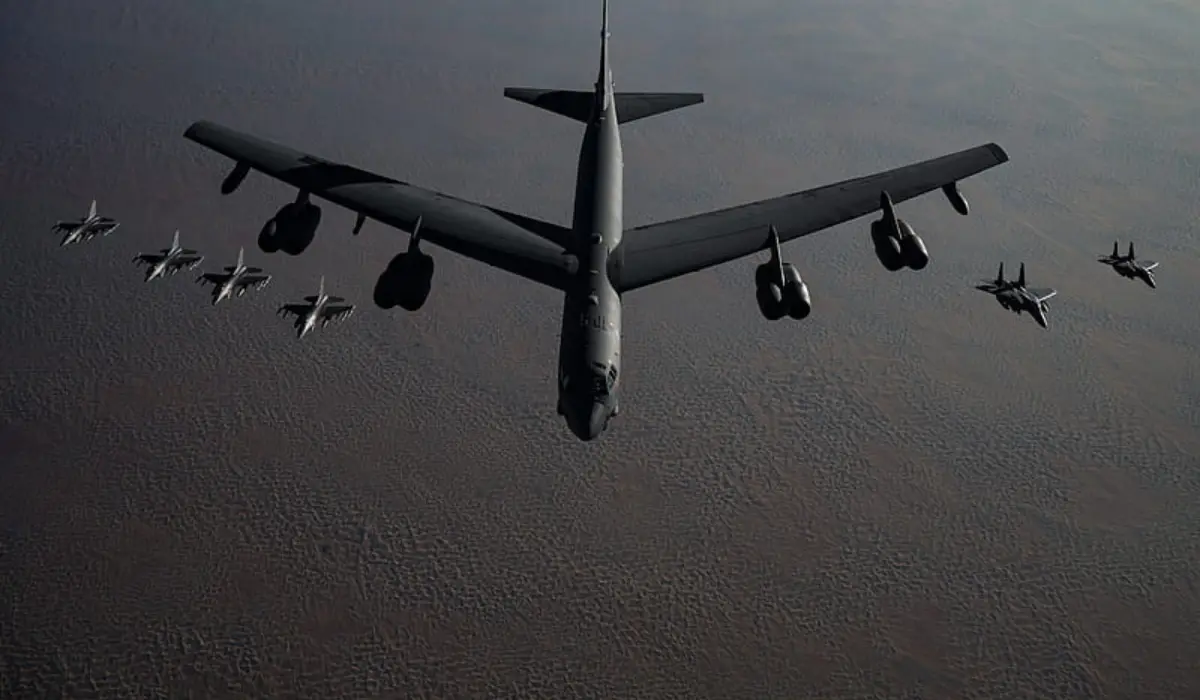
Built to Bend
Instead of remaining entirely rigid, aerospace engineers deliberately designed the heavy bomber's wings to flex significantly under extreme physical load. This crucial structural flexibility prevents dangerous metal fatigue during turbulent flights and aggressive manoeuvres.
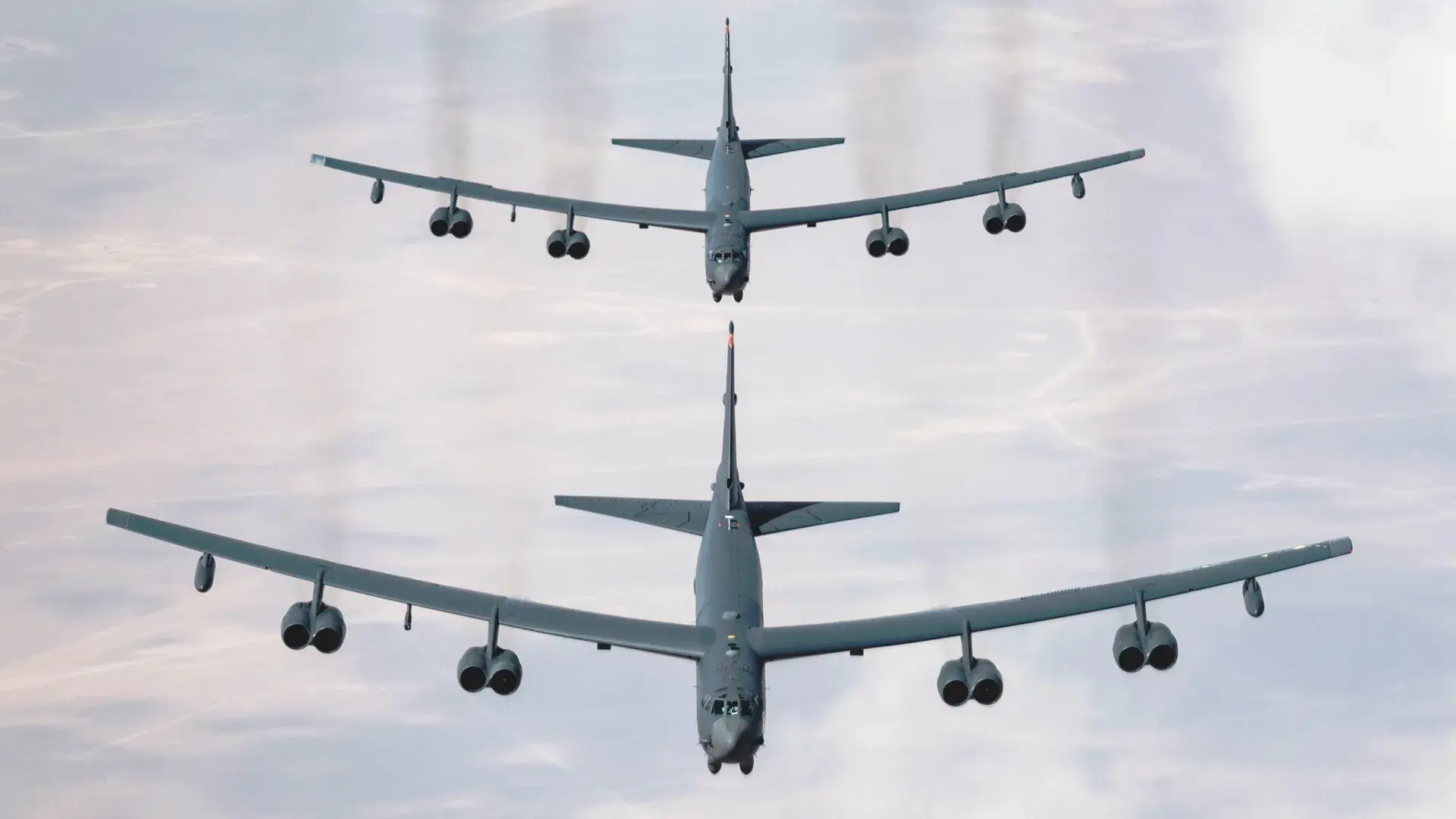
Extreme Upward Flex
The massive wingtips boast an incredible range of vertical motion depending on aerodynamic stress. When generating maximum lift in flight, the flexible wingtips can safely bend upward by an astonishing 22 feet.
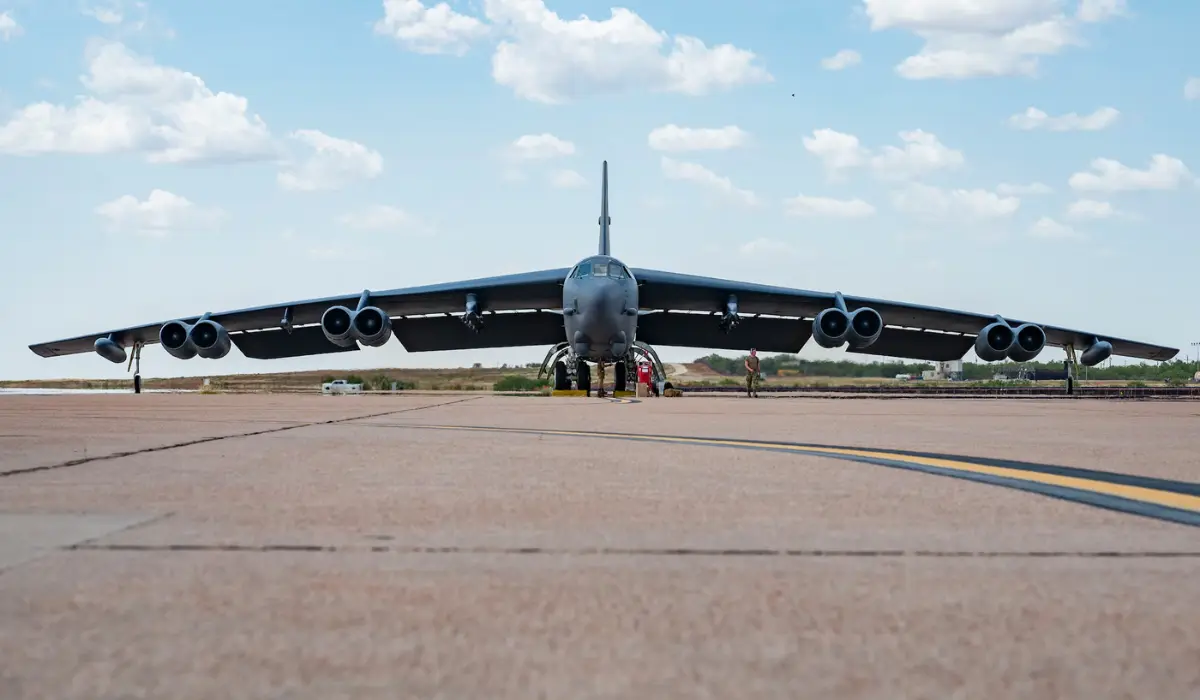
Drooping on the Tarmac
When parked on the ground and fully loaded with heavy jet fuel, the wings naturally sag downward by up to 11 feet. This extreme physical droop completely transforms the visual profile of the aircraft before takeoff.
Essential Outrigger Wheels
Because the heavy wings sag so close to the ground, engineers had to install specialised outrigger landing gear. These small wheels sit near the wingtips to prevent the aircraft from dragging metal across the concrete runway.
A Giant Aerial Spring
In the air, this extreme flexibility acts exactly like a massive mechanical shock absorber for the heavy aircraft. Rather than rigidly fighting atmospheric turbulence, the wings continuously bend to smooth out the ride for the flight crew.
Surviving Aerodynamic Stress
During steep banking turns, this unique elasticity allows the massive bomber to safely absorb and redistribute intense physical forces. Without this precise flexibility, the heavy central fuselage would likely crack under severe aerodynamic pressure.
)
)
)
)
)