Why are new fighter jets slower than old ones? The shocking reason will surprise you

Survivability hinges on being harder to track, better networked, and quick to outmanoeuvre threats, proving that speed alone no longer wins the fight.
A Surprising Trend
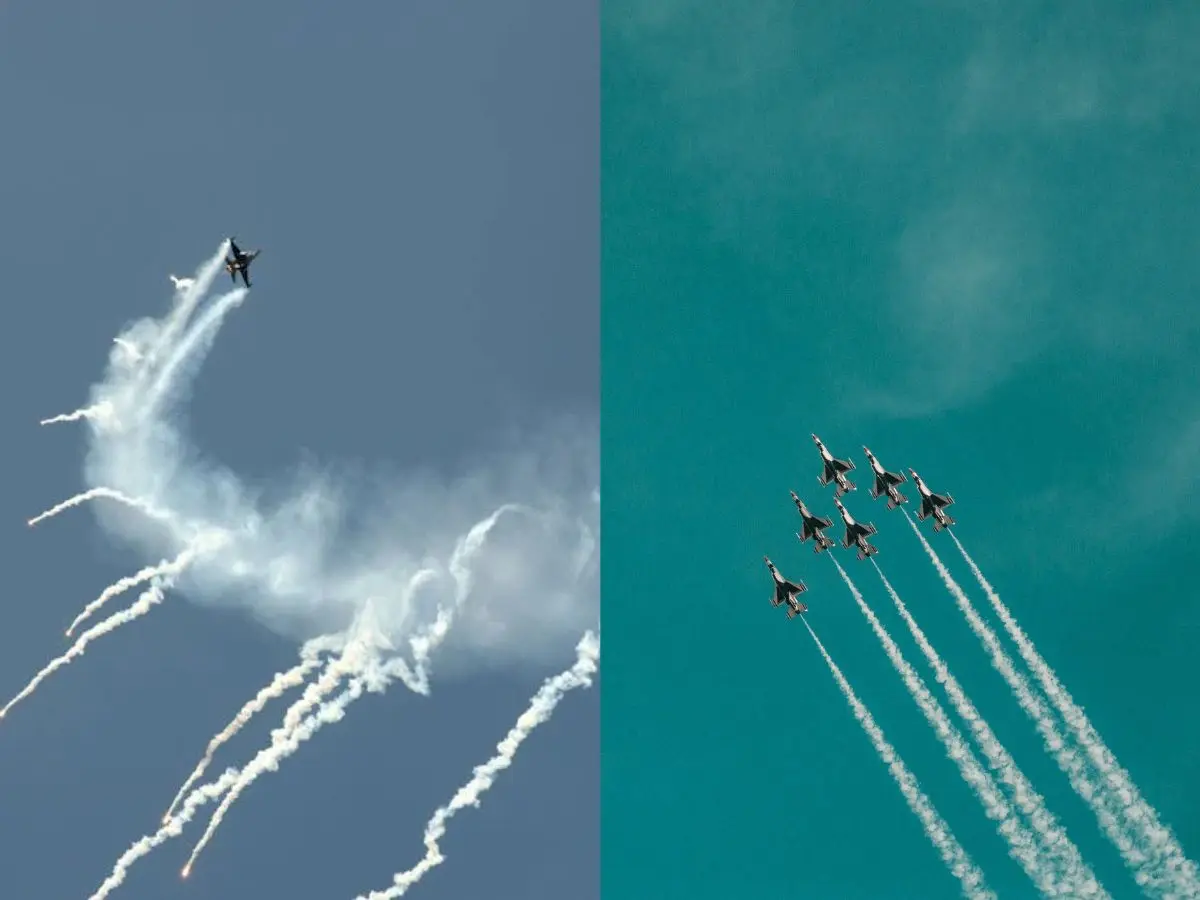
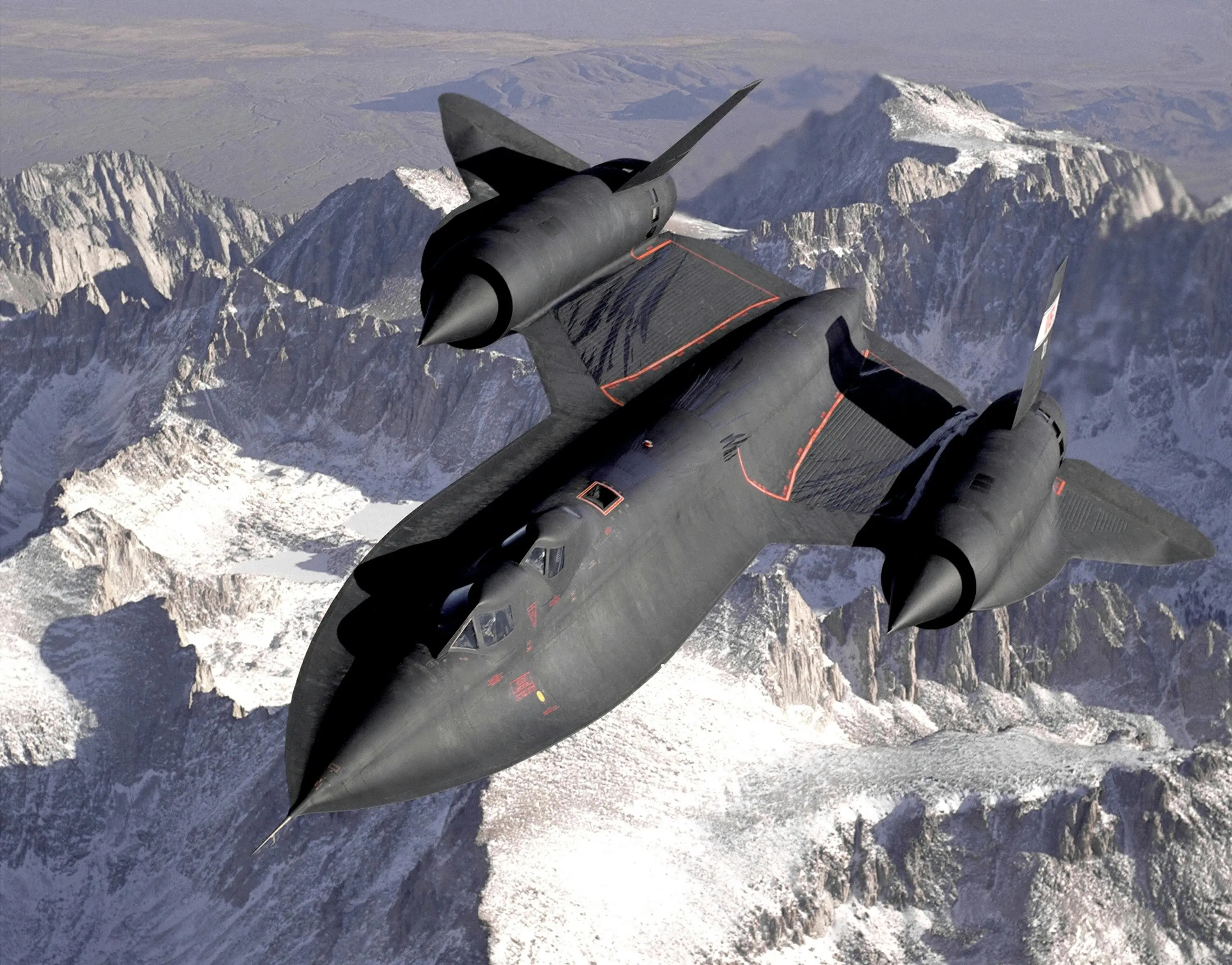
During the Cold War, jets like the MiG‑25 could sprint past Mach 2.8, while today’s cutting‑edge fighters, such as the F‑35 Lightning II, peak at around Mach 1.6. At first glance, it seems counter‑intuitive that newer aircraft are slower than designs from half a century ago. Yet this is no accident. Once, raw speed was everything; now, designers trade extreme velocity for stealth, range and advanced sensors. Decades of operational data show that modern combat rarely rewards pure speed. Instead, survivability hinges on being harder to track, better networked, and quick to outmanoeuvre threats, proving that speed alone no longer wins the fight.
From Cannons to Missiles
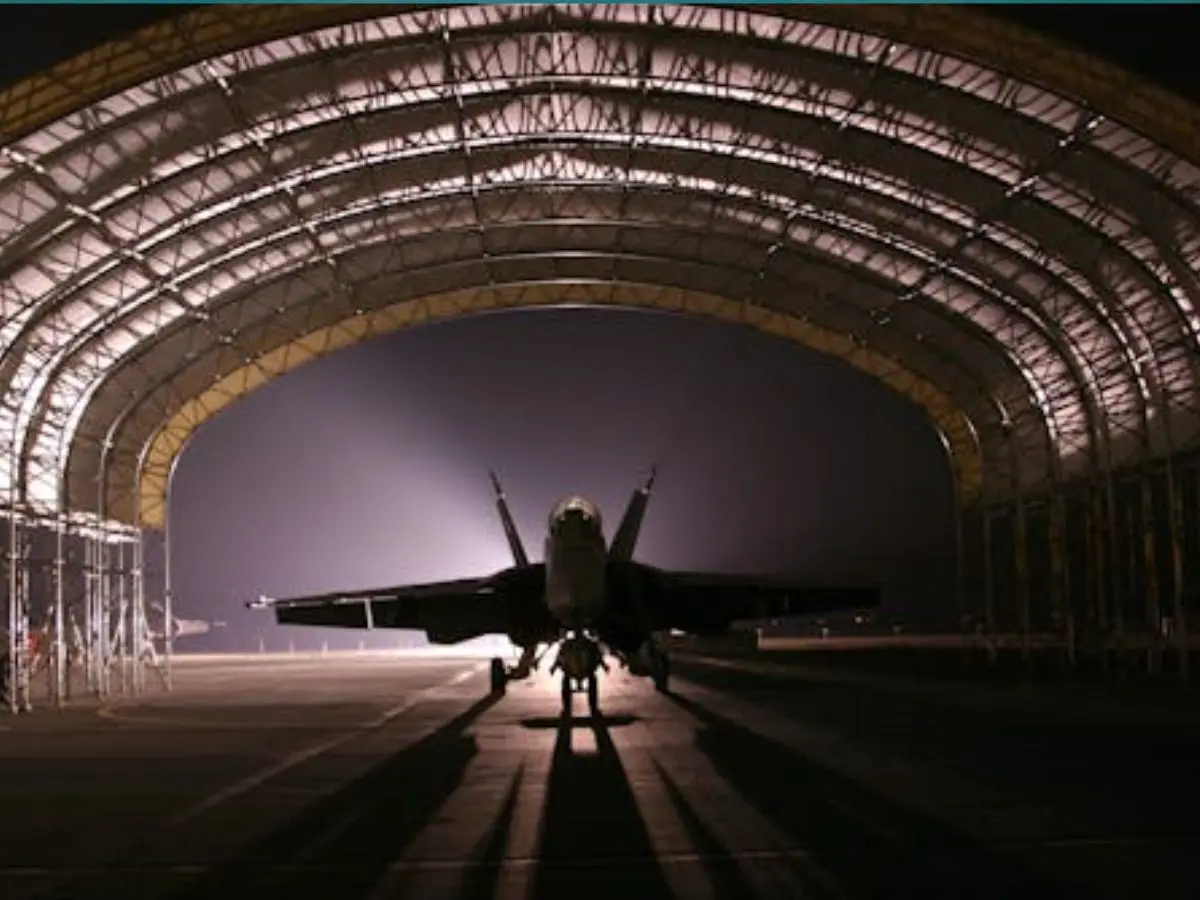
In the early jet age, speed was crucial to outmanoeuvre enemies or escape ground fire. The F‑104 Starfighter (Mach 2) and MiG‑23 (Mach 2.2) were built for raw velocity. But since the Vietnam War, air‑to‑air combat has relied on missiles capable of speeds above Mach 3. This made extreme top speed less decisive.

Stealth over Speed
Modern stealth relies on shaping and radar‑absorbent coatings, both compromised by large air intakes and sharp edges needed for extreme speed. Designs like the F‑22 Raptor trade some maximum speed to reduce radar cross‑section and heat signature. Supersonic flight also raises infrared visibility, making aircraft easier to target.
Fuel and Efficiency
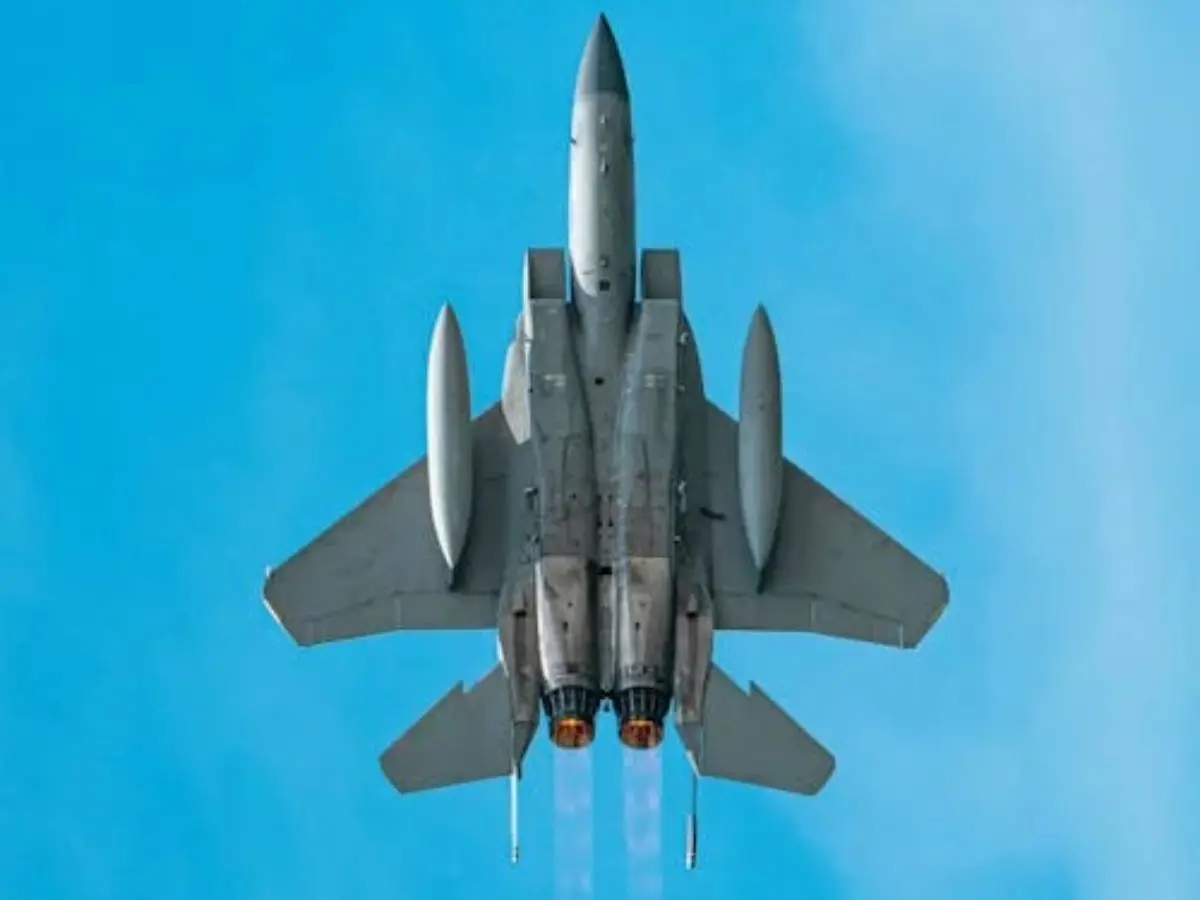
Older jets used afterburners heavily to reach top speeds, consuming fuel rapidly. Modern fighters typically supercruise, flying supersonic without afterburners, at lower speeds (e.g. Rafale: Mach 1.4). This extends combat range and patrol time, a bigger advantage in real missions.
Maneuverability Matters More
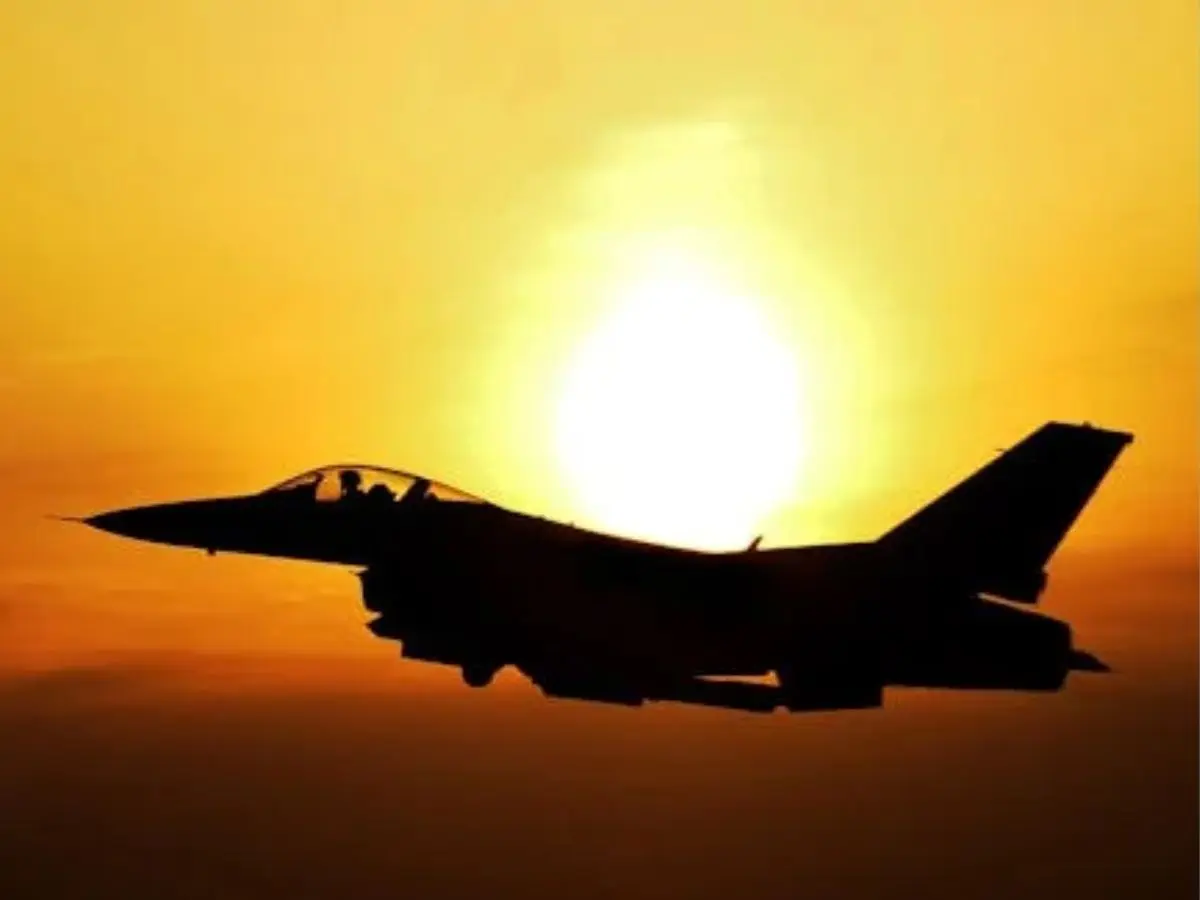
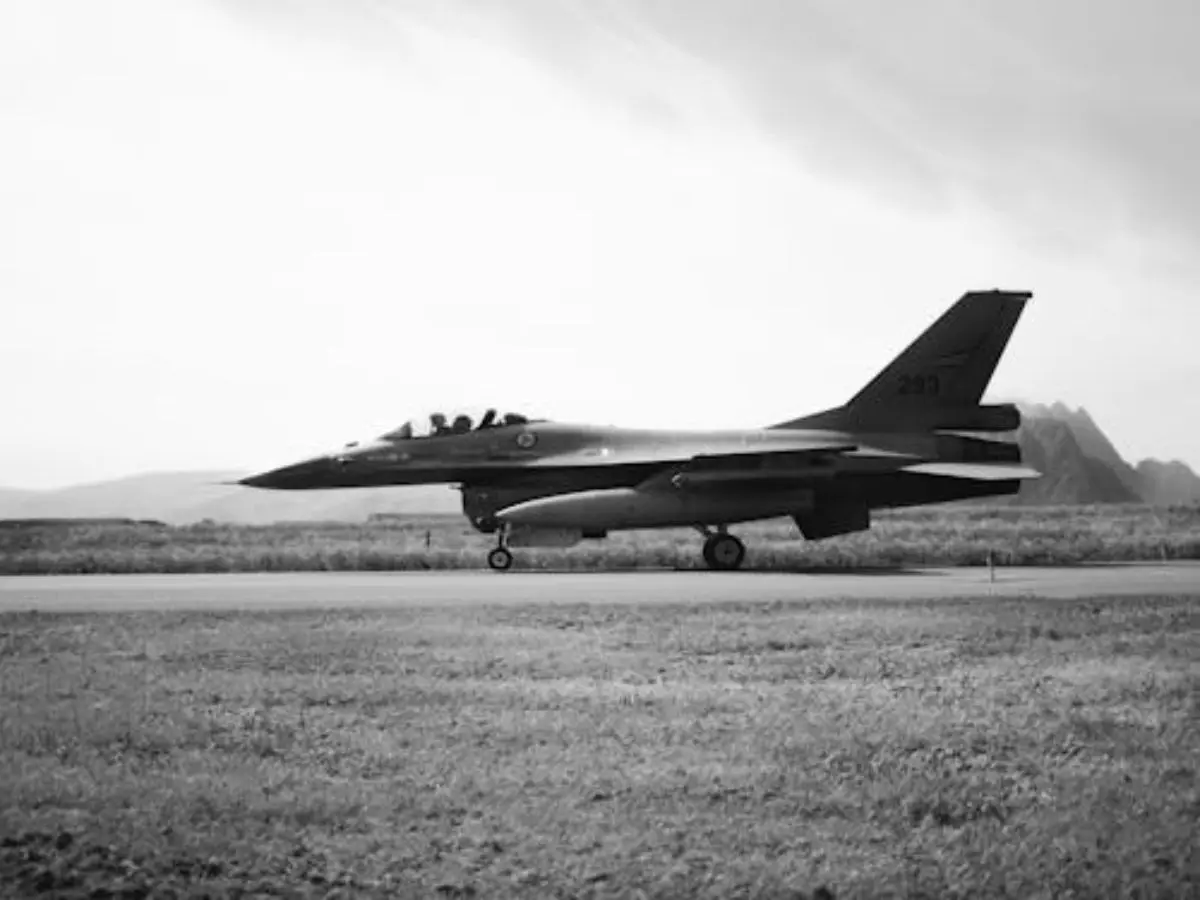
Combat rarely takes place at top speed. Instead, high thrust‑to‑weight ratios and advanced flight controls allow tight turns and fast acceleration. The F‑22 has a thrust‑to‑weight ratio over 1:1, enabling vertical climbs and rapid changes of direction, more useful than flying at Mach 2.5.
Missiles Changed the Equation
In the Gulf War, US fighters capable of Mach 2 seldom exceeded Mach 1. Even with faster opponents, pilots relied on radar‑guided missiles launched from distance. Today, BVR (beyond‑visual‑range) combat makes sustained top speed less relevant than sensors and networked targeting.
Designed for the Real Battlefield
Modern jets carry larger payloads, advanced radars, and electronic warfare gear. They are optimised to survive against modern air defences rather than win a race. While third‑generation jets like the F‑4 Phantom were fastest on average, fifth‑generation designs prioritise stealth, range, and situational awareness.
)
)
)
)
)