Who is Clay Higgins? The Only US lawmaker who voted against releasing the ‘Epstein Files’

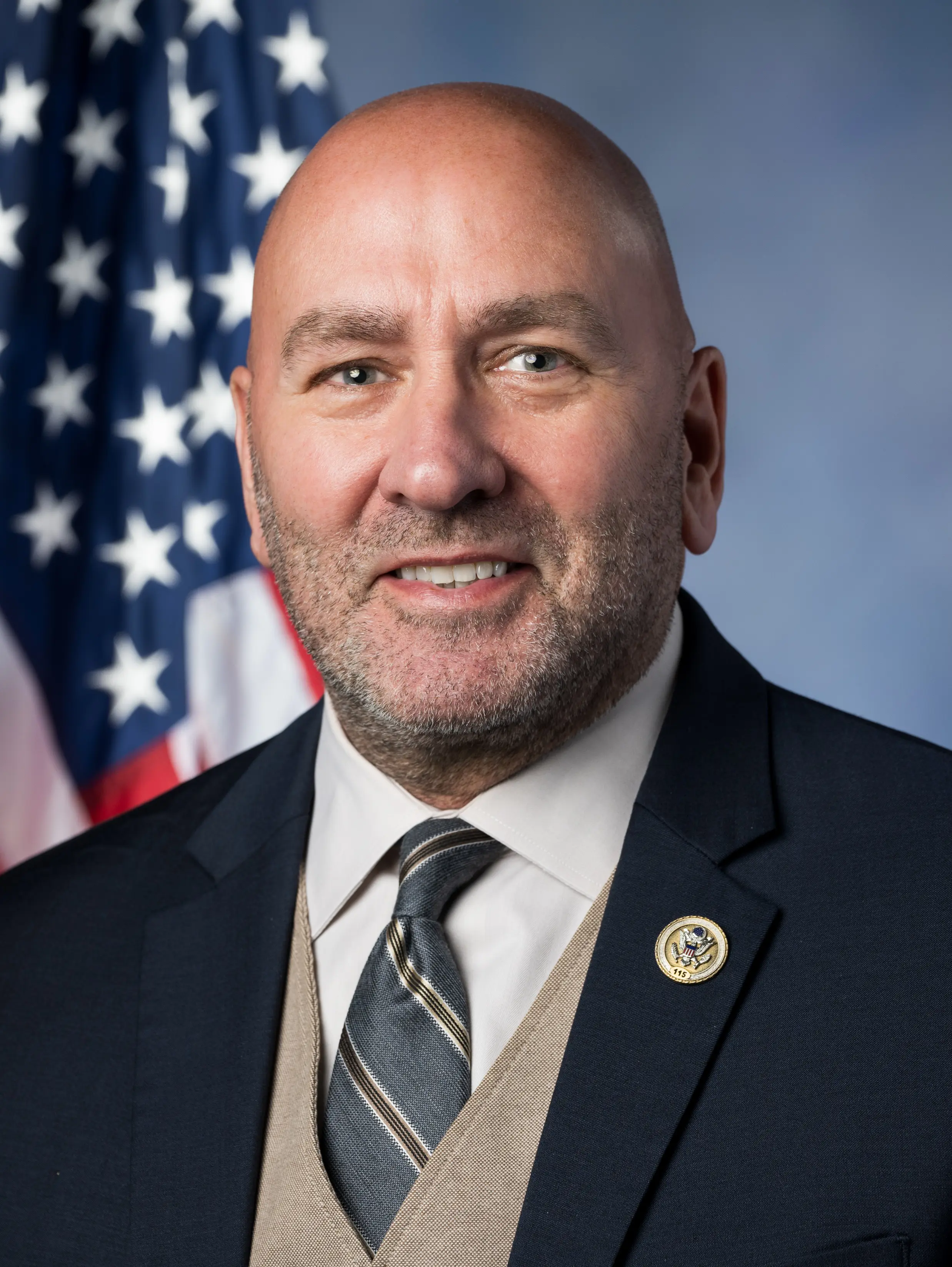
Clay Higgins drew national attention after being the sole member of the US House to vote against releasing all federal files related to Jeffrey Epstein. His vote was not based on opposition to transparency itself, but concerns about exposing people not accused of wrongdoing.

1. Basic Profile & Background
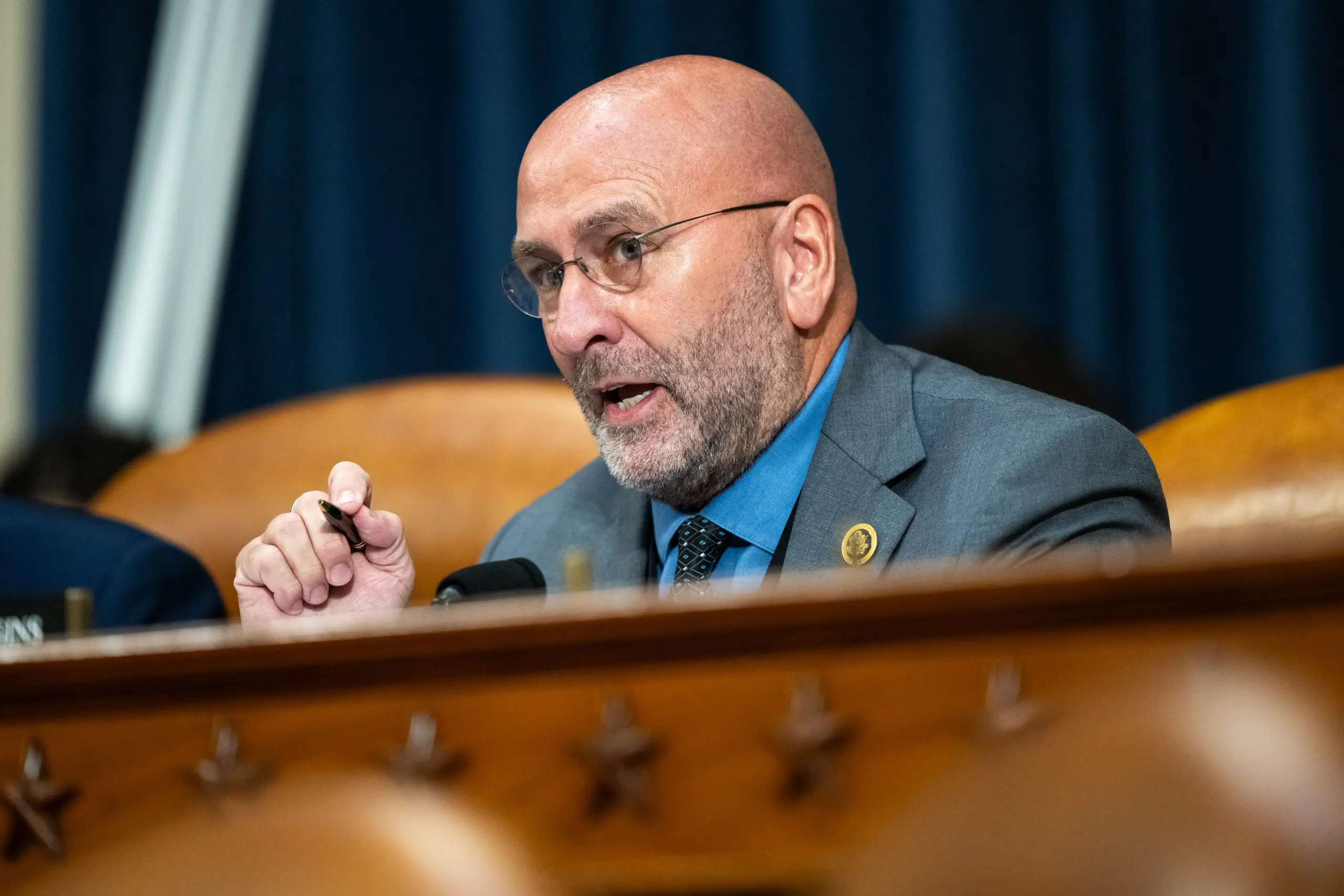
Clay Higgins is a Republican congressman representing Louisiana’s 3rd District, serving in the US House since 2017. Before joining Congress, he spent years working in law enforcement, which shaped his public identity and political positions. He is known for a direct communication style and often frames policy debates through a law-and-order lens.
2. Law Enforcement & Military Career
Higgins previously served in the US Army’s Military Police Corps and held several policing roles in Louisiana, including assignments in Opelousas, Port Barre, and the St. Landry Parish Sheriff’s Office. These roles contributed to his reputation as a tough, outspoken former officer. His background continues to influence his approach to criminal-justice legislation and investigative oversight in Congress.
3. Political Identity
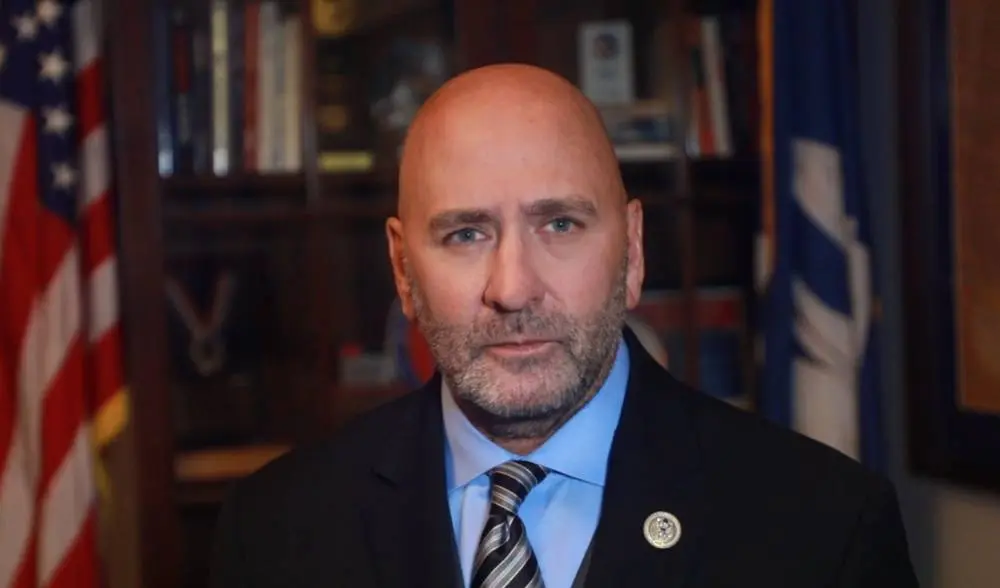
He is aligned with the conservative wing of the Republican Party and is a member of the House Freedom Caucus. His policy positions focus on limiting government power, strengthening border enforcement, and promoting constitutional conservatism. As a legislator, Higgins regularly emphasizes transparency, accountability, and strict adherence to due process.
4. Why He Voted Against the Epstein Files Release
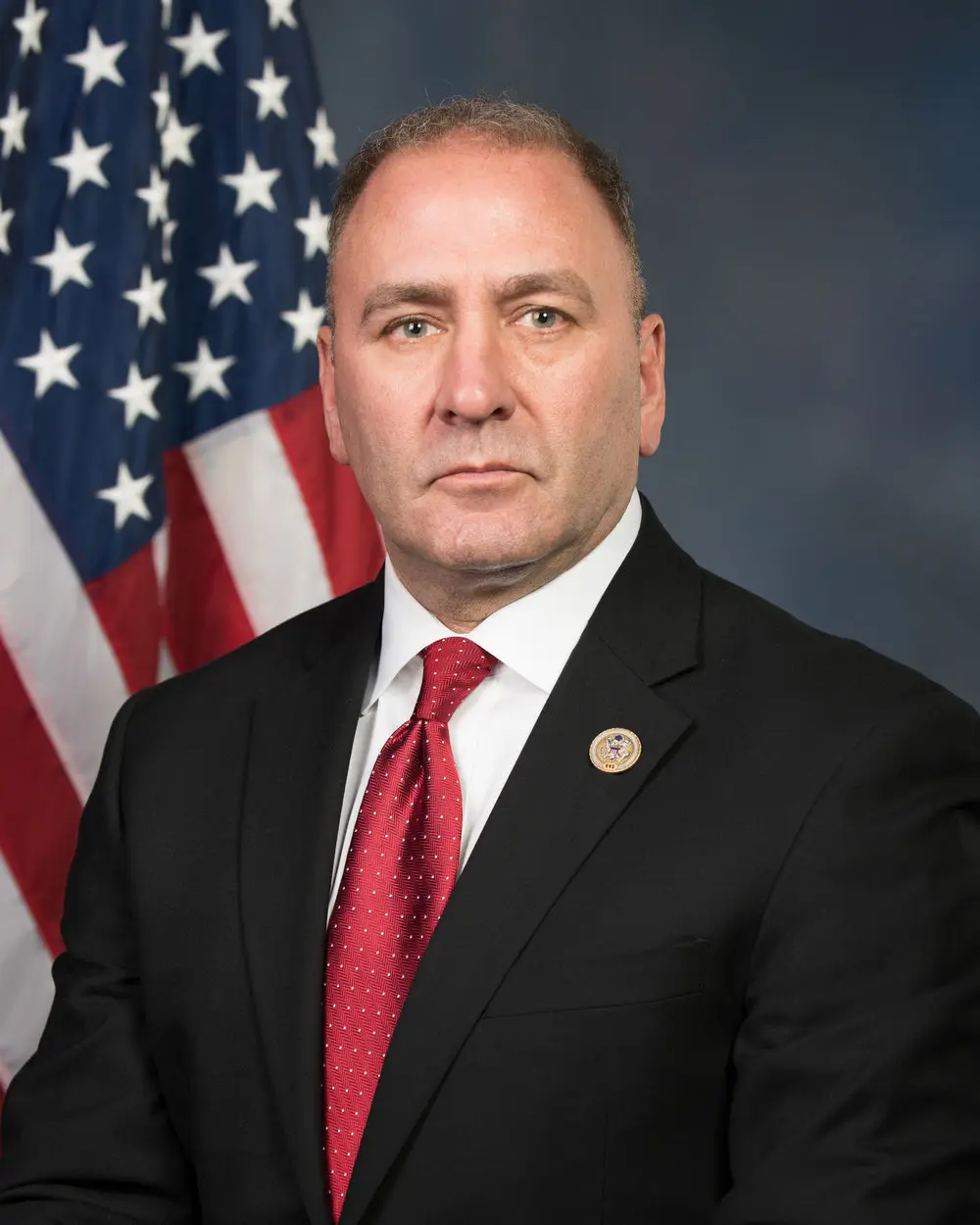
Higgins became the only “no” vote on the bill requiring the Department of Justice to release all Epstein-related documents. He argued that the legislation, in its current form, lacked adequate safeguards for individuals who may appear in the records but have no criminal involvement. These could include witnesses, relatives, or people mentioned peripherally. Higgins said he would support a revised version that better protects such individuals from public exposure.
5. His Role in Epstein-Related Oversight Work
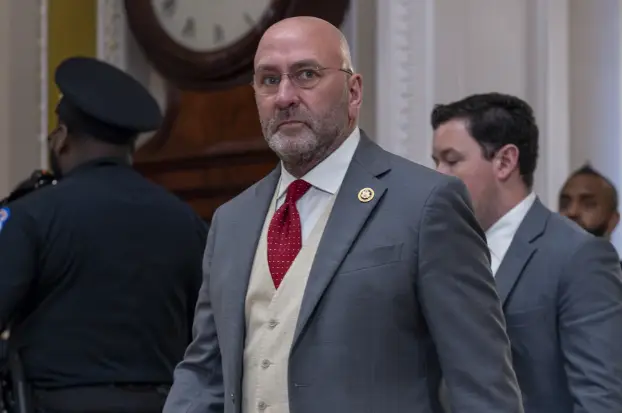
Despite his dissenting vote, Higgins has supported congressional efforts to investigate Epstein’s network and the failures related to his case. He has stated that committees he works with have already made thousands of pages of records public through structured oversight processes. He describes committee-driven investigations as the most responsible method to uncover facts while maintaining legal and procedural integrity.
6. Controversies & Criticism
Higgins has faced criticism throughout his political career for statements on social media and participation in events connected to far-right groups. His vote on the Epstein files added to this scrutiny, with some critics suggesting he aimed to shield certain individuals. Supporters counter that his position reflects a consistent emphasis on privacy rights and due-process protections, even in high-profile cases.
7. Why His “No” Vote Matters
Although the legislation passed overwhelmingly, Higgins’ lone vote highlights tensions between public demands for full transparency and the need to protect individuals not charged with wrongdoing. His stance underscores a broader debate within Congress about how far disclosure laws should go. As a key member involved in oversight work, his role continues to influence how future investigations balance openness with privacy considerations.
)
)
)
)
)