Who has the strongest air defence in the Middle East among those attacked by Iran?

With a combat-proven 90 per cent interception rate and exo-atmospheric Arrow 3 missiles, Israel commands the strongest air defence network among the Middle Eastern nations targeted by Iran. The UAE and Saudi Arabia follow closely.
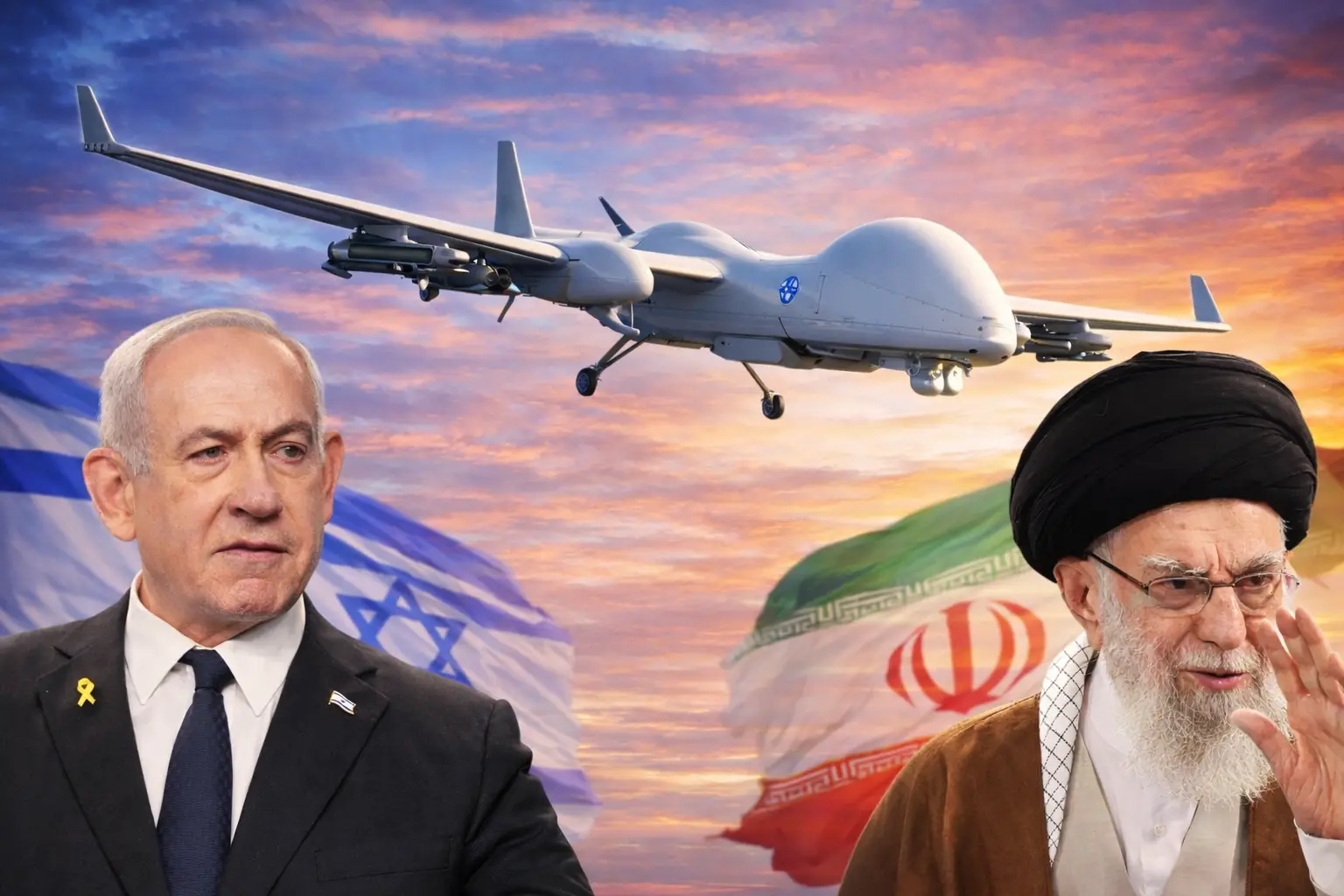
Israel's multi-layered shield
Israel possesses the region's strongest air defence network, featuring a highly integrated, multi-layered system. It effectively neutralises threats ranging from short-range rockets to advanced ballistic missiles.
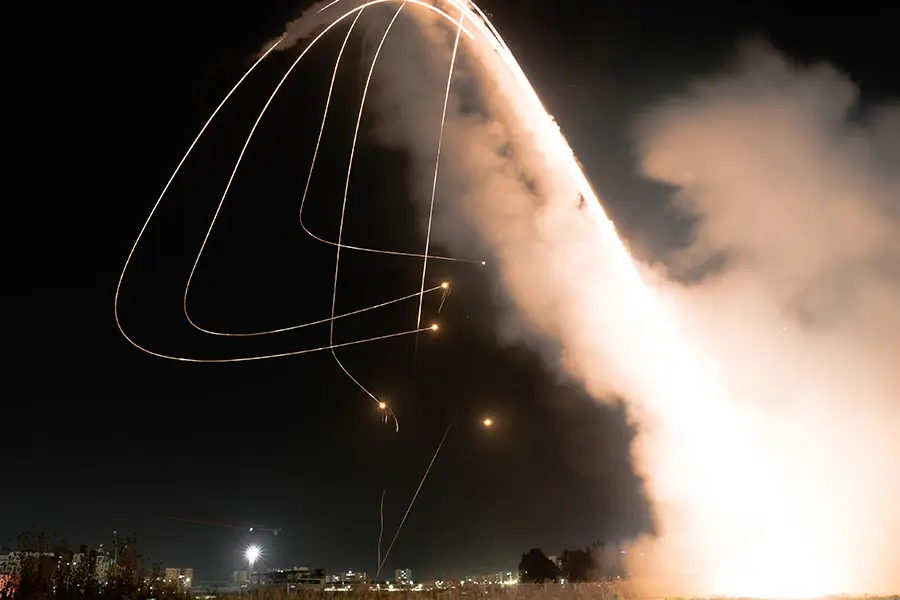
The Iron Dome's success
For low-altitude threats, Israel relies on its Iron Dome. The Israel Defence Forces confirm this system consistently maintains a success rate of over 90 per cent during intense combat scenarios.
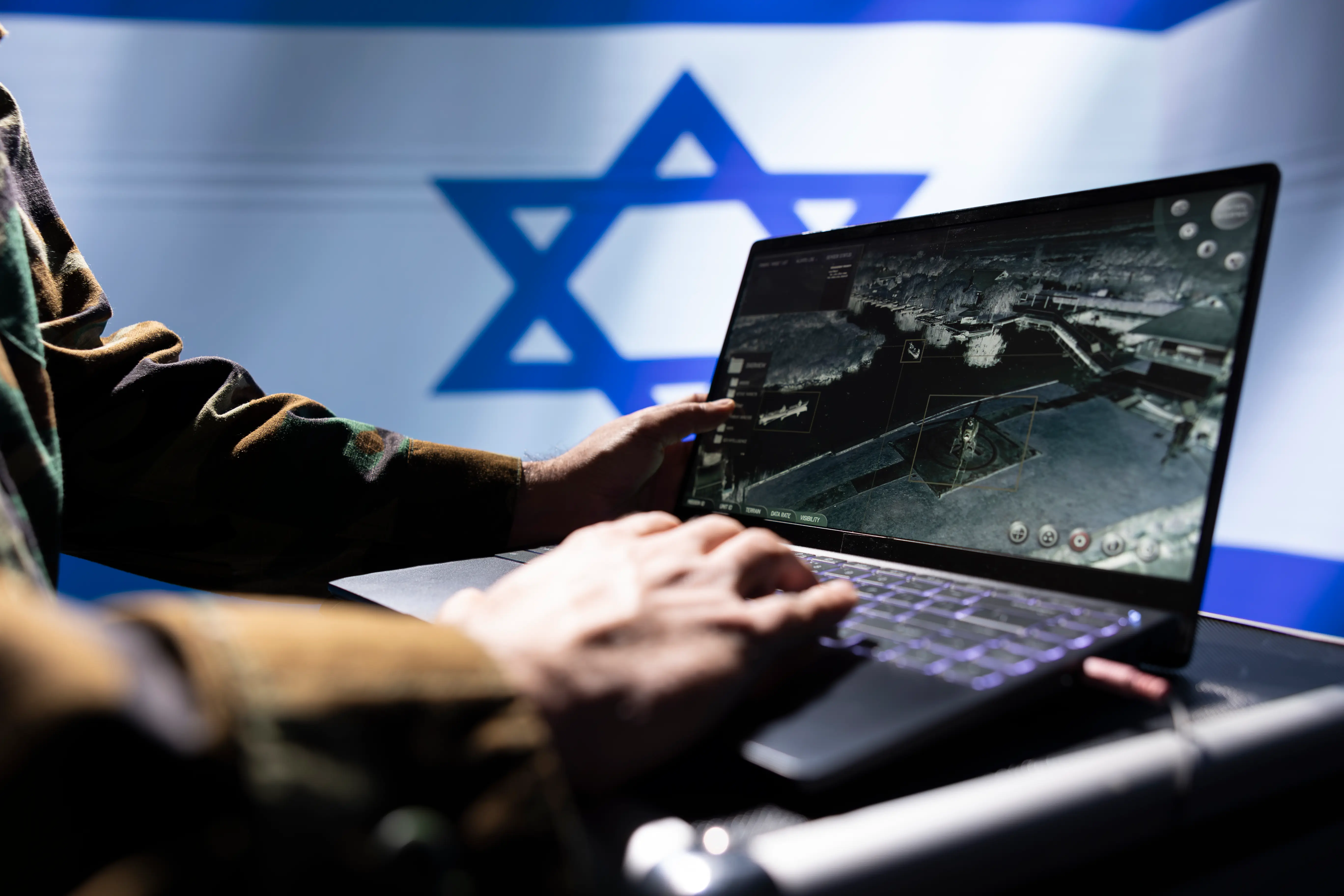
Arrow 3 exo-atmospheric defence
Israel uses the Arrow 3 system to intercept long-range Iranian ballistic missiles. This advanced interceptor destroys incoming threats entirely outside the Earth's atmosphere, preventing collateral damage.
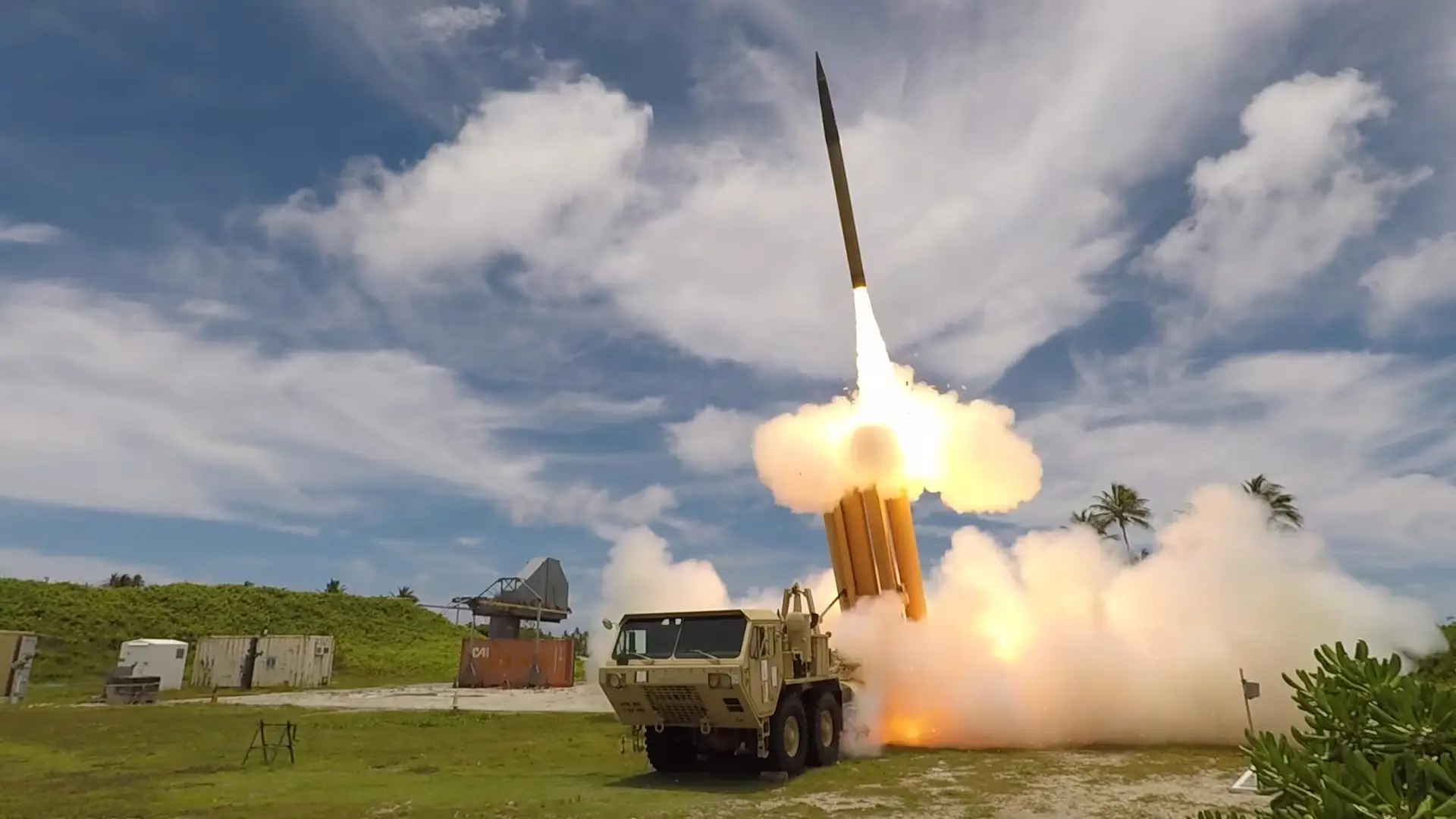
The UAE's THAAD network
Among the Gulf states targeted by Iran, the UAE operates a highly robust defence network. It recently achieved a 96 per cent interception rate against incoming threats using its American-made THAAD and Patriot systems.
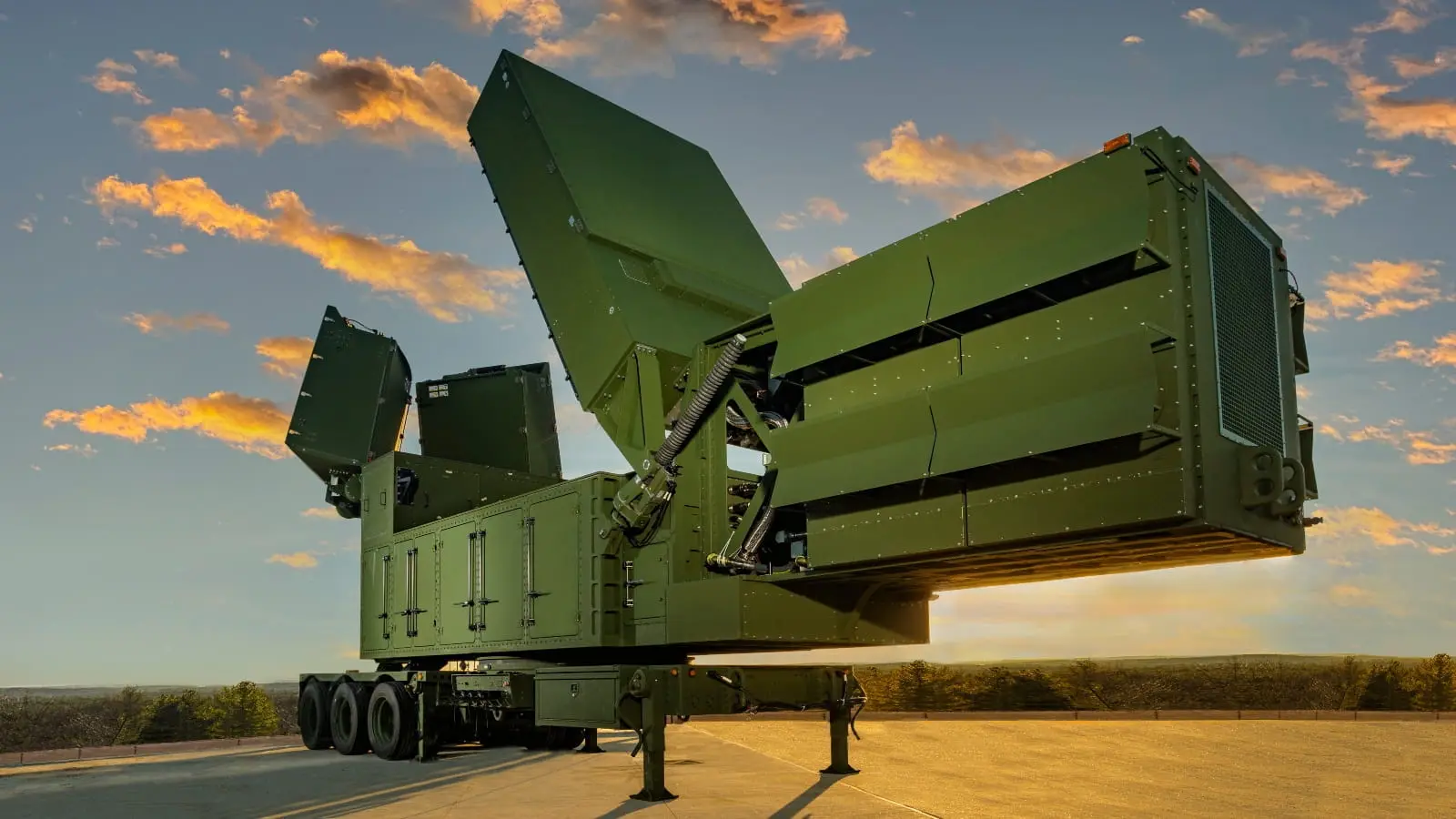
Saudi Arabia's Patriot arsenal
Saudi Arabia commands the largest arsenal of Patriot PAC-3 batteries in the Gulf. Over recent years, these combat-proven systems have successfully intercepted hundreds of ballistic missiles and drones.
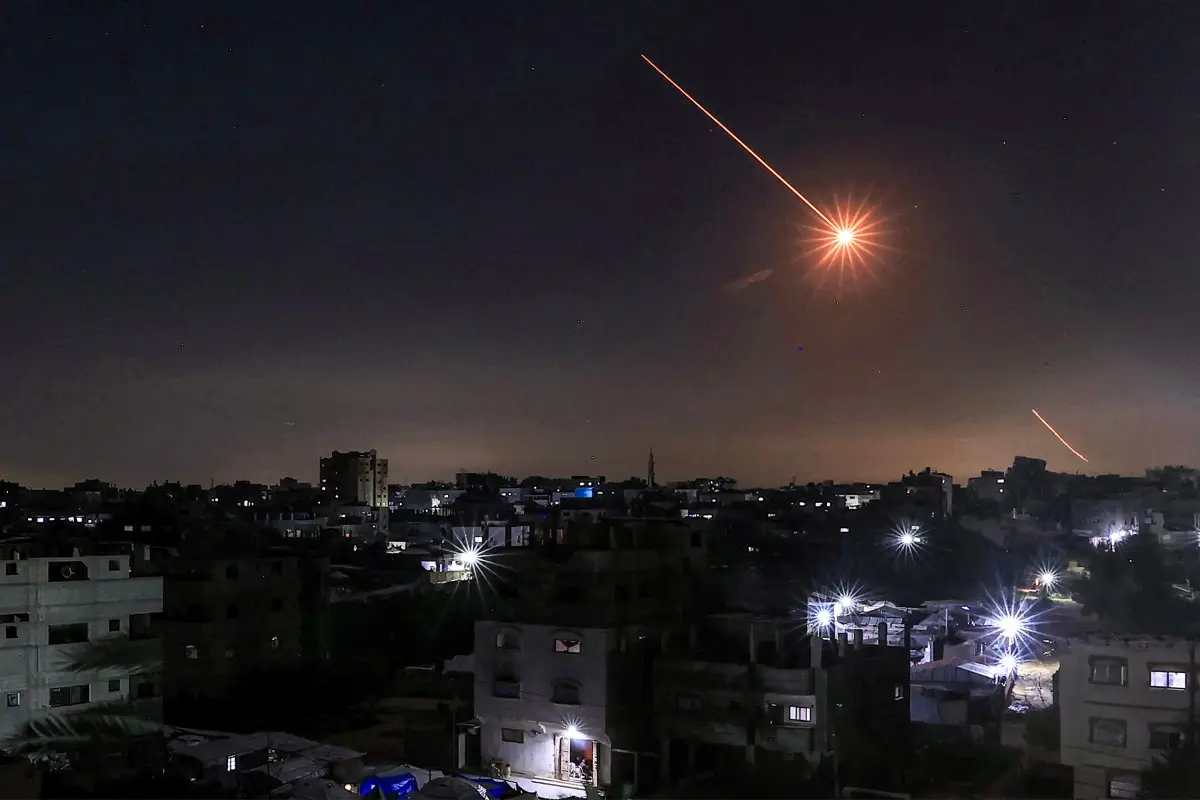
US bases bolster Gulf security
Targeted nations like Bahrain and Qatar benefit heavily from American military installations. US forces stationed at these bases operate their own Patriot and THAAD batteries, adding a critical defensive layer.
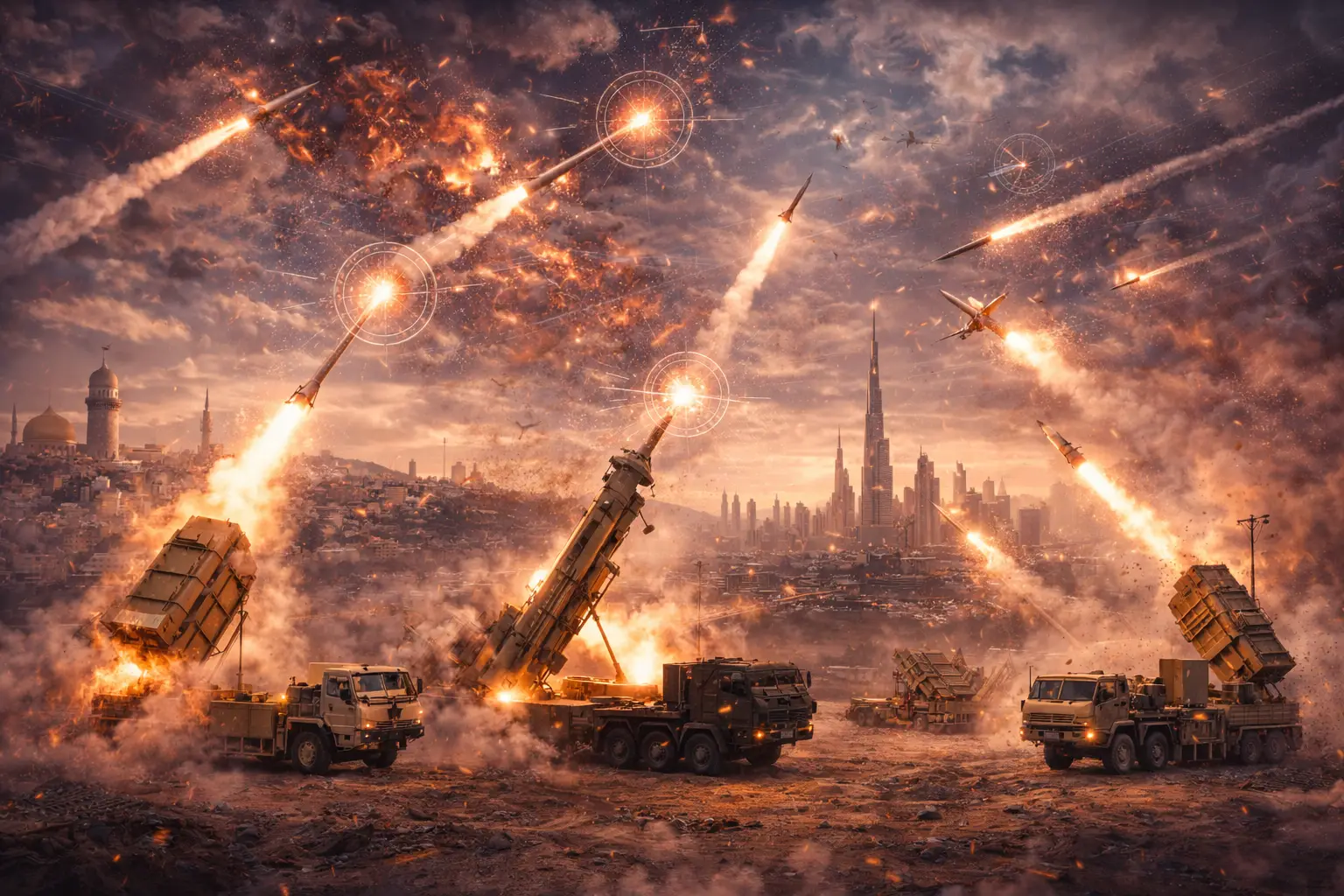
The drone swarm vulnerability
Despite these powerful anti-ballistic shields, intercepting low-flying drone swarms remains a shared regional challenge. Attacked nations are actively integrating rapid-fire systems like the Pantsir-S1 to close this low-altitude gap.
)
)
)
)
)