Who are Neo-Nazis? The chilling comeback of Adolf Hitler’s ideology explained

Neo-Nazis are modern-day individuals or groups who embrace the ideologies of Adolf Hitler's Nazi regime, especially ideas rooted in white supremacy, anti-Semitism, authoritarianism, and ethnonationalism.
A Comeback of Ideology
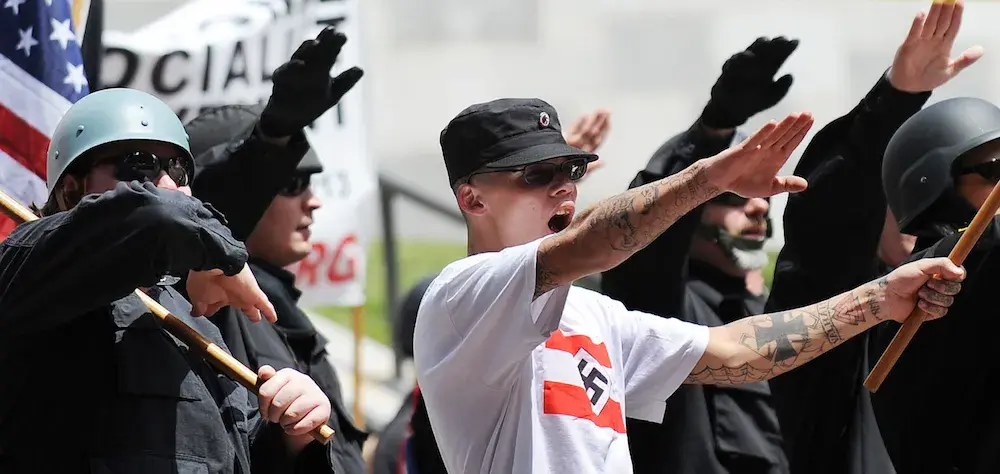
More than seven decades after the fall of Nazi Germany, the ghost of Adolf Hitler and his ideology continues to re-emerge in unexpected and disturbing ways. Across Europe, America, and even parts of Asia, neo-Nazi groups and far-right extremists are reviving fascist symbols, beliefs, and hate-driven narratives once thought to be buried with history. But who exactly are the neo-Nazis, and why is Hitler, a dictator responsible for genocide and World War II, being idolized again?
Who Are Neo-Nazis?
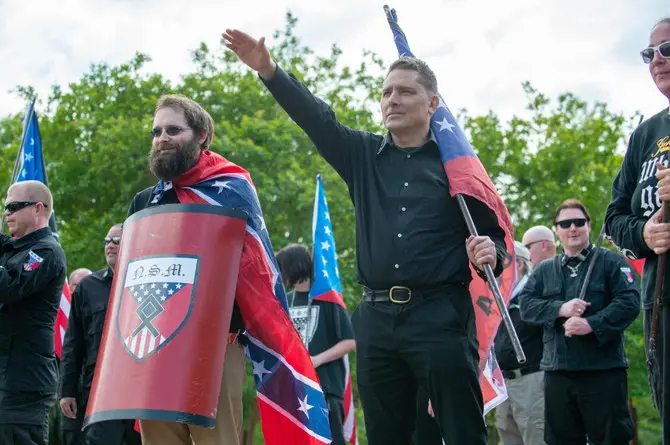
Neo-Nazis are modern-day individuals or groups who embrace the ideologies of Adolf Hitler's Nazi regime, especially ideas rooted in white supremacy, anti-Semitism, authoritarianism, and ethnonationalism. While traditional Nazism was centered in Germany during the 1930s and 40s, neo-Nazism is a global movement with followers in the U.S., Europe, Russia, and even online communities in Latin America and Asia.
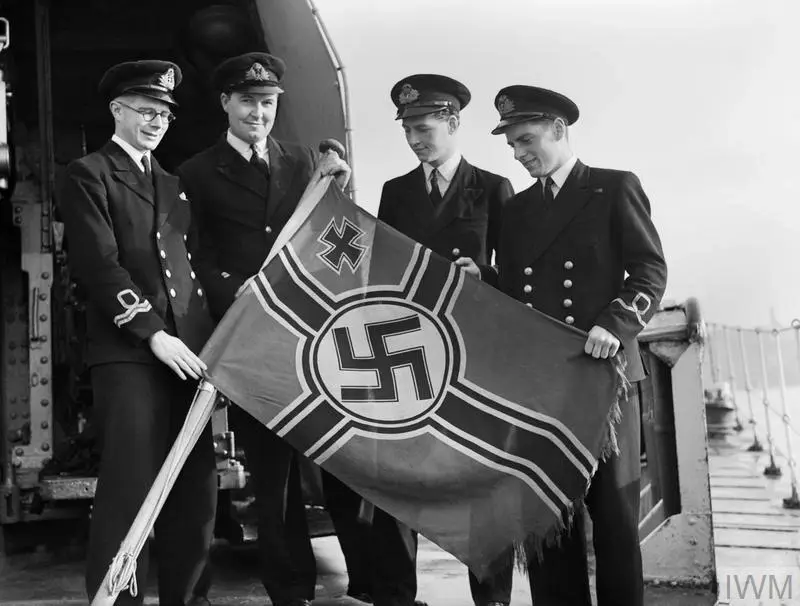
They often adopt Nazi symbols (like the swastika or SS insignia), deny the Holocaust, glorify Hitler, and call for racially "pure" societies. Some also promote violence against minorities, immigrants, Jews, LGBTQ+ people, and political opponents.
Why Is Hitler's Ideology Resurfacing?
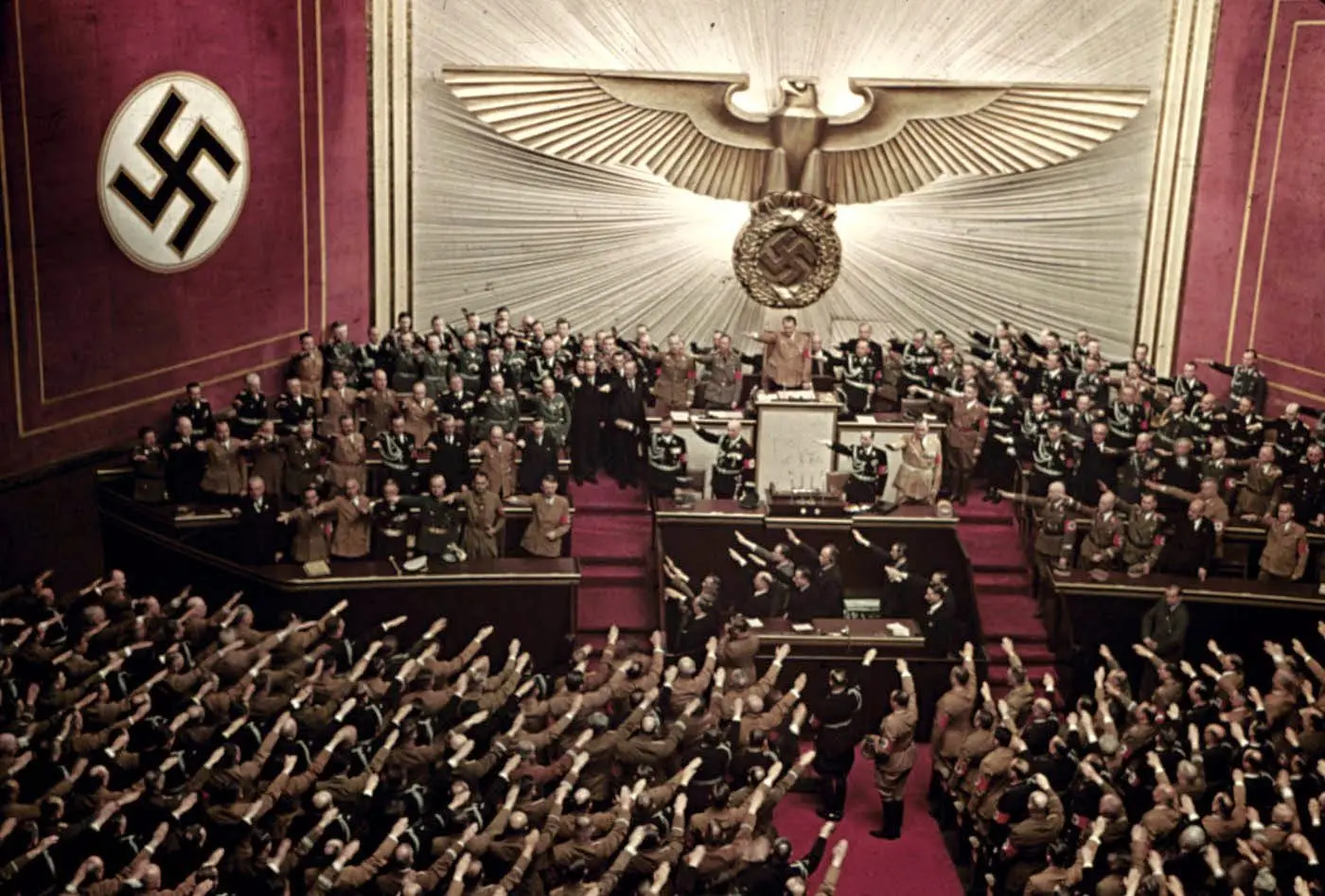
There are multiple reasons why Hitler’s name and neo-Nazi ideas are gaining traction again, especially among young, disillusioned, or radicalised groups:
- Internet Echo Chambers: Social media and encrypted platforms have made it easier for extremist ideologies to spread anonymously and globally. Memes, forums, and "ironic" Nazi references often start as jokes but evolve into recruitment tools.
- Political Polarization: Rising nationalism, fear of immigration, economic inequality, and distrust in governments have created fertile ground for radical ideologies. Neo-Nazis exploit these conditions by offering a sense of identity and control.
- Historical Revisionism: Some groups attempt to minimize Hitler’s crimes or claim “he wasn’t that bad,” often positioning him as a “strong leader” who stood against communism or globalization. These narratives spread fast in unmoderated spaces online.
- Symbolism of Rebellion: For some, Hitler has become a symbol of rebellion, shock value, or anti-establishment anger — especially among fringe youth groups, prison gangs, and certain militia movements.
- Global Far-Right Movement: Neo-Nazism is no longer isolated. It’s part of a larger resurgence of far-right politics, from white nationalist rallies in the US to ultranationalist groups in Eastern Europe and anti-refugee militias in parts of Asia.
Is It Legal?
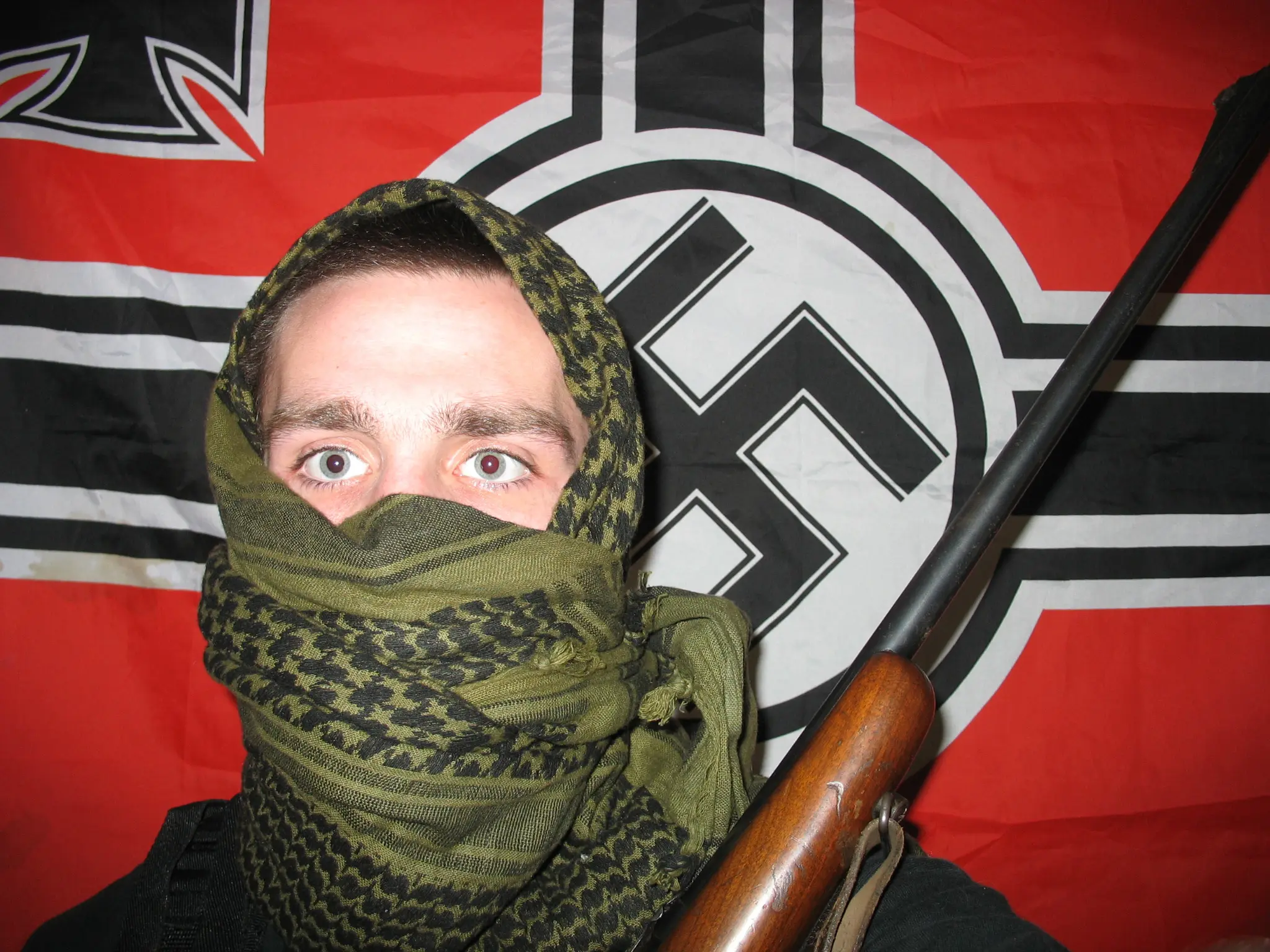
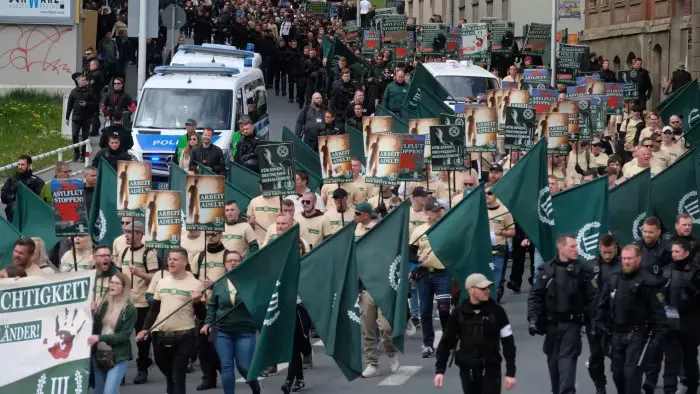
In many countries like Germany and Austria, neo-Nazi symbols and hate speech are strictly banned. But in countries like the US, where free speech protections are broad, groups often operate under the radar, until they organise public rallies, attacks, or hate crimes.
When It Turns Dangerous
Neo-Nazi ideology isn’t just hateful, it’s deadly. Attacks like the Charlottesville rally (US), Christchurch mosque shootings (New Zealand), and the 2023 Slovakia assassination attempt were all linked to far-right or neo-Nazi radicalisation.
The Pushback
The good news: governments, tech platforms, and civil society groups are increasingly fighting back through education, deradicalisation programs, content moderation, and anti-hate legislation. But the battle against neo-Nazism isn’t over, especially when misinformation and propaganda continue to thrive online.
)
)
)
)
)