iPhone 18 Pro f/1.48 vs older iPhone cameras

The iPhone 18 Pro f/1.48 variable aperture physically captures 50 per cent more light than the iPhone 17 Pro's f/1.78 fixed lens. This mechanical upgrade ends aggressive over-processing, delivering genuine optical bokeh and noise-free night shots.
The f/1.48 Breakthrough
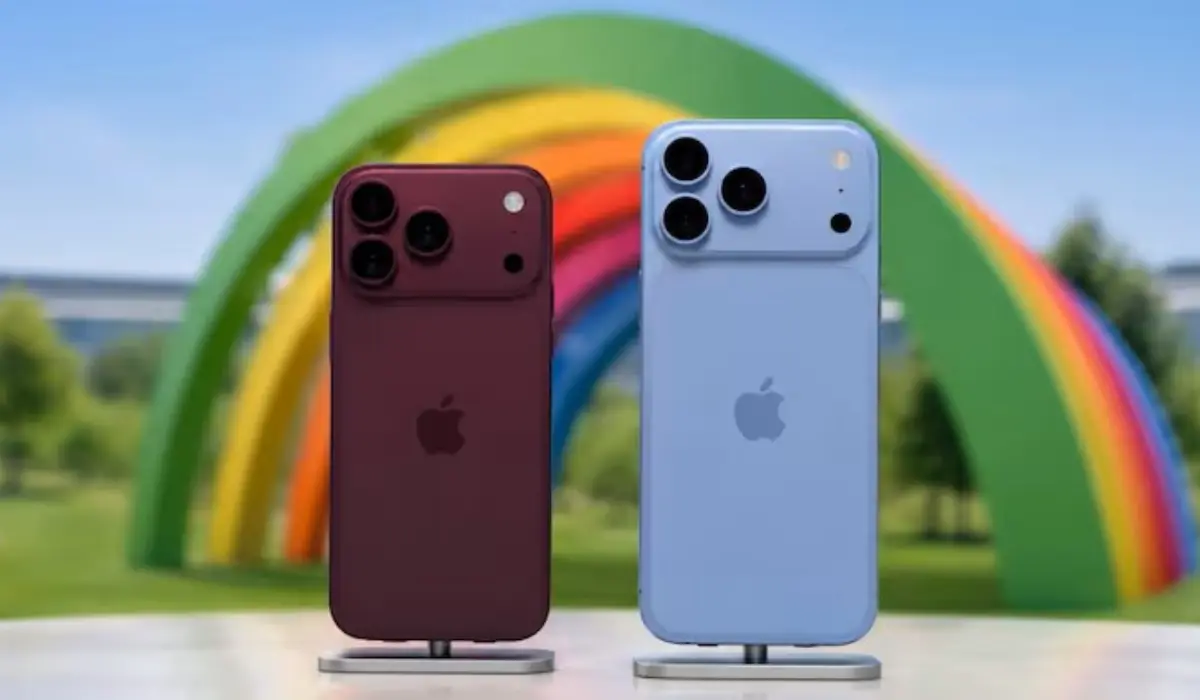
For years, Apple equipped its Pro models with fixed apertures, peaking at f/1.78 on the iPhone 17 Pro. The iPhone 18 Pro breaks this barrier, introducing a massive f/1.48 mechanical variable aperture to the 48-megapixel main camera.
50 Per Cent More Light
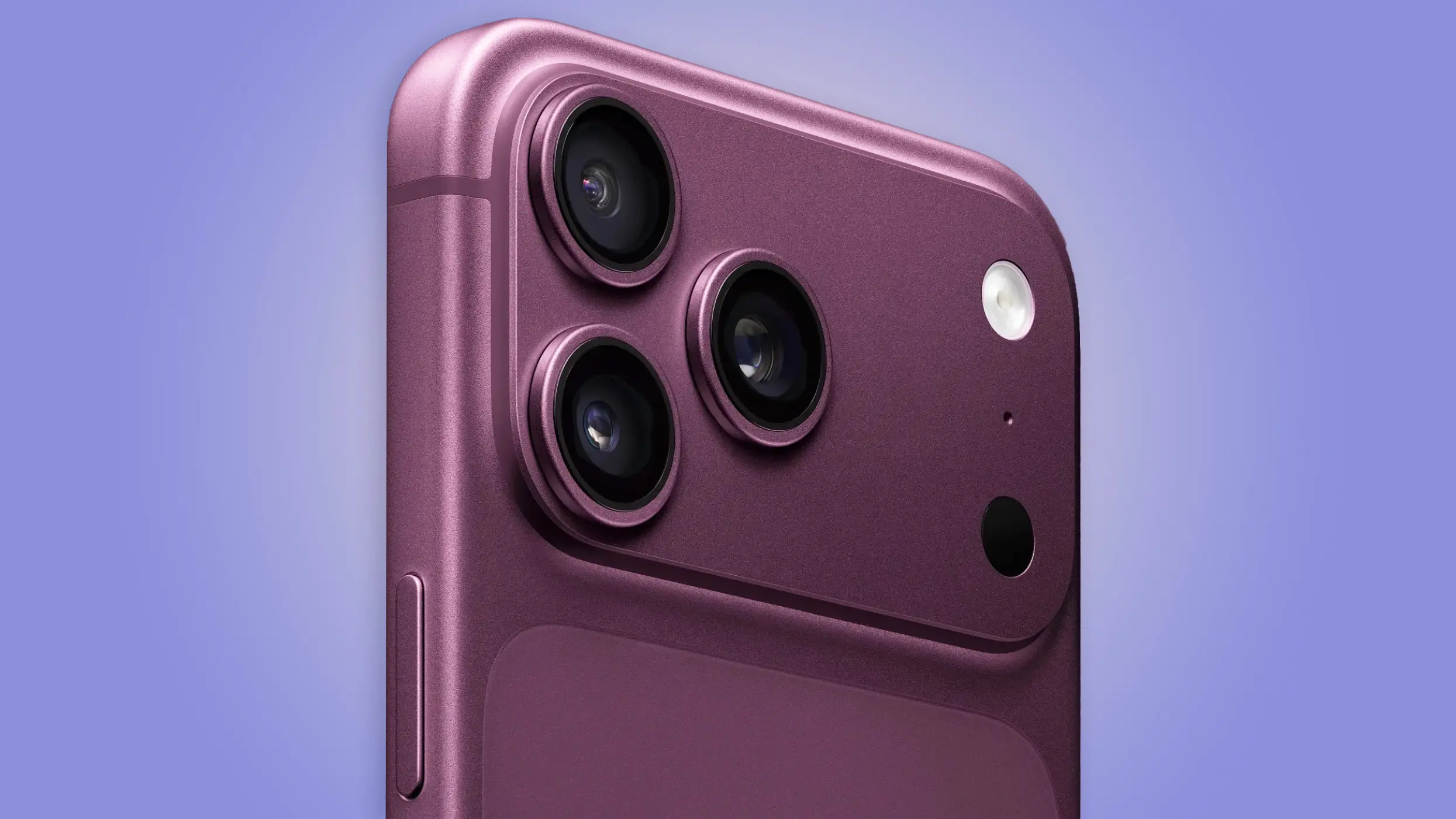
Older iPhone sensors relied heavily on computational processing to artificially brighten dark scenes. The new f/1.48 opening physically captures up to 50 per cent more raw light than the iPhone 17 Pro, drastically reducing the need for aggressive digital enhancement.
Defeating Digital Noise
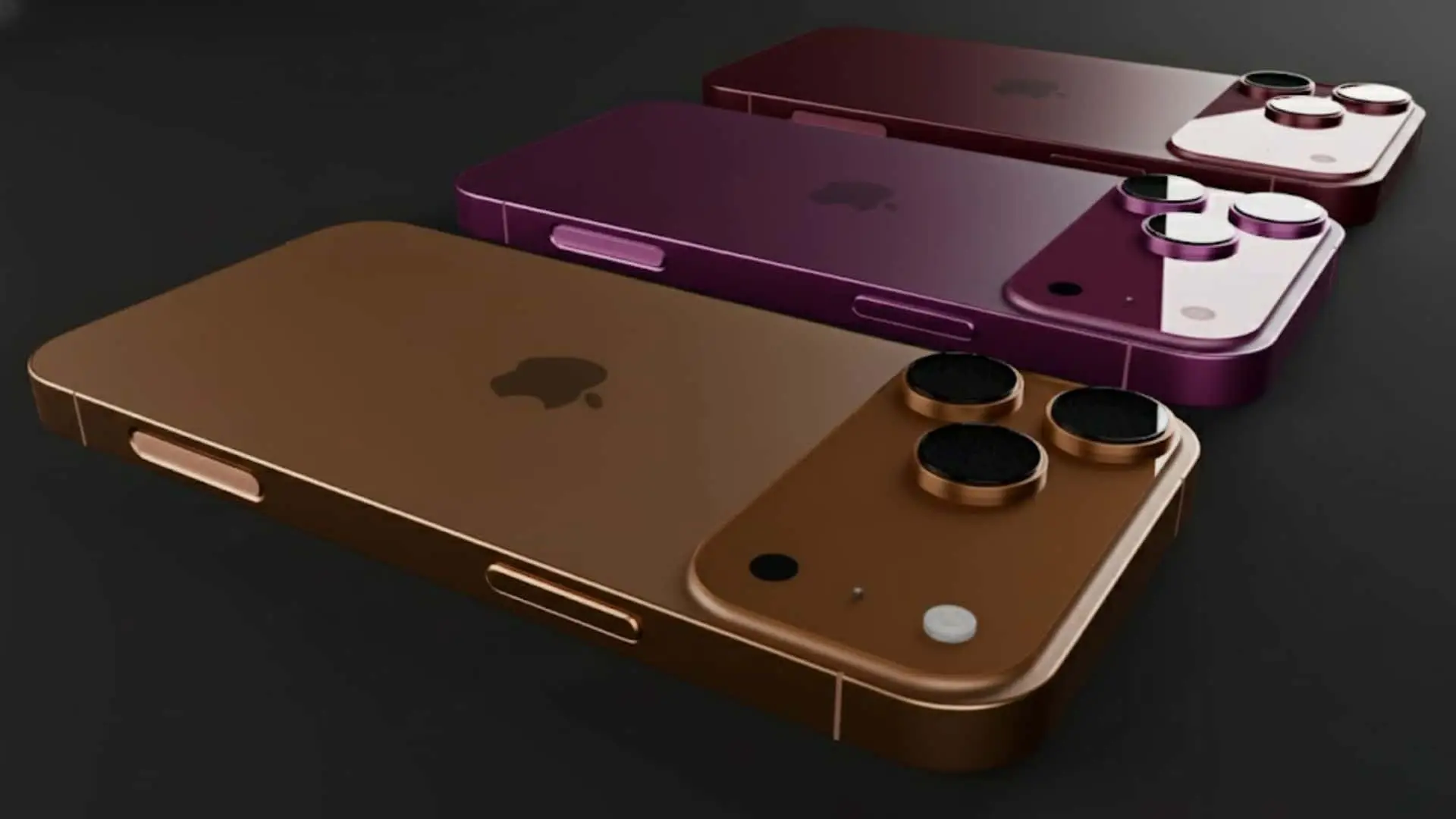
When shooting at night, older models like the iPhone 15 Pro boosted ISO levels, which introduced ugly digital grain. The massive f/1.48 aperture allows the iPhone 18 Pro to maintain a lower ISO, producing remarkably clean and detailed low-light images.
Freezing the Action
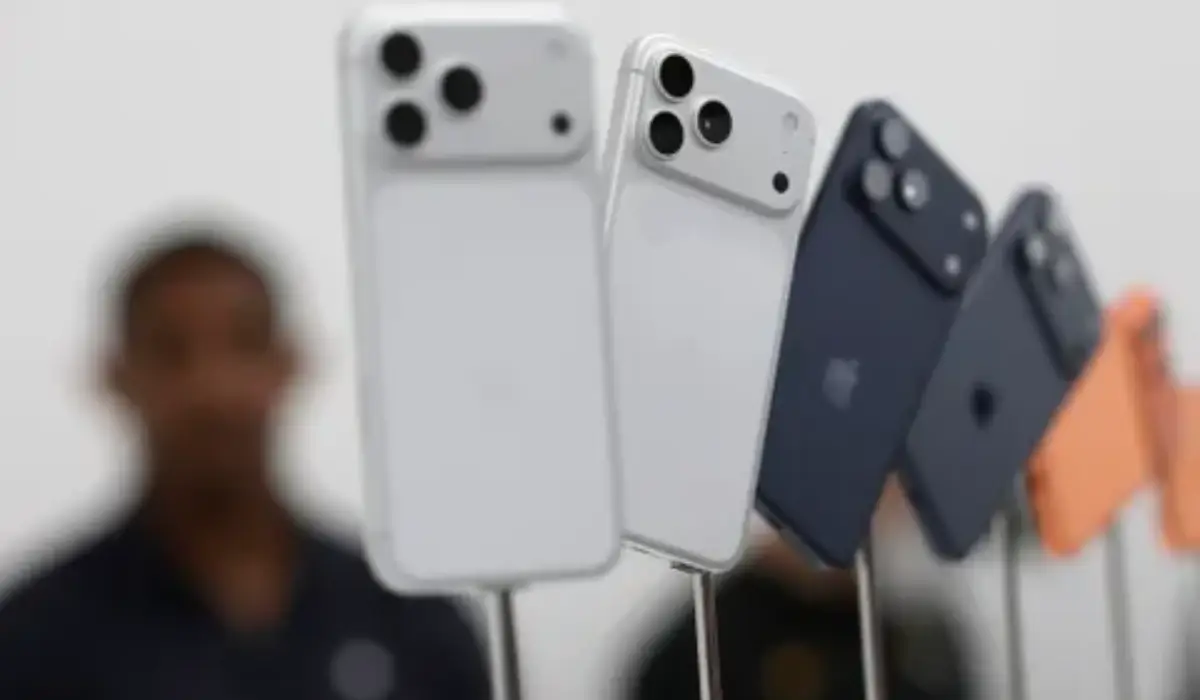
Capturing moving subjects in dim lighting was notoriously difficult for older iPhones due to slow shutter speeds. The increased light intake of the f/1.48 lens allows the iPhone 18 Pro to use much faster shutter speeds, perfectly freezing motion without blur.
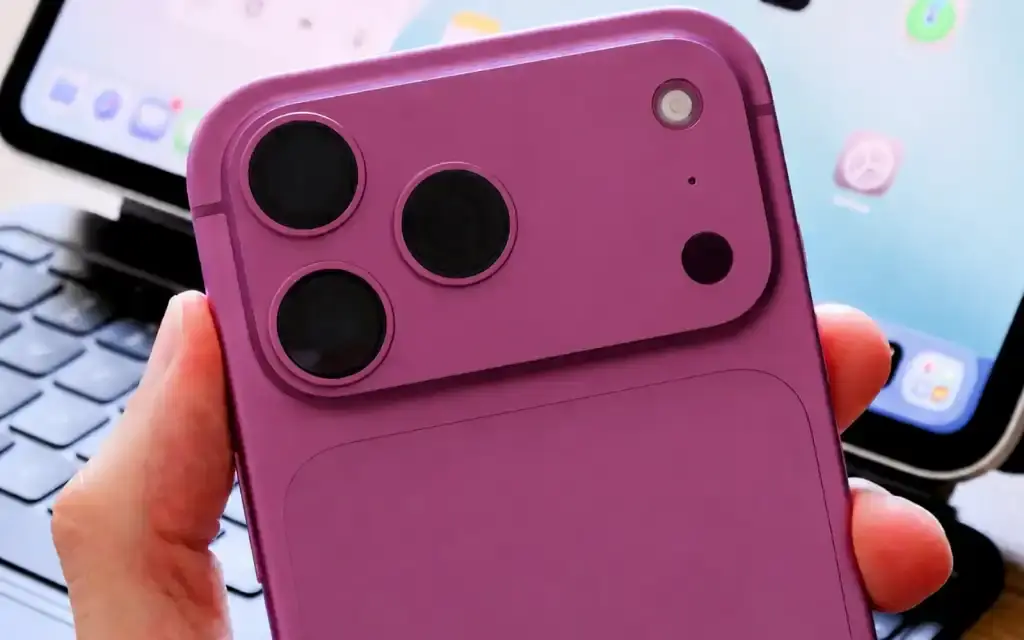
Genuine Optical Bokeh
Previous iPhones relied on software-driven Portrait Mode to artificially blur backgrounds, often struggling with hair or glasses. The physical size of the f/1.48 opening naturally creates a shallow depth of field, delivering genuine, DSLR-like optical bokeh.
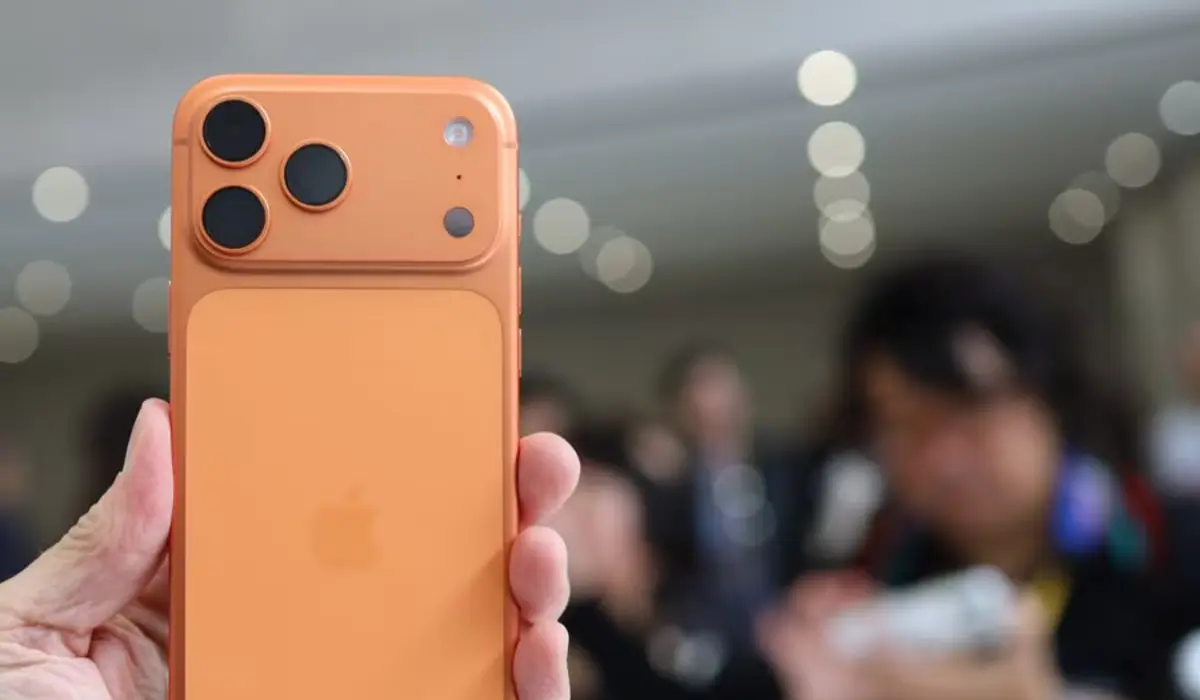
Adapting to Bright Light
While older lenses were permanently stuck wide open, the iPhone 18 Pro can mechanically adapt. When shooting in glaring sunlight, the iris physically stops down to f/4.0, preventing overexposure and keeping sweeping landscapes sharply in focus.
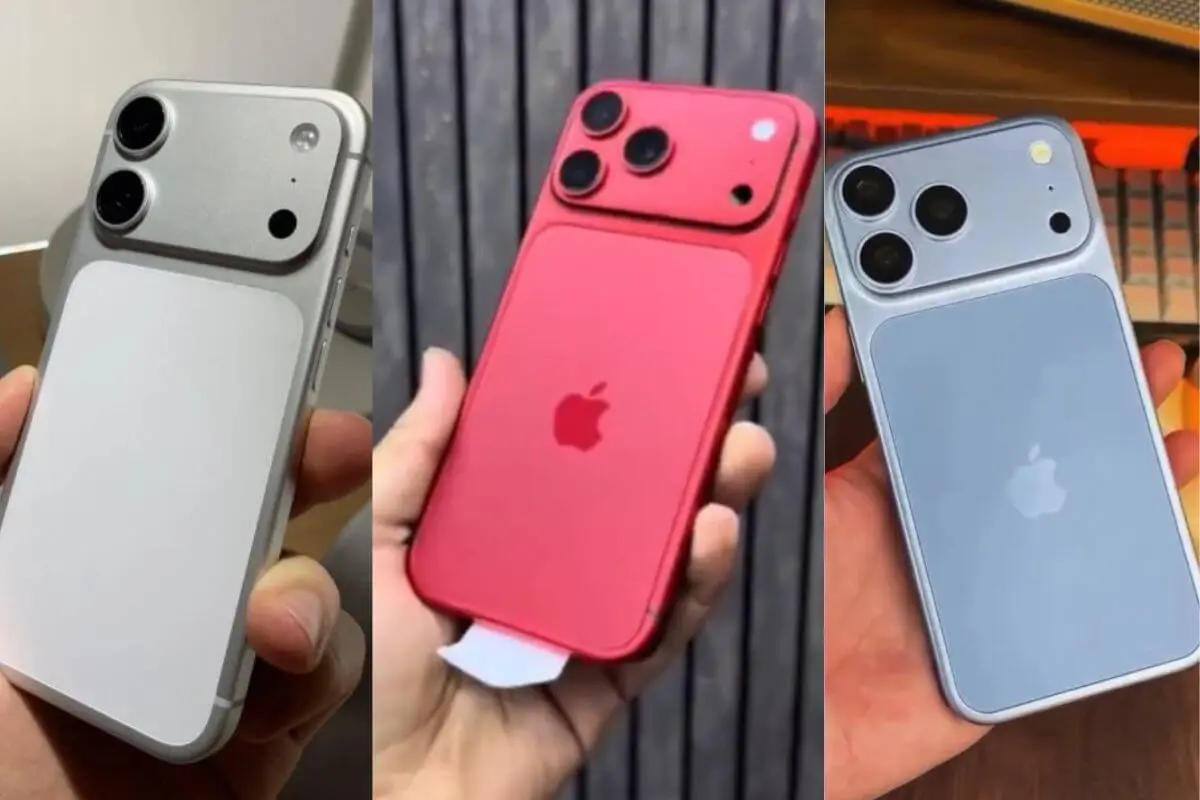
The End of Over-Processing
Generations of iPhones suffered from an overly sharpened, heavily processed digital aesthetic. By capturing vastly more raw optical data through the f/1.48 lens, the iPhone 18 Pro finally delivers the natural, authentic rendering that professional photographers demand.
)
)
)
)
)