White gold vs yellow gold: comparing price, purity, and popularity

White gold and yellow gold are two popular types of gold used mainly in jewellery. Though both contain gold, they differ in appearance, composition, price, and maintenance.
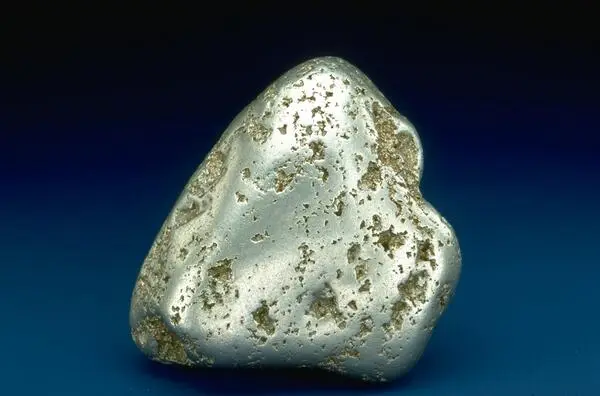
What Is White Gold?
White gold is gold mixed with white metals like palladium, nickel, or silver. It usually has a rhodium plating to give it a bright, shiny, silvery look. This makes it stronger and more scratch-resistant than pure gold.

Yellow Gold?
Yellow gold is the natural colour of pure gold mixed with metals like copper and zinc. It has a warm golden-yellow hue and is favoured in traditional jewellery, especially in India and the Middle East.

Purity and Karat Levels
Both white and yellow gold come in karats like 24K, 22K, 18K, and 14K. The karat number shows gold’s purity, with 24K being pure gold. White and yellow gold of the same karat have equal gold content but differ in alloy metals.
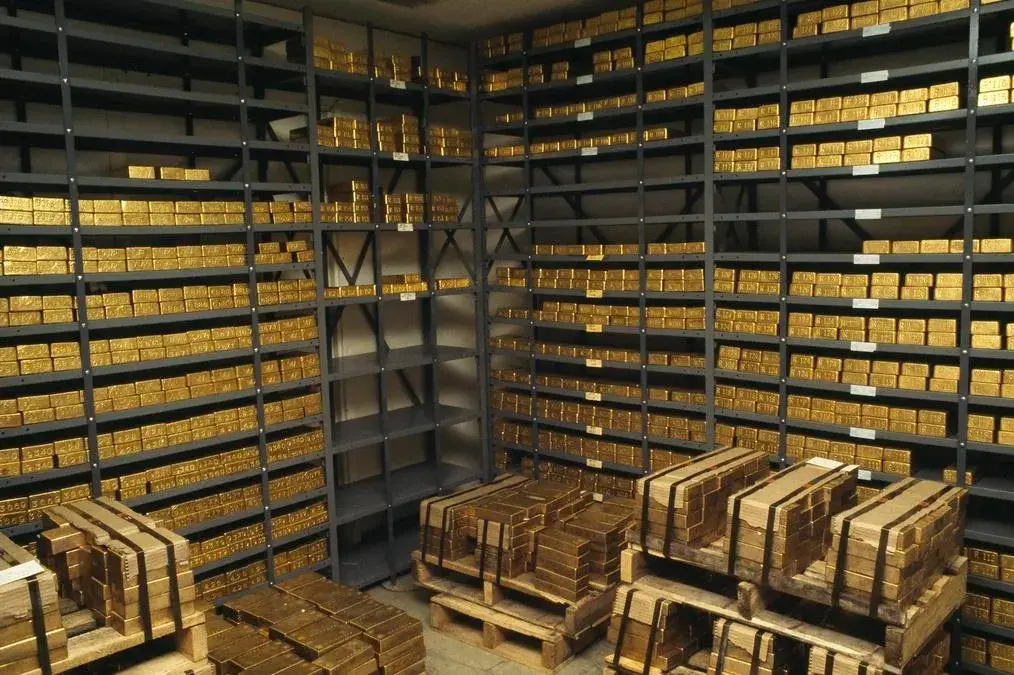
Price Difference
White gold is often priced 10-15 per cent higher due to the costly metals used in alloys and rhodium coating, plus maintenance like re-plating. Yellow gold is generally less expensive and requires less upkeep.

Popularity Trends
White gold is popular for modern and sleek jewellery, often chosen for engagement rings. Yellow gold has made a comeback with vintage designs and cultural significance, keeping its classic appeal strong.

Maintenance and Durability
White gold needs rhodium re-plating every 1-3 years to keep its brightness. Yellow gold can tarnish but is easier to maintain overall. White gold is stronger and better at resisting scratches than yellow gold.

How to choose?
Choose white gold for a modern look, durability, and sleek jewellery. Pick yellow gold for tradition, cultural significance, and a warm classic colour. Both are real gold with their own beauty and benefits.
)
)
)
)
)